24/7 Emergency Restoration · Serving Metro AtlantaEmergency? (770) 404-6895
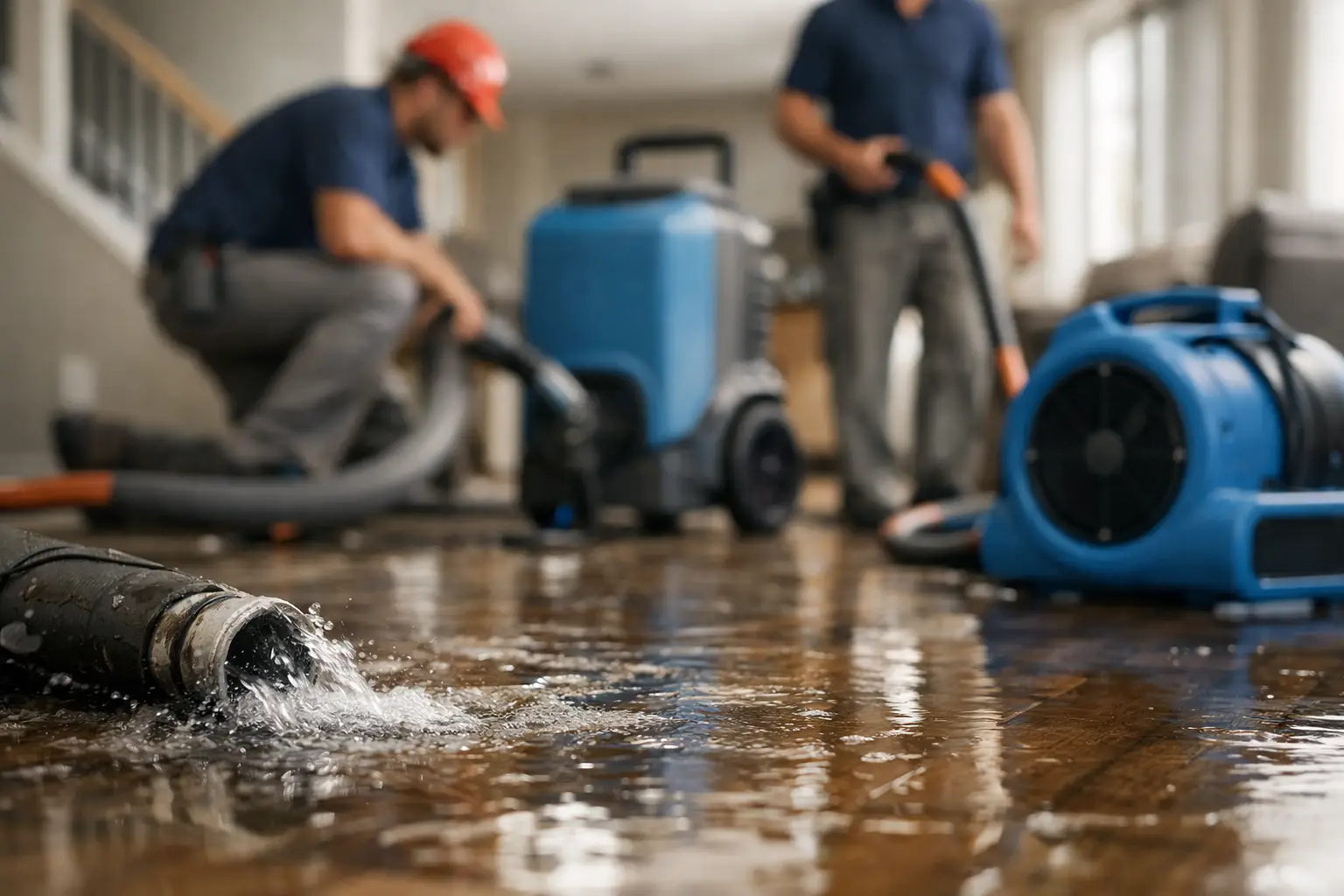
Sewage remediation services Austell usually cost less to control when the response starts fast and the claim is documented cleanly. I am Chris Kwangwari, owner of Elevated Operations, LLLP in Mableton. I handle sewage cleanup with IICRC-certified technicians, direct insurance billing, and deductible assistance up to $1,000.
IICRC-Certified · 5-Star Rated · 60-Minute Response · Insurance Billed Directly
Because moisture travels into hidden materials, contamination spreads, and the job becomes removal plus disinfection instead of simple cleanup. Delays also raise the odds of odor and mold.
Small surface damage can still hide larger contamination. I check the full spread before I say a material can stay. Sewage rarely respects the visible edge.
If the loss fits your policy, yes. I document the source, the affected materials, and the scope so the carrier can review the claim clearly.
Yes. I serve Cobb, Fulton, DeKalb, Douglas, Clayton, Henry, and Paulding counties from my Mableton base, and I respond 24/7.
Sewage remediation services in Austell are priced by the scope of contamination, the materials affected, and the amount of cleanup, sanitization, and disinfection required. Insurance usually looks at sudden, accidental water loss and the source of the backup, then applies your policy terms and deductible.
I start with the loss itself, not a guess. Sewage cleanup is not one flat job, because toilet backup cleanup on a small bathroom floor is nothing like contamination removal through carpet, drywall, and baseboards. The work changes fast once sewage reaches hidden cavities.
Austell homeowners remember how water can move after a storm, and the Sweetwater Creek 2009 flood is a real reminder of how quickly wet materials become a bigger problem. With black water remediation, the clock matters, because mold starts in 24 to 48 hours and odor control gets harder the longer contamination sits.
Insurance usually cares about documentation. I use direct insurance billing, and that keeps the claim cleaner for the carrier. The adjuster wants the cause, the affected materials, the scope of biohazard cleanup, and whether replacement was needed. IICRC-certified technicians help keep that record straight.
They include sewage cleanup, containment, removal of affected materials, sanitization, disinfection, odor control, and verification that contamination is gone. If the sewage has spread, the work can also include black water remediation and biohazard cleanup for items that cannot be saved.
I do not treat sewage like ordinary water. Once it is in a home, the job becomes a health and property issue at the same time. The first step is stopping spread, then removing contaminated materials that cannot be properly cleaned, then finishing with sanitization and disinfection.
In Austell, older homes near busy corridors and newer homes closer to growing subdivisions can both hide damage in the same way. Carpet pad, trim, insulation, and porous finishes often hold contamination longer than people expect. That is where contamination removal matters more than surface drying.
Odor control is not a cosmetic extra. Sewage leaves a smell that can linger in framing, subflooring, and trapped airspaces. I look at what can be cleaned and what has to come out, because that decision drives cost, insurance review, and whether the loss is truly resolved.
Yes, if sewage entered the living space, sewage remediation is necessary. A backup is not just a mess. It can leave bacteria, moisture, and hidden residue behind, which means the property needs cleanup, disinfection, and often contamination removal before it is safe to use again.
A toilet backup cleanup may look contained at first, but the cost of doing nothing is usually higher. Sewage can wick into drywall, under cabinets, and beneath flooring. If that material stays wet, the cleanup expands. That is why I treat response time as part of cost control.
The Sweetwater Creek 2009 flood taught Austell a simple lesson, water finds the low spot and the hidden space. Sewer water does the same inside a home. If a backup reaches porous materials, sanitization alone may not be enough, because the material itself has absorbed contamination.
Insurance carriers often ask whether the damage was sudden and whether the affected areas were addressed quickly. That is where claims can be helped or hurt. When I document the loss from the first visit, the carrier has a clearer view of what was covered and what was not.
Some sewage damage can be sanitized, but not everything can be saved. Hard, nonporous surfaces may be cleaned and disinfected, while porous materials often need removal. The decision depends on contamination depth, saturation, and whether odor control can be achieved without leaving residue behind.
This is where people get surprised. They think a good cleaner will solve it. Sometimes it will not. Sanitization and disinfection work well on the right surfaces, but sewage pushes into fibers, seams, and layers where cleaning chemicals cannot fully reach. Then removal is the honest answer.
IICRC-certified technicians are trained to judge those differences. That matters because insurance does not want waste, but it also does not want a half-finished job. If the material can be cleaned safely, I say so. If contamination removal is the right call, I say that too.
In homes around Austell and the greater Cobb County area, flooring type often decides the outcome. Solid surfaces may respond to cleanup, but carpet, pad, and damaged drywall often do not. A real sewage remediation plan balances cost with safety, not wishful thinking.
Anything porous or structurally compromised after sewage contamination should be evaluated for removal, including soaked carpet, pad, drywall, insulation, and trim. If material cannot be fully cleaned and dried, leaving it in place usually increases odor, health risk, and claim friction.
Removal is not about being aggressive. It is about stopping hidden damage. Once sewage soaks into a porous material, it can hold moisture and contamination long after the surface looks dry. That creates a bad claim and a worse house, especially if odor control never fully resolves.
I pay close attention to the flood pattern and the backup path. After the Sweetwater Creek 2009 flood, Austell homeowners saw how water follows low spots and weak points. Inside a home, sewage does the same thing, and the most damaged materials are often just out of sight.
A clean finish depends on removing the wrong materials before rebuilding. That is why biohazard cleanup and contamination removal are part of the cost discussion from the start. If you skip that step, you pay for it later in recurring smell, staining, and more insurance questions.
Claims for sewage cleanup usually start with documentation, photos, scope notes, and a review of the cause of loss. I handle direct insurance billing, which means the carrier gets the paperwork it needs while you focus on getting the property stabilized and cleaned.
Insurance does not pay based on emotion. It pays based on the policy language, the cause, and the documentation. That is why I move quickly on the record. The adjuster needs to see the source, the affected rooms, the materials removed, and the steps taken for sanitation and disinfection.
Deductibles matter, and they matter early. I offer deductible assistance up to $1,000, which can help reduce the pressure of starting the job. That does not change what the carrier owes under the policy, but it can make the beginning of the claim easier to manage.
Because I have been in restoration since 2007, I know which details slow claims down. Missing photos, vague invoices, and poor scope notes create delays. I keep the paperwork tied to the actual work, and that helps when the loss involves black water remediation and biohazard cleanup.
Pricing depends on how far sewage spread, what materials were hit, and whether the job needs cleaning, sanitization, disinfection, removal, or full black water remediation.
Photos, notes, and a clear cause of loss help the claim move. I use direct insurance billing so the carrier gets the record it needs without extra handoffs.
Your deductible is part of the decision to start work. I offer deductible assistance up to $1,000, which can help with the initial pressure on a sewage cleanup claim.
Porous materials often need removal after sewage contamination. That affects both the scope and the claim, especially when odor control or contamination removal is still needed later.
IICRC-certified technicians and a licensed general contractor matter when the loss includes biohazard cleanup, rebuild needs, and insurer review after toilet backup cleanup.
From emergency mitigation to full reconstruction, handled in-house so you are never managing a chain of subcontractors mid-crisis.
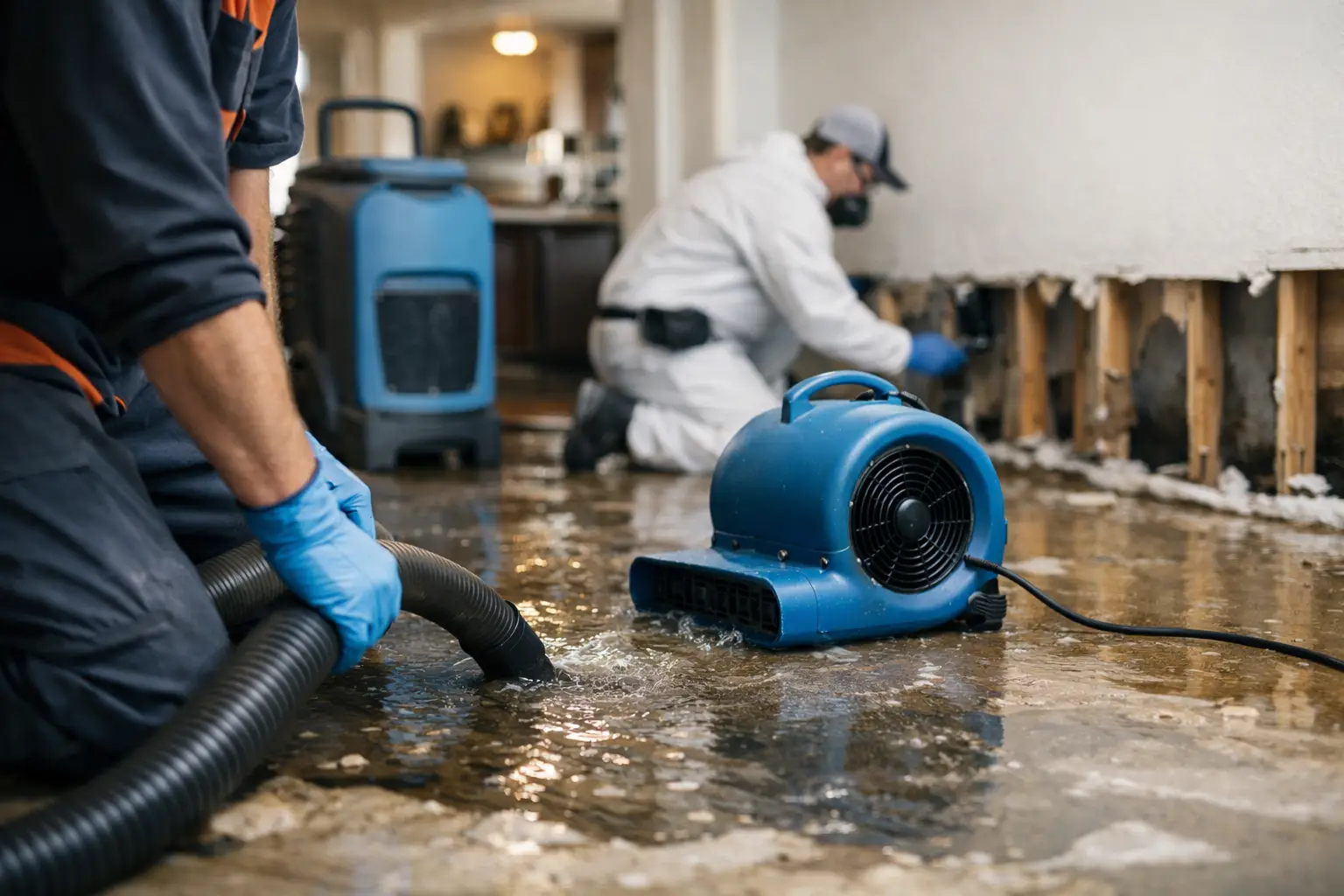 Water Damage
Extraction, structural drying, and moisture mapping after floods, leaks, and burst pipes.
Get help now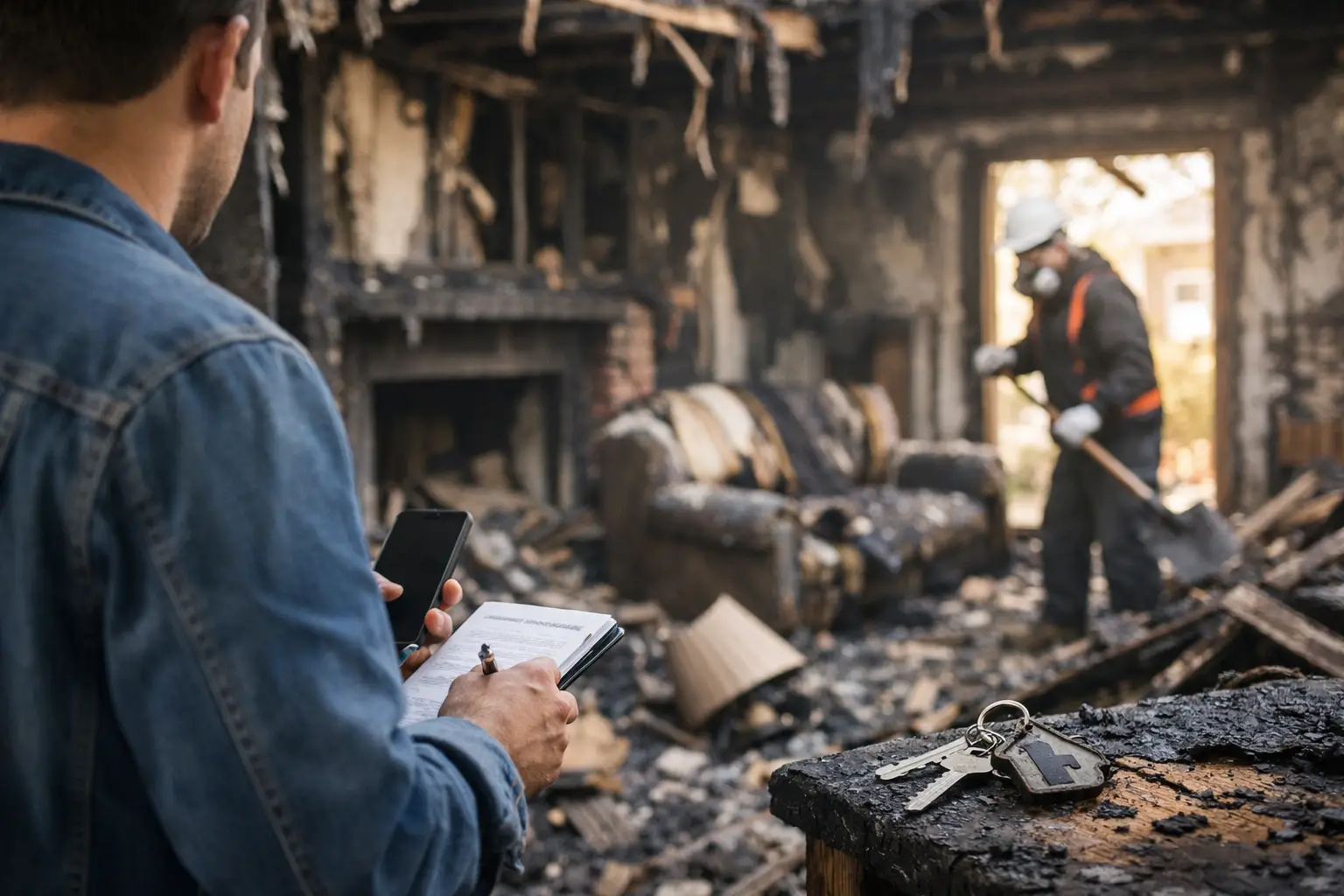 Fire & Smoke
Soot removal, odor deodorization, and content cleaning after fire and smoke damage.
Learn more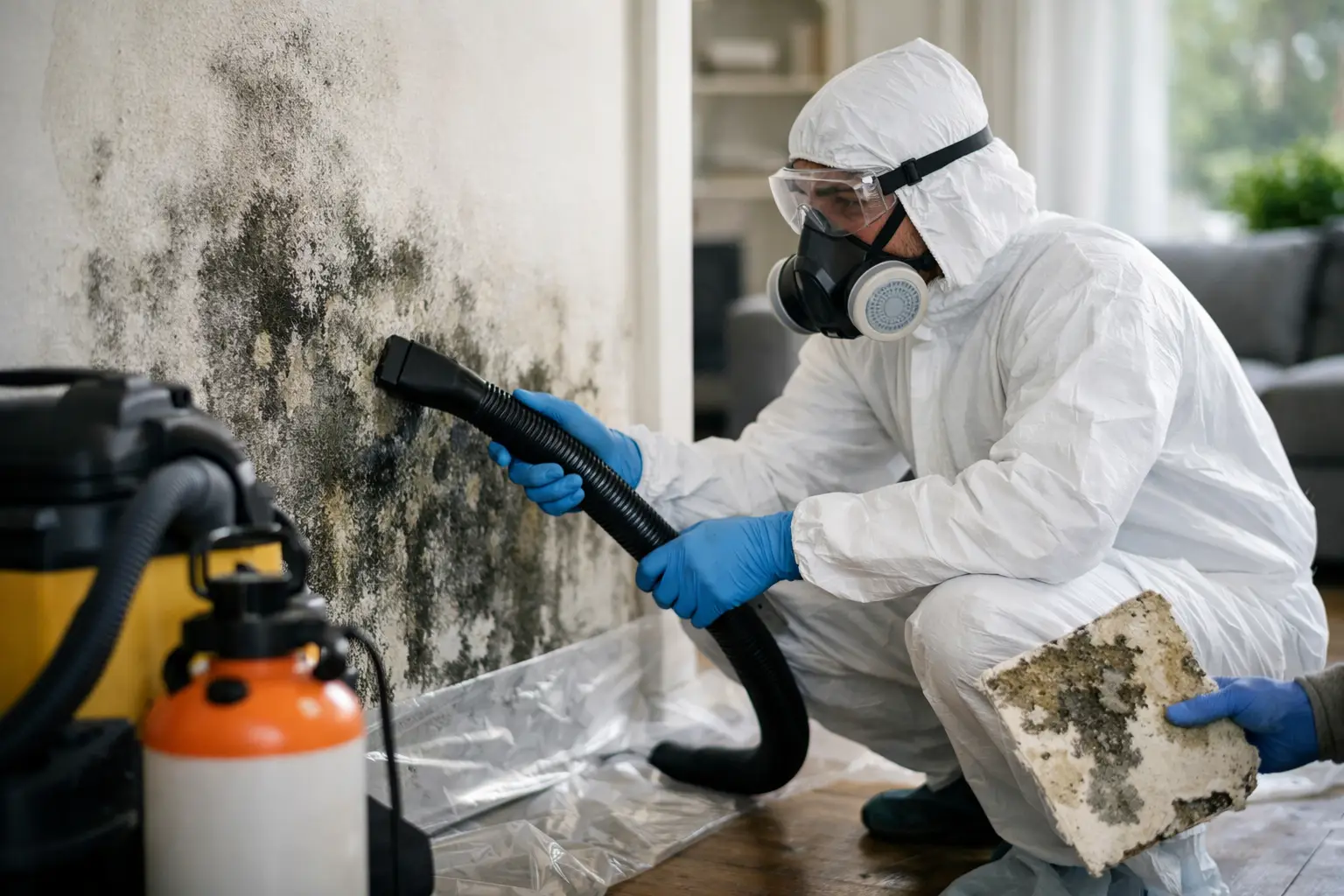 Mold
MoldContainment, removal, and moisture control that stops mold from coming back.
Learn more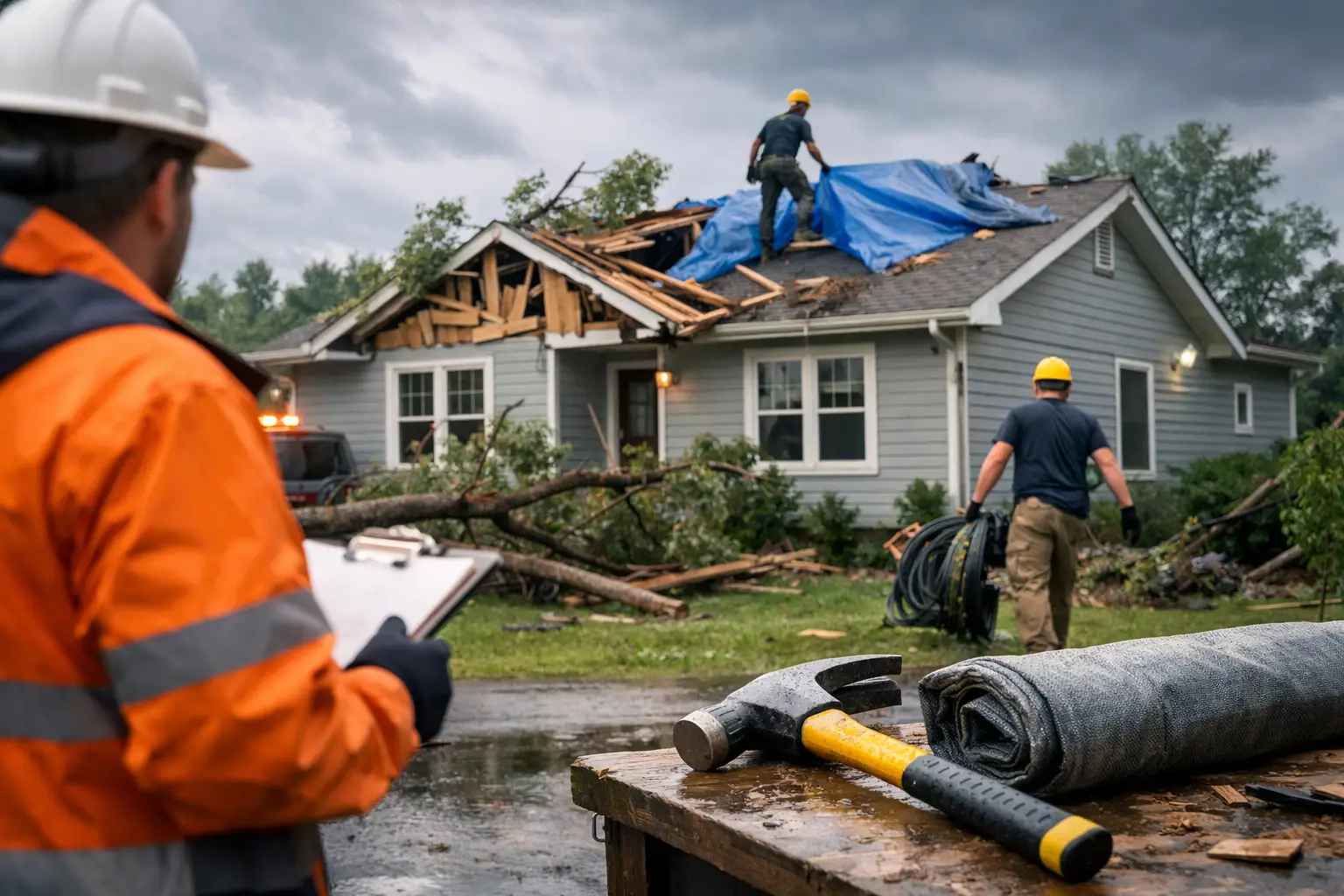 Storm
StormEmergency board-up, roof tarping, and full recovery after wind, hail, and storms.
Learn more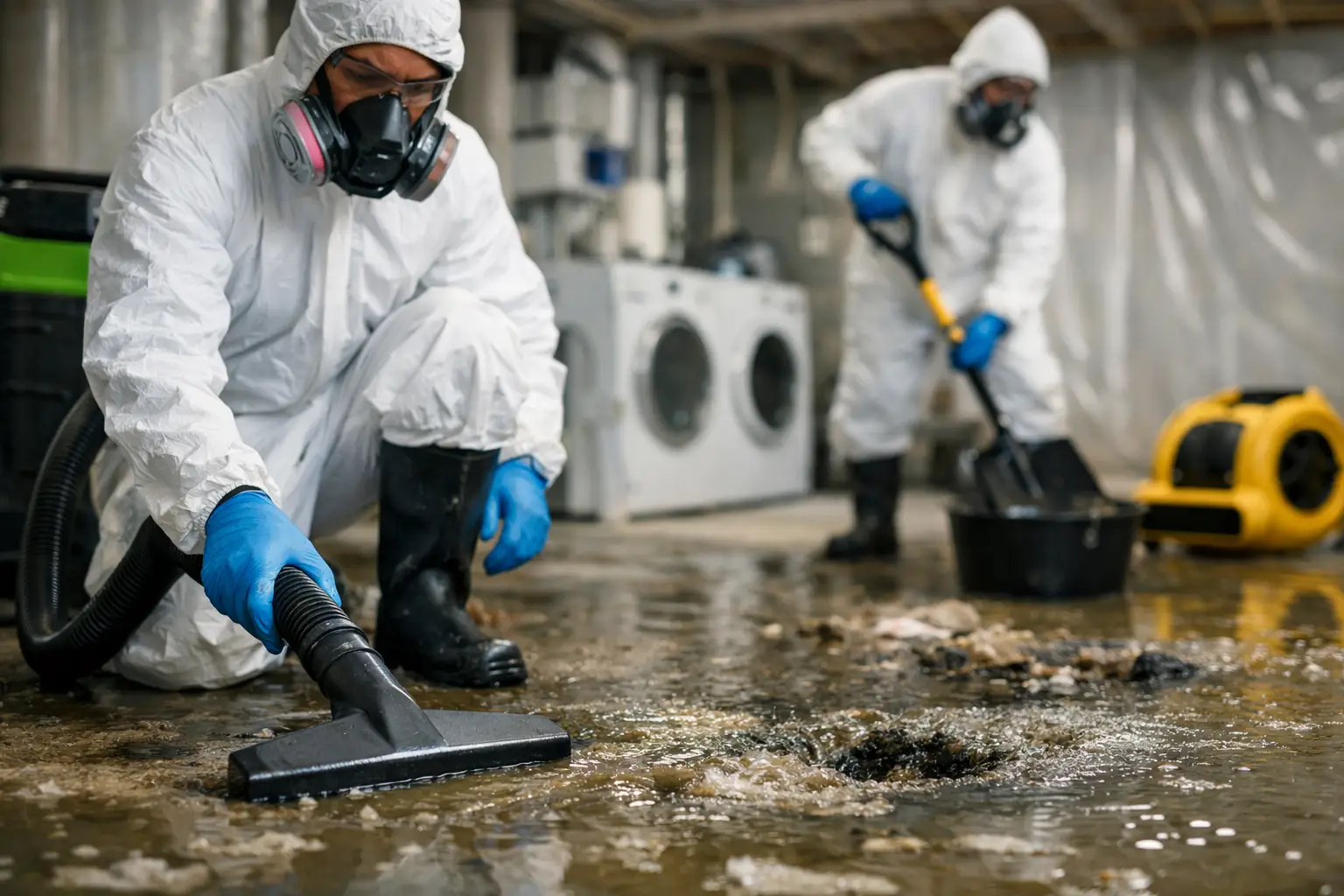 Sewage
Safe biohazard cleanup and sanitizing after sewage backups and overflows.
Learn more Reconstruction
Full rebuild by a licensed general contractor, so your property comes back whole.
Learn moreElevated Operations is an IICRC-certified, licensed general contractor based in Mableton that handles the entire recovery in-house, so after one loss you are never coordinating a cleanup crew, a mold crew, and a contractor separately. One team, one point of contact, from the first pump-out to the final coat of paint.
People call when the property feels like a disaster. They leave reviews because Chris and the crew made it right. These are real, verified Google reviews.
I price sewage remediation services by what the backup touched, how deep the contamination went, and how much material has to be cleaned or removed. A small toilet backup cleanup on a hard surface is different from sewage in carpet, drywall, or framing. Insurance review follows that same scope, so good documentation matters from the first visit.
Insurance may cover sewage cleanup when the loss fits the policy terms and the cause is sudden and accidental. The Sweetwater Creek 2009 flood is a reminder that water damage can spread quickly in Austell, but coverage still depends on the policy language, the source, and the documentation I submit through direct insurance billing.
Lingering smell usually means something was missed, soaked in, or never removed. That is why odor control is part of real sewage remediation, not an add-on. I look at porous materials, hidden cavities, and any contamination left behind. If the source stays in the structure, the odor usually does too.
Sometimes, but only on surfaces that can truly be cleaned. Sanitization and disinfection work on nonporous materials, while porous finishes often need removal. A bathroom with tile and sealed surfaces may be different from one with soaked drywall or cabinet bases. The right answer comes from the material, not the hope.
Direct insurance billing keeps the claim organized. I send the carrier the scope, documentation, and work details so you are not stuck acting as the middleman. That matters in sewage cleanup because the loss often includes contamination removal, biohazard cleanup, and rebuild decisions that need clear records.
Any porous or damaged material should be evaluated for removal, including carpet, pad, drywall, insulation, and trim. Older housing stock can hide damage in cavities, and newer builds can still trap sewage in wall bases and flooring layers. If it cannot be cleaned and dried completely, it usually has to come out.
Yes, because fast response helps limit spread, material loss, and claim complications. I offer 60-minute emergency response 24/7, and that speed matters when sewage is moving through a home. The sooner the cleanup starts, the better the chances for cleaner documentation, better odor control, and less removal.
I do. Elevated Operations, LLLP is based in Mableton, and I am Chris Kwangwari, a licensed general contractor with restoration experience since 2007. That matters when sewage cleanup leads to removal, repairs, and insurance coordination. One team keeps the scope tighter and the claim easier to track.
Elevated Operations dispatches IICRC-certified crews across Metro Atlanta from our Mableton base, with a 60-minute emergency response day or night. Choose your city:
Call now for an immediate response, or request your free inspection and get a certified crew on-site within the hour across Atlanta and nearby areas.