24/7 Emergency Restoration · Serving Metro AtlantaEmergency? (770) 404-6895
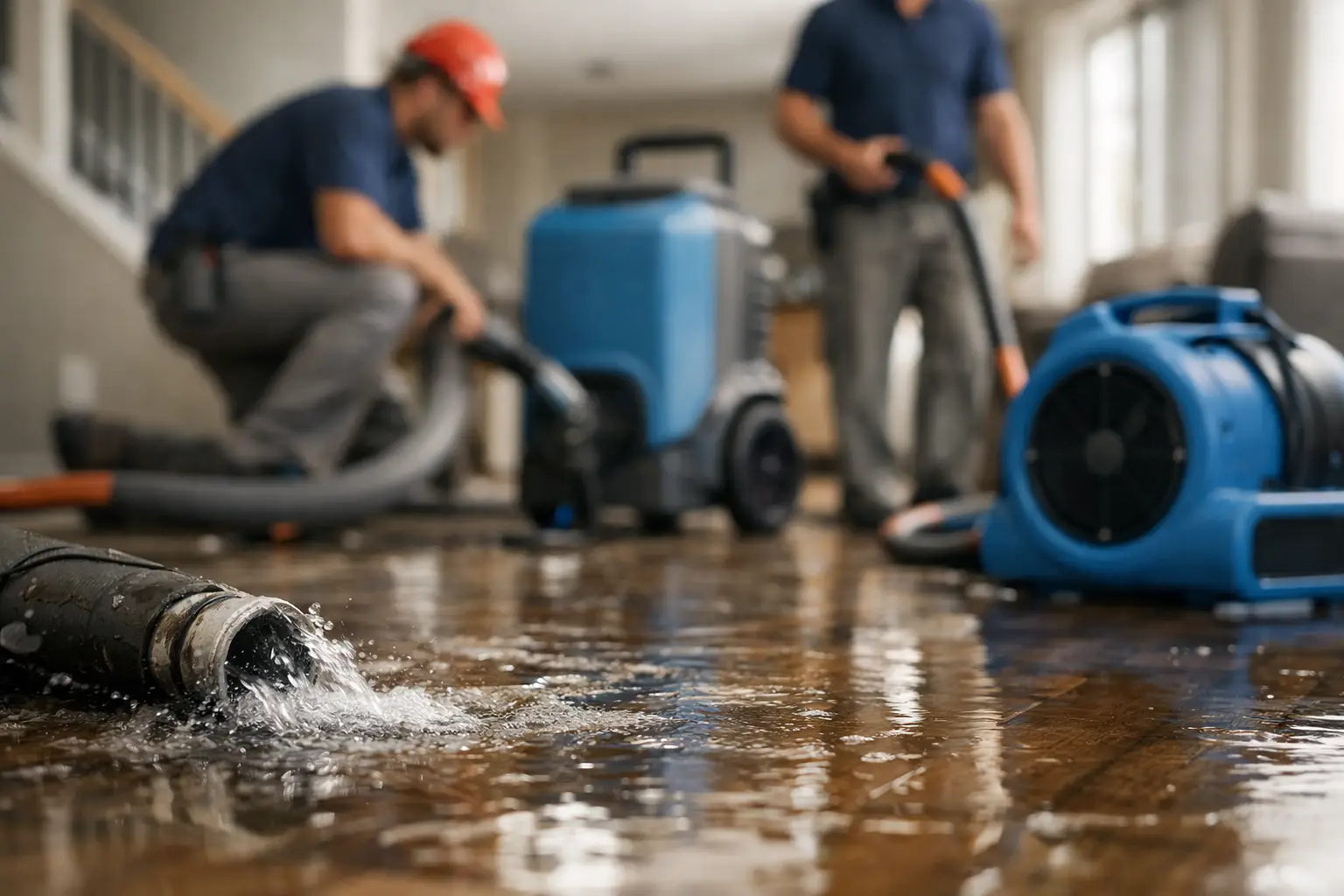
Reconstruction in Decatur is the work that follows cleanup, drying, or demo, and it puts a damaged home back into usable shape. I see it often in Decatur Craftsman bungalows with plaster walls, heart-pine floors, and older cast-iron laterals that fail after a backup, leak, or fire event.
IICRC-Certified · 5-Star Rated · 60-Minute Response · Insurance Billed Directly
If the leak reached drywall, flooring, or framing, yes. Small leaks can hide bigger damage inside plaster walls and under heart-pine floors.
Then I inspect for contamination below the surface. Backups tied to cast-iron laterals often require more than cleanup, they need real rebuild work.
Yes, when the structure behind them is sound. If not, I repair the framing first, then rebuild the plaster or wall finish correctly.
Call (770) 404-6895. We answer 24/7 with a 60-minute emergency response, and I can walk you through the next step.
Reconstruction is the rebuilding phase after a loss has been stabilized. It can include drywall repair, flooring repair, framing repair, structural repair, and finish work that returns a room or whole house to function after water, fire, or storm damage in Decatur.
I treat reconstruction as a separate step from cleanup. First we remove damaged material, dry the structure, and document what failed. Then the rebuild starts, which matters in Decatur homes where plaster walls, narrow trim profiles, and old floor systems need careful matching instead of quick patchwork.
In older neighborhoods around downtown Decatur and the streets built around Craftsman bungalows, the hidden work matters as much as the visible finish. A wet plaster wall, a charred ceiling joist, or a softened subfloor can all require property reconstruction before the room is safe to use again.
The right scope depends on what the loss touched. I may only need damage repair in one room, or I may need to rebuild framing, insulation, flooring, and finishes across several spaces. The goal is not just to make it look normal, but to make it sound and work correctly.
Decatur homes often need reconstruction because older construction and dense housing patterns create more points of failure. Craftsman bungalows, plaster interiors, heart-pine floors, and aging cast-iron laterals can turn a small leak, backup, or fire cleanup into a larger rebuild than homeowners expect.
I see a lot of water-related losses tied to older plumbing and drainage. Cast-iron laterals can shift, crack, or clog, and once sewage or wastewater gets into a house, the rebuild is usually bigger than the cleanup alone. Flooring repair, drywall repair, and sometimes structural repair all become part of the job.
Fire damage creates a different kind of reconstruction problem. Heat weakens framing, smoke gets into cavities, and soot can travel farther than the visible burn marks. In a Decatur bungalow, a kitchen fire can affect cabinets, walls, ceiling framing, and adjacent rooms in a way that surprises owners.
Storm damage is another reason I end up rebuilding. A roof leak that starts small can soak plaster, stain ceiling finishes, and rot framing over time. And in older homes, once water gets behind finished surfaces, the real damage is often hidden until we open the wall and inspect it.
Reconstruction fixes the parts cleanup cannot restore, including wet drywall, damaged flooring, compromised framing, ruined cabinets, and burned or contaminated materials. In Decatur, I also see plaster repair, trim replacement, and structural repair where older materials have been weakened by leaks, backups, or heat.
Water damage is usually the broadest category. I may have to replace underlayment, subfloor sections, baseboards, wallboard, and sometimes insulation or framing. If the home has heart-pine flooring, I inspect carefully because moisture can cup boards, loosen fasteners, and create an uneven surface that needs more than a cosmetic fix.
Fire damage often means a different sequence. After cleanup, the structure may still need new drywall, framing repair, insulation, and finish carpentry. Smoke odor can soak into porous materials, so the rebuild has to account for what was lost and what can be saved without trapping odor in the walls.
Sewage or backup losses are common where cast-iron laterals fail. That kind of event can require damage repair that reaches lower wall sections, flooring, and base trim. I do not guess with contaminated materials. If it cannot be cleaned and stabilized, it gets removed and rebuilt correctly.
Reconstruction is needed when a material is too damaged to dry, clean, or keep in place. If drywall crumbles, floors buckle, framing softens, or smoke and contamination cannot be removed, the next step is property reconstruction rather than another round of cleanup.
I tell homeowners to think about function first. If a room cannot be used safely because the wall is open, the floor is unstable, or the finish is contaminated, reconstruction is needed. In Decatur, that often happens after water from a roof repair issue, a supply line failure, or a sewer backup.
The timing also depends on what the inspector or adjuster finds after mitigation. Some losses stop at surface damage. Others uncover hidden damage inside the wall cavity, under heart-pine floors, or around old plaster keys. That is when the job changes from cleanup to rebuild.
A lot of owners want one trade to do everything. I do not blame them. But I prefer clear sequencing. Dry it, document it, remove what is gone, then rebuild with the right materials. That keeps the project honest and avoids covering up damage that will return later.
Yes. Reconstruction usually follows water or fire damage cleanup once the structure is stable, dry, and cleared for rebuild. That means the damaged materials have been removed, the affected area is verified, and the project is ready for drywall repair, flooring repair, or framing repair as needed.
After water cleanup, I look for what the moisture did to the structure, not just the surface. In Decatur homes, plaster may hold together while the lath behind it has failed, or the subfloor may be weakened under the finish floor. Reconstruction starts where the hidden damage begins.
After fire cleanup, the room may look empty but still not be ready. Soot can remain in cavities, framing may need repair, and finishes may need full replacement. I work with the damage that is actually there, not the damage someone hopes is there, because that is how the rebuild stays accurate.
The best reconstruction work respects the original house. A Craftsman bungalow does not need random modern patching everywhere. It needs a careful rebuild that fits the home’s structure, its materials, and the way older houses in Decatur were originally framed and finished.
I start by exposing the real condition of the structure, then I rebuild in a way that fits the home’s age, layout, and materials. That often means matching plaster transitions, repairing heart-pine flooring, and correcting structural repair issues instead of covering them with fast cosmetic fixes.
Older Decatur houses deserve inspection before repair. I want to see where the damage reached, how the framing is behaving, and whether the finished materials can be tied back together cleanly. That matters in homes with older plaster systems because the wall surface often hides the extent of the loss.
When heart-pine flooring is involved, I look at movement, staining, and subfloor condition before deciding on repair or replacement. Some boards can be saved. Some cannot. The point is to preserve what is sound and replace what is damaged without creating a patch that looks or performs poorly.
I also watch for settlement, moisture history, and past remodels. Decatur has a lot of houses that have been altered over time, and that means one room can contain several generations of materials. Reconstruction has to respect that reality, or the results will be uneven and short-lived.
Cleanup removes water, soot, or debris. Reconstruction puts the structure back together with new drywall, flooring, framing, and finish work after the damaged material has been taken out.
Craftsman bungalows, plaster walls, and heart-pine floors can hide damage inside the wall or under the floor, so I always check beyond what is visible.
A sewer backup tied to aging cast-iron laterals can affect flooring, lower walls, trim, and subfloor sections, which turns a cleanup into real property reconstruction.
I do not start with finish materials. I start with framing, drying, and any needed structural repair, then I rebuild in the correct order.
I offer direct insurance billing and deductible assistance up to $1,000, and I document the loss carefully so the reconstruction scope stays clear.
From emergency mitigation to full reconstruction, handled in-house so you are never managing a chain of subcontractors mid-crisis.
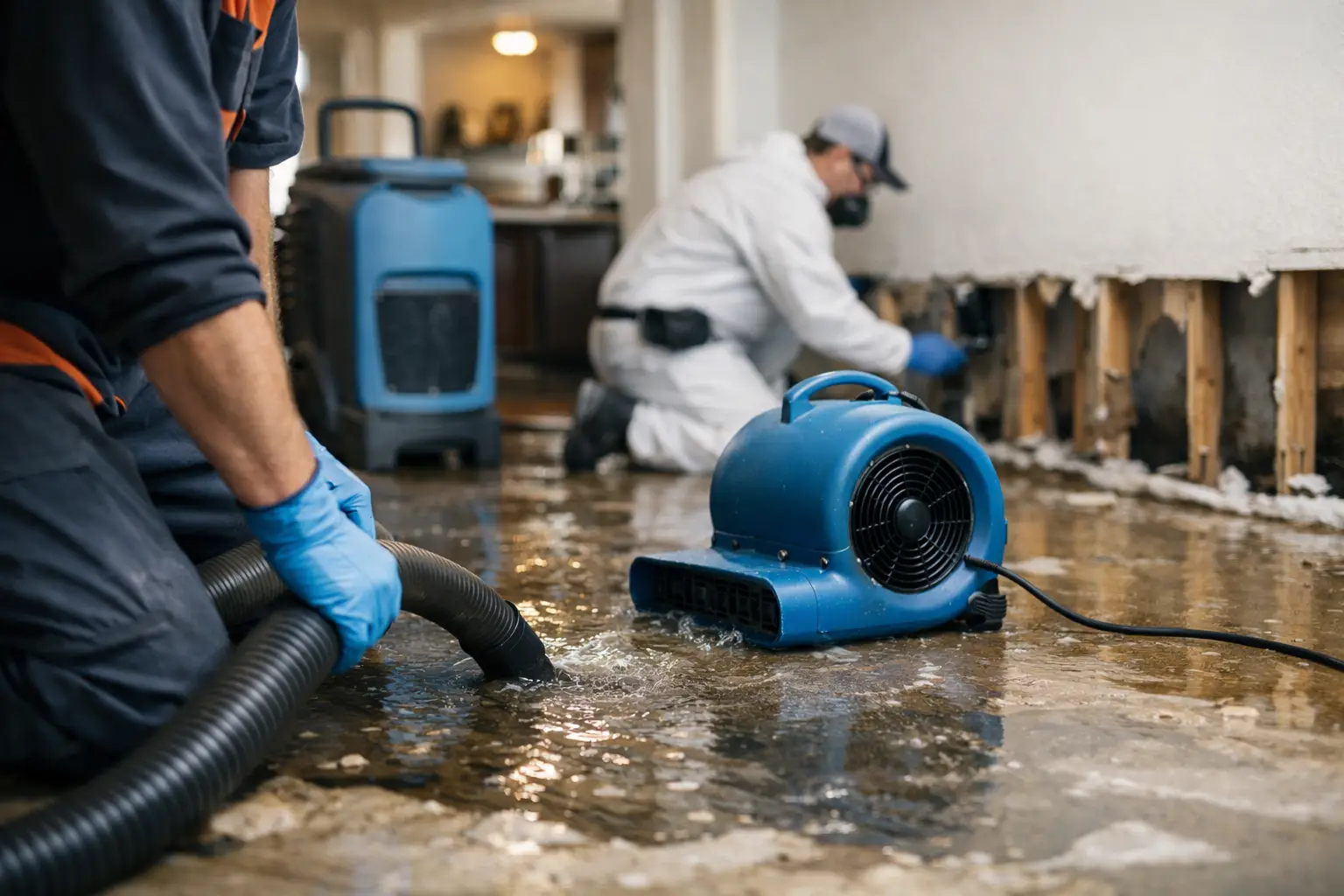 Water Damage
Extraction, structural drying, and moisture mapping after floods, leaks, and burst pipes.
Get help now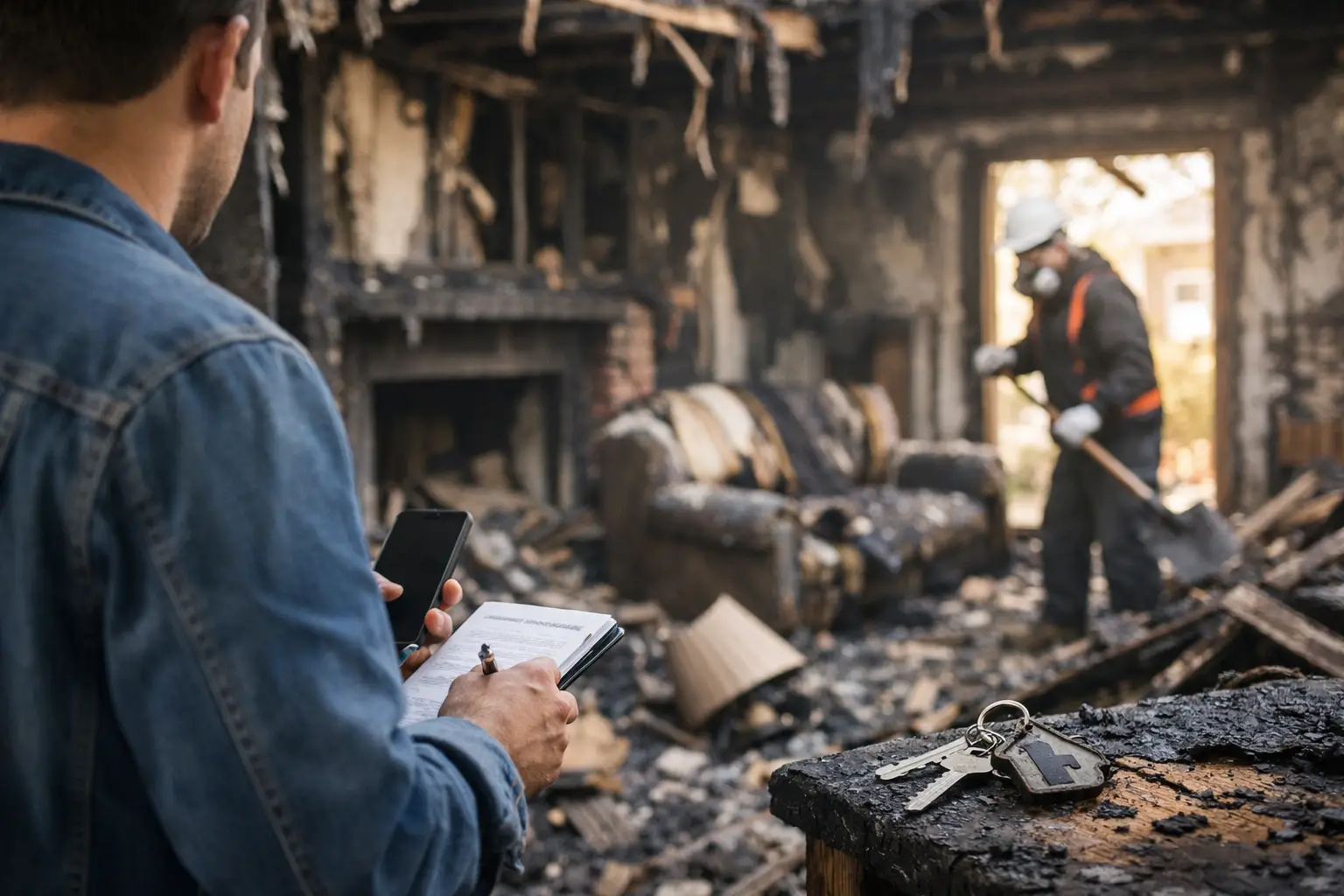 Fire & Smoke
Soot removal, odor deodorization, and content cleaning after fire and smoke damage.
Learn more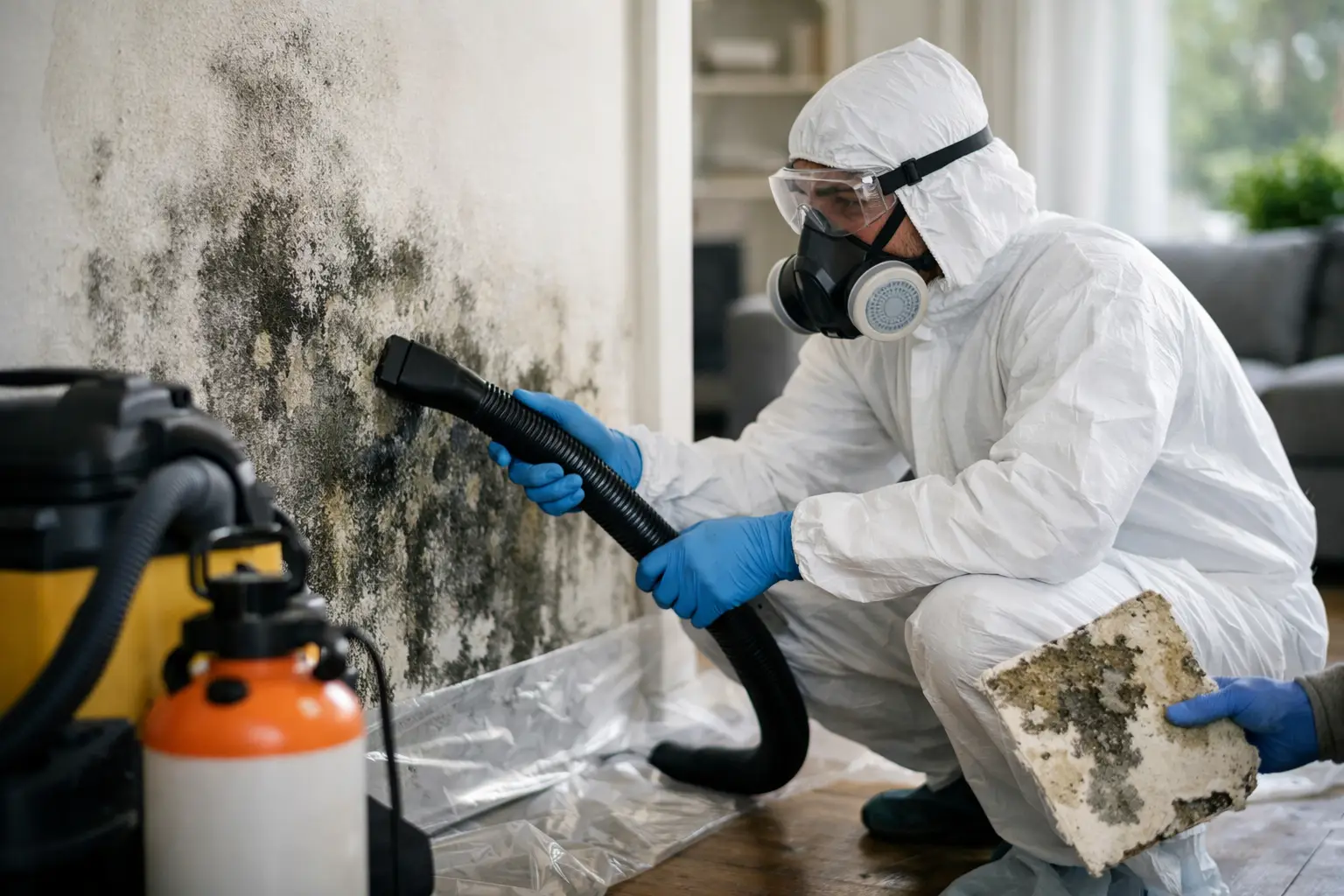 Mold
MoldContainment, removal, and moisture control that stops mold from coming back.
Learn more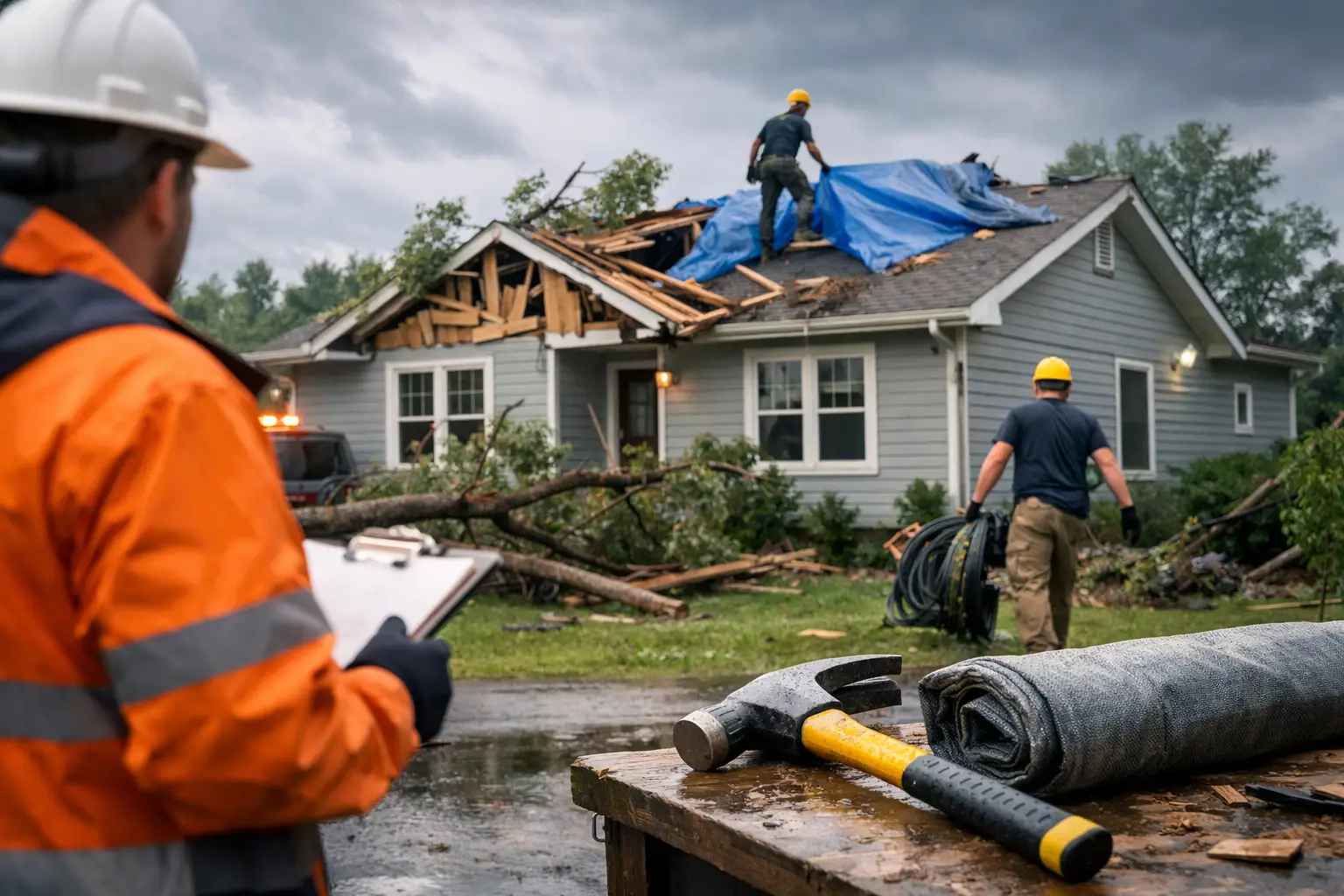 Storm
StormEmergency board-up, roof tarping, and full recovery after wind, hail, and storms.
Learn more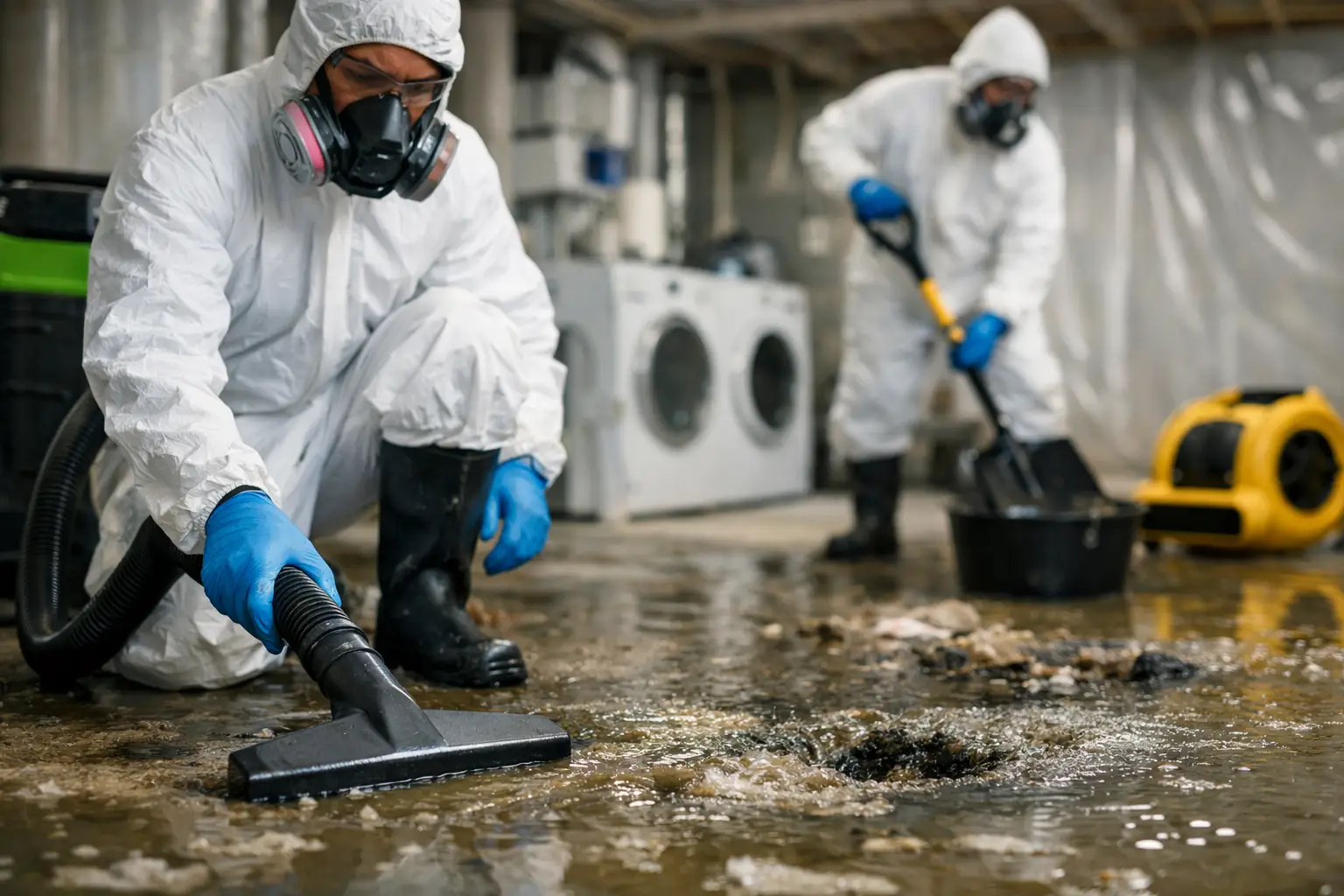 Sewage
Safe biohazard cleanup and sanitizing after sewage backups and overflows.
Learn more Reconstruction
Full rebuild by a licensed general contractor, so your property comes back whole.
Learn moreElevated Operations is an IICRC-certified, licensed general contractor based in Mableton that handles the entire recovery in-house, so after one loss you are never coordinating a cleanup crew, a mold crew, and a contractor separately. One team, one point of contact, from the first pump-out to the final coat of paint.
People call when the property feels like a disaster. They leave reviews because Chris and the crew made it right. These are real, verified Google reviews.
It is the rebuilding stage after damage has been stabilized. In Decatur, that can mean replacing wet drywall, repairing flooring, restoring framing, or fixing structural parts of a Craftsman bungalow after water, fire, or storm loss. Reconstruction begins only after cleanup and drying tell us what must be removed.
Reconstruction is needed when the backup damaged materials that cannot be cleaned or safely left in place. Cast-iron lateral failures can push contamination into lower walls, floors, and trim, so I often see drywall repair, flooring repair, and sometimes full damage repair in older Decatur homes.
Yes, and that is the normal order. After water damage cleanup, I check the subfloor, plaster, framing, and finishes for hidden failure. In a Decatur bungalow, that often means careful heart-pine floor repair and wall reconstruction so the room comes back sound, not just painted over.
Yes. Once soot, debris, and unsafe materials are removed, the rebuild can begin. Fire losses often need framing repair, drywall replacement, insulation work, and finish carpentry. In older Decatur homes, I also check whether heat affected plaster keys or nearby heart-pine flooring.
The length depends on how much of the structure was damaged and what materials need replacement. A small room may need only limited drywall repair or flooring repair, while a larger loss can involve framing repair and structural repair across several areas. I do not guess a timeline until I inspect the damage.
Because older materials can hide weakness. Plaster can mask damaged lath, and heart-pine floors can hold moisture long enough to soften the subfloor underneath. When that happens, structural repair may be needed before any finish work can go back in.
Yes. I provide direct insurance billing and work as a licensed general contractor through Elevated Operations, LLLP. I also offer deductible assistance up to $1,000 when the job qualifies, and every project is backed by our 12-month warranty.
My company, Elevated Operations, LLLP, handles the work with IICRC-certified technicians and me, Chris Kwangwari, owner and licensed general contractor. We have been in restoration since 2007, and our Google rating is 4.9 stars from 73 reviews.
Elevated Operations dispatches IICRC-certified crews across Metro Atlanta from our Mableton base, with a 60-minute emergency response day or night. Choose your city:
Call now for an immediate response, or request your free inspection and get a certified crew on-site within the hour across Atlanta and nearby areas.