24/7 Emergency Restoration · Serving Metro AtlantaEmergency? (770) 404-6895
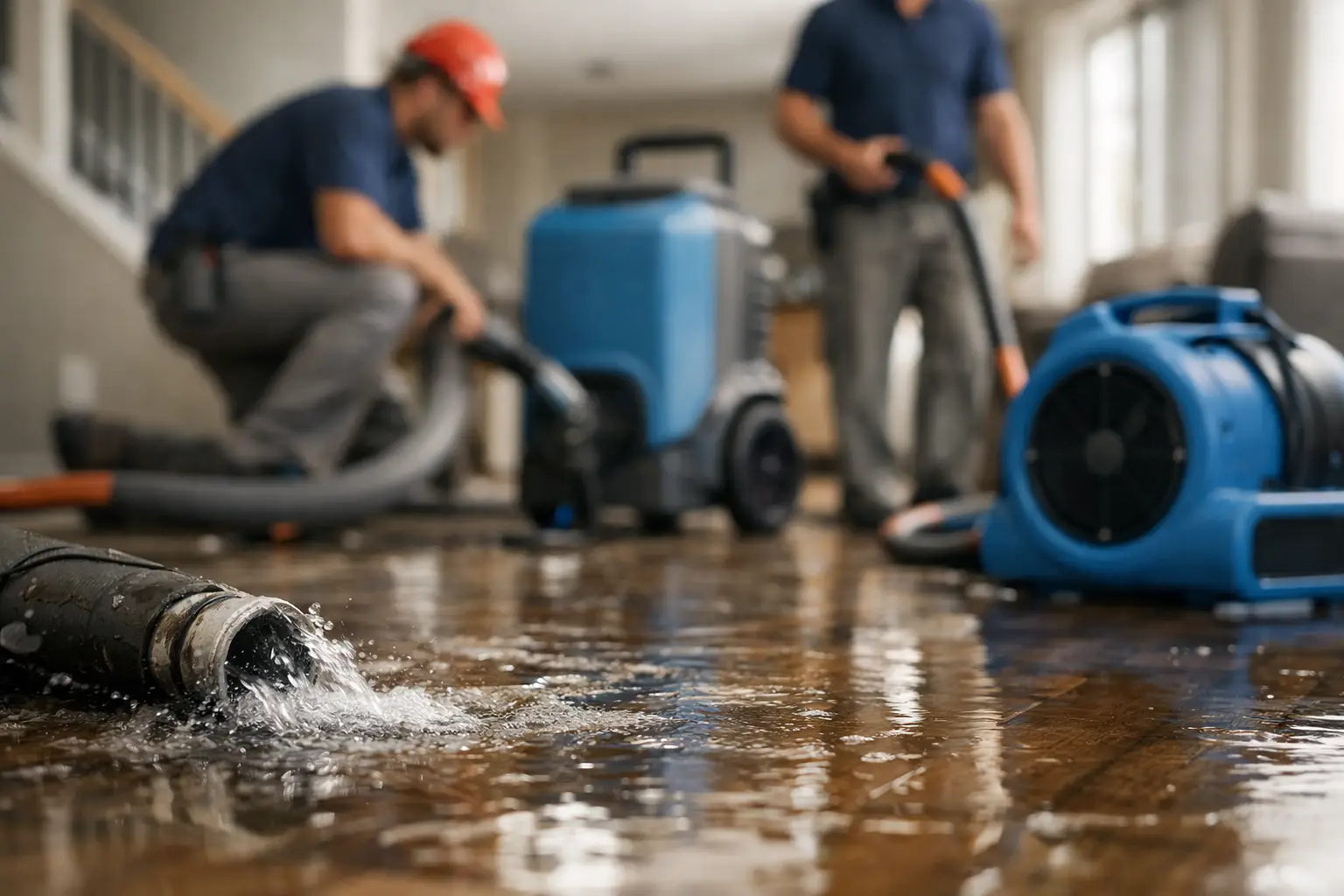
A disaster reconstruction contractor in College Park has to move fast, because water, smoke, and structural damage do not wait. I send IICRC-certified technicians, start with a 60-minute emergency response 24/7, and handle the rebuild with direct insurance billing, a 12-month warranty, and owner Chris Kwangwari on the job.
IICRC-Certified · 5-Star Rated · 60-Minute Response · Insurance Billed Directly
Yes. I handle reconstruction near the convention hotel area and I know speed matters there.
I move 24/7, and emergency response starts fast because damage gets worse by the hour.
I do both, from emergency mitigation through property reconstruction and finish work.
Yes, my base is in Mableton, and I serve College Park and the surrounding metro counties.
I answer with an emergency plan, dispatch quickly, and start protecting the property before damage spreads. In College Park, that often means a fast check of the historic district homes or convention hotel properties, then immediate steps for water, smoke, or structural loss.
The first call is about speed and control. I ask what happened, where the damage is, and whether the property is safe. Then I send technicians from our Mableton base with a 60-minute emergency response 24/7, because the first hour decides how much gets saved.
College Park has a mix of older homes, rental properties, and busy commercial buildings near the convention hotel corridor, and each one fails differently after a fire, burst pipe, or storm. I do not treat those jobs the same. I look for hidden moisture, compromised framing, and ceiling movement right away.
My job starts with stopping the spread. That can mean tarping, board-up, extraction, demolition of unsalvageable material, or setting the site up for structural repairs and property reconstruction. I keep it direct, document everything, and use direct insurance billing so the claim does not stall the work.
I handle the damage that remains after the emergency stops, from demolition and cleanup to framing repair, drywall installation, flooring replacement, and full rebuild work. In College Park, that means restoring the structure correctly, not just making it look clean.
Reconstruction is the part most people underestimate. Water removal and smoke cleanup are not enough when a wall is swollen, a floor is buckled, or a roof leak has reached the framing. I step in to make the building sound again, then rebuild the visible finishes after the structure is secure.
IICRC-certified technicians handle the response side, and I am a licensed general contractor, so I can carry the job from damage control into real reconstruction. That matters on properties near the National Register historic district, where older materials, trim, and layouts require more care than a simple patch.
My work often includes roof repair, drywall installation, framing repair, structural repairs, flooring replacement, and full rebuild work when the loss is too deep for surface fixes. I do not push cosmetic coverups. If the assembly is damaged, I replace what failed and rebuild it right.
You need reconstruction when the damage has reached the building materials themselves, not just the surface. If water soaked framing, smoke hit the structure, or a storm opened the roof, the property needs reconstruction fast to prevent further loss and unsafe conditions.
If the home or business still smells wet, shows sagging drywall, soft flooring, stained ceiling lines, or warped trim, the problem is past cleanup. In College Park, I see this often after roof leaks, supply line failures, and storm damage that hits older structures hard and fast.
The same is true after fire. Soot cleanup can help with surfaces, but burned framing, damaged insulation cavities, and heat-damaged materials need actual rebuild work. Mold starts in 24 to 48 hours, so a delay on a wet property turns a manageable repair into a larger property reconstruction.
Near the convention hotels and the busy commercial streets, speed matters because interruption costs add up quickly. A shop, rental unit, or hospitality property cannot sit exposed while someone debates whether it is a simple fix. I make the call based on the structure, not wishful thinking.
Yes, and that is usually the smarter move when the damage is serious. I can handle the emergency response, demolition, structural repairs, and rebuild under one roof, which keeps the job moving and keeps the scope from getting lost between crews.
A lot of owners get stuck when cleanup ends and reconstruction begins. One crew removes damaged material, another crew arrives later, and nobody owns the transition. That gap wastes time. I keep the process tight, from initial mitigation through drywall installation, flooring replacement, and final rebuild work.
That approach matters in College Park because so many properties are under time pressure, whether it is a family home in the historic district or a business tied to the convention hotel traffic. The faster I can move from cleanup to structural repairs, the less secondary damage has room to grow.
I also handle direct insurance billing, which helps keep the claim organized while the work is underway. And if deductible assistance is needed, I can assist up to $1,000. I keep one point of contact, one plan, and one accountable contractor from start to finish.
Because damage expands fast. Water spreads into cavities, smoke residue settles deeper, and compromised materials keep breaking down until the property is stabilized. The first day is when I can still limit demolition, reduce structural loss, and protect more of the building.
The first day is not about waiting for a long inspection chain. It is about stopping the problem from becoming a worse one. In College Park, that can mean protecting a roof opening from another storm, removing soaked finishes, or bracing a damaged section before it shifts.
Historic homes need especially quick action because older framing, plaster, and trim do not forgive slow response. Convention hotel and commercial properties need the same urgency for a different reason: downtime. Every hour the building stays unstable increases the scope and the cost of the eventual rebuild.
I work fast, but I do not guess. My technicians document the loss, identify what can stay, and isolate what has to come out. That is how I keep the job moving while still protecting the parts of the structure that can be saved.
College Park properties often mix older construction with active commercial use, so damage can hide in walls, roofs, and floors faster than people expect. Historic district details, hotel turnover, and tight restoration timelines all make accurate reconstruction more important.
The National Register historic district changes the conversation. Older homes can have layered repairs, original framing, and finishes that need careful handling. I do not rip into those buildings casually. I look at what was built, what failed, and what can be rebuilt without creating a bigger problem.
Around the convention hotels, the issue is exposure and speed. A property that serves guests or event traffic cannot sit in limbo. If roof repair, framing repair, or structural repairs are needed, I push the job toward stabilization first and then move into property reconstruction as soon as the structure is ready.
That mix of heritage and constant activity is exactly why a disaster reconstruction contractor in College Park has to be decisive. I am not there to talk around the loss. I am there to stop deterioration, rebuild the damaged systems, and get the property back to use.
You call (770) 404-6895, and I move immediately. I get the address, the damage type, and the safety issues, then dispatch 24/7 emergency response from our Mableton base to College Park.
My technicians stabilize the site, document the loss, and start mitigation. That may include extraction, board-up, tarping, demolition of unsalvageable material, and a plan for reconstruction before hidden damage spreads deeper.
I separate salvageable material from damaged material, then line up framing repair, drywall installation, roof repair, structural repairs, or flooring replacement as needed. Direct insurance billing keeps the file moving.
Once the structure is ready, I handle the full rebuild. That includes the return to safe use, the finish work, and a 12-month warranty on the reconstruction.
From emergency mitigation to full reconstruction, handled in-house so you are never managing a chain of subcontractors mid-crisis.
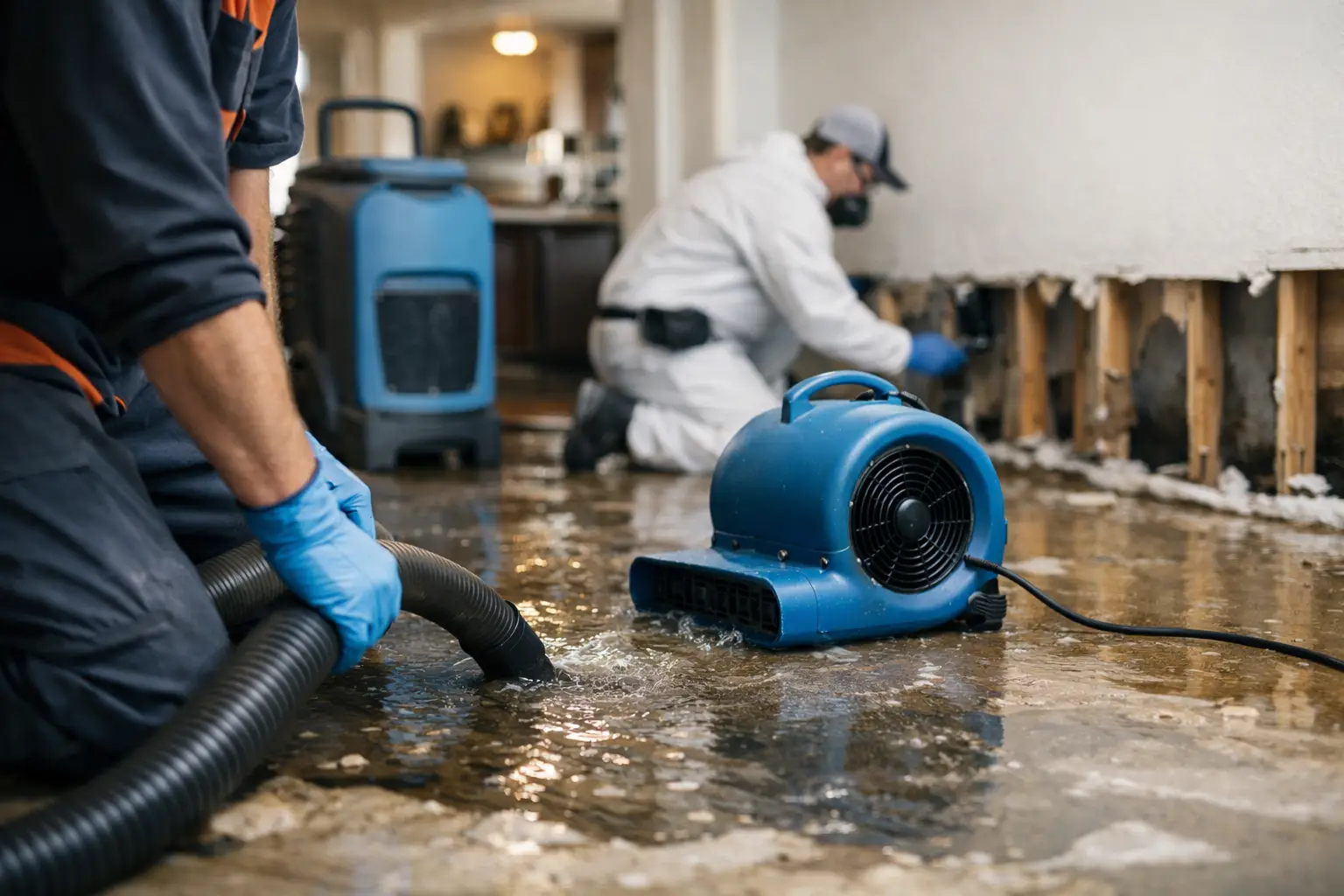 Water Damage
Extraction, structural drying, and moisture mapping after floods, leaks, and burst pipes.
Get help now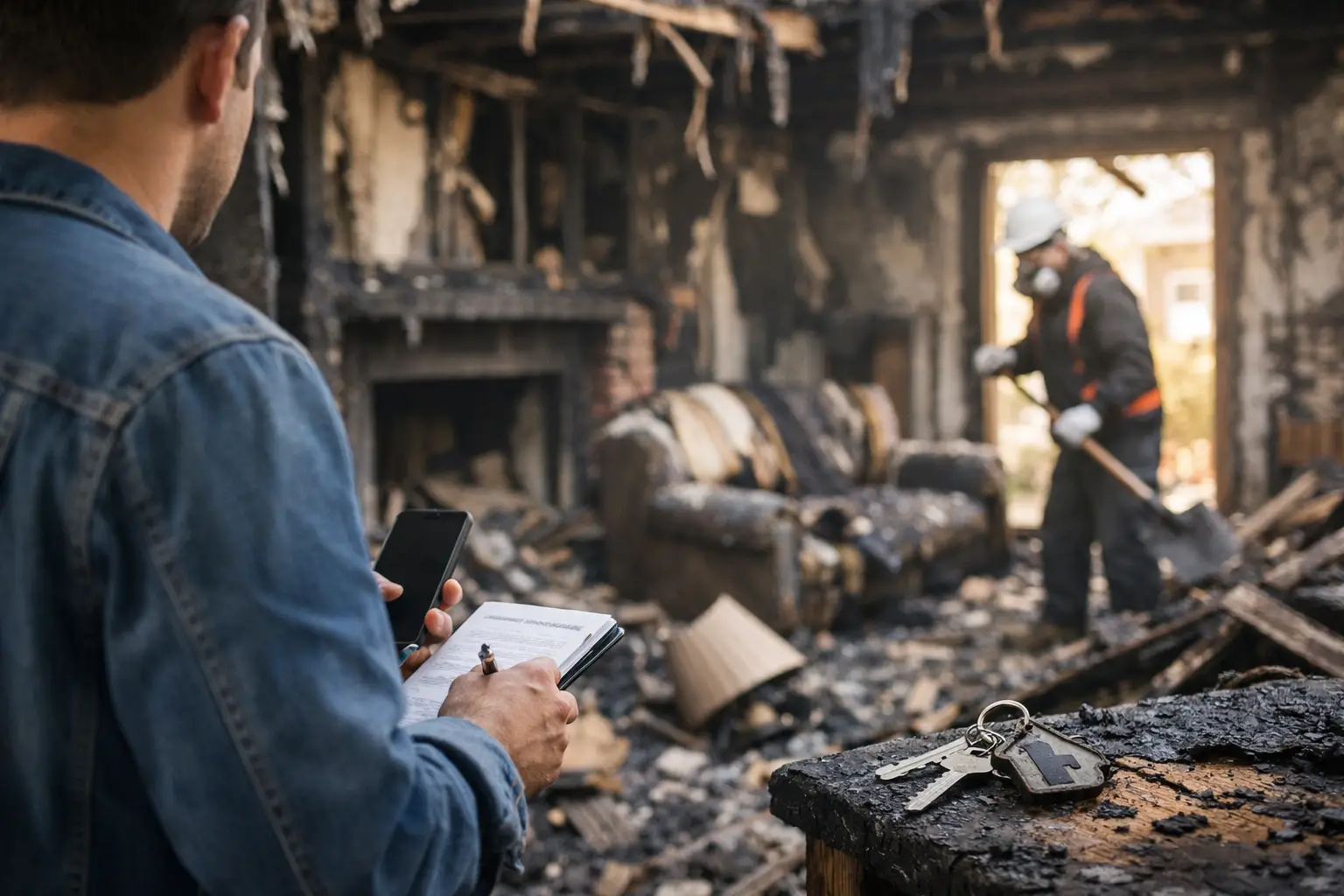 Fire & Smoke
Soot removal, odor deodorization, and content cleaning after fire and smoke damage.
Learn more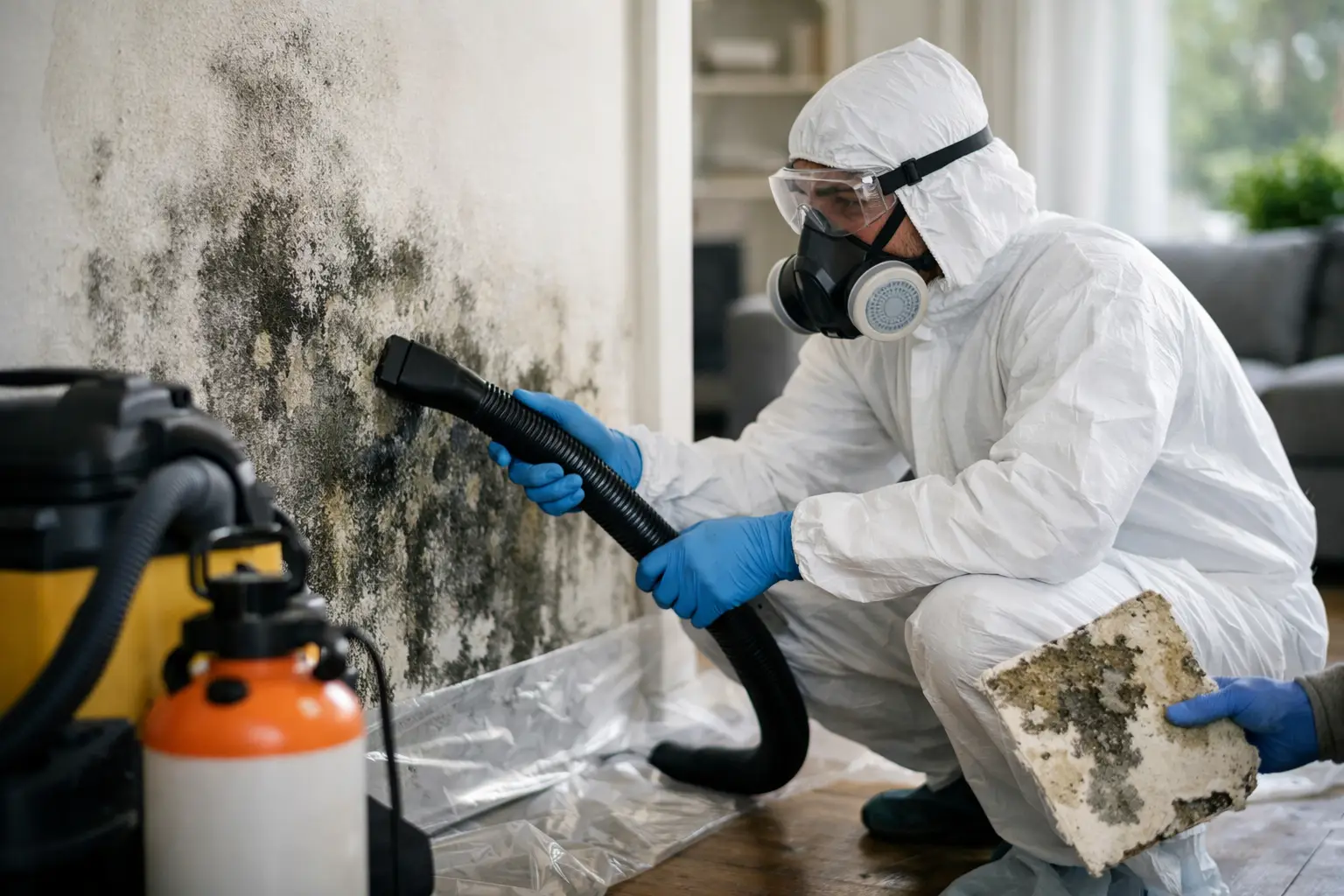 Mold
MoldContainment, removal, and moisture control that stops mold from coming back.
Learn more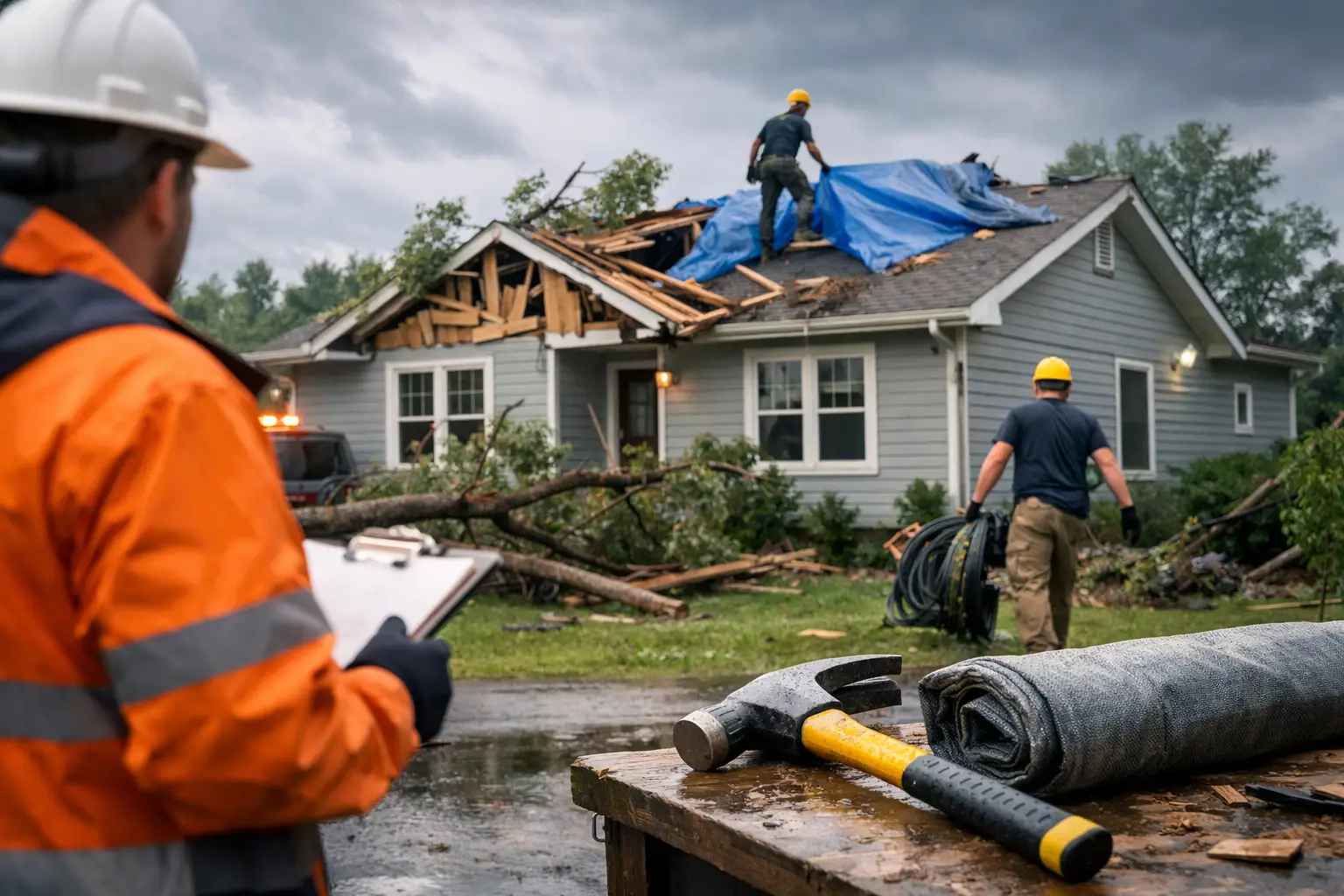 Storm
StormEmergency board-up, roof tarping, and full recovery after wind, hail, and storms.
Learn more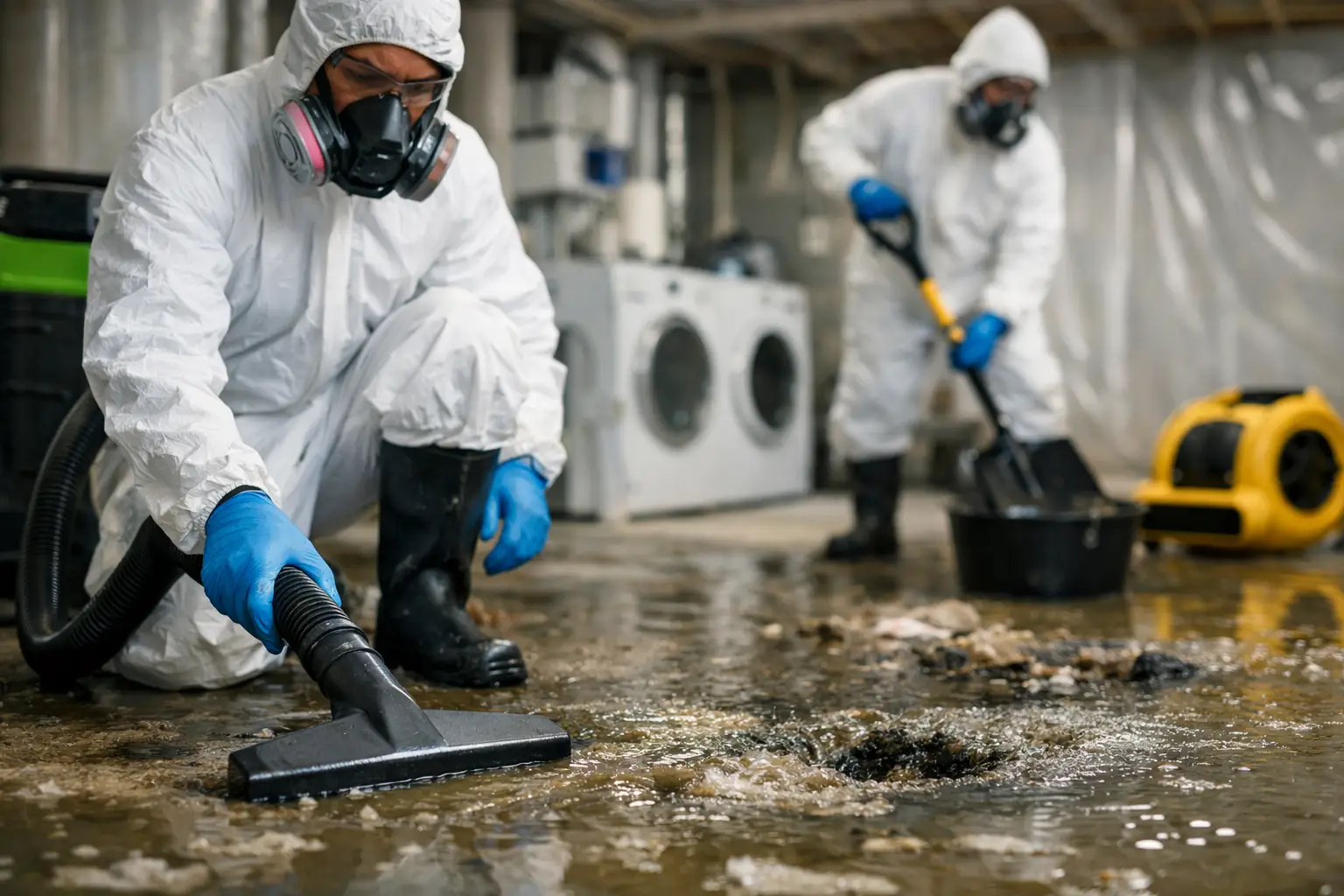 Sewage
Safe biohazard cleanup and sanitizing after sewage backups and overflows.
Learn more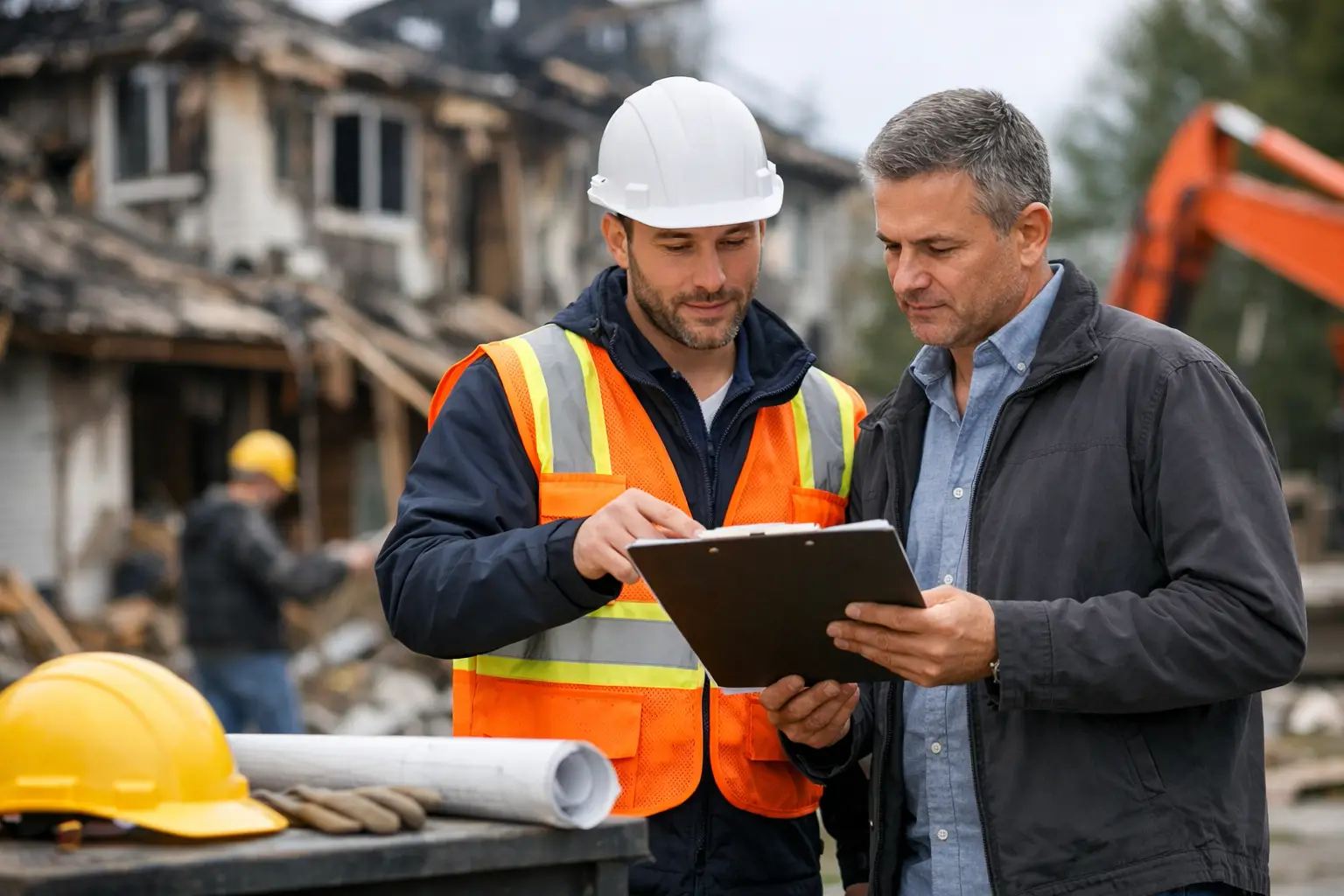 Reconstruction
Full rebuild by a licensed general contractor, so your property comes back whole.
Learn moreElevated Operations is an IICRC-certified, licensed general contractor based in Mableton that handles the entire recovery in-house, so after one loss you are never coordinating a cleanup crew, a mold crew, and a contractor separately. One team, one point of contact, from the first pump-out to the final coat of paint.
People call when the property feels like a disaster. They leave reviews because Chris and the crew made it right. These are real, verified Google reviews.
I provide a 60-minute emergency response 24/7, and I move fast because fire and water losses do not stay contained. For College Park properties, that quick start helps protect historic district homes, commercial spaces near the convention hotels, and any building where exposure keeps growing.
Yes. I handle reconstruction in older College Park homes carefully, because historic district properties often have layered repairs, original framing, and finishes that need thoughtful handling. I focus on structural repairs first, then rebuild the damaged areas without turning a repair into a bigger loss.
Yes, and that pairing is common after storm damage. I can address roof repair, then move into drywall installation, flooring replacement, and structural repairs if water got inside. The goal is simple, stop the leak source and rebuild the damage it created.
Get people out of danger, avoid electrical hazards, and do not start tearing out material unless the area is obviously unsafe. If you can do so without risk, close off the damaged area and call me right away so I can begin emergency response and document the loss.
I use direct insurance billing, which keeps the process organized while the work is moving. I document the damage, coordinate the reconstruction scope, and keep the claim tied to what the property actually needs instead of letting the file drift while the building keeps deteriorating.
Yes. I offer deductible assistance up to $1,000 on qualifying jobs. I keep that simple and upfront, because families and business owners in College Park need clear numbers while they are already dealing with disruption, cleanup, and reconstruction decisions.
It depends on the damage and the structure, so I do not promise a set duration. What I can promise is that I move immediately, protect the property early, and keep the rebuild moving once the site is stabilized and the scope is clear.
I am Chris Kwangwari, owner of Elevated Operations, LLLP, and I have been in restoration since 2007. My team has a 4.9-star Google rating from 73 reviews, I am a licensed general contractor, and I back the work with a 12-month warranty.
Elevated Operations dispatches IICRC-certified crews across Metro Atlanta from our Mableton base, with a 60-minute emergency response day or night. Choose your city:
Call now for an immediate response, or request your free inspection and get a certified crew on-site within the hour across Atlanta and nearby areas.