24/7 Emergency Restoration · Serving Metro AtlantaEmergency? (770) 404-6895

storm damage restoration Powder Springs starts with a fast look at the roof, attic, siding, and wet rooms. I’m Chris Kwangwari, owner of Elevated Operations, LLLP in Mableton, and I’ve been doing restoration work since 2007. In west Cobb, fewer storm drains and rural lots can turn one storm into hidden water damage fast.
IICRC-Certified · 5-Star Rated · 60-Minute Response · Insurance Billed Directly
Photograph the damage, keep people out of wet areas, and do not remove materials unless they are actively unsafe. If the roof is open, call for roof tarping or temporary boarding first.
If shingles are missing, flashing is loose, or you can see daylight in the attic, it needs protection fast. In Powder Springs, the next storm can make a small opening much worse.
I would not. Small leaks often hide bigger damage inside walls and ceilings. Mold starts in 24 to 48 hours, and west Cobb runoff can keep feeding the problem after the rain stops.
I stop active water entry first, then inspect the full structure. That sequence keeps the damage from spreading and gives us a clean plan for drying, repair, and insurance documentation.
Start with the roof, gutters, attic, ceilings, and lower walls. In Powder Springs, west Cobb rural lots and fewer storm drains can push water where you do not expect it. Look for missing shingles, bruised siding, wet insulation, and fresh staining before damage spreads deeper.
I tell property owners to walk the edge of the house first, not the middle of the mess. That means checking shingles, soffits, flashing, downspouts, and any spots where wind can lift materials. If hail or debris hit the home, look for dents and scattered fragments around the yard.
Then move inside. Brown rings on ceilings, soft drywall, bubbling paint, and damp baseboards all matter. In Powder Springs, I see storm water show up in places people do not connect to the roof because runoff has fewer places to go when drainage is limited.
Do not wait for the ceiling to drip. If you smell damp insulation, see daylight in the attic, or notice wind damage repair needs on siding or trim, call immediately. I can send IICRC-certified technicians for a 24/7 emergency look and begin direct insurance billing if needed.
Storm damage restoration includes emergency protection, inspection, debris removal, roof tarping, temporary boarding, drying, and structural repair when needed. In Powder Springs, I also look for wind damage repair and hail damage repair because west Cobb storms often leave more than one problem behind.
The job starts with stopping active damage. If water is getting in, I use roof tarping or temporary boarding to protect openings and keep the storm from doing more harm overnight. That matters a lot in rural west Cobb, where wind can move fast across open stretches.
Next comes cleanup and documentation. Debris removal is not cosmetic, it is part of identifying what failed, what got hit, and what insurance should review. I photograph the damage, check visible losses, and help the claim move forward with direct insurance billing.
After that, I focus on drying and repair planning. If the structure is wet, materials may need removal and replacement before mold has a chance to start in 24 to 48 hours. Some jobs need only targeted fixes. Others need structural repair, and I do both under one licensed general contractor license.
Yes, roof tarping should happen quickly after storm damage if shingles, flashing, or decking are exposed. In Powder Springs, sudden rain can move through west Cobb fast, and fewer storm drains mean water can back up around the home while the roof keeps leaking inside.
I do not treat tarping as optional. If a tree limb, hail strike, or wind lift opens the roof, roof tarping is the fastest way to stop a small breach from becoming soaked ceilings and damaged framing. It buys time for the real repair, and that matters.
A tarp is not the fix. It is protection. My team uses it to cover active openings until inspection, insurance review, and permanent repair can happen. That approach helps avoid a second round of water intrusion, which is common when one storm is followed by another.
If the attic already has wet insulation or stains on the underside of the roof deck, the tarp should go up before the next rain. I have seen Powder Springs homes near older rural roads take repeated hits because runoff and wind both keep pressure on the same weak point.
I fix storm damage to a house by stopping the leak, drying the structure, removing unsalvageable materials, and rebuilding what failed. In Powder Springs, that often means roof tarping, wind damage repair, hail damage repair, and structural repair if water got into framing or interior finishes.
The repair path depends on what the storm touched. A roof with missing shingles may only need localized replacement. A wall with water inside may need drywall removal, drying, and reinstallation. I do not guess. I inspect the actual failure points and build the repair around them.
If water reached hidden cavities, I check for trapped moisture before closing anything back up. That is how you avoid mold and soft framing later. In west Cobb, fewer storm drains and longer runoff paths can mean the visible stain is only part of the damage.
My technicians are IICRC-certified, and I back completed work with a 12-month warranty. That means the repair is not just about making the house look right again. It is about making sure the damage is addressed at the source, not painted over.
Yes, storm damage can lead to water intrusion very quickly, especially in Powder Springs where rural lots and fewer storm drains can push runoff toward the house. A lifted shingle, cracked flashing, or broken window can let water in long before you see major staining.
I see this most often after wind-driven rain. The roof looks fine from the driveway, but one lifted edge or split seal lets water get behind the materials. Then the leak shows up somewhere else, usually far from the actual entry point.
Water intrusion also comes from damaged siding, failed window seals, and clogged drainage paths around the home. In west Cobb, open ground and heavier runoff can make the problem worse because water has fewer quick exits during a storm.
The danger is time. Once moisture gets inside, materials can start to break down fast, and mold starts in 24 to 48 hours. If you notice wet drywall, ceiling spots, or a musty smell after a storm, get it checked before the damage spreads.
Call right away because waiting lets water, wind, and hidden structural problems keep working. In Powder Springs, storm damage can spread fast across west Cobb homes, especially where runoff is slower and debris blocks drainage. I answer with 24/7 emergency response and move quickly on protection and repair.
I work from Mableton, so I know the west Cobb storm pattern and the kind of homes that get hit out here. Some neighborhoods have older roofs, some have long tree lines, and some sit on open lots where wind has a clear path. That mix matters.
A fast response is not just about speed, it is about limiting the size of the claim. If I can get roof tarping up, document the loss, and start drying before the next rain, the house has a better shot at staying stable and the process stays cleaner.
I also offer deductible assistance up to $1,000 when eligible, and I do direct insurance billing. That helps owners focus on getting the property protected instead of trying to manage every moving piece alone after a storm.
Wind can pry up shingles without making the damage obvious from the ground. In Powder Springs, I check roof edges, valleys, and ridge lines first because those are common entry points for water.
Those marks often mean water intrusion has already started. If the home sits on a west Cobb lot with limited drainage, a small roof issue can create bigger interior damage after the next rain.
Hail damage repair often starts with yard evidence. Shingles, vents, siding, and gutters can all show impact marks, and debris removal helps reveal what the storm actually hit.
That usually means moisture got inside the wall or ceiling cavity. I inspect for hidden water, because storm damage restoration should stop the leak and dry the structure before repairs begin.
If a window, door, or roof section is exposed, temporary boarding or roof tarping should happen quickly. In Powder Springs, the next rain can move in faster than people expect.
From emergency mitigation to full reconstruction, handled in-house so you are never managing a chain of subcontractors mid-crisis.
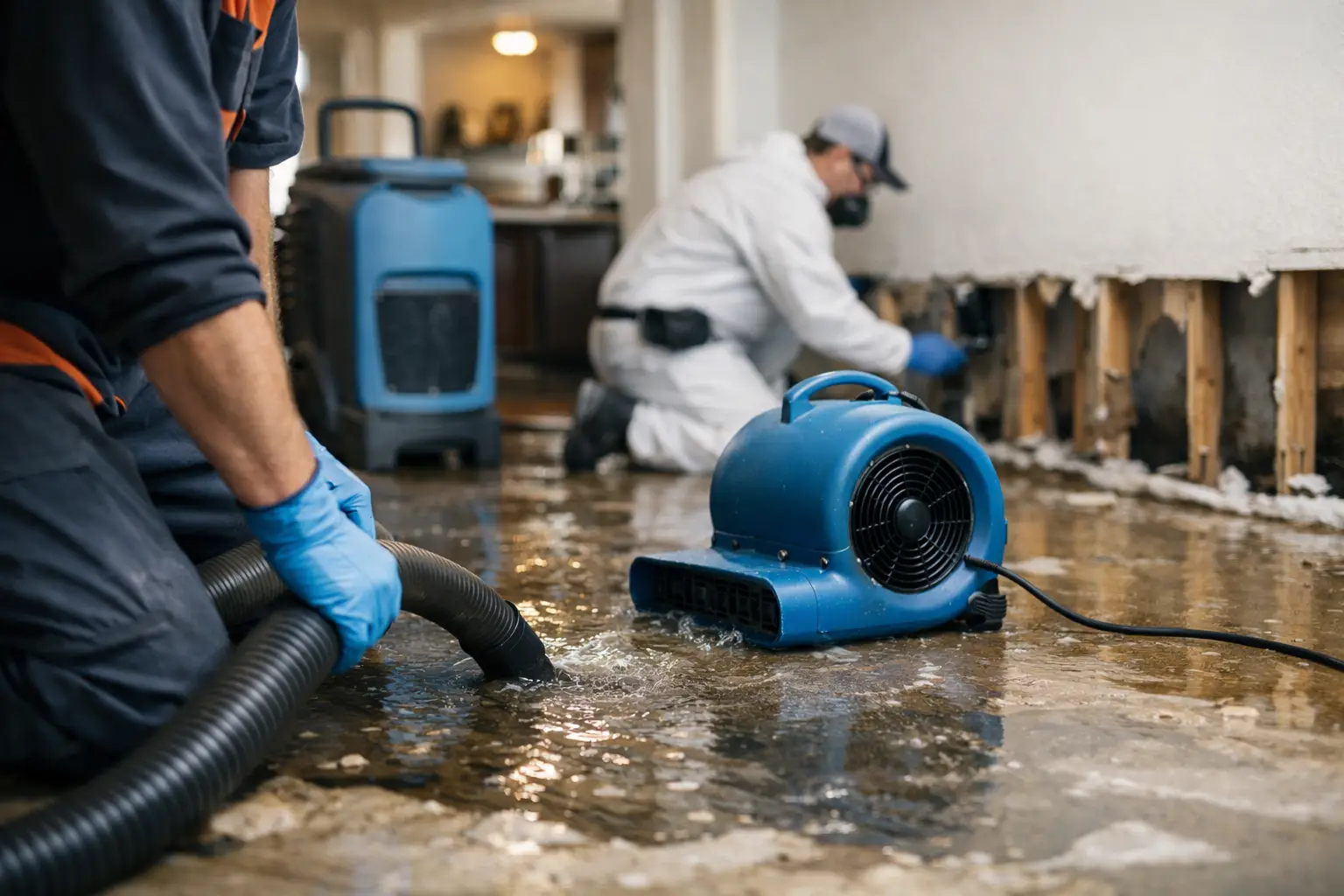 Water Damage
Extraction, structural drying, and moisture mapping after floods, leaks, and burst pipes.
Get help now Fire & Smoke
Soot removal, odor deodorization, and content cleaning after fire and smoke damage.
Learn more Mold
MoldContainment, removal, and moisture control that stops mold from coming back.
Learn more Storm
StormEmergency board-up, roof tarping, and full recovery after wind, hail, and storms.
Learn more Sewage
Safe biohazard cleanup and sanitizing after sewage backups and overflows.
Learn more Reconstruction
Full rebuild by a licensed general contractor, so your property comes back whole.
Learn moreElevated Operations is an IICRC-certified, licensed general contractor based in Mableton that handles the entire recovery in-house, so after one loss you are never coordinating a cleanup crew, a mold crew, and a contractor separately. One team, one point of contact, from the first pump-out to the final coat of paint.
People call when the property feels like a disaster. They leave reviews because Chris and the crew made it right. These are real, verified Google reviews.
I provide 24/7 emergency response with a 60-minute emergency response goal. In Powder Springs, that matters because west Cobb storms can keep moving, and fewer storm drains can let water pool around the home while damage keeps spreading. I send IICRC-certified technicians, document the loss, and start protection right away.
Yes, I offer direct insurance billing and I help with the process from the start. I photograph the damage, note what failed, and keep the work organized so the claim is easier to review. That is especially useful in Powder Springs, where storm damage can involve roof, siding, and water issues at once.
Call anyway. Hail damage repair is often about damage that is hidden at first, especially on roofs, vents, and flashing. In Powder Springs, a roof can take a hit and still fail later when the next rain arrives. I check the full system, not just the spots that are already leaking.
Yes, wind damage repair is often needed when the roof still looks okay from the street. Lifted shingles, loosened flashing, and opened seams can all admit water. In west Cobb, strong gusts and open rural stretches can make small failures turn into interior damage fast.
It is, because debris can hide broken materials, damage drainage, and make inspection harder. I clear what is blocking the path to repair, then document what the storm actually did. In Powder Springs, storm debris often lands near roofs, driveways, and yard drainage paths.
Yes. If framing, decking, or other load-bearing materials are affected, I handle structural repair as a licensed general contractor. That matters when storm damage goes beyond surface materials. In Powder Springs, water intrusion and wind can both create hidden structural issues that need real repair, not patchwork.
I back completed restoration work with a 12-month warranty. That does not replace proper inspection or drying, but it does show how I stand behind the repair. If your Powder Springs property needs storm damage restoration, I want the job handled the right way the first time.
Because I know the area, the weather patterns, and the housing types across west Cobb. From rural lots with fewer storm drains to older roofs that need careful inspection, local experience helps me spot what matters fast. I am based in Mableton, and I have been in restoration since 2007.
Elevated Operations dispatches IICRC-certified crews across Metro Atlanta from our Mableton base, with a 60-minute emergency response day or night. Choose your city:
Call now for an immediate response, or request your free inspection and get a certified crew on-site within the hour across Atlanta and nearby areas.




