24/7 Emergency Restoration · Serving Metro AtlantaEmergency? (770) 404-6895
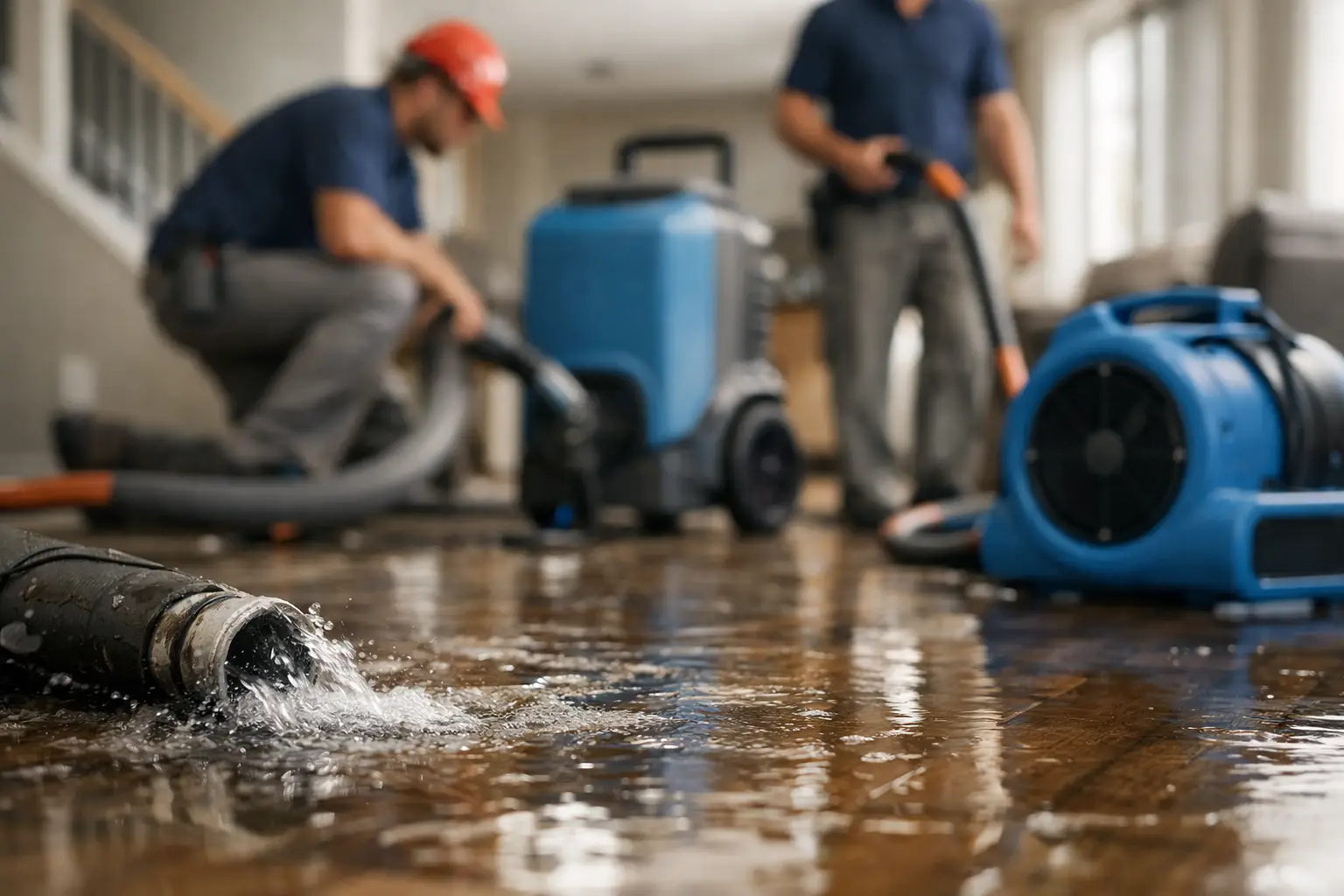
Emergency water removal in Douglasville starts with getting water out fast, then drying what the eye cannot see. I handle wet floors, soaked carpet, and hidden moisture in I-20 subdivision homes, Dog River reservoir area properties, and older houses off the main corridors with direct insurance billing and 24/7 response.
IICRC-Certified · 5-Star Rated · 60-Minute Response · Insurance Billed Directly
Yes. I offer 24/7 emergency response and can get to Douglasville quickly from my Mableton base.
Sometimes, but only if the water never got into the pad, subfloor, or wall base. I check first, then decide.
Yes. I provide direct insurance billing and document the loss so the claim has a clear paper trail.
I treat it as flood water removal and start pumping water out, then move into drying and moisture checks right away.
I start with water extraction, then move straight into water mitigation and emergency drying, because Douglasville homes can hold moisture in trim, subfloors, and wall cavities long after the surface looks dry. That matters in builder-grade subdivisions near I-20 and in homes closer to Dog River reservoir where drainage and grading can compound the loss.
In Douglasville, I often see water run through hallway carpet, under vinyl, and into the seams where builder-grade floors were set fast and tight. I do not wait around for the visible water to be the whole story. I find the migration path, then I remove it and dry it.
Near I-20, many homes have similar layouts, which means water likes to travel the same places every time, from laundry rooms to bedrooms to closets. I have been in restoration since 2007, and I have learned that speed matters, but so does knowing where the water hid.
Close to Dog River reservoir, a storm or supply line failure can turn into standing water removal fast. I use IICRC-certified technicians, direct insurance billing, and a 12-month warranty, because the job is not done when the floor looks better. It is done when the structure is dry and stable.
It should happen immediately. Water keeps moving, and mold starts in 24 to 48 hours, so the right move is to start pumping water out, set extraction equipment, and begin emergency drying the same day. I offer 60-minute emergency response 24/7 from my Mableton base for Douglasville calls.
A pipe burst in a Douglasville ranch can spread into bedrooms before the homeowner even finds the shutoff valve. That is why I keep the response simple, fast, and direct. Call me, and I move toward the loss with the tools needed for water cleanup and drying.
If the water came from a supply line, a water heater, or a washing machine, every minute adds saturation to carpet pad, baseboards, and lower drywall. I do not treat that as a routine cleanup. I treat it as a time-sensitive loss with insurance documentation from the start.
I serve Douglasville, and I also work throughout Cobb, Fulton, DeKalb, Douglas, Clayton, Henry, and Paulding counties. For a homeowner near Chapel Hill Road, Arbor Place, or a subdivision off Fairburn Road, fast action keeps the damage smaller and the repair more straightforward.
I use commercial extraction and drying equipment, not shop-grade tools. That usually means wet vac extraction, pump-assisted water extraction, air movers, dehumidifiers, and moisture checks, so I can get water out of carpet, pads, and hard surfaces while tracking what is still wet inside the structure.
On a Douglasville job, the right equipment changes by room and by source. A laundry overflow in a builder-grade home near I-20 needs different handling than flood water removal around a basement entry closer to Dog River reservoir. I match the tool to the material and the moisture path.
Wet vac extraction helps on smaller losses, but a room with heavy standing water removal needs faster pumping water out before the water starts working into seams and lower framing. IICRC-certified technicians know when to extract, when to lift, and when to move into controlled dry-out.
I also use direct insurance billing and provide a 12-month warranty, because water mitigation is not only about removing visible water. It is about showing the insurer what I found, what I removed, and what I dried. That paper trail matters when the claim starts moving.
Yes, if I catch it early enough, I can remove standing water from carpet with extraction, lift affected materials when needed, and start emergency drying before the padding and subfloor hold on to too much moisture. The key is acting before the carpet becomes a reservoir of hidden water.
I see this often in Douglasville homes with open hallways and connected living spaces. A failed appliance or overflowing tub sends water into carpet, and it looks contained until you step through the room and feel it move underfoot. That is when standing water removal has to start immediately.
If the carpet is still salvageable, I use water extraction and controlled drying to protect the structure underneath. If the pad is soaked through, I will say so plainly. I do not sell false hope. I explain what can stay, what has to come out, and why.
And yes, some builder-grade carpet near I-20 can dry well when the response is fast. But if water sat long enough to soak the pad or reach tack strips, I treat that as a water cleanup and material assessment problem, not just a wet floor problem.
After emergency water extraction, I move into moisture mapping, targeted drying, and insurance documentation. That means checking walls, trim, floors, and hidden cavities, then setting the right emergency drying plan so the property does not trap moisture after the surface water is gone.
The mistake I see most is stopping too early. A room can look clean after water extraction and still hold moisture behind the baseboards, under laminate, or inside wall cavities. In Douglasville, that is especially common in homes with quick-turn builder finishes and tight floor assemblies.
Once extraction is finished, I verify what still needs drying. IICRC-certified technicians use moisture checks to decide where air movers and dehumidifiers belong. If the loss came from a supply line, I keep the insurance file moving with photos and notes that support the claim.
From there, I stay focused on the house itself, not just the incident. My job is to reduce the chance of secondary damage, keep the structure stable, and make sure the homeowner knows what was removed, what was dried, and what still needs repair.
Because many of those homes share similar builder-grade construction, the water follows the same routes, under trim, behind vinyl, and across low points in the floor plan. I recognize that pattern fast, which helps me move from water cleanup to the right drying plan without wasting time.
In a lot of I-20 subdivision homes, the floor plan repeats from house to house, so the water damage repeats too. I see the same laundry room overflow, the same split-level basement seepage, and the same hallway carpet saturation after an appliance failure or broken supply line.
That is where experience matters. I have been in restoration since 2007, and I know how these Douglasville homes are built. Some losses look small at the door, then spread under walls and into adjacent rooms. A fast inspection keeps the water cleanup on track.
And when a homeowner is dealing with direct insurance billing, that familiarity helps. I document the damage clearly, explain the source, and keep the cleanup moving. That is how I handle a repeat pattern in a neighborhood without treating it like a one-size-fits-all job.
I do. Elevated Operations, LLLP handles emergency water removal from our Mableton base with 60-minute emergency response 24/7, licensed general contractor oversight, IICRC-certified technicians, and direct insurance billing. I answer the call like a contractor who expects to rebuild what water tried to ruin.
I am Chris Kwangwari, the owner, and I keep the work hands-on. Douglasville homeowners do not need a call center script when water is running through the house. They need someone who can make the right call on water extraction, drying, and the next repair step.
My team serves Douglasville and the surrounding metro area with a 4.9-star Google rating from 73 reviews, plus a 12-month warranty on the work. That matters when the loss started in a kitchen, a laundry room, or a basement that sits low after a storm.
I also offer deductible assistance up to $1,000, when eligible, because I know how stressful a water loss can be. But I stay within the facts: I do the extraction, I manage the mitigation, and I keep the process organized so the homeowner is not guessing.
A Douglasville homeowner called after a washer line failed in a builder-grade home near I-20. Water had moved into the hallway carpet and a bedroom closet. I handled the water extraction, lifted what needed to come up, and set emergency drying before the padding trapped the moisture.
After heavy rain near Dog River reservoir, one homeowner found water pushing into a lower-level entry and sitting under the flooring. I treated it like flood water removal, not a simple mop-up. The job needed standing water removal, moisture checks, and direct insurance billing from the start.
In an older Douglasville house off Chapel Hill Road, a slow supply-line leak had been feeding the wall for days. The room looked only slightly damp. I found the hidden moisture, started water mitigation, and kept the loss from turning into a bigger repair than it already was.
From emergency mitigation to full reconstruction, handled in-house so you are never managing a chain of subcontractors mid-crisis.
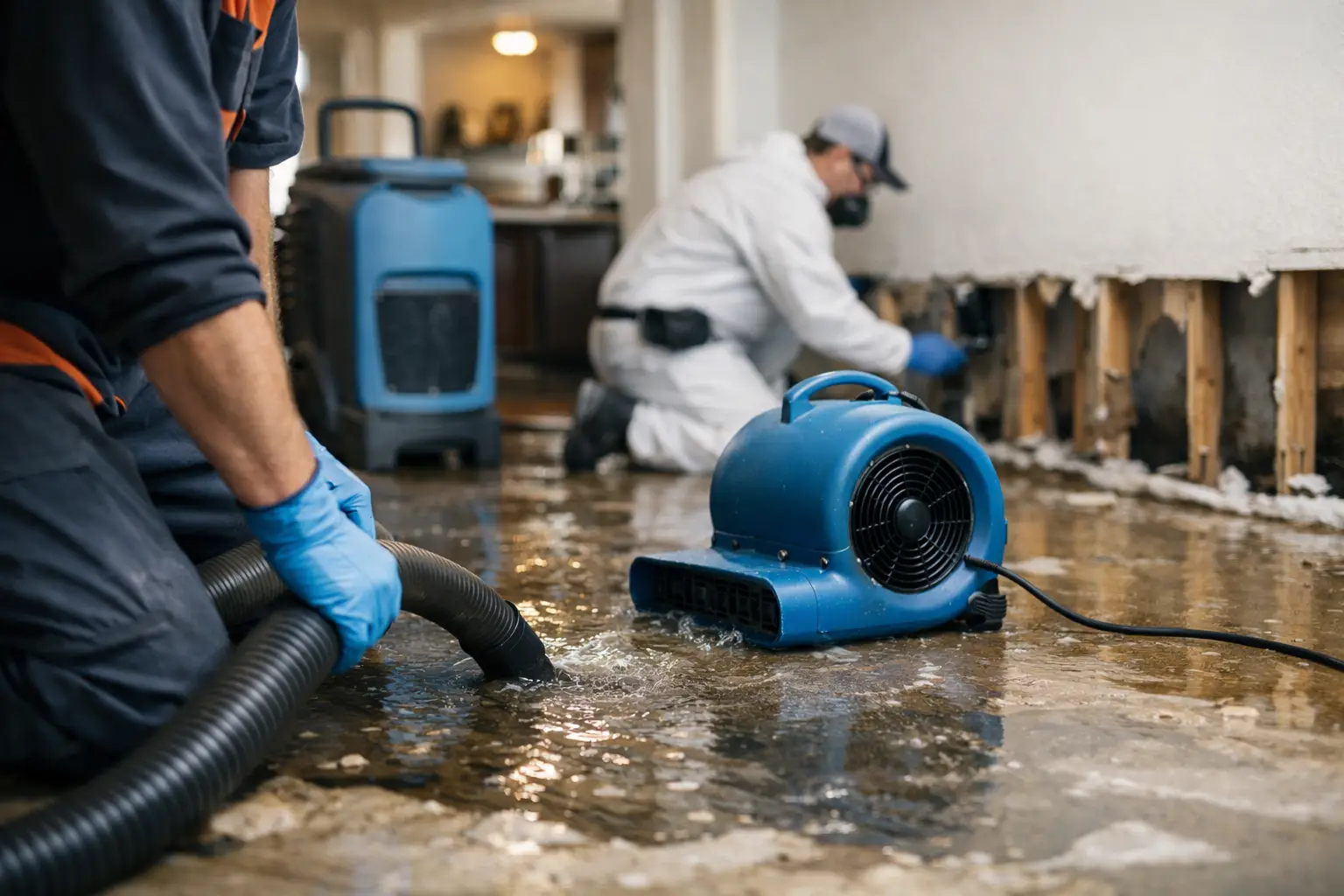 Water Damage
Extraction, structural drying, and moisture mapping after floods, leaks, and burst pipes.
Get help now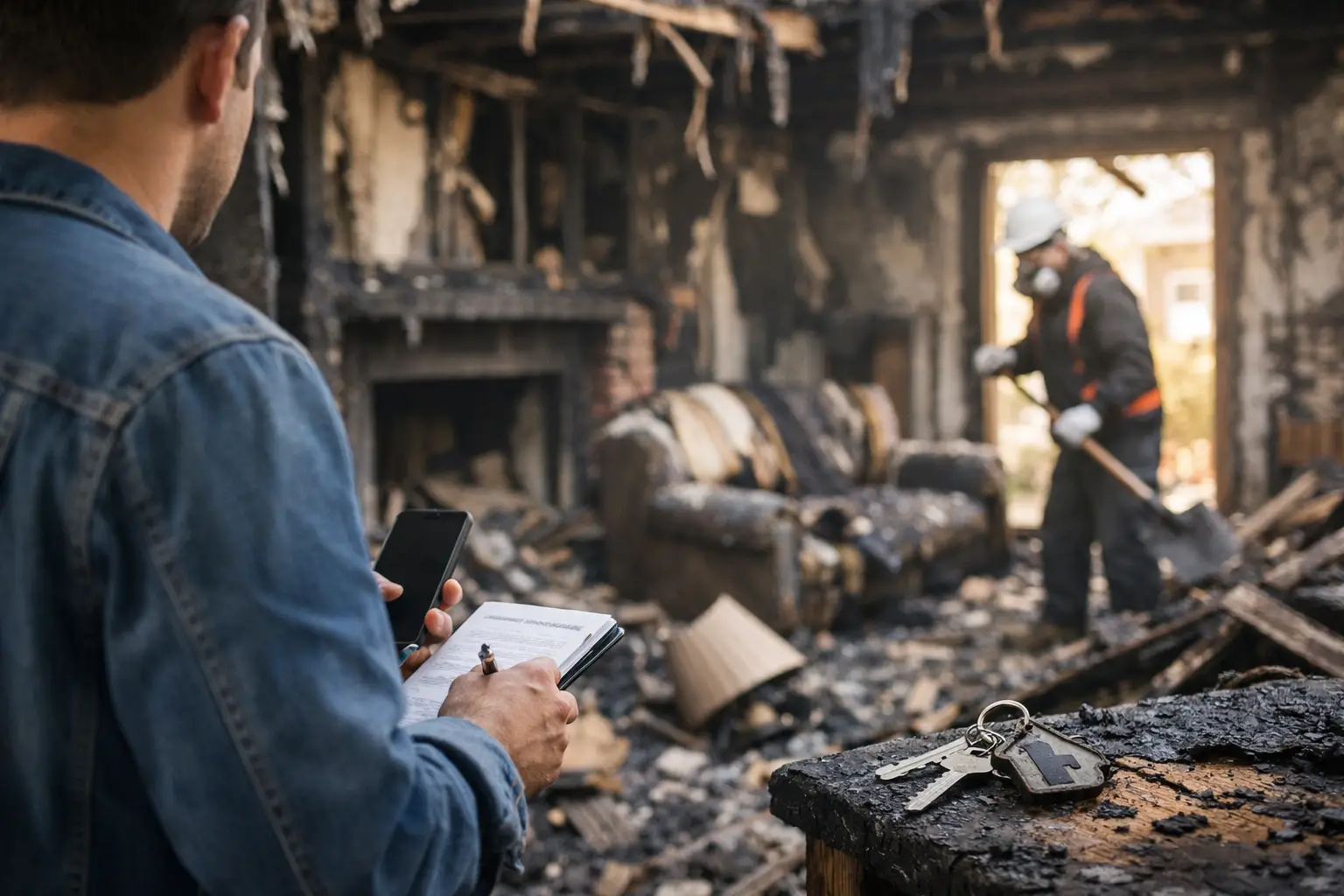 Fire & Smoke
Soot removal, odor deodorization, and content cleaning after fire and smoke damage.
Learn more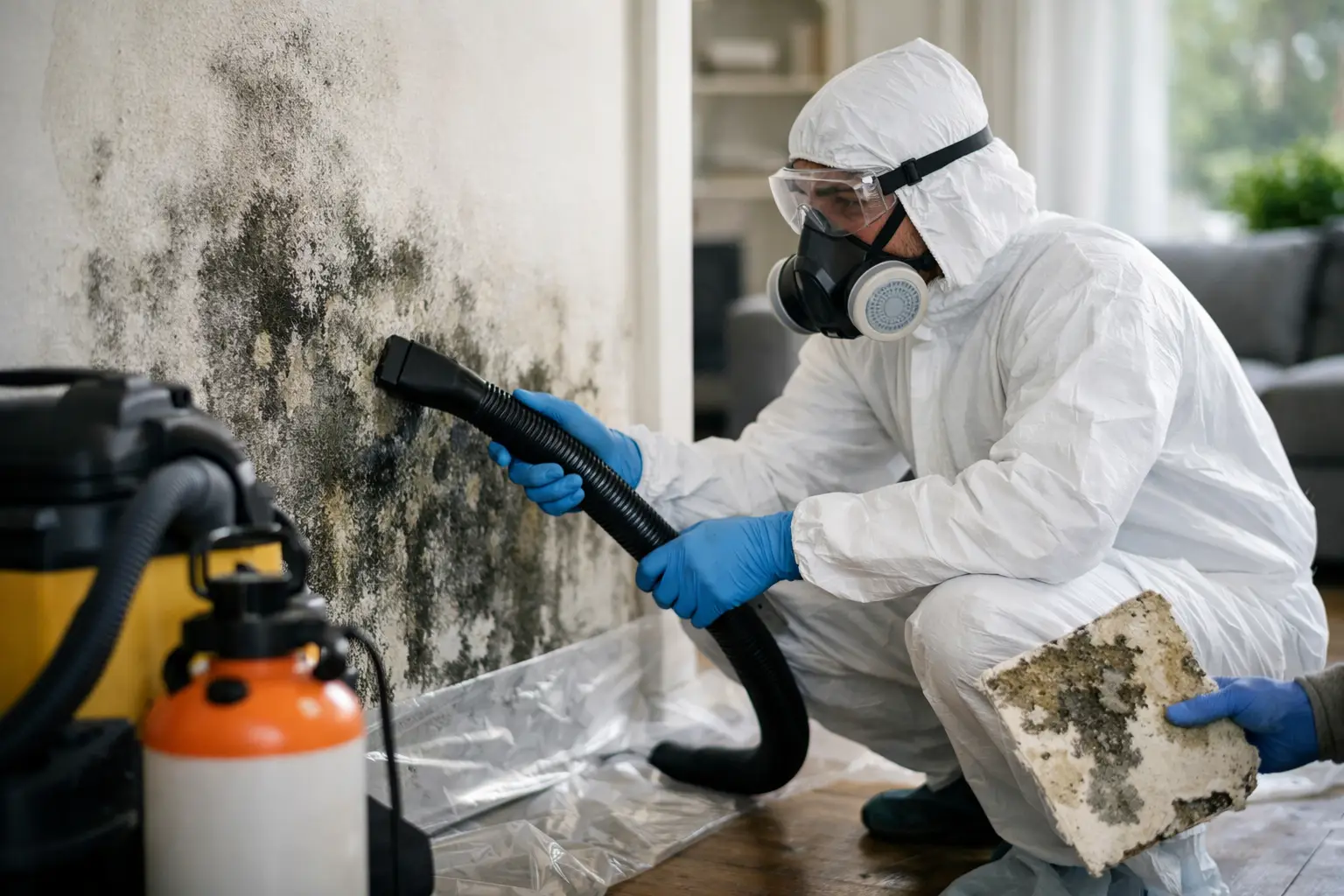 Mold
MoldContainment, removal, and moisture control that stops mold from coming back.
Learn more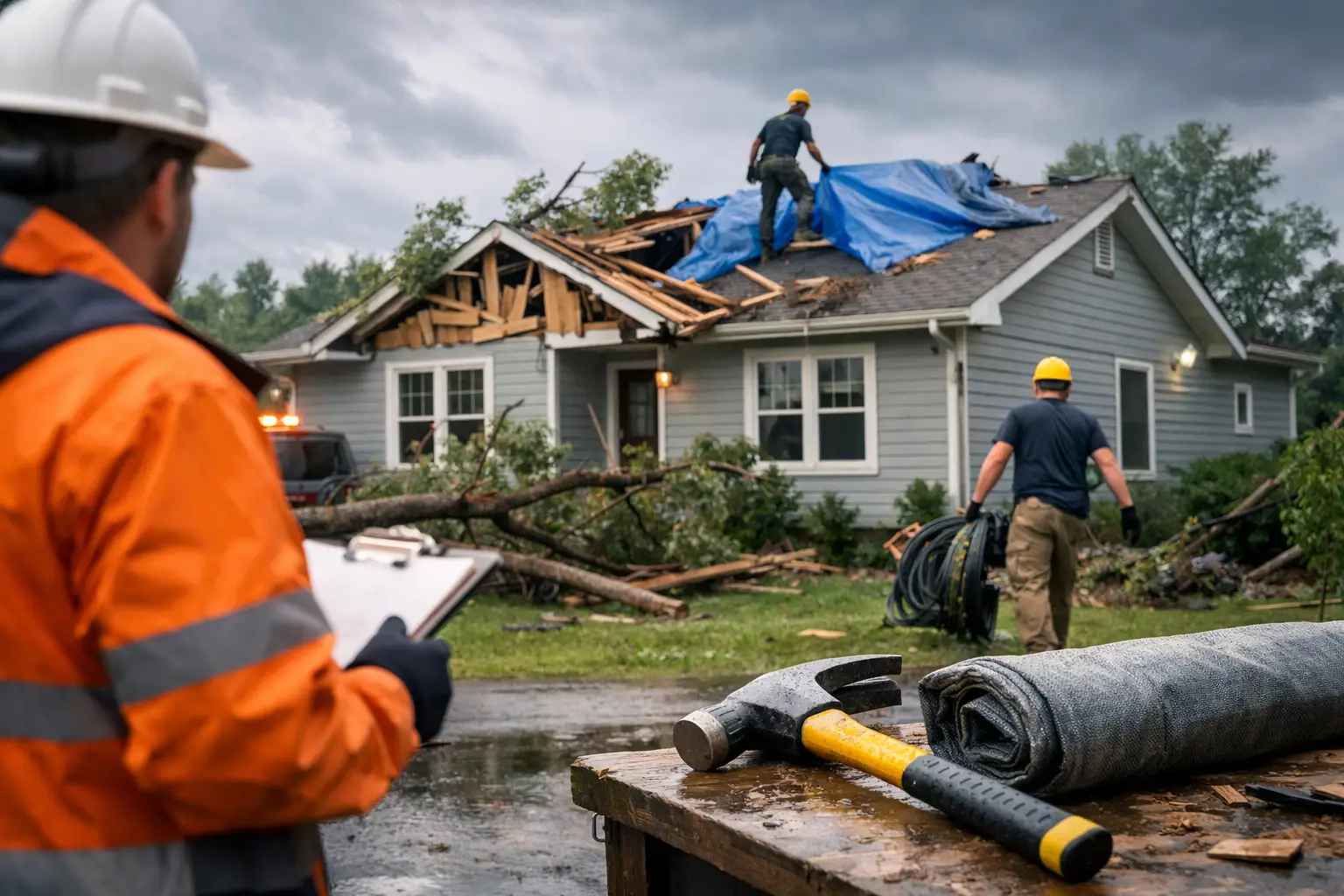 Storm
StormEmergency board-up, roof tarping, and full recovery after wind, hail, and storms.
Learn more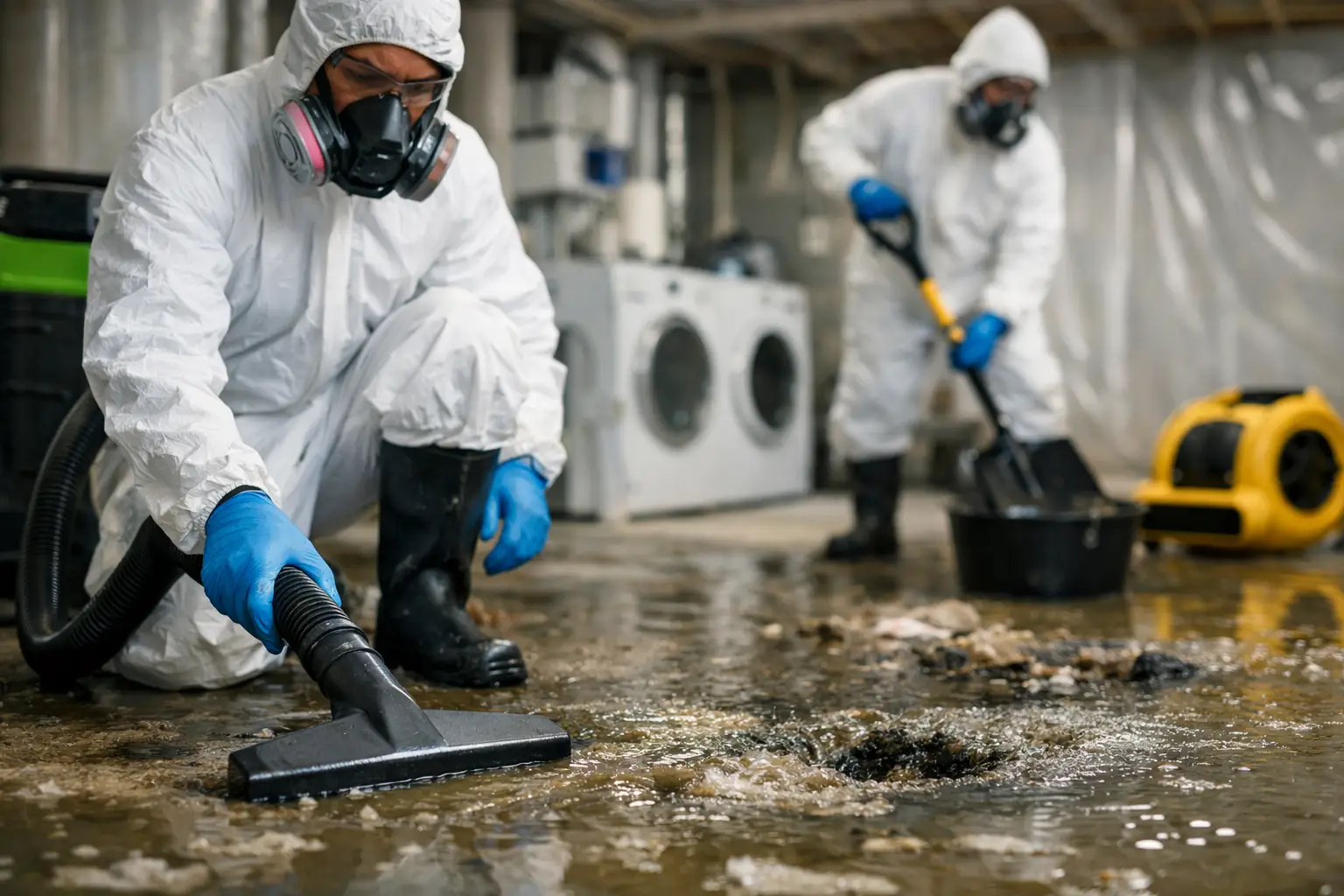 Sewage
Safe biohazard cleanup and sanitizing after sewage backups and overflows.
Learn more Reconstruction
Full rebuild by a licensed general contractor, so your property comes back whole.
Learn moreElevated Operations is an IICRC-certified, licensed general contractor based in Mableton that handles the entire recovery in-house, so after one loss you are never coordinating a cleanup crew, a mold crew, and a contractor separately. One team, one point of contact, from the first pump-out to the final coat of paint.
People call when the property feels like a disaster. They leave reviews because Chris and the crew made it right. These are real, verified Google reviews.
Immediately. In Douglasville, a burst pipe in a builder-grade subdivision can send water under carpet, into closets, and behind baseboards before you finish shutting off the supply. I respond 24/7 with a 60-minute emergency response window from my Mableton base, then I start extraction and drying right away so the damage does not spread.
I use commercial extraction gear, wet vac extraction where appropriate, pump-assisted water removal for deeper losses, plus air movers and dehumidifiers for emergency drying. Around Dog River reservoir, moisture can sit low in a structure, so I also use moisture checks to confirm what is still wet after the visible water is gone.
Yes, if I get there soon enough. Standing water removal from carpet starts with fast extraction, then I decide whether the pad, tack strip, or adjacent materials need to come out. Douglasville ranches and split-levels can hold water in ways that are not obvious, so I do not trust the surface alone.
After emergency water extraction, I map hidden moisture, document the loss, and move into water mitigation and emergency drying. That means checking walls, trim, flooring, and nearby rooms so the home does not keep wet materials behind the scenes. It also means keeping the insurance file moving with clear notes and photos.
Yes. Low-lying basements near Dog River reservoir can collect stormwater fast, and I treat that as flood water removal, not a quick cleanup. I pump water out, remove what cannot be saved, and dry the space in a controlled way so the structure is not left damp underneath.
I treat those homes as time-sensitive structure losses. Builder-grade construction often shares the same floor paths, so water cleanup starts with extraction, then moisture checks in the areas water likes to travel, like trim, laminate edges, and adjoining closets. I have seen those patterns often enough to move quickly and clearly.
Yes. I offer direct insurance billing, and I keep the paperwork moving while I work. In Douglasville, that helps when a leak or overflow hits a kitchen, bath, or laundry area and the homeowner needs the loss documented without dragging the process out. I handle the mitigation and the claim support together.
I back the work with a 12-month warranty. That matters after emergency water removal because the job is not just about taking water away, it is about making sure the structure was dried and stabilized properly. If the loss is handled right the first time, repairs move with fewer surprises.
Elevated Operations dispatches IICRC-certified crews across Metro Atlanta from our Mableton base, with a 60-minute emergency response day or night. Choose your city:
Call now for an immediate response, or request your free inspection and get a certified crew on-site within the hour across Atlanta and nearby areas.