24/7 Emergency Restoration · Serving Metro AtlantaEmergency? (770) 404-6895
Mold removal services Vinings means finding the moisture source, removing contaminated materials safely, and drying the structure so growth does not keep spreading. In an upscale Cobb neighborhood with condos near the Chattahoochee, that matters because small leaks, tight assemblies, and hidden humidity can turn into bigger damage fast.
IICRC-Certified · 5-Star Rated · 60-Minute Response · Insurance Billed Directly
Right away. The sooner the moisture source is found, the less likely the damage spreads behind walls, under floors, or into adjacent rooms.
Yes. Real removal addresses contaminated materials, hidden moisture, and drying, while regular cleaning only handles what you can see on the surface.
Shared walls, stacked plumbing, and tight interiors can hide moisture longer, so containment and careful inspection matter more in these buildings.
A licensed general contractor should handle repair when walls, cabinets, or finishes need rebuilding after the affected materials are removed.
Mold removal services are meant to stop active growth, remove contaminated materials, and correct the moisture conditions that allowed the problem to start. In Vinings, especially in condos and finished spaces near the Chattahoochee, the work often includes mold inspection, containment, air scrubbing, and targeted mold cleanup.
I do not treat mold as a cosmetic stain. It is a moisture problem that often shows up after a leak, HVAC issue, or long-term humidity in a closed-up space. In Vinings, that can happen in newer condos, older homes, and renovated interiors with layered finishes.
The job is bigger than bleach and a wipe-down. Proper mold remediation looks at what is wet, what is porous, and what can be saved after hepa vacuuming and drying. That is the difference between surface cleanup and real mold abatement.
And if the structure is damaged, mold damage repair has to follow. A wall cavity, base cabinet, or ceiling section near the Chattahoochee corridor can hold hidden moisture long after the surface looks dry. That is where the real loss grows.
Mold tends to appear where moisture lingers, and Vinings has plenty of places where that can happen. Condos, townhomes, and homes close to the river corridor can trap humidity, while plumbing leaks, window leaks, and HVAC condensation create the conditions mold needs to start growing.
Vinings is upscale Cobb, but the neighborhood still has the same physics as every other place. Water enters, air stays humid, materials absorb it, then mold starts feeding. The EPA says mold can begin in 24 to 48 hours when conditions stay damp, so delay is the enemy.
I see issues around laundry rooms, bathrooms, kitchens, attics, and lower walls where water travels behind the finish. Condos are especially tricky because a leak may start in one unit and show up as staining in another. That is why mold inspection has to be careful and local to the structure.
Near the Chattahoochee, seasonal moisture and shaded exteriors can make it harder for a building to dry out naturally. That is why I focus on containment, controlled drying, and source correction instead of treating mold as a surface-only problem.
You likely need mold removal services when you smell a musty odor, see spotting or staining, or notice a recent leak, overflow, or HVAC problem. In Vinings condos and homes, hidden growth often shows up after water damage in walls, ceilings, or under floors.
The signs are not always dramatic. A closet that smells stale, a bathroom corner that keeps discoloring, or a vent that seems to push damp air can all point to a moisture issue. When people wait, what started as mold cleanup becomes a larger restoration job.
You should also pay attention after storms, appliance failures, roof leaks, or a toilet overflow. In tightly finished Vinings interiors, water can move into trim, drywall, and cabinet bases before anyone notices. By then, the visible stain is often just the tip of the problem.
IICRC-certified technicians start with the structure, not guesses. That means checking wet materials, airflow, and the likely source before deciding whether removal, drying, and mold damage repair are needed. Good work begins with evidence, not assumptions.
A proper mold removal service usually starts with mold inspection, then containment, removal of contaminated materials, air scrubbing, hepa vacuuming, drying, and cleanup of affected surfaces. If the source damaged building materials, mold damage repair and direct insurance billing may also be part of the process.
The first step is understanding the extent of the problem. That means checking visible growth, finding hidden moisture, and deciding what can be cleaned versus what must come out. In Vinings condos, that often means opening a limited area to inspect behind finishes without tearing apart the whole unit.
Containment matters because you do not want spores moving through a lived-in home or shared building. I set up control measures, use air scrubbing to capture airborne particles, and then do hepa vacuuming on the affected surfaces after removal and drying are underway.
After the cleanup, the structure still has to be put back together correctly. That is where a licensed general contractor makes a difference. If drywall, trim, or cabinetry was damaged, the repair work has to match the restoration plan, not fight it.
Real mold removal services should address the source, not only the visible growth. If the moisture problem remains, mold can return. In Vinings, that means finding leaks, condensation, drainage issues, or ventilation failures before finishing the cleanup and repair work.
I am direct about this because it matters. If the source stays wet, mold comes back. Scrubbing a stain without fixing the leak is wasted effort. In a condo near the Chattahoochee, that leak may be in a unit above, a supply line, or even an HVAC drain issue.
The right process looks at cause and effect together. A kitchen leak may have soaked cabinet backing. A bathroom fan may not be moving enough humid air. A basement wall may be taking on seepage after weather changes. The cleanup has to fit the cause.
That is why I treat mold remediation as both removal and correction. When the source is located and controlled, the finished space has a real chance to stay dry. When it is ignored, the same odor and staining tend to show up again.
Mold can damage drywall, framing, insulation, cabinets, trim, flooring, and finishes. It also creates odor and can spread across hidden cavities. In Vinings, especially in condos and renovated homes, the bigger risk is not just staining, but hidden structural and indoor-air contamination.
People often notice the smell before the full damage. By the time the wall looks bad, the material behind it may already be soft, warped, or contaminated. Mold feeds on organic materials, so drywall paper, wood framing, and some finishes can all be affected.
That matters in upscale Cobb properties because the repairs are rarely simple patch jobs. A small leak under a vanity or behind a refrigerator can lead to mold damage repair in flooring, base cabinets, and adjacent walls. Delay usually increases the scope, not the value.
Mold also changes how a home feels. It can make a room seem damp, stale, or neglected even when the rest of the property is well maintained. That is why I like to pair cleanup with proper drying and source correction from the start.
Mold does not appear by chance. It needs water, time, and a surface to feed on, so leak repair and drying are the foundation of any real solution.
What you see may be only a small part of the problem. Growth often extends behind drywall, under flooring, or inside cabinets and wall cavities.
A proper cleanup isolates the affected area so spores and dust do not move through the home, hallway, or neighboring condo units.
If materials stay damp, mold can return. The structure has to be dry and stable before any finishing work begins.
Direct insurance billing, deductible assistance up to $1,000, and licensed repair work can make the restoration process more organized after a loss.
From emergency mitigation to full reconstruction, handled in-house so you are never managing a chain of subcontractors mid-crisis.
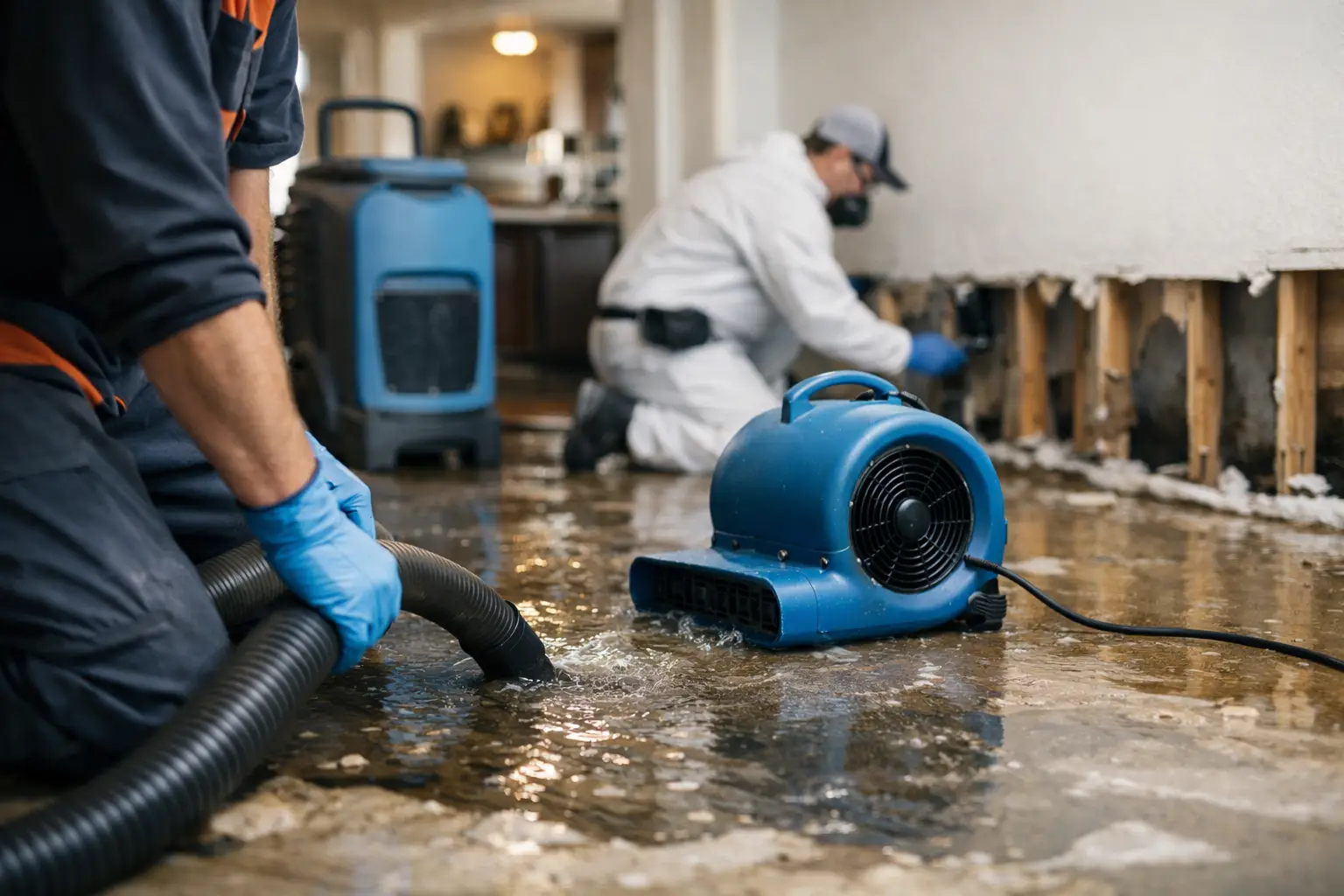 Water Damage
Extraction, structural drying, and moisture mapping after floods, leaks, and burst pipes.
Get help now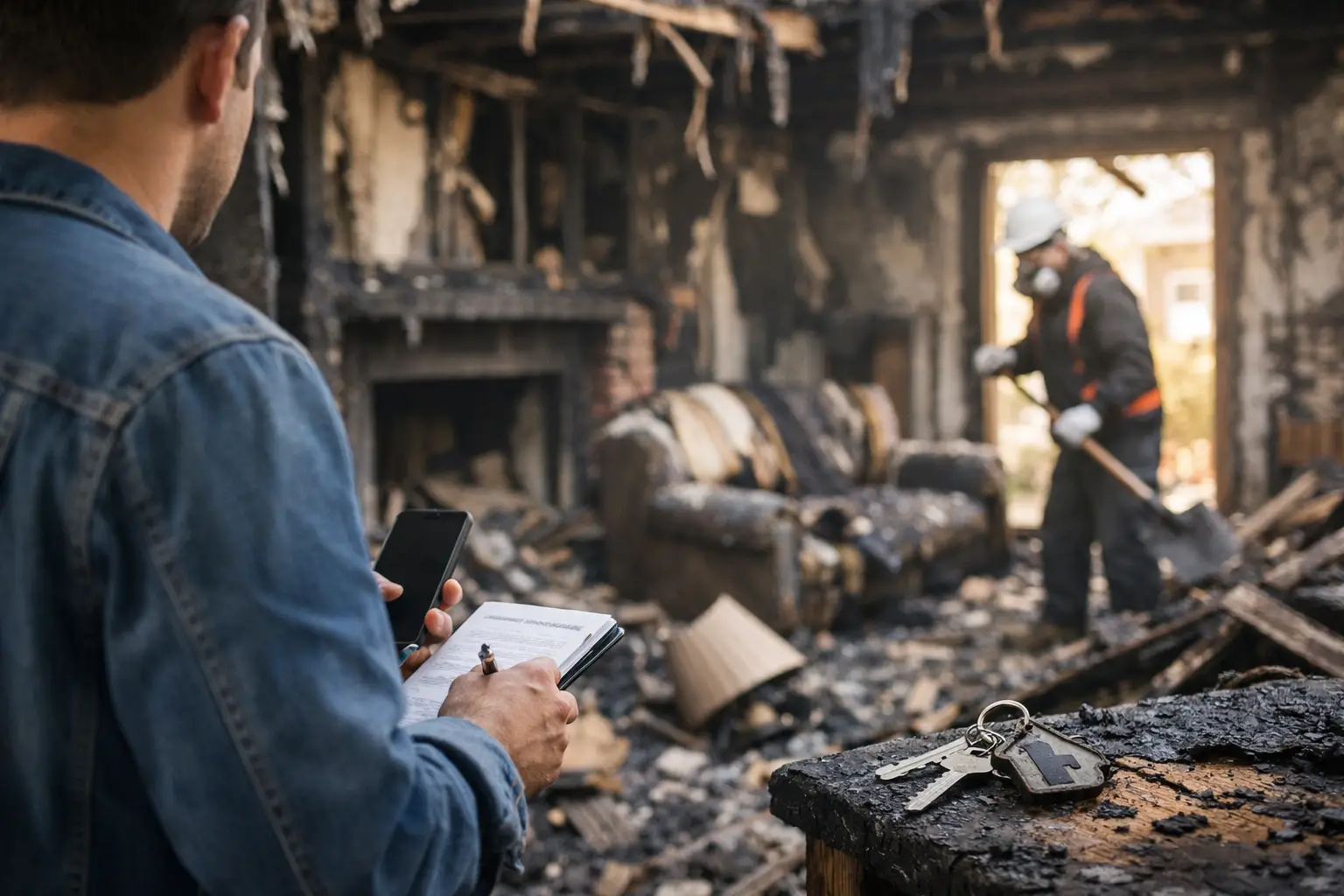 Fire & Smoke
Soot removal, odor deodorization, and content cleaning after fire and smoke damage.
Learn more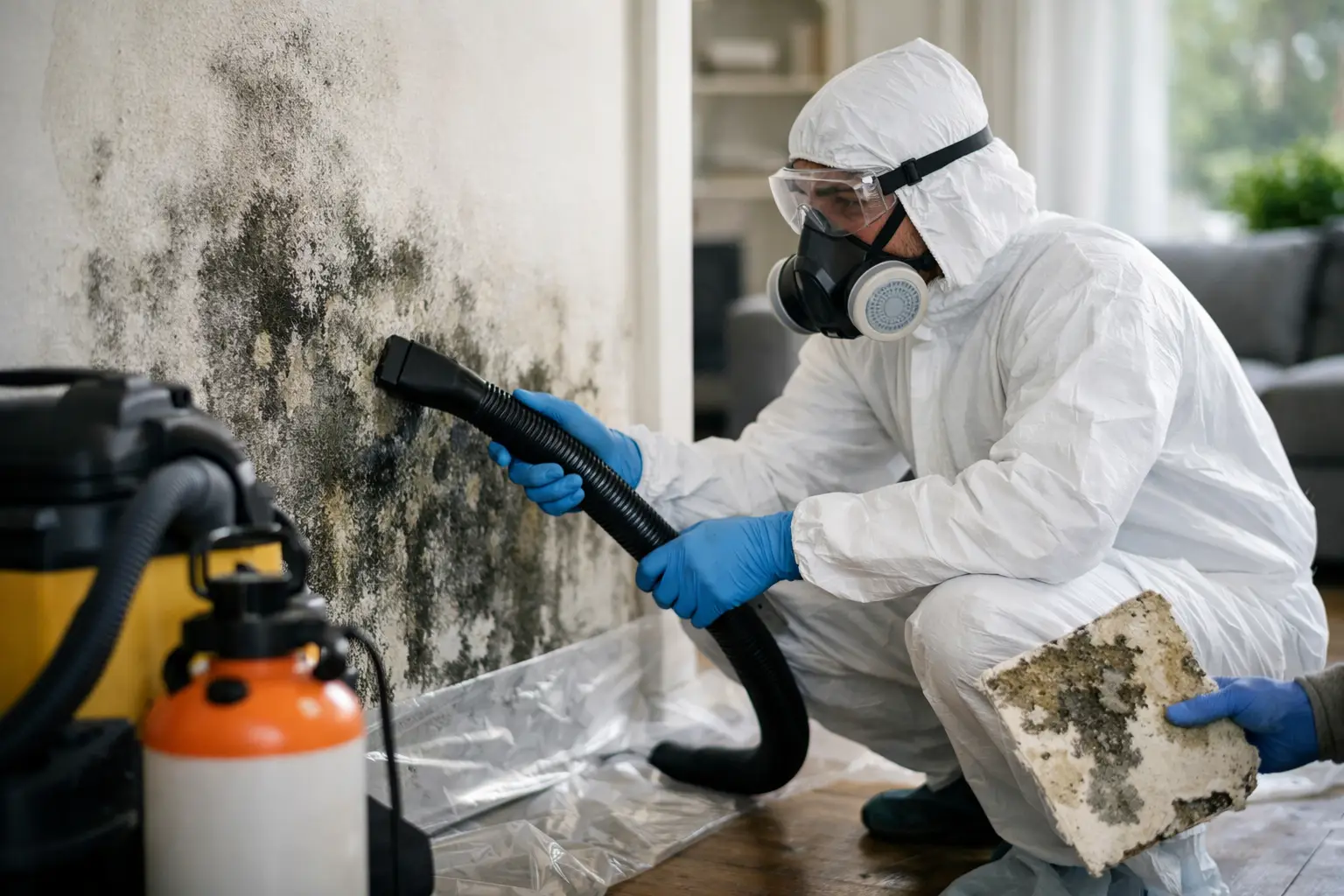 Mold
MoldContainment, removal, and moisture control that stops mold from coming back.
Learn more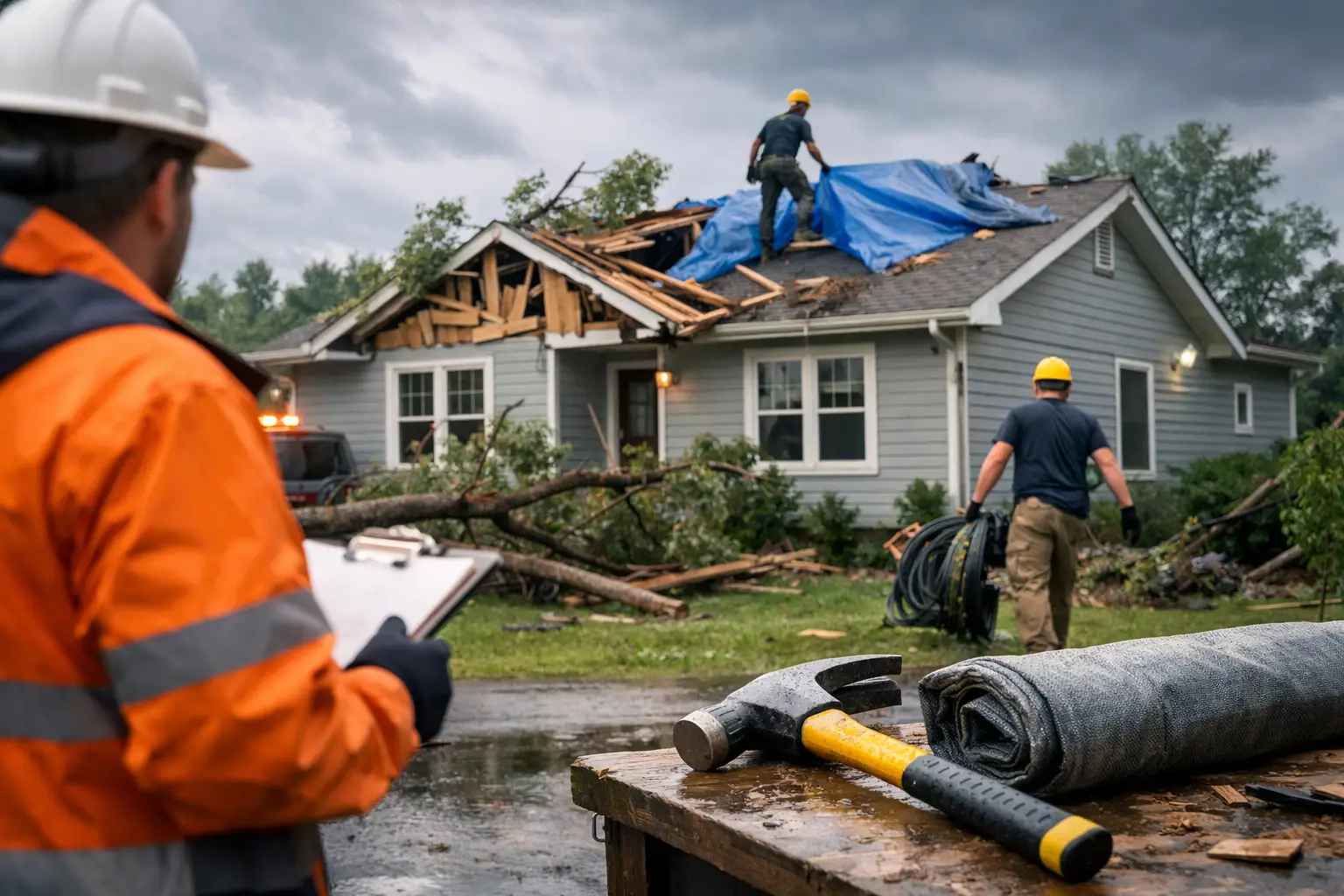 Storm
StormEmergency board-up, roof tarping, and full recovery after wind, hail, and storms.
Learn more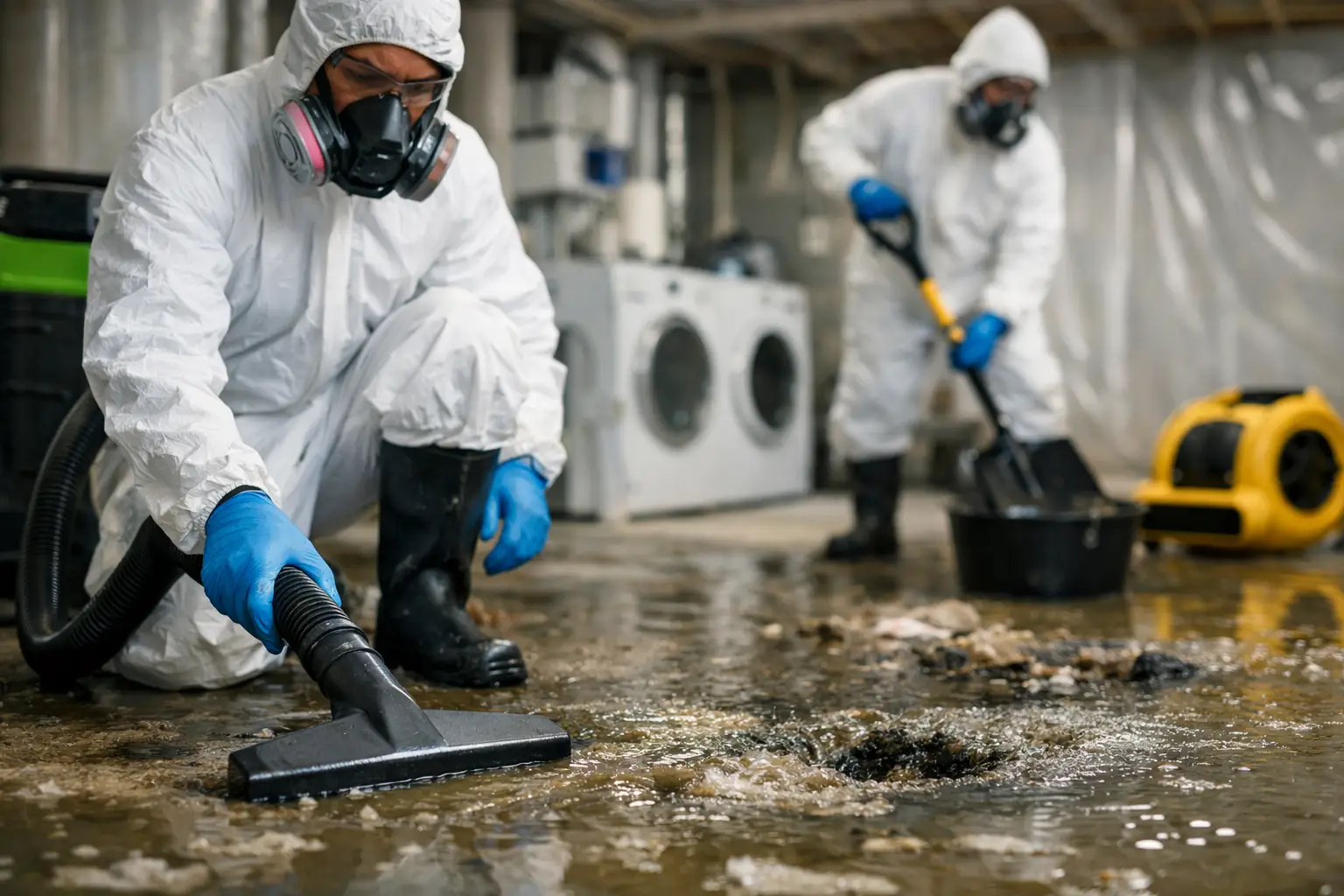 Sewage
Safe biohazard cleanup and sanitizing after sewage backups and overflows.
Learn more Reconstruction
Full rebuild by a licensed general contractor, so your property comes back whole.
Learn moreElevated Operations is an IICRC-certified, licensed general contractor based in Mableton that handles the entire recovery in-house, so after one loss you are never coordinating a cleanup crew, a mold crew, and a contractor separately. One team, one point of contact, from the first pump-out to the final coat of paint.
People call when the property feels like a disaster. They leave reviews because Chris and the crew made it right. These are real, verified Google reviews.
If a leak reached drywall, flooring, cabinets, or insulation, a mold inspection is smart even when the surface looks mostly dry. In Vinings condos, shared walls and stacked plumbing can hide damage. Musty odors, staining, and recurring damp spots are common clues that the problem extends beyond the visible area.
Yes, mold can return if the moisture source is still active. That is the whole point of source correction. In homes near the Chattahoochee corridor, humidity, drainage issues, and concealed leaks can keep materials damp long enough for growth to restart after cleanup.
Containment keeps disturbed material from spreading spores and debris into clean areas. In a condo, that is especially important because hallways, shared air paths, and adjacent units can complicate the job. It is one of the main differences between controlled mold remediation and a messy cleanup.
Not every small issue needs the same setup, but air scrubbing is common when contaminated material is removed or when the affected area is enclosed. It helps capture airborne particles during cleanup, which is useful in finished homes and condos where people are still living nearby.
The EPA says mold can start in 24 to 48 hours when materials stay wet, so urgency depends on moisture, not just what you can see. In Vinings, a quick response matters after plumbing failures, HVAC leaks, or storm intrusion because hidden cavities can stay wet for longer than expected.
After contaminated materials are removed and the area is dry, mold damage repair may include drywall, trim, cabinetry, or other structural finishes. In Vinings, especially in renovated spaces, the repair has to fit the original construction and account for what was actually affected.
Yes, direct insurance billing is available when the claim applies. That helps keep the process moving after a water-related loss. I also provide deductible assistance up to $1,000, and as a licensed general contractor, I can handle the repair side after the cleanup phase.
Because proximity and experience matter when moisture damage hits fast. Elevated Operations is based in Mableton, serves Cobb County, and has been in restoration since 2007. IICRC-certified technicians and 24/7 emergency response make sense when a condo leak or hidden wall growth needs attention now.
Elevated Operations dispatches IICRC-certified crews across Metro Atlanta from our Mableton base, with a 60-minute emergency response day or night. Choose your city:
Call now for an immediate response, or request your free inspection and get a certified crew on-site within the hour across Atlanta and nearby areas.