24/7 Emergency Restoration · Serving Metro AtlantaEmergency? (770) 404-6895

A disaster reconstruction contractor in Metro Atlanta rebuilds what water, fire, mold, and storm damage tear apart, structural framing, drywall, flooring, roofing, kitchens, bathrooms, and full property rebuilds. Elevated Operations, LLLP is a licensed general contractor that carries a property from mitigation through the finished rebuild with one crew, so homeowners never hand a claim off mid-project.
IICRC-Certified · 5-Star Rated · 60-Minute Response · Insurance Billed Directly
Both. As a licensed general contractor, Elevated Operations takes a property from emergency mitigation through full reconstruction with one crew, so a homeowner is never coordinating a separate cleanup company and a separate contractor mid-claim.
Elevated Operations builds a written scope of work that matches the insurance adjuster's estimate, often generated in Xactimate, documents the loss, bills the carrier directly, and assists with the deductible up to $1,000 on qualifying claims.
Disaster reconstruction covers structural framing, drywall, insulation, flooring, roofing, and kitchen or bathroom rebuilds, work that goes beyond patching a single wall or drying a room, and can extend to a full property rebuild.
Yes. Reconstruction follows any covered loss type, water, fire, mold, or storm damage, once mitigation is complete and the structure is confirmed dry or clean enough to rebuild on.
Disaster reconstruction in Metro Atlanta covers everything required to rebuild a property to its pre-loss condition after mitigation ends, structural framing and repairs, drywall and insulation, flooring, roofing, kitchens and bathrooms, and full property rebuilds when the damage goes that deep. Elevated Operations performs this work in-house as a licensed general contractor, not through subcontracted trades assembled after the fact.
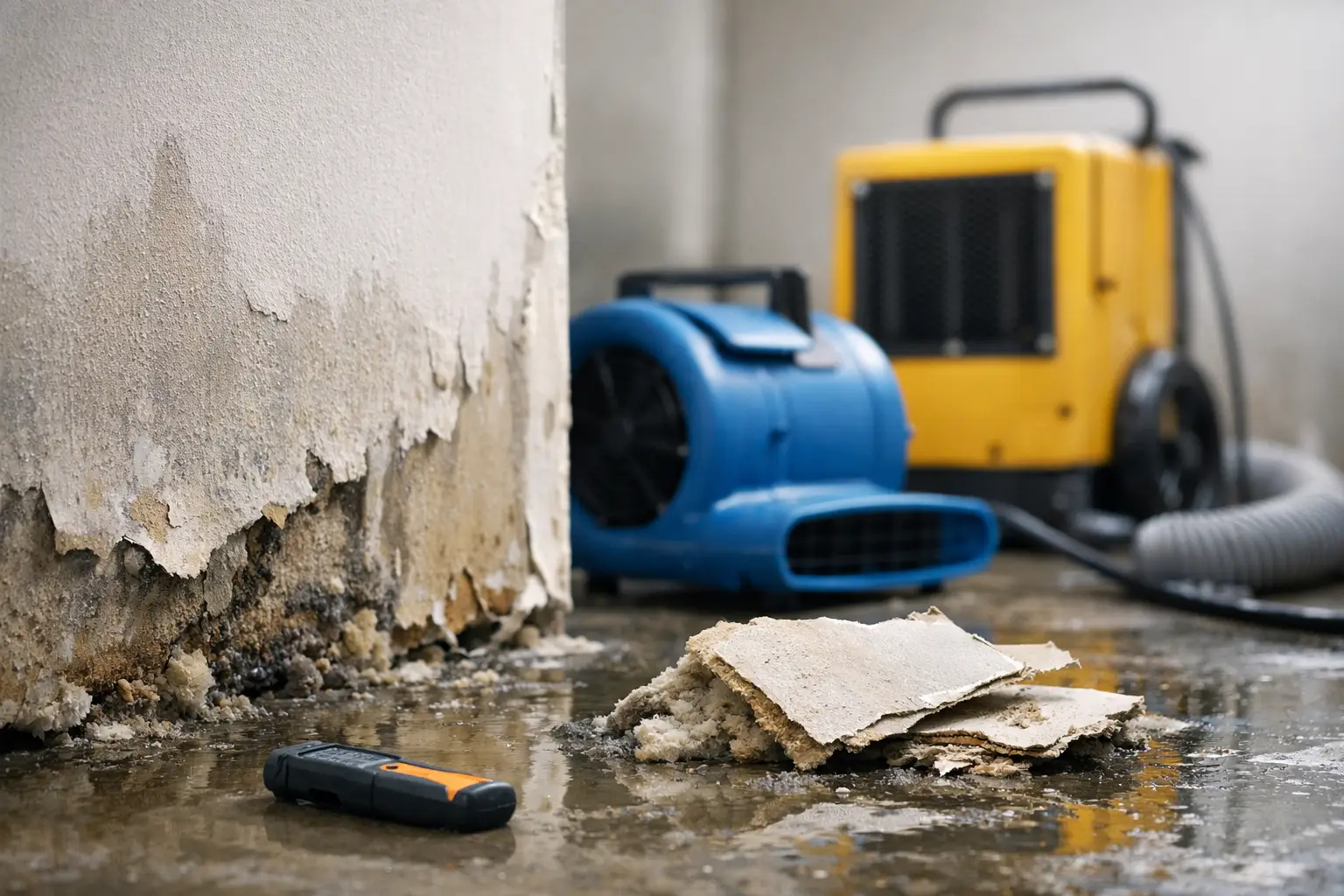
Load-bearing walls, subfloor, and framing damaged by water, fire, or storm impact get rebuilt to match the structure's original layout before any finish work starts.
Drywall and insulation removed during mitigation get replaced and finished, matching texture and paint so repaired sections blend into the rest of the room.
Subfloor, flooring, baseboard, and cabinetry that could not be saved during drying get replaced as part of the same rebuild, not scheduled as a separate project.
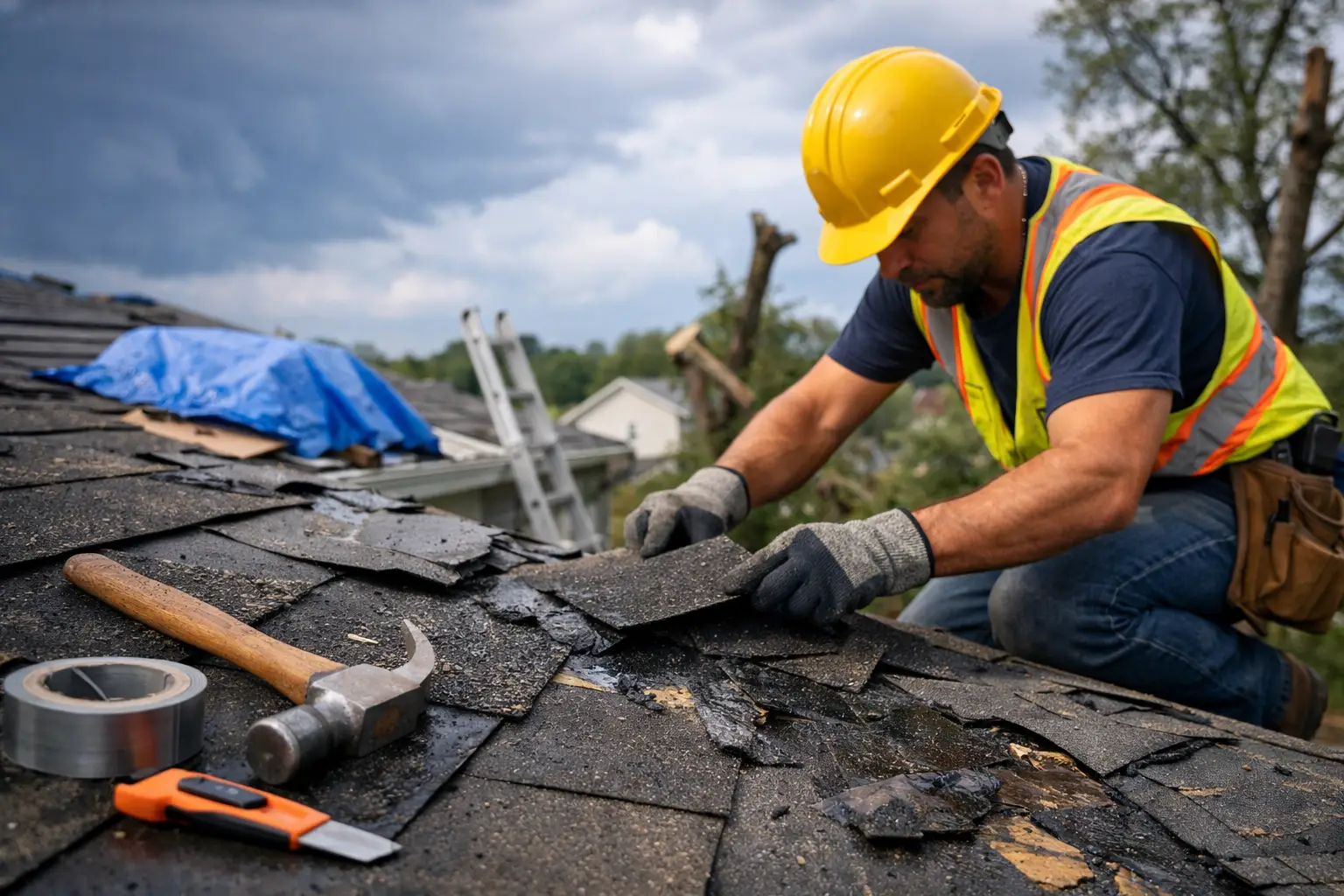
Roof sections opened by storm damage, full kitchen and bathroom rebuilds, and whole-property reconstruction after severe fire or storm loss all fall under the same in-house scope.
Reconstruction only starts once mitigation confirms the structure is dry, or in the case of fire and mold, clean, because rebuilding over a still-wet subfloor or an active mold colony just rebuilds the same problem behind new drywall.
Insurance typically pays for disaster reconstruction through a scope of work the adjuster approves, often built in Xactimate, the estimating software most Georgia carriers and contractors use to price line items for repair and rebuild work. Elevated Operations documents the loss, matches its estimate to that scope, bills the carrier directly, and assists with the deductible up to $1,000 on qualifying claims.
Most insurance carriers price a reconstruction claim using Xactimate, a line-item estimating system. Elevated Operations builds its own scope to match what the adjuster approved, so no line item gets missed or double-billed.
Some policies pay actual cash value first and release the remaining replacement cost once the rebuild is complete and documented, a distinction worth confirming with the carrier before work starts.
If opening a wall or pulling flooring reveals damage the original estimate missed, Elevated Operations documents it and submits a supplemental claim to the adjuster rather than absorbing or skipping the extra scope.
Elevated Operations bills the carrier directly for covered reconstruction work and assists with the deductible up to $1,000 on qualifying claims, so a homeowner is not fronting the full rebuild cost.
A policy that pays replacement cost is built to rebuild a property to the same footprint, materials, and function it had before the loss, not to upgrade it, a distinction that shapes what the adjuster's scope will and will not include (Insurance Information Institute, “Facts + Statistics: Homeowners and Renters Insurance,” ISO/Verisk data, 2018-2022 dataset).
Elevated Operations matches its estimate to the adjuster's scope, bills the carrier directly, and rebuilds the property with one licensed crew from start to finish.
Four situations send most Metro Atlanta reconstruction calls to Elevated Operations. If any of these match what is happening at your property right now, call before scheduling a separate contractor.
Once a water damage crew confirms the structure reads dry on a moisture meter, the rebuild can start immediately with the same company, instead of spending weeks finding and vetting a separate general contractor.
Charred framing, drywall damaged by heat or firefighting water, and smoke-stained finishes often need full removal and rebuild, not just cleaning, once the fire and smoke damage cleanup phase is done.
Wind and hail damage that goes past a tarp and a few shingles, torn-off roof decking, damaged framing, or a section of exterior wall, moves straight from storm damage restoration into structural reconstruction.
Once the insurance company approves a written scope for reconstruction, Elevated Operations schedules the rebuild against that approved estimate so the completed work matches what the carrier is paying for.
A cleanup-only restoration contractor stops once the property is dry, clean, or boarded up, then hands the homeowner a list of general contractors to call for the rebuild. Elevated Operations is licensed to do both, so the same crew that handles mitigation also performs the reconstruction, without a second contractor re-inspecting the property or re-negotiating the scope.
The difference matters most in the gap between mitigation and reconstruction, the point where a homeowner is often stuck holding a partially repaired property while searching for a licensed contractor willing to pick up someone else's job mid-claim.
| Category | Cleanup-Only Restoration Contractor | Elevated Operations, Licensed GC |
|---|---|---|
| Scope of work | Extraction, drying, or board-up only | Mitigation through full structural reconstruction |
| Contractor handoff | Homeowner finds and vets a separate general contractor | Same crew continues the job, no handoff |
| Insurance documentation | Two separate estimates to reconcile | One continuous scope from first call to final walkthrough |
| Warranty coverage | Cleanup work only | 12-month warranty on the full completed project |
That handoff point is also where claims stall. A separate reconstruction contractor has to re-inspect the property, rebuild the scope from scratch, and coordinate with an adjuster who has already been working the file with someone else.
Metro Atlanta's mix of older crawl-space homes, newer slab construction, and a seven-county footprint of roughly 6.4 million people each running its own building department changes how disaster reconstruction gets planned. Permitting, code compliance, and the age of the structure all affect what a rebuild scope actually looks like once framing and drywall come out.
Cobb, Fulton, DeKalb, and the other counties in the service area each run a separate building department, and reconstruction work touching structural framing, electrical, or plumbing typically requires a permit pulled before the rebuild starts.
Homes built in established neighborhoods across Marietta, Decatur, and Douglasville before current codes took effect often need code-compliant materials swapped in during reconstruction, not a simple like-for-like replacement.
Newer construction across growing communities in Henry and Paulding counties uses different framing and finish materials, which changes the rebuild scope and timeline compared to an older crawl-space home even when the damage looks similar.
Foundation type and permit requirements are directly connected. A 1960s home with a crawl space and a home built in the last decade on a slab both start reconstruction the same way, with a permit and an approved insurance scope, but the materials and inspection points along the way look different for each (Georgia Secretary of State, Professional Licensing Boards Division).
Georgia requires general contractors performing reconstruction work to hold a state license issued through the Secretary of State's Professional Licensing Boards Division. Four checks confirm a reconstruction contractor is licensed and qualified before a homeowner signs a contract for rebuild work.
Ask for the contractor's Georgia general contractor license number and confirm it is active before signing a reconstruction contract, not just a verbal claim that they are licensed.
For jobs that started as water, fire, or mold mitigation, confirm the same company's technicians carry current IICRC certification for the mitigation phase, not just a licensed name for the paperwork.
A written scope of work matching the insurance adjuster's estimate protects a homeowner from a contractor billing for work that was never approved or never happened.
Confirm whether the same crew performs both mitigation and reconstruction in-house, or whether the work gets handed to a subcontractor the homeowner has not vetted.
Elevated Operations is a licensed general contractor handling disaster reconstruction across Cobb, Fulton, DeKalb, Douglas, Clayton, Henry, and Paulding counties, one crew, one point of contact, from the first pump-out or board-up to the final coat of paint.
IICRC-Certified · Licensed General Contractor · Direct Insurance Billing · 12-Month Warranty · Serving Cobb, Fulton, DeKalb, Douglas, Clayton, Henry & Paulding CountiesFrom emergency mitigation to full reconstruction, handled in-house so you are never managing a chain of subcontractors mid-crisis.
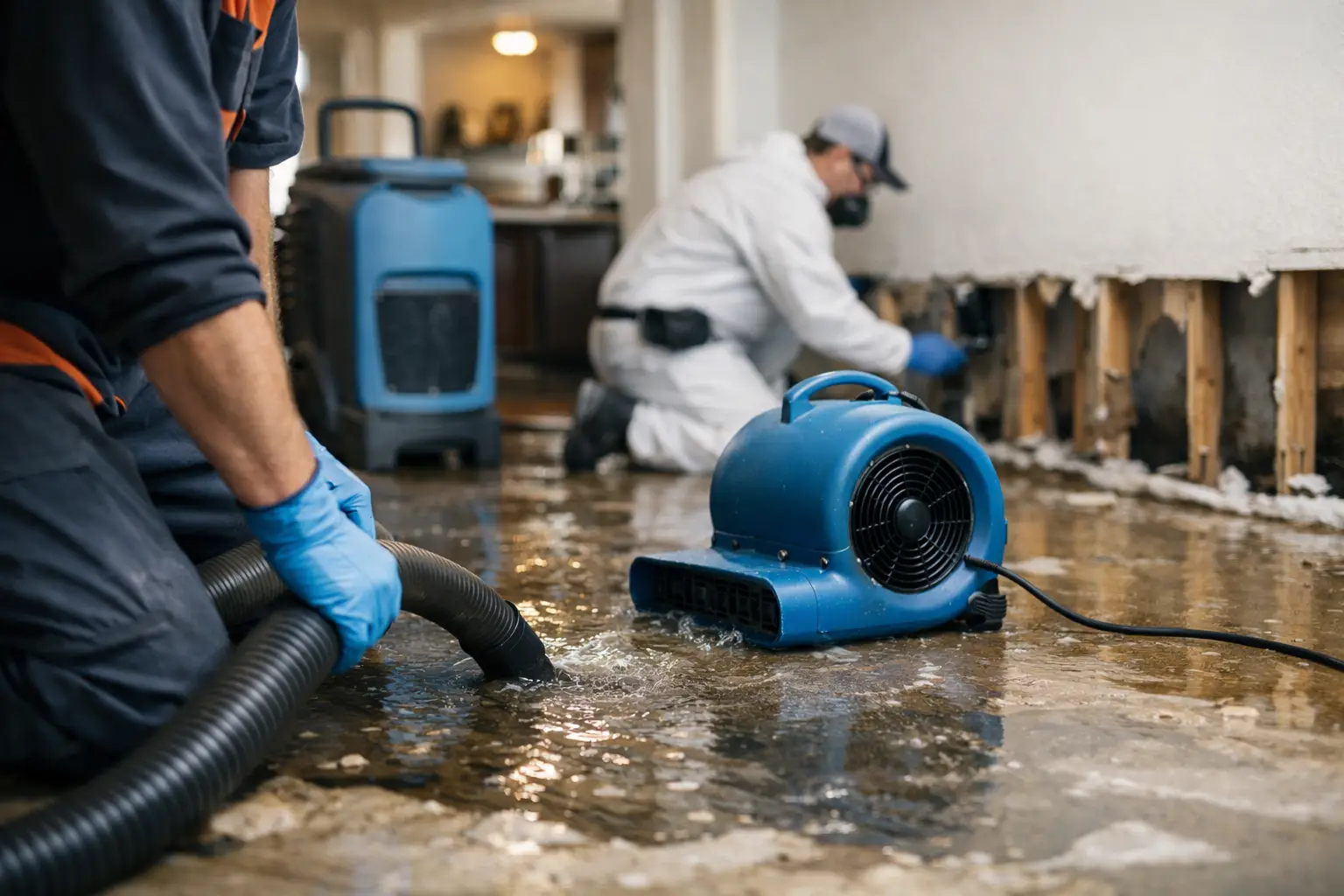 Water Damage
Extraction, structural drying, and moisture mapping after floods, leaks, and burst pipes.
Get help now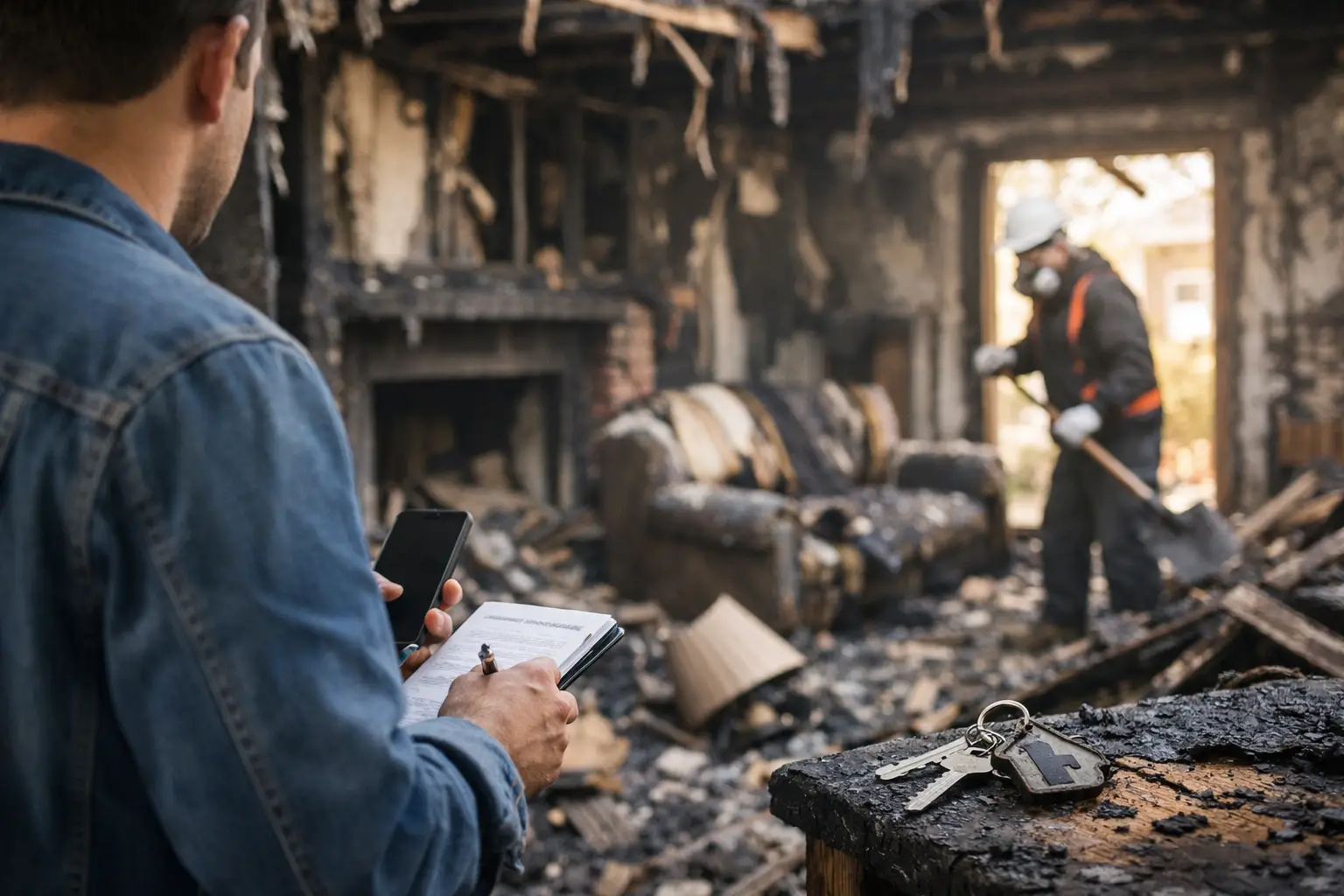 Fire & Smoke
Soot removal, odor deodorization, and content cleaning after fire and smoke damage.
Learn more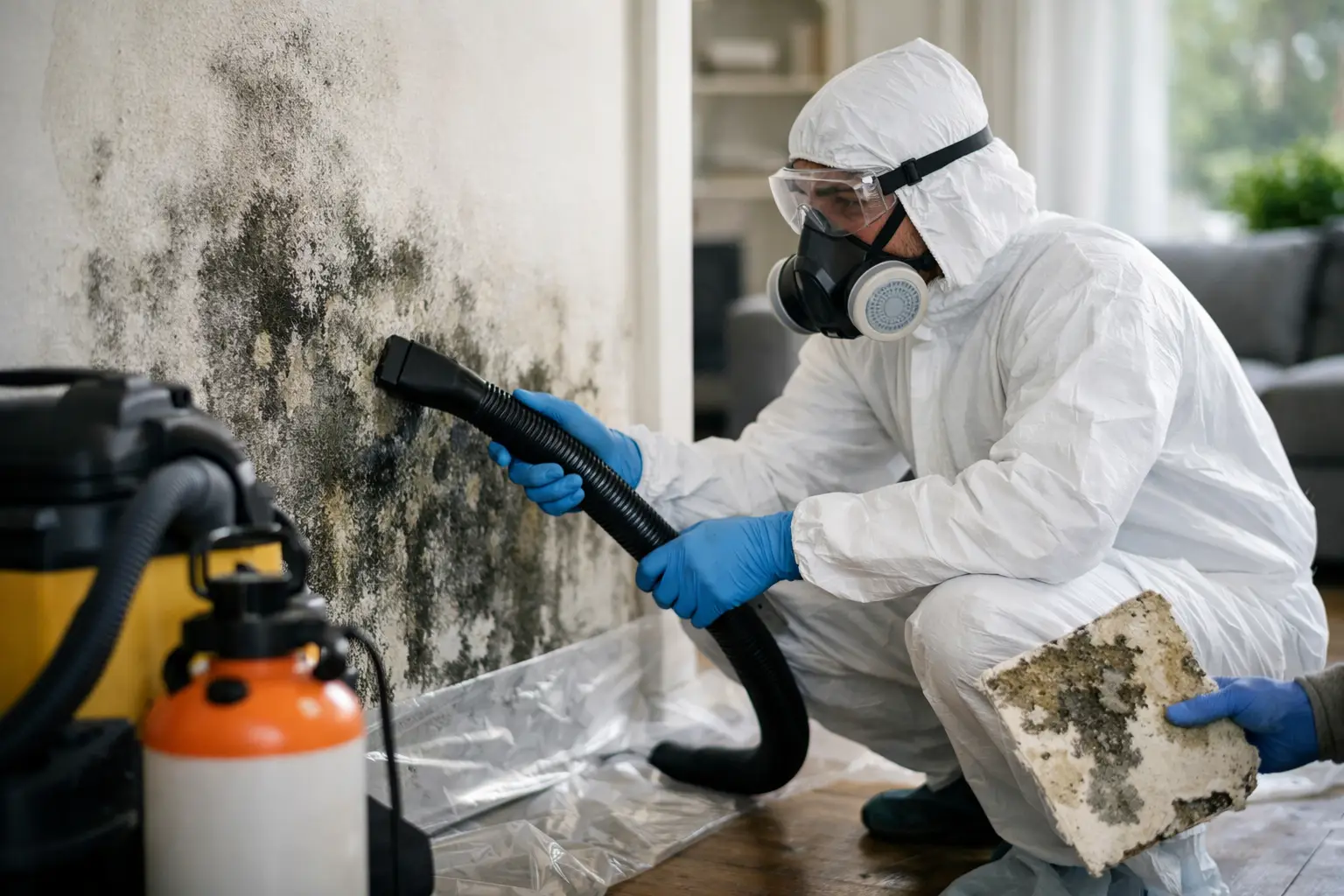 Mold
MoldContainment, removal, and moisture control that stops mold from coming back.
Learn more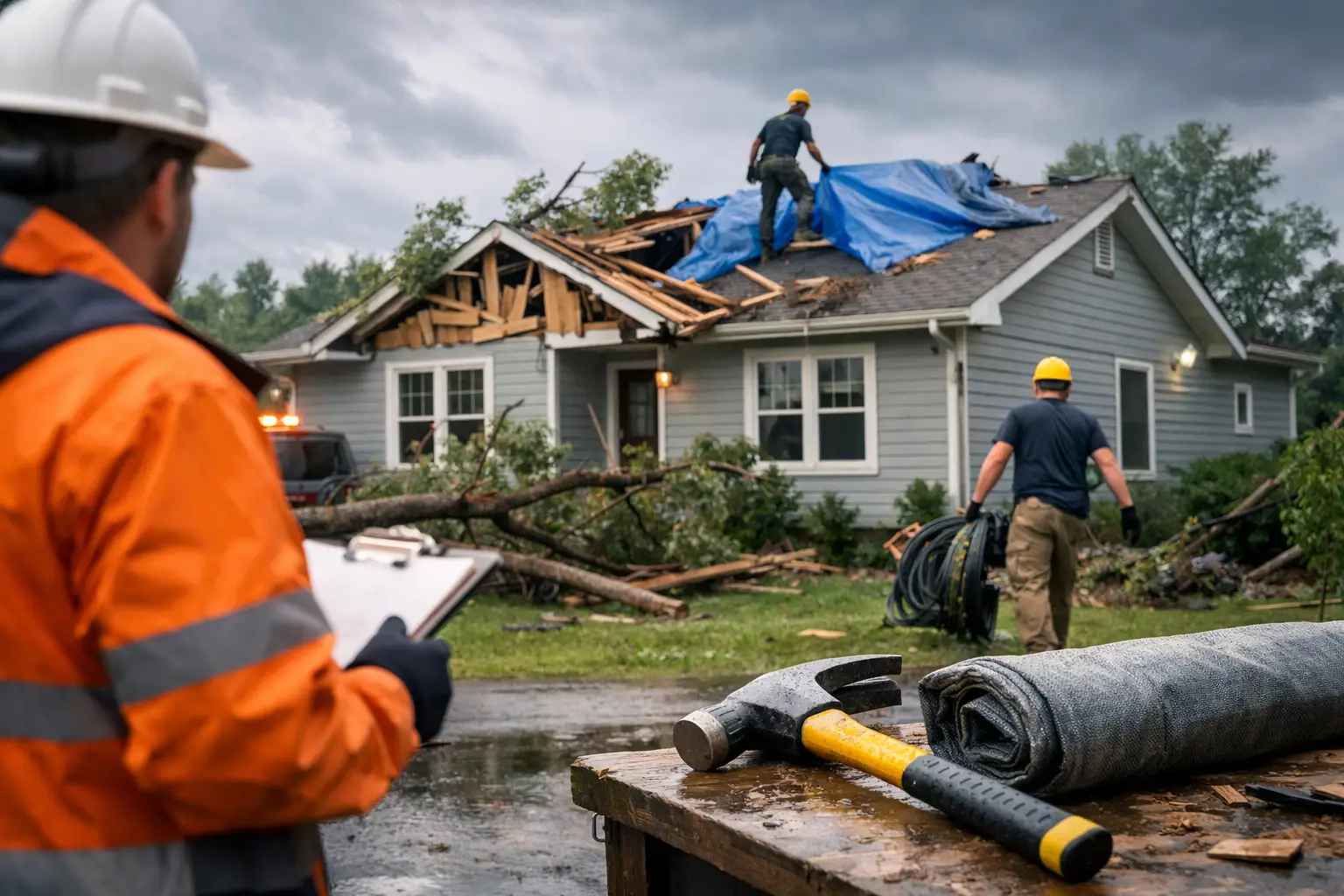 Storm
StormEmergency board-up, roof tarping, and full recovery after wind, hail, and storms.
Learn more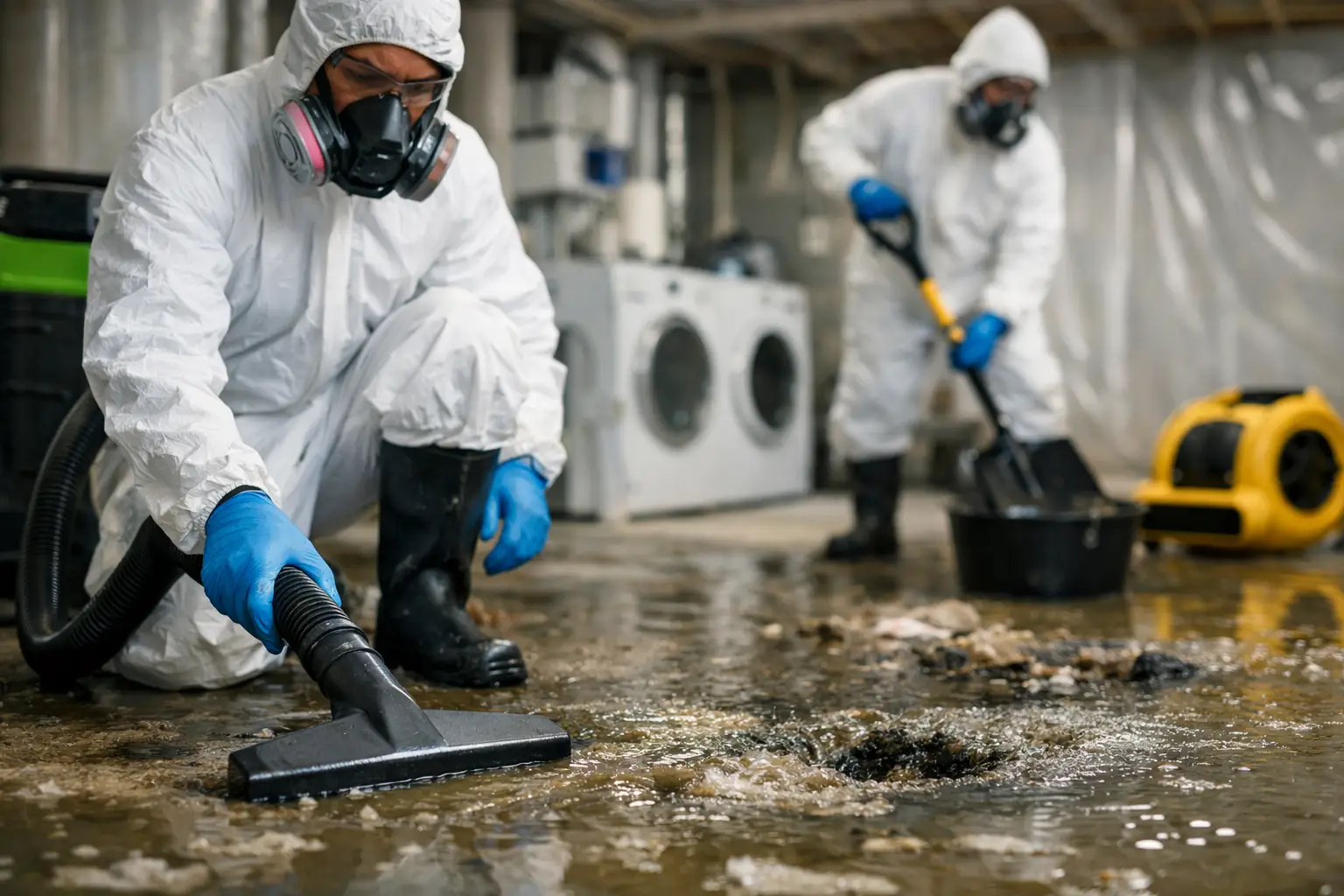 Sewage
Safe biohazard cleanup and sanitizing after sewage backups and overflows.
Learn moreReconstructionFull rebuild by a licensed general contractor, so your property comes back whole.
Learn moreElevated Operations is an IICRC-certified, licensed general contractor based in Mableton that handles the entire recovery in-house, so after one loss you are never coordinating a cleanup crew, a mold crew, and a contractor separately. One team, one point of contact, from the first pump-out to the final coat of paint.
People call when the property feels like a disaster. They leave reviews because Chris and the crew made it right. These are real, verified Google reviews.
Elevated Operations dispatches IICRC-certified crews across Metro Atlanta from our Mableton base, with a 60-minute emergency response day or night. Choose your city:
Call now for an immediate response, or request your free inspection and get a certified crew on-site within the hour across Atlanta and nearby areas.