24/7 Emergency Restoration · Serving Metro AtlantaEmergency? (770) 404-6895
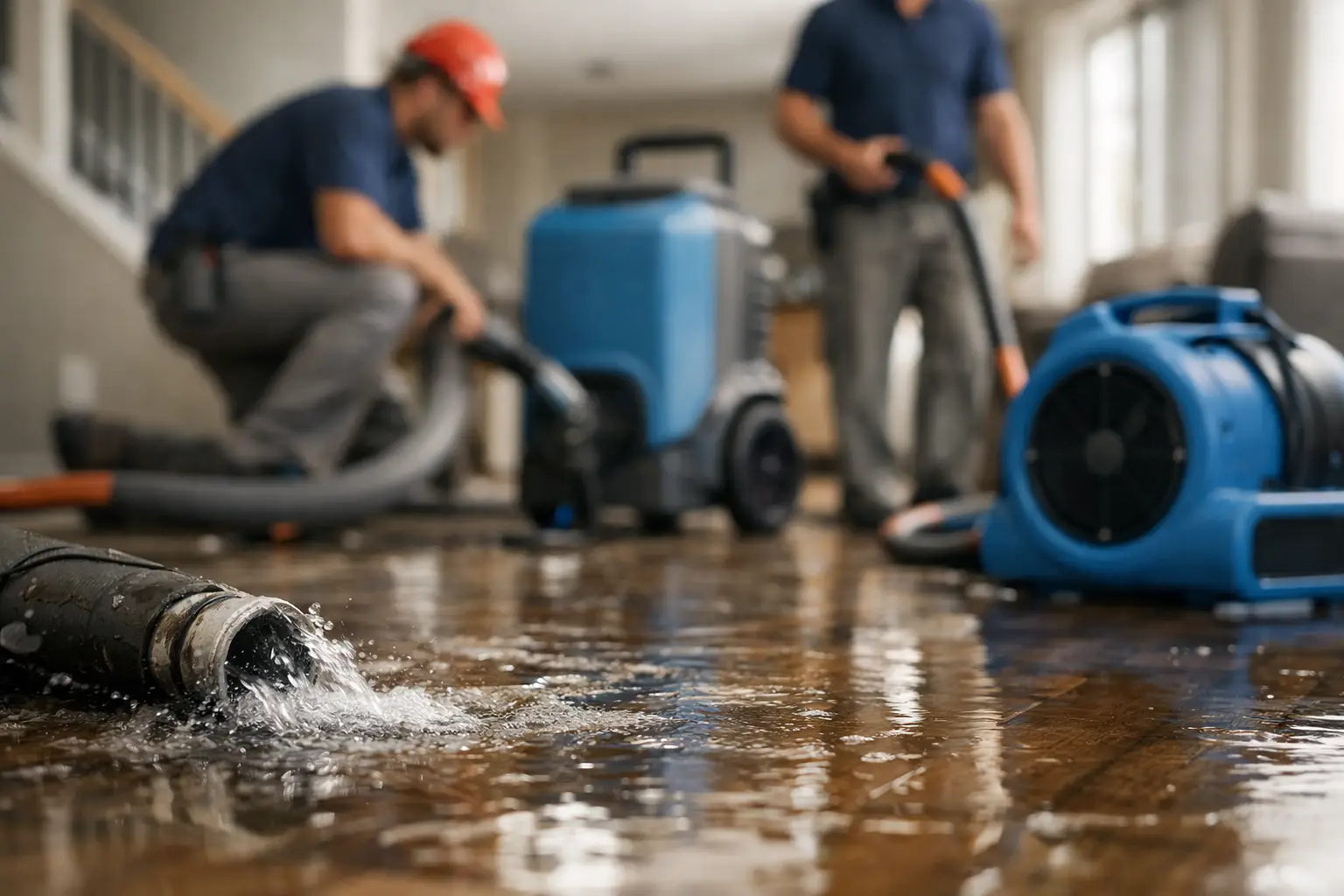
Storm damage restoration Decatur means I move fast after wind, hail, or fallen limbs hit your home, then I trace the damage through the roof, walls, and hidden wet areas. In Decatur’s Craftsman bungalows, plaster, heart-pine, and cast-iron laterals need careful handling, and I know that work.
IICRC-Certified · 5-Star Rated · 60-Minute Response · Insurance Billed Directly
I secure the home, stop active leaks, and decide whether roof tarping or temporary boarding is needed.
Yes. Plaster, heart-pine, and cast-iron laterals change how I inspect, dry, and repair the property.
Yes. I use direct insurance billing and document the damage so the process stays moving.
I am Chris Kwangwari, owner of Elevated Operations, LLLP, and my IICRC-certified technicians handle the restoration.
Start with safety, then call me for storm damage restoration in Decatur. Stay clear of damaged roofs, wet ceilings, and downed lines, and keep people out of rooms with sagging drywall or soaked plaster. If the home is exposed, I can move in with roof tarping, temporary boarding, and debris removal.
First, look for immediate hazards. Broken shingles, loose branches, and soaked ceilings can fail without warning, especially in Decatur homes where old plaster hides the real spread of water. I tell owners to stop the leak path before they start sorting out belongings.
Then document what you can from a safe place. Use photos of the exterior, the roofline, the siding, and any interior staining. In neighborhoods with Craftsman bungalows and older additions, storm damage often shows up in more than one room because water tracks through framing and trim.
After that, call us. I use direct insurance billing, and my team is IICRC-certified. We respond 24/7 in 60 minutes for emergencies, because a wet ceiling or wind-blown opening is not something you leave overnight in Decatur.
It includes emergency protection, inspection, debris removal, roof tarping, drying, structural repair, and the finish work needed to put the home back together. In Decatur, I also pay close attention to plaster walls, heart-pine floors, and cast-iron laterals because older systems react differently after wind and water hit them.
I start with the source. That may be a torn roof, wind damage repair on siding, hail damage repair on shingles, or temporary boarding where windows failed. The first job is always to stop more water from getting in and to make the house safe to enter.
Next comes the interior and structural review. Water can move into attic bays, wall cavities, and crawl spaces fast. In a Decatur bungalow, that matters because plaster can trap moisture and heart-pine can cup or split if the drying plan is sloppy.
Then I coordinate the build-back. Structural repair is not just replacing what you can see. It means checking framing, sheathing, trim, and affected finishes, then putting the home back in the right order so the repairs hold up over time.
Yes, if the roof is open, tarping should happen right away. I use roof tarping to block rain from reaching the attic, walls, and floors before the next storm rolls through Decatur. It is one of the fastest ways to limit water intrusion and reduce the repair scope.
A torn roof is not a wait-and-see problem. One passing storm can push water through decking, insulation, and finished ceilings. In older Decatur homes, that can mean stained plaster, warped trim, and soaked floors that were never part of the original roof issue.
Roof tarping is temporary protection, not a substitute for repair. I use it to stabilize the home while I assess the full damage and line up the next steps. If wind lifted shingles or a limb punched through the roof, tarping buys time the right way.
I also check for related damage at the edges of the home. Wind can lift flashing, break seals around vents, and drive water into soffits. That is why I do not treat tarping as the end of the job, only the first move.
I fix storm damage to a house by stopping the leak, drying the affected materials, removing unsalvageable sections, and rebuilding in sequence. In Decatur, that often means dealing with older plaster walls, heart-pine floors, and exterior details that need more care than modern stock construction.
The process starts with a clear scope. I inspect the roof, attic, walls, ceilings, and any low areas that took water. If hail damage repair or wind damage repair is needed outside, I handle that before we chase interior finishes, because the house has to be closed in first.
Then I remove damaged materials that cannot be saved. That may include wet insulation, ruined drywall, compromised trim, or sections of plaster that have broken loose. I am careful here, because in a Decatur bungalow the wrong cut can turn a manageable repair into a larger one.
After drying and structural checks, I rebuild. That can include temporary boarding, sheathing replacement, trim repair, flooring repair, and the finish work that makes the space usable again. I keep direct insurance billing moving, so the claim process does not stall while the house sits exposed.
Yes, and fast. Storm damage often creates openings small enough to miss from the street but large enough to soak insulation, framing, and finishes. In Decatur, water intrusion can move through roof decking, sidewalls, and crawl-space paths before anyone sees a drip inside.
A missing shingle or cracked flashing can do more damage than people expect. Water follows gravity, but it also follows framing and utility penetrations. That matters in older Decatur homes with layered repairs, because one leak can show up far from the real entry point.
If the home has plaster, the problem can hide. The surface may look fine while moisture spreads behind it. That is one reason I inspect more than the obvious stain. I look at attics, upper walls, and the transition points where storm damage likes to hide.
Cast-iron laterals add another layer of caution in older homes. I am not guessing at what storm water did once it entered the house. I trace the path, dry the wet materials, and protect the structure before secondary damage sets in.
Because many Decatur homes were built with materials that react differently than newer construction. Craftsman bungalows with plaster and heart-pine need careful drying, selective removal, and disciplined structural repair. I treat those homes differently because they fail differently after a storm.
Plaster does not behave like drywall. It can crack, separate, and hold moisture behind the surface. Heart-pine floors can swell or cup if the drying process is rushed. I plan around that reality instead of forcing a modern approach onto an older home.
The exterior details matter too. Older soffits, trim, and roof intersections can hide damage from wind and hail. In Decatur, I see damage that starts at a small failure and spreads into attic spaces or wall cavities because the house was built in layers over time.
Cast-iron laterals also shape the response. Heavy rain can expose drainage issues or add stress around low-lying systems. I keep the restoration focused on the whole house, not just the visible break, because storm damage rarely stops where the stain starts.
You call me any time, day or night, and I dispatch for storm damage restoration in Decatur with a 60-minute emergency response when the home is exposed or actively leaking.
I inspect for hazards, look at the roof, attic, and entry points, and decide whether roof tarping, temporary boarding, or immediate debris removal is needed to stabilize the property.
I document the storm path, including wind damage repair needs, hail damage repair, water intrusion, and hidden problems in plaster walls, heart-pine floors, and framing.
I remove wet or unsalvageable materials, dry the affected areas, and keep the home protected while the claim and repair plan move forward.
I handle structural repair and the build-back in order, so the home is closed, sound, and ready for finish work that fits an older Decatur property.
I close out the job, review the completed work, and back it with a 12-month warranty.
From emergency mitigation to full reconstruction, handled in-house so you are never managing a chain of subcontractors mid-crisis.
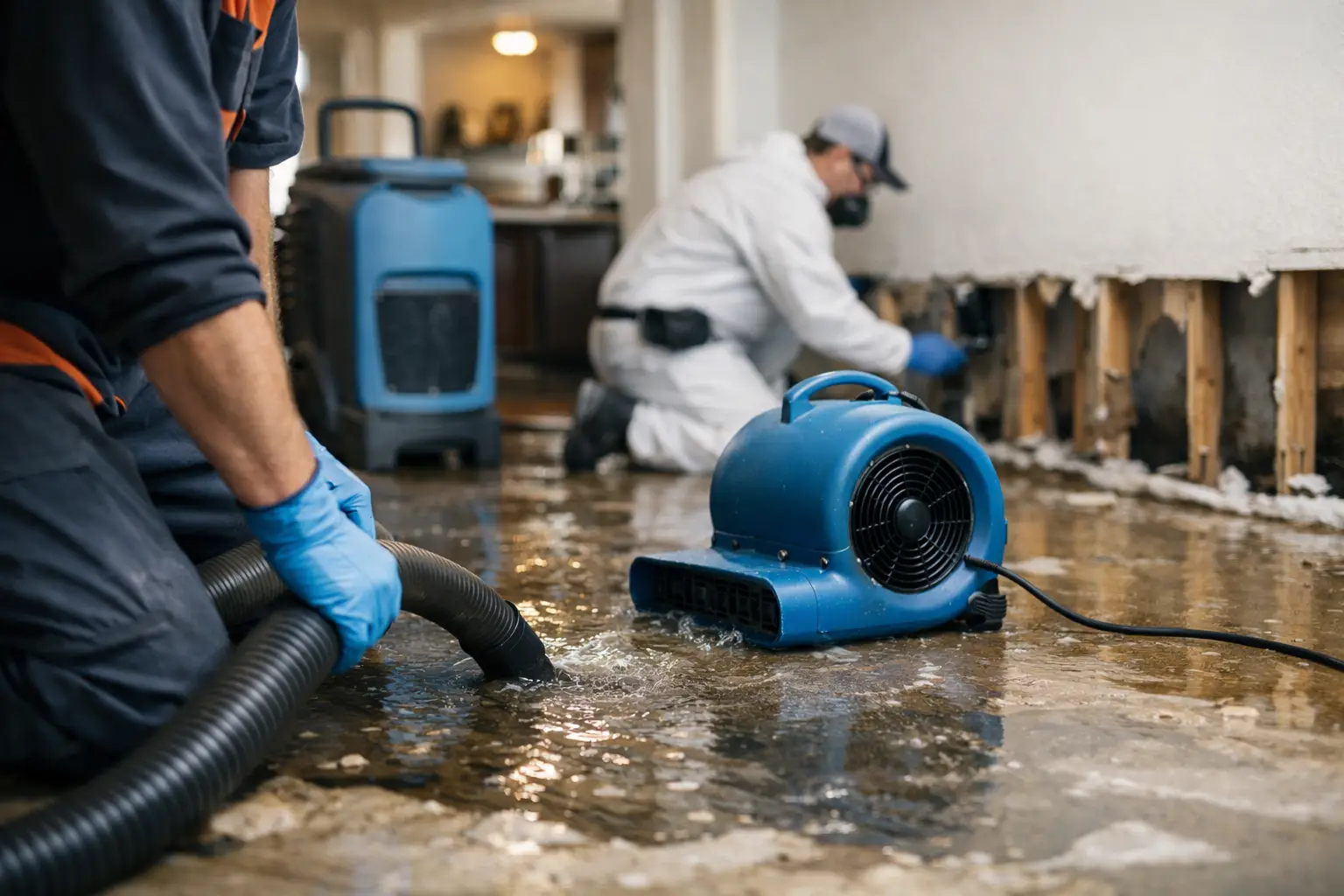 Water Damage
Extraction, structural drying, and moisture mapping after floods, leaks, and burst pipes.
Get help now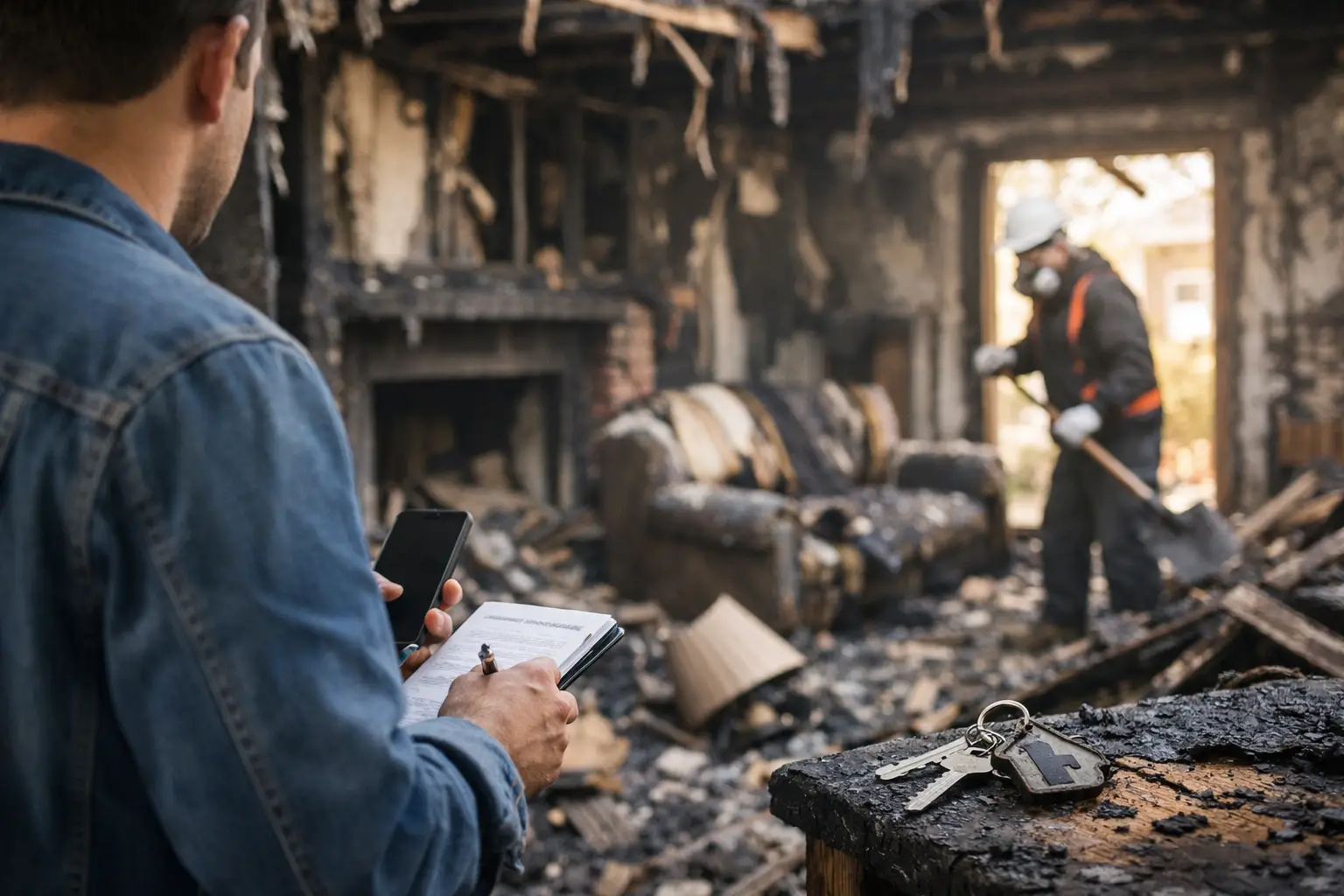 Fire & Smoke
Soot removal, odor deodorization, and content cleaning after fire and smoke damage.
Learn more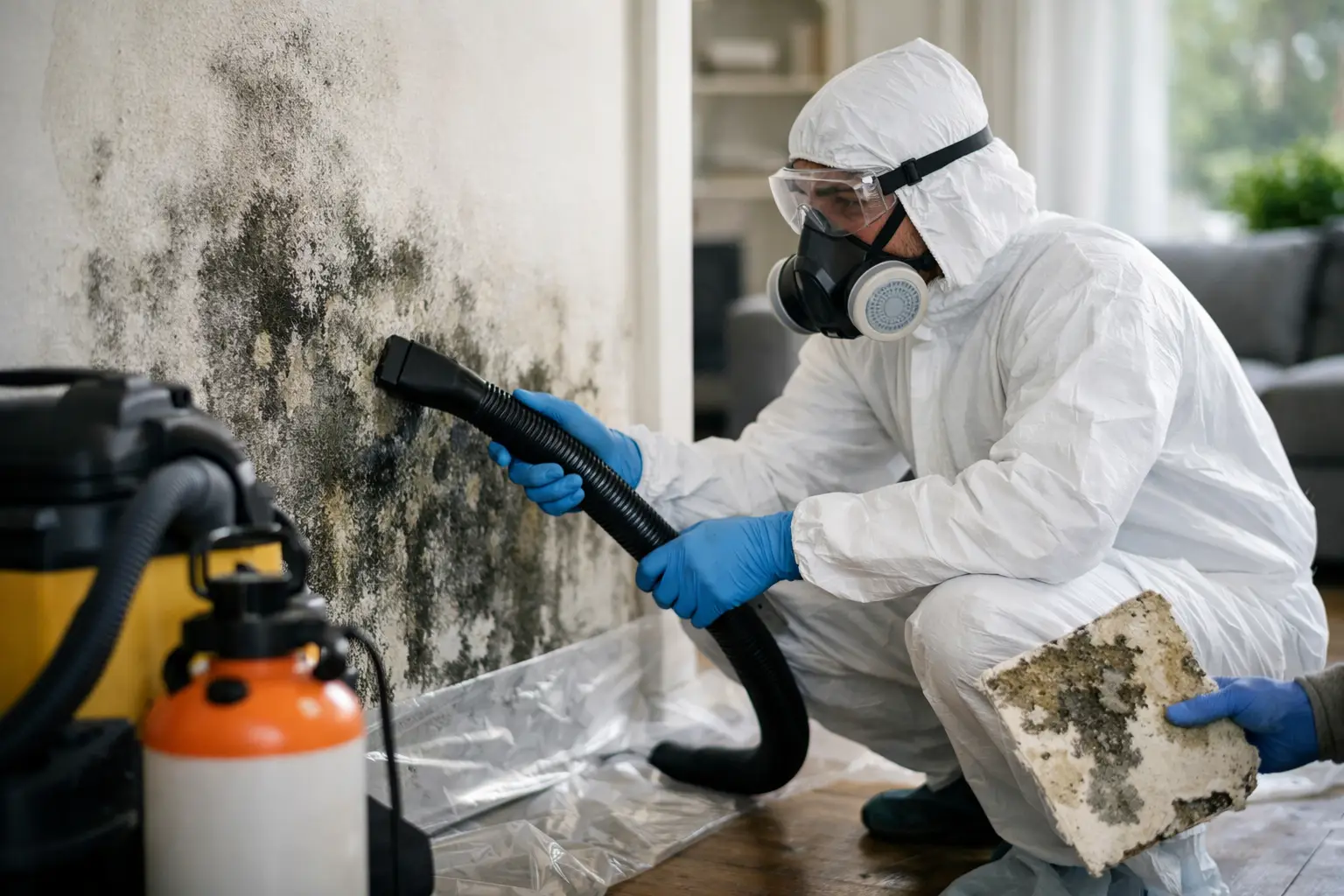 Mold
MoldContainment, removal, and moisture control that stops mold from coming back.
Learn more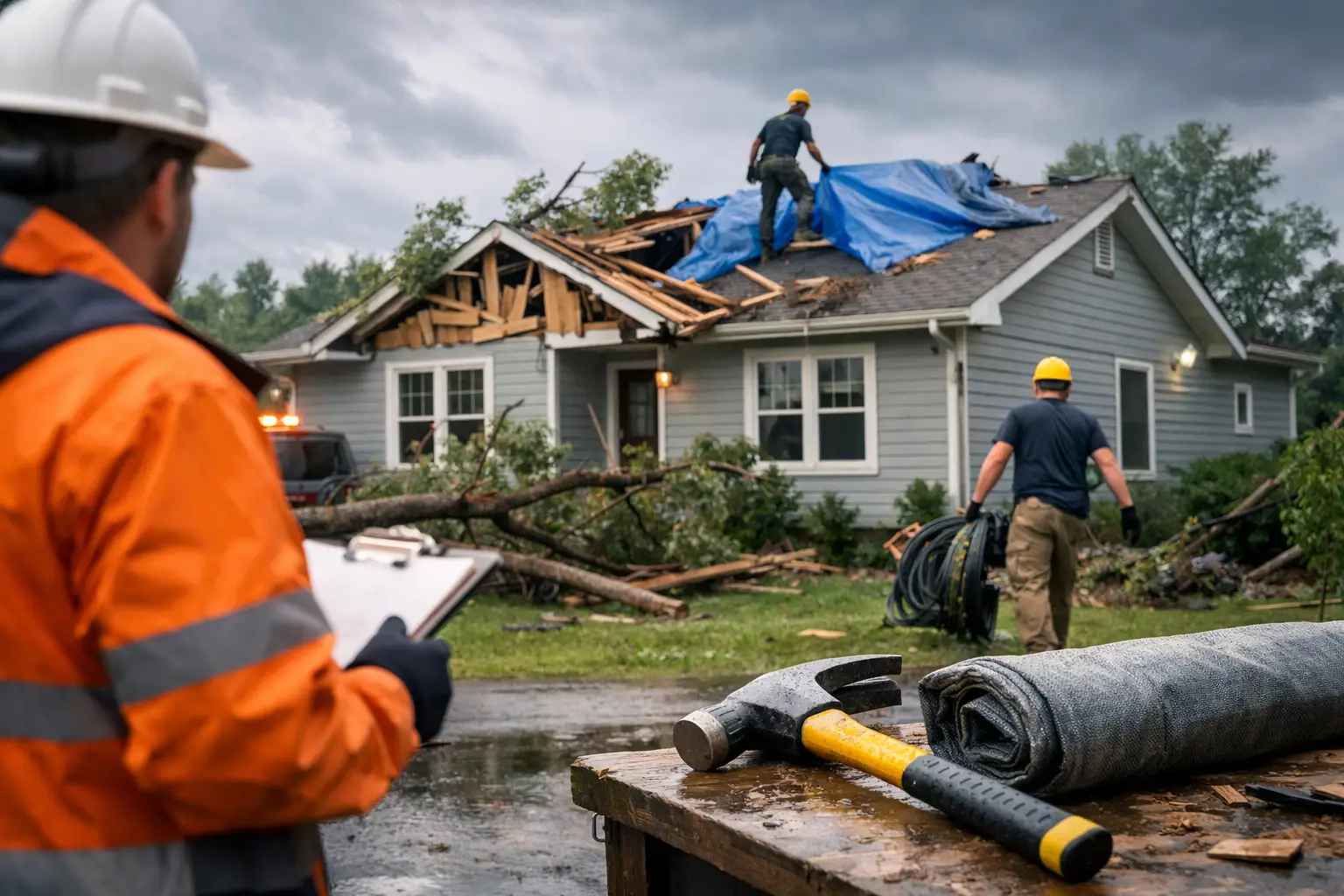 Storm
StormEmergency board-up, roof tarping, and full recovery after wind, hail, and storms.
Learn more Sewage
Safe biohazard cleanup and sanitizing after sewage backups and overflows.
Learn more Reconstruction
Full rebuild by a licensed general contractor, so your property comes back whole.
Learn moreElevated Operations is an IICRC-certified, licensed general contractor based in Mableton that handles the entire recovery in-house, so after one loss you are never coordinating a cleanup crew, a mold crew, and a contractor separately. One team, one point of contact, from the first pump-out to the final coat of paint.
People call when the property feels like a disaster. They leave reviews because Chris and the crew made it right. These are real, verified Google reviews.
I respond 24/7 with a 60-minute emergency response for storm damage restoration when the situation is urgent. That matters in Decatur because open roofs, broken windows, and wet ceilings do not wait for business hours. I stabilize the home first, then we move into inspection, documentation, and repair planning.
Yes, and I treat them carefully. Those homes often have plaster, heart-pine, and layered repairs that need a slower, smarter approach than newer construction. I look for hidden water intrusion, damaged trim, roof edges, and framing issues before any rebuild starts.
I start with roof tarping and, if needed, temporary boarding to stop more water from getting in. That first step is critical because one exposed opening can turn into widespread interior damage fast. After the house is protected, I inspect the full path of damage and build the repair plan.
Yes. I offer direct insurance billing, and I help keep the claim moving by documenting the damage clearly. That includes the roof, interior, and any structural repair needs. If the deductible is a problem, I can provide deductible assistance up to $1,000 on qualifying work.
I pay close attention to drainage and hidden water paths because older homes can show damage in more than one system at once. Storm water can expose weak spots around plumbing chases, crawl spaces, and low areas. I inspect the structure, dry what is wet, and keep the restoration focused on the whole house.
I most often see roof damage, siding damage, broken branches, water intrusion, and interior staining from failed roof edges or flashing. Hail damage repair and wind damage repair are common starting points, but the real work is tracing what that damage caused inside the structure.
Yes, debris removal is part of getting the site safe and workable again. Fallen limbs, broken roofing material, and scattered building debris can block access and hide hazards. I clear what needs to go, then I focus on protecting the structure and repairing the damage that remains.
Because storm damage often becomes structural repair, not just cleanup. As a licensed general contractor and owner of Elevated Operations, I know how to assess the structure, handle the rebuild sequence, and avoid partial fixes that fail later. Since 2007, I have seen how quickly a small storm opening becomes a bigger house problem.
Elevated Operations dispatches IICRC-certified crews across Metro Atlanta from our Mableton base, with a 60-minute emergency response day or night. Choose your city:
Call now for an immediate response, or request your free inspection and get a certified crew on-site within the hour across Atlanta and nearby areas.




