24/7 Emergency Restoration · Serving Metro AtlantaEmergency? (770) 404-6895
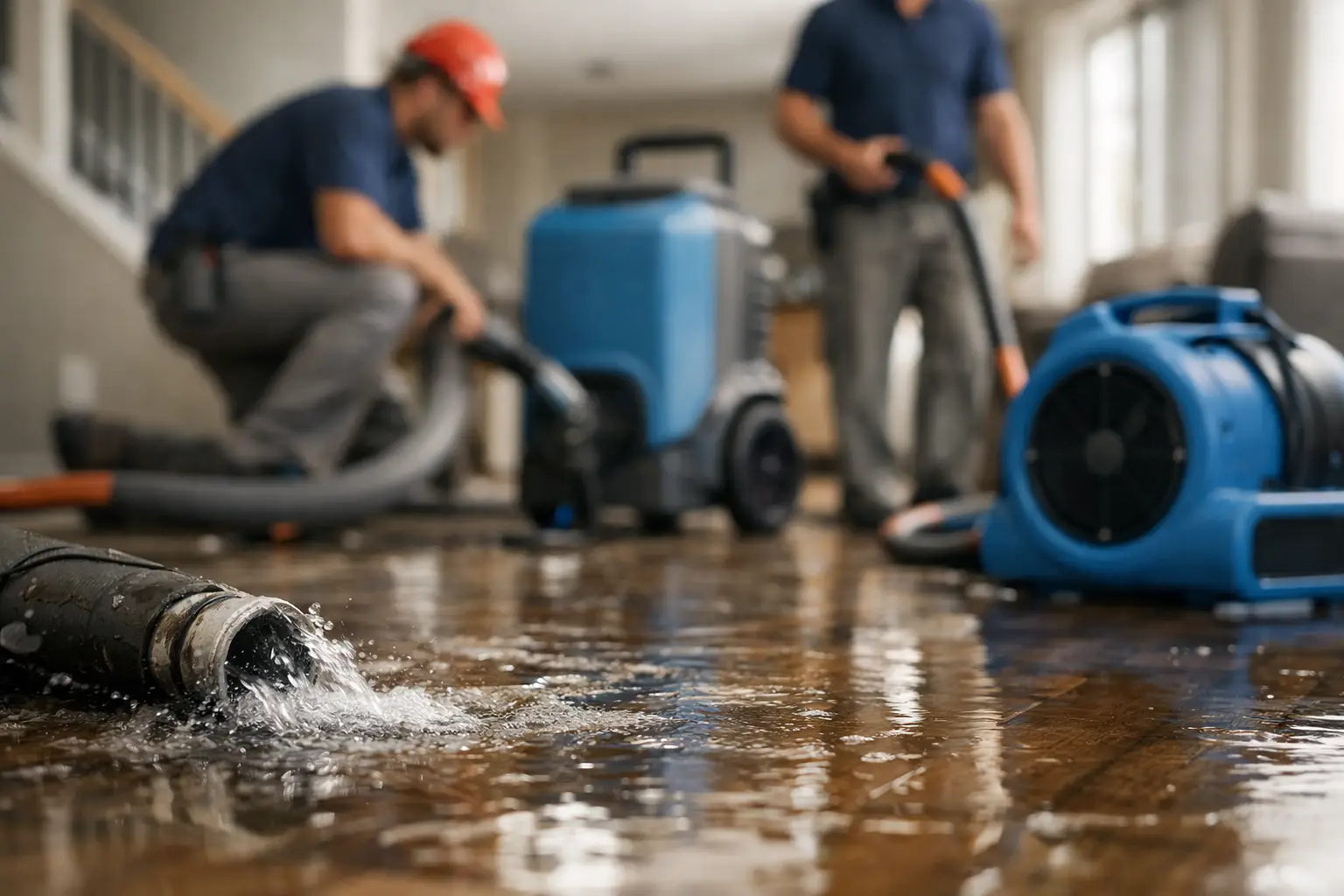
Flooded basement cleanup East Point starts with fast water removal, drying, and a hard look at what soaked in. I’m Chris Kwangwari, owner of Elevated Operations, LLLP, and I handle these jobs with IICRC-certified technicians, direct insurance billing, and 24/7 emergency response from our Mableton base.
IICRC-Certified · 5-Star Rated · 60-Minute Response · Insurance Billed Directly
Yes. I provide 24/7 emergency response with a 60-minute arrival target for urgent jobs.
I’m Chris Kwangwari, owner of Elevated Operations, LLLP, and my team uses IICRC-certified technicians.
Yes. I offer direct insurance billing and can help with deductible assistance up to $1,000.
We back our restoration work with a 12-month warranty.
Flooded basement cleanup in East Point is the process of removing standing water, drying hidden moisture, and cleaning damaged materials so the basement does not keep breaking down after the water is gone.
In East Point, that often means dealing with older basements under bungalows near the MARTA corridor and College Park line housing, where finished spaces, storage rooms, and utility areas can all take on water at once. The job is not just pumping out water. It is controlled basement water removal, moisture mapping, and protecting the structure.
I look at where the water traveled, what touched it, and how long it sat. Clean rainwater is one thing. Water mixed with drain line waste is another, and sewage backup cleanup needs a different approach because the contamination risk changes everything.
The real goal is simple. Stop the damage from spreading, dry the materials that can be saved, and remove what cannot be cleaned safely. Wet carpet removal, pad removal, and basement drying all matter because trapped moisture keeps feeding odors, staining, and mold prevention problems later.
East Point basements flood when water enters through foundation cracks, failed seals, clogged drains, or sewer problems, and the risk rises in older homes that sit near drainage-heavy areas and MARTA-adjacent bungalow neighborhoods.
A lot of East Point housing was built before today’s water management expectations. That matters. Older block walls, aging sump systems, worn window wells, and settled foundations can give stormwater a path inside, especially when heavy rain arrives fast and the ground cannot absorb it.
And the neighborhood layout matters too. Around College Park-line bungalows and streets near MARTA, runoff can move quickly and overwhelm low spots, driveways, and side yards. Water looks like a surface problem, but it often starts outside and shows up in the basement later.
Plumbing failures are part of the picture as well. A backed-up drain line or sewer issue does not behave like clean groundwater. That is why professional flooded basement cleanup has to separate flood water extraction from sewage backup cleanup instead of treating every basement the same way.
First, stay out of standing water if there is any chance electricity is involved, then stop the water source if you can do so safely and call for emergency basement water removal right away.
I tell homeowners to think safety first, cleanup second. If you can shut off a supply valve without walking through water, do it. If the water level is near outlets, appliances, or a furnace, stay away and wait for trained help. That is not drama. That is common sense.
Next, document what you can without delay. Photos help with insurance and with understanding how far the water spread into flooring, drywall, and stored items. The longer materials stay wet, the more likely you are to face wet carpet removal, odor issues, and costlier repairs.
Then start drying the right way, not the fast way. Fans alone do not fix hidden moisture in wall cavities or under carpet. Proper basement drying uses extraction, dehumidification, and monitoring. That is how you protect the structure and reduce the chance of mold growth starting behind finished surfaces.
You clean up a flooded basement by extracting the water, removing unsalvageable materials, drying the structure, disinfecting affected areas, and checking for hidden moisture so the damage does not come back later.
The process starts with flood water extraction. Standing water has to come out before anything else can happen. After that, technicians decide what can be cleaned and what needs to be removed. Carpet, pad, insulation, and warped materials often need to come out if they are holding moisture or contamination.
Then comes targeted drying. In East Point homes, especially older basements with uneven framing or block walls, moisture hides where you cannot see it. That is why IICRC-certified technicians use meters and drying equipment instead of guessing. Proper basement drying is a science, not a guess.
Cleaning is not only about appearances. It is about stopping bacteria, odors, and long-term deterioration. If the water came from a sewer issue, sewage backup cleanup requires stricter containment and disposal steps. If it was clean water, the plan may be different, but the standard is still thorough.
How long it takes to dry a flooded basement depends on how much water entered, what materials got wet, and how quickly extraction started, because hidden moisture can linger long after surfaces look dry.
There is no honest one-size answer. A small clean-water event in a partially unfinished basement dries differently than a finished basement with carpet, drywall, and storage. The difference is not minor. Porous materials hold water, and they often slow the entire drying process.
East Point’s older bungalow basements can have tight spaces, low airflow, and layered materials that trap moisture. That is why basement drying usually involves active equipment and repeated monitoring. I check whether framing, subfloor, and wall cavities are actually dry, not just the floor surface.
The important part is not speed for its own sake. It is getting the building dry enough to prevent secondary damage. If drying is rushed, trapped moisture can lead to odors, staining, and mold prevention failures. If drying is handled correctly, the structure has a far better outcome.
Yes, a flooded basement can cause mold because mold can start growing in as little as 24 to 48 hours when wet materials stay damp, especially in closed basement spaces with poor airflow.
That time window is why I push immediate basement water removal and controlled drying. Mold is not only about visible fuzz on a wall. It starts where moisture stays trapped, behind trim, under carpet, inside wall cavities, and around stored items that never fully dried.
In East Point homes, basement layouts near MARTA and the College Park line often include finished rooms or utility spaces that stay dark and tight. Those conditions make mold prevention harder if the cleanup is delayed. The water may be gone from the floor, but the damage can keep moving inside the structure.
This is where professional monitoring matters. If the materials can be saved, they need to dry fully and be checked repeatedly. If they cannot, they need removal before they become a larger indoor air problem. That is why flood water extraction alone is not the whole job.
Professional flooded basement cleanup starts with inspection, then water extraction, material removal, structural drying, cleaning, and final verification that the space is dry and stable again.
I start by identifying the source and the category of water. That tells me whether the job is a simple rainwater event, a plumbing failure, or sewage backup cleanup. From there, we isolate the affected area, protect the rest of the home, and get the extraction moving fast.
After extraction, the real work begins. We remove wet carpet, damaged padding, and materials that will not dry safely. Then we set a drying plan that fits the home, not a generic checklist. East Point basements are not all built the same, and the right plan has to match the structure.
Finally, we verify the results. Moisture readings matter. Odor control matters. Documentation matters for insurance. Elevated Operations, LLLP offers direct insurance billing, a 12-month warranty, and deductible assistance up to $1,000, but the core value is simple: I want the basement genuinely dry, not merely cleaned up on the surface.
Flooded basement cleanup starts with basement water removal and flood water extraction. If standing water stays in place, damage spreads into framing, drywall, carpet, and stored belongings.
Clean rainwater and sewage backup cleanup are different jobs. The source changes the health risk, the cleaning steps, and what materials can be saved.
Basement drying is not finished when the floor looks dry. Moisture can remain behind walls, under flooring, and inside insulation, which is why monitoring matters.
Mold prevention begins in the first day after flooding. If damp materials stay wet too long, mold can start growing quickly in the basement and spread odor through the home.
Direct insurance billing helps, but photos, moisture readings, and clear scope notes matter too. Good records make the cleanup easier to explain and easier to justify.
From emergency mitigation to full reconstruction, handled in-house so you are never managing a chain of subcontractors mid-crisis.
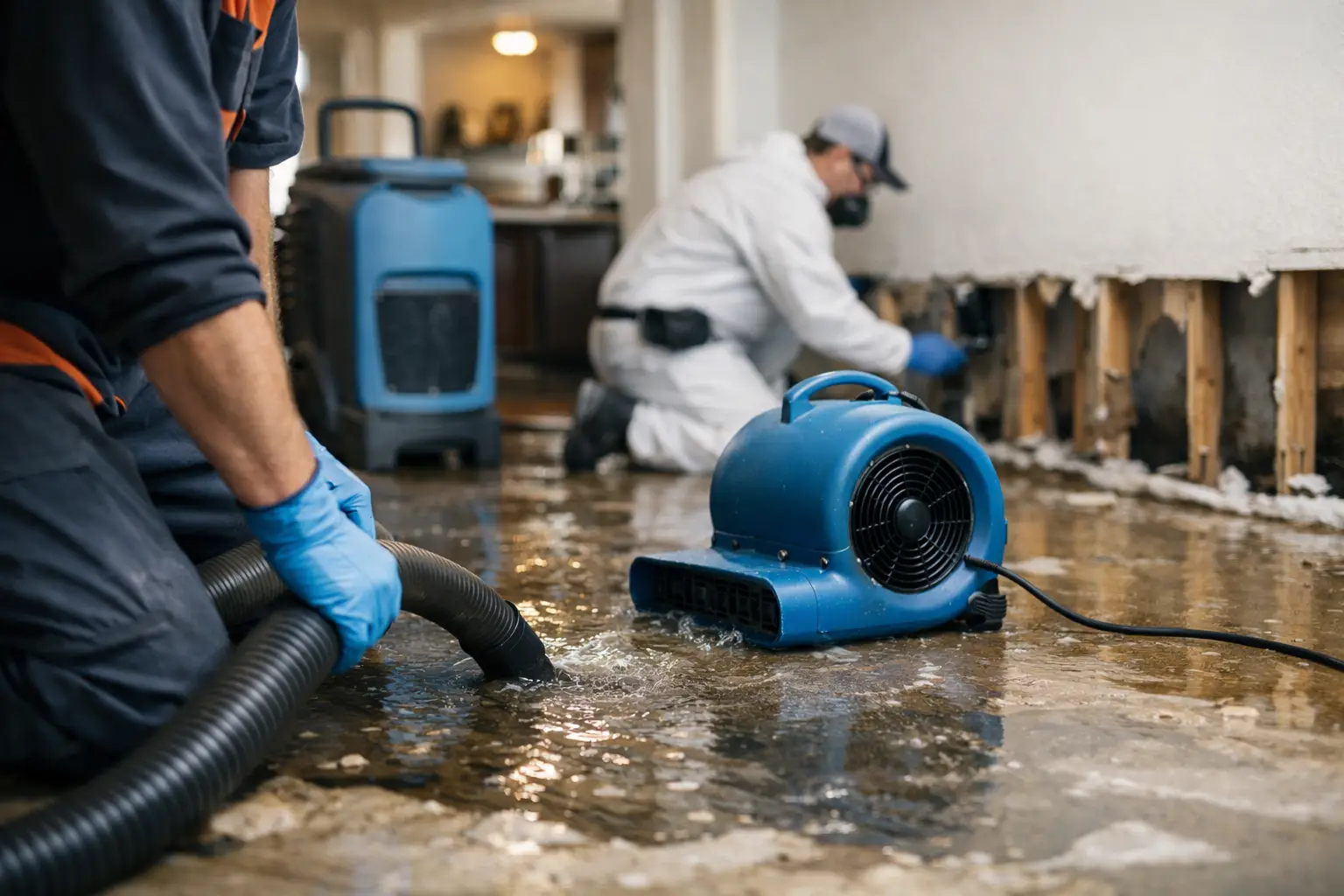 Water Damage
Extraction, structural drying, and moisture mapping after floods, leaks, and burst pipes.
Get help now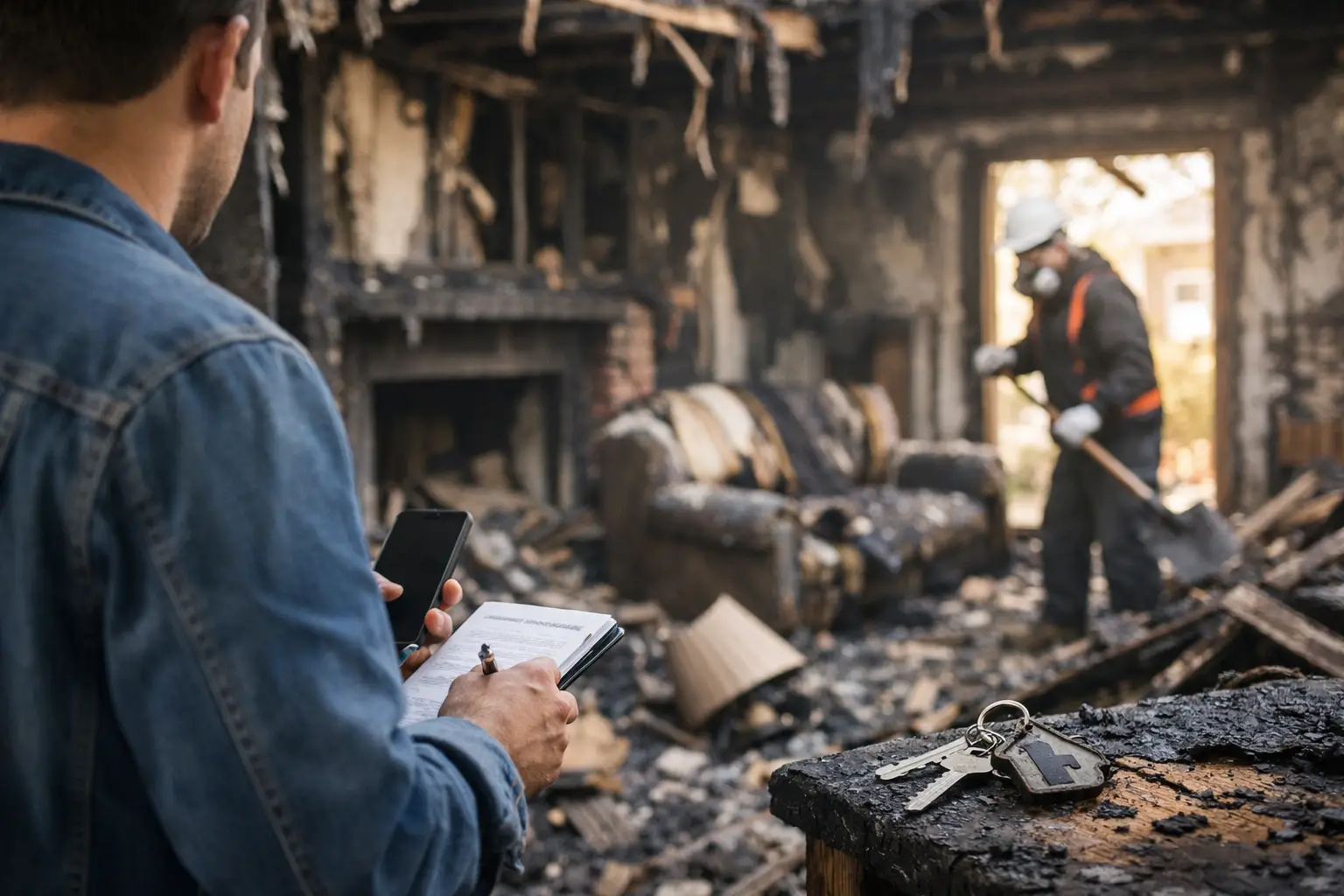 Fire & Smoke
Soot removal, odor deodorization, and content cleaning after fire and smoke damage.
Learn more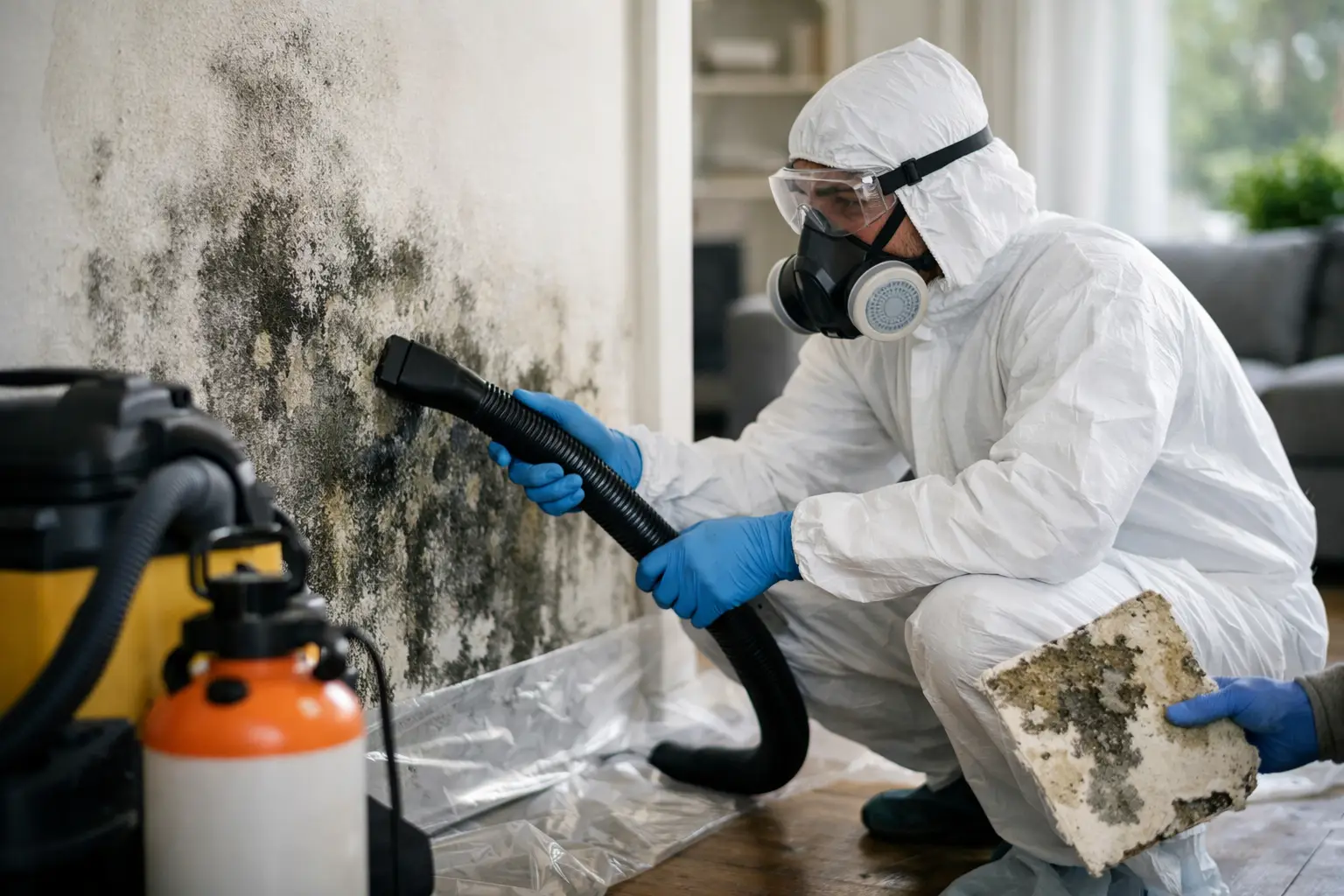 Mold
MoldContainment, removal, and moisture control that stops mold from coming back.
Learn more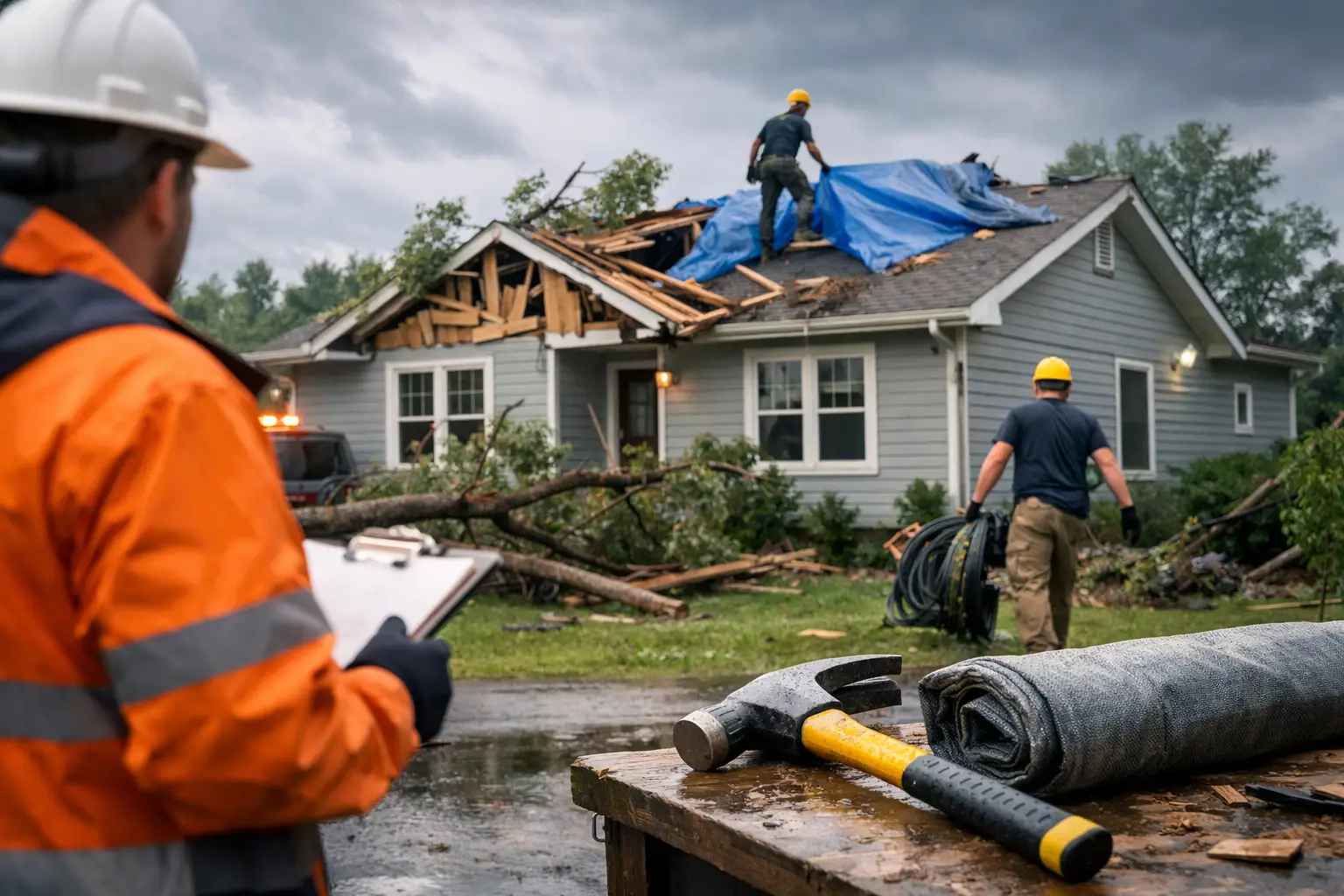 Storm
StormEmergency board-up, roof tarping, and full recovery after wind, hail, and storms.
Learn more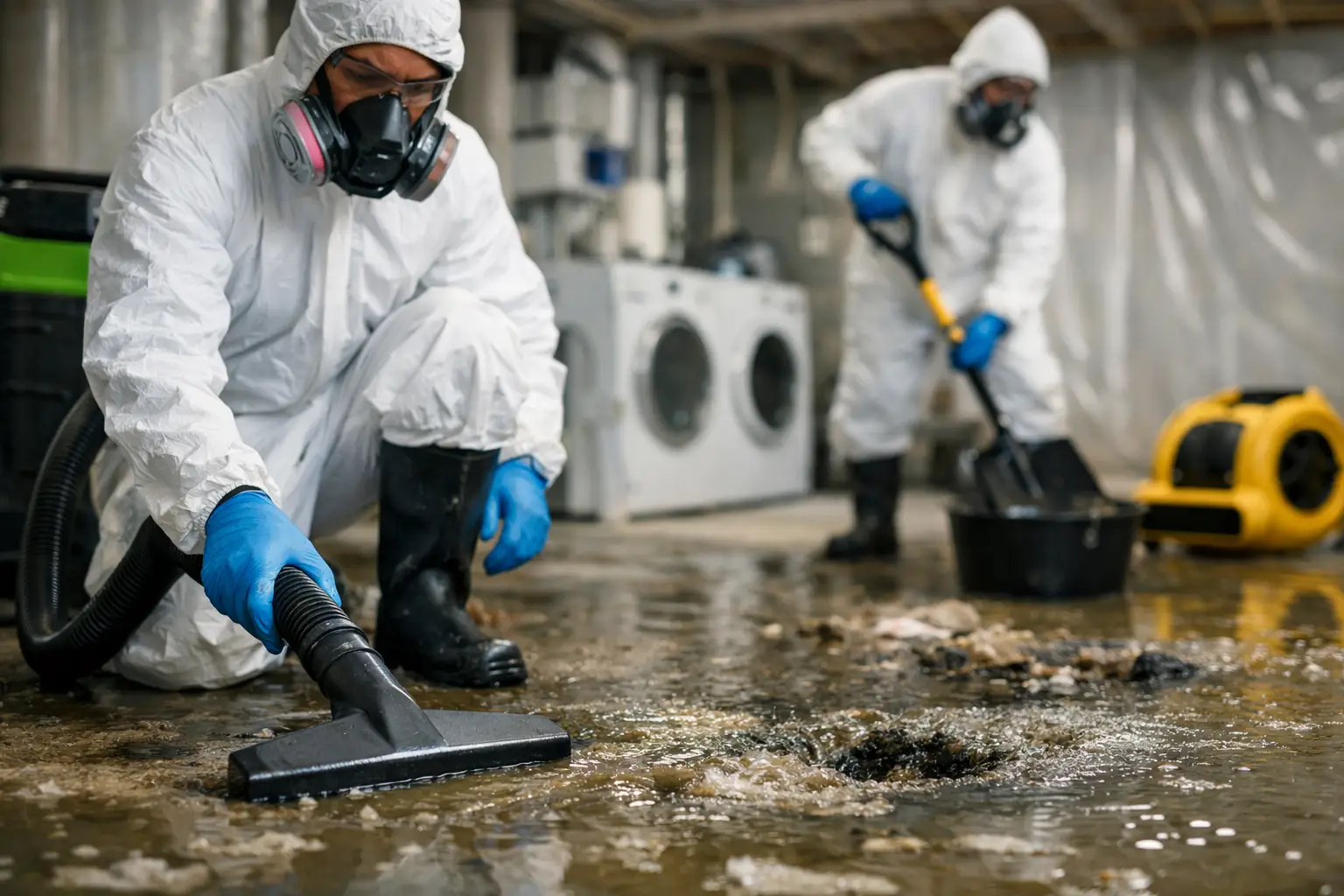 Sewage
Safe biohazard cleanup and sanitizing after sewage backups and overflows.
Learn more Reconstruction
Full rebuild by a licensed general contractor, so your property comes back whole.
Learn moreElevated Operations is an IICRC-certified, licensed general contractor based in Mableton that handles the entire recovery in-house, so after one loss you are never coordinating a cleanup crew, a mold crew, and a contractor separately. One team, one point of contact, from the first pump-out to the final coat of paint.
People call when the property feels like a disaster. They leave reviews because Chris and the crew made it right. These are real, verified Google reviews.
Get to safety first, then stop the water source only if you can do it without risk. After that, call for emergency basement water removal and document the damage with photos. In East Point homes near MARTA corridors, water can spread into storage spaces and utility rooms quickly, so fast action matters more than trying to mop everything yourself.
The process starts with extracting standing water, then removing soaked materials that cannot be saved, then drying the structure with monitored equipment. Older College Park-line bungalows in East Point often have tight basement spaces and mixed materials, so the cleanup has to account for hidden moisture, not just what you can see on the floor.
It depends on how much water entered, what was wet, and how quickly the cleanup started. A finished basement with carpet and drywall dries differently than a partially open basement. In East Point, older housing often holds moisture in walls and subfloors, so the timeline is set by measured dryness, not by how dry the room looks.
Yes. Mold can start growing in 24 to 48 hours when damp materials stay wet. That is why basement drying, wet carpet removal, and moisture monitoring need to happen quickly. In East Point basements with limited airflow, especially finished spaces near MARTA or older bungalow streets, mold prevention has to start immediately.
Yes, when basement flooding involves drain lines or sewer contamination, the cleanup must be handled differently from clean-water flooding. Sewage backup cleanup requires stricter containment, removal, and cleaning steps. I treat that situation with the caution it deserves because the health risk is real, especially in enclosed basement areas.
Yes. I offer direct insurance billing, which helps reduce back-and-forth for homeowners while the cleanup is underway. I also document the damage, the moisture readings, and the work performed. That matters in East Point because older homes often have mixed damage that insurance adjusters need to understand clearly.
The common problems are rain intrusion, foundation leaks, drain backups, and plumbing failures. In East Point, older homes and bungalow basements can funnel water in through cracks, wall penetrations, and low spots around the foundation. Flooded basement cleanup has to identify the source first, because the cause changes the repair plan.
Odors usually come from trapped moisture, damaged carpet, or contaminated materials that were not fully removed. Proper basement water removal, wet carpet removal, and structural drying reduce that risk. In East Point homes, especially tighter basement spaces, odor control depends on getting the hidden moisture out, not just masking the smell.
Elevated Operations dispatches IICRC-certified crews across Metro Atlanta from our Mableton base, with a 60-minute emergency response day or night. Choose your city:
Call now for an immediate response, or request your free inspection and get a certified crew on-site within the hour across Atlanta and nearby areas.