24/7 Emergency Restoration · Serving Metro AtlantaEmergency? (770) 404-6895
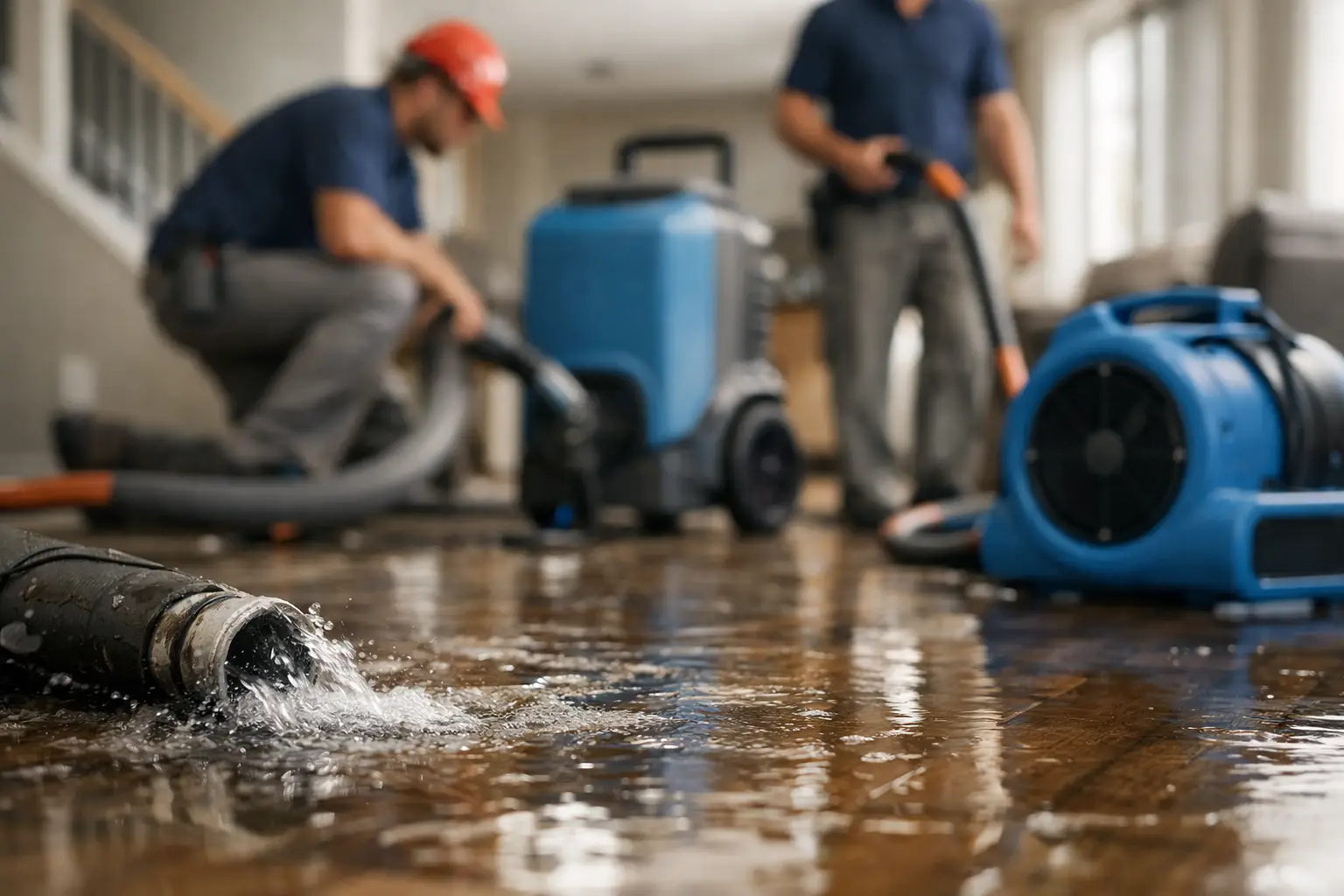
Water extraction and drying Sandy Springs starts with fast water removal, then controlled structural drying that stops damage from spreading through floors, walls, and cabinetry. I’m Chris Kwangwari, and my crew at Elevated Operations, LLLP responds 24/7 with IICRC-certified technicians, direct insurance billing, and a 12-month warranty.
IICRC-Certified · 5-Star Rated · 60-Minute Response · Insurance Billed Directly
Because water keeps moving and mold can start in 24 to 48 hours. I respond 24/7 and push extraction fast so the damage does not spread.
Yes. That area needs careful drying because humidity can slow the process, and I plan the work around that reality instead of pretending it does not matter.
Yes. I offer direct insurance billing, which keeps the claim moving while I focus on the drying process and the home itself.
I am Chris Kwangwari, owner of Elevated Operations, LLLP. My team uses IICRC-certified methods, and I oversee the standard.
Water extraction and drying in Sandy Springs starts with removing standing water, then we set up air movers, dehumidification, and moisture monitoring to dry the structure the right way. I treat every job like a race against hidden damage, especially in homes near the Chattahoochee riverside where humidity can slow the drying process.
First, I identify where water traveled, not just where it pooled. In Sandy Springs, that matters in homes with finished basements, hardwood floors, and tight mechanical rooms that can hide water behind trim, cabinets, and under flooring.
Then I push water removal hard and fast. Wet carpet extraction, targeted containment, and controlled airflow help limit how far moisture spreads, which is critical when a leak reaches baseboards, subfloors, or lower levels near the Chattahoochee riverside.
After extraction, the drying process becomes about control, not guesswork. My team uses moisture monitoring to confirm what is still wet, where air needs to move, and when the structure is actually dry enough to move forward.
I use water extraction equipment, air movers, dehumidification units, and moisture monitoring tools to dry the structure properly. That setup lets me remove water, move air across wet materials, and pull moisture out of the home before mold starts in 24 to 48 hours.
The right equipment matters more than speed alone. A shop vac is not enough for soaked pad, hardwood swelling, or water trapped in wall cavities, and it will not protect a Sandy Springs home the way professional water extraction can.
Air movers do the heavy lifting on evaporation, while dehumidification removes that moisture from the air before it settles back into the house. Near the Chattahoochee riverside, where outside humidity can stay stubborn, that balance is not optional.
I also rely on moisture monitoring to check progress room by room. That is how I know whether a laundry room, hallway, or basement wall is truly drying or just feeling dry on the surface.
Drying time depends on the amount of water, the materials affected, and how quickly extraction starts, so there is no honest one-size answer. In Sandy Springs, I focus on disciplined structural drying and moisture monitoring because wet carpet extraction and fast setup can shorten the job before secondary damage sets in.
I never guess at the timeline. A small supply line leak in a kitchen may dry very differently from a basement seep or a ceiling stain that soaked insulation, drywall, and framing.
Homes close to the Chattahoochee riverside can stay damp longer because exterior humidity works against the drying process. That is why I look at airflow, material type, and hidden moisture instead of giving a fake promise.
When the structure is monitored correctly, I can tell when the home is on track and when it needs more drying time. That is the difference between cleanup and real restoration.
Structural drying is important because surface drying is not enough, and hidden moisture can keep damaging framing, drywall, insulation, and flooring long after the visible water is gone. In Sandy Springs, I treat structural drying as the part that protects the home, not just the part that makes it look better.
If water gets into a wall cavity or under flooring, the damage keeps going. You may see a clean hallway and still have saturated materials behind the baseboard, which is exactly where problems turn expensive.
In Sandy Springs homes near the Chattahoochee riverside, crawlspaces, basements, and lower levels need real attention because moisture can linger in places you do not check every day. Structural drying closes that gap.
IICRC-certified methods matter here because the goal is to dry the building materials safely, not just run equipment and hope. If the structure is still wet, the job is not done.
Yes, I handle wet carpet extraction and water removal quickly because mold starts in 24 to 48 hours, and that window matters. In Sandy Springs, fast response is the difference between saving carpet, pad, and subflooring or letting moisture move deeper into the home near the Chattahoochee riverside.
When carpet is wet, I do not wait around. I focus on extracting standing water, lifting affected material when needed, and setting airflow so the drying process starts immediately.
The faster the response, the more likely I can protect adjacent rooms, hardwood transitions, and wall edges. Water does not stop at the first threshold, especially when a basement or first floor is involved.
If the carpet has been soaked for too long, I will say so plainly. I would rather give the straight answer than pretend a material can be saved when the conditions already point the other way.
Shut off the water source if you can do it safely, stay out of standing water near electrical hazards, and call me right away for 24/7 emergency response. In Sandy Springs, that first hour matters, especially in Chattahoochee riverside homes where water can spread into multiple levels quickly.
If it is safe, move light belongings away from the wet area and keep kids and pets out of the space. Do not start household fans in a way that pushes contaminated water deeper into walls or under flooring.
Take a few photos for the insurance file if you can do it without delay. I offer direct insurance billing, and that documentation helps when we start the claim process.
Do not rip out flooring or drywall before I look at it. Once materials are removed without a plan, it becomes harder to trace the path of water and easier to miss hidden damage.
Yes. I provide 24/7 emergency response with a 60-minute emergency response target, because water damage does not wait for business hours.
Yes. I offer direct insurance billing and deductible assistance up to $1,000, so the claim process does not stall while the home is drying.
I do. Elevated Operations, LLLP is led by me, Chris Kwangwari, and my team uses IICRC-certified technicians and licensed general contractor oversight.
Yes. I back the work with a 12-month warranty, because proper restoration should be documented and durable.
Yes. I work across Sandy Springs, including homes near the Chattahoochee riverside where humidity and hidden moisture can complicate drying.
From emergency mitigation to full reconstruction, handled in-house so you are never managing a chain of subcontractors mid-crisis.
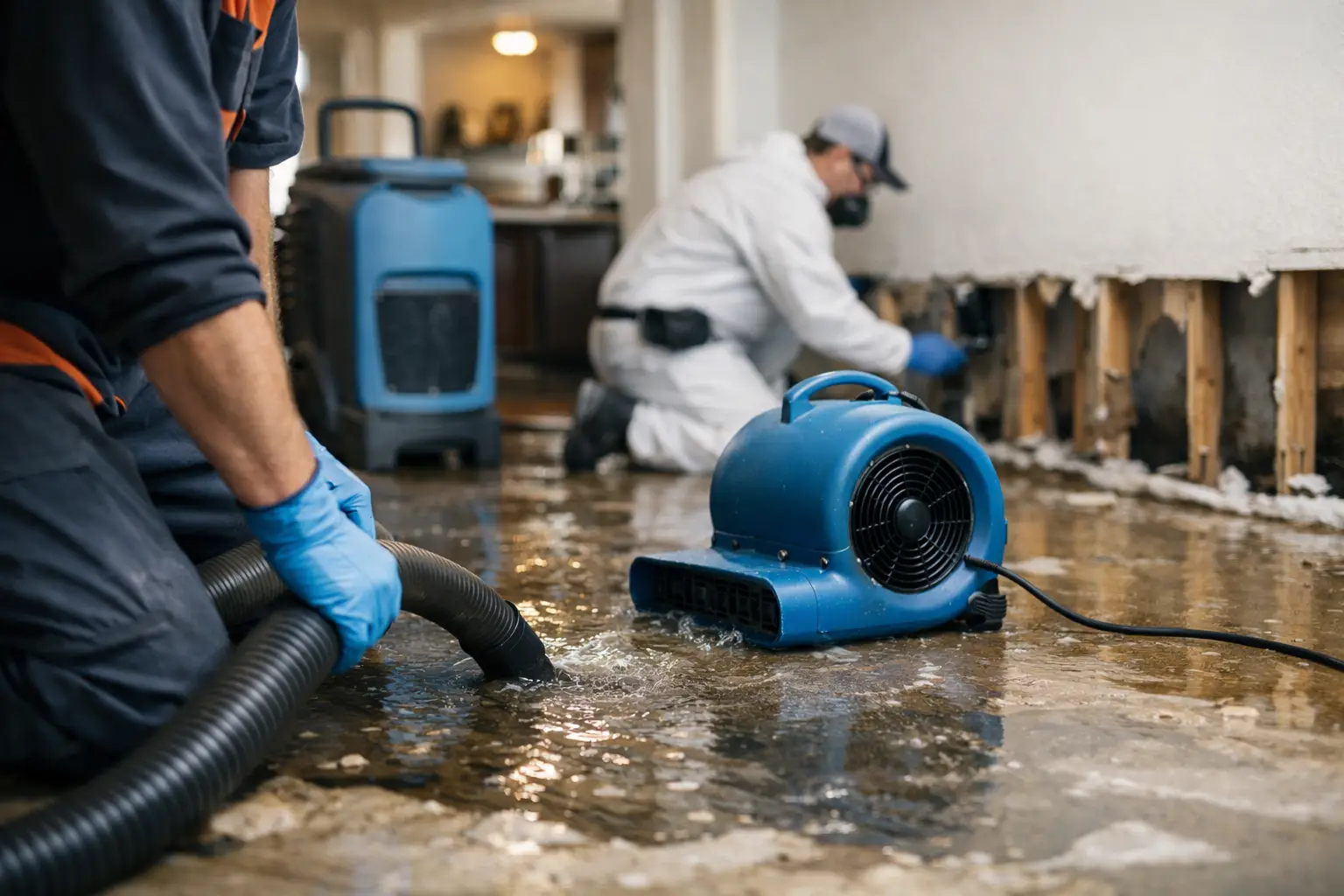 Water Damage
Extraction, structural drying, and moisture mapping after floods, leaks, and burst pipes.
Get help now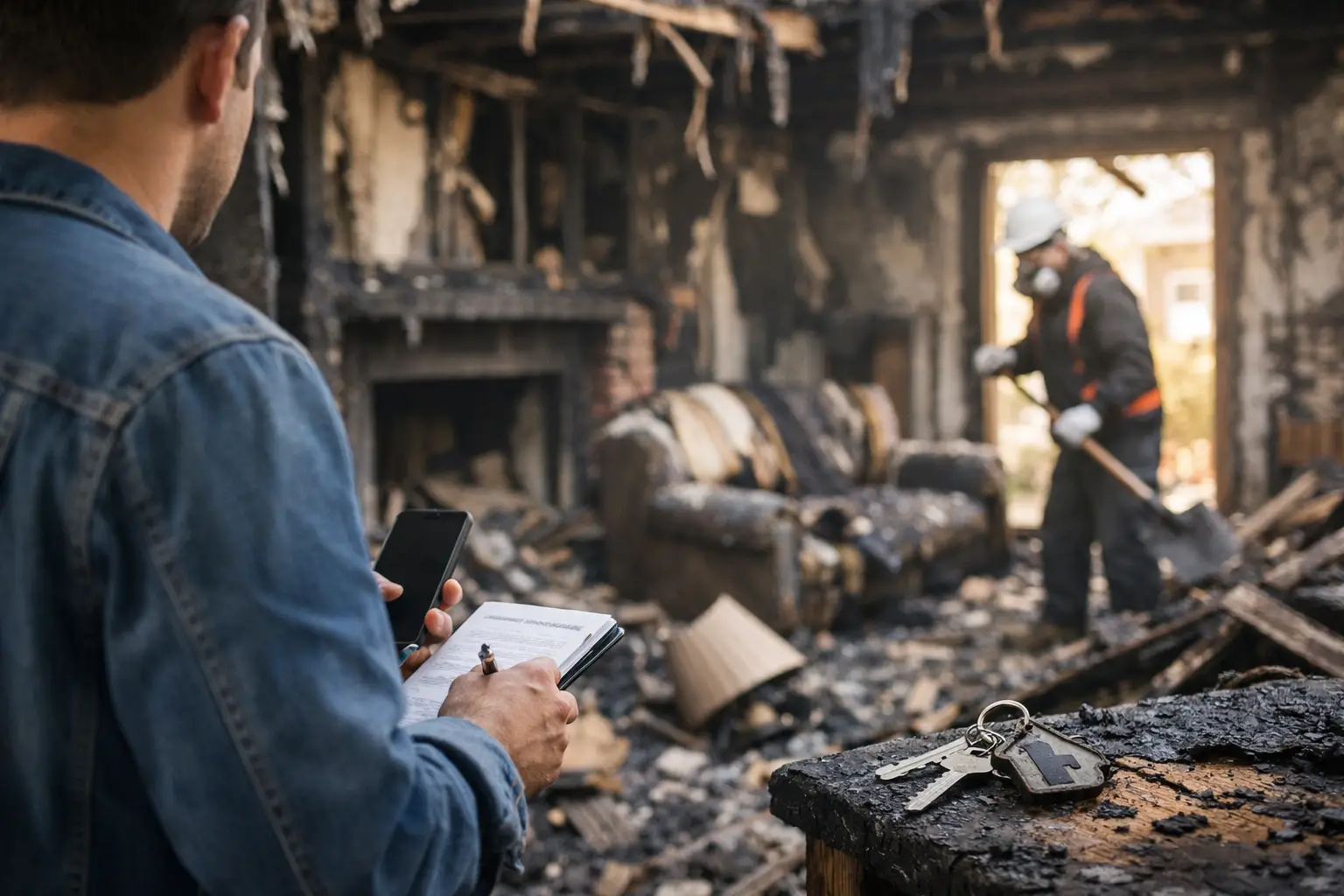 Fire & Smoke
Soot removal, odor deodorization, and content cleaning after fire and smoke damage.
Learn more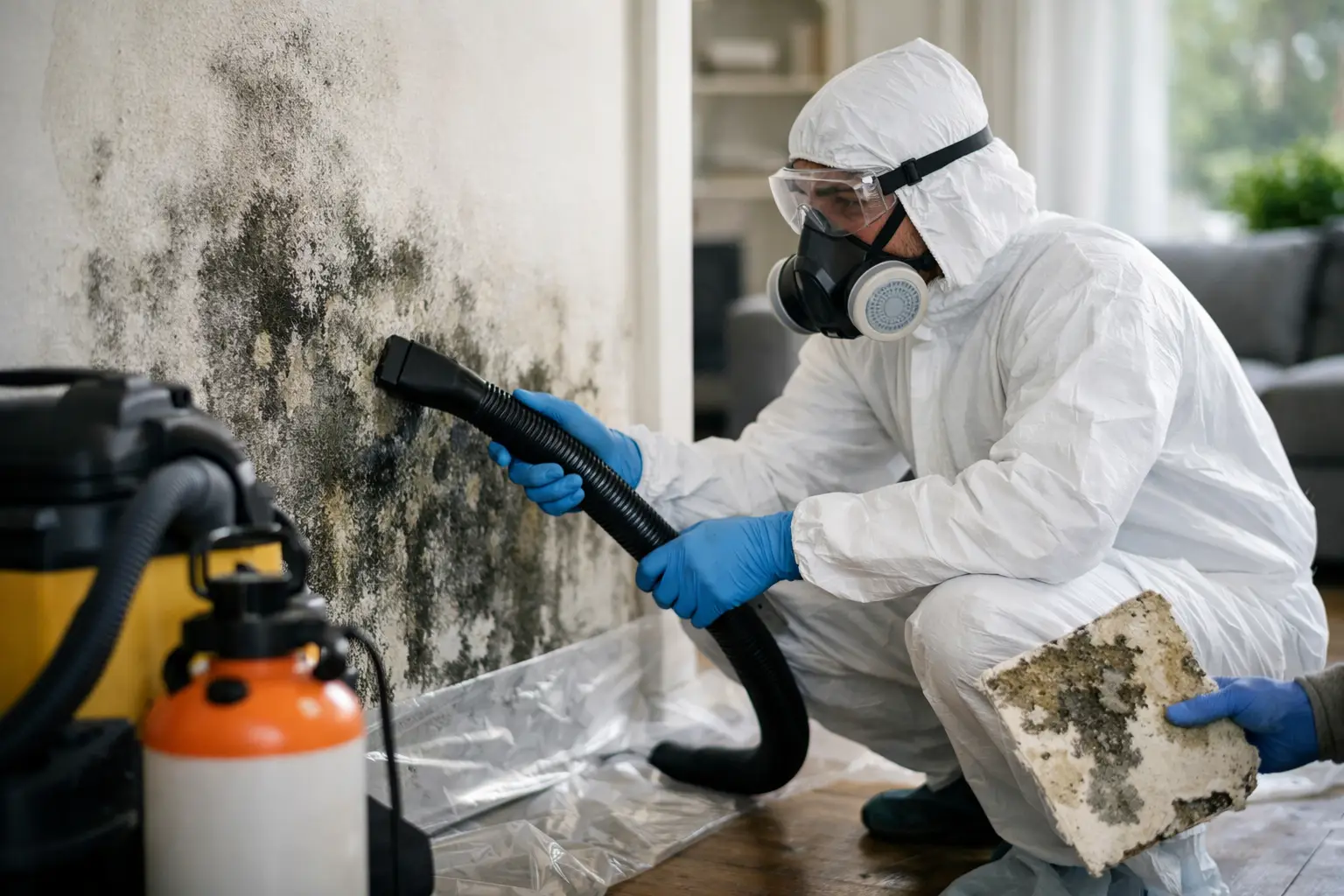 Mold
MoldContainment, removal, and moisture control that stops mold from coming back.
Learn more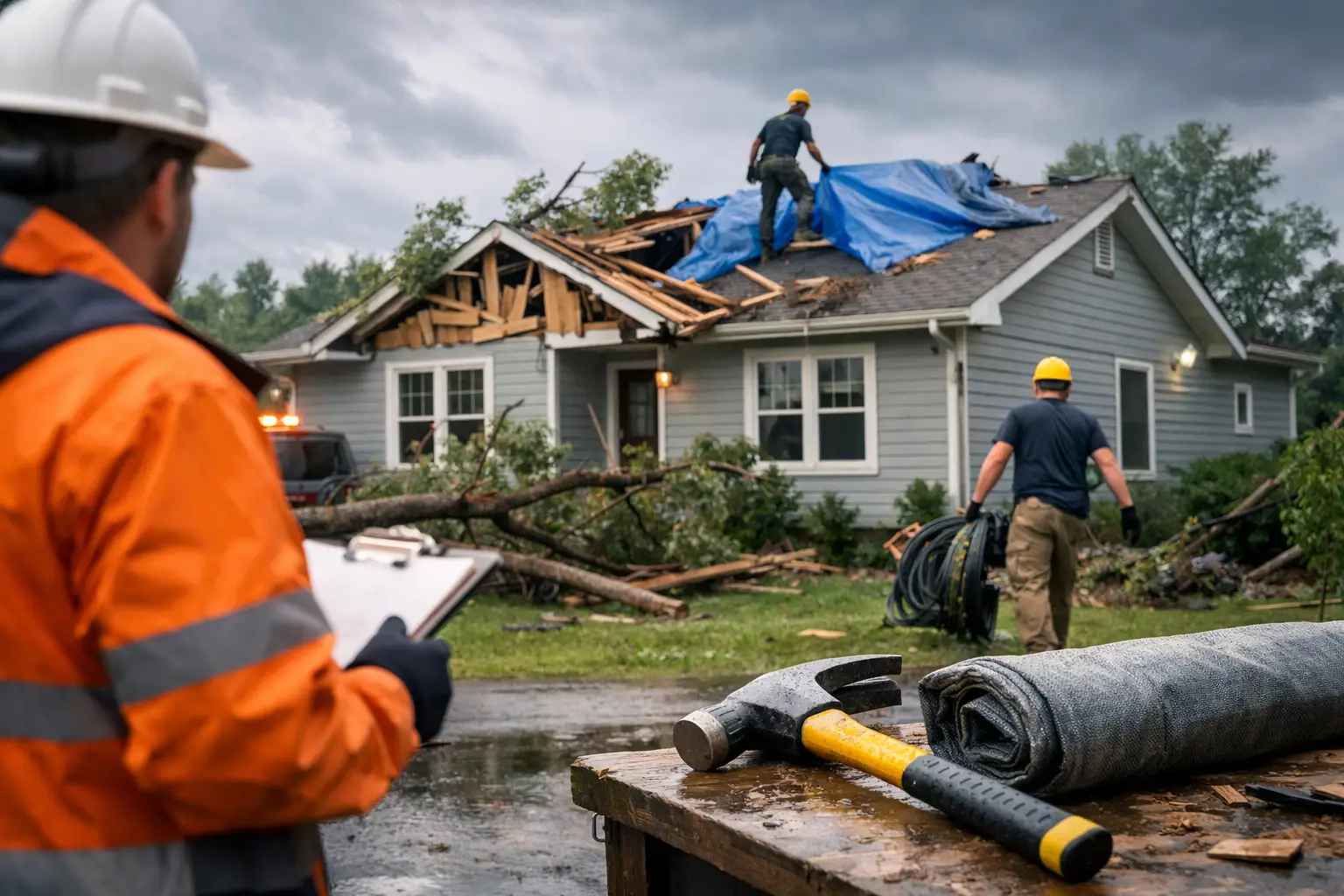 Storm
StormEmergency board-up, roof tarping, and full recovery after wind, hail, and storms.
Learn more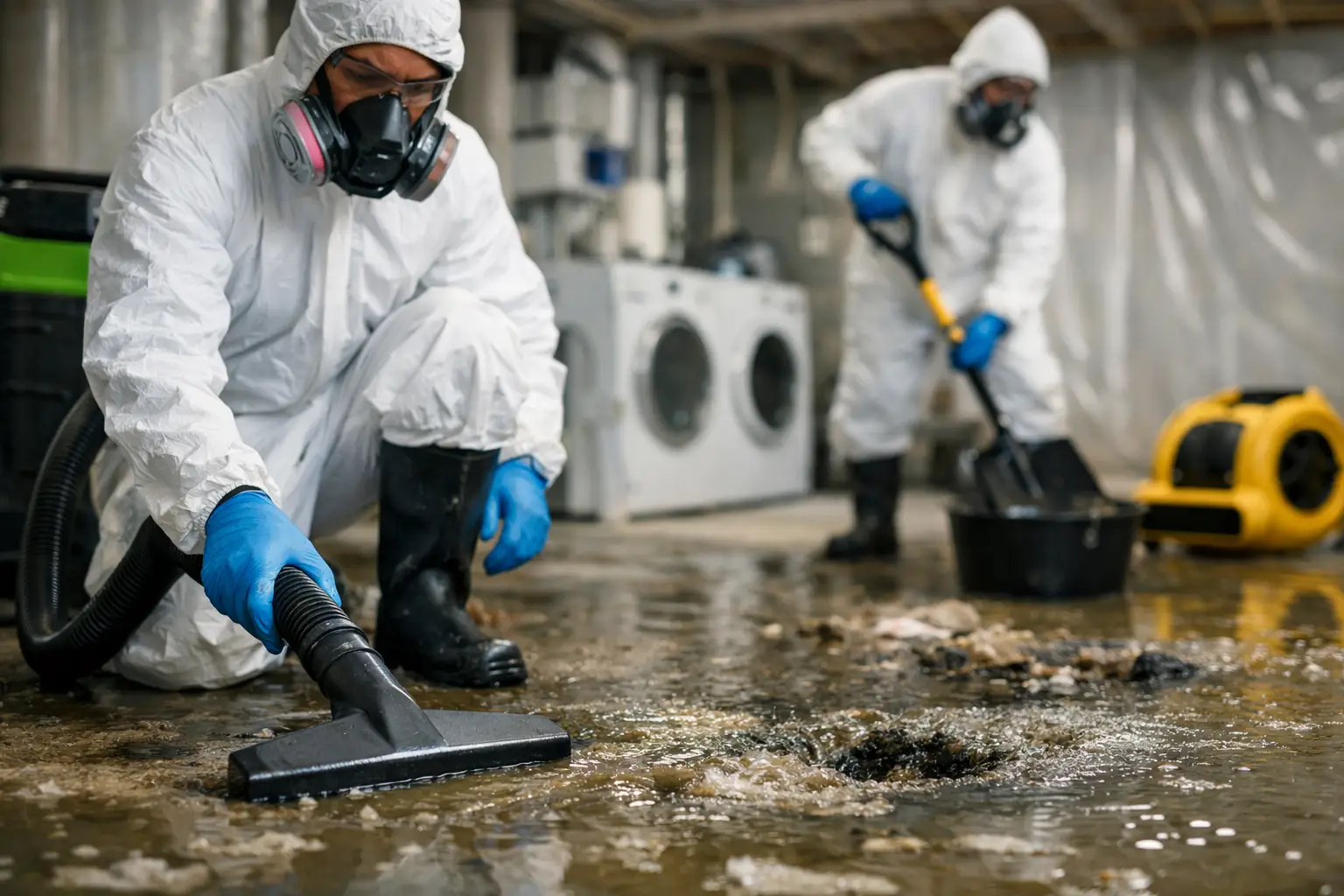 Sewage
Safe biohazard cleanup and sanitizing after sewage backups and overflows.
Learn more Reconstruction
Full rebuild by a licensed general contractor, so your property comes back whole.
Learn moreElevated Operations is an IICRC-certified, licensed general contractor based in Mableton that handles the entire recovery in-house, so after one loss you are never coordinating a cleanup crew, a mold crew, and a contractor separately. One team, one point of contact, from the first pump-out to the final coat of paint.
People call when the property feels like a disaster. They leave reviews because Chris and the crew made it right. These are real, verified Google reviews.
I start with fast water removal, then I map the moisture that is not visible yet. In Sandy Springs, especially near the Chattahoochee riverside, I pay close attention to humidity, lower levels, and materials that trap water. The job is not finished until moisture monitoring shows the structure is dry, not just the surface.
IICRC-certified technicians, direct insurance billing, and licensed general contractor oversight make a real difference. A cleanup crew may remove visible water. I focus on the building itself, using structural drying, air movers, and dehumidification so the home is actually stabilized, especially in moisture-prone Sandy Springs areas.
Yes, and basements are where speed matters most. Wet carpet extraction in a basement can uncover water under pad, along tack strip, and into subflooring. I respond fast, remove the water, and monitor moisture so the drying process does not stall in a closed, humid space.
Mold starts in 24 to 48 hours, and that is why I do not take a relaxed approach to water damage. In Sandy Springs homes, especially near the Chattahoochee riverside, trapped moisture and humidity can create the conditions for growth fast. Rapid extraction and drying help cut that risk down.
Yes. I provide direct insurance billing, which helps reduce paperwork pressure right after a loss. That matters when a Sandy Springs homeowner is dealing with a leak, a burst line, or floodwater and needs the restoration side handled without unnecessary delay.
Air movers push moisture out of wet materials and into the air, then dehumidification pulls that moisture out before it settles back into the house. I use that combination because one without the other is incomplete, especially in Sandy Springs where outside humidity can work against the drying process.
I treat it the same way: fast response, careful extraction, then controlled drying. Location details matter because traffic, access, and building layout can affect the work, but the essentials do not change. The home needs water removal, monitoring, and a proper structural drying plan.
Yes, I back my work with a 12-month warranty. I have been in restoration since 2007, and I stand behind the process because good drying is measurable. If the structure is still holding moisture, I keep working until the readings support completion.
Elevated Operations dispatches IICRC-certified crews across Metro Atlanta from our Mableton base, with a 60-minute emergency response day or night. Choose your city:
Call now for an immediate response, or request your free inspection and get a certified crew on-site within the hour across Atlanta and nearby areas.