24/7 Emergency Restoration · Serving Metro AtlantaEmergency? (770) 404-6895
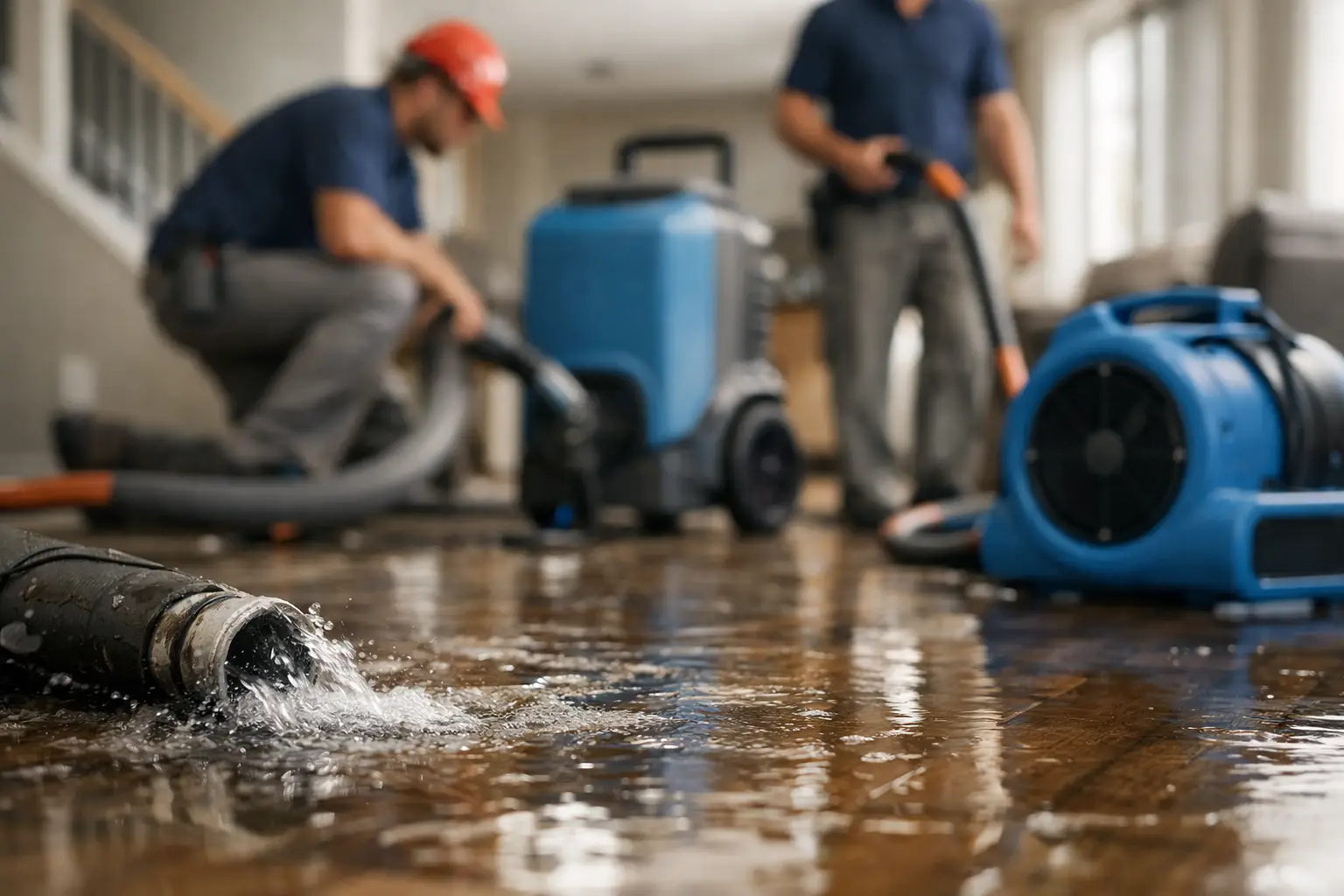
Burst pipe repair Smyrna starts with fast water control, then a real fix that stops the damage from spreading. I own Elevated Operations, LLLP, and I handle these calls across Smyrna, from older 60s and 70s slab ranch homes to Battery townhomes where water can run through walls, ceilings, and shared chases quickly.
IICRC-Certified · 5-Star Rated · 60-Minute Response · Insurance Billed Directly
Yes. Those homes often hide plumbing under the slab, so I inspect carefully and choose the right repair path instead of chasing the wrong spot.
Yes. Townhome leaks can spread through walls and ceilings fast, so I respond with a focused plan for the source and the damage path.
We provide 24/7 emergency response with a 60-minute emergency response goal, so you are not waiting around while water keeps moving.
I combine restoration and contracting, with IICRC-certified technicians, direct insurance billing, and a 12-month warranty on the work.
Shut off the water first, then call for emergency plumbing repair and water cleanup right away. That stops the loss from getting worse, whether you are in a slab ranch near older neighborhoods or a Battery-area townhome where water can spread between levels fast.
I tell Smyrna homeowners to move fast, but not recklessly. If you can reach the main shutoff safely, close it. Then kill power to affected rooms only if water is near outlets or fixtures. A burst pipe can turn into ceiling leak repair, wall leak repair, and floor damage in minutes.
Older 60s and 70s slab ranch homes in Smyrna often hide plumbing under the concrete, so a sudden water loss can keep running where you cannot see it. In Battery townhomes, the same problem can travel through stacked walls, which is why broken pipe repair starts with finding the source, not guessing.
Then call me. Elevated Operations, LLLP is based in Mableton, and I respond 24/7 with a 60-minute emergency response. IICRC-certified technicians handle the drying and direct insurance billing helps keep the paperwork moving while we work.
We isolate the break, stop the active leak, and decide whether pipe leak repair, pipe replacement, or water line repair is the right fix. The right answer depends on where the pipe failed, how much surrounding material got wet, and whether the plumbing is older slab work or newer townhome runs.
First I want the water off and the area inspected. Then we look at the pipe itself, the structure around it, and the path the water took. A small split in accessible piping may need a focused repair. A damaged section hidden in a slab or chase may call for pipe replacement instead.
In Smyrna, that decision matters because the building styles are different. A 60s or 70s slab ranch can involve hidden runs under flooring and concrete, while a Battery townhome may need careful work around finished walls and stacked systems. I do not take shortcuts on either one.
My crew is licensed, IICRC-certified, and backed by a 12-month warranty. And if the loss is insurance-related, I offer direct insurance billing and deductible assistance up to $1,000. That keeps the repair moving while the claim is handled correctly.
Yes, if the damage is accessible and the plumbing layout is clear, burst pipe repair can move fast. The key is emergency plumbing repair first, then a direct assessment of whether the fix is a simple section repair or a larger pipe replacement job.
Speed matters, but speed without judgment creates repeat damage. I see that when someone patches a line without addressing the pressure, corrosion, or hidden water around the break. A quick fix is only good if it actually holds and does not send water into the framing again.
Smyrna homes can complicate timing. Slab ranch plumbing may require more investigation because the leak is not always visible. Battery townhomes often show damage sooner on ceilings or shared walls, which can help us locate the problem faster and get to the real repair sooner.
I have been in restoration since 2007, and that experience matters when time is tight. We respond 24/7, and our 4.9-star Google rating across 73 reviews reflects the way we handle urgent work: direct, clean, and focused on stopping the source.
Yes. Once the pipe is repaired, the wet materials still have to be dried, documented, and monitored. Without water cleanup, you can end up with hidden moisture, ceiling damage, wall leak repair needs, and mold risk that starts in 24 to 48 hours.
This is where a lot of homeowners get burned. They fix the plumbing and assume the problem is over. It is not. Water moves into insulation, subfloor, drywall, and trim, and that moisture can sit there long after the visible puddle is gone.
In a Smyrna slab ranch, water can track into flooring edges and base materials. In a Battery townhome, it can run into ceilings or down behind finished walls. I inspect the damage path, dry the structure, and identify where broken pipe repair needs to be paired with restoration work.
We handle the cleanup side with IICRC-certified technicians, direct insurance billing, and the kind of documentation adjusters expect. If the loss includes a pipe leak repair or ceiling leak repair issue, I want the whole structure addressed, not just the spot you can see.
Older slab ranch homes often hide pipe issues under concrete, while Battery townhomes can show water in ceilings, walls, or shared chases. That difference changes how burst pipe repair is diagnosed, how much access we need, and whether the job becomes pipe replacement instead of a simple repair.
That local difference is real. Smyrna has older 60s and 70s slab ranch housing where plumbing may be tucked into the slab or low walls. Those homes can keep leaking without obvious signs, which means homeowners often call after the floor, trim, or substructure already has damage.
Battery-area townhomes behave differently. They can show water on multiple levels, and a leak above one room may present as a wall leak repair or ceiling leak repair problem in another. I have to trace the moisture path carefully, because the visible stain is not always the source.
When I inspect a burst pipe repair in Smyrna, I look at the building type first, then the water pattern, then the pipe material and access points. That is how I decide whether emergency plumbing repair is enough or whether restoration and replacement need to happen together.
You may need pipe replacement when the line is old, the damage repeats, or the break is in a place that cannot hold a reliable patch. In Smyrna, that comes up often in aging slab ranch plumbing and in townhomes where the run is behind finished surfaces.
I do not push replacement when a repair will do. But I also do not pretend a weak line is fixed because it stopped dripping for a day. If the pipe has failed from age, corrosion, or repeated pressure stress, a patch can waste your time and add more damage later.
A lot of homeowners call after another company tried a quick fix and the same wet spot came back. That is when pipe leak repair becomes broken pipe repair, and broken pipe repair becomes a larger decision about the whole line. I would rather solve it once.
As a licensed general contractor, I look at the plumbing and the structure together. That matters in Smyrna because a failing line in a slab ranch is not the same as a damaged pipe in a Battery townhome wall. Different access. Different repair path.
We respond 24/7 with a 60-minute emergency response, then we stop the source, inspect the damage, and coordinate the next steps.
We trace the water path, test the area, and determine whether you need burst pipe repair, wall leak repair, or ceiling leak repair.
We offer direct insurance billing and document the loss so the repair and cleanup line up with the claim.
We match the fix to the failure, whether that means pipe leak repair, water line repair, or full pipe replacement.
I work these jobs in older slab ranch homes and Battery townhomes, and I inspect the structure differently for each one.
From emergency mitigation to full reconstruction, handled in-house so you are never managing a chain of subcontractors mid-crisis.
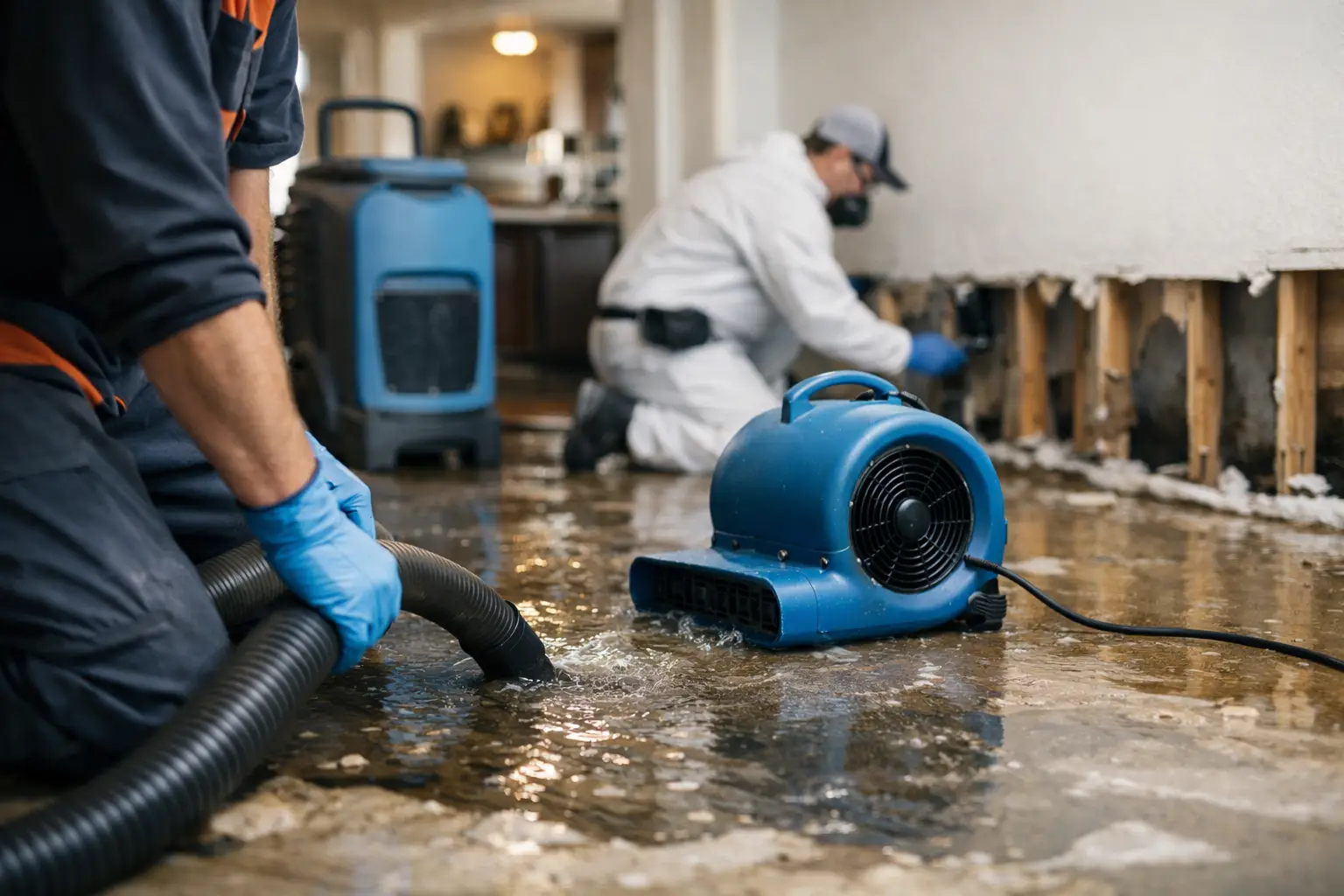 Water Damage
Extraction, structural drying, and moisture mapping after floods, leaks, and burst pipes.
Get help now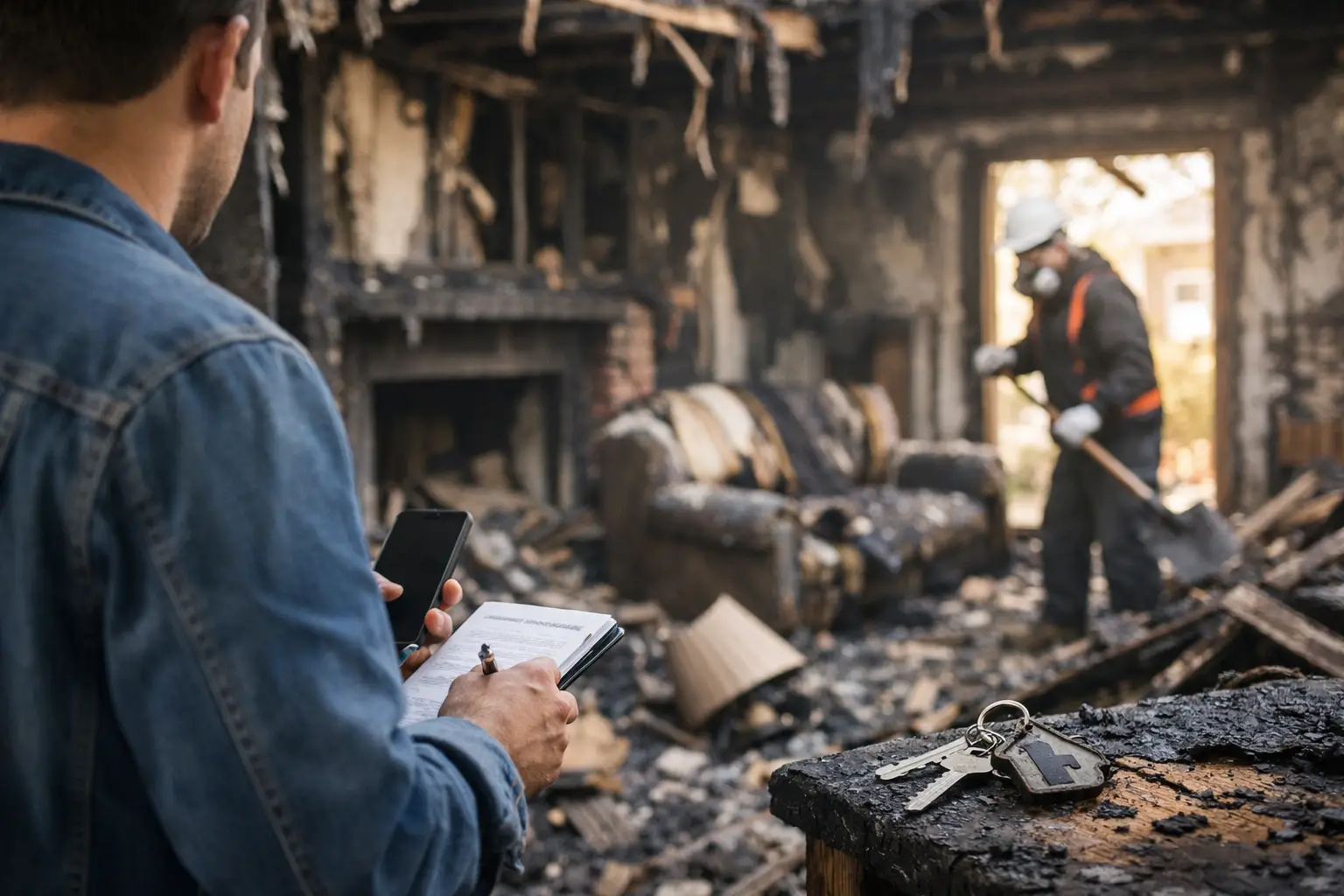 Fire & Smoke
Soot removal, odor deodorization, and content cleaning after fire and smoke damage.
Learn more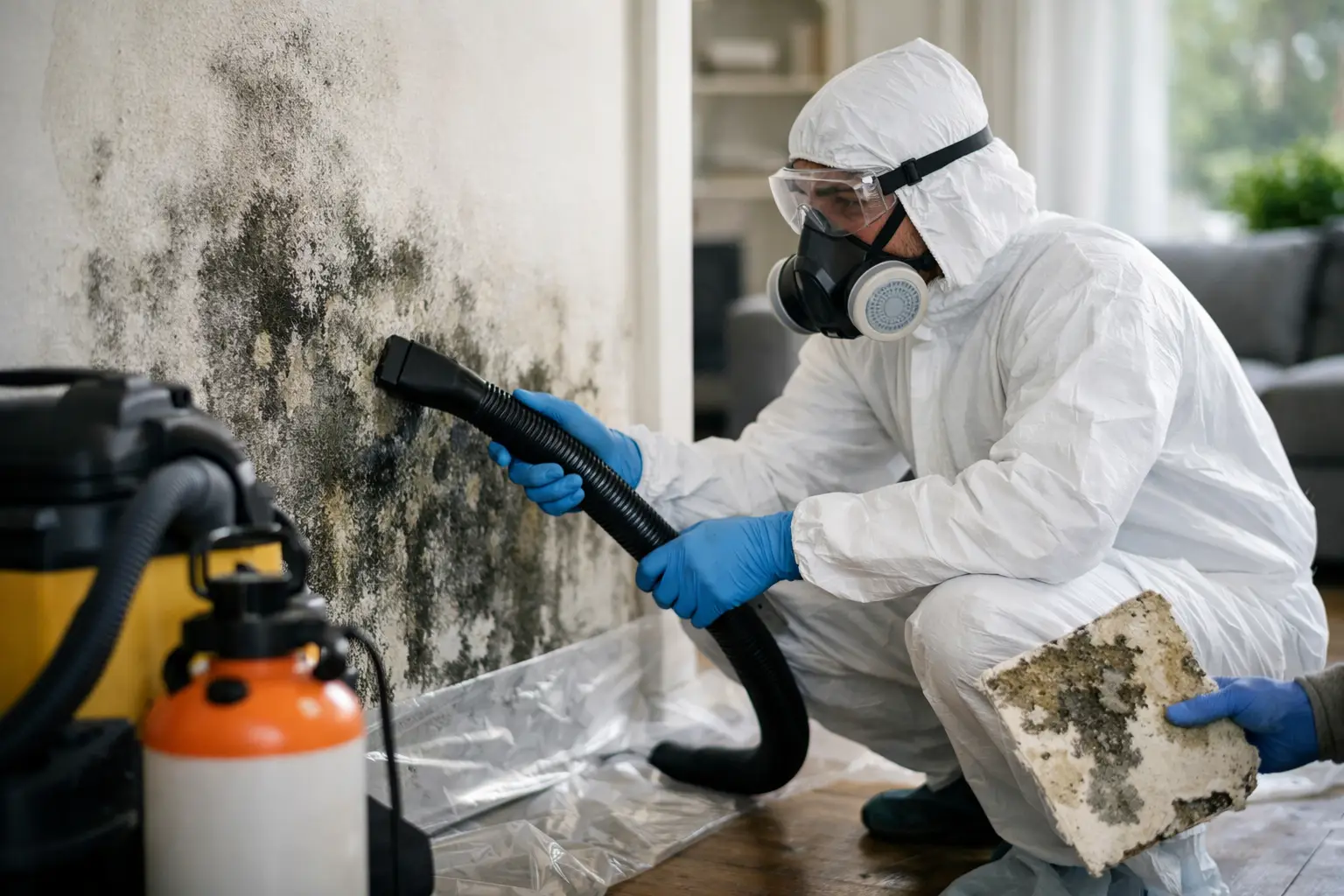 Mold
MoldContainment, removal, and moisture control that stops mold from coming back.
Learn more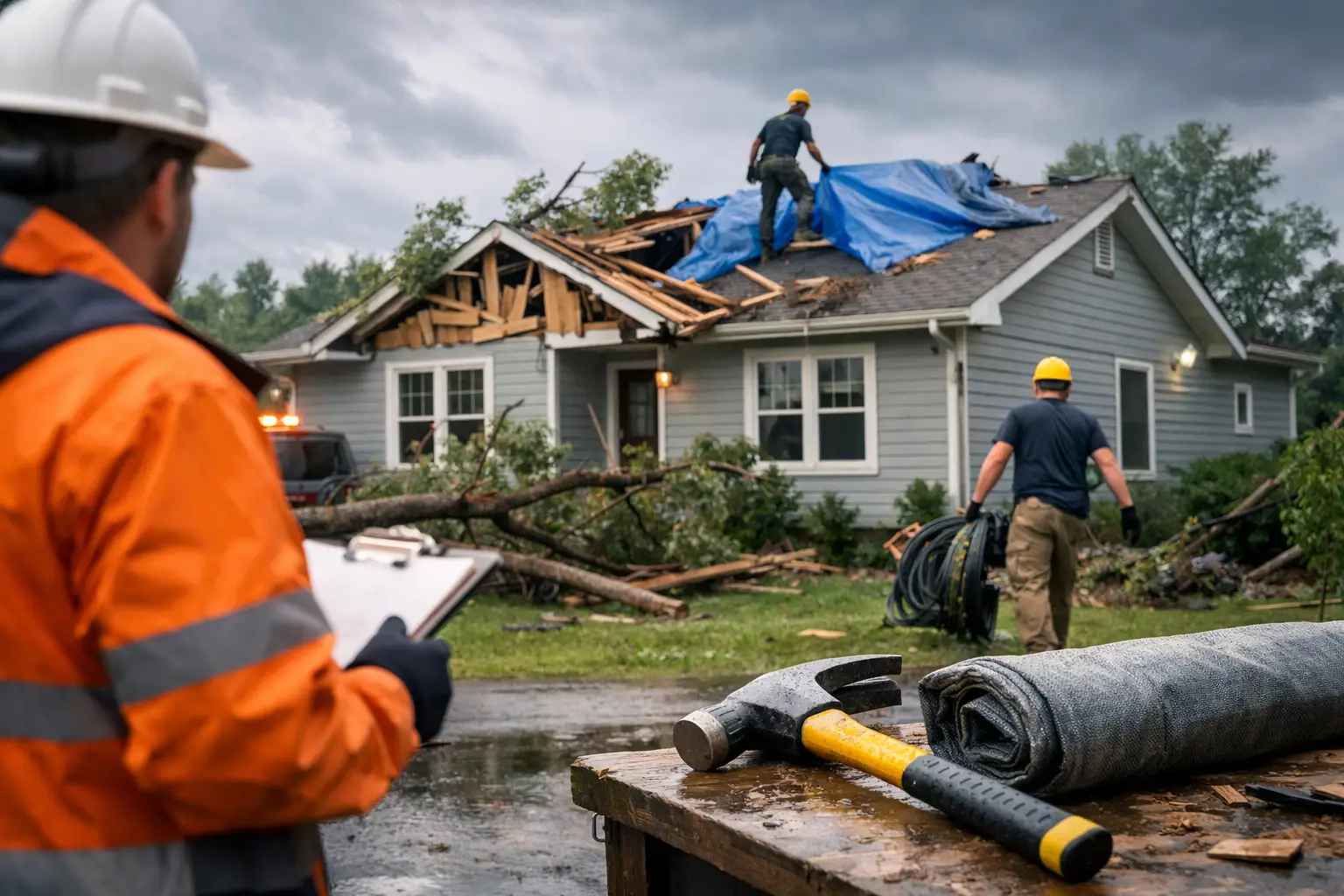 Storm
StormEmergency board-up, roof tarping, and full recovery after wind, hail, and storms.
Learn more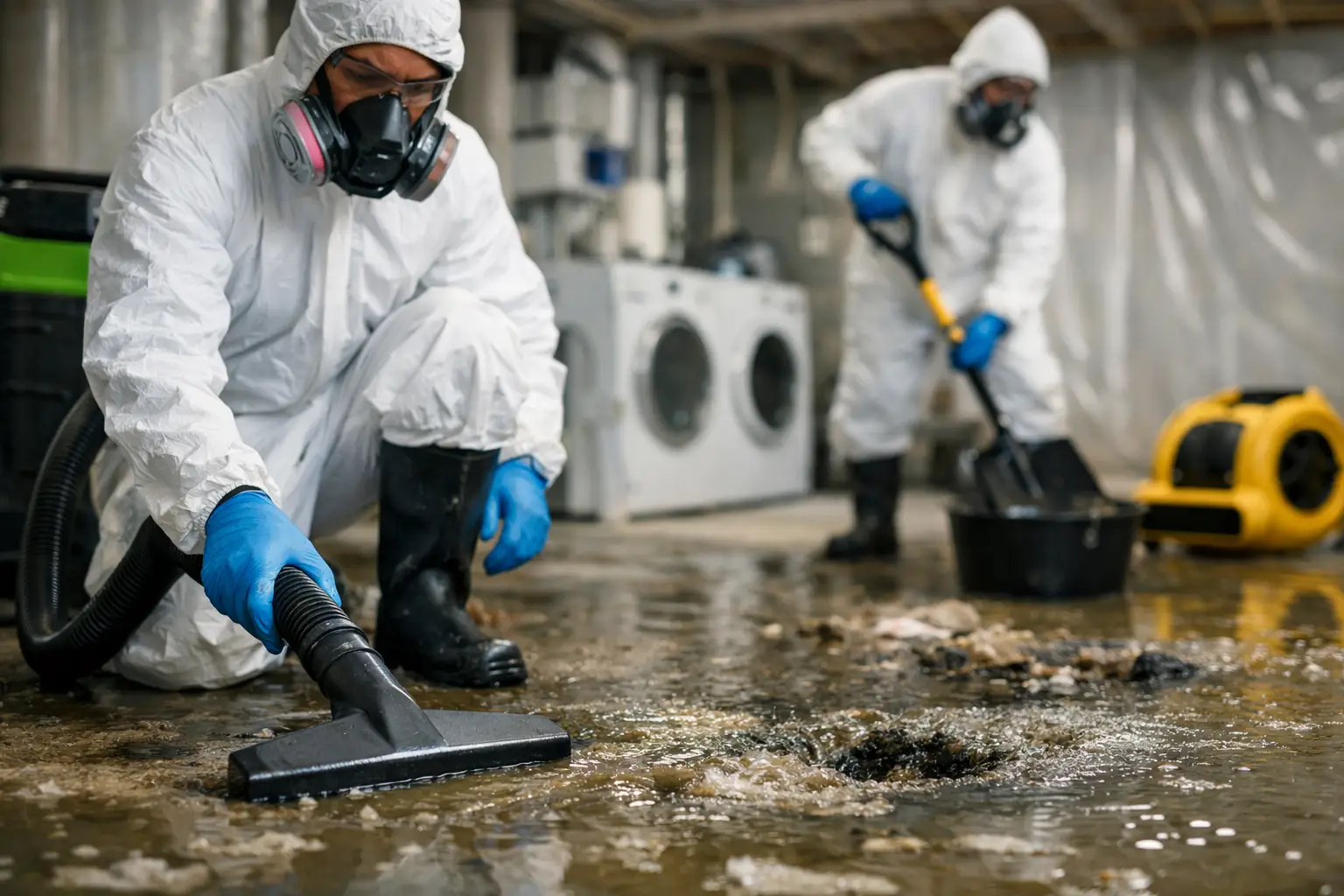 Sewage
Safe biohazard cleanup and sanitizing after sewage backups and overflows.
Learn more Reconstruction
Full rebuild by a licensed general contractor, so your property comes back whole.
Learn moreElevated Operations is an IICRC-certified, licensed general contractor based in Mableton that handles the entire recovery in-house, so after one loss you are never coordinating a cleanup crew, a mold crew, and a contractor separately. One team, one point of contact, from the first pump-out to the final coat of paint.
People call when the property feels like a disaster. They leave reviews because Chris and the crew made it right. These are real, verified Google reviews.
Shut off the water if you can do it safely, then call immediately. In a 60s or 70s slab ranch, a burst line can keep leaking under the slab or into the lower parts of the home where you cannot see it. I focus on stopping the water, finding the source, and starting cleanup before hidden damage grows.
I start with the source, not the stain. In a Battery townhome, water can travel through walls and ceilings, so I check the pipe path, the affected finishes, and the moisture spread. Then I decide whether pipe leak repair, pipe replacement, or restoration work is the right move for that structure.
Yes, if access is clear and the damage is localized. We respond 24/7, and our goal is to stop the leak fast, then assess whether the job is a direct broken pipe repair or something larger. After-hours is common with burst pipes, so I am set up for that call.
Absolutely. The plumbing fix is only part of it. Wet drywall, insulation, trim, and flooring can hold moisture long after the leak is stopped. In Smyrna homes, especially slab ranch layouts and multi-level townhomes, I treat cleanup as part of the repair, not an optional add-on.
Yes. A burst pipe often shows up as a ceiling stain or sag before the homeowner finds the actual pipe. I trace that water, repair the source, and address the ceiling damage so you do not end up with a second failure after the first leak is fixed.
Yes. If the failure involves the supply line or a related section, I assess whether water line repair or a wider replacement is needed. The goal is the same: stop the active loss, protect the structure, and make sure the line is safe to use again.
If the wall is wet but the source is unclear, I test both the wall cavity and the nearby plumbing. In townhomes, water can travel behind finished surfaces, so a wall leak may actually be a burst pipe farther away. I do not guess on that.
Yes, I offer direct insurance billing. That helps keep the claim process organized while we handle the repair and water cleanup. If the loss qualifies, I can also assist with the deductible up to $1,000, which helps homeowners manage a stressful repair without losing control of the paperwork.
Elevated Operations dispatches IICRC-certified crews across Metro Atlanta from our Mableton base, with a 60-minute emergency response day or night. Choose your city:
Call now for an immediate response, or request your free inspection and get a certified crew on-site within the hour across Atlanta and nearby areas.