24/7 Emergency Restoration · Serving Metro AtlantaEmergency? (770) 404-6895
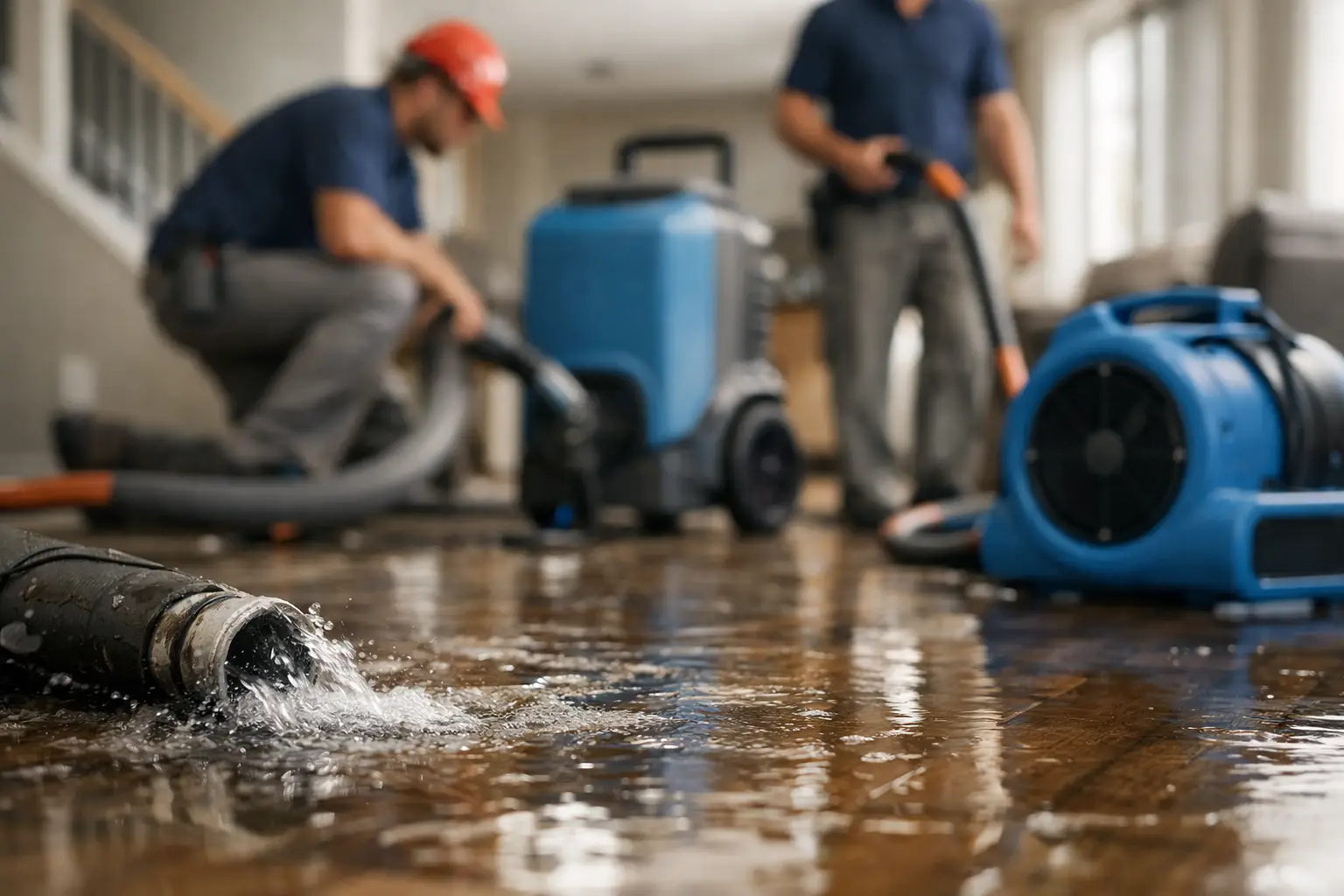
Smoke and soot cleanup Carrollton needs starts with speed, not guesswork. I send IICRC-certified technicians, direct insurance billing, and a 60-minute emergency response from our Mableton base when the call is urgent. In a Carroll County exurb, smoke moves fast through HVAC, surfaces, and contents, so the first hour matters.
IICRC-Certified · 5-Star Rated · 60-Minute Response · Insurance Billed Directly
Smoke keeps staining, odor keeps settling, and HVAC can spread the problem fast. I treat it like an emergency because it is one.
Yes. Smoke moves through air paths, vents, and open floor plans. One room can affect finishes, contents, and odor across the whole property.
Yes. Once the fire is out, the real cleanup starts. I handle smoke damage cleanup, soot removal, deodorization, and rebuild if needed.
I handle direct insurance billing and can assist with deductible costs up to $1,000. That keeps the response moving while the paperwork catches up.
Smoke and soot cleanup should start immediately, because smoke keeps etching surfaces and odor settles deeper every hour. In Carrollton, where homes spread across a Carroll County exurb footprint, delay lets residue move through rooms, HVAC, and contents, turning a cleanup into a bigger restoration job.
I treat the first hour like a containment window. My crew moves in with air scrubber setup, surface cleaning, and a plan for soot removal before the residue gets ground into paint, trim, counters, and soft goods. Fast action changes the outcome.
And the first day matters just as much. Smoke damage cleanup is not only about what you can see on walls. It is also about what is hiding in ductwork, behind cabinets, and inside furnishings, especially in larger Carrollton homes that breathe through the whole house.
I have been in restoration since 2007, and I have seen what waiting does. Odor removal gets harder, deodorization takes longer, and contents cleaning becomes more expensive in labor. Speed is not hype. It is how you stop the damage from spreading.
I clean smoke and soot damage by starting dry, controlling contamination, and matching the method to the residue. That means careful soot removal, targeted surface cleaning, HEPA filtration, hvac cleaning when needed, and deodorization after the source material is stabilized, not before.
Wet wiping the wrong soot can smear it deeper into paint and drywall. I do not guess on that. I inspect the burn pattern, the residue type, and the affected materials, then decide what can be cleaned and what needs controlled removal or replacement.
For many Carrollton homes, the right order is containment, air scrubber deployment, then surface cleaning and contents cleaning. That keeps fine particles from moving room to room. It also protects neighboring finishes in houses with open layouts and shared air pathways.
But I also look at the whole structure, not just the obvious room. If smoke reached the supply lines, hvac cleaning becomes part of smoke damage cleanup. If odor clings to porous contents, deodorization follows a different path than hard-surface cleaning.
Dry soot removal, careful vacuuming, and the right cleaning chemistry remove soot from walls and ceilings without smearing it across the finish. I start by identifying whether the surface can be cleaned in place or whether the residue has already bonded too deeply to save it.
Ceilings collect smoke fast because heat carries residue upward. In Carrollton, that matters in ranch homes, split-level homes, and larger suburban builds where airflow pushes soot into upper corners, crown trim, and around vents. I focus on those zones first.
I use surface cleaning methods matched to the material, then follow with deodorization if the odor has embedded. A bad wipe job can leave streaks and lock in staining. A good one removes the film, restores the finish, and keeps the room from smelling burnt for weeks.
If the walls are chalky or the ceiling has heavy smoke damage cleanup needs, I decide early whether cleaning will hold. I do not waste time pretending every surface is savable. That honesty is part of getting the job done right and keeping the insurance file clean.
Yes, smoke odor can often be removed when cleanup starts quickly and every affected layer gets treated, but the result depends on what burned, how long it sat, and how far the smoke traveled. Odor removal works best when paired with soot removal, deodorization, and hvac cleaning.
Odor is not just smell in the air. It lives in fabric, insulation, ductwork, wood trim, and hidden cavities. In Carrollton homes, especially where the layout connects common living areas, one missed zone can keep the whole house smelling off after the fire is out.
I use deodorization only after the residue is controlled. That is the difference between masking and removing. An air scrubber helps while work is underway, but permanent odor removal depends on source control, contents cleaning, and cleaning the systems that keep recirculating contaminants.
Some items will never hold a clean result if they were heavily exposed. I say that plainly. My job is to get the house back to usable condition, protect what can be saved, and document the rest for direct insurance billing without drama.
In the first hour, I focus on safety, containment, and stopping smoke from spreading farther. That means a fast arrival, inspection, air scrubber placement when needed, and immediate planning for soot removal, surface cleaning, and contents protection before residue gets tracked deeper into the property.
The first call is the pivot point. My team verifies the affected areas, checks what can be entered safely, and starts setting the cleanup sequence. In a Carroll County exurb, that speed matters because homes are often spread out, and one delayed step can let damage expand unseen.
I look for active contamination, residue migration, and high-risk materials. Then I prioritize the rooms that matter most for daily life, kitchens, bedrooms, primary living spaces, and HVAC returns. That order keeps smoke damage cleanup focused and practical from the start.
And I do not send people in with a one-size-fits-all plan. IICRC-certified technicians know why the first hour is about stabilization, not rushing into everything at once. A controlled start prevents extra staining, protects salvageable contents, and gives the insurance claim a clear paper trail.
The first day is about controlled cleanup, drying the contamination footprint, and starting deodorization in the right order. I remove loose soot, clean affected surfaces, assess contents cleaning, and inspect HVAC pathways so smoke does not keep cycling through the house after the visible damage is handled.
On day one, I want the structure stabilized and the source area mapped. That includes inspecting trim, ceilings, cabinets, vents, and nearby rooms that may not look bad yet. Smoke travels farther than most people think, and Carrollton homes can hide that spread behind finished surfaces.
If the fire or smoke event affected textiles, paper goods, or furniture, contents cleaning starts with triage. Some items are worth restoring. Others are not. I keep that call practical, because taking the wrong item too far wastes time and can slow the whole project down.
By the end of the first day, the property should already feel more controlled. The smell should not be getting worse. The residue should not be spreading. And the plan for direct insurance billing, documentation, and the 12-month warranty should be clear before the crew leaves.
I respond fast, assess the smoke path, and stop residue from spreading. The first hour is for safety checks, containment, and setting up the cleanup plan. If the property needs it, I bring in an air scrubber and start protecting salvageable contents.
I move into soot removal, surface cleaning, and deodorization planning. That first day includes checking HVAC pathways, identifying porous materials that hold odor, and documenting damage for direct insurance billing. The goal is to stop the fire smell from embedding deeper.
I push through detailed smoke damage cleanup, including contents cleaning, hard-surface treatment, and odor removal work that targets the source, not just the air. If materials cannot be saved, I say so early. That keeps the project moving.
After cleanup, I handle reconstruction as a licensed general contractor when rebuilding is needed. That is where damaged drywall, trim, and other affected finishes come back together under one plan, with the 12-month warranty backing the work.
From emergency mitigation to full reconstruction, handled in-house so you are never managing a chain of subcontractors mid-crisis.
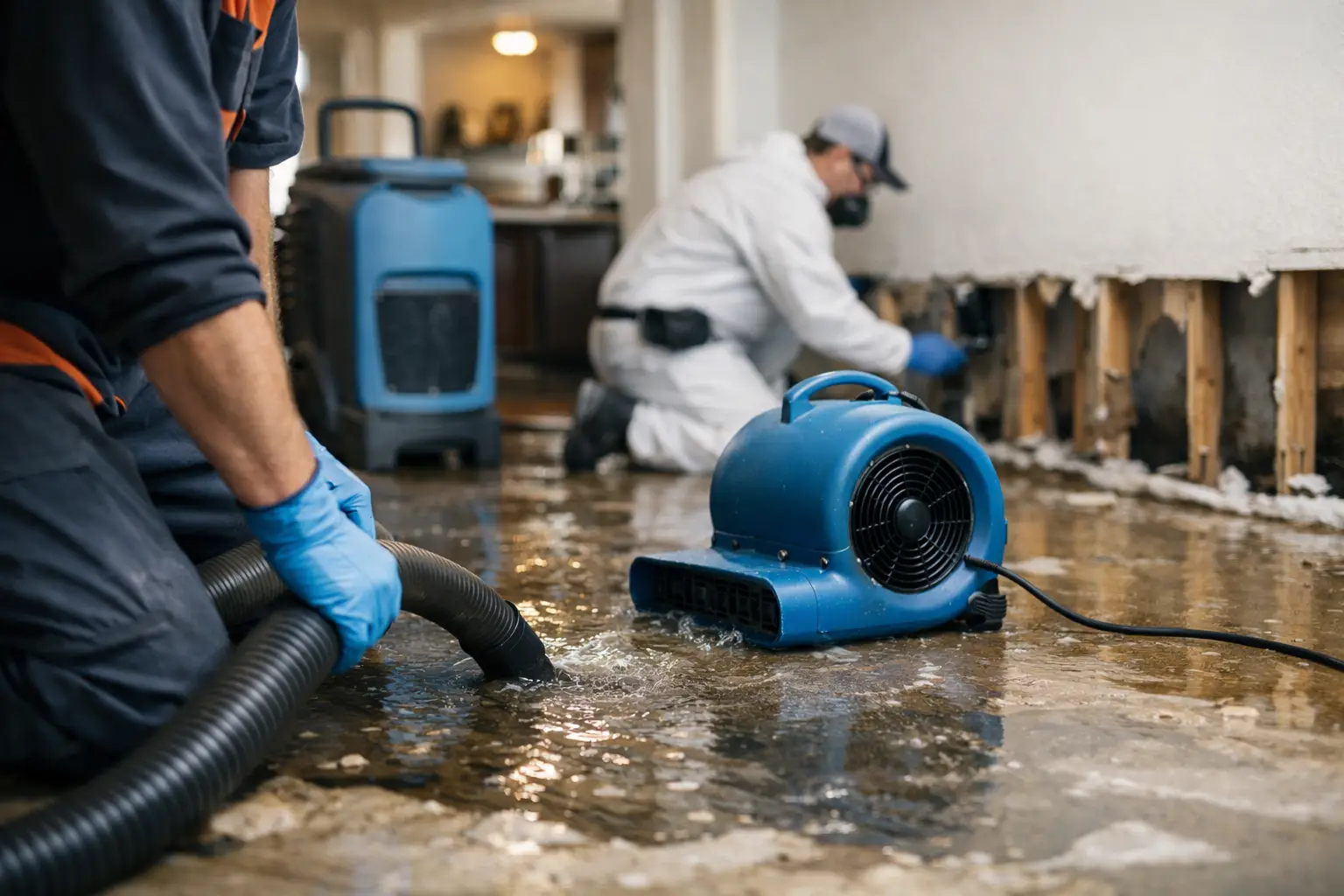 Water Damage
Extraction, structural drying, and moisture mapping after floods, leaks, and burst pipes.
Get help now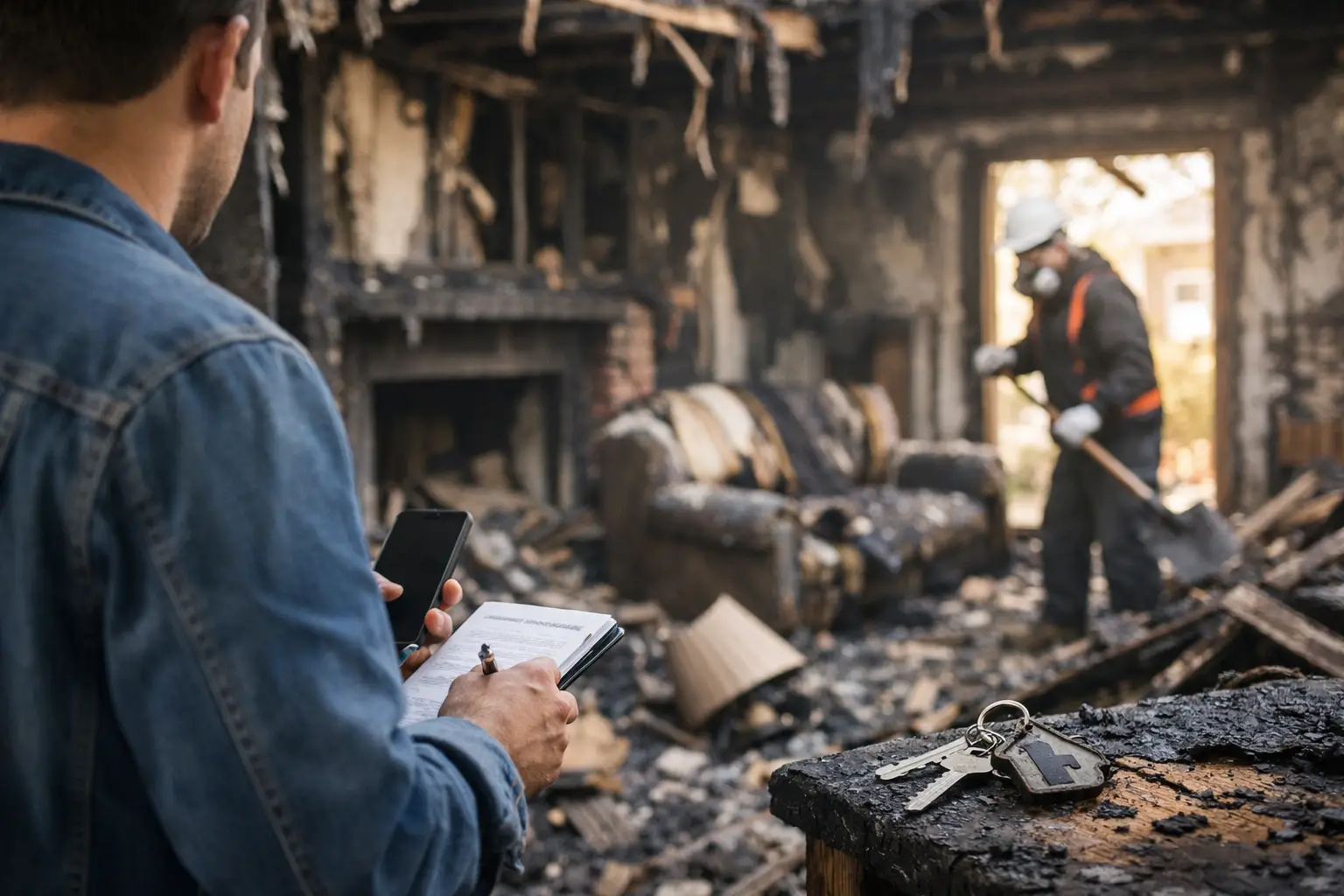 Fire & Smoke
Soot removal, odor deodorization, and content cleaning after fire and smoke damage.
Learn more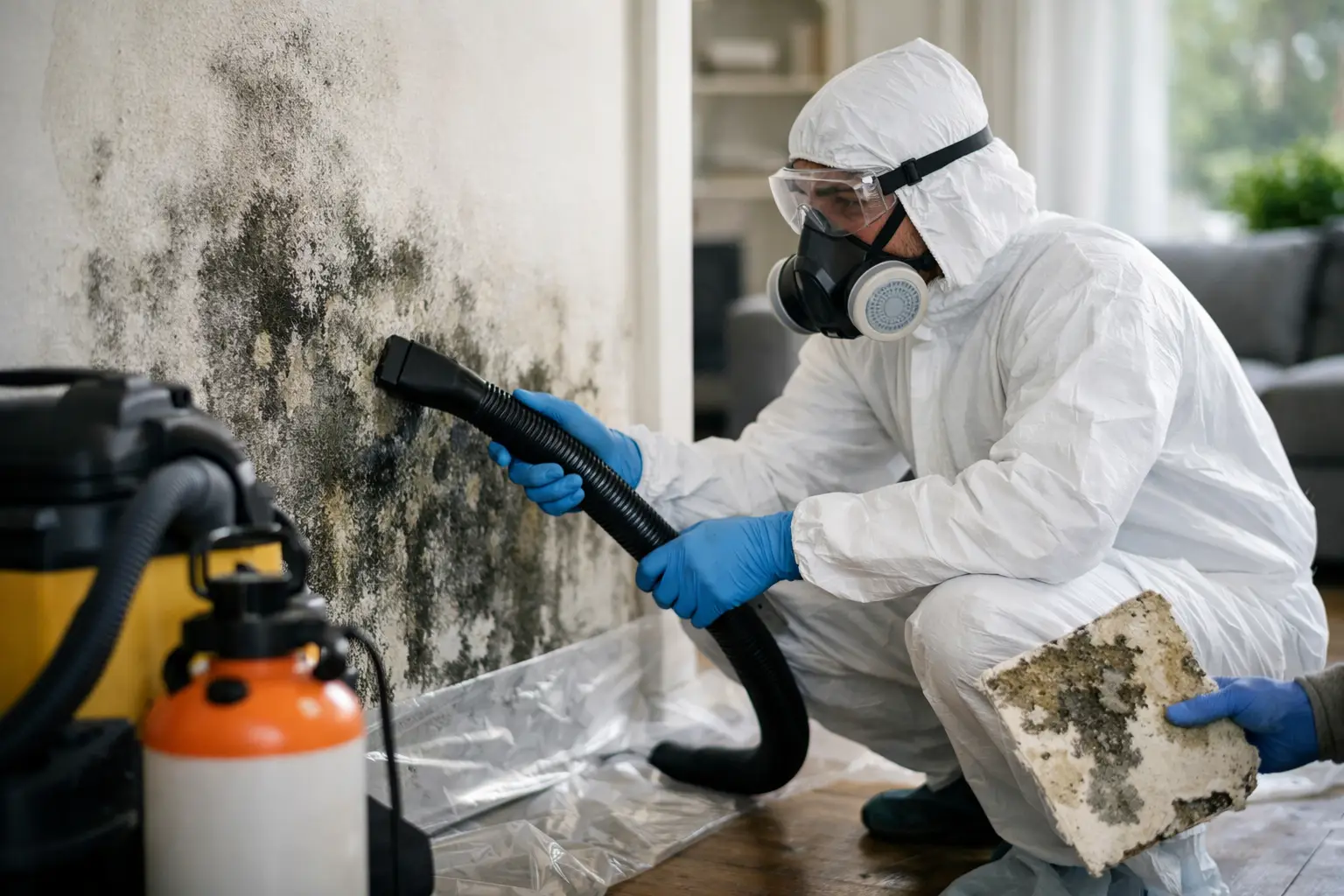 Mold
MoldContainment, removal, and moisture control that stops mold from coming back.
Learn more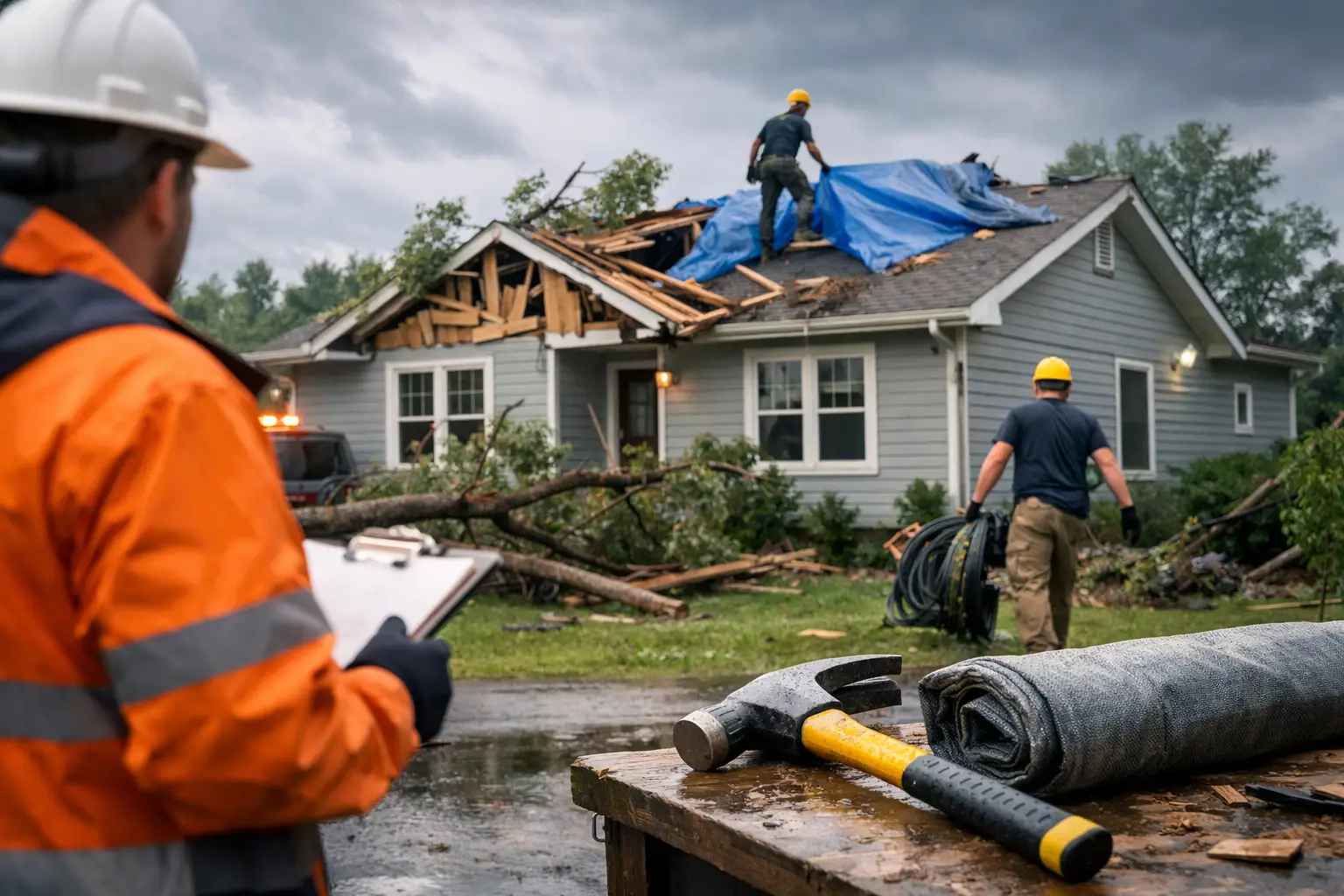 Storm
StormEmergency board-up, roof tarping, and full recovery after wind, hail, and storms.
Learn more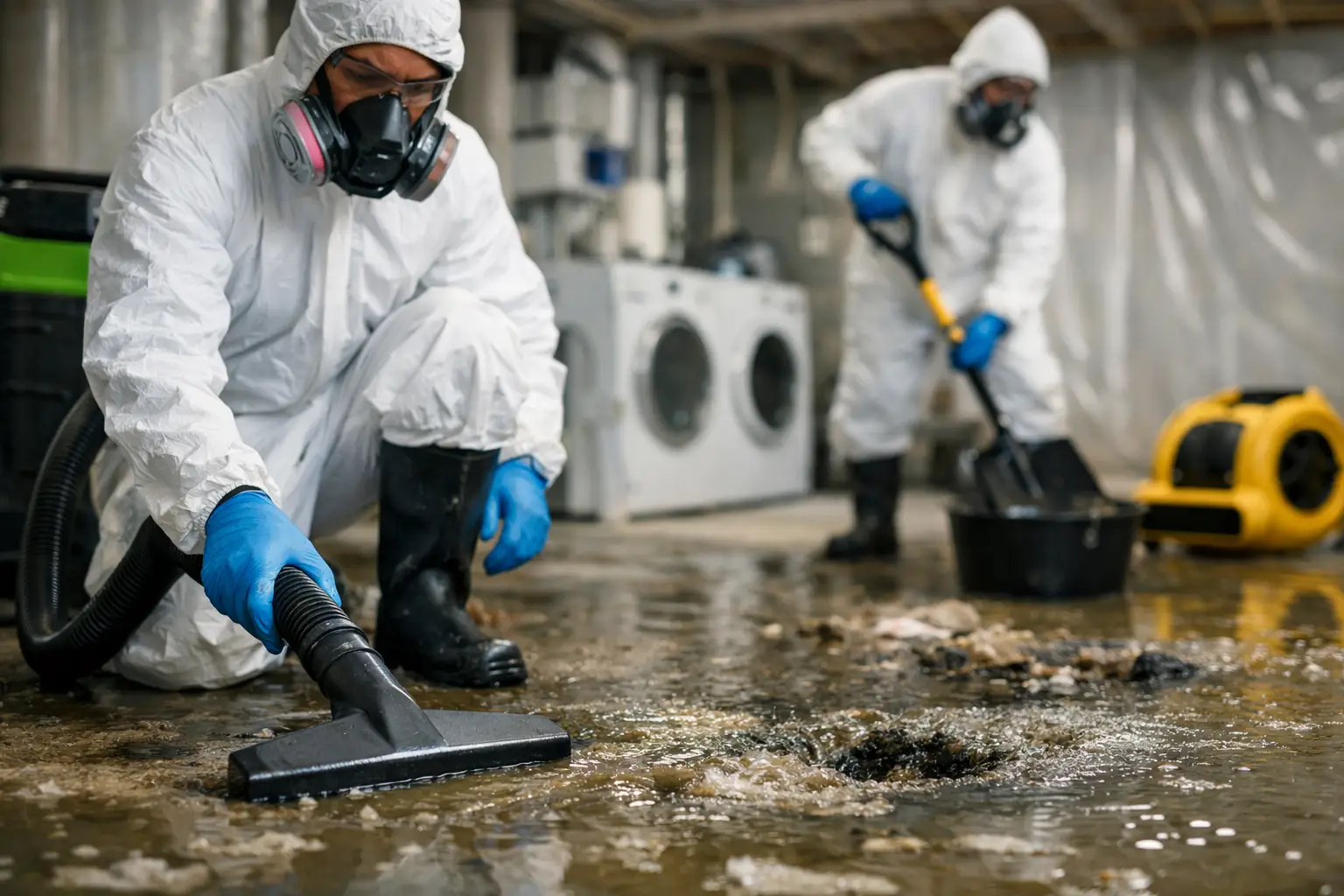 Sewage
Safe biohazard cleanup and sanitizing after sewage backups and overflows.
Learn more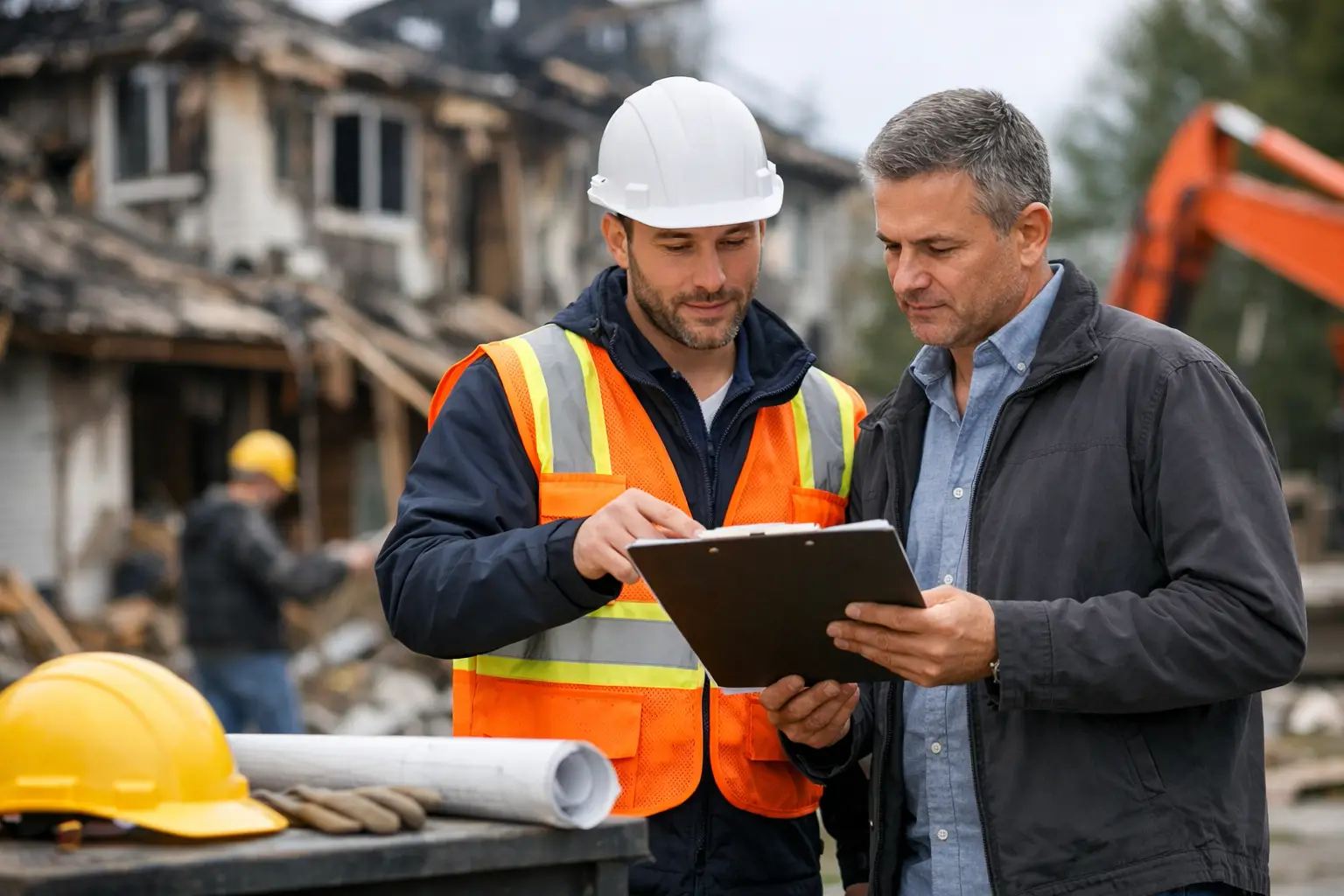 Reconstruction
Full rebuild by a licensed general contractor, so your property comes back whole.
Learn moreElevated Operations is an IICRC-certified, licensed general contractor based in Mableton that handles the entire recovery in-house, so after one loss you are never coordinating a cleanup crew, a mold crew, and a contractor separately. One team, one point of contact, from the first pump-out to the final coat of paint.
People call when the property feels like a disaster. They leave reviews because Chris and the crew made it right. These are real, verified Google reviews.
I offer 24/7 emergency response with a 60-minute emergency response target, and that matters when smoke is still active in the structure. From our Mableton base, I move quickly into Carrollton and the surrounding Carroll County exurb areas. I do not make people wait while soot keeps settling.
Yes. Open layouts can carry odor through the whole house because air moves freely across rooms, halls, and vents. I use deodorization, air scrubber support, and cleanup methods that address the source, not just the smell in one room. If HVAC is involved, I treat that as part of the job.
Then hvac cleaning becomes part of the smoke damage cleanup plan. Smoke can recirculate through supply and return pathways and keep reintroducing odor after the visible area is cleaned. I inspect the system early, because a dirty duct path can undo good work in every other room.
Sometimes, yes. It depends on the residue type and how long it sat. I start with dry soot removal and the right surface cleaning process, then decide what can be saved. If the finish is too compromised, I say that directly instead of pretending a wipe-down will solve it.
I sort contents by salvageability, exposure level, and material type, then clean them in the right order so smoke residue does not keep spreading. Contents cleaning is not an afterthought. In many Carrollton jobs, it is the difference between recovering a room and leaving odor trapped in the furniture.
Yes, I provide direct insurance billing and help with the claim process. I also offer deductible assistance up to $1,000. That helps when a smoke event hits fast and the homeowner needs cleanup moving before the paper side of the job drags on.
I own the work. Chris Kwangwari runs Elevated Operations, LLLP, and I have been in restoration since 2007. My technicians are IICRC-certified, I am a licensed general contractor, and every job is built around speed, documentation, and getting the property back under control.
Yes. I back the work with a 12-month warranty. That matters after smoke damage cleanup because the job is not finished when the visible soot is gone. It is finished when the cleaning holds, the odor is controlled, and the repaired areas stay right.
Elevated Operations dispatches IICRC-certified crews across Metro Atlanta from our Mableton base, with a 60-minute emergency response day or night. Choose your city:
Call now for an immediate response, or request your free inspection and get a certified crew on-site within the hour across Atlanta and nearby areas.