24/7 Emergency Restoration · Serving Metro AtlantaEmergency? (770) 404-6895
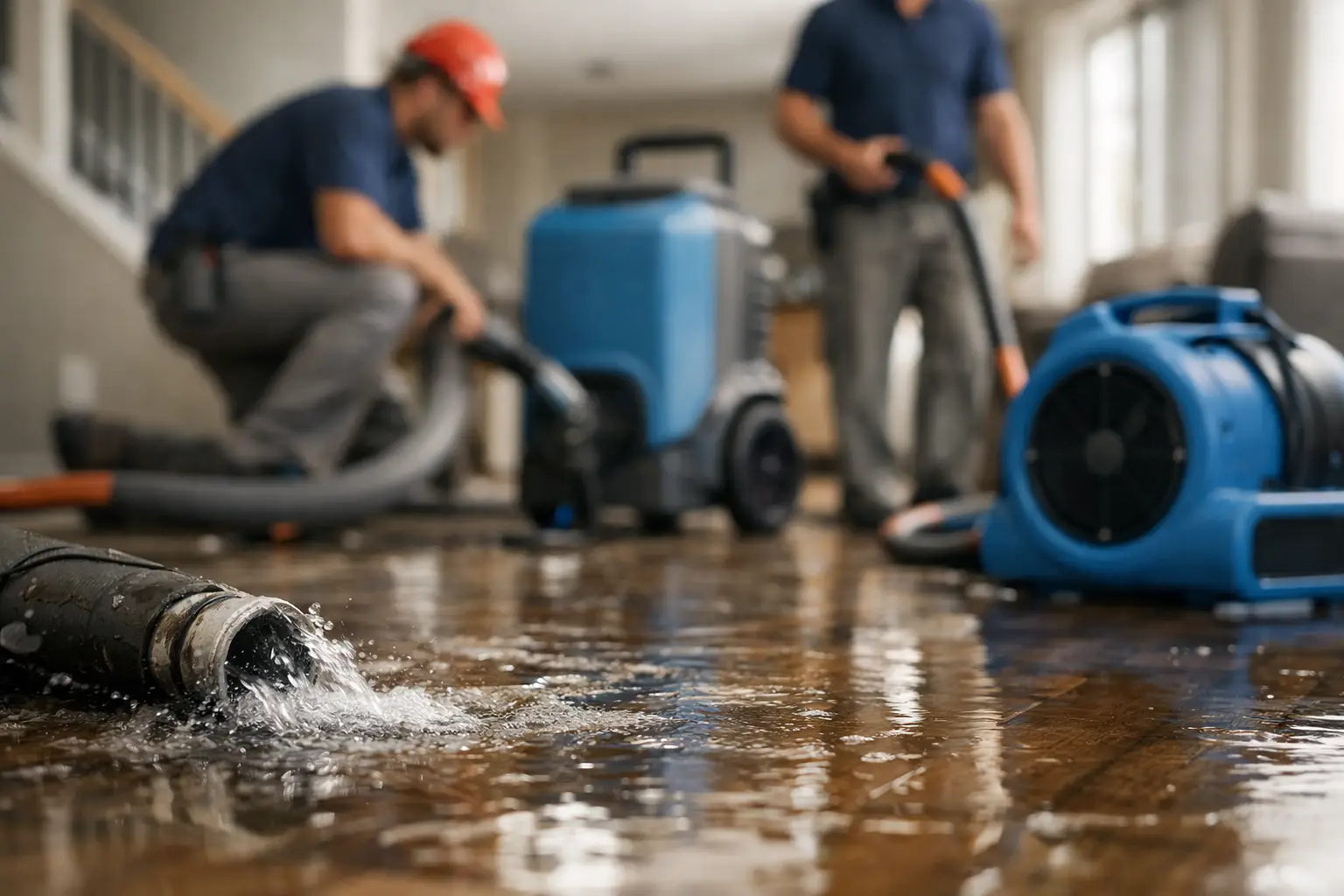
Storm damage restoration Sandy Springs starts with an honest look at scope, not a guess. I price by what the storm actually damaged, then I help you sort coverage, deductibles, and direct insurance billing so the claim stays organized from first inspection to final repair.
IICRC-Certified · 5-Star Rated · 60-Minute Response · Insurance Billed Directly
I still inspect carefully. Minor roof damage can hide water intrusion, and a small opening near the Chattahoochee can turn into a bigger claim after the next rain.
If the storm scattered debris across the property or created a safety issue, I document it. The insurer wants a clear record of what the storm left behind and why it needed removal.
Temporary boarding protects openings from more weather, theft, and interior damage. It is a practical first step, especially when wind damage repair cannot start immediately.
Yes, if the leak came through a storm-created opening. I look for the source, document the path, and connect the water intrusion to the initial storm damage.
Storm damage restoration pricing in Sandy Springs is driven by the amount of damage, the materials involved, and whether the job needs emergency protection first. I start near the Chattahoochee riverside with inspection, then separate temporary work, cleanup, drying, and permanent repair so the claim reads clearly.
I do not price storm damage restoration by a flat guess. The cost picture changes fast when a roof needs roof tarping, a home needs temporary boarding, or stormwater has already reached framing, insulation, and finishes. Sandy Springs homes near the Chattahoochee can face wind-driven rain and debris impact, so I look at access, elevation, and how much of the structure is exposed.
The first dollars in a storm job often go to stabilization. That may mean debris removal from a yard, driveway, or roofline, then roof tarping to stop more water from getting in. If the storm opened a wall or window, temporary boarding comes before cosmetic work. Those steps protect the property, and they also create a cleaner insurance file.
After emergency protection, the scope usually splits into cleanup, drying, repair, and finish work. Hail damage repair can involve shingles, flashing, gutters, or other exterior components. Wind damage repair can include missing roofing materials, lifted trim, or openings that led to water intrusion. Structural repair is priced separately because it is a different class of work than surface cleanup.
Storm damage restoration usually includes emergency protection, debris removal, drying, damage documentation, and repairs to the roof, exterior, and affected interior areas. In Sandy Springs, I tailor the scope to what the storm actually did, especially when Chattahoochee-side runoff or wind-driven rain creates hidden moisture.
I break storm damage restoration into stages so nothing gets missed. First comes emergency response, which can include roof tarping, temporary boarding, and debris removal. Then I document the loss and look for water intrusion, hidden wet materials, and any structural repair that the storm made necessary.
A complete scope may also include hail damage repair on roofing components, wind damage repair on siding or trim, and interior restoration where water passed through the building envelope. If the storm only damaged one section, I keep the scope tight. If moisture spread, the work expands to drying and repairs in adjacent areas.
Sandy Springs properties near the Chattahoochee can be deceptive. A roof can look fine from the street while rain has already moved under flashing or around vents. I inspect with that in mind. That is how I keep the claim accurate and avoid under-scoping the job.
I fix storm damage to a house by stopping active leaks first, then drying, documenting, and repairing each affected layer in order. In Sandy Springs, that often means emergency tarping, debris removal, then roof, exterior, and structural repair before interior finishes go back in place.
The sequence matters. If a storm damaged the roof, I want roof tarping in place before any more rain reaches the attic or ceilings. If windows or doors were compromised, temporary boarding stops new intrusion. Once the home is stabilized, I inspect for hidden moisture and determine whether structural repair is needed before any closing work starts.
After the structure is protected, the repair plan gets more specific. Wind damage repair may involve replacing lifted materials or rebuilding damaged exterior sections. Hail damage repair can be more limited, or it can reach deeper layers if the roofing system took a hard hit. I do not treat every storm loss the same because the claim should match the actual damage.
For Sandy Springs homes, especially those closer to the river corridor, I pay close attention to secondary damage. Water can move quietly once it gets past the first layer. That is why I document everything, from debris removal to final repairs, so the insurer sees the full path of the loss.
Yes, roof tarping should happen quickly after storm damage when the roof is open or leaking. In Sandy Springs, I treat it as a first response step, not an optional add-on, because it limits further water intrusion and keeps the repair scope from growing near the Chattahoochee.
Roof tarping is about damage control. If shingles are missing, flashing is lifted, or a limb hit the roof, waiting can turn a repair into a larger claim. I use tarping to block new rain, especially when storms roll through the river corridor and another weather system is close behind.
Tarping does not fix the roof. It buys time and reduces avoidable loss. That matters for insurance too, because insurers want to see that the property owner acted reasonably after the storm. I document the emergency step, then move into the permanent repair plan once the home is safe to work on.
If the roof opening is combined with gutter damage, siding impact, or attic wetting, the cost picture changes. Temporary protection is still the first move. After that, I can sort what is true hail damage repair, what is wind damage repair, and what is just a consequence of delayed action.
Yes, storm damage can lead to water intrusion the same day, especially when wind lifts materials or hail cracks protective surfaces. In Sandy Springs, I see this risk rise when homes near the Chattahoochee take heavy rain after the storm has already opened a path inside.
Water intrusion is often the hidden cost of storm damage. The storm may start with visible roof loss or broken trim, but the expensive part can be moisture in the attic, walls, or flooring. That is why I do not stop at the obvious exterior damage when I inspect a claim.
If water gets inside, the cost picture shifts from simple exterior repair to a broader restoration scope. You may need drying, removal of damaged materials, and structural repair before finishes can be restored. I also look for whether the leak spread far from the entry point, because water rarely stays put.
Near the Chattahoochee riverside, stormwater and wind can work together against a house. The exterior may look serviceable until a ceiling stain or warped trim shows up. I treat those signs seriously, because the longer water stays hidden, the more complicated the repair and insurance file become.
Insurance usually covers sudden storm-related damage that is part of a covered loss, such as roof, siding, or interior damage from wind or hail. In Sandy Springs, I help homeowners separate covered damage from maintenance issues so the claim stays focused and defensible.
The key word is sudden. Insurance is usually aimed at damage caused by a specific storm event, not wear, neglect, or old deterioration. That means hail damage repair, wind damage repair, and water intrusion from a storm-created opening may be covered if the policy applies and the facts support the claim.
I document the cause and the resulting damage in plain language. That includes photos, notes on debris removal, emergency tarping, and any structural repair needed to return the home to its pre-loss condition. If the loss is near the Chattahoochee corridor, I also note the weather and access issues that affected the emergency response.
Every claim is different, so I do not promise coverage on a guess. I do help the homeowner understand what the insurer is likely to review: direct physical damage, the emergency steps taken, and whether the repair scope matches the storm event. That keeps the process grounded.
I start with 24/7 emergency response, then roof tarping, temporary boarding, or debris removal if the storm left the property exposed.
The bill follows the actual damage, not a blanket estimate. Roof, exterior, drying, and structural repair are separated so the claim is easier to review.
I offer direct insurance billing, which helps keep paperwork organized while the claim moves through inspection and adjustment.
I can provide deductible assistance up to $1,000, which helps when the claim is approved and the homeowner is managing out-of-pocket costs.
IICRC-certified technicians, a licensed general contractor, and a 12-month warranty give the repair side of the claim real structure.
From emergency mitigation to full reconstruction, handled in-house so you are never managing a chain of subcontractors mid-crisis.
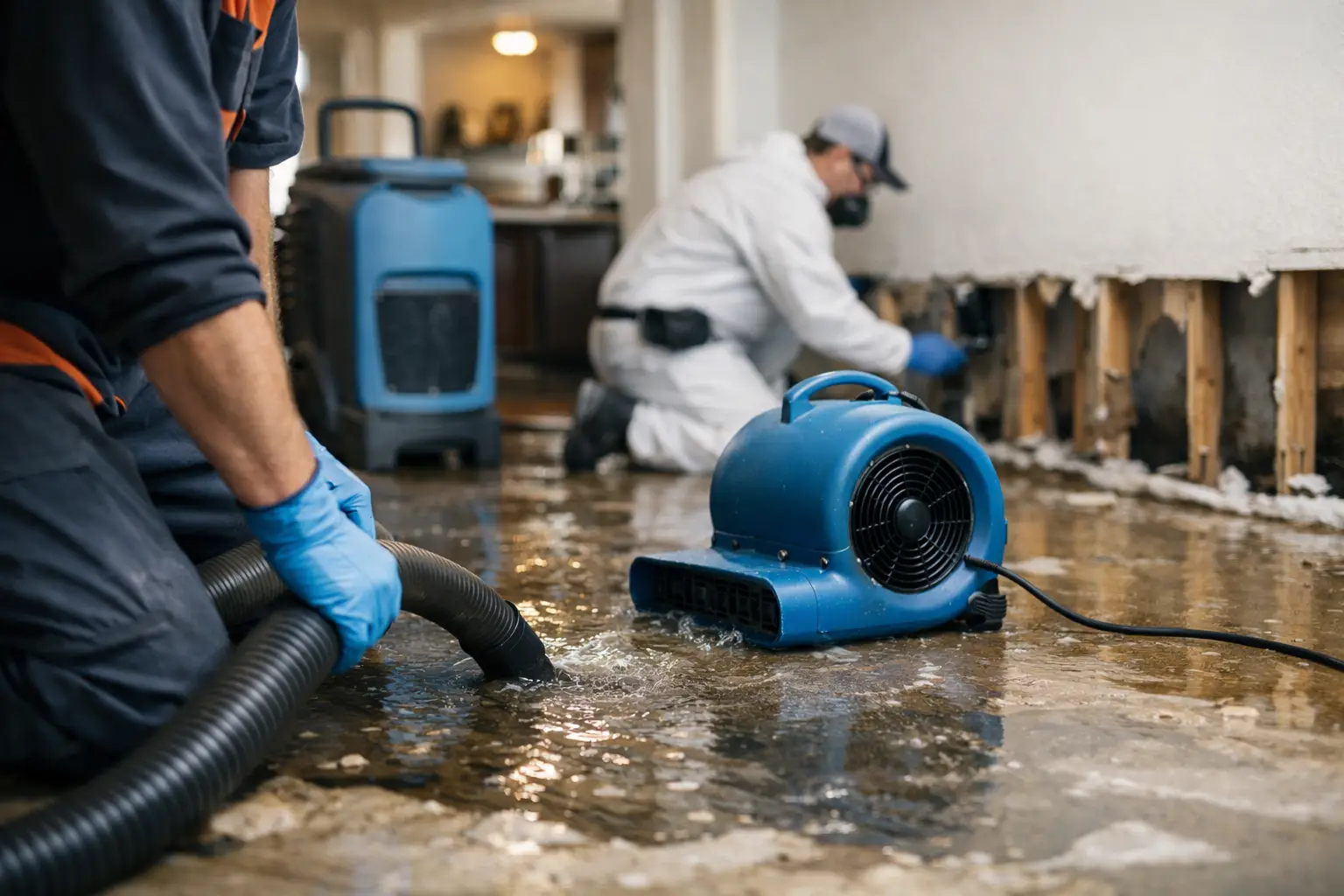 Water Damage
Extraction, structural drying, and moisture mapping after floods, leaks, and burst pipes.
Get help now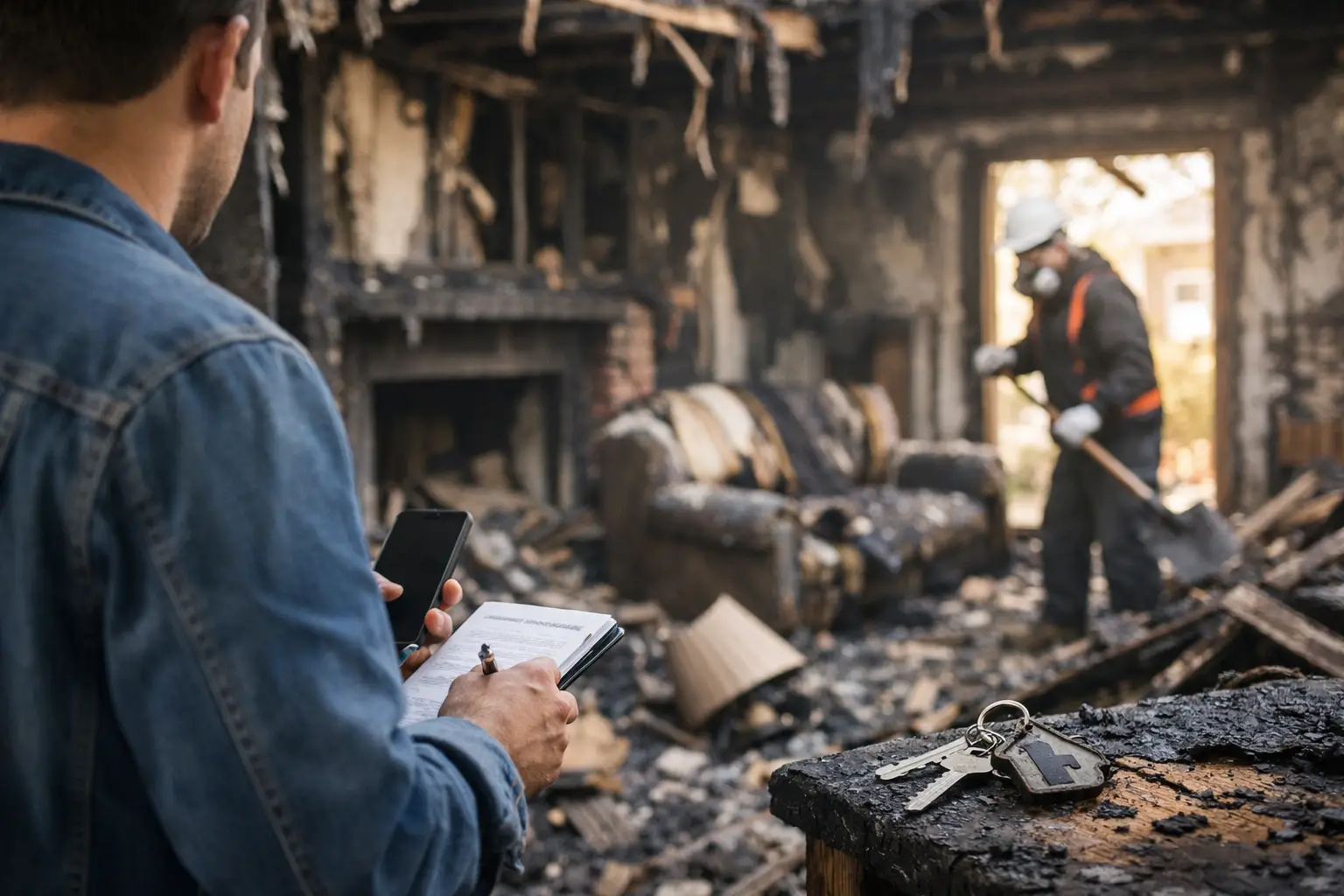 Fire & Smoke
Soot removal, odor deodorization, and content cleaning after fire and smoke damage.
Learn more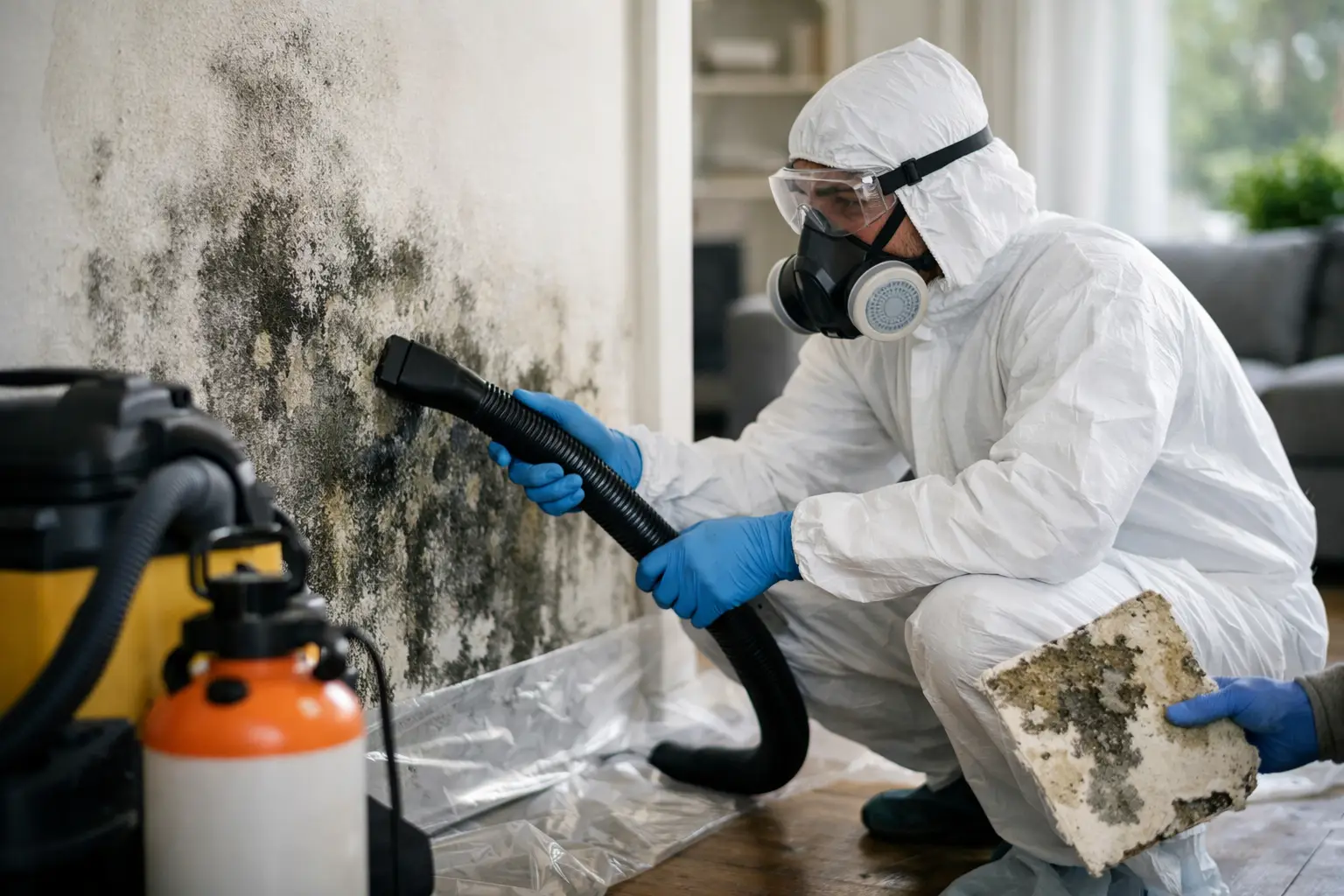 Mold
MoldContainment, removal, and moisture control that stops mold from coming back.
Learn more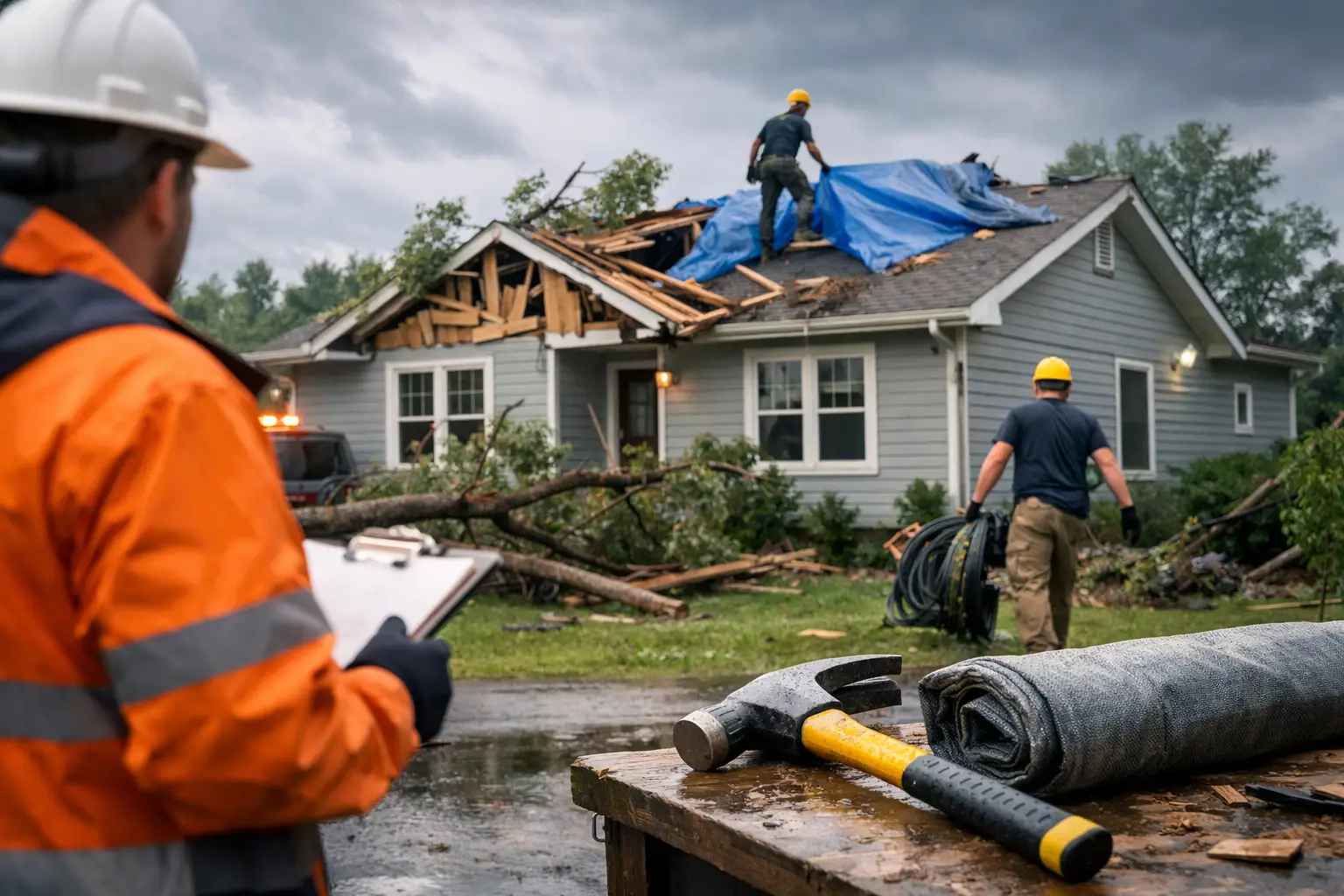 Storm
StormEmergency board-up, roof tarping, and full recovery after wind, hail, and storms.
Learn more Sewage
Safe biohazard cleanup and sanitizing after sewage backups and overflows.
Learn more Reconstruction
Full rebuild by a licensed general contractor, so your property comes back whole.
Learn moreElevated Operations is an IICRC-certified, licensed general contractor based in Mableton that handles the entire recovery in-house, so after one loss you are never coordinating a cleanup crew, a mold crew, and a contractor separately. One team, one point of contact, from the first pump-out to the final coat of paint.
People call when the property feels like a disaster. They leave reviews because Chris and the crew made it right. These are real, verified Google reviews.
They usually look at whether the damage was sudden, storm-related, and documented clearly. I help by separating covered storm loss from older wear, then I record the emergency steps, the affected materials, and the repair path. Near the Chattahoochee, I also note water entry points and weather exposure because those details support the claim file.
Your out-of-pocket amount usually depends on the deductible and any non-covered items in the scope. I do not invent numbers, because every claim is different. What I do is explain the estimate line by line, help document the loss for insurance, and offer deductible assistance up to $1,000 when the job qualifies.
Yes, I do direct insurance billing. That keeps the process cleaner when a Sandy Springs home near the Chattahoochee needs emergency protection, cleanup, and repair. I coordinate the paperwork so the claim tracks the actual work, from roof tarping to final restoration, without making the homeowner carry the whole administrative load.
Hail damage repair can affect the claim by changing the scope from a small patch job to a broader roofing review. I inspect the roof system, not just the visible marks, because hail can damage shingles, flashing, and related components. That documentation helps the insurer see whether the loss is isolated or more extensive.
No, if the roof is open or leaking, roof tarping should happen right away. Waiting can allow more water intrusion and make the loss worse. I document the emergency tarping, then keep the insurer informed. That is the right order for homes near the Chattahoochee and across Sandy Springs.
Yes, it can. Wind damage repair sometimes stops at shingles, trim, or exterior cladding, but older homes may have deeper issues if the storm opened the building envelope. I check for structural repair needs before finishing the job, because surface damage and framing damage are not the same thing.
I offer 60-minute emergency response 24/7. That matters when a storm leaves a roof open, trees down, or water coming in near the Chattahoochee riverside. The first step is stabilization, then I move into documentation and the restoration plan so the claim and the repairs stay aligned.
I am owner Chris Kwangwari, in restoration since 2007, and I run Elevated Operations, LLLP from Mableton with a licensed general contractor on the team. I keep the process tight, use IICRC-certified technicians, and focus on what the storm actually caused, which matters when claims run through Sandy Springs homes near the river.
Elevated Operations dispatches IICRC-certified crews across Metro Atlanta from our Mableton base, with a 60-minute emergency response day or night. Choose your city:
Call now for an immediate response, or request your free inspection and get a certified crew on-site within the hour across Atlanta and nearby areas.