24/7 Emergency Restoration · Serving Metro AtlantaEmergency? (770) 404-6895
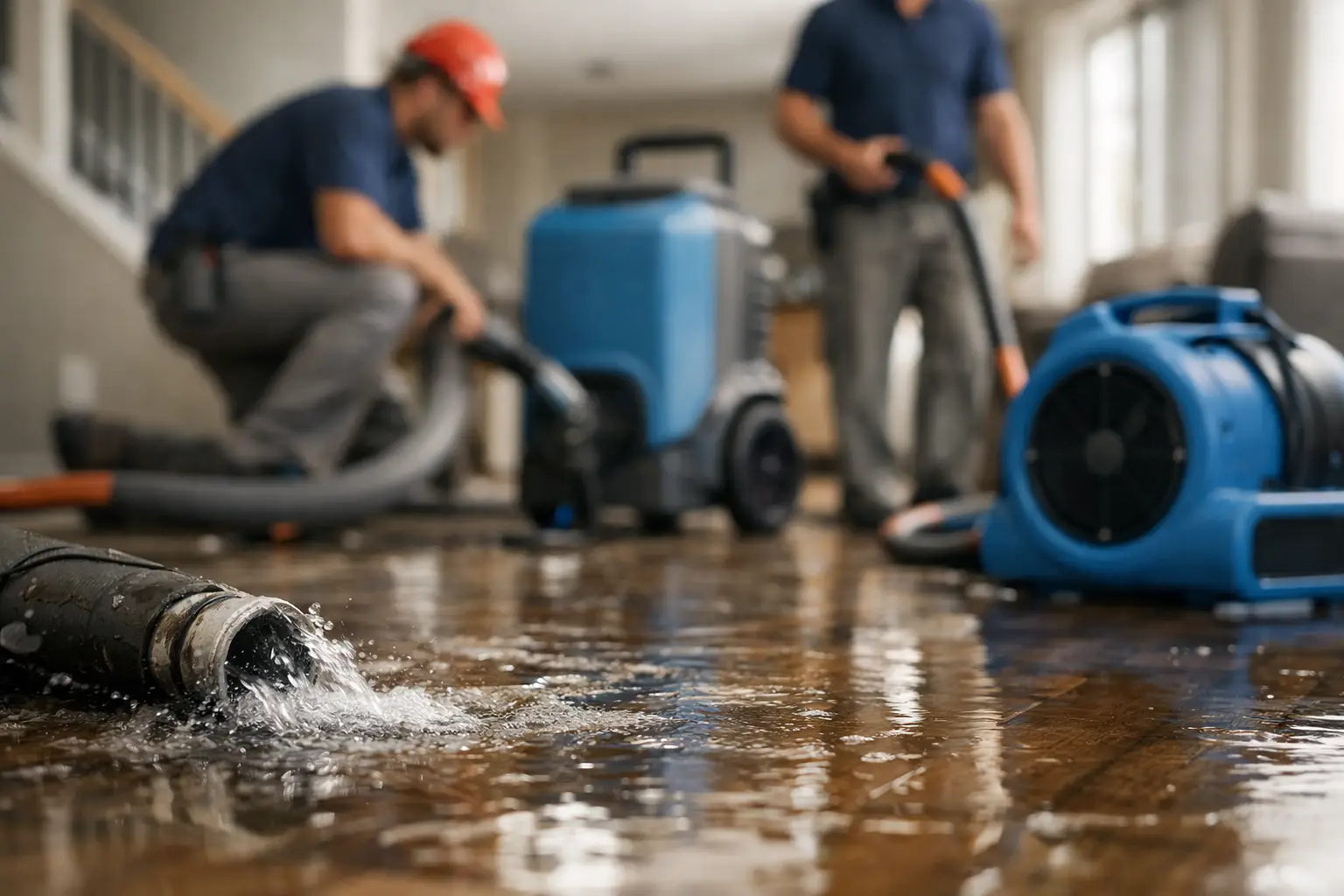
Smoke and soot cleanup Decatur starts with facts, not guesswork. I am Chris Kwangwari, owner of Elevated Operations, and I handle smoke damage cleanup in Decatur’s Craftsman bungalows, plaster walls, and heart-pine trim the right way, with direct insurance billing, IICRC-certified technicians, and a 12-month warranty.
IICRC-Certified · 5-Star Rated · 60-Minute Response · Insurance Billed Directly
Yes. I respond 24/7, and emergency calls get a 60-minute emergency response. Smoke does not wait, and neither do I.
Yes. My technicians are IICRC-certified, and I am a licensed general contractor. That combination matters when cleanup and repair both need to happen.
Yes. I use direct insurance billing, so you are not stuck handling every step alone while the soot is still on the walls.
I back the work with a 12-month warranty. If the job is done, it should stay done, and I stand behind that.
Myth: if the room smells fine after a day or two, the smoke is gone. Fact: smoke residue often hides in plaster pores, trim joints, and attic dust, especially in Decatur’s older Craftsman homes with heart-pine and original finishes.
I see this mistake all the time in Decatur. A house on one of those older streets can look clean on the surface, then the odor comes back when humidity rises or the HVAC starts moving air again.
Smoke damage cleanup is not just wiping what you can see. Fine soot lands in cavities, behind outlet covers, along baseboards, and inside return paths. On plaster, it can bond in ways simple household cleaning never touches.
And in homes with cast-iron laterals and older construction details, smoke can ride through concealed spaces and linger. That is why I start with inspection, then I decide on surface cleaning, deodorization, and contents cleaning based on the actual residue, not a guess.
Myth: strong scrubbing gets soot out faster. Fact: aggressive scrubbing can grind particles into heart-pine, stain plaster, and smear residue across cabinets, trim, and ceilings, so proper smoke and soot cleanup starts with dry removal and controlled cleaning.
I do not start with a wet rag and hope for the best. Soot is acidic, and on Decatur’s older woodwork it can smear fast. I use careful containment, then the right sequence of soot removal, surface cleaning, and if needed air scrubber support to keep particles from spreading.
That matters in Craftsman bungalows with original trim and plaster walls. One wrong pass can push residue deeper into the finish. The job is not about force. It is about matching the cleaning method to the material and the type of smoke damage.
When odor is present, I add deodorization after cleaning, not before. If HVAC has carried odor through the house, hvac cleaning may be part of the smoke damage cleanup plan. The goal is simple: remove residue, stop spread, and leave no hidden film behind.
Myth: air fresheners, candles, or a quick spray can permanently fix odor. Fact: smoke odor removal requires cleaning the residue source, treating porous materials, and sometimes contents cleaning and deodorization so the smell is not re-released later.
Odor is not just in the air. It sits in fabrics, insulation, wood grain, and dusty cavities. In Decatur homes with plaster, heart-pine, and older trim profiles, odor can hide where cheap sprays never reach.
I am direct about this because homeowners deserve the truth. If smoke touched soft goods, drapes, furniture, or stored items, contents cleaning may be necessary. If the HVAC moved odor through the home, hvac cleaning can help limit recurrence after the visible soot is gone.
I also do not promise magic. I promise the right process: source removal, detailed cleaning, and deodorization that addresses the material, the airflow, and the residue. Some odors clear fast, some take more work, but covering them up is never the answer.
Myth: any cleaner will remove soot from walls and ceilings. Fact: the wrong product can streak paint, damage plaster, or leave shadowing, so soot removal has to match the finish, the smoke type, and the age of the surface.
Ceilings and walls in Decatur often tell the whole story. In a plaster home, soot can sit in tiny pores and joints. On painted drywall, it can streak if you wipe it the wrong way. On old wood trim, it can ghost across the grain.
I use surface cleaning methods that respect the material. Sometimes that means dry soot removal first, sometimes a careful wet phase, and sometimes a second pass because smoke damage cleanup is about the finish as much as the stain.
If the fire or heat pushed residue into nearby rooms, I look beyond the obvious wall and ceiling spots. That is where an air scrubber and controlled cleanup help keep loose particles from resettling while I work through the visible damage.
Myth: you can wait a week and clean later. Fact: smoke cleanup should start as soon as the scene is safe, because soot keeps settling and odors keep bonding to porous materials like plaster, heart-pine, and fabric.
The sooner I can begin, the better the outcome usually is. Smoke residue becomes harder to remove as it sits, and odor can lock deeper into finishes and belongings. That is especially true in older Decatur houses with original materials.
I offer 24/7 emergency response and a 60-minute emergency response because smoke does not wait for business hours. When the fire is out and access is safe, I want to stabilize the loss, document the damage, and begin smoke and soot cleanup fast.
Waiting gives soot more time to spread through HVAC pathways, settle on top of furniture, and stain trim. Fast action does not mean rushed work. It means the right work starts before the residue gets a stronger grip.
Myth: a small smoke problem is a simple weekend project. Fact: even a limited fire can leave residue in hidden spaces, cabinet edges, return vents, and wall cavities, so professional smoke damage cleanup is often the safer move.
A small kitchen flare-up can still coat nearby rooms. I have seen homeowners in Decatur wipe the visible spot and miss the odor in fabrics, the film on the ceiling, and the soot hiding along window trim and door casings.
Professional help matters because IICRC-certified technicians know how residue behaves on different materials. I am also a licensed general contractor, so if the damage involves structural repairs after the cleanup, I can coordinate the work instead of sending you in circles.
And yes, insurance matters. I use direct insurance billing, and I offer deductible assistance up to $1,000 when eligible. That lets people focus on getting their house back, not on juggling paperwork while soot is still sitting in the room.
Fact: smoke travels. In Decatur homes, it moves through hallways, attic spaces, and HVAC returns, then settles on plaster, heart-pine, and cabinets far from the original fire.
Fact: odor means residue is still present. Real odor removal comes from cleaning the source, then deodorization, contents cleaning, and sometimes hvac cleaning when the system carried smoke through the home.
Fact: old finishes need the right method, not avoidance. I clean plaster, trim, and wood with a careful process so soot removal does not smear, stain, or grind debris deeper into the surface.
From emergency mitigation to full reconstruction, handled in-house so you are never managing a chain of subcontractors mid-crisis.
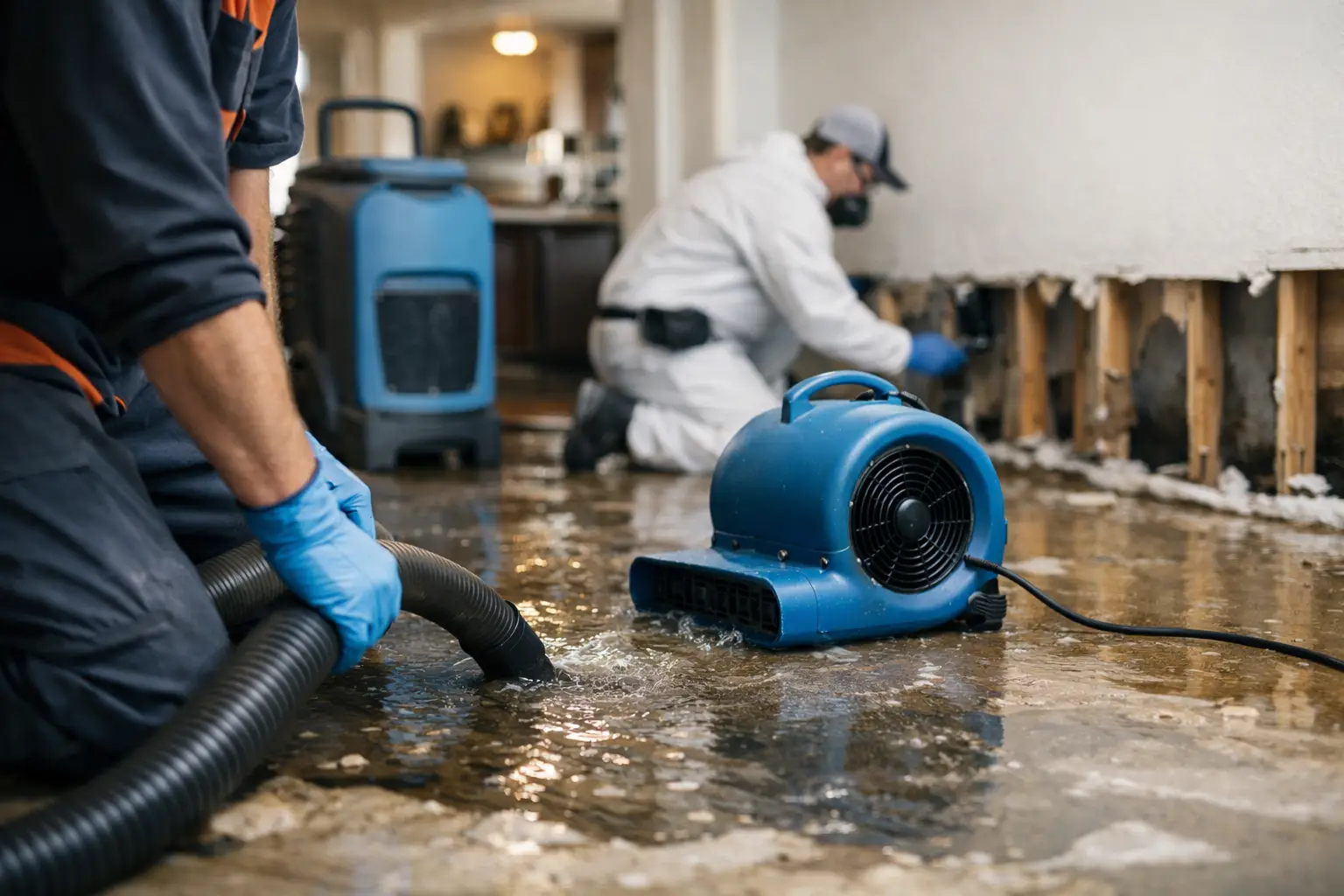 Water Damage
Extraction, structural drying, and moisture mapping after floods, leaks, and burst pipes.
Get help now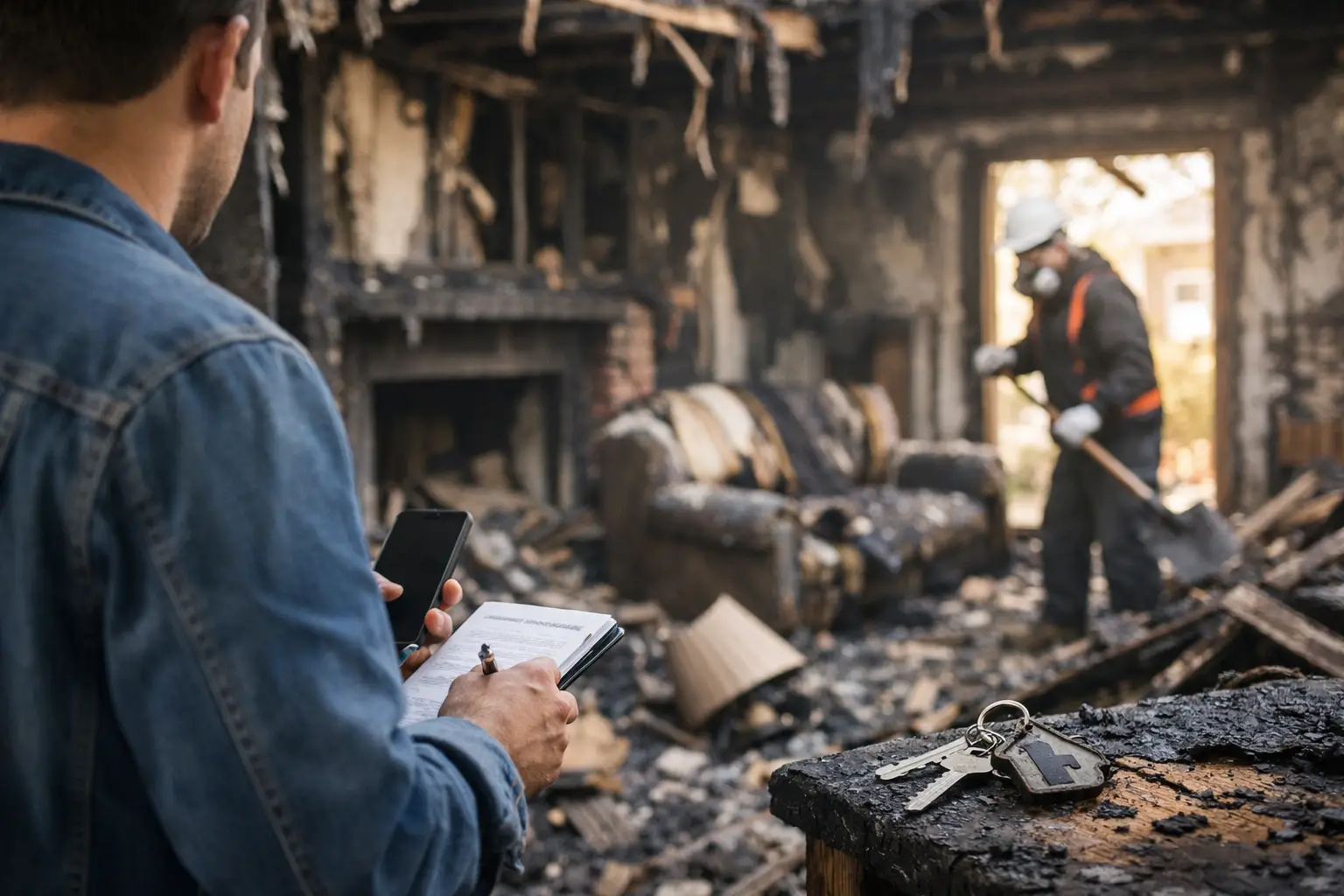 Fire & Smoke
Soot removal, odor deodorization, and content cleaning after fire and smoke damage.
Learn more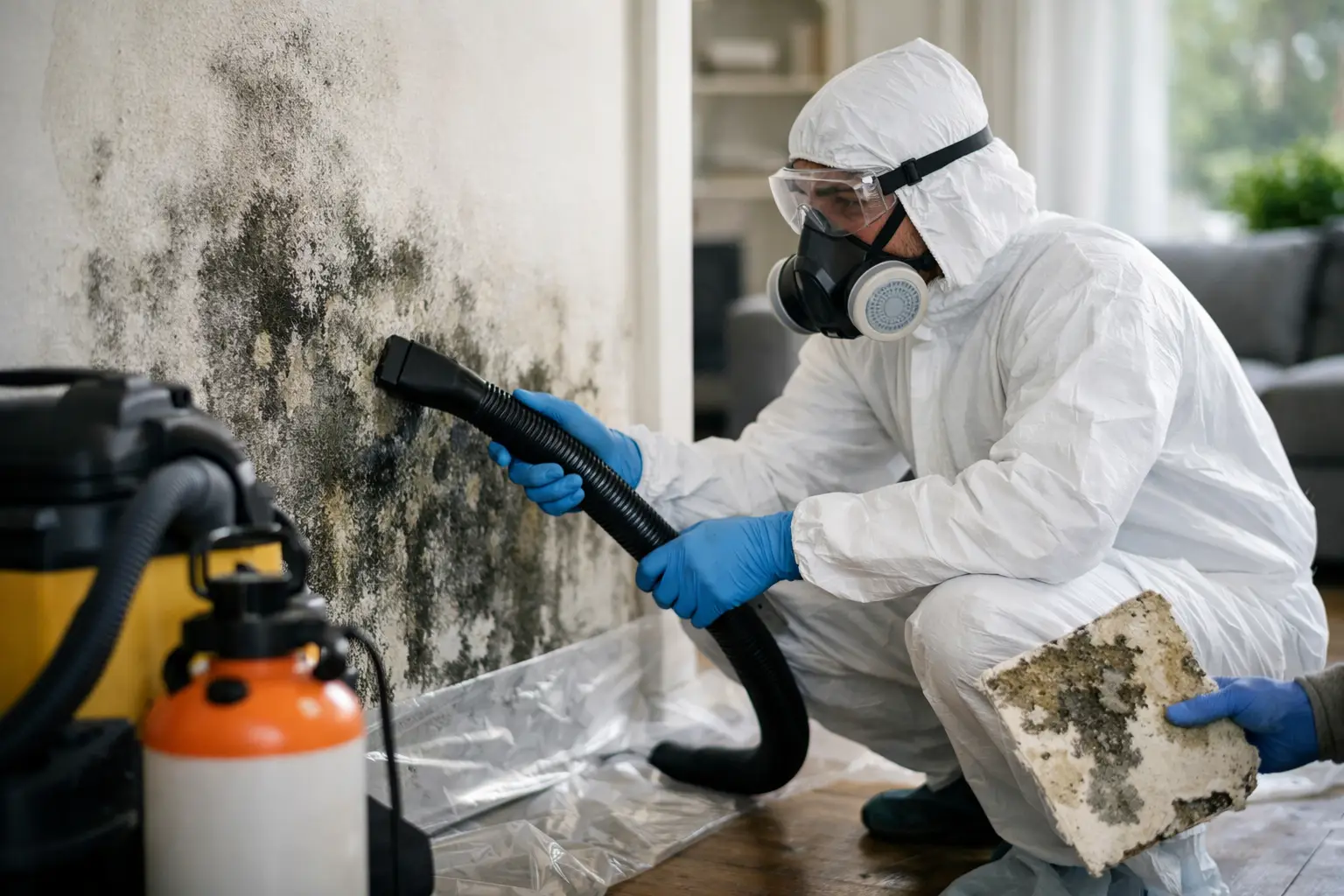 Mold
MoldContainment, removal, and moisture control that stops mold from coming back.
Learn more Storm
StormEmergency board-up, roof tarping, and full recovery after wind, hail, and storms.
Learn more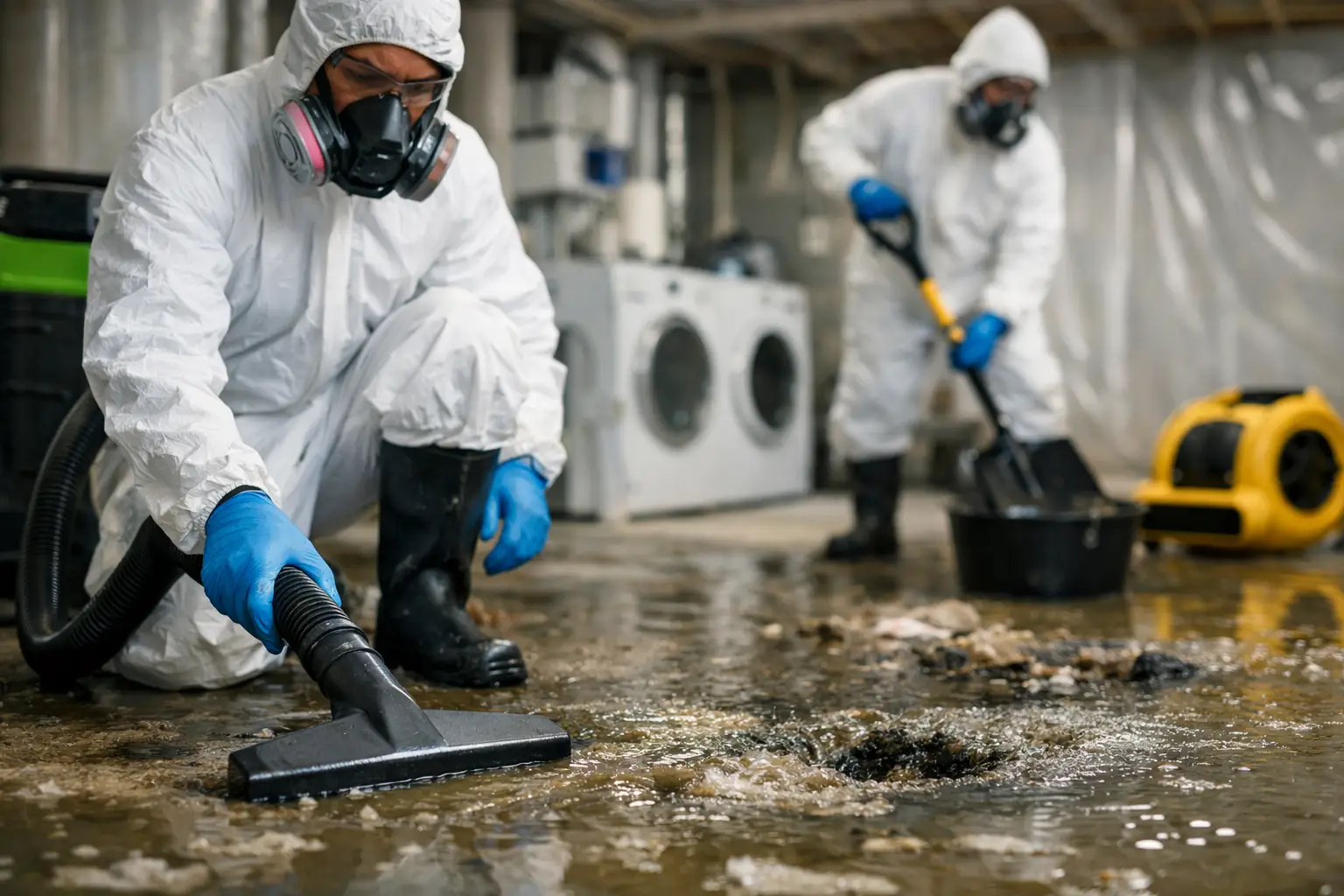 Sewage
Safe biohazard cleanup and sanitizing after sewage backups and overflows.
Learn more Reconstruction
Full rebuild by a licensed general contractor, so your property comes back whole.
Learn moreElevated Operations is an IICRC-certified, licensed general contractor based in Mableton that handles the entire recovery in-house, so after one loss you are never coordinating a cleanup crew, a mold crew, and a contractor separately. One team, one point of contact, from the first pump-out to the final coat of paint.
People call when the property feels like a disaster. They leave reviews because Chris and the crew made it right. These are real, verified Google reviews.
Because the odor usually was not removed at the source. In older Decatur homes with plaster, heart-pine, and layered trim, smoke can hide in pores, dust, and fabric. If the HVAC moved it around, the smell can return when the system runs or humidity changes. Proper smoke damage cleanup targets the residue, then deodorization finishes the job.
As soon as the area is safe and access is allowed. Soot settles fast, and odor bonds to porous materials even faster. In older Decatur houses, delays can turn a manageable cleanup into a deeper project involving more surface cleaning, contents cleaning, and possible hvac cleaning if smoke traveled through the system.
The right process removes loose soot first, then uses a cleaner matched to the finish and the smoke type. On plaster, I avoid harsh scrubbing because it can streak or grind residue into the surface. Careful soot removal and controlled surface cleaning work better than force, especially in older Decatur construction.
Often, yes, but only if the source residue is removed from the floors, trim, and nearby materials. Heart-pine can hold odor in its grain, so deodorization has to follow cleaning, not replace it. If smoke entered contents or the HVAC, those pieces need attention too.
If smoke passed through the system, yes, it can matter a lot. Decatur homes with older duct paths or return openings can keep recirculating odor and fine soot. I look at the air handler, returns, and filters as part of smoke and soot cleanup so residue does not keep spreading.
That still counts as real smoke damage cleanup. Cabinets, trim, and door casings can hold a sticky film that becomes visible again later. I clean the surfaces, check adjacent walls and ceilings, and decide whether deodorization or contents cleaning is also needed based on what the residue is doing.
Yes. I use direct insurance billing, and I can help with deductible assistance up to $1,000 when eligible. That matters when you are dealing with smoke damage cleanup, because the paperwork can be just as frustrating as the soot. I keep the process moving and document the work clearly.
Because smoke follows air paths and hidden openings. In older Decatur houses, it can move through attic spaces, wall gaps, and around plumbing or lateral penetrations, then settle where you least expect it. That is why I inspect beyond the obvious room before I start soot removal or deodorization.
Elevated Operations dispatches IICRC-certified crews across Metro Atlanta from our Mableton base, with a 60-minute emergency response day or night. Choose your city:
Call now for an immediate response, or request your free inspection and get a certified crew on-site within the hour across Atlanta and nearby areas.