24/7 Emergency Restoration · Serving Metro AtlantaEmergency? (770) 404-6895
Fire damage restoration Riverdale starts with one call, then I move fast to secure the property, stop more damage, and begin cleanup. From Riverdale’s older subdivisions to homes near the airport corridor in Clayton County, my crew handles fire cleanup, soot removal, and smoke odor removal with direct insurance billing and a 12-month warranty.
IICRC-Certified · 5-Star Rated · 60-Minute Response · Insurance Billed Directly
Yes. I answer fire calls 24/7 and move with a 60-minute emergency response when the property needs immediate stabilization.
They are. My team uses IICRC-certified technicians for fire damage restoration, soot removal, and smoke odor removal work.
Yes. I use direct insurance billing and can assist with deductibles up to $1,000 when eligible.
I am Chris Kwangwari, owner of Elevated Operations, LLLP, based in Mableton and serving Riverdale across Clayton County.
The first hour is about safety, stabilization, and stopping the loss from spreading. I send IICRC-certified technicians, secure the property with board up services if needed, and start documenting damage for insurance while smoke and soot are still active on surfaces.
Riverdale fires move fast through older subdivisions where attics, trim, and small crawl spaces can trap heat and smoke. I treat that first hour like a race against secondary damage, because soot keeps etching, moisture from suppression water keeps spreading, and odor sinks deeper by the minute.
And I do not waste time on guesswork. We start with a controlled inspection, coordinate emergency access, and isolate the worst areas so debris removal and fire cleanup can begin without pushing contamination into cleaner rooms.
If you live near the airport side of Clayton County, you already know access can be tight on some streets and lots. That is why I plan the response around the actual property, the structure, and the layout, not a generic fire checklist.
Fire damage restoration Riverdale follows a sequence, emergency securing, debris removal, soot removal, smoke odor removal, content cleaning, and then structural repair if the fire damaged framing or finishes. I keep the work in order so we do not clean over contamination or rebuild on unstable material.
The process starts with a hard look at what burned, what smoked, and what was wet from suppression efforts. In Riverdale homes, especially older subdivisions, I often find damage in hidden places, behind cabinets, in closets, and above ceilings where smoke traveled farther than the flame.
After that, we remove debris, separate salvageable items, and begin soot removal with methods matched to the surface. This matters because the wrong move can drive residue deeper into drywall, wood, and HVAC pathways, which is why speed and sequence matter more than brute force.
Then comes odor control and, when needed, structural repair. If the building envelope is open, we can hold it with board up services, then move into drying, cleaning, and rebuilding. Direct insurance billing keeps the paperwork from slowing the job down.
A lot can be saved if I get there fast and the structure is secured. Furniture, hard-surface contents, some electronics, trim, cabinets, and personal items may be recoverable with content cleaning, soot removal, and smoke odor removal, but heat, time, and water change the odds quickly.
I look at three things first, heat exposure, smoke exposure, and water exposure. If only part of the home burned, there may be strong candidates for salvage, especially in Riverdale homes with older but solid wood trim, hardwood floors, and durable cabinetry that can respond well to careful cleaning.
Textiles, porous furniture, and paper goods are harder to save once smoke has settled in. But hard surfaces, sealed items, and structural materials often have a path back if I can get the contamination off before it bonds. That is why first-day action matters so much.
I never promise everything can be recovered. I take a hard position instead, salvage what makes sense, document what cannot be saved, and keep the process moving so insurance decisions are grounded in reality, not delay.
It depends on how much of the structure burned, how much smoke moved through the home, and whether structural repair is needed. Some jobs move quickly through stabilization and cleaning, while others require deeper rebuild work. The fastest jobs are the ones started immediately after the fire.
There is no honest shortcut answer here. A small kitchen fire and a whole-house smoke event are not the same job, especially in older Riverdale subdivisions where smoke can travel through attic spaces and wall cavities faster than owners expect.
The early phases, securing, fire cleanup, soot removal, and content cleaning, should start as soon as the scene is released. Delays let odor set, residue etch, and corrosion spread across metal fixtures, appliances, and wiring hardware.
If the structure needs board up services or structural repair, the schedule expands because weather, permit needs, and material matching all come into play. I keep the job moving by controlling the sequence and avoiding rework.
Yes, smoke damage should be cleaned before most repairs, because covering soot or odor under new materials is a bad rebuild. I clean residues first, then move to structural repair so walls, ceilings, and finishes do not trap contamination inside the new work.
Smoke is sneaky. It rides into closets, HVAC pathways, and ceiling voids, then leaves a film that keeps smelling long after the flames are gone. In Riverdale homes, especially older ones near the airport corridor, that residue can live in places owners never check.
If we rebuild too soon, we can seal odor into fresh drywall, paint, and trim. That creates repeat problems and wasted money. I do not let that happen. Cleaning comes first, repairs come after the affected materials are stabilized and confirmed.
That is also why smoke odor removal is not an afterthought in my shop. It is part of the restoration plan from day one, right alongside soot removal, debris removal, and the decisions about what must be replaced versus what can be cleaned.
Speed matters because fire, smoke, and water keep working after the flames are out. Soot corrodes, odor sets, moisture worsens damage, and unsecured openings invite more loss. In Riverdale, where many homes sit in older subdivisions, fast action protects what is still salvageable.
A fire is not a single event. It starts a chain reaction. The longer a Riverdale property sits, the more likely you are to lose cabinets, finishes, electronics, and structural materials that might have been recoverable with immediate fire cleanup and content cleaning.
I have seen small delays turn simple repairs into larger structural repair jobs. That is why I keep emergency response active 24/7 and why I treat board up services and stabilization as part of the restoration, not as separate optional work.
Riverdale’s location in Clayton County, near airport traffic and older housing stock, means many homes have mixed materials and tight spaces. Smoke does not care about curb appeal. It moves where it wants, and speed is how we stop it.
I secure the property, confirm hazards, and start documentation. If openings are exposed, board up services come first. Then I map fire cleanup needs, note soot patterns, and prepare for direct insurance billing so the claim does not stall while damage keeps spreading.
We move into debris removal, initial soot removal, and the first round of smoke odor removal. Salvageable contents get separated from losses, and IICRC-certified technicians begin cleaning the areas that can be stabilized without causing more contamination.
This is when deeper content cleaning, detail soot removal, and drying work matter most. If the fire reached framing, we evaluate structural repair needs and keep the site controlled so the rebuild does not start until the affected materials are ready.
Once the contaminated material is removed and the structure is ready, repairs begin in the right order. We replace what cannot be saved, finish the necessary structural repair, and close out the project with a 12-month warranty.
From emergency mitigation to full reconstruction, handled in-house so you are never managing a chain of subcontractors mid-crisis.
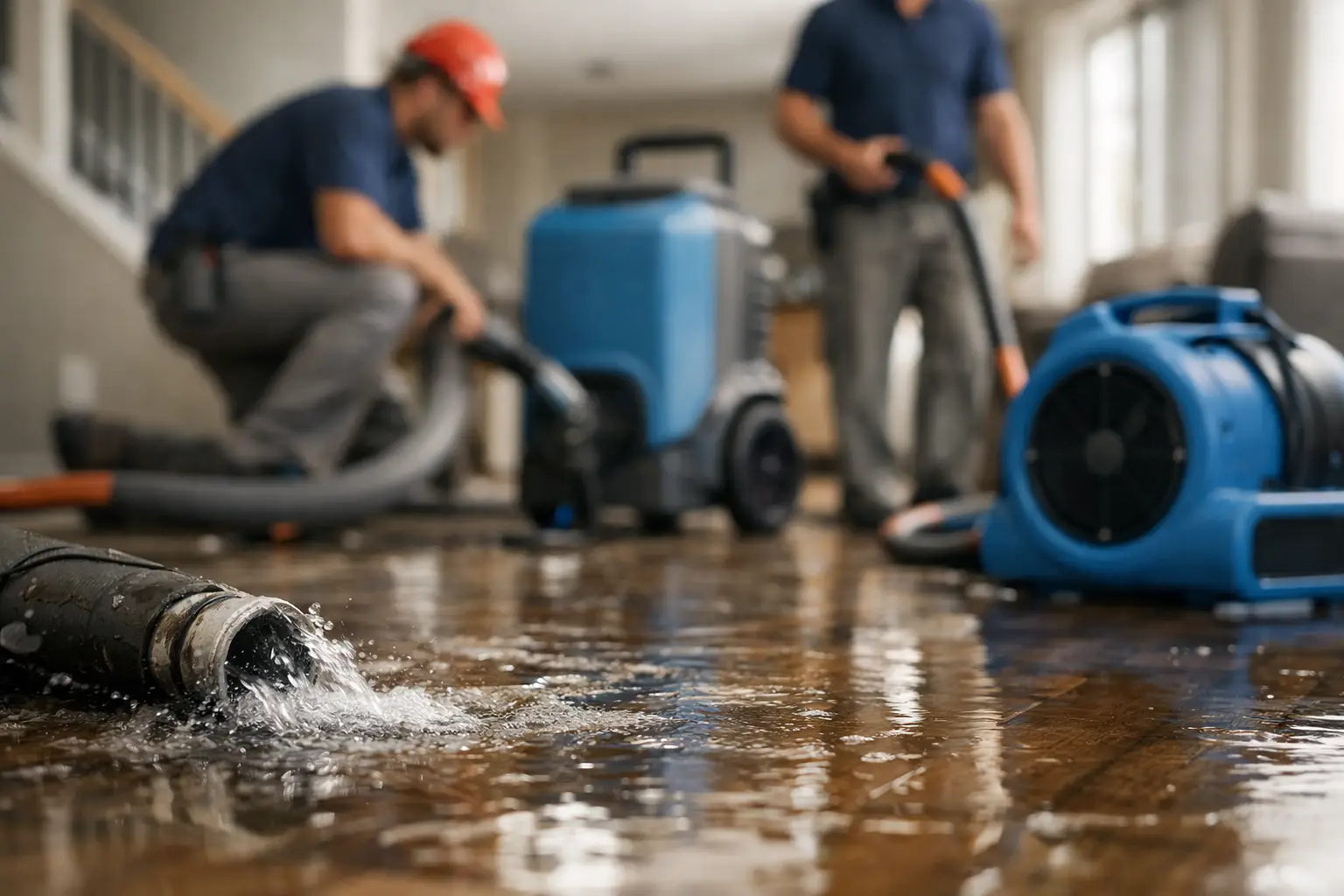
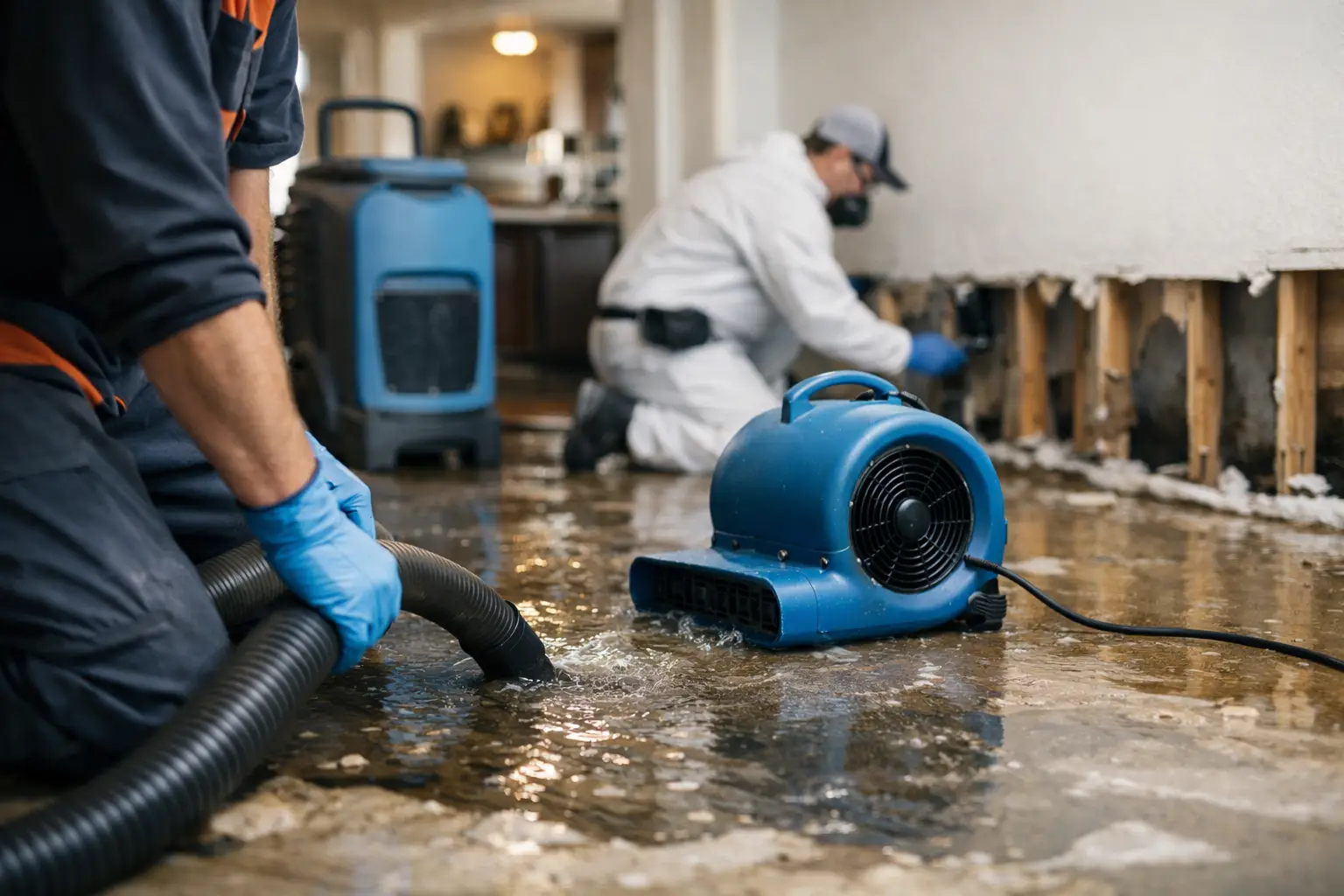 Water Damage
Extraction, structural drying, and moisture mapping after floods, leaks, and burst pipes.
Get help now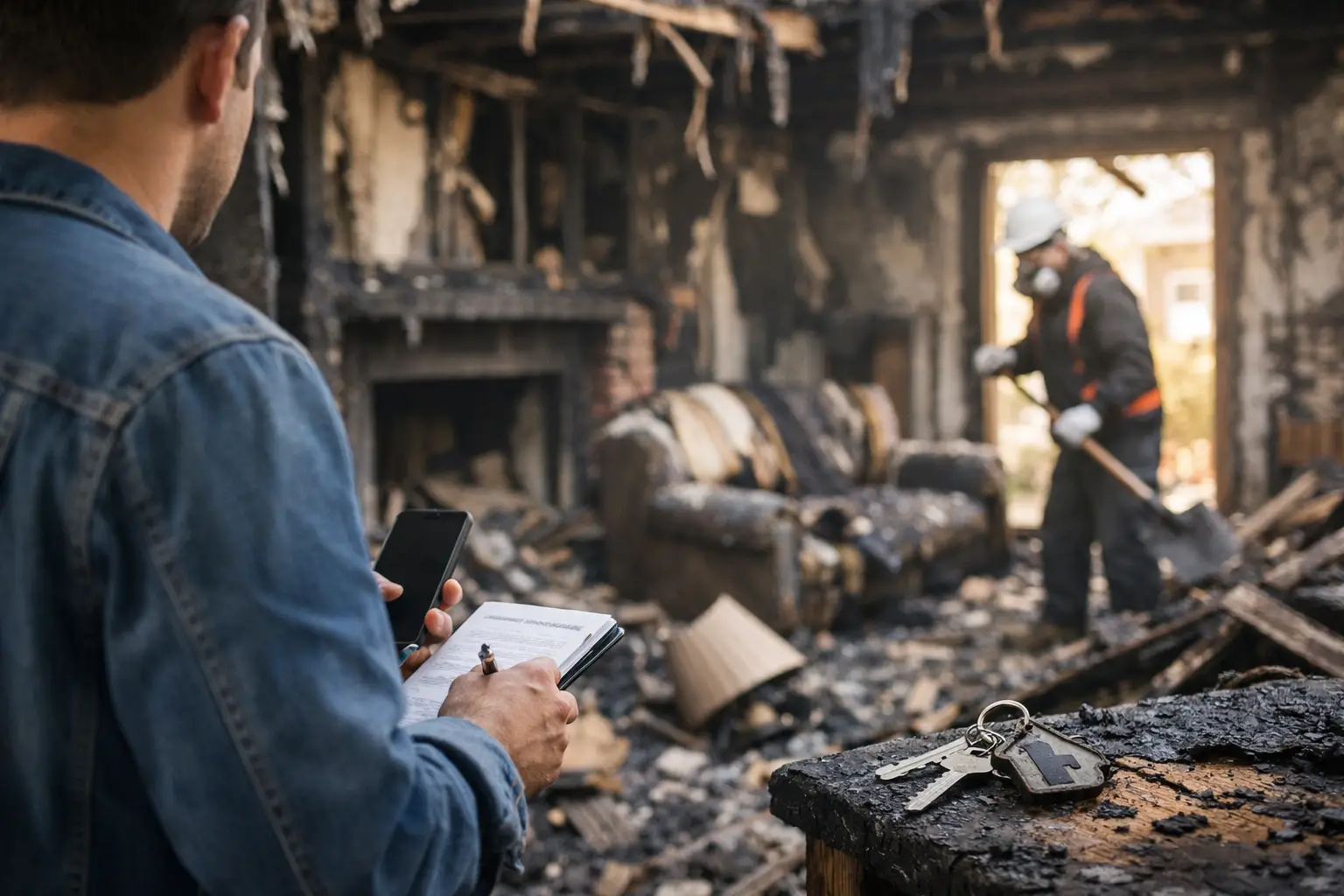 Fire & Smoke
Soot removal, odor deodorization, and content cleaning after fire and smoke damage.
Learn more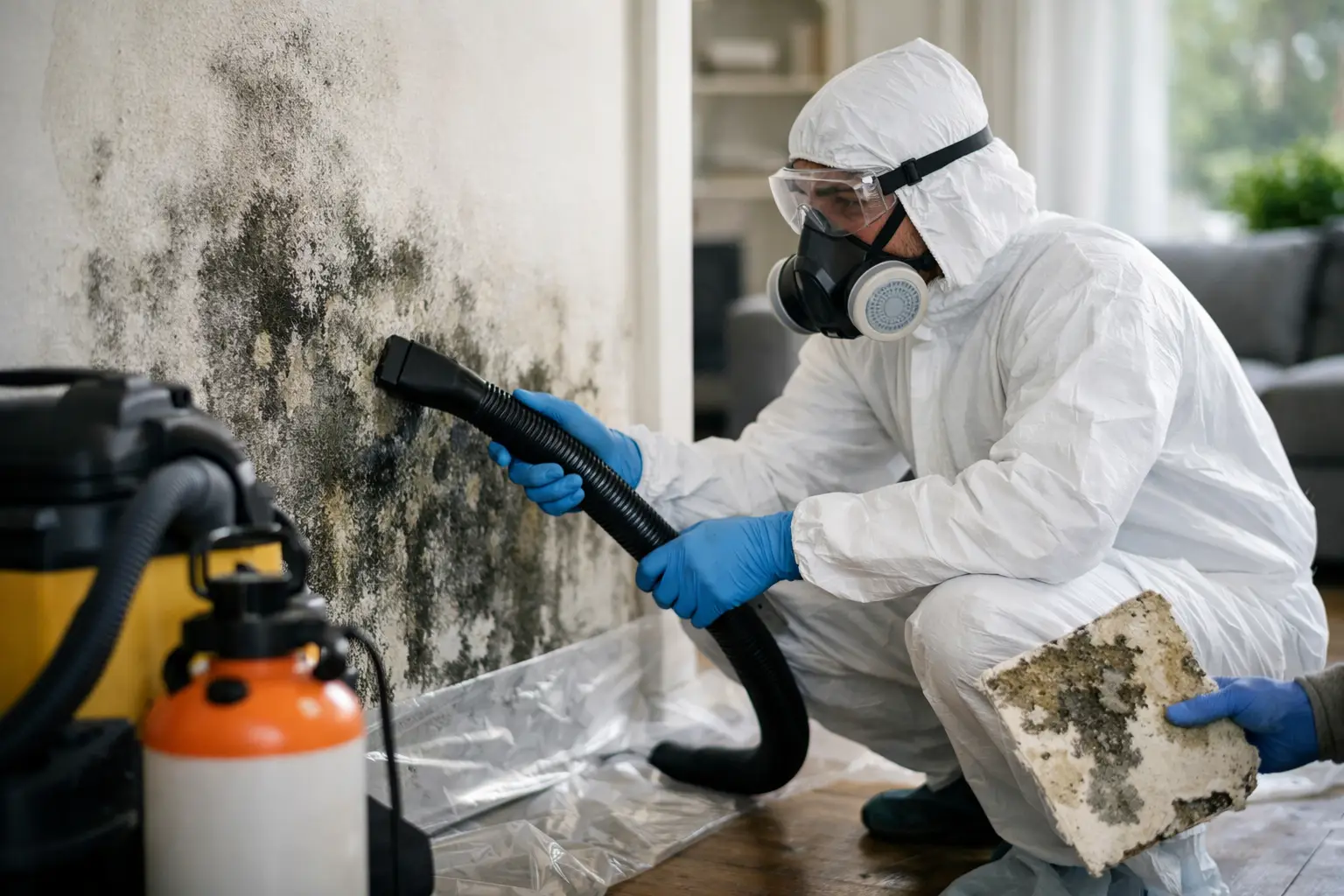 Mold
MoldContainment, removal, and moisture control that stops mold from coming back.
Learn more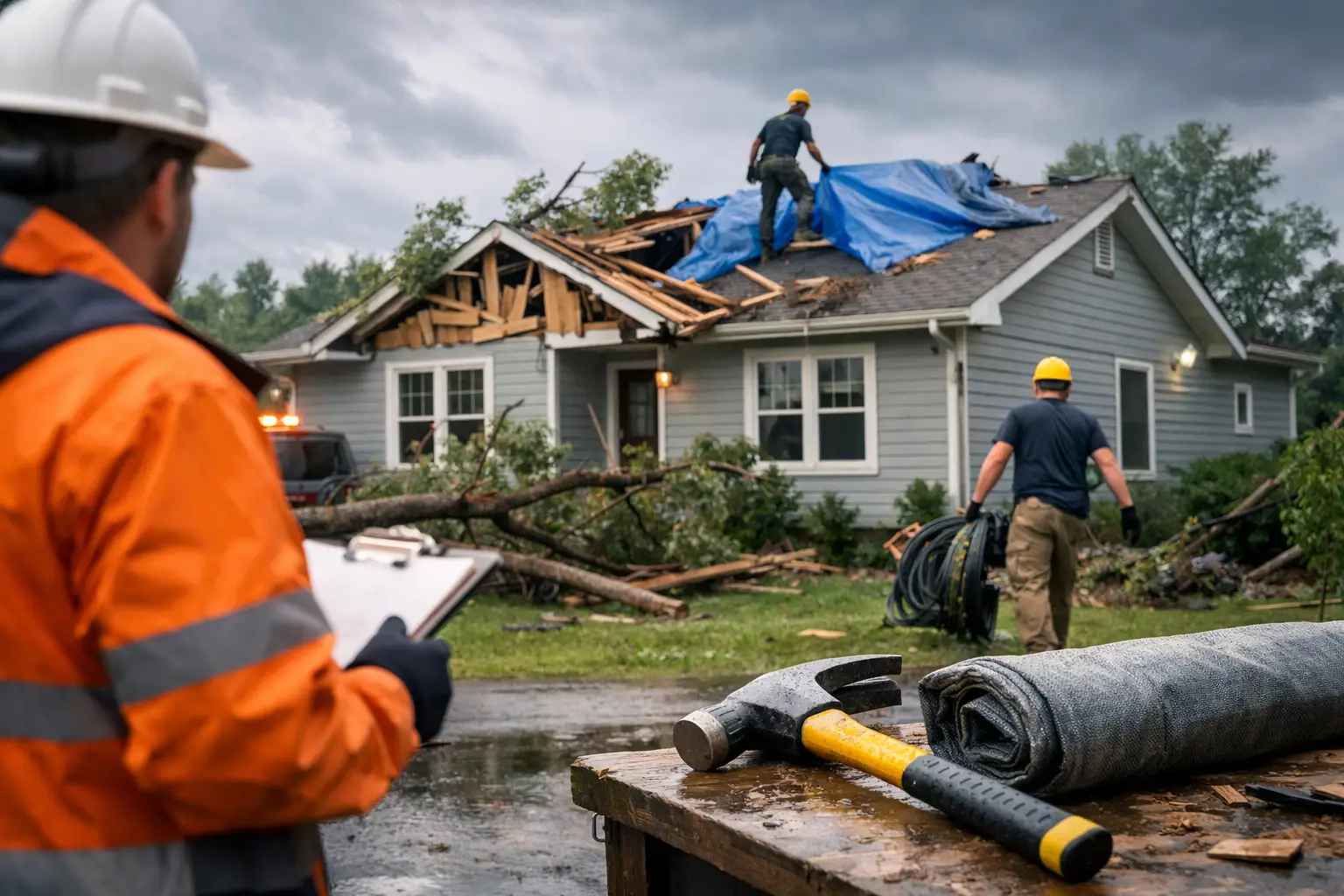 Storm
StormEmergency board-up, roof tarping, and full recovery after wind, hail, and storms.
Learn more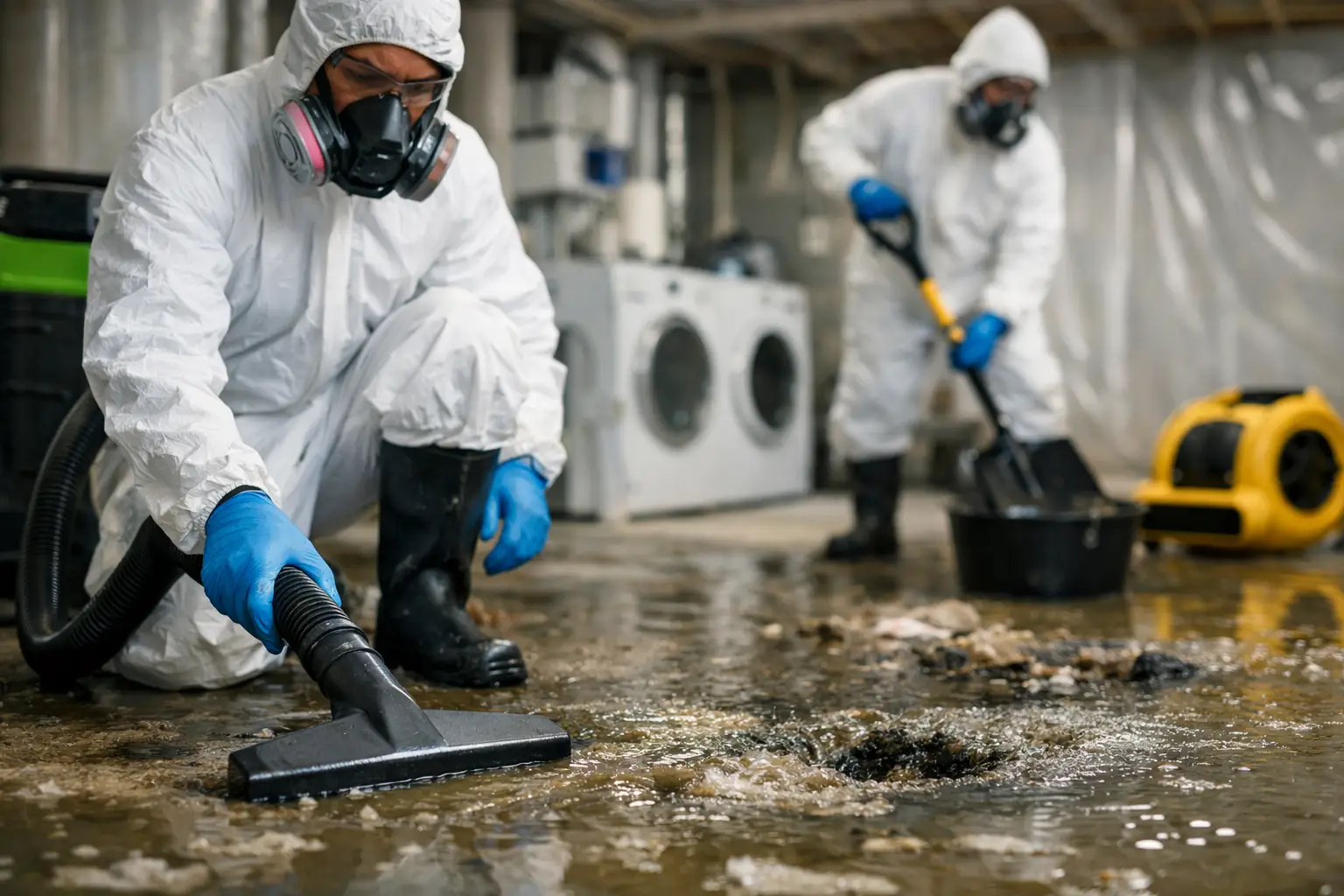 Sewage
Safe biohazard cleanup and sanitizing after sewage backups and overflows.
Learn more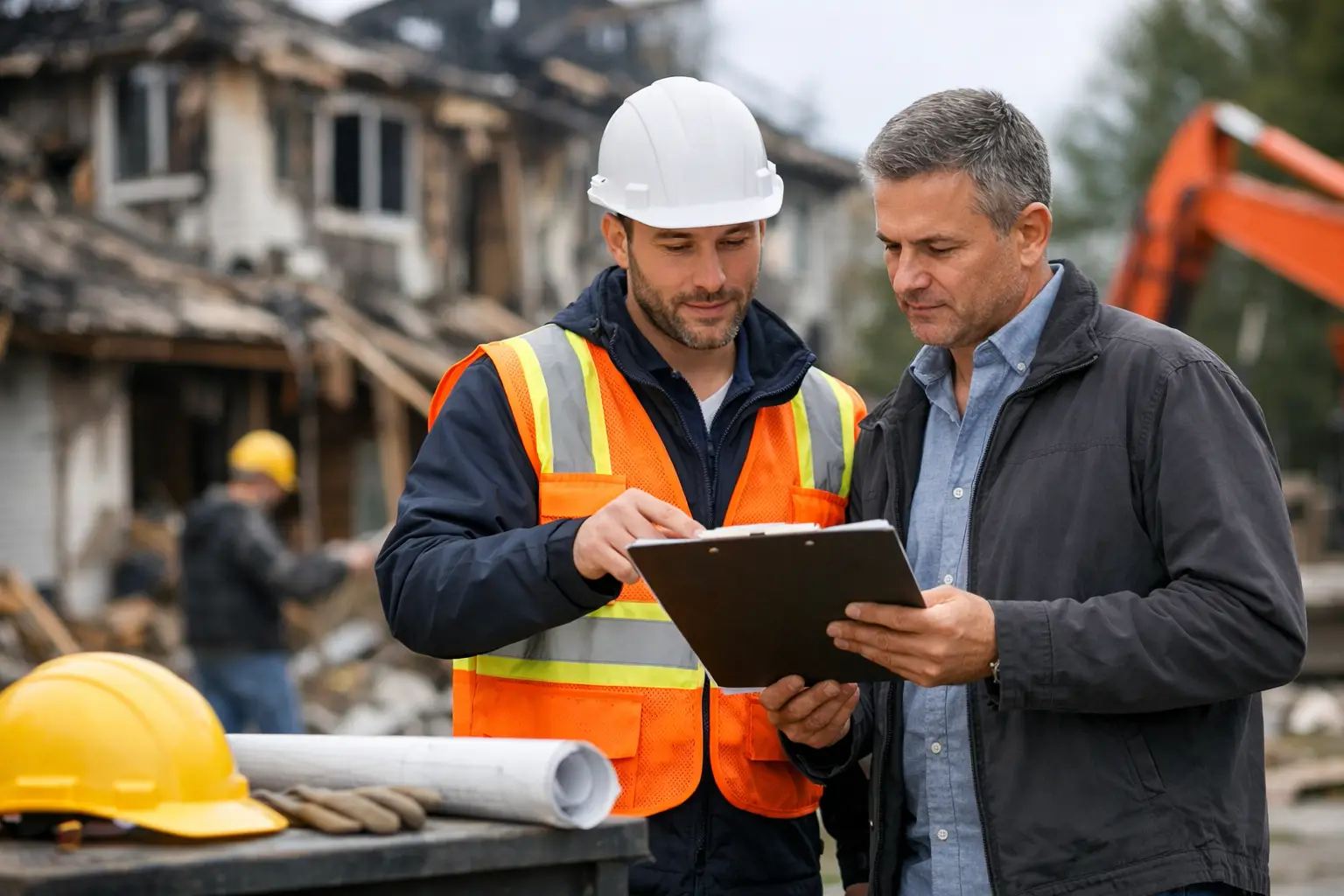 Reconstruction
Full rebuild by a licensed general contractor, so your property comes back whole.
Learn moreElevated Operations is an IICRC-certified, licensed general contractor based in Mableton that handles the entire recovery in-house, so after one loss you are never coordinating a cleanup crew, a mold crew, and a contractor separately. One team, one point of contact, from the first pump-out to the final coat of paint.
People call when the property feels like a disaster. They leave reviews because Chris and the crew made it right. These are real, verified Google reviews.
Yes. I work Riverdale homes in Clayton County, including properties closer to the airport side where access, lot layout, and smoke travel can be different from other neighborhoods. I start with emergency stabilization, then move into fire cleanup, soot removal, and smoke odor removal based on what the house actually needs.
Get everyone safe, then call for immediate response. After that, do not start moving items around unless the scene is safe. In older Riverdale subdivisions, smoke can move through attic spaces and wall cavities quickly, so the first step is securing the structure and documenting damage before cleanup begins.
Yes. If the fire leaves openings, exposed windows, or unsafe entry points, I use board up services to secure the property right away. That protects the home from weather and unwanted access while the fire damage restoration work moves forward and insurance documentation is being handled.
Yes, and older finishes often need a careful approach. Riverdale homes can have wood trim, textured materials, and mixed surfaces that hold odor differently. I use smoke odor removal as part of the restoration plan, not as a last-minute add-on after repairs are already underway.
I look at the material, the level of smoke exposure, and the amount of heat or water damage involved. In Riverdale, that often means sorting salvageable hard goods from porous items that are too far gone. Content cleaning makes sense when it protects value and prevents repeat odor problems.
It means I can bill the carrier directly for covered restoration work instead of making you front every piece of the process yourself. That helps keep the project moving after a fire, especially when the house needs documentation, emergency cleanup, and possibly structural repair before life gets back to normal.
I match the cleaning method to the surface and the type of soot. Kitchen fires, attic fires, and electrical fires leave different residue. In Riverdale homes, especially older ones, the wrong cleaning move can smear contamination, so I take soot removal seriously and work in the right order.
Yes. I am a licensed general contractor, so when a fire damages framing, drywall, or other building components, I can carry the job through structural repair after cleanup is complete. That keeps the project under one coordinated plan instead of handing you off between separate vendors.
Elevated Operations dispatches IICRC-certified crews across Metro Atlanta from our Mableton base, with a 60-minute emergency response day or night. Choose your city:
Call now for an immediate response, or request your free inspection and get a certified crew on-site within the hour across Atlanta and nearby areas.