24/7 Emergency Restoration · Serving Metro AtlantaEmergency? (770) 404-6895
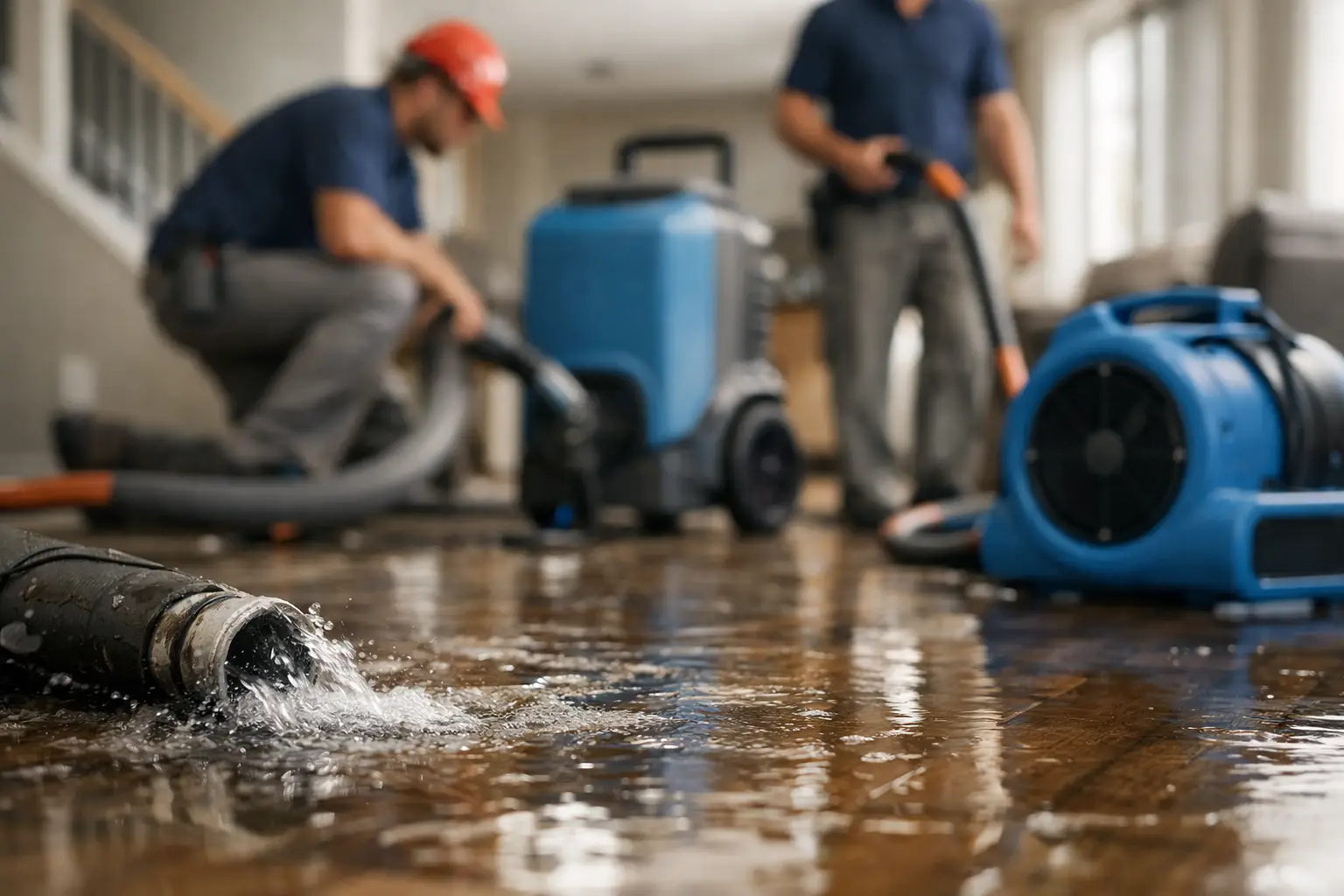
Crawl space mold removal in Sandy Springs is not just about scrubbing visible spots, it is about finding why the crawl space got wet in the first place and stopping the conditions that let fungal growth return. I am Chris Kwangwari, and I explain the process the same way I would for my own house near the Chattahoochee riverside.
IICRC-Certified · 5-Star Rated · 60-Minute Response · Insurance Billed Directly
Yes, because humidity and moisture from the ground can linger under the house and feed fungal growth.
We handle the remediation side and, as a licensed general contractor, can address related restoration needs when the job requires it.
We offer direct insurance billing, which can make the process easier when your claim applies.
Call (770) 404-6895 for 24/7 emergency response from our Mableton-based team.
Crawl space mold removal in Sandy Springs is the process of finding mold in the crawl space, removing contaminated materials, correcting the moisture problem, and drying the structure so the issue does not keep coming back. In older and newer homes near the Chattahoochee riverside, that often means more than cleanup alone.
The first step is inspection. I look for visible fungal growth on joists, subflooring, insulation, ducts, and framing, because mold in a crawl space rarely stays in one spot. In Sandy Springs, humid air and ground moisture can turn a small patch into a bigger structural problem fast.
Then comes crawl space mold remediation, which is more than spraying a product and leaving. It usually includes crawl space cleanup, controlled drying, and moisture control decisions based on the home’s layout. If a crawl space stays damp, any cleaning work is temporary, and homeowners end up paying for the same problem twice.
A good plan also considers materials that already absorbed contamination. Sometimes wood treatment is part of the work. Sometimes damaged insulation has to go. In my company, Elevated Operations, LLLP, we are licensed, IICRC-certified, and focused on the source, not a cosmetic fix.
Mold in a crawl space usually starts with moisture, not with mold itself. In Sandy Springs, humid summer air, poor drainage, plumbing leaks, open vents, and bare soil can all feed fungal growth. Homes near the Chattahoochee riverside are especially exposed to damp conditions that linger under the house.
The biggest driver is water vapor moving through the ground and into the crawl space. If there is no vapor barrier, that moisture rises into wood and insulation. Add warm air and limited airflow, and mold gets what it needs. It starts in 24 to 48 hours when conditions stay wet enough.
I also see problems from standing water after storms, failed gutters, disconnected downspouts, and slow leaks from supply lines or HVAC condensate. Sandy Springs has homes with mixed ages and crawl space designs, so the same moisture issue can show up in different ways depending on the structure.
And this matters near the Chattahoochee riverside because the outdoor air itself can stay humid. That makes dehumidification and moisture control a serious part of the fix. Without them, even a thorough cleanup can leave the crawl space vulnerable to more fungal growth.
You remove mold from a crawl space by containing the work area, cleaning or removing affected materials, drying the space, and fixing the moisture source that caused the growth. Professional crawl space mold removal also includes checking wood, insulation, and vents so the problem is handled as a system, not as a stain.
I start with a full inspection, because the visible mold is often the smallest part of the issue. Then I look at the soil, framing, ductwork, and any damaged insulation. If the crawl space is actively damp, dehumidification and drying come before final treatment, not after.
Next comes removal. Some surfaces can be cleaned. Others need disposal. That is where trained crawl space mold remediation matters, because the wrong cleaning method can spread contamination or leave growth behind in porous materials. The goal is fungal growth removal with as little disturbance as possible.
After cleaning, I focus on prevention. That can include a vapor barrier, encapsulation recommendations, and wood treatment when the structure needs it. IICRC-certified technicians use a process that protects the home’s framing and helps stop the same moisture cycle from restarting.
Yes, crawl space mold can affect indoor air quality because air from the crawl space can move upward into the living areas. In Sandy Springs, that matters in homes near the Chattahoochee riverside, where moisture and humidity can keep spores active and allow musty odors to travel through the house.
This is not a scare tactic. It is basic building science. Warm air rises, pressure changes pull air through floor gaps, and crawl space air often enters the home through openings around plumbing, ducts, and framing. If the crawl space has mold, those conditions can carry odors and particles inside.
Families usually notice it first as a musty smell, then as allergy irritation, then as dust or staining in the crawl space itself. Indoor air quality is one reason crawl space cleanup should not stop at surface treatment. The moisture source has to be controlled or the air stays compromised.
That is why I treat moisture control as part of health, not just property repair. A dry crawl space is less likely to support fungal growth, and a properly sealed or encapsulated space can reduce the pathway between the crawl space and the rooms above.
Often, yes, because encapsulation helps keep moisture out after crawl space mold removal. In Sandy Springs, especially near the Chattahoochee riverside, sealing the crawl space with a vapor barrier and related moisture control steps can help prevent the conditions that let mold return.
Encapsulation is not a decoration. It is a moisture management strategy. A vapor barrier covers exposed soil, and the crawl space is sealed so humid outdoor air and ground vapor have a harder time feeding future mold. That matters when a crawl space has already shown a pattern of recurring dampness.
I do not recommend encapsulation as a blanket answer for every house. Some crawl spaces need repairs, drainage correction, or cleanup before any sealing makes sense. But if the structure keeps drawing moisture from the ground or outside air, encapsulation can be the difference between a one-time repair and a repeat problem.
Homeowners in Sandy Springs should think about the age of the house, the condition of the framing, and the site around the home. If the crawl space sits low, traps humidity, or gets wet during storms, encapsulation can be a smart next step after remediation.
Crawl space mold can damage wood, insulation, ductwork, and the indoor environment above the floor. Left alone, it can stain framing, weaken materials, spread musty odors, and create a longer restoration job. In Sandy Springs, damp crawl spaces near the Chattahoochee riverside can make that damage move faster.
The most immediate concern is wood. Mold does not always mean rot, but it tells you moisture has been present long enough to threaten structural materials. That is why wood treatment may be needed after cleanup. If framing stays wet, structural wear becomes more likely over time.
Insulation is another common casualty. Once it holds moisture and spores, it can lose performance and become part of the contamination problem. Ductwork can also spread odors through the house. This is why crawl space cleanup is a structural and air-quality issue, not just an appearance issue.
And the damage does not stop at the crawl space door. When moisture reaches flooring systems, homeowners may notice soft spots, odors, or higher risk of repeated maintenance. My job is to stop the source early, because the longer mold and dampness sit together, the more costly the repair path becomes.
If you see mold in a crawl space, the real problem is usually water vapor, drainage, or a leak. The cleanup matters, but moisture control is what keeps the issue from returning.
Air from under the home can move into living areas. That is why crawl space mold remediation can affect odors, comfort, and indoor air quality above the floor.
A vapor barrier and encapsulation can help after remediation, especially in humid areas near the Chattahoochee riverside. It is a prevention step, not a substitute for cleanup.
Dehumidification is part of real restoration when the crawl space stays damp. If the space never dries correctly, fungal growth can return even after cleaning.
IICRC-certified technicians, direct insurance billing, and a licensed general contractor matter when the job includes cleanup, drying, and possible repairs to wood or framing.
From emergency mitigation to full reconstruction, handled in-house so you are never managing a chain of subcontractors mid-crisis.
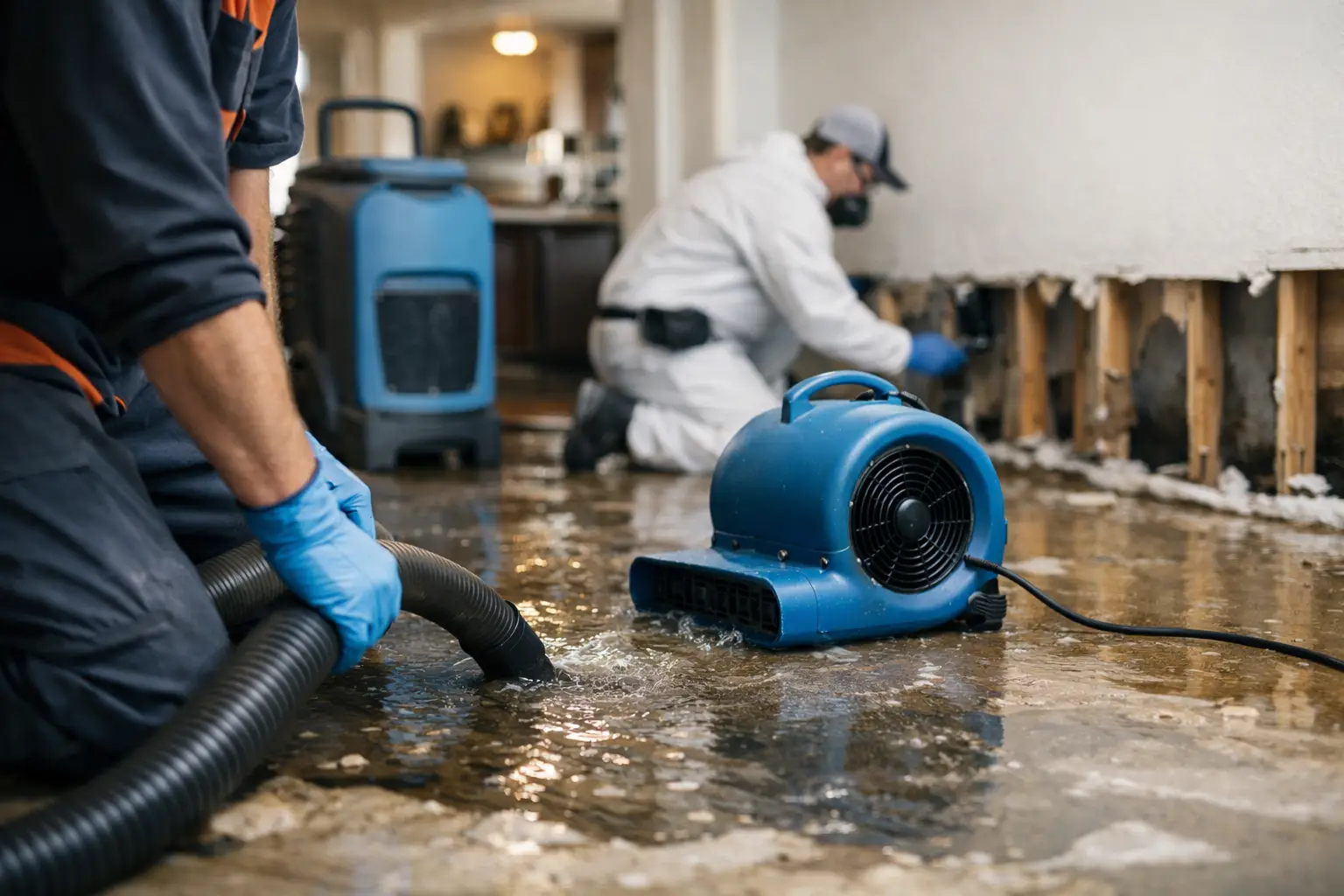 Water Damage
Extraction, structural drying, and moisture mapping after floods, leaks, and burst pipes.
Get help now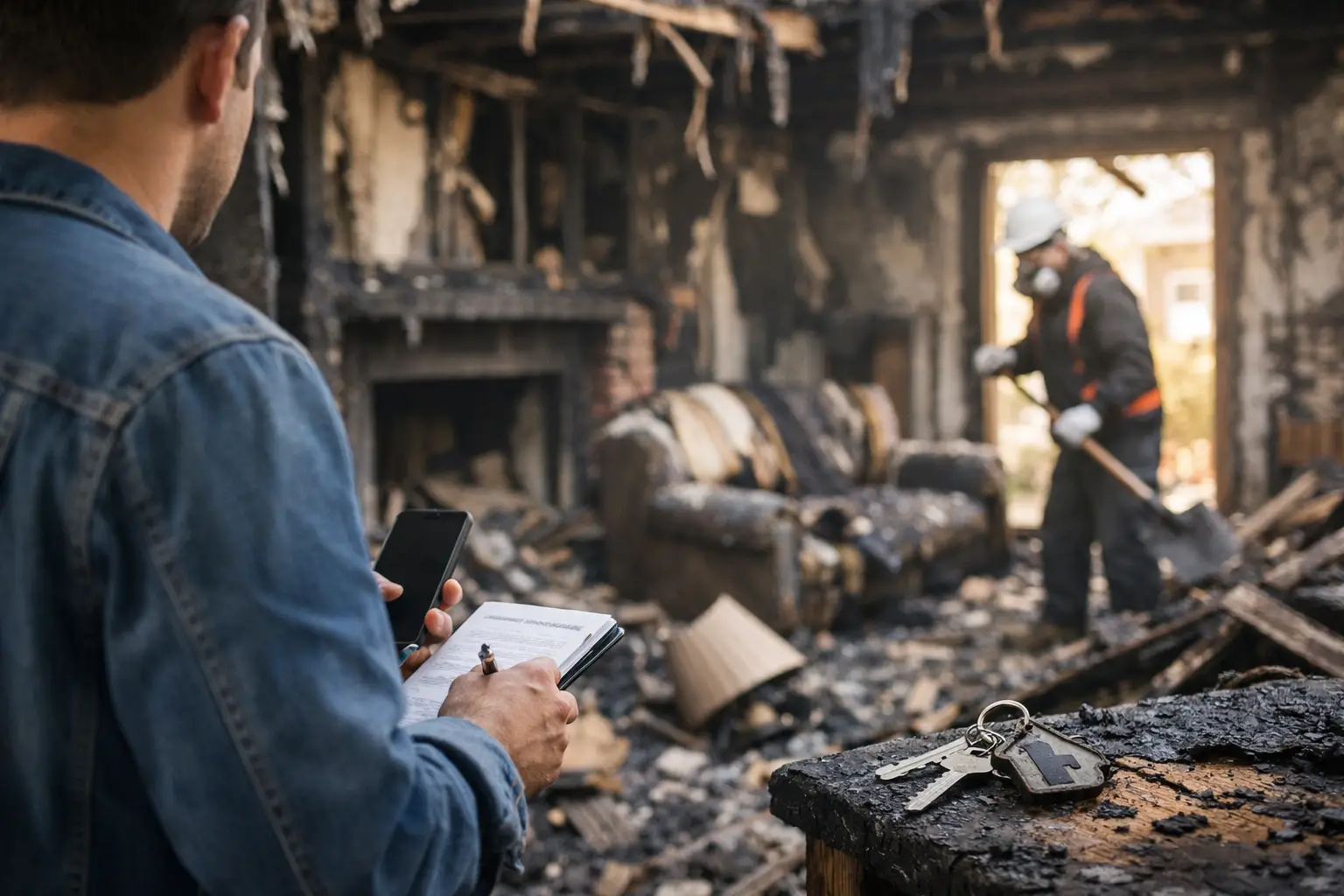 Fire & Smoke
Soot removal, odor deodorization, and content cleaning after fire and smoke damage.
Learn more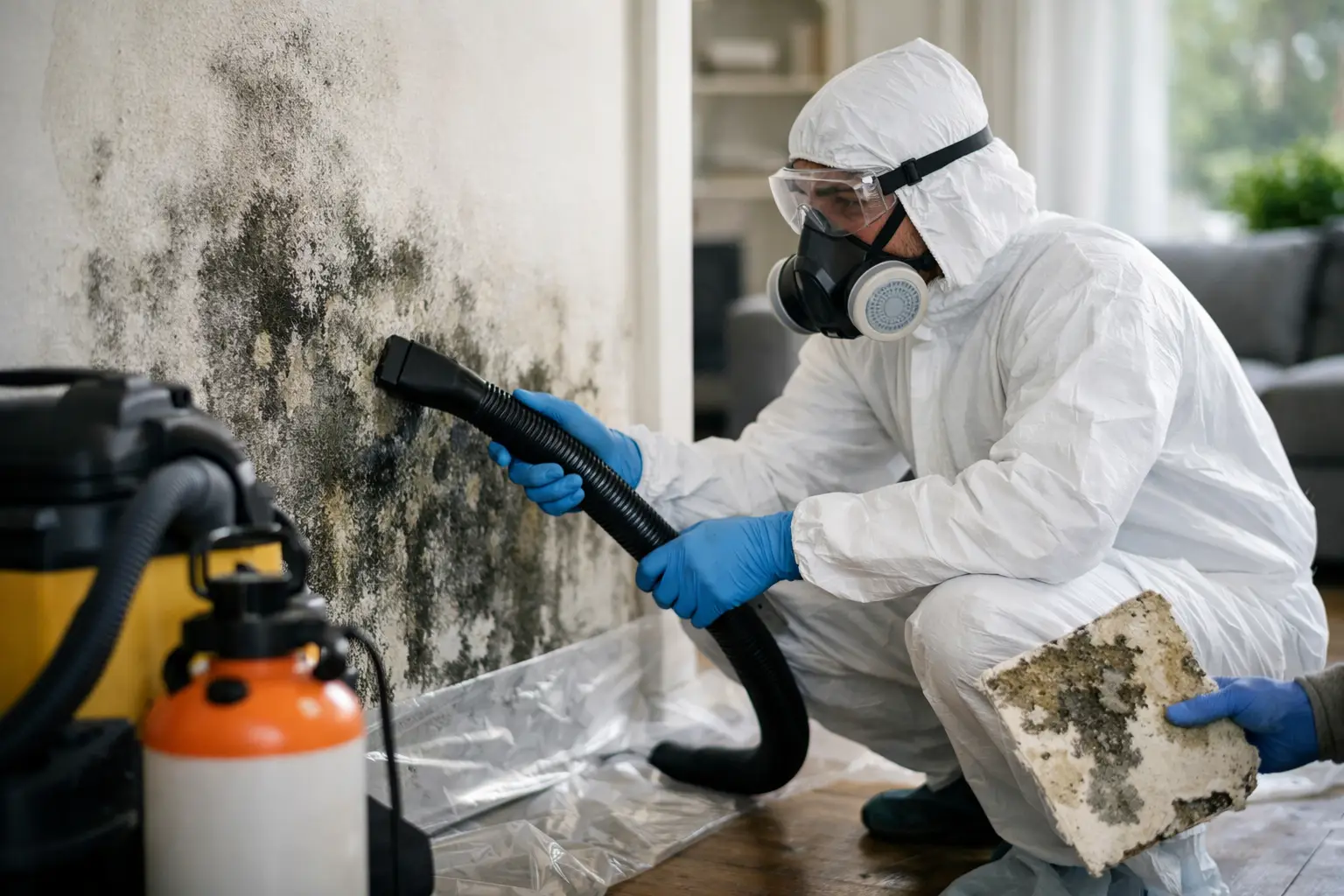 Mold
MoldContainment, removal, and moisture control that stops mold from coming back.
Learn more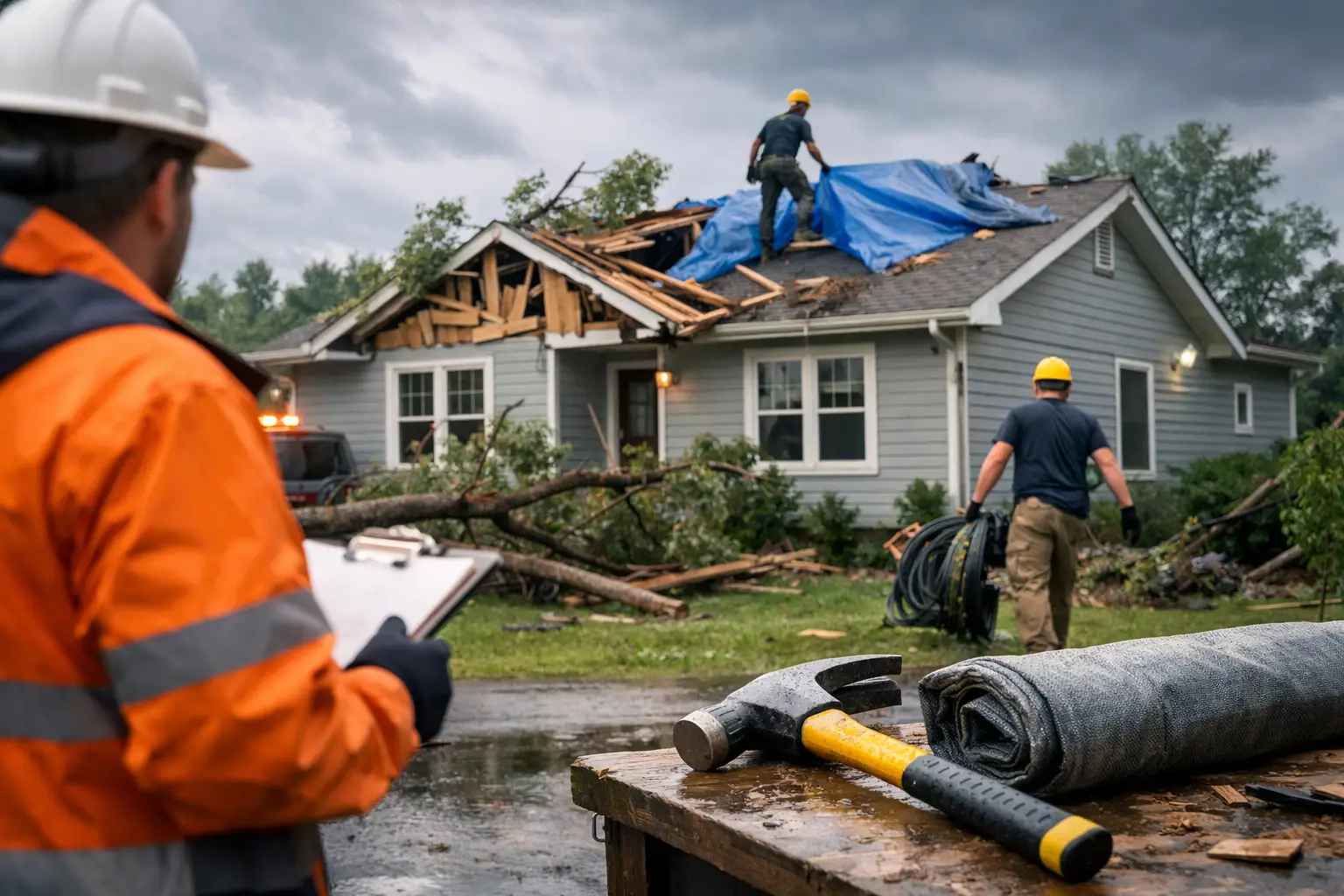 Storm
StormEmergency board-up, roof tarping, and full recovery after wind, hail, and storms.
Learn more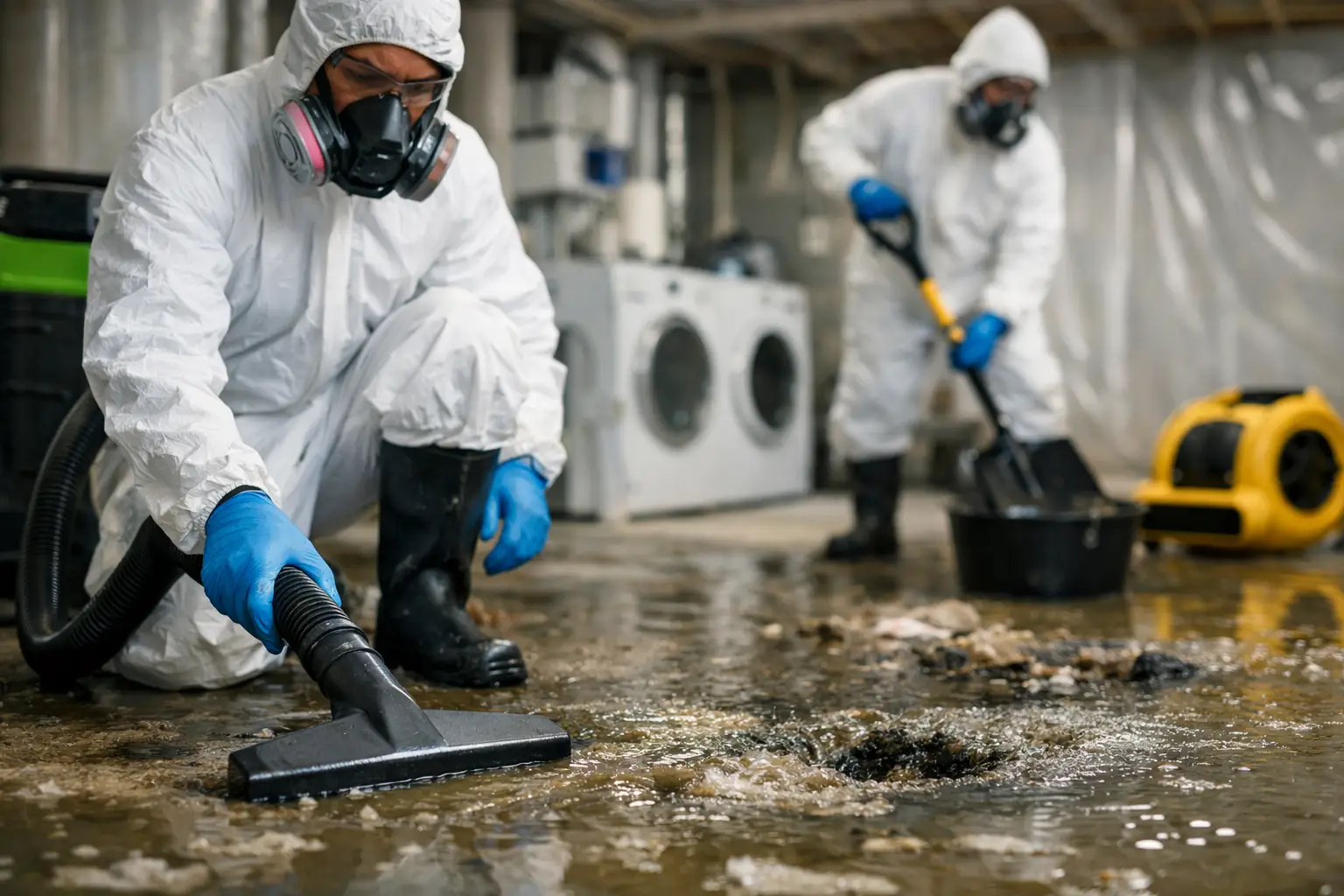 Sewage
Safe biohazard cleanup and sanitizing after sewage backups and overflows.
Learn more Reconstruction
Full rebuild by a licensed general contractor, so your property comes back whole.
Learn moreElevated Operations is an IICRC-certified, licensed general contractor based in Mableton that handles the entire recovery in-house, so after one loss you are never coordinating a cleanup crew, a mold crew, and a contractor separately. One team, one point of contact, from the first pump-out to the final coat of paint.
People call when the property feels like a disaster. They leave reviews because Chris and the crew made it right. These are real, verified Google reviews.
Those homes sit in a humid part of Metro Atlanta, and the crawl space can collect ground vapor, storm moisture, and warm outdoor air. When a crawl space has bare soil, poor drainage, or limited drying, mold can take hold quickly. That is why inspection and moisture control come before cleanup.
Older homes often have different crawl space layouts, mixed materials, and more points where moisture enters. I start with inspection, then crawl space cleanup, removal of affected materials, and drying. If needed, I add recommendations for a vapor barrier, dehumidification, or wood treatment so the issue does not keep cycling.
Yes, because air from the crawl space can move up through floor gaps, plumbing openings, and duct connections. Homeowners often smell the problem before they see it. If the crawl space stays damp, fungal growth can keep affecting indoor air quality and make the house feel musty even after surface cleaning.
Look for odors, soft or stained insulation, visible growth on framing, and signs of water intrusion after rain. In Sandy Springs, especially near the Chattahoochee riverside, the crawl space can hide moisture problems that do not show up in the main living area right away. A full inspection is the right next step.
Not every home needs it, but many do if the crawl space keeps taking in humidity or soil vapor. Encapsulation adds a vapor barrier and helps with moisture control. After mold removal, it can be a smart way to reduce the chance of another outbreak, especially in damp crawl spaces.
Crawl space cleanup is the physical removal of debris, damaged materials, and contamination. Crawl space mold remediation adds containment, cleaning procedures, drying, and moisture control so the mold issue is handled correctly. In practice, both often happen together, but remediation is the more complete restoration process.
Mold can start in 24 to 48 hours when the crawl space stays wet enough. That is why standing water, leaks, and persistent humidity should never be ignored. The longer a crawl space remains damp, the more likely the home needs full fungal growth removal and not just spot cleaning.
I am Chris Kwangwari, and I run Elevated Operations, LLLP from Mableton with service across Cobb and Fulton, including Sandy Springs. We offer 24/7 emergency response, direct insurance billing, IICRC-certified technicians, a 12-month warranty, and deductible assistance up to $1,000 when the job qualifies.
Elevated Operations dispatches IICRC-certified crews across Metro Atlanta from our Mableton base, with a 60-minute emergency response day or night. Choose your city:
Call now for an immediate response, or request your free inspection and get a certified crew on-site within the hour across Atlanta and nearby areas.