24/7 Emergency Restoration · Serving Metro AtlantaEmergency? (770) 404-6895
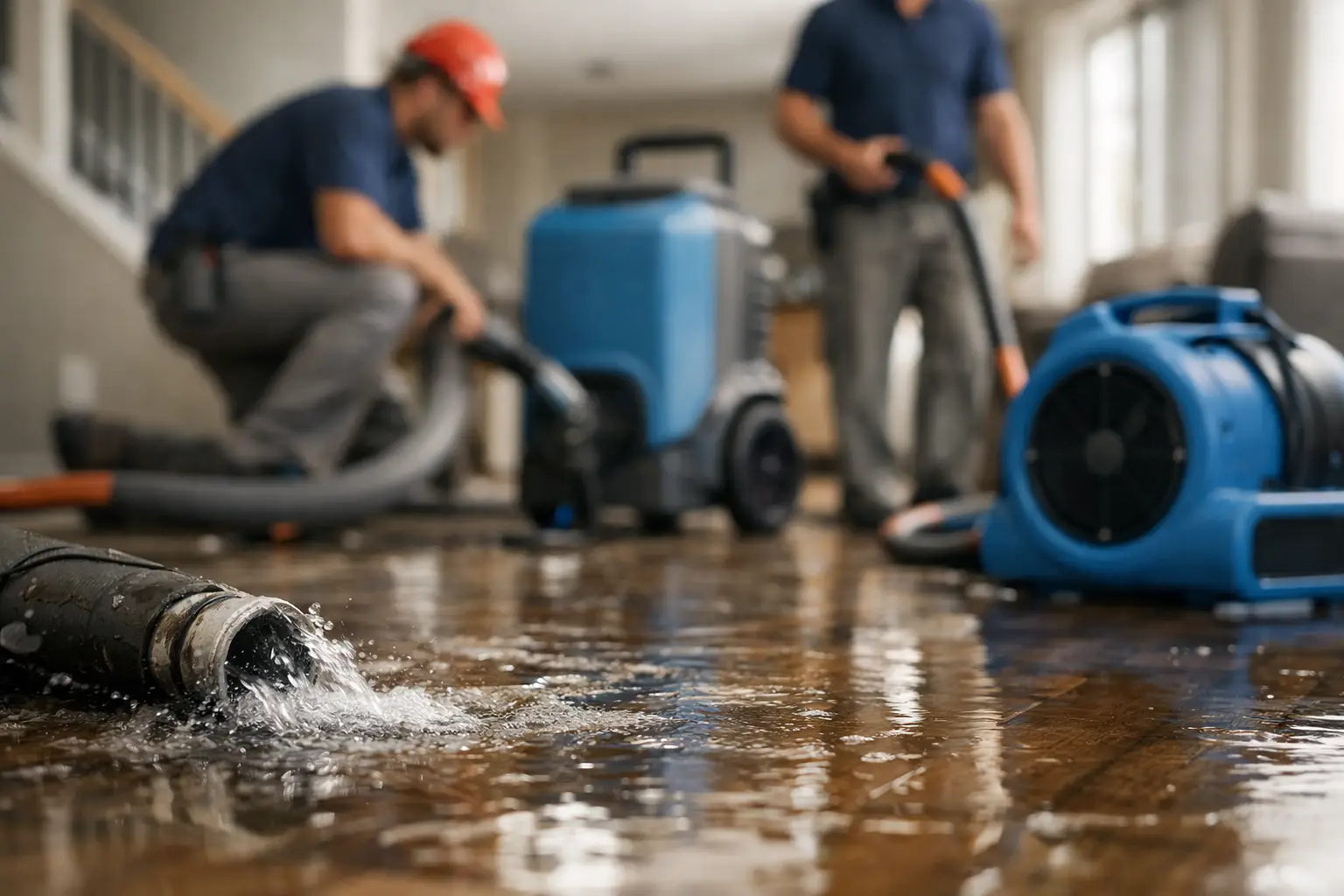
Water extraction and drying Decatur starts with fast removal, then a drying plan based on what got wet, what was soaked, and what the home can safely hold. I am Chris Kwangwari, owner of Elevated Operations, LLLP, and I handle Decatur claims with direct insurance billing, deductible assistance up to $1,000, and a 12-month warranty.
IICRC-Certified · 5-Star Rated · 60-Minute Response · Insurance Billed Directly
Yes. I handle water extraction and drying in older homes carefully, especially where plaster and heart-pine need controlled structural drying.
Yes. I bill insurance directly and document the loss so the claim reflects the actual water removal and drying work.
I inspect the source, document it, and adjust the drying plan. Older cast-iron laterals can change how the mitigation is handled.
Yes, I offer deductible assistance up to $1,000 when eligible, which can help with the out-of-pocket side of a covered loss.
Water extraction and drying starts with removing standing water, then setting up air movers, dehumidification, and moisture monitoring until hidden materials are dry. In Decatur, I pay close attention to plaster walls, heart-pine floors, and older cast-iron lateral systems because they hold water differently and change the drying process.
I start with water removal, then I decide what can be dried and what has to come out. In many Decatur homes, especially Craftsman bungalows, plaster and heart-pine need more care than newer finishes. Wet carpet extraction is only one part of the job. The real work is controlling the whole structure.
That means I place air movers where they push dry air across surfaces, not just into the room. Then I pair that with dehumidification so the moisture leaves the air instead of moving back into the walls. Moisture monitoring tells me whether the materials are actually drying or just looking dry.
Older cast-iron laterals can complicate the job because plumbing leaks or backups may keep feeding water into the structure. I do not guess. I inspect, document, and adjust. That is how I keep the drying process honest in homes around Oakhurst, Glenwood Estates, and the older street grids that make Decatur different.
Cost is driven by how much water entered the home, how many materials were affected, and how much structural drying is needed. A small surface issue is very different from water reaching plaster, subfloors, insulation, or trim. I price the work around the actual drying scope, not a one-size quote.
I do not use shortcut pricing. Water extraction and drying is a field assessment job because every structure behaves differently. A hallway with wet carpet extraction is straightforward. A bungalow with plaster, built-ins, and heart-pine flooring can require much more labor, equipment, and monitoring before I consider it stable.
The biggest cost shift usually comes from hidden moisture. If water gets behind baseboards, into wall cavities, or under wood flooring, the drying process becomes more involved. That is where air movers, dehumidification, and repeated moisture monitoring matter. They keep the job from becoming a bigger repair later.
Decatur homes often have older construction details that need careful handling. I see that in intown streets, older additions, and homes near the city center where materials were not built the same way as modern subdivisions. The right answer is to document first, then explain the scope clearly before work moves forward.
Insurance often covers the mitigation work tied to a covered water loss, including emergency water removal, drying, and related labor when the cause is covered by the policy. I bill insurance directly and help document the loss so the claim file shows what was damaged and why the drying work was necessary.
I work with insurance because that is how most homeowners want the process handled. Direct billing keeps the paperwork moving. It also keeps the focus on the actual loss, not on making the owner front everything while trying to manage a wet house. That matters when the damage is active.
Coverage depends on the policy and the cause of the loss. A sudden plumbing failure is not the same as long-term seepage, and I do not make promises that belong to the adjuster. I do document the source, the affected rooms, and the work required for structural drying so the file is clear.
If the home has plaster, heart-pine, or other older materials, the insurance conversation can get more detailed. That is normal in Decatur. I provide the drying documentation, moisture readings, and photo record the claim needs. Then I keep the work tied to the actual conditions in the home.
Claims start with the loss, then documentation, then approval of the mitigation scope. I help with that sequence, bill insurance directly, and offer deductible assistance up to $1,000 when eligible. The goal is to keep the claim moving without losing track of the actual drying work inside the home.
I have been in restoration since 2007, so I know how claims can stall when nobody documents the job well. I keep the scope clear from the beginning. That includes what was extracted, what was monitored, what equipment was used, and which areas needed structural drying instead of simple surface drying.
Deductibles are part of the homeowner's policy, and I do not pretend they are not. What I can do is offer deductible assistance up to $1,000 when eligible. That helps some Decatur owners handle the out-of-pocket side without turning a water emergency into a cash-flow crisis.
Decatur claims are easier when the source is identified quickly, especially in homes with older cast-iron laterals or mixed plumbing updates. I work from my Mableton base and respond 24/7 with 60-minute emergency response. That speed helps reduce additional damage, which is always better for the claim file.
Drying time depends on the materials affected, the amount of water, and how deep it spread. A quick response can shorten the drying process, but I never guess at the finish line. I use moisture monitoring to confirm when the structure is dry enough to move past mitigation.
The honest answer is that drying is not measured by the clock alone. It is measured by the material. Plaster, subfloors, trim, and heart-pine each dry at different rates. If water reached hidden spaces, dehumidification and air movers have to stay in place long enough to do the job right.
In Decatur, older homes can hold moisture in ways newer construction does not. That is why I monitor the structure instead of relying on appearances. A room may feel dry and still retain moisture in the wall cavity or under flooring. I do not close a job until readings support it.
Mold starts in 24 to 48 hours, so timing matters. A fast water extraction and drying response helps reduce the risk of secondary damage. That is one reason I stay available 24/7. The sooner the wet materials are stabilized, the less chance they have to become a bigger project.
I use extraction equipment for water removal, then air movers, dehumidification, and moisture monitoring to dry the structure. Wet carpet extraction is only one part of the setup. The right equipment depends on what got wet, whether the home has plaster, and how far water traveled through the materials.
The equipment is chosen for the loss, not the other way around. If standing water is present, extraction comes first. Then I use air movers to keep air moving across wet surfaces and dehumidification to pull moisture out of the air. That combination is basic, but it has to be applied correctly.
Older Decatur homes often need more than a quick carpet pass. Plaster walls, heart-pine floors, and older trim can trap moisture in pockets that are easy to miss. Moisture monitoring helps me see whether the drying process is actually progressing, which is why I do not rely on visual checks alone.
A cast-iron lateral issue or plumbing backup can change the entire setup. If the source is still active, I stop and address the conditions before continuing. I am a licensed general contractor, and I treat equipment as part of a larger mitigation plan, not a random stack of machines in a room.
I bill insurance directly so the claim process stays organized and the mitigation work is documented from the start.
When eligible, I offer deductible assistance up to $1,000 to help with the out-of-pocket side of the loss.
I respond 24/7 with 60-minute emergency response, because standing water does not wait for business hours.
My water extraction and drying work includes a 12-month warranty, which gives the homeowner a clear follow-up standard.
IICRC-certified technicians, moisture monitoring, and photo-backed records help support the claim and the drying plan.
From emergency mitigation to full reconstruction, handled in-house so you are never managing a chain of subcontractors mid-crisis.
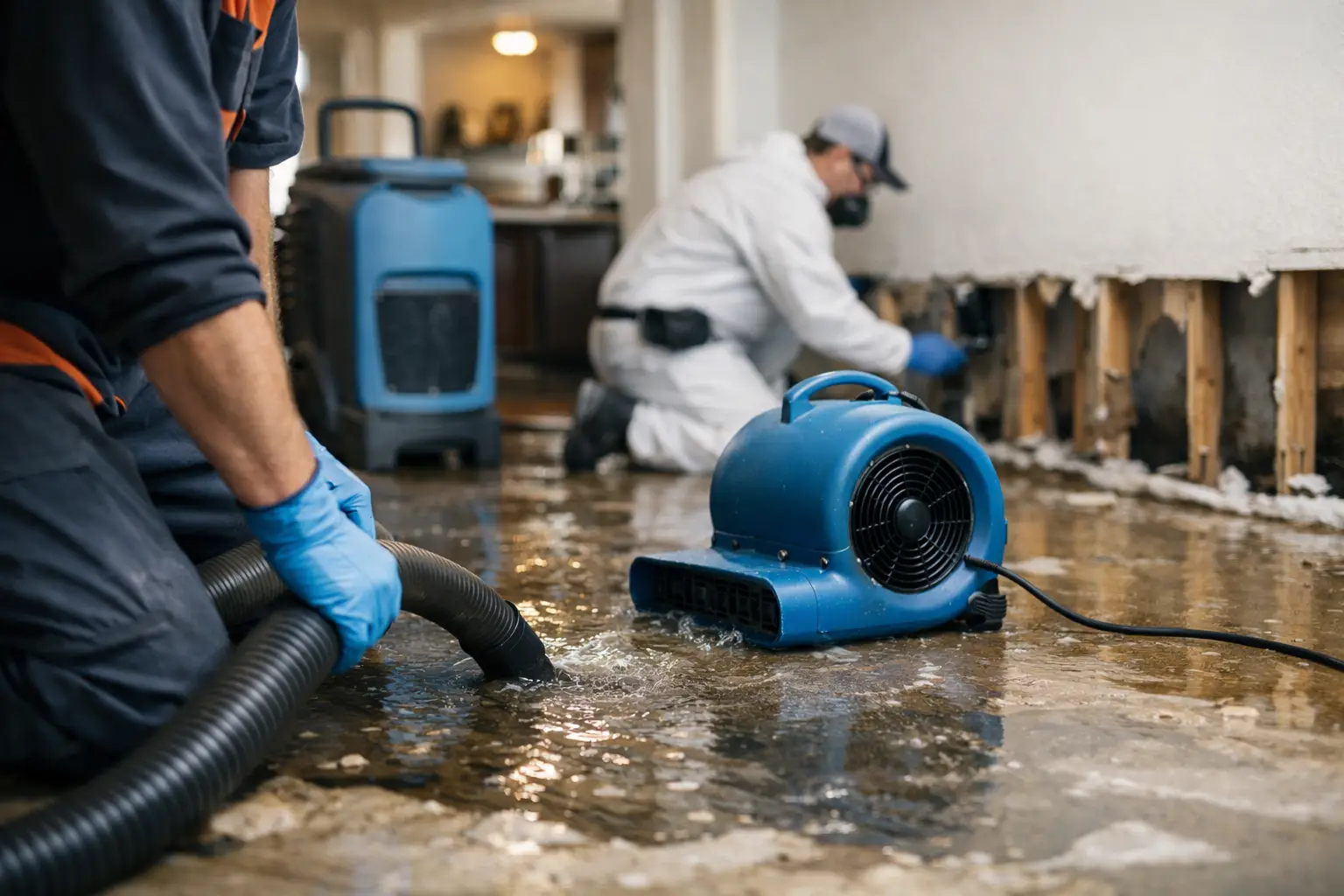 Water Damage
Extraction, structural drying, and moisture mapping after floods, leaks, and burst pipes.
Get help now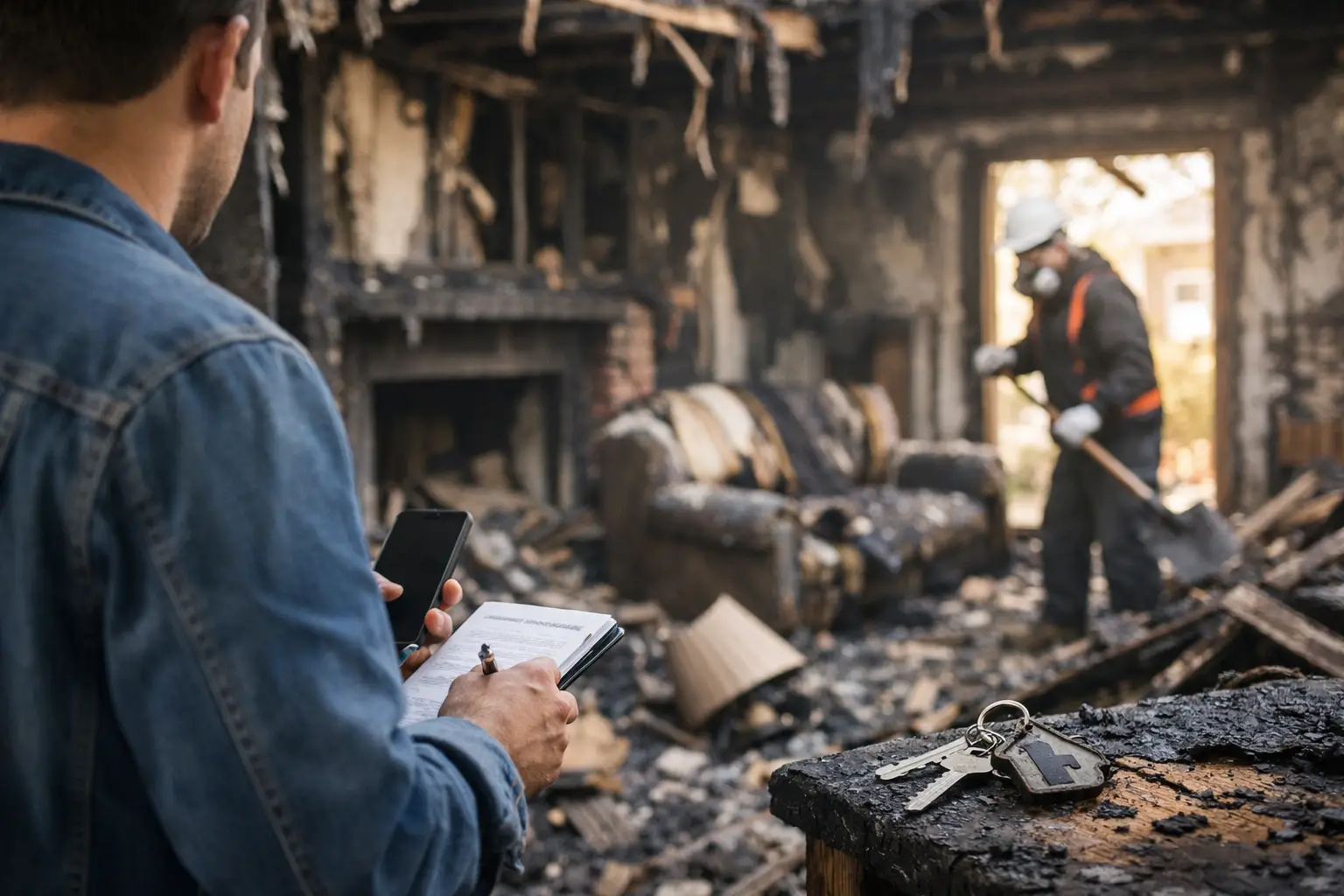 Fire & Smoke
Soot removal, odor deodorization, and content cleaning after fire and smoke damage.
Learn more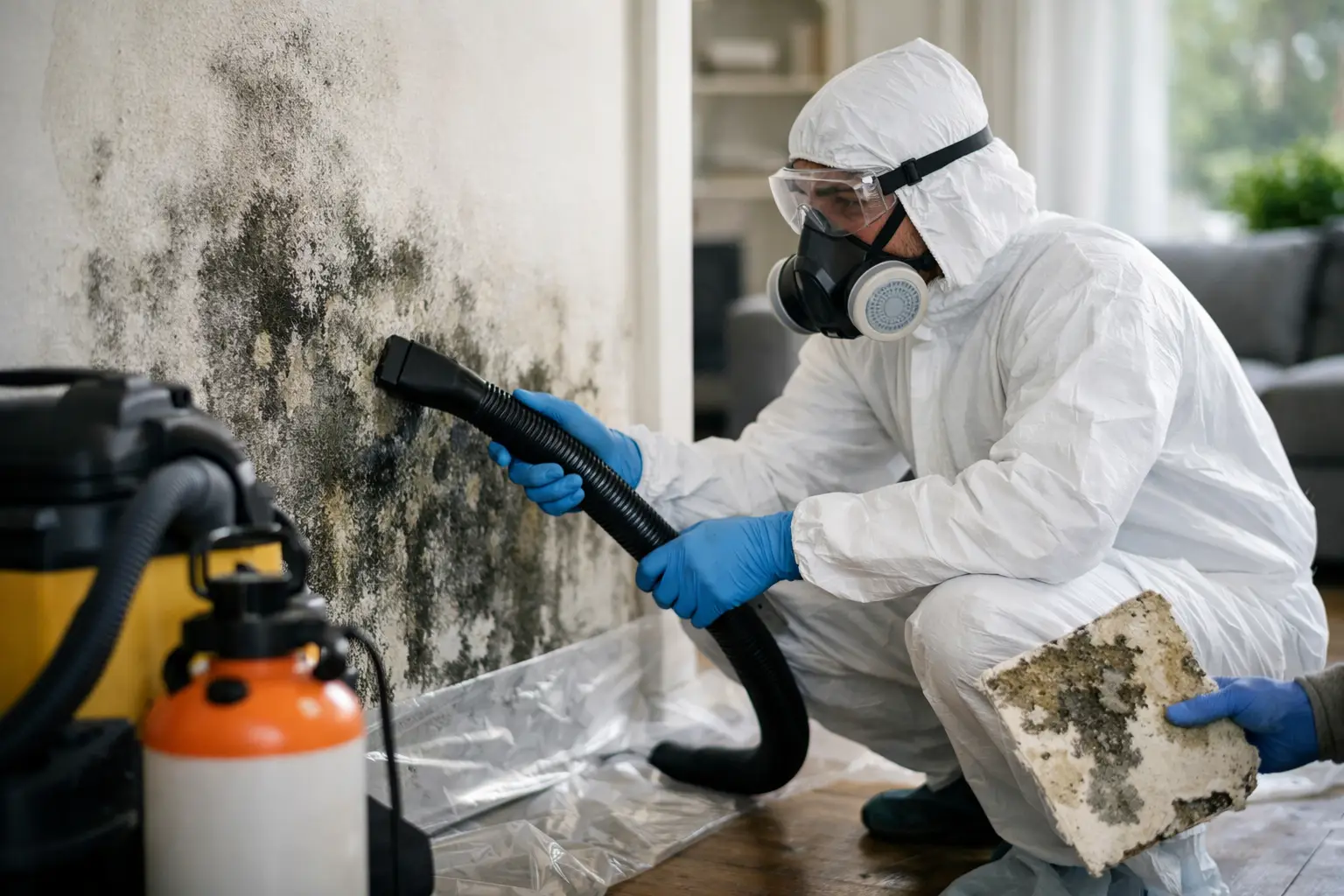 Mold
MoldContainment, removal, and moisture control that stops mold from coming back.
Learn more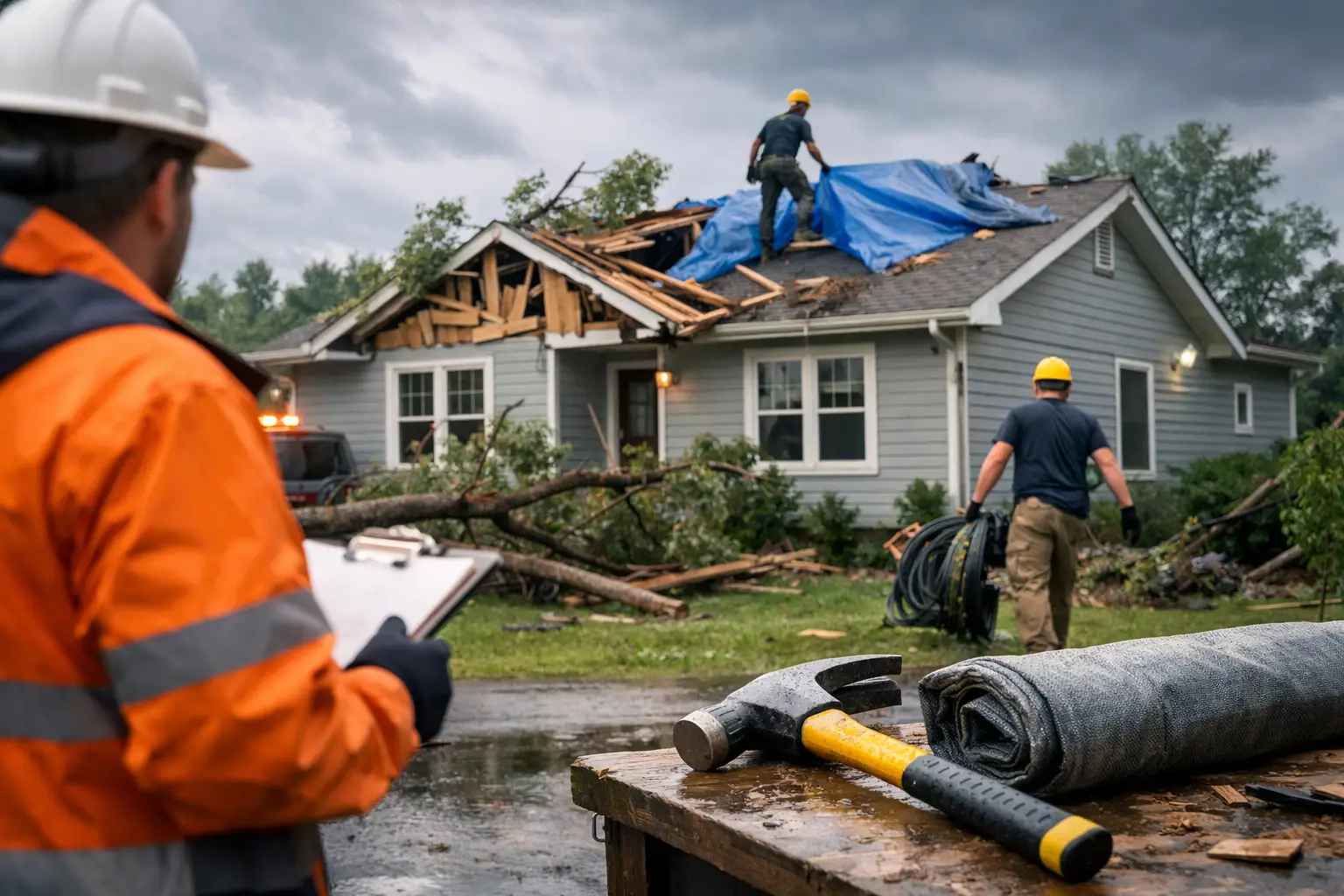 Storm
StormEmergency board-up, roof tarping, and full recovery after wind, hail, and storms.
Learn more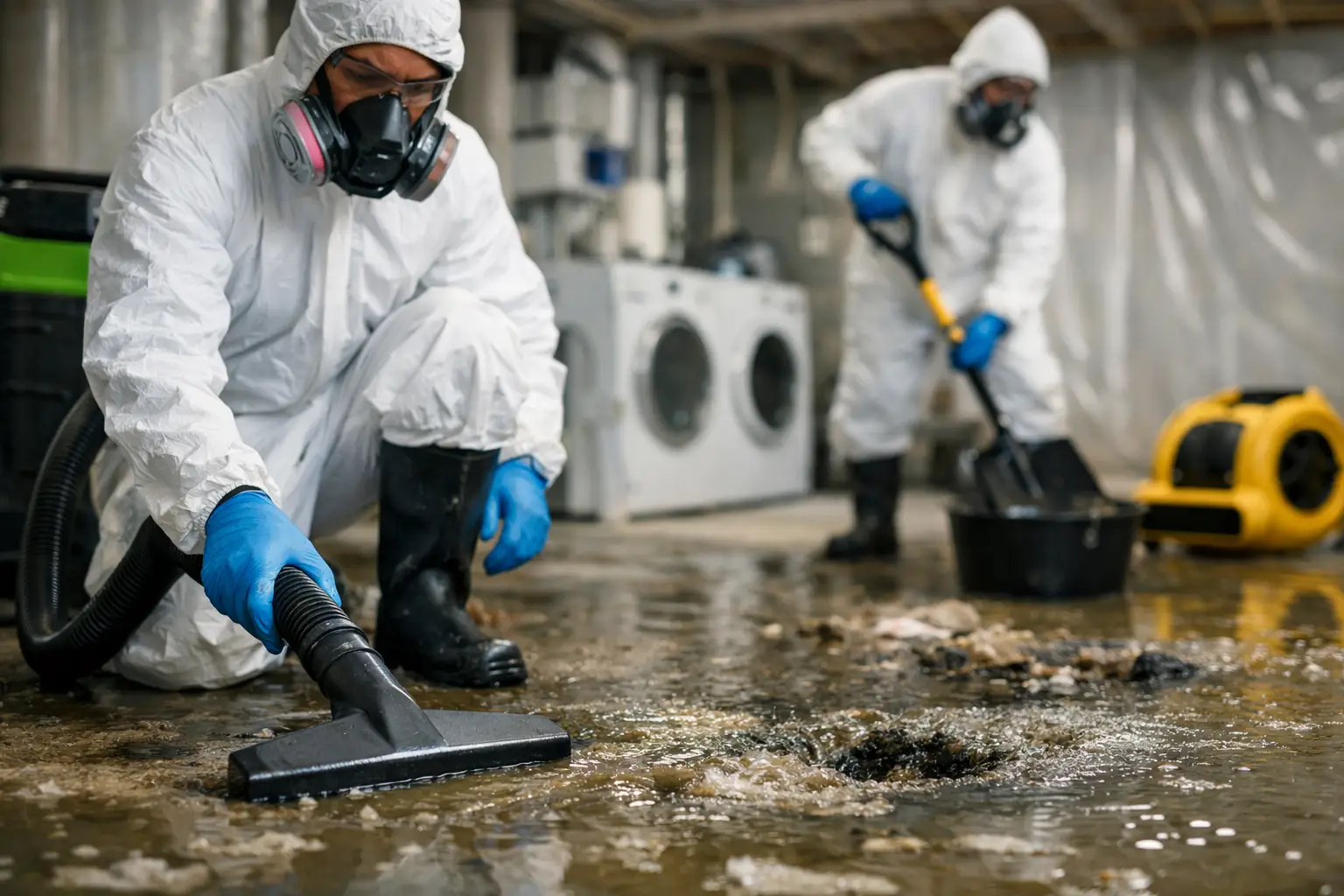 Sewage
Safe biohazard cleanup and sanitizing after sewage backups and overflows.
Learn more Reconstruction
Full rebuild by a licensed general contractor, so your property comes back whole.
Learn moreElevated Operations is an IICRC-certified, licensed general contractor based in Mableton that handles the entire recovery in-house, so after one loss you are never coordinating a cleanup crew, a mold crew, and a contractor separately. One team, one point of contact, from the first pump-out to the final coat of paint.
People call when the property feels like a disaster. They leave reviews because Chris and the crew made it right. These are real, verified Google reviews.
I treat those homes carefully because plaster and heart-pine react differently to moisture than modern finishes. I start with water removal, then use air movers, dehumidification, and moisture monitoring to dry the structure without guessing. Older trim, floors, and wall assemblies often need a slower, more controlled drying process.
It often depends on the cause of the loss and the policy terms, but wet carpet extraction is commonly part of covered mitigation when the water event itself is covered. I document the loss, bill insurance directly, and keep the drying scope tied to the damaged materials and the source of the water.
Because older cast-iron laterals can point to plumbing conditions that change how the loss is handled and what gets documented. In Decatur, that matters in older neighborhoods and renovated homes. I inspect the source, record the affected areas, and build the mitigation file around the actual conditions, not assumptions.
You do not know by look alone. Dry walls can still hold moisture inside. I use moisture monitoring to verify the readings before I call the job complete. That is especially important in Decatur homes with plaster, heart-pine, and older assemblies that hide water longer than modern finishes.
Your deductible is usually part of the policy terms, and it is separate from the mitigation work. I help owners manage that side with deductible assistance up to $1,000 when eligible. I also bill insurance directly so the claim stays focused on the actual water extraction and drying work.
Yes. I respond 24/7 with 60-minute emergency response from my Mableton base. That matters when water is active in a Decatur home, because the first hours affect the amount of structural drying needed and whether plaster, flooring, or cabinetry can be saved.
I bring extraction equipment, air movers, dehumidification, and moisture monitoring gear, then I choose the setup based on the actual loss. A bungalow with heart-pine and plaster may need a different approach than a newer home. I use the equipment to support the structure, not overwhelm it.
I document the leak, photograph the damage, record moisture readings, and bill insurance directly for the approved mitigation scope. Structural drying is tracked separately from simple surface drying because hidden moisture changes the job. That documentation helps the claim show why the work was necessary.
Elevated Operations dispatches IICRC-certified crews across Metro Atlanta from our Mableton base, with a 60-minute emergency response day or night. Choose your city:
Call now for an immediate response, or request your free inspection and get a certified crew on-site within the hour across Atlanta and nearby areas.