24/7 Emergency Restoration · Serving Metro AtlantaEmergency? (770) 404-6895
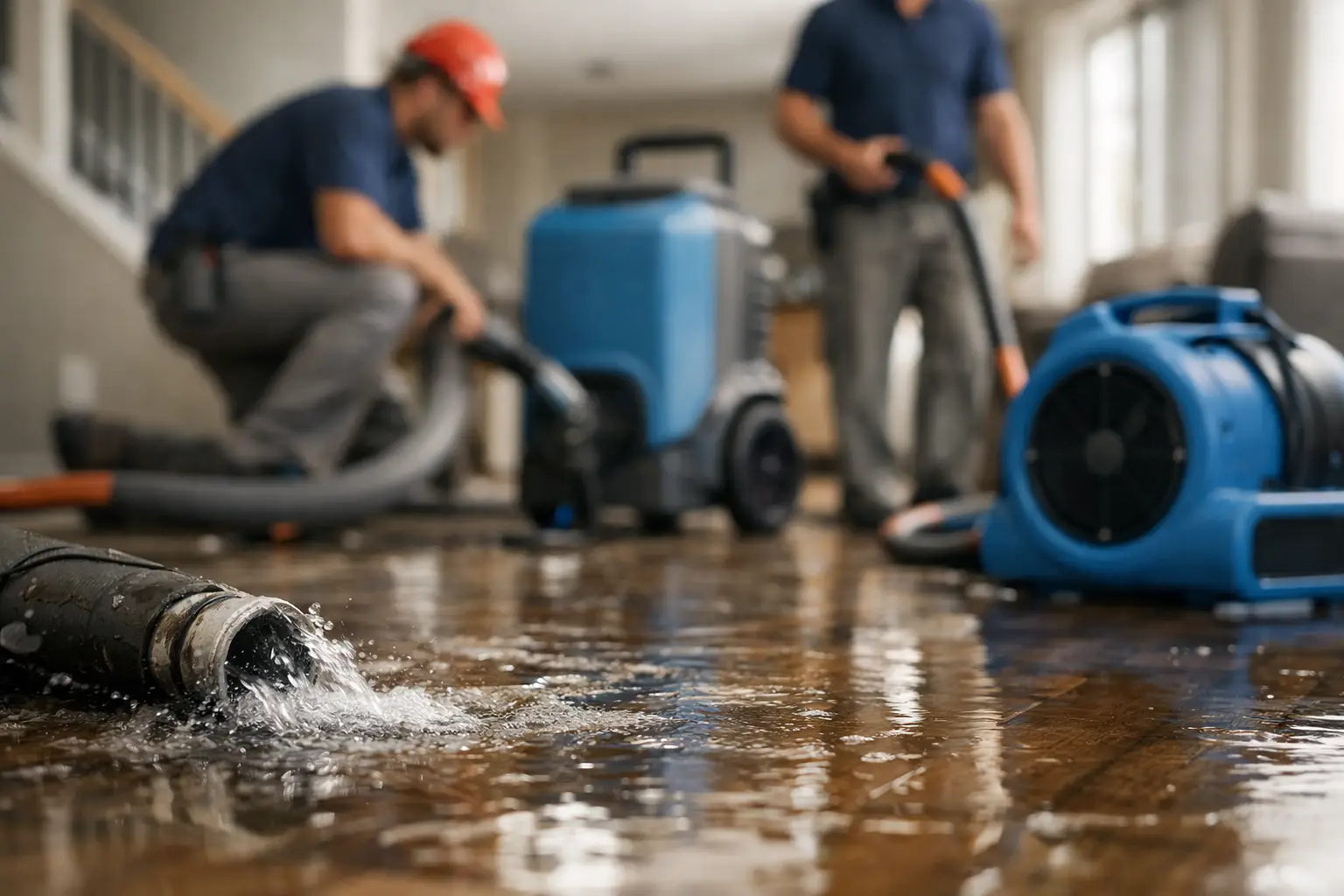
Storm damage restoration Mableton is not just cleanup after a hard rain, it is a fast, documented response to protect a house from more loss. I’m Chris Kwangwari, and my Mableton-based crew handles storm damage the right way, with 24/7 emergency response, direct insurance billing, and a 12-month warranty.
IICRC-Certified · 5-Star Rated · 60-Minute Response · Insurance Billed Directly
Yes. I run 24/7 emergency response from my Mableton base. Storms do not keep office hours, and neither do I.
Yes, I offer direct insurance billing. I handle the work and the claim-side coordination so the job keeps moving.
I am a licensed general contractor, so I can handle restoration that moves beyond surface materials and into structural repair.
Yes. I work from Mableton and serve Cobb, Fulton, DeKalb, Douglas, Clayton, Henry, and Paulding counties.
It includes more than picking up broken branches. My rule is simple, the job starts with emergency protection, then moisture control, then debris removal, roof tarping, temporary boarding, and the repairs needed to put the structure back in service.
Myth: storm damage restoration is just a cleanup crew. Fact: if water got in, wind peeled materials loose, or hail opened the roof covering, the work has to stop further loss first. That is why I send IICRC-certified technicians with a licensed general contractor behind the project, not guesswork.
From Mableton, I work across Cobb and nearby counties, so I know how fast weather changes near the Silver Comet corridor and older neighborhoods around town. Storms do not wait for business hours, and neither do we. Emergency response is 24/7, and that matters when a roof is exposed.
A real restoration plan can include debris removal, roof tarping, temporary boarding, drying, and structural repair where the storm actually hit the house. It also includes documenting conditions for the carrier. I handle direct insurance billing, because homeowners need the work moving, not the paperwork sitting on a kitchen table.
Yes, if the roof is open to weather, roof tarping should happen right away. The myth is that you can wait until morning or after the adjuster visit. Fact: delaying can let rain, wind, and debris cause avoidable water intrusion.
I see this myth a lot after hail or high wind. Homeowners think a few missing shingles are not urgent. But in my experience, once the cover is compromised, the attic and ceilings are next. That is why roof tarping is one of the first moves I make.
Mableton homes near the Silver Comet trail system and the neighborhoods off main routes can take different kinds of wind exposure, but the rule stays the same. If I can protect the roof today, I do not wait for tomorrow. Temporary boarding works the same way for openings and broken glazing.
Roof tarping is not a final repair. It is a control step. It buys time, limits water intrusion, and keeps the damage from spreading while we plan the full wind damage repair or hail damage repair. That is how a restoration job stays under control instead of turning into a larger structural repair.
Absolutely. Myths about a dry-looking house are dangerous. Small roof lifts, cracked flashing, window damage, and loose siding can all admit water. Fact: storm damage often hides behind walls, in insulation, and inside ceiling cavities before it shows on the surface.
A house can look calm and still be taking on water. I have seen it after wind damage repair calls where the visible issue was minor, but the underside told a different story. Once water gets in, it travels, and it does not announce itself politely.
That is why I insist on a real inspection, not a glance from the driveway. In Mableton, especially in homes that have been around a while, water intrusion can show up at the roof edge, around a chimney, or behind siding after the storm has already passed.
If you wait too long, mold can start in 24 to 48 hours. That is not a scare line, it is the clock. IICRC-certified technicians know what to look for, and my crew documents the moisture path so the repair plan matches the actual damage, not the obvious damage.
You fix storm damage by protecting the structure first, then assessing hidden loss, then repairing materials in the correct order. Myth: you can jump straight to cosmetic fixes. Fact: the house must be stabilized, dried, and verified before finish work starts.
My first move is to stop active damage. That may mean roof tarping, temporary boarding, or debris removal if tree limbs or broken materials are still threatening the house. After that, I document what failed, where water entered, and what has to be removed or dried.
Then the restoration work gets specific. Hail damage repair is different from wind damage repair, and both are different from a tree-impact event. A licensed general contractor matters here because structural repair may be part of the answer, not an afterthought. Cutting corners is expensive later.
My base is in Mableton, but I work the same way across Cobb, Fulton, DeKalb, Douglas, Clayton, Henry, and Paulding counties. The process does not change because the ZIP code changes. The storm hit the house, so the fix has to respect the building, not the calendar.
No, debris removal is often a safety and damage-control step, not a cosmetic one. Myth: if branches and siding pieces are in the yard, cleanup can wait. Fact: loose debris can keep puncturing materials, block access, and hide active hazards.
I do not treat debris like trash pickup. After a storm, scattered shingles, limbs, fence material, and broken siding can tell me where the impact started and whether the roof or walls need more attention. Clearing that material helps the restoration move safely and accurately.
Around Mableton, especially near homes connected by older lots and tree cover, storm debris can pile up fast. I want clear access to the structure and the damaged areas. That matters for safety, for inspection, and for getting the tarping or repairs done without dragging the mess through the house.
Debris removal also helps stop secondary damage. A torn branch rubbing against a roof edge can keep scraping. A loose sheet of material can shift in wind. I remove the material that is still causing trouble, then I move to the repair scope. That order is not optional.
No, they are not the same. Myth: any storm damage is repaired the same way. Fact: wind damage repair and hail damage repair require different inspections, different material decisions, and different proof of impact on the building surfaces.
Wind damage often lifts, bends, tears, or displaces materials. Hail damage usually leaves impact marks, bruising, and surface failure that can be subtle at first. I do not guess between the two. The repair plan has to match the failure mode, or the house gets patched instead of fixed.
That distinction matters when I document the claim and when I decide whether the job needs structural repair under the visible damage. A homeowner in Mableton may see one missing section and assume that is the whole story. Often it is not. Storms hit a system, not a single shingle.
My crew is local, and that helps with response and judgment. I know the roof styles and construction patterns common in this part of metro Atlanta. I also know that a 4.9-star Google rating with 73 reviews does not come from overselling a job. It comes from doing the repair the right way.
Fact: exposed roofing can take on water fast. I use roof tarping right away when the surface is open, because one hard rain can turn a small loss into a bigger interior claim.
Fact: water intrusion often hides in attic spaces, wall cavities, and insulation. I check beyond the surface because visible stains are usually later-stage evidence, not the beginning of the problem.
Fact: debris removal is only one step. Real storm damage restoration can also include temporary boarding, structural repair, and direct insurance billing so the home gets stabilized and restored in the right sequence.
From emergency mitigation to full reconstruction, handled in-house so you are never managing a chain of subcontractors mid-crisis.
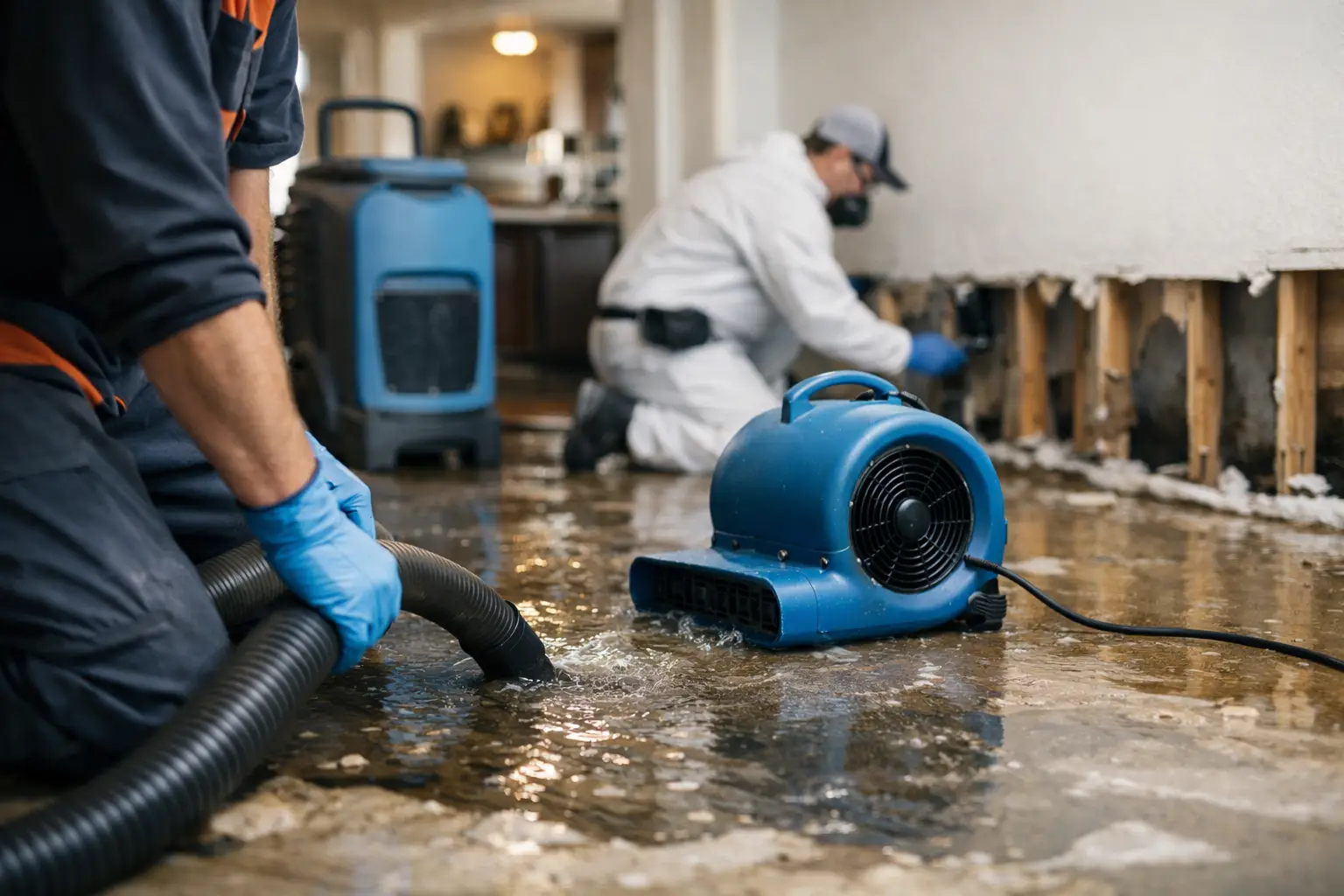 Water Damage
Extraction, structural drying, and moisture mapping after floods, leaks, and burst pipes.
Get help now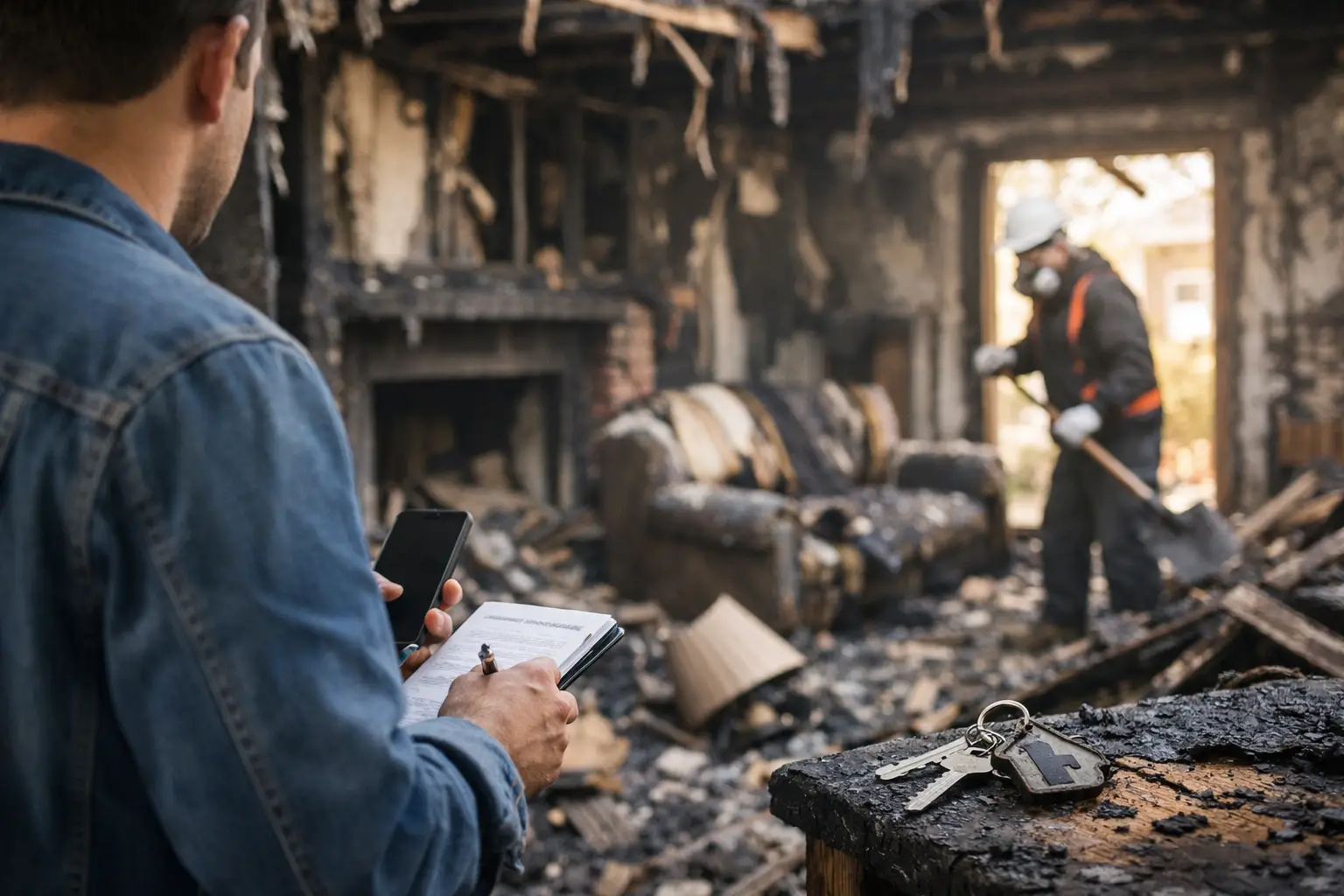 Fire & Smoke
Soot removal, odor deodorization, and content cleaning after fire and smoke damage.
Learn more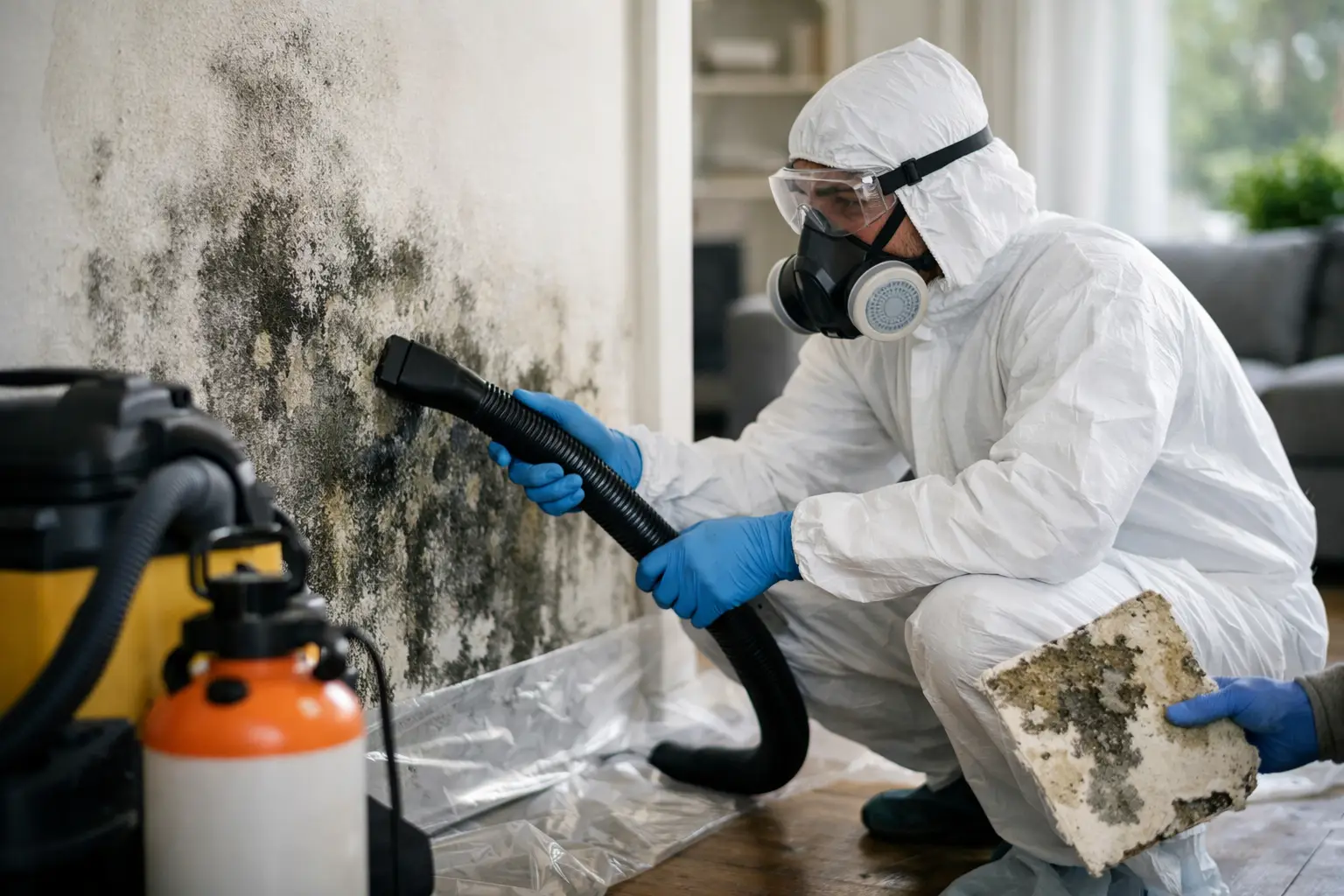 Mold
MoldContainment, removal, and moisture control that stops mold from coming back.
Learn more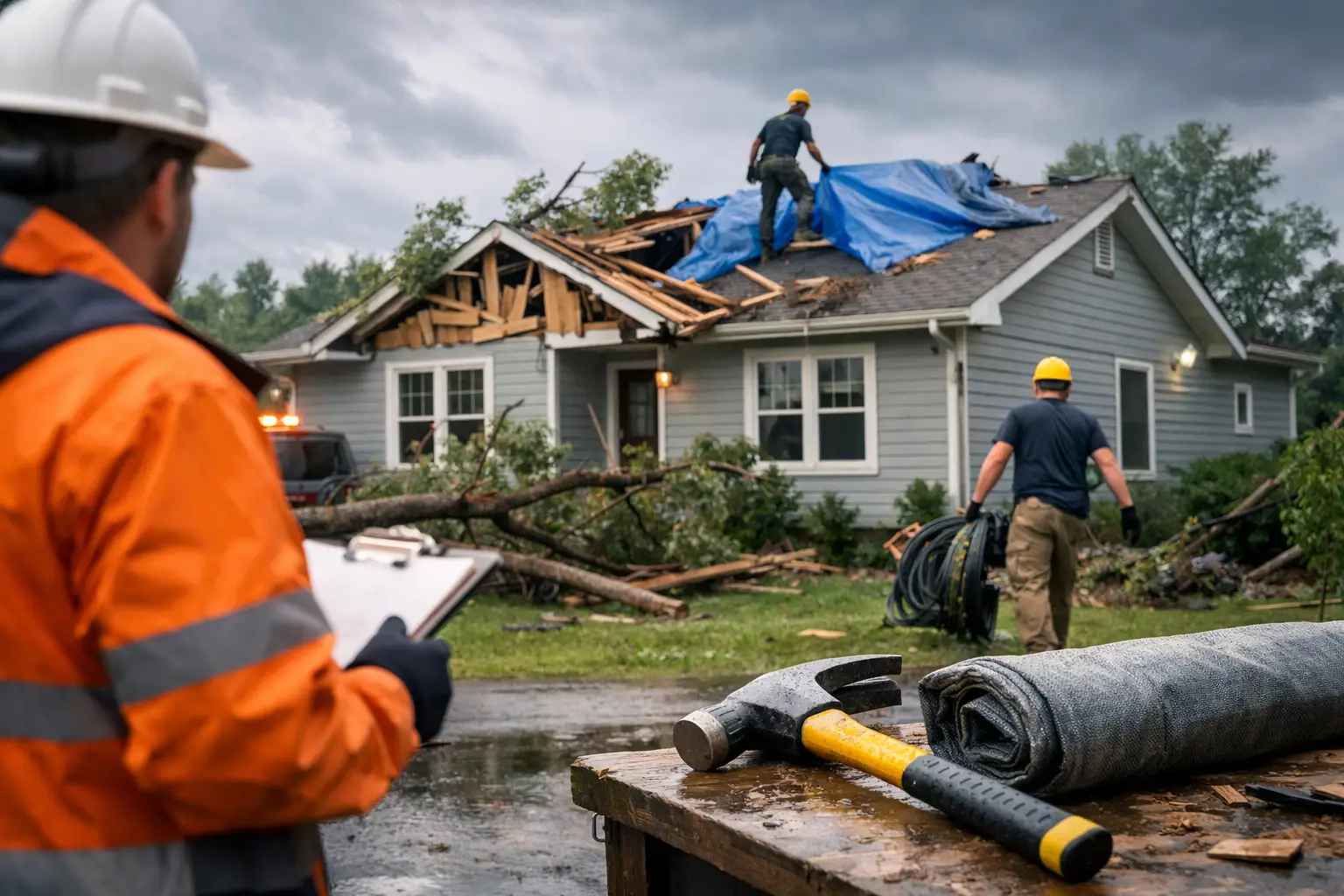 Storm
StormEmergency board-up, roof tarping, and full recovery after wind, hail, and storms.
Learn more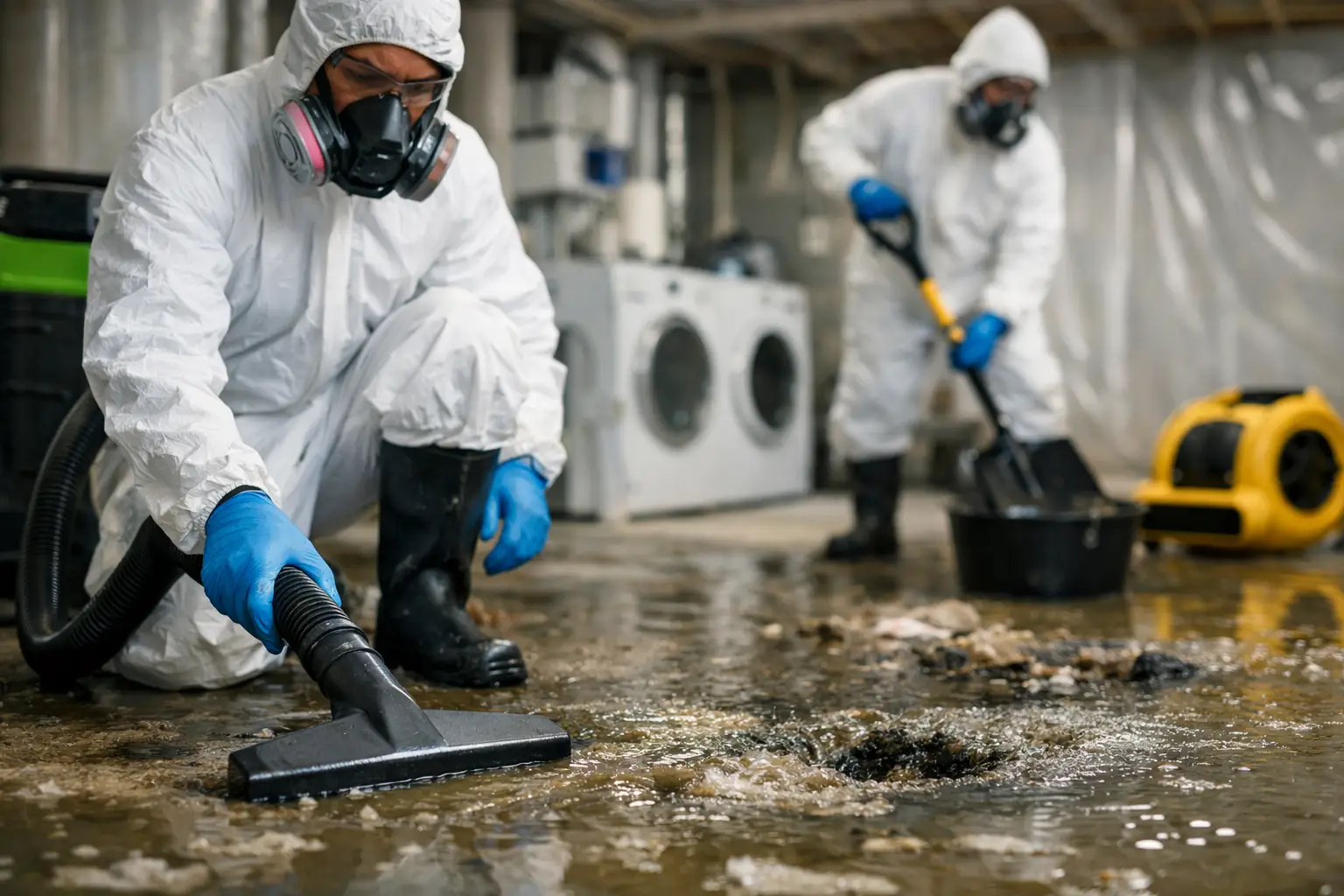 Sewage
Safe biohazard cleanup and sanitizing after sewage backups and overflows.
Learn more Reconstruction
Full rebuild by a licensed general contractor, so your property comes back whole.
Learn moreElevated Operations is an IICRC-certified, licensed general contractor based in Mableton that handles the entire recovery in-house, so after one loss you are never coordinating a cleanup crew, a mold crew, and a contractor separately. One team, one point of contact, from the first pump-out to the final coat of paint.
People call when the property feels like a disaster. They leave reviews because Chris and the crew made it right. These are real, verified Google reviews.
The first move is to stop more damage. Call for 24/7 emergency response, avoid wet or unstable areas, and get the structure protected. If the roof is compromised or openings are exposed, roof tarping or temporary boarding should happen before the next weather event. I work from Mableton, so I know speed matters here.
Look for different patterns, but do not rely on a driveway glance. Wind damage often lifts or tears materials, while hail damage can bruise or crack surfaces. I inspect the roof, siding, and vulnerable openings, then document what actually failed so the repair scope fits the cause.
Yes, when the roof is open, it should happen quickly. Roof tarping is a protection step, not a final repair. It helps prevent water intrusion while the full storm damage restoration plan is built. I treat that as urgent, because one more storm can change the entire job.
Yes. Water can enter at the roof edge, flashing, siding, windows, or other openings and move before you ever see a stain. That is why I inspect for hidden moisture, not just visible drips. Mold can start in 24 to 48 hours, so speed is important.
It can include debris removal, roof tarping, temporary boarding, moisture checks, drying, and structural repair if the storm affected framing or other building components. Older homes can hide more damage than they show, so I do not stop at the first visible problem.
I start by stabilizing the structure, then I document the impact, remove hazardous debris, and repair the damaged building components. If the roof or walls are open, tarping or boarding comes first. My licensed general contractor background matters when the job moves beyond surface repair.
Yes, I provide direct insurance billing across the counties I serve, including Fulton and DeKalb. That keeps the claim process organized while the home is being protected and repaired. I am not interested in making homeowners act as the middleman on a storm loss.
Yes, I back completed work with a 12-month warranty. My crew is IICRC-certified, and I have been in restoration since 2007. That combination matters when the job involves emergency response, repair sequencing, and making sure the finished work holds up after the storm has passed.
Elevated Operations dispatches IICRC-certified crews across Metro Atlanta from our Mableton base, with a 60-minute emergency response day or night. Choose your city:
Call now for an immediate response, or request your free inspection and get a certified crew on-site within the hour across Atlanta and nearby areas.




