24/7 Emergency Restoration · Serving Metro AtlantaEmergency? (770) 404-6895
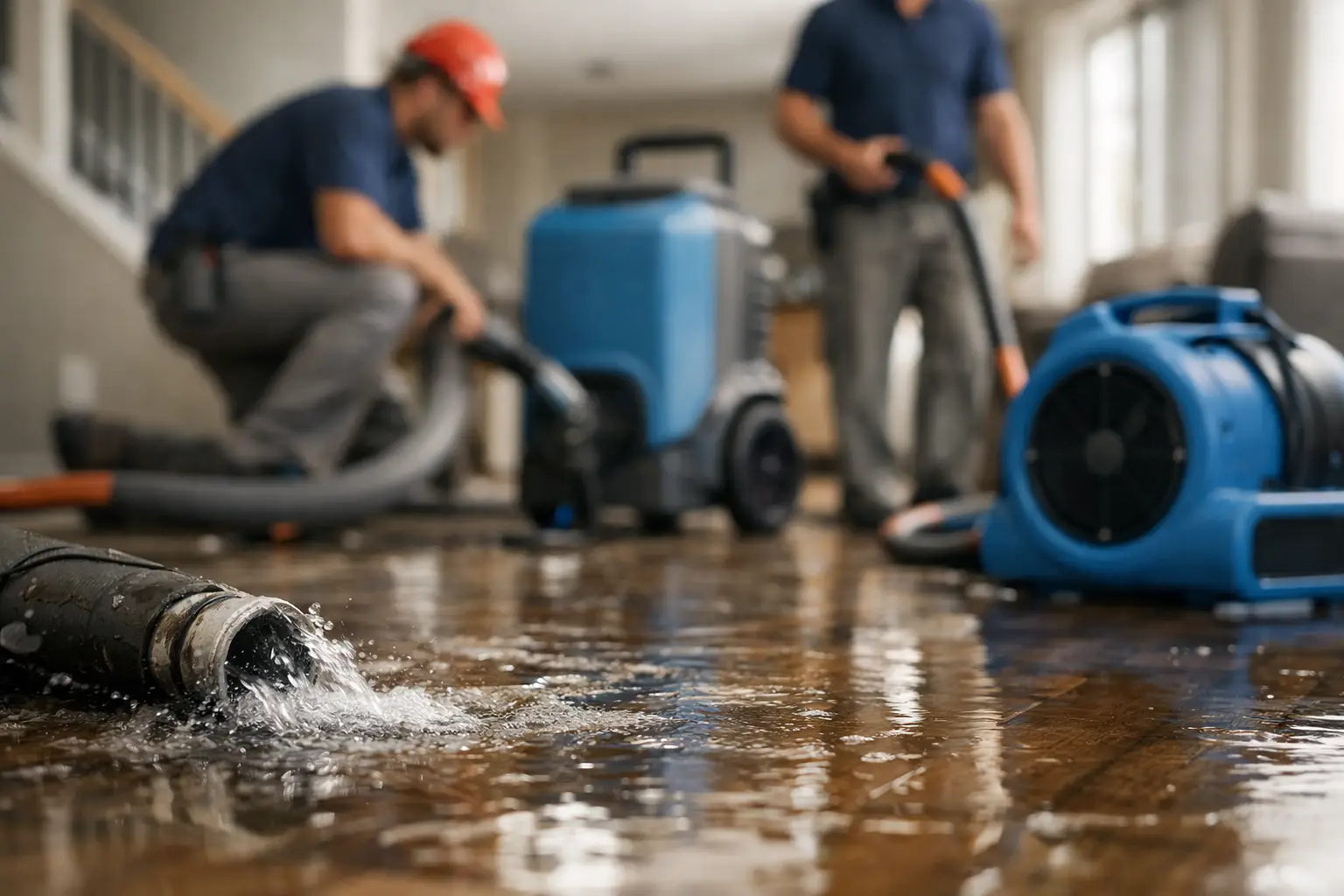
Water mitigation services College Park need to start with fast action, and I take that seriously. I am Chris Kwangwari, owner of Elevated Operations, LLLP, and my team responds 24/7 with IICRC-certified technicians, direct insurance billing, and a 12-month warranty for properties in College Park and across Fulton County.
IICRC-Certified · 5-Star Rated · 60-Minute Response · Insurance Billed Directly
Yes. I handle properties near the National Register historic district with careful moisture control and drying.
Yes. I respond to hotel water losses with containment, extraction, and practical coordination.
I move fast, stop the spread, and begin water extraction as soon as possible.
Yes. I back my work with a 12-month warranty.
Start with safety, stop the water if you can, and call me right away for water mitigation services. In College Park, I look at the source, the affected rooms, and any risks near the historic district homes or convention hotel properties before water spreads deeper into walls and floors.
First, shut off the water if the source is inside the building. Then keep people out of wet rooms, especially if the floor is slick or the ceiling is sagging. That quick checklist matters in older College Park homes and busy hospitality spaces alike.
Second, move valuables and dry items away from the wet area only if you can do it safely. I want the space documented before anything gets tossed, because loss mitigation starts with showing what happened, where it traveled, and what can still be saved.
Then call my team. I work from a Mableton base, but I serve College Park quickly with 24/7 emergency response. That matters when water is entering a lobby near the convention hotels or creeping under flooring in a National Register historic district property.
Water mitigation services include stopping the spread, water extraction, dehumidification, containment where needed, and structural drying. I also document the loss, coordinate direct insurance billing, and set up the drying equipment so the building is stabilized before bigger damage turns into a longer repair.
My checklist starts with inspection and source control. If the water is still moving, nothing else matters. Then I remove standing water, isolate affected areas when needed, and begin moisture control so wet materials stop feeding hidden damage inside walls, trim, and floors.
From there, I place drying equipment and monitor the structure. That is not guesswork. Drying is based on what the building is telling me, and in College Park that can mean older framing, mixed additions, and commercial spaces that need careful containment around occupied areas.
I also handle the paperwork side. Direct insurance billing keeps the claim moving, and my crew gives homeowners and property managers a clear record of the work. That is part of real loss mitigation, not an extra. It protects the job and helps prevent delays.
Water mitigation should start as soon as you notice the problem, because mold starts in 24 to 48 hours. In College Park, that clock matters in humid rooms, hotel suites, and older buildings near the historic district where moisture can hide behind plaster, trim, and flooring.
The first day is the most important. Water moves fast into subfloors, baseboards, and wall cavities, and it does not care whether the building is a house near downtown College Park or a convention hotel off a main corridor.
I keep 24/7 emergency response for a reason. Waiting usually means more demolition later, more moisture control problems, and a bigger claim. Early action can keep the project in the water mitigation phase instead of pushing it into heavier reconstruction.
When I arrive, I want to know where the water came from, how far it spread, and what materials absorbed it. That is how I decide on extraction, structural drying, and containment. Fast decisions save the building from secondary damage.
No, water mitigation services are the first response, and water restoration comes after the building is stabilized. Mitigation stops the damage from getting worse, while restoration puts the property back together. In College Park, I treat those as separate phases with different goals and different documentation.
Mitigation is the emergency step. Restoration is the rebuild. If a hotel corridor or a historic home has active water, I start with extraction, drying equipment, and containment before anyone talks about finishes, paint, or trim. That order matters.
IICRC-certified technicians know the difference, and I insist on that standard. If you skip mitigation and jump straight to repairs, moisture can stay trapped. Then the problem comes back later, often in the same walls or floors that looked fine on the surface.
College Park properties deserve a careful process. Older structures in the historic district may need more attention to hidden cavities, while convention hotel spaces may need faster coordination to keep operations moving. Either way, mitigation first, restoration second.
During water mitigation, I inspect the damage, extract standing water, set containment when needed, and place drying equipment to pull moisture out of the structure. I then monitor readings and adjust the plan so the property dries in a controlled way instead of being left to chance.
The job starts with an honest look at the source and the spread. I check floors, walls, cabinets, and adjacent rooms, because water often travels farther than people think. In College Park, that can mean tracking damage through older layouts or across busy hotel spaces.
Next comes water extraction and setup. If the area needs containment, I use it to separate the wet zone from the rest of the building. Then I place dehumidification and structural drying gear so the space can dry efficiently without making the problem worse.
I stay involved until the structure is stable. That means monitoring moisture and making sure the work matches the actual condition of the building. My 12-month warranty backs that disciplined process, and direct insurance billing keeps the claim side organized while the drying continues.
College Park location matters because the historic district and convention hotels create different moisture risks, access needs, and timelines. I plan water mitigation services around the building type, the traffic around the property, and the need to protect both original materials and operating spaces.
Homes in the National Register historic district often have older materials, tighter framing details, and finishes that do not forgive sloppy drying. That means I pay close attention to moisture control, hidden cavities, and the way water moved through the structure before I touched it.
Convention hotel properties bring a different challenge. Water in a guest room, hallway, or service area can affect operations quickly, so I focus on clean containment, fast water extraction, and practical coordination. The work has to fit the building and the business.
College Park is not one-size-fits-all. I have to think about access, occupancy, and the condition of the structure itself. That is why I start with a direct assessment, then build the mitigation plan around what the property actually needs, not around a script.
If it is safe, shut off the water and keep people away from wet electrical areas. That first move limits spread before I arrive.
Take a few clear photos of affected rooms, ceilings, floors, and any visible source. Good documentation helps with loss mitigation and the insurance file.
Move dry items out of the affected area only if it is safe to do so. Do not pull up flooring or cut drywall on your own.
Call me at (770) 404-6895 for 24/7 response. I send IICRC-certified technicians, handle direct insurance billing, and start the drying plan fast.
Limit foot traffic, keep doors closed where possible, and avoid running fans before inspection. Controlled drying is better than pushing moisture deeper.
From emergency mitigation to full reconstruction, handled in-house so you are never managing a chain of subcontractors mid-crisis.
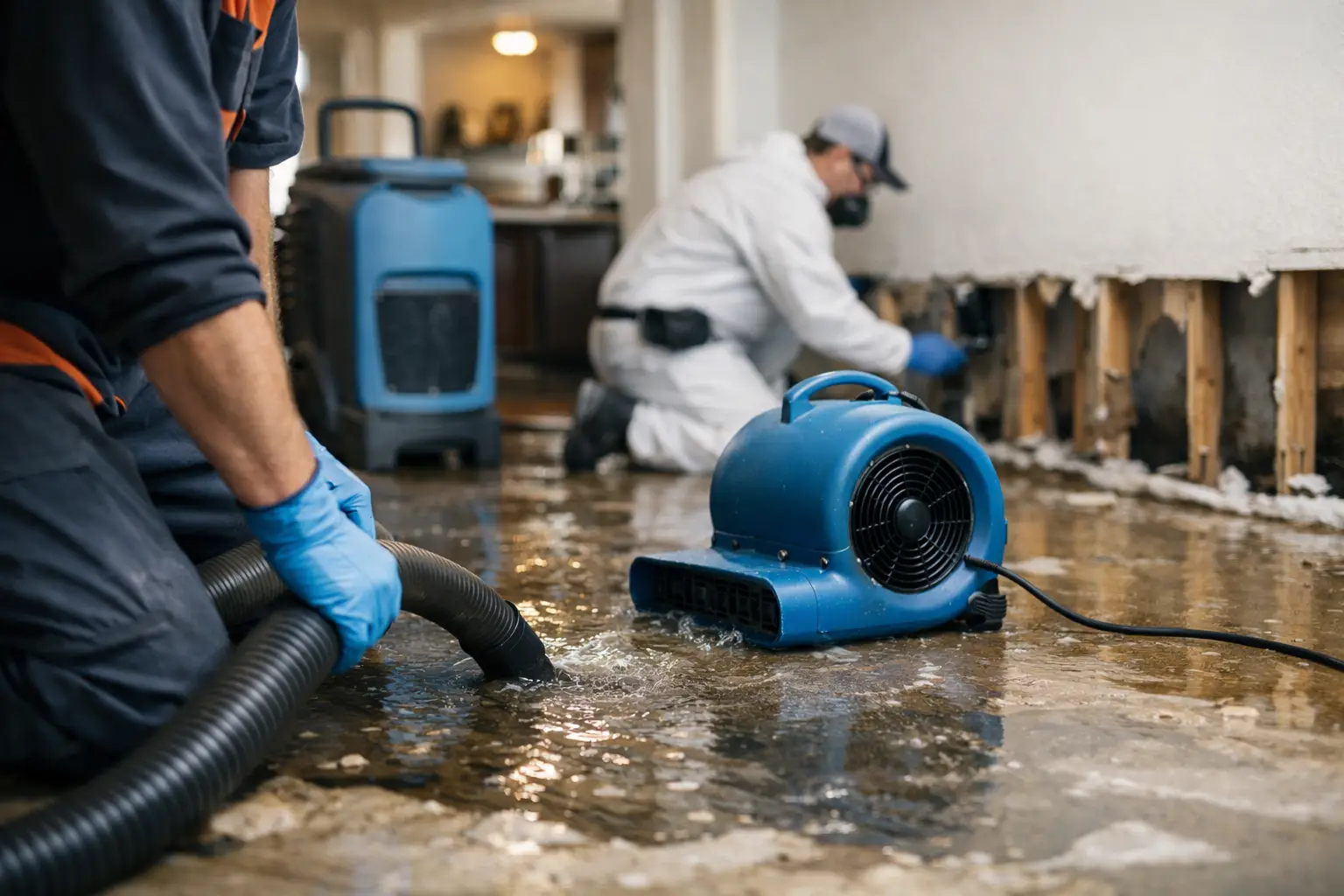 Water Damage
Extraction, structural drying, and moisture mapping after floods, leaks, and burst pipes.
Get help now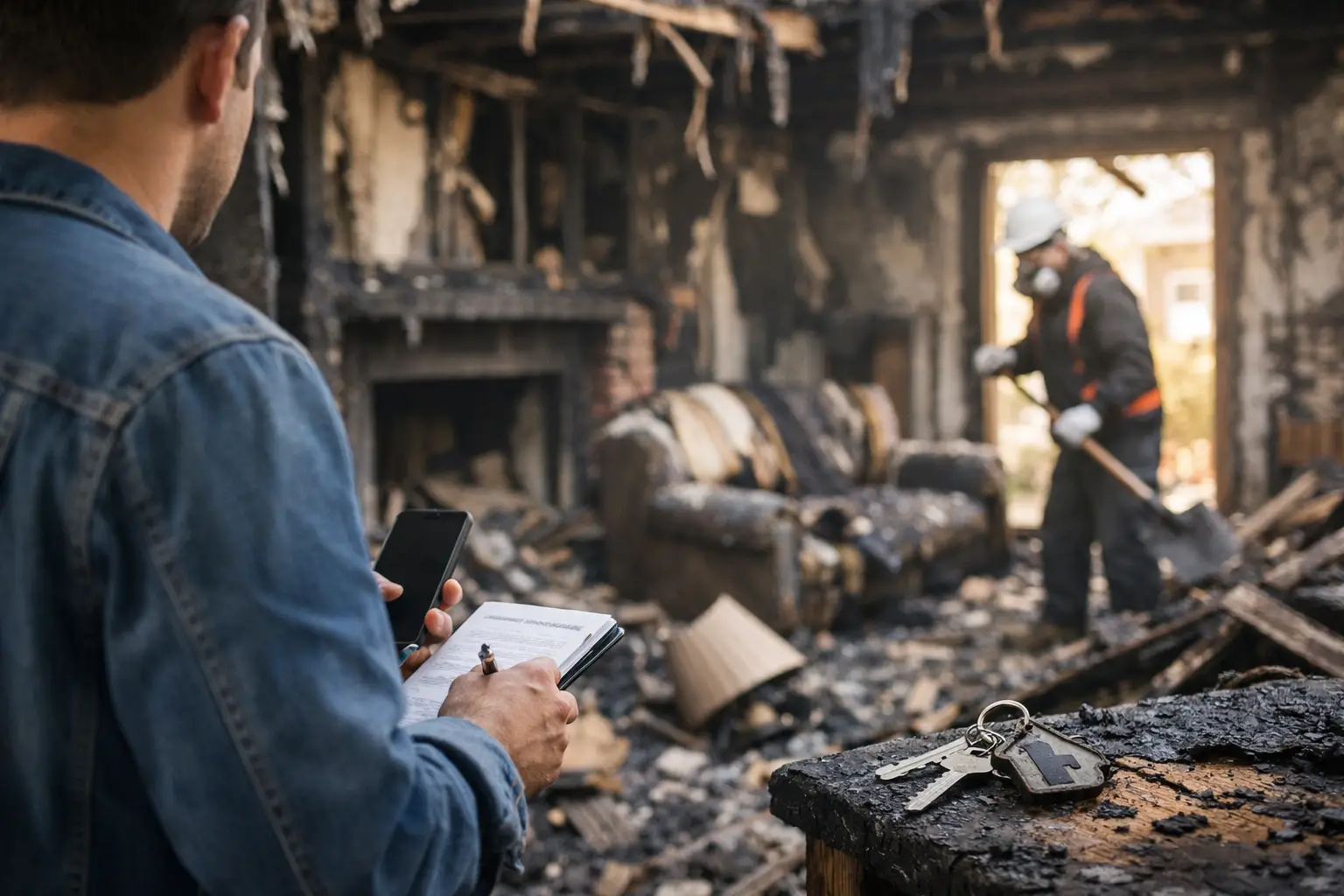 Fire & Smoke
Soot removal, odor deodorization, and content cleaning after fire and smoke damage.
Learn more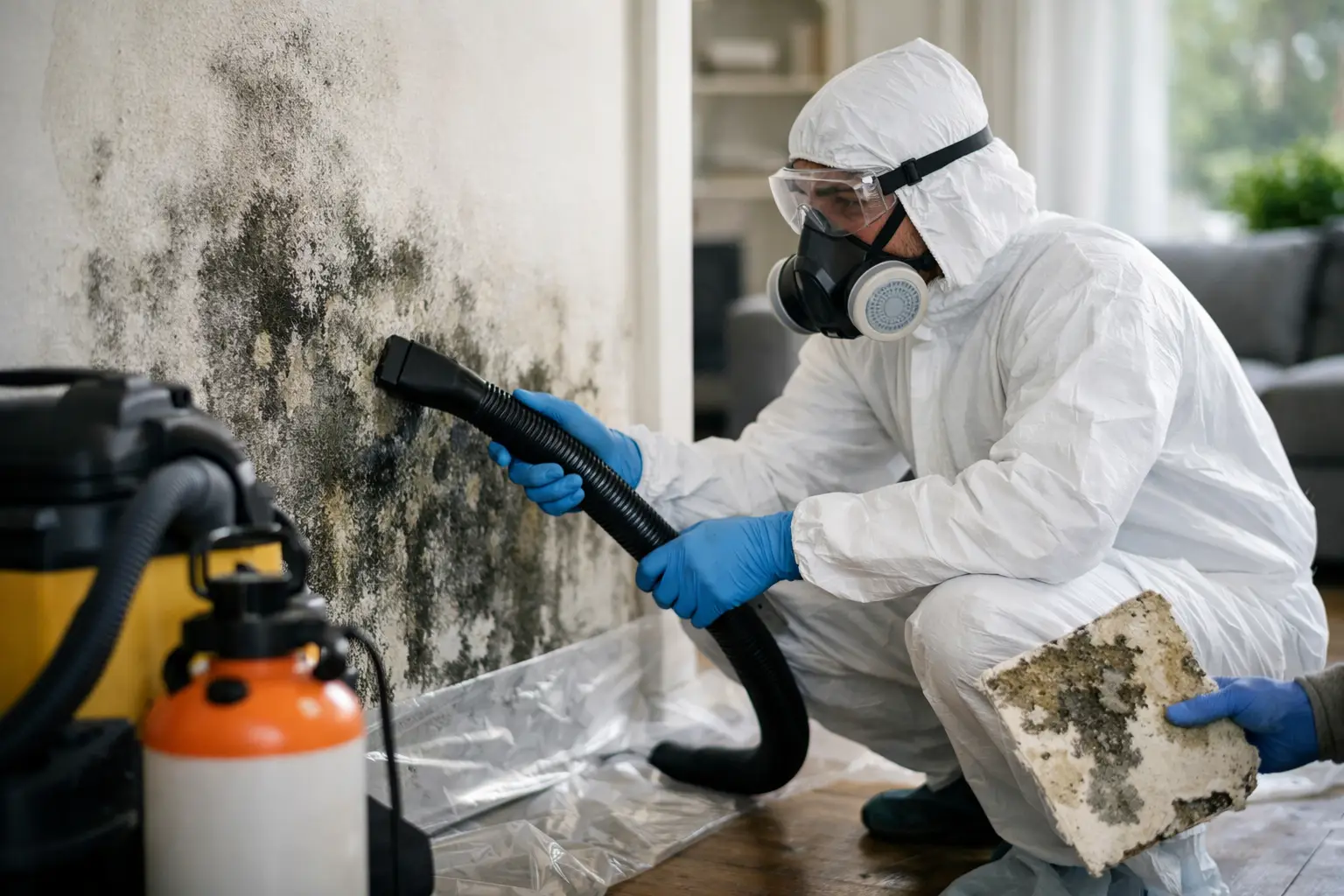 Mold
MoldContainment, removal, and moisture control that stops mold from coming back.
Learn more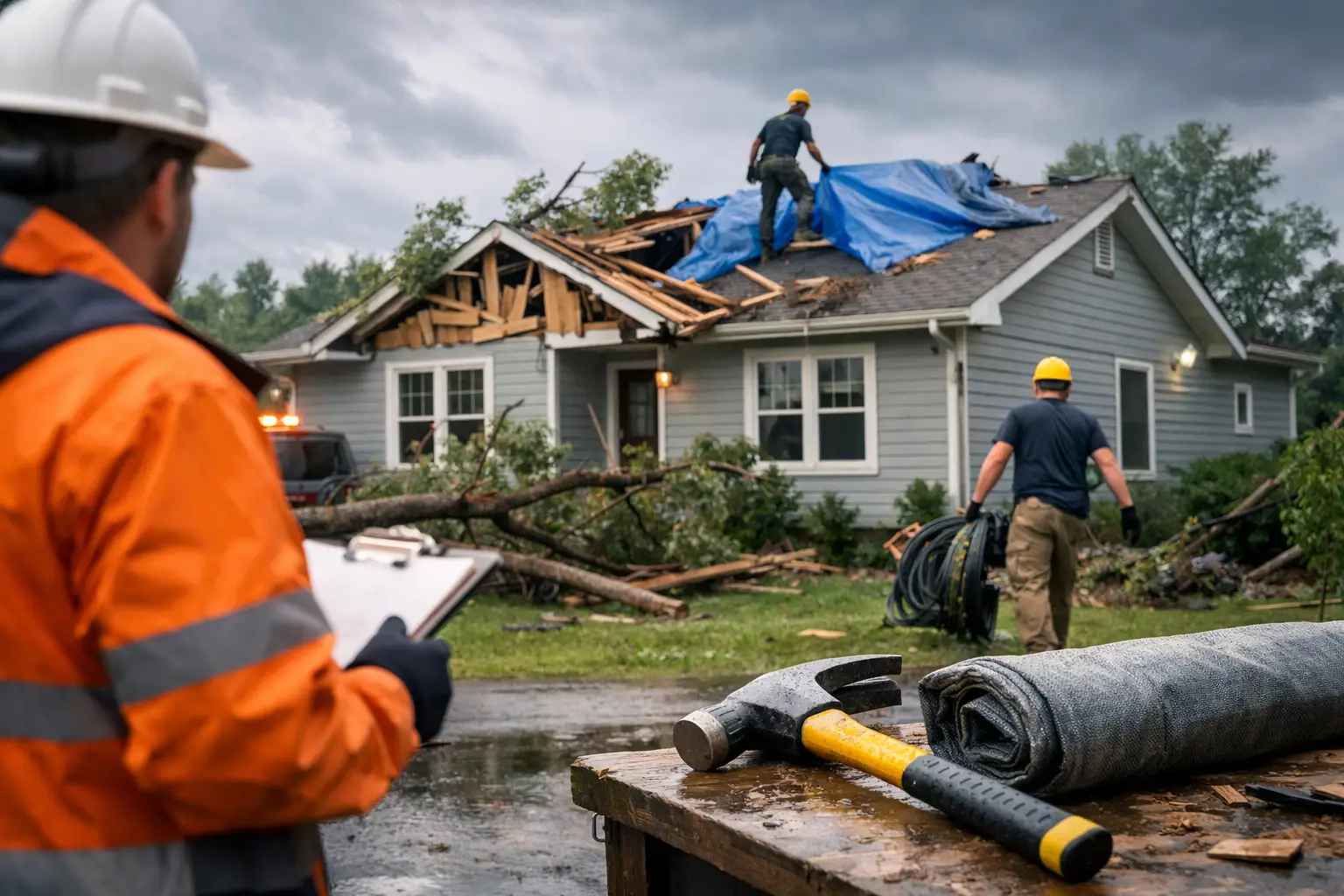 Storm
StormEmergency board-up, roof tarping, and full recovery after wind, hail, and storms.
Learn more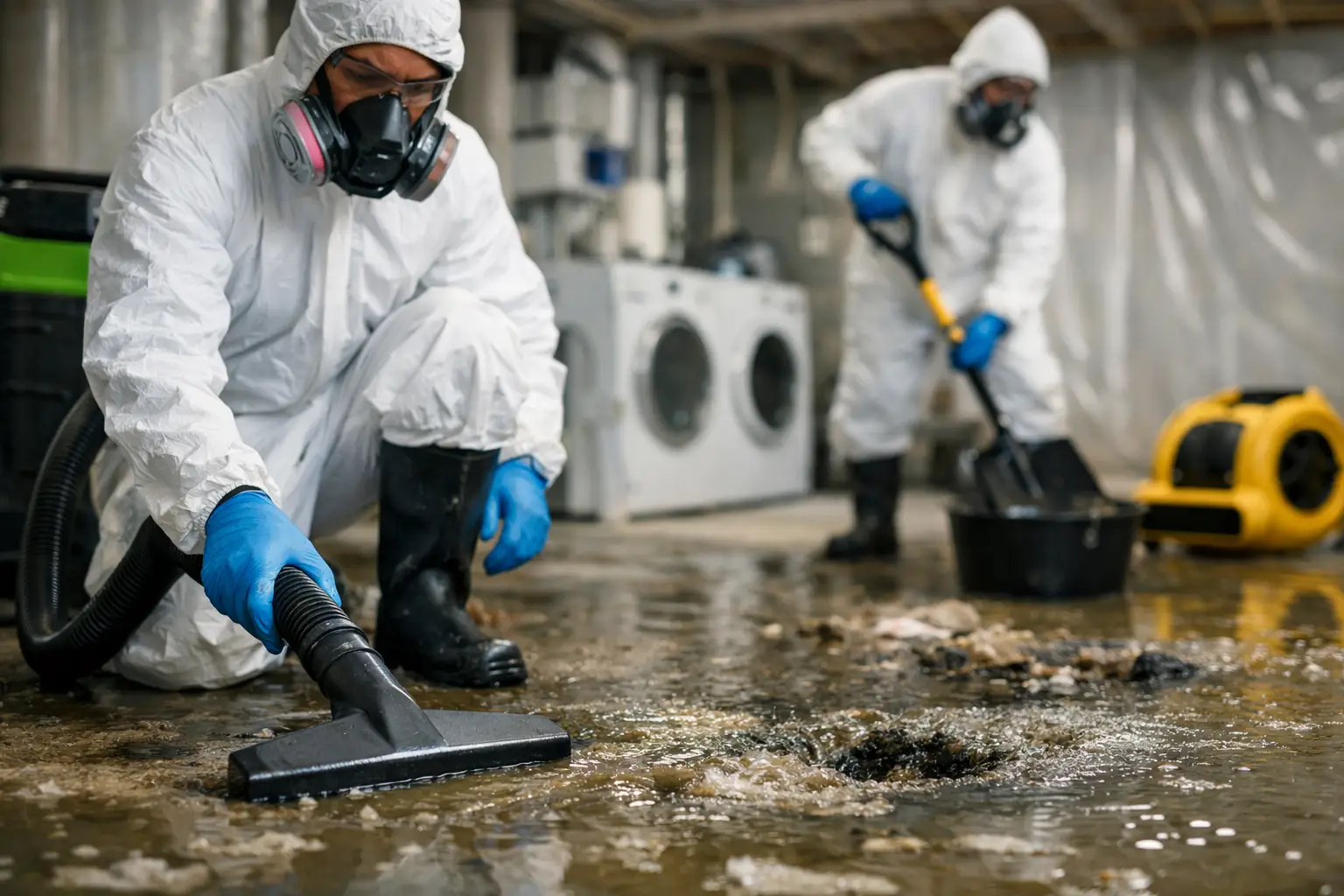 Sewage
Safe biohazard cleanup and sanitizing after sewage backups and overflows.
Learn more Reconstruction
Full rebuild by a licensed general contractor, so your property comes back whole.
Learn moreElevated Operations is an IICRC-certified, licensed general contractor based in Mableton that handles the entire recovery in-house, so after one loss you are never coordinating a cleanup crew, a mold crew, and a contractor separately. One team, one point of contact, from the first pump-out to the final coat of paint.
People call when the property feels like a disaster. They leave reviews because Chris and the crew made it right. These are real, verified Google reviews.
Yes. I handle water mitigation services for College Park homes, including properties near the National Register historic district. Older homes often need careful moisture control because water can hide in framing, trim, and flooring. I start with inspection, extraction, and drying, then document the work for the claim. That keeps the process organized and focused on the actual damage.
Yes. I provide 24/7 emergency response, which matters for convention hotels where water can disrupt rooms, hallways, and service areas at the worst time. My team starts with containment, water extraction, and structural drying so the property can get stabilized quickly. I also handle direct insurance billing so the paperwork does not slow the response.
I check the source, the spread, and the materials that got wet first. That tells me whether I need immediate water extraction, containment, or more aggressive drying equipment. In College Park, I also pay attention to building age and occupancy because a historic home and a convention hotel do not dry the same way.
I use containment when it helps control the wet area, protect cleaner spaces, or separate occupied rooms from active drying work. In a hotel or a busy home, that can keep the disruption contained while the structure dries. It is one part of loss mitigation, and I only use it when it supports the job.
Yes. I provide direct insurance billing, which keeps the claim process moving while the mitigation work is underway. I also document the damage and the drying steps so the adjuster has a clear record. That is important in College Park properties where the loss may involve older building materials or active hospitality operations.
I protect older materials by controlling airflow, managing dehumidification, and checking moisture levels instead of blasting the space with unnecessary equipment. In historic district properties, careful structural drying matters because older framing and finishes can react badly to rushed work. I prefer steady, documented drying that matches the building, not a one-size-fits-all setup.
Yes. Mold starts in 24 to 48 hours, so waiting gives moisture time to create a new problem. That risk is especially real in humid rooms, closed spaces, and properties with hidden cavities. I push for fast water mitigation services because early extraction and drying can stop the damage from growing into a larger cleanup.
Because water mitigation is more than fans and hope. I bring IICRC-certified technicians, a licensed general contractor, direct insurance billing, and a 12-month warranty. More important, I know how to judge moisture, set the right drying equipment, and keep the work focused on actual loss mitigation for College Park properties.
Elevated Operations dispatches IICRC-certified crews across Metro Atlanta from our Mableton base, with a 60-minute emergency response day or night. Choose your city:
Call now for an immediate response, or request your free inspection and get a certified crew on-site within the hour across Atlanta and nearby areas.