24/7 Emergency Restoration · Serving Metro AtlantaEmergency? (770) 404-6895
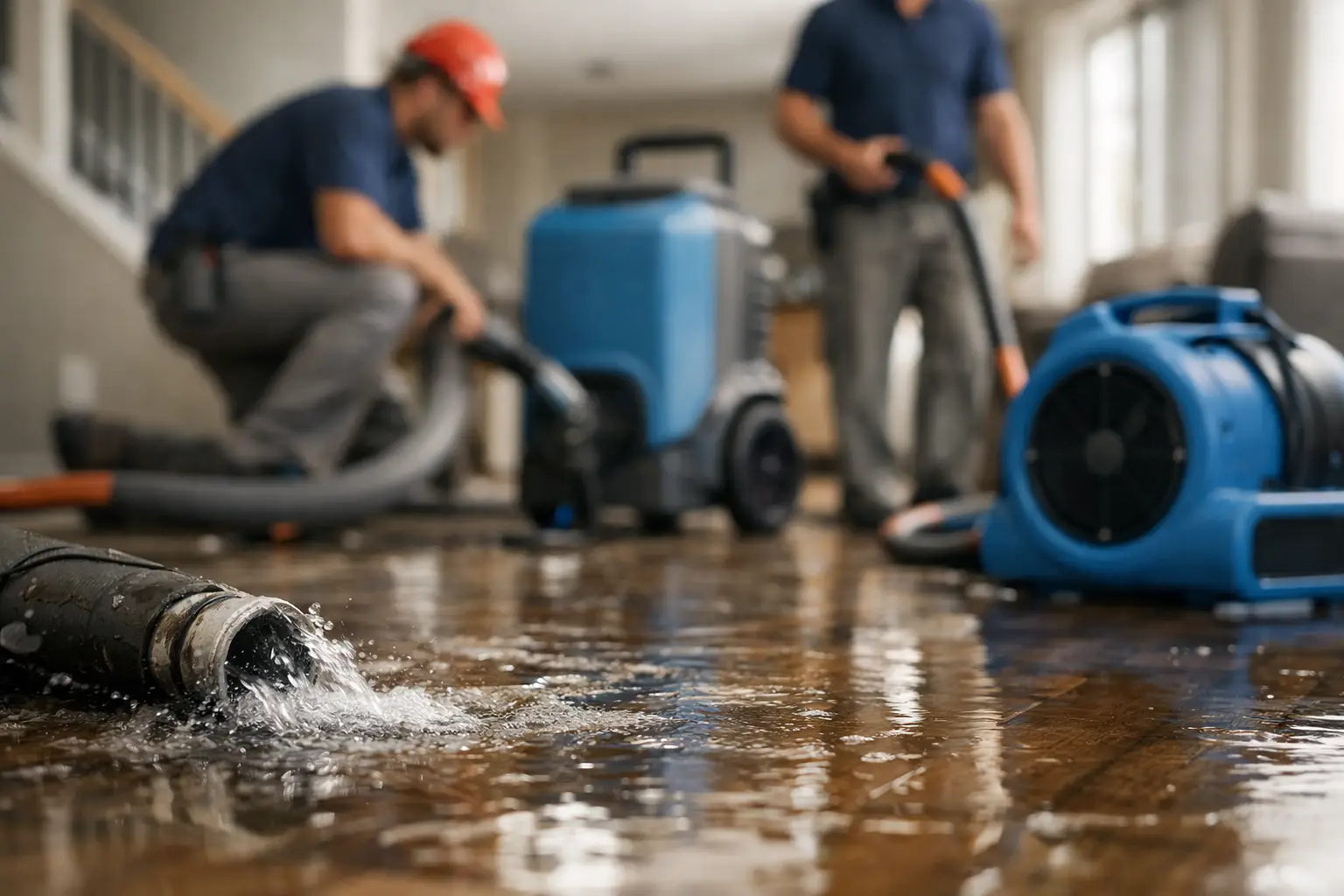
Sewage remediation services Marietta homeowners call me for start with one goal, stop the contamination fast and protect the structure. I’m Chris Kwangwari with Elevated Operations, and I handle sewage cleanup, disinfection, odor control, and insurance coordination for homes near the Square, Kennesaw Mountain runoff areas, and older plaster interiors that soak up damage quickly.
IICRC-Certified · 5-Star Rated · 60-Minute Response · Insurance Billed Directly
Yes, I respond 24/7 with a 60-minute emergency response for sewage losses in Marietta.
Yes, I provide direct insurance billing and keep the documentation organized from the start.
I inspect carefully and remove plaster when it has absorbed contamination beyond safe cleaning.
Call (770) 404-6895. I’m Chris Kwangwari, owner of Elevated Operations, LLLP, based in Mableton.
Sewage remediation services include stopping the source, removing contaminated material, cleaning affected surfaces, disinfecting what remains, and controlling odor. In Marietta, I pay close attention to older homes with plaster walls near the Square and runoff-driven moisture concerns near Kennesaw Mountain because both can hold contamination longer than people expect.
I start with sewage cleanup that focuses on what is actually contaminated, not just what looks dirty. That means black water remediation when the loss calls for it, then contamination removal from porous materials, hidden cavities, and wet building components that can keep spreading the problem.
Sanitization and disinfection are not the same thing, and I don’t blur them. I use disinfection on the affected areas after removal work, because sewage leaves more than a stain. It leaves biohazard cleanup issues that need a direct, controlled response from a technician who knows what to remove.
Marietta homes vary a lot. I see older plaster near the historic Square, and I see houses closer to Kennesaw Mountain where runoff and damp conditions can make odor control harder. That is why I treat each project as a source problem, a material problem, and an indoor air problem.
Yes, sewage remediation is necessary after a backup because toilet backup cleanup still leaves contamination behind even when the visible water is gone. Sewage can wick into trim, subfloors, and plaster, and mold can start in 24 to 48 hours. In Marietta, waiting is the expensive choice.
A backup is not just a plumbing nuisance. Once sewage touches finishes, the issue becomes contamination removal and disinfection. I do not recommend cleaning it with household products and hoping for the best, especially in homes with older materials that absorb moisture quickly and hold odor.
If the backup reached carpet, baseboards, drywall, or plaster, the job moves into sewage remediation services, not simple mopping. That matters in Marietta because many homes around the Square and nearby neighborhoods have finishes that do not dry cleanly once sewage soaks in.
I respond 24/7 with a 60-minute emergency response, and I keep the process straightforward. I assess the damage, document it for direct insurance billing, and explain what can stay and what must come out. That clarity saves time and prevents a second round of contamination.
Some sewage damage can be sanitized, but porous and soaked materials often need removal. I decide based on what the sewage touched, how long it sat, and whether the material can be safely disinfected. In Marietta, plaster, insulation, and swollen framing often cross the line from salvageable to removal.
People want a quick yes or no. I give a real answer instead. Hard surfaces can often be cleaned, sanitized, and disinfected, but drywall, insulation, carpet pad, and waterlogged plaster frequently trap contamination. Once that happens, odor control becomes harder and the risk stays in the structure.
That is why I treat sewage cleanup as both a cleaning job and a building-material decision. If the material can be cleaned to a safe condition, I keep it. If it cannot, I remove it. I do not stretch salvage beyond what the material can honestly handle.
Older Marietta homes are where this gets tricky. The historic Square area has plenty of character, but character also means older finishes and mixed repairs. Around Kennesaw Mountain, runoff and damp soil can keep materials wet longer, so I inspect for hidden contamination before I call anything finished.
After sewage contamination, I remove anything porous, swollen, or impossible to fully disinfect. That usually includes carpet pad, insulation, damaged drywall, and waterlogged plaster when it has absorbed sewage. The goal is contamination removal, not cosmetic repair, because what stays behind can keep odor and bacteria in the home.
I separate surfaces into two groups, cleanable and non-cleanable. Cleanable items get sanitization and disinfection. Non-cleanable items come out. That approach keeps biohazard cleanup focused on actual risk, not on appearances, and it keeps me from leaving contaminated materials hidden inside the wall cavity.
Marietta homes near the Square often have older wall systems, and plaster can act like a sponge once sewage gets into it. I also see losses near Kennesaw Mountain where moisture lingers after heavy rain or runoff, and lingering moisture changes what should be removed.
This is where homeowners often try to save too much. I understand that instinct. But sewage remediation services have to protect the structure first. If a material has soaked in black water, or if odor control keeps failing after cleaning, removal is usually the honest call.
I handle odor control by removing the source, cleaning and disinfecting the affected areas, and taking out materials that continue to hold contamination. If the smell remains, something is still wet, porous, or hidden. In Marietta, older plaster and runoff-prone areas can trap odor longer than flat, modern surfaces.
Odor control is not a perfume job. I do not mask sewage smells. I find what is still contaminated, clean what can be cleaned, and remove what cannot. That is the only method that holds up after sewage cleanup in real homes with real materials.
If odor keeps showing up, I look at cavities, base layers, and adjacent rooms. Marietta homes near the historic Square sometimes have multiple finish layers, and those layers can trap odor after a toilet backup cleanup. The smell follows moisture, not just visible stains.
I back my work with a 12-month warranty because I stand behind the process. I have been in restoration since 2007, I’m a licensed general contractor, and my IICRC-certified technicians know that lasting odor control depends on proper removal and disinfection, not shortcuts.
You should call immediately, because sewage damage gets harder to control every hour it sits. I offer 24/7 response with a 60-minute emergency response, and I move quickly on assessment, containment, and cleanup. In Marietta, faster action matters in older homes and anywhere runoff may keep materials damp.
Once sewage reaches building materials, time starts working against you. Moisture spreads behind trim, under flooring, and into insulation. That means the cleanup zone can expand even if the visible stain looks small. I treat it as a live contamination problem from the first call.
I work directly with homeowners and insurance carriers through direct insurance billing, which removes friction during a stressful loss. I also offer deductible assistance up to $1,000, because a sewage loss already disrupts enough without adding avoidable billing confusion on top.
Marietta weather and topography matter more than people think. Homes closer to Kennesaw Mountain can see runoff-related moisture issues, and historic-area properties can hide water inside older assemblies. That is why I respond fast, assess honestly, and separate salvageable materials from contaminated ones.
I answer, ask a few direct questions, and send a technician fast. The first job is stopping the source and limiting spread before sewage cleanup turns into a larger contamination removal project.
Yes. I provide direct insurance billing, and I document the loss clearly so the claim process stays organized. That helps when sewage damage involves plaster, flooring, or hidden wall cavities.
Yes. Sewage is a biohazard issue, so the work includes biohazard cleanup, disinfection, and safe removal of contaminated materials. I do not separate those steps into different visits when speed matters.
Yes. Toilet backup cleanup is a common part of sewage remediation services, and I treat it seriously because the contamination spreads into surfaces fast. A quick wipe is not enough.
Yes. I see older plaster, layered repairs, and moisture problems in homes near the Square and areas influenced by Kennesaw Mountain runoff. That history changes how I inspect and what I remove.
From emergency mitigation to full reconstruction, handled in-house so you are never managing a chain of subcontractors mid-crisis.
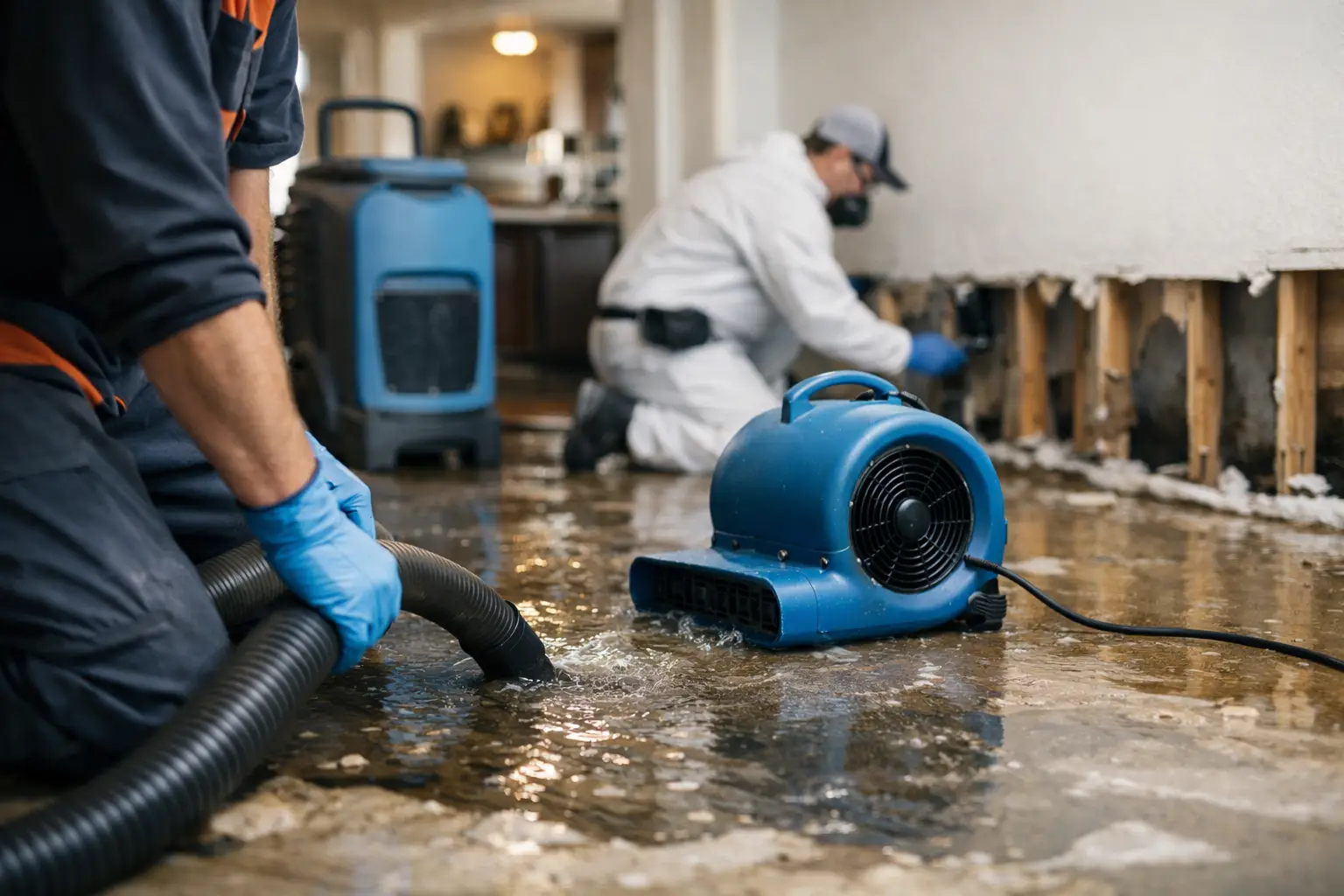 Water Damage
Extraction, structural drying, and moisture mapping after floods, leaks, and burst pipes.
Get help now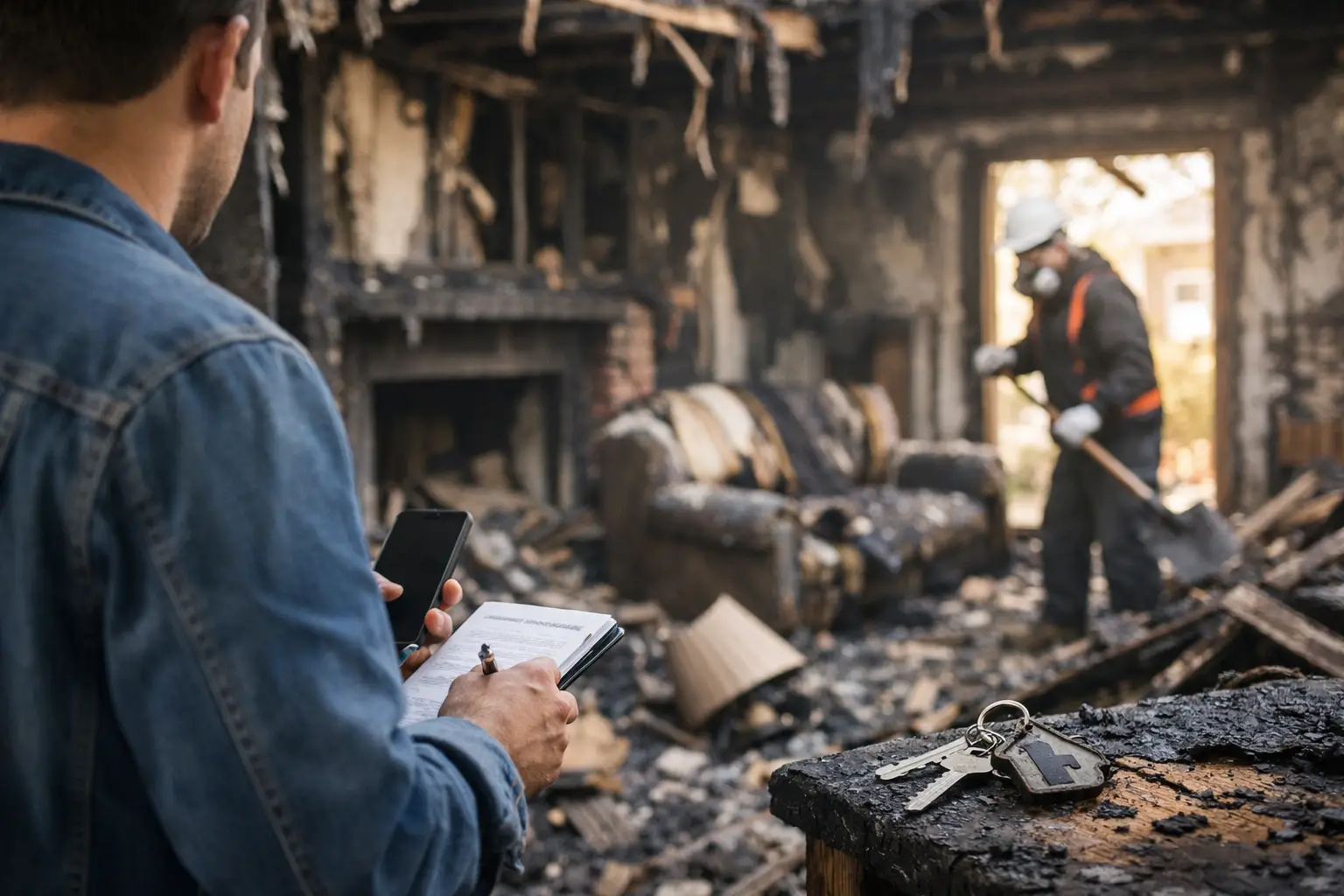 Fire & Smoke
Soot removal, odor deodorization, and content cleaning after fire and smoke damage.
Learn more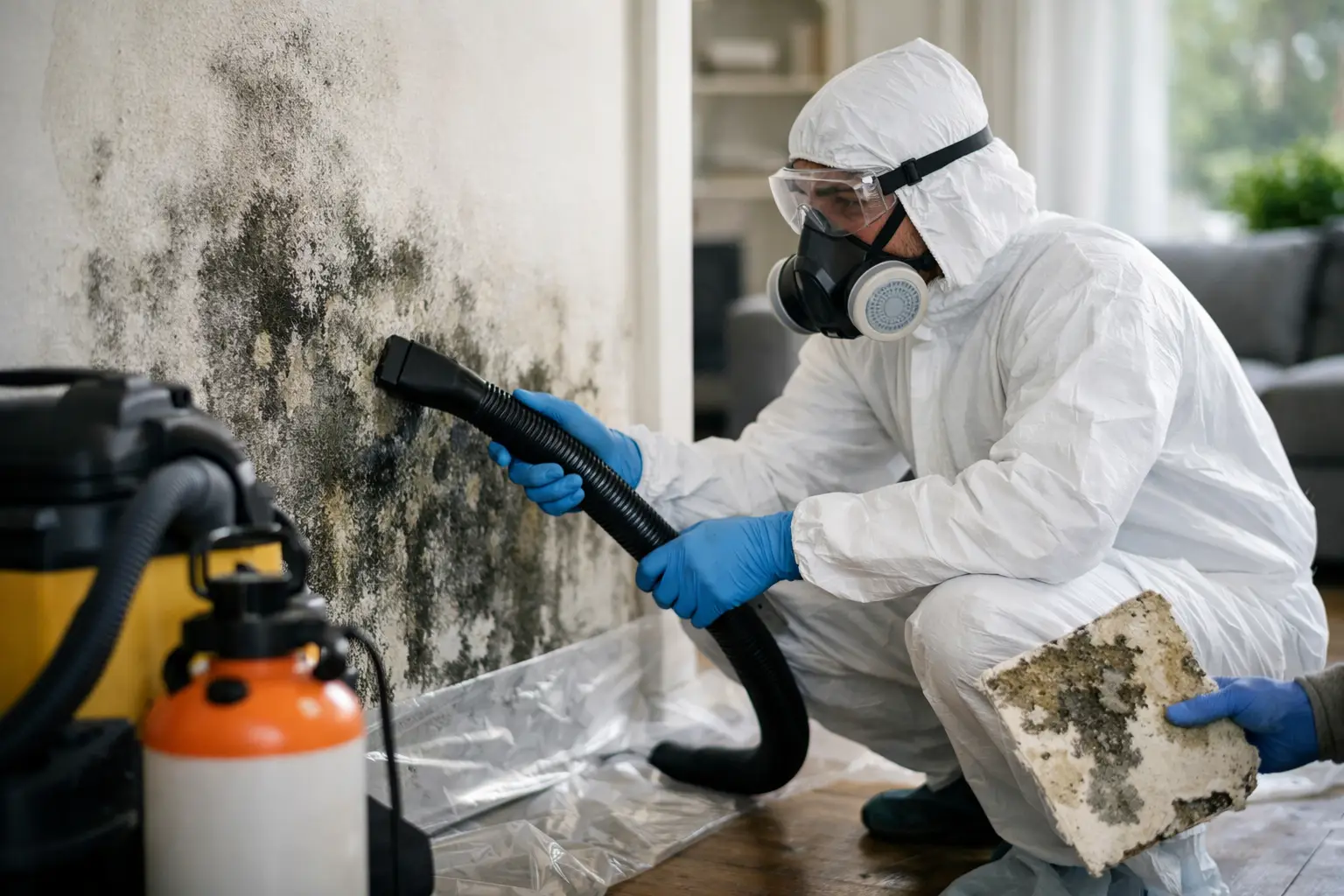 Mold
MoldContainment, removal, and moisture control that stops mold from coming back.
Learn more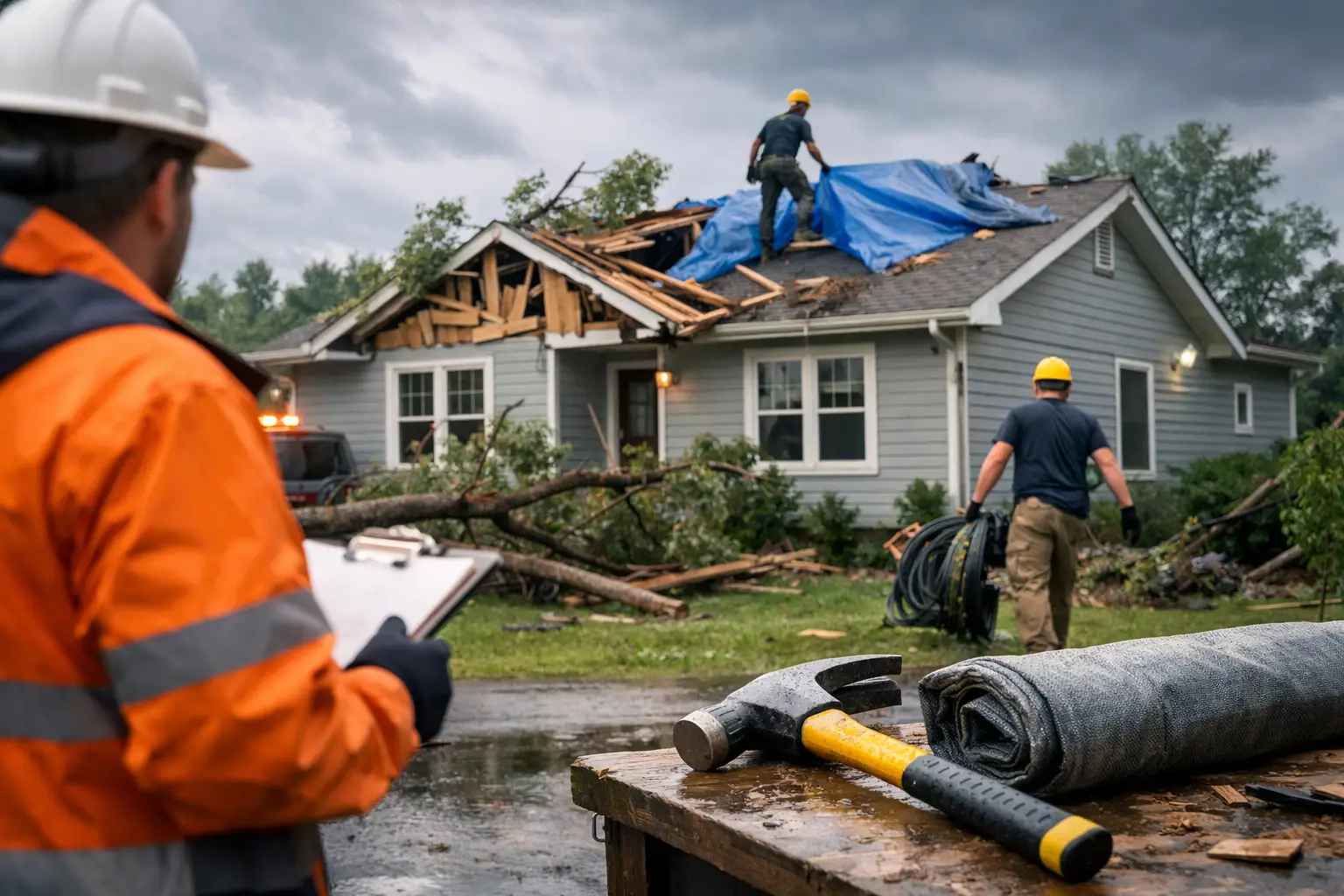 Storm
StormEmergency board-up, roof tarping, and full recovery after wind, hail, and storms.
Learn more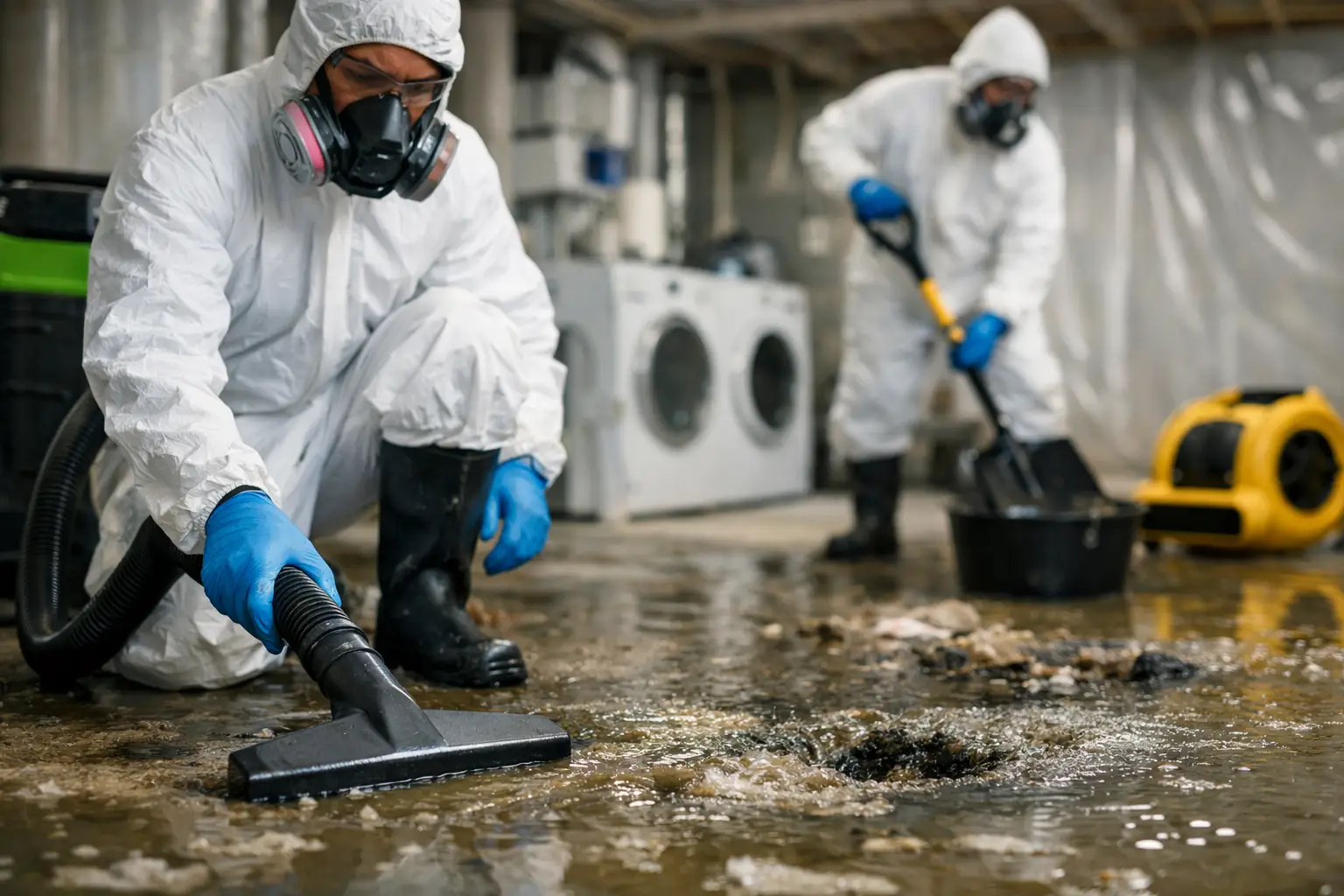 Sewage
Safe biohazard cleanup and sanitizing after sewage backups and overflows.
Learn more Reconstruction
Full rebuild by a licensed general contractor, so your property comes back whole.
Learn moreElevated Operations is an IICRC-certified, licensed general contractor based in Mableton that handles the entire recovery in-house, so after one loss you are never coordinating a cleanup crew, a mold crew, and a contractor separately. One team, one point of contact, from the first pump-out to the final coat of paint.
People call when the property feels like a disaster. They leave reviews because Chris and the crew made it right. These are real, verified Google reviews.
Stay out of the affected area and stop using water fixtures if possible. Then call me. In older homes near the Square, sewage can move into plaster, trim, and hidden wall spaces fast. I handle the emergency response, cleanup, and documentation so the damage does not spread while you guess at the next step.
Yes. I include sanitization and disinfection as part of the process when the material can be safely cleaned. The key is not pretending every surface can be saved. After sewage contamination, the right mix of removal, cleaning, and disinfection depends on what got wet and how deeply it absorbed the waste.
Runoff can keep exterior soil and crawl spaces damp, which slows drying and can complicate odor control and contamination removal. I pay close attention to homes on slopes or near drainage paths because lingering moisture can make sewage damage worse even after the visible mess is gone.
Sometimes, but not always. Plaster can hold sewage and odor once it soaks through, especially in older homes around the historic Square. I inspect the depth of contamination and decide whether cleaning, disinfection, or removal is the safer choice. I do not force salvage if the wall has absorbed too much.
I am a licensed general contractor, IICRC-certified, and I’ve been in restoration since 2007. Sewage cleanup is not janitorial work. It requires contamination removal, biohazard cleanup, controlled disinfection, and knowledge of what building materials can and cannot be saved after black water exposure.
Mold starts in 24 to 48 hours if moisture remains. That is why I move fast on sewage remediation services and do not let wet materials sit. In Marietta homes with older finishes or runoff-related dampness, delayed action can turn a cleanup into a bigger structural problem.
Yes, I offer deductible assistance up to $1,000. I also provide direct insurance billing, which helps keep the claim process from getting tangled while the cleanup is underway. That is especially useful after a sewage loss, when homeowners already have too much to manage.
If odor remains, something contaminated is still in the structure. That could be soaked subflooring, trapped waste in wall cavities, or porous material that was not fully removed. I focus on the source, not on masking the smell, because odor control only works when the contamination is actually gone.
Elevated Operations dispatches IICRC-certified crews across Metro Atlanta from our Mableton base, with a 60-minute emergency response day or night. Choose your city:
Call now for an immediate response, or request your free inspection and get a certified crew on-site within the hour across Atlanta and nearby areas.




