24/7 Emergency Restoration · Serving Metro AtlantaEmergency? (770) 404-6895
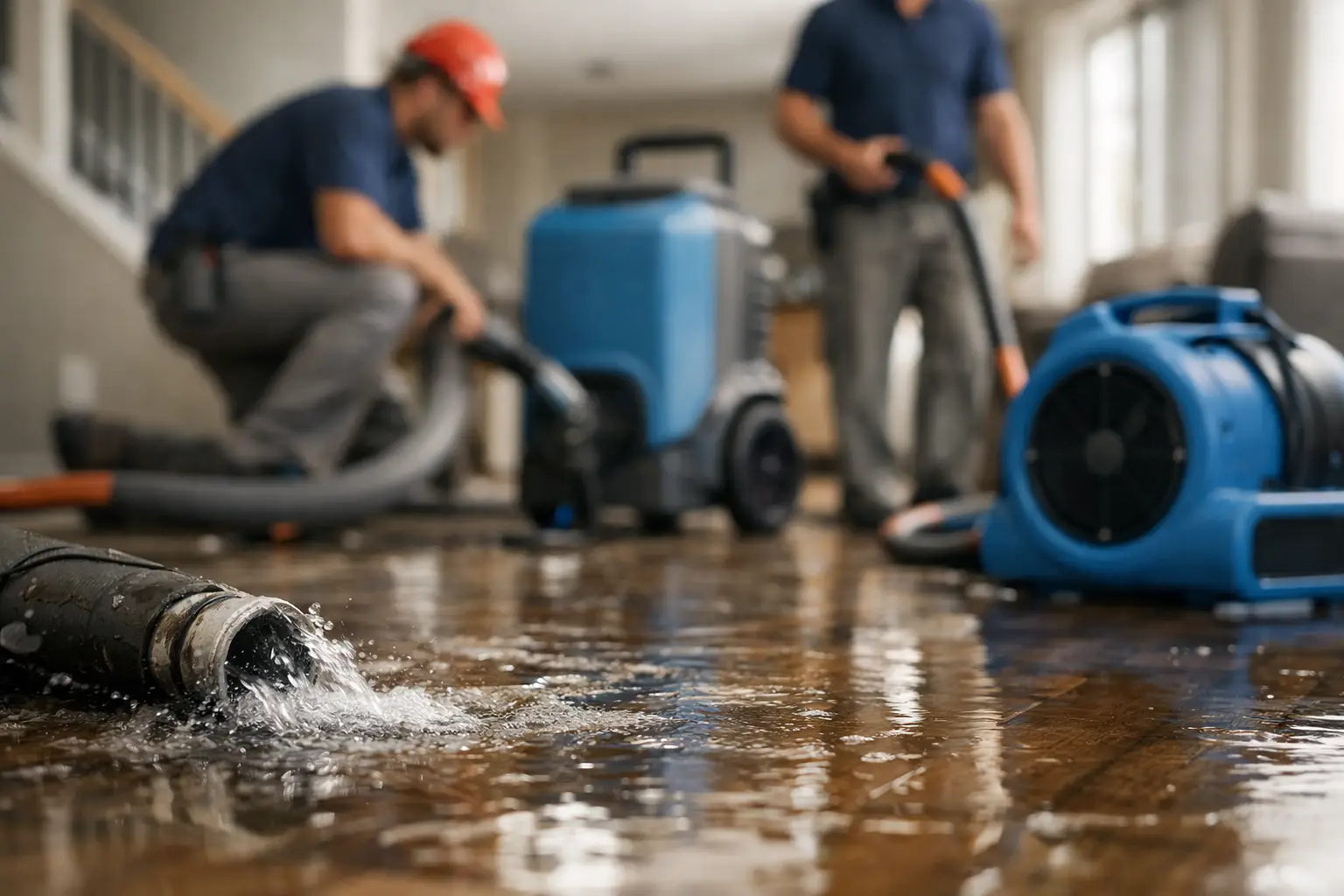
Water extraction and drying Mableton starts with fast water removal, then a real drying process built to stop hidden damage. I send my Mableton crew from our local base, and we work with IICRC-certified technicians, direct insurance billing, and 24/7 emergency response.
IICRC-Certified · 5-Star Rated · 60-Minute Response · Insurance Billed Directly
Because local response matters when water is spreading. I work from Mableton, so I know the routes, the neighborhoods, and how to get moving fast.
Yes. I handle water removal, wet carpet extraction, structural drying, and moisture monitoring until the readings show the job is ready to close.
Yes. I offer direct insurance billing, and I document the loss so the claim process stays organized while my crew keeps drying the structure.
I am the owner, Chris Kwangwari, and we have been in restoration since 2007. I use licensed contracting knowledge, IICRC-certified technicians, and a no-drama process.
Start with safety, stop the water source if you can, and call my crew for 24/7 emergency response. In Mableton, I send a local team from our base to begin water removal, protect the structure, and set the drying process in motion before damage spreads.
First, stay out of standing water if there is any chance of electrical risk. If the leak is active, shut off the main supply when you can do it safely. Then call us at (770) 404-6895. I keep the process simple because water keeps moving into trim, subfloor, and wall cavities.
We come in with a clear plan. That usually means water removal, wet carpet extraction where needed, and a fast look at what got hit first. In Mableton, that matters in homes near the Silver Comet because water can track into low spots and stay trapped under finishes.
I do not guess. My team documents the loss, starts moisture monitoring, and builds the drying setup around the actual affected areas. That is how we keep the job tight, especially in homes with crawlspaces, slab areas, or older materials that hold water longer.
We start by removing visible water, then we extract soaked carpet and padding if needed, map moisture, and place air movers and dehumidification equipment. After that, we monitor the structure until readings show the affected materials are drying correctly and the job is ready to close.
Step one is water extraction. That means getting the liquid water out fast so it stops feeding damage. If carpet is involved, wet carpet extraction comes next. If the water reached baseboards or drywall, we inspect those edges because water travels sideways before it shows up.
Step two is controlled drying. Air movers push moisture off surfaces, and dehumidification pulls vapor out of the air. IICRC-certified technicians know this is not about blasting a room and hoping. It is about matching equipment to the amount of wet material and the layout of the home.
Step three is verification. We check moisture levels over time, not once. In Mableton, that matters in houses close to the Silver Comet corridor and in older neighborhoods where materials can vary from room to room. The dry is real only when the readings support it.
We use extraction tools for water removal, air movers for surface evaporation, and dehumidification equipment to pull moisture from the air. We also use moisture monitoring tools so I can confirm what is dry, what is still wet, and where hidden moisture is lingering.
The equipment depends on the loss, but the basics stay the same. I bring tools for wet carpet extraction, high-velocity air movers, and dehumidifiers sized for the space. That combination matters because one tool cannot do the whole job. Water leaves in stages.
Moisture monitoring is not optional. I want to know how fast the structure is responding, especially if water reached baseboards, insulation edges, or subfloor seams. That is how I decide whether the drying process is on track or needs a change in setup.
In Mableton homes, the layout often matters as much as the water source. A split-level near the Silver Comet, a ranch with a crawlspace, or a newer build with tighter materials all dry differently. I adjust the equipment to the building, not the other way around.
Structural drying matters because surface water is only part of the problem. Moisture can stay inside drywall, framing, subfloor, and trim long after the floor looks clean. If I do not dry the structure properly, hidden damage can keep spreading behind the finished surfaces.
People often see the floor and stop there. That is a mistake. Water soaks into materials you cannot see right away, and those materials can stay wet even after the room feels dry. Structural drying is how I deal with the hidden side of the loss.
The goal is to dry the actual building materials, not just the air. That is why I use air movers and dehumidification together. One without the other slows the process. Together, they help pull moisture out of the structure in a controlled way.
Mableton has a mix of housing types, and that mix changes how moisture behaves. Homes near the Silver Comet can have different exposure patterns than older streets farther in town. I treat every loss like a structural problem first, because that is what water damage becomes when it is left alone.
Drying time depends on the amount of water, the materials affected, and how quickly extraction starts. I do not guess at a finish date. I set up the drying process, monitor moisture readings, and keep working until the structure is actually dry.
There is no honest one-size answer. A small supply line leak and a soaked room from a larger loss are not the same job. The length of the drying process changes with carpet, padding, drywall, wood, and how much water was trapped beneath the surface.
What I can tell you is this, faster water removal usually shortens the overall recovery. The sooner we get in, the sooner we can stabilize the materials and start dehumidification. Waiting always makes the job harder because moisture migrates deeper into the structure.
In Mableton, I often see water losses where the owner thought the room only needed a fan. By the time we arrive from our local base, the moisture has already spread. That is why I push quick service and moisture monitoring from the start.
Turn off the water source if safe, avoid walking through standing water, move dry belongings out of the affected area, and take quick photos for insurance. Then call me. I handle direct insurance billing, and my crew will take over the extraction and drying.
Do not drag wet furniture across carpet if you can avoid it. That often spreads staining and traps more moisture. If the area is safe, you can lift small items onto dry surfaces, but do not start ripping up flooring or opening walls. That belongs to a restoration crew.
If you can, keep pets and kids away from the affected area. If the leak touched ceilings, avoid the space below until we assess it. Water damage is not just about wet floors. It can weaken materials overhead too, especially if the source kept running.
I like to keep the handoff simple. You call, I dispatch, and my team arrives ready to document the loss and start work. We are based in Mableton, and being local matters when a water event hits near the Silver Comet or on a busy evening.
Call me day or night for 24/7 emergency response. I send a Mableton crew from our local base, and we start with the facts: source, scope, and safety.
We begin water removal right away, then secure wet carpet extraction if needed. The goal is simple, keep moisture from moving into walls, trim, and subfloor.
IICRC-certified technicians inspect the affected areas and start moisture monitoring. That tells us what is wet, what is drying, and where hidden moisture is still trapped.
We place air movers and dehumidification equipment to drive the structural drying process. The setup is matched to the room, the materials, and the amount of water.
We return to verify readings and adjust the setup if needed. Drying only counts when the structure is actually dry, not when the floor just looks better.
We finish with documentation, direct insurance billing, and our 12-month warranty. If deductible assistance up to $1,000 applies, I handle that conversation directly.
From emergency mitigation to full reconstruction, handled in-house so you are never managing a chain of subcontractors mid-crisis.
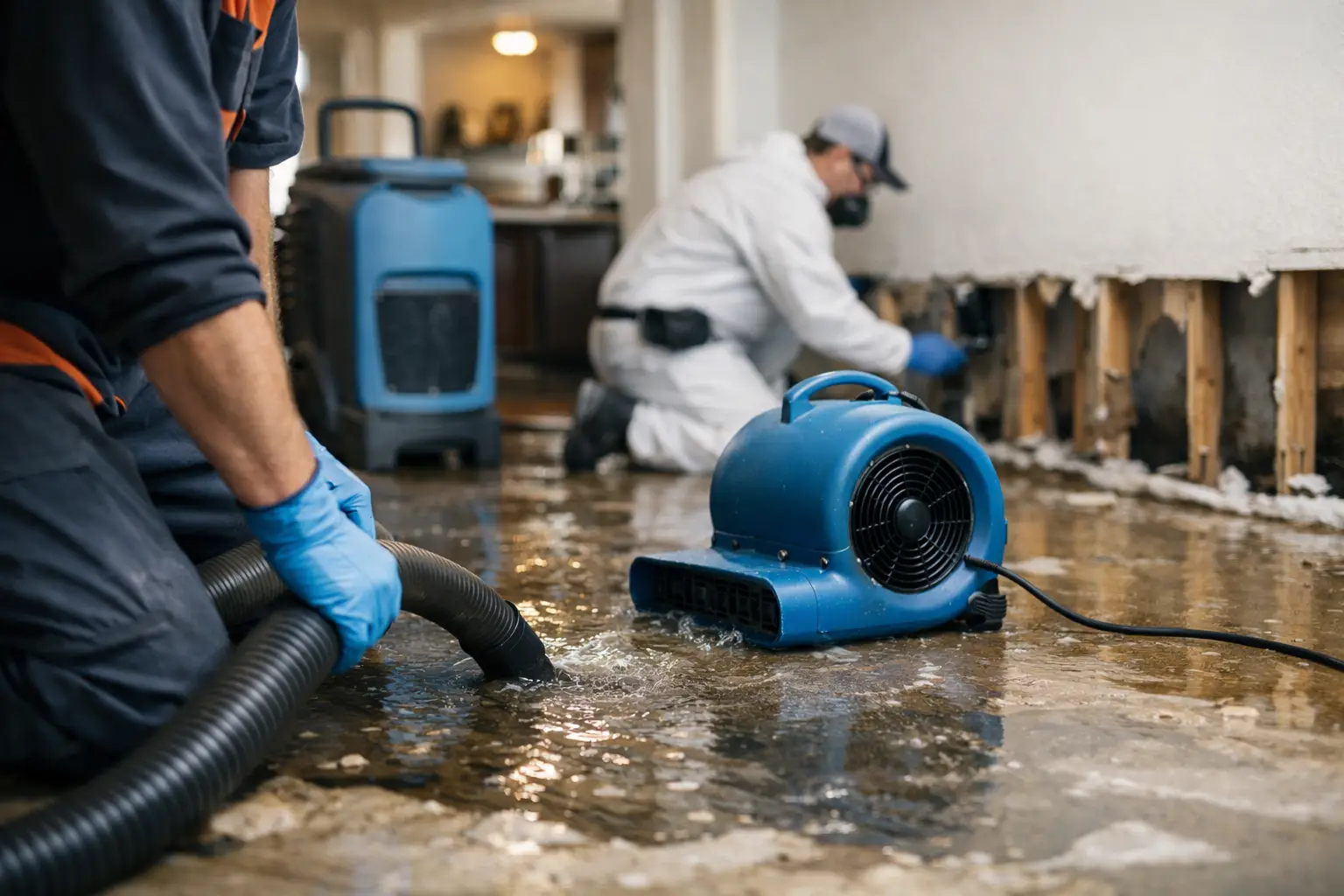 Water Damage
Extraction, structural drying, and moisture mapping after floods, leaks, and burst pipes.
Get help now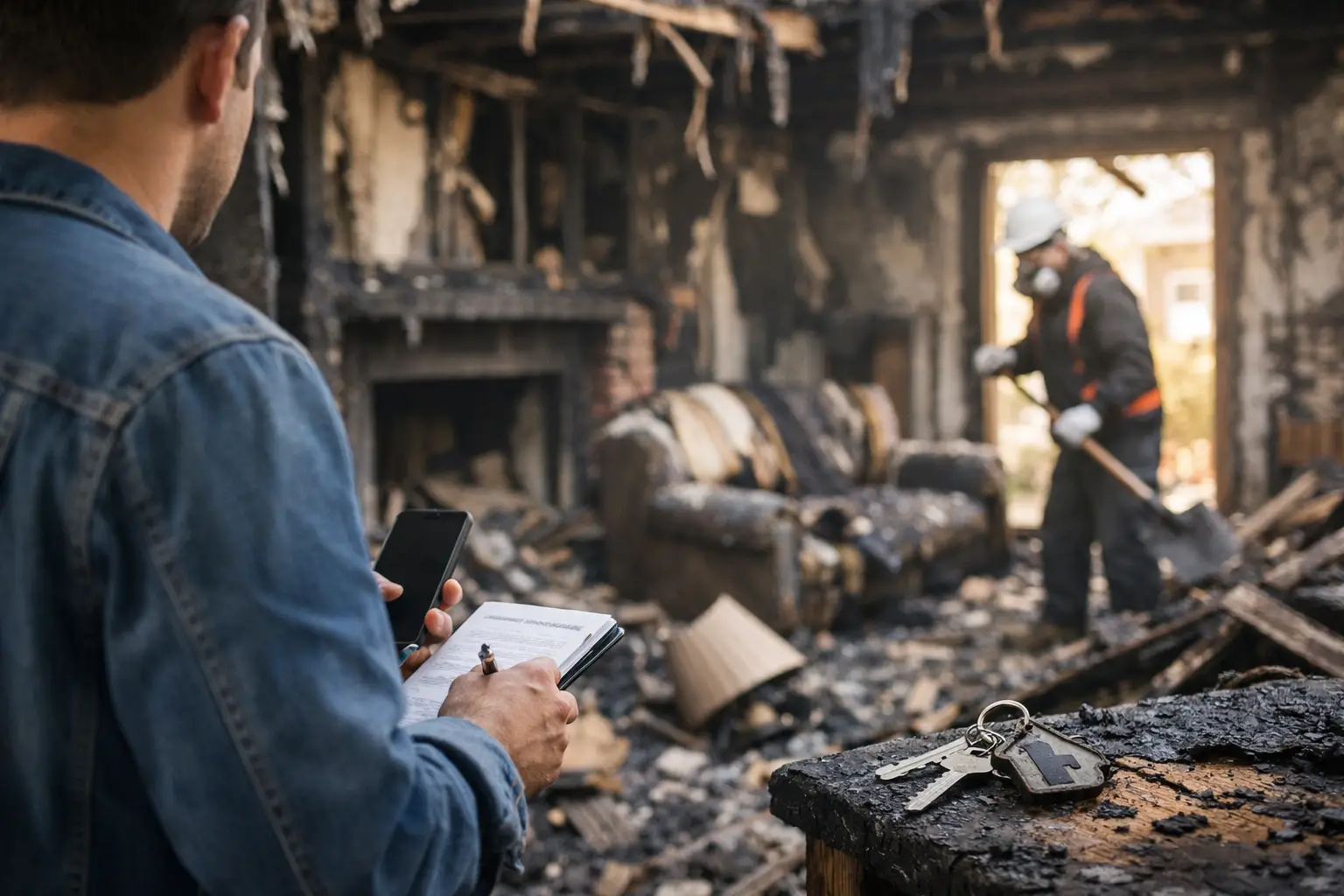 Fire & Smoke
Soot removal, odor deodorization, and content cleaning after fire and smoke damage.
Learn more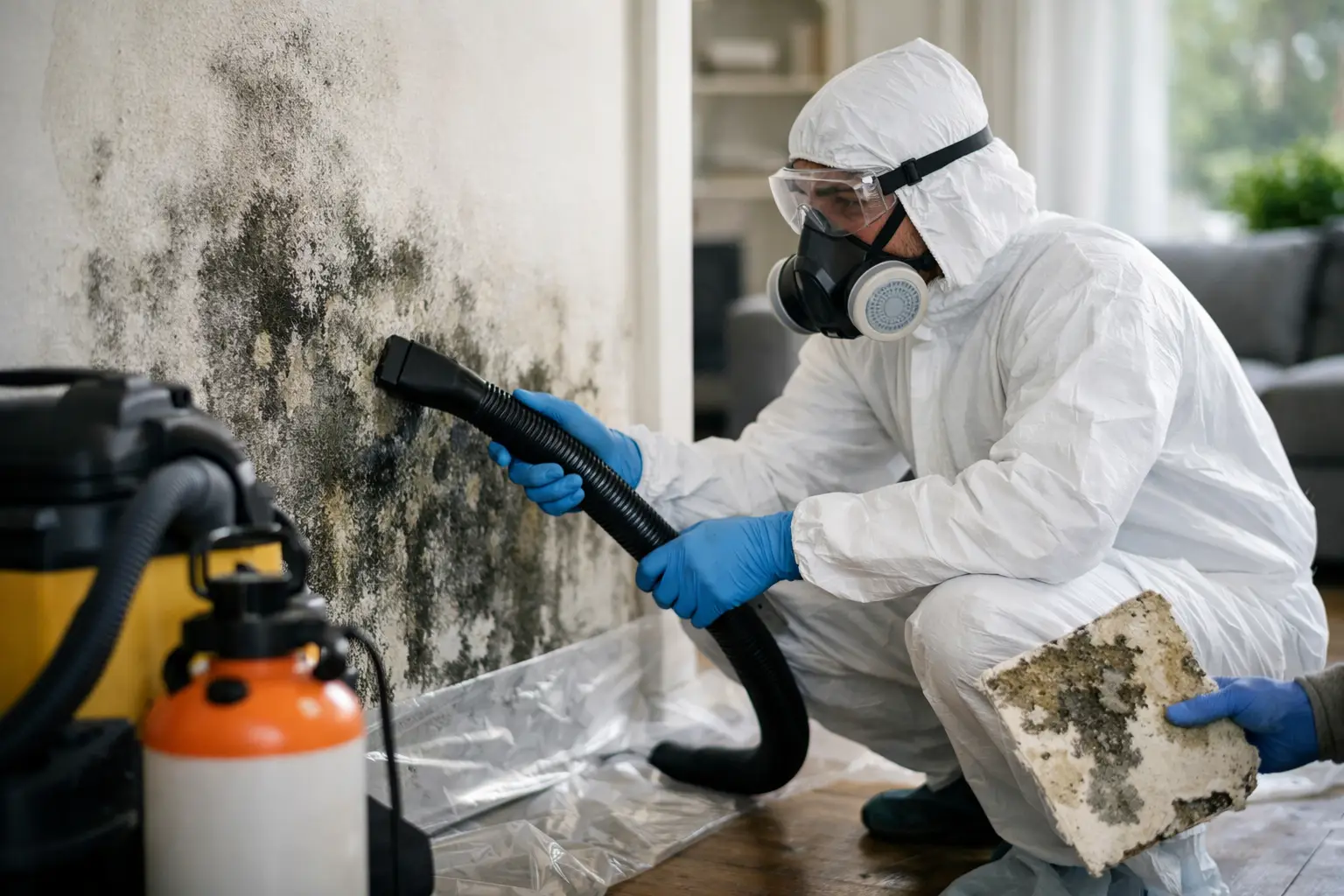 Mold
MoldContainment, removal, and moisture control that stops mold from coming back.
Learn more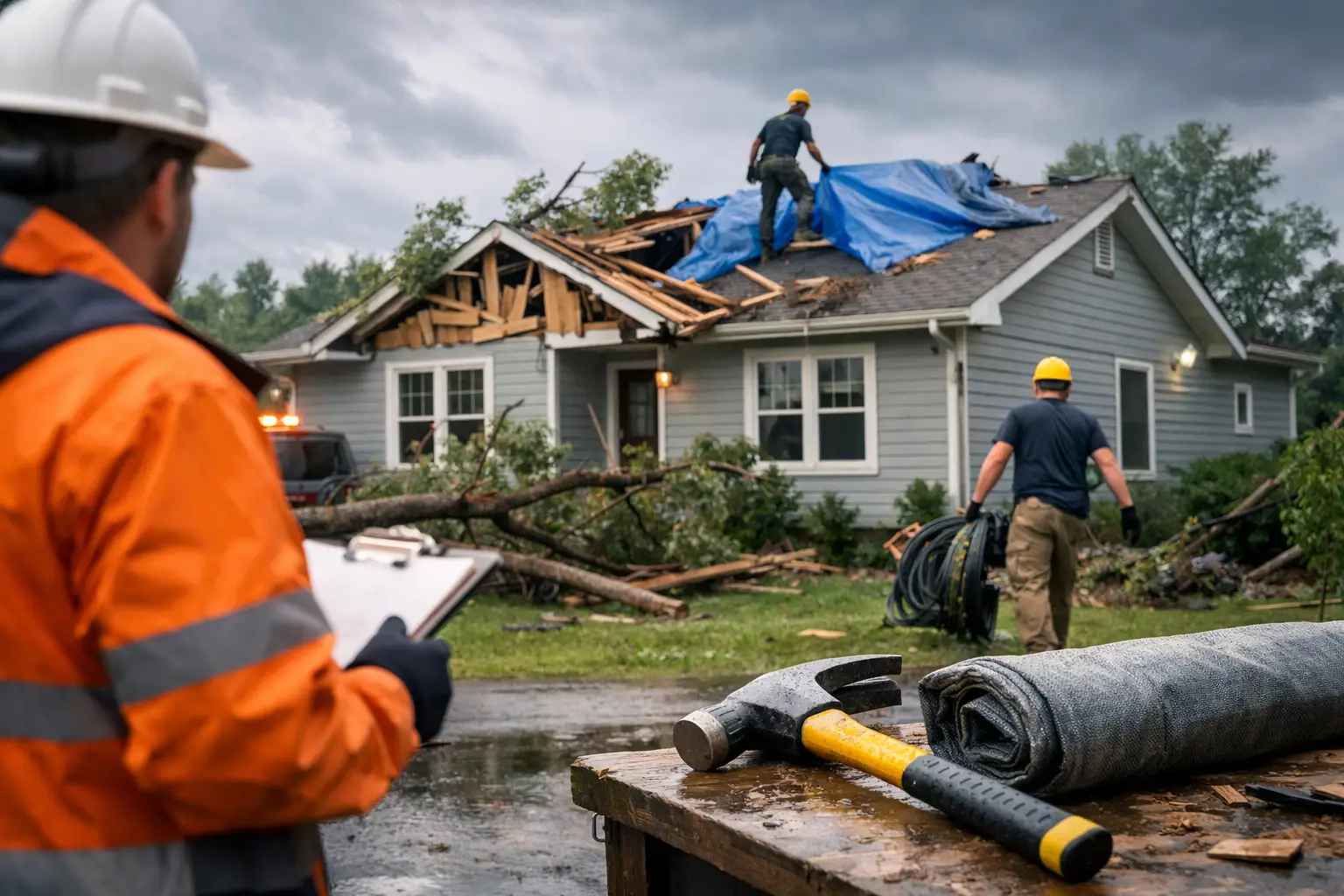 Storm
StormEmergency board-up, roof tarping, and full recovery after wind, hail, and storms.
Learn more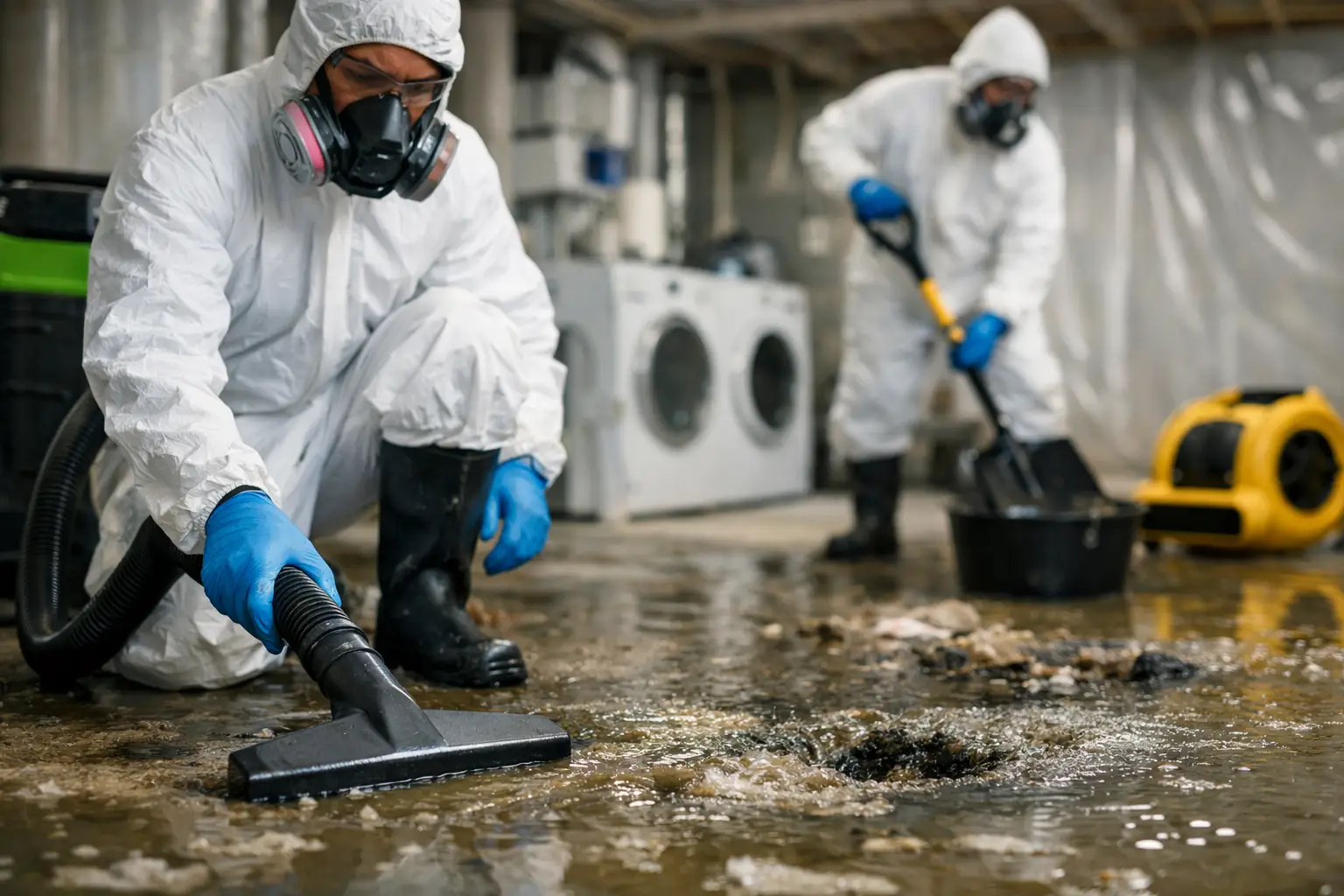 Sewage
Safe biohazard cleanup and sanitizing after sewage backups and overflows.
Learn more Reconstruction
Full rebuild by a licensed general contractor, so your property comes back whole.
Learn moreElevated Operations is an IICRC-certified, licensed general contractor based in Mableton that handles the entire recovery in-house, so after one loss you are never coordinating a cleanup crew, a mold crew, and a contractor separately. One team, one point of contact, from the first pump-out to the final coat of paint.
People call when the property feels like a disaster. They leave reviews because Chris and the crew made it right. These are real, verified Google reviews.
Yes. My Mableton crew handles water extraction and drying for homes near the Silver Comet and throughout the surrounding neighborhoods. That local route matters because water damage does not wait, and access, parking, and quick setup all affect how fast we can stabilize the structure. We respond 24/7 and bring IICRC-certified technicians to start the work.
Yes, and I take wet carpet extraction seriously because soaked carpet and pad can hold water against the subfloor. If the materials can be saved, we extract aggressively and move straight into the drying process. If they cannot, I will say that plainly and document the condition for direct insurance billing.
We use moisture monitoring to track whether the structure is truly drying, not just the surface. I want readings on materials, not assumptions. In Mableton homes, especially older ones or homes closer to the Silver Comet corridor, hidden moisture can stay in framing and trim long after the room looks dry.
Structural drying includes air movers, dehumidification, and ongoing verification until the affected materials reach dry conditions. It is not just about making the room feel better. I am drying the building itself, including subfloor, wall edges, and other materials that can keep moisture long after visible water is gone.
Yes. I offer direct insurance billing, and that keeps the process cleaner for homeowners who already have enough on their plate. My team documents the loss, explains the work, and stays focused on the extraction and drying instead of making you act as the middleman.
Yes. I provide 24/7 emergency response because water damage does not follow business hours. If a supply line breaks on a weekend or a leak shows up at night, I can dispatch a crew from our Mableton base and start water removal quickly.
I back the work with a 12-month warranty. That does not change the fact that the structure must be dried correctly the first time, but it does show how I stand behind the process and the workmanship my crew performs.
Yes, I offer deductible assistance up to $1,000 when applicable. I keep that conversation direct and clear. The bigger point is getting the water out, setting the drying equipment, and documenting the loss so the claim process does not slow down the recovery.
Elevated Operations dispatches IICRC-certified crews across Metro Atlanta from our Mableton base, with a 60-minute emergency response day or night. Choose your city:
Call now for an immediate response, or request your free inspection and get a certified crew on-site within the hour across Atlanta and nearby areas.