24/7 Emergency Restoration · Serving Metro AtlantaEmergency? (770) 404-6895
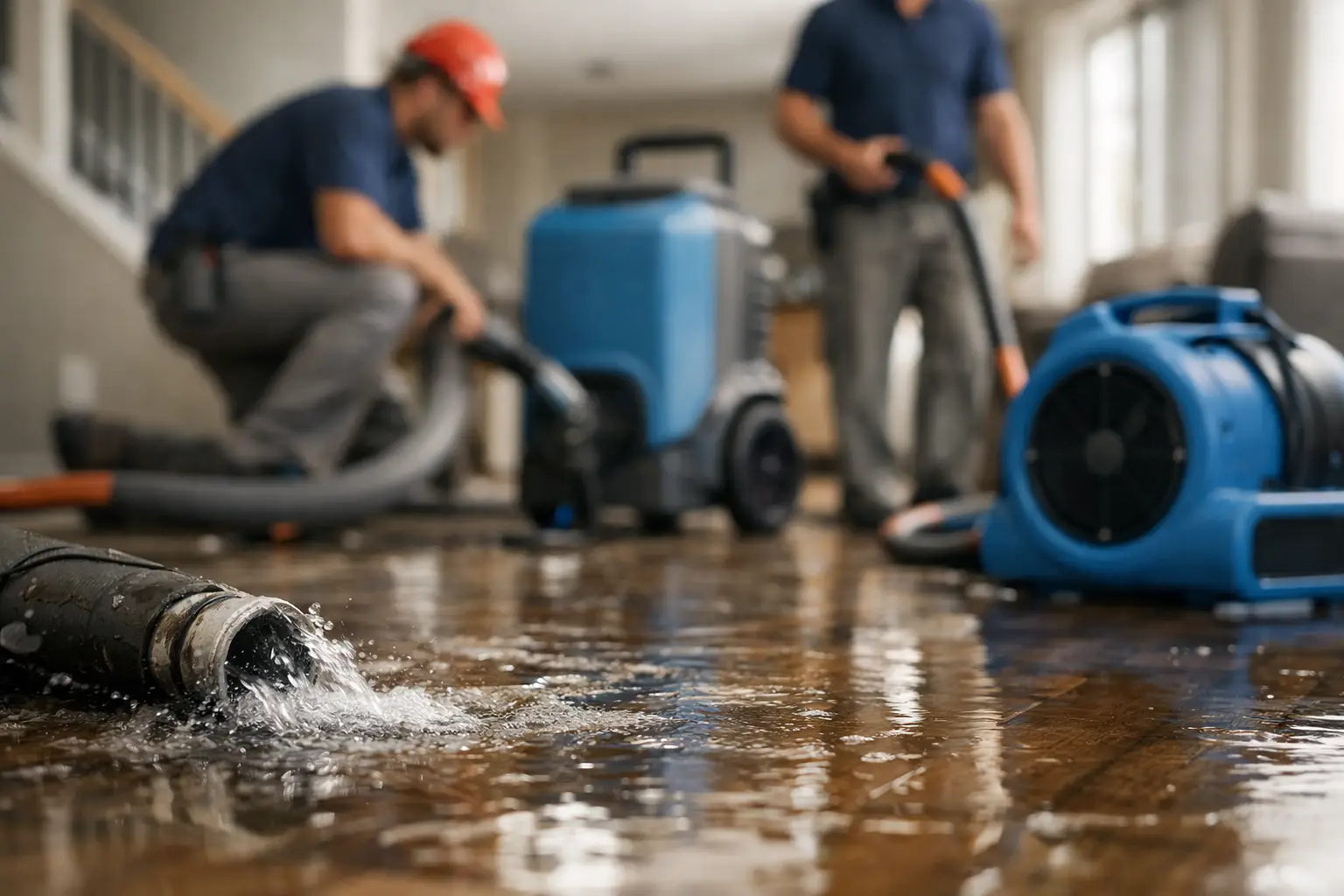
crawl space mold removal Hiram is a race against moisture, and I treat it that way. I’m Chris Kwangwari, owner of Elevated Operations, and I send IICRC-certified technicians fast to stop fungal growth removal problems before they spread through the home. We work Hiram homes near the Paulding retail corridor and newer subdivisions with direct insurance billing, deductible assistance up to $1,000, and a 12-month warranty.
IICRC-Certified · 5-Star Rated · 60-Minute Response · Insurance Billed Directly
Yes, if it is active and damp. Mold spreads quickly when moisture stays in place, and crawl spaces can feed the whole house. I treat it as a fast-moving restoration issue.
Usually yes, or someone needs to give access. I want the crawl space inspected quickly so I can start containment, moisture control, and the right cleanup plan without delay.
Yes. I use direct insurance billing when the claim is covered, and that helps keep the process moving while the crawl space work is underway.
Do not wait. Odor can mean hidden moisture, fungal growth, or damaged insulation. I inspect the space, find the source, and decide whether remediation, dehumidification, or encapsulation is needed.
The first hour is about stopping the crawl space from getting worse. I dispatch a 24/7 emergency team, confirm access, look for active moisture, and start containment planning so mold does not keep spreading into the structure or living space.
I start with the basics, fast. My crew checks the crawl space entry, humidity conditions, visible fungal growth, wet insulation, and any sign of plumbing leaks or standing water. In Hiram, that matters in newer subdivisions where tight construction can trap moisture under the home.
And I do not waste the first visit. If the crawl space is damp, we move into moisture control right away, because mold does not wait. We may set up dehumidification, isolate affected zones, and prepare the area for crawl space cleanup before the contamination spreads farther.
Homes near the Paulding retail corridor can pick up repeated moisture loads from drainage and grading issues. I look at the whole picture, not just the stained joist. That is how I keep a small crawl space mold remediation job from becoming a larger structural problem.
I remove crawl space mold by drying the space, containing the affected area, cleaning contaminated materials, treating exposed wood, and correcting the moisture source. That is crawl space mold remediation, not a surface wipe. If the humidity stays high, the mold comes back.
First I identify what is wet, what is contaminated, and what can be saved. Then my technicians use crawl space cleanup methods that fit the material, because wood framing, insulation, and vapor barrier material do not all get treated the same way. No shortcuts.
If the wood is affected, I may recommend wood treatment after cleaning so the framing is not left vulnerable. If the space needs a vapor barrier or encapsulation, we address that too. Mold removal without moisture control is just a delay, and I do not do delays.
A lot of Hiram crawl spaces have limited ventilation and repeated humidity swings. That is why I focus on dehumidification as part of the remediation process. I want the crawl space dry, stable, and less likely to support fungal growth again once the work is done.
Mold in a crawl space usually starts with moisture, not just age. In Hiram, I see it from poor drainage, ground moisture, plumbing leaks, wet insulation, and humid air trapped under homes in newer subdivisions that were not fully protected below the floor.
The Paulding retail corridor has a lot of development around it, and newer homes can still have crawl space moisture issues if grading, gutters, or the soil under the home are not handled correctly. A crawl space can look dry from above and still be wet underneath.
And once moisture sits there, mold starts fast. EPA guidance says mold can begin in 24 to 48 hours, so waiting for a faint smell to go away is a bad bet. I’d rather find the source early than strip out more materials later.
I also see trouble when a home has a missing or damaged vapor barrier. Ground moisture rises, wood stays damp, and the crawl space becomes the right environment for mold. That is why moisture control has to be part of the fix from the start.
Speed matters because mold spreads quickly in a damp crawl space, and the longer it sits, the more materials can be affected. Fast response reduces the chance of structural damage, smell migration, indoor air issues, and larger repair scope later.
I have been in restoration since 2007, and I have seen small crawl space issues become expensive because someone waited. A damp crawl space under a Hiram home near a newer subdivision can move from isolated mold to widespread fungal growth if the moisture stays active.
Speed also matters for the air inside the home. Crawl space odors and contamination can work their way up through floor gaps and duct chases, especially when the HVAC is running. If the source stays wet, the house can keep pulling those conditions upward.
That is why my emergency response is 24/7 and built for fast action. IICRC-certified technicians, direct insurance billing, and a licensed general contractor on the job mean I can move from assessment to remediation without losing time to guesswork.
Yes, crawl space mold can affect indoor air quality when spores, odors, and damp conditions move up through the floor system. In Hiram homes, especially tighter newer builds, the crawl space can influence the air people breathe every day.
I take this seriously because I have seen crawl spaces become the hidden source of a whole-house complaint. If you smell earth, mustiness, or see recurring dampness, the air upstairs may be getting pulled from below through small gaps and pressure changes.
That is why crawl space mold removal is not just about what you can see on the joists. It is about the effect on the home as a system. Moisture control, dehumidification, and a proper vapor barrier can help stop the conditions that feed the problem.
Homes near the Paulding retail corridor may have different lot drainage and grading patterns, but the pattern in the crawl space is the same. If it stays damp, the air quality can suffer. I look at source, spread, and airflow together, not one at a time.
Often, yes, if moisture keeps entering the crawl space. Encapsulation can help by sealing exposed ground, supporting moisture control, and reducing future mold risk. I only recommend it when the crawl space needs that level of protection.
Encapsulation is not a gimmick, and it is not needed on every job. But when a Hiram crawl space keeps pulling in ground moisture, a vapor barrier and encapsulation can make a real difference after remediation. The goal is to keep the crawl space dry enough to stay clean.
If the wood framing has already been exposed to repeated dampness, I may pair encapsulation with wood treatment and dehumidification. That combination helps hold the line after mold removal. Without it, the same conditions can return and bring the same problem back with them.
I inspect the crawl space conditions first, then I tell you straight whether encapsulation makes sense. Near the Paulding retail corridor and in newer subdivisions, drainage and construction details matter. I build the recommendation around the home, not a sales script.
You call, I dispatch. My team prepares for crawl space mold removal, confirms the access point, and starts evaluating moisture, visible contamination, and any immediate spread risk.
We stabilize the space, begin containment, remove contaminated materials as needed, and start dehumidification and moisture control so the crawl space stops feeding the problem.
We finish crawl space mold remediation, treat affected wood if needed, address the vapor barrier or encapsulation plan, and verify the area is dry enough to stay that way.
If repairs are needed, my licensed general contractor background helps move the rebuild forward cleanly, with the 12-month warranty covering the restoration work we complete.
From emergency mitigation to full reconstruction, handled in-house so you are never managing a chain of subcontractors mid-crisis.
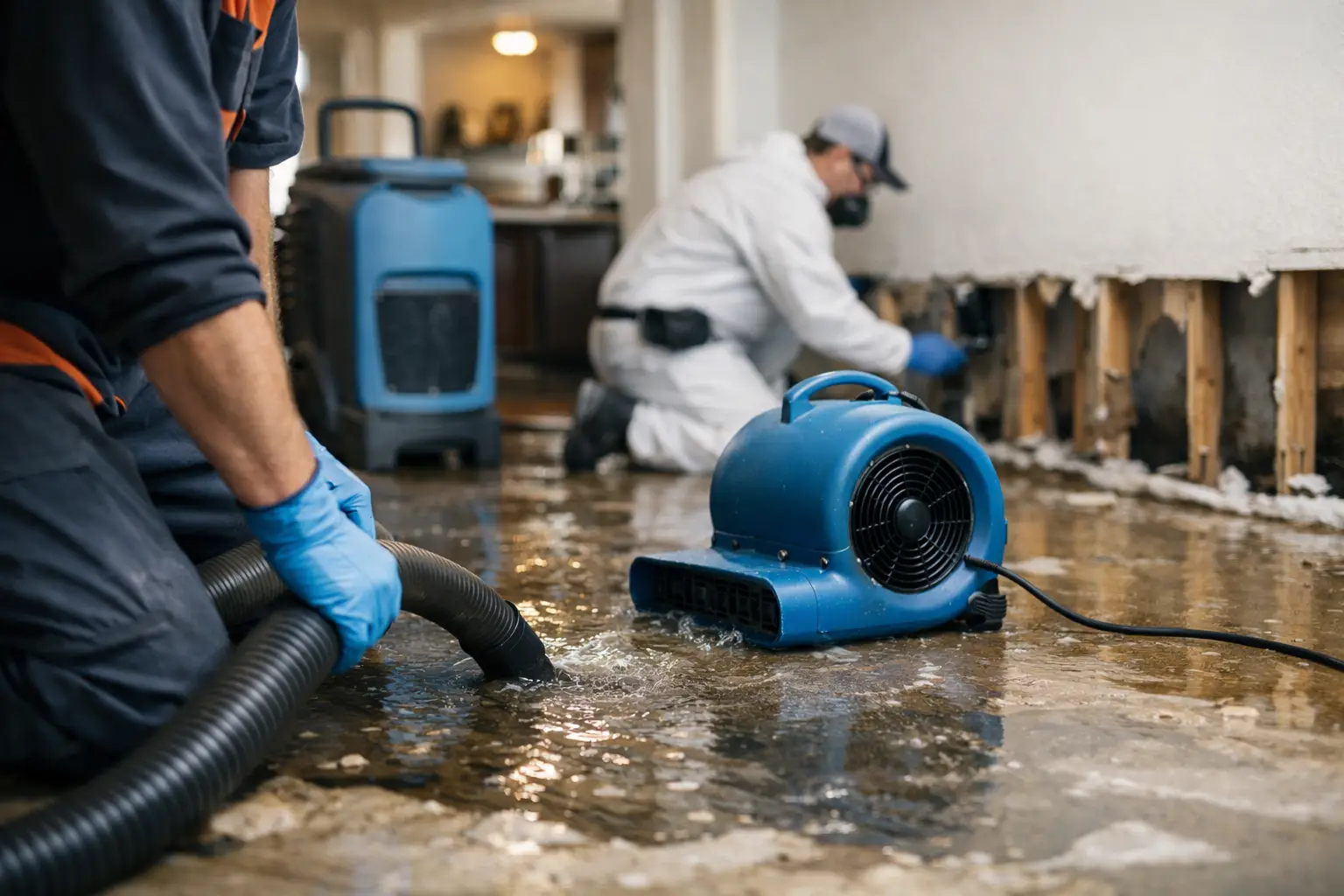 Water Damage
Extraction, structural drying, and moisture mapping after floods, leaks, and burst pipes.
Get help now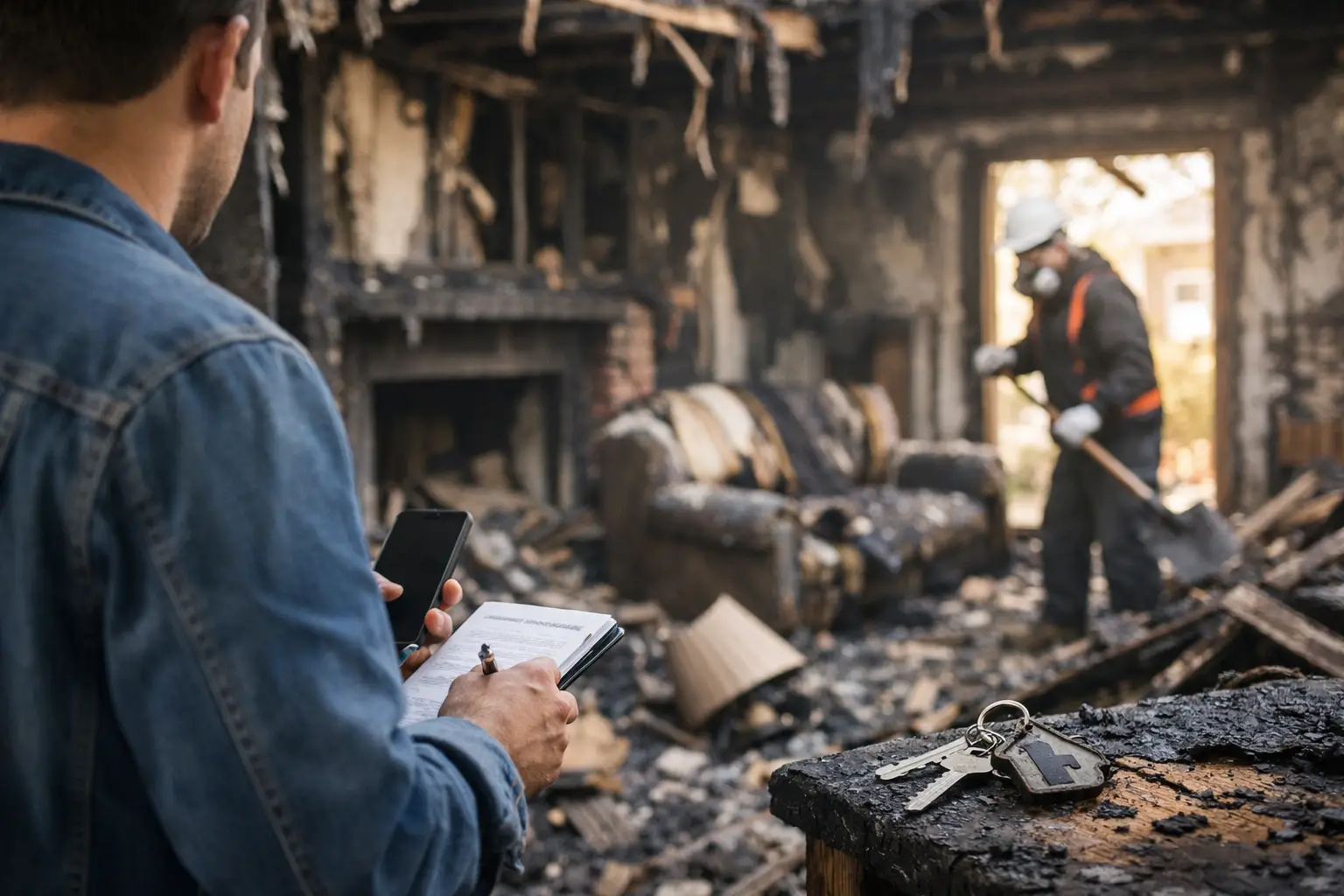 Fire & Smoke
Soot removal, odor deodorization, and content cleaning after fire and smoke damage.
Learn more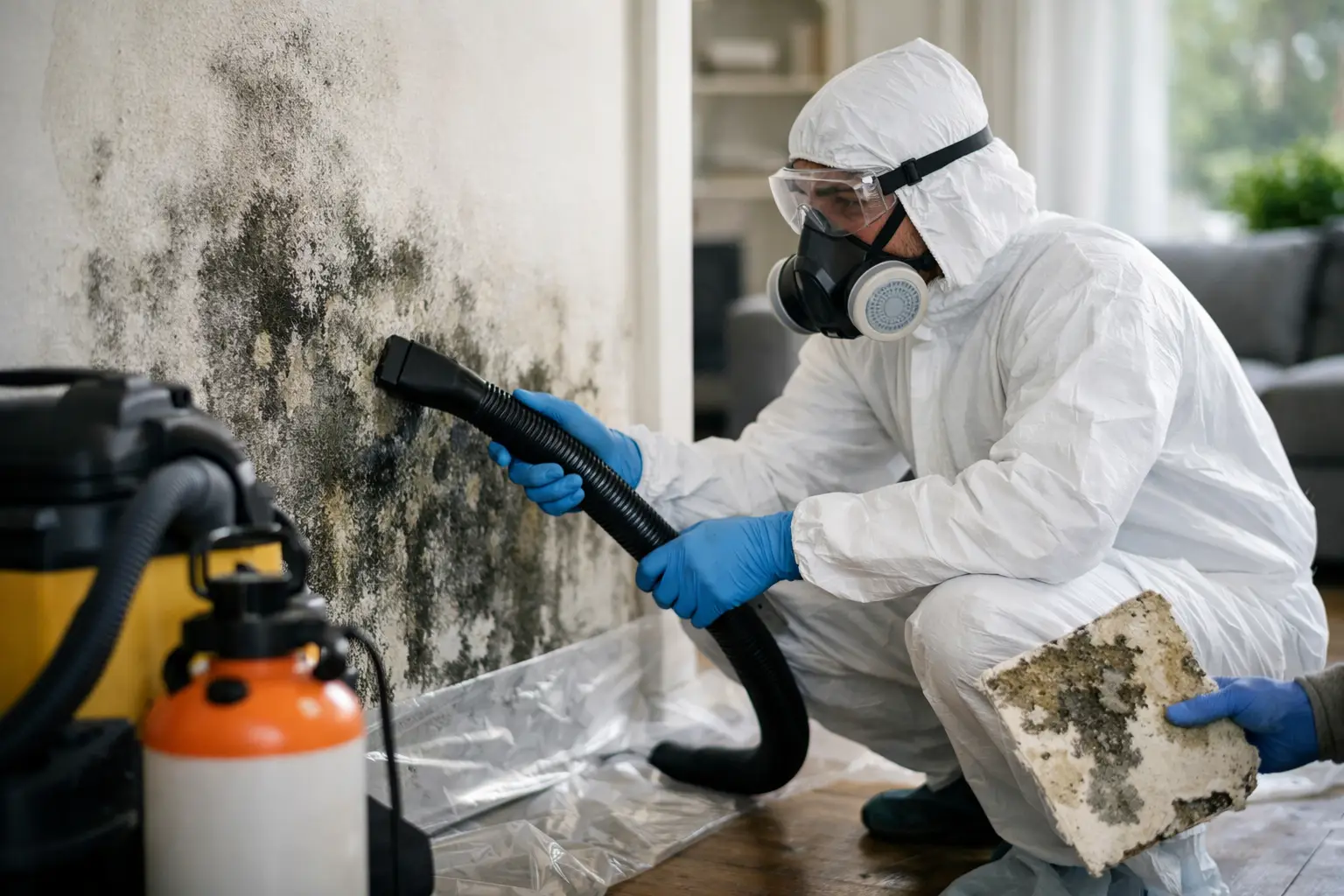 Mold
MoldContainment, removal, and moisture control that stops mold from coming back.
Learn more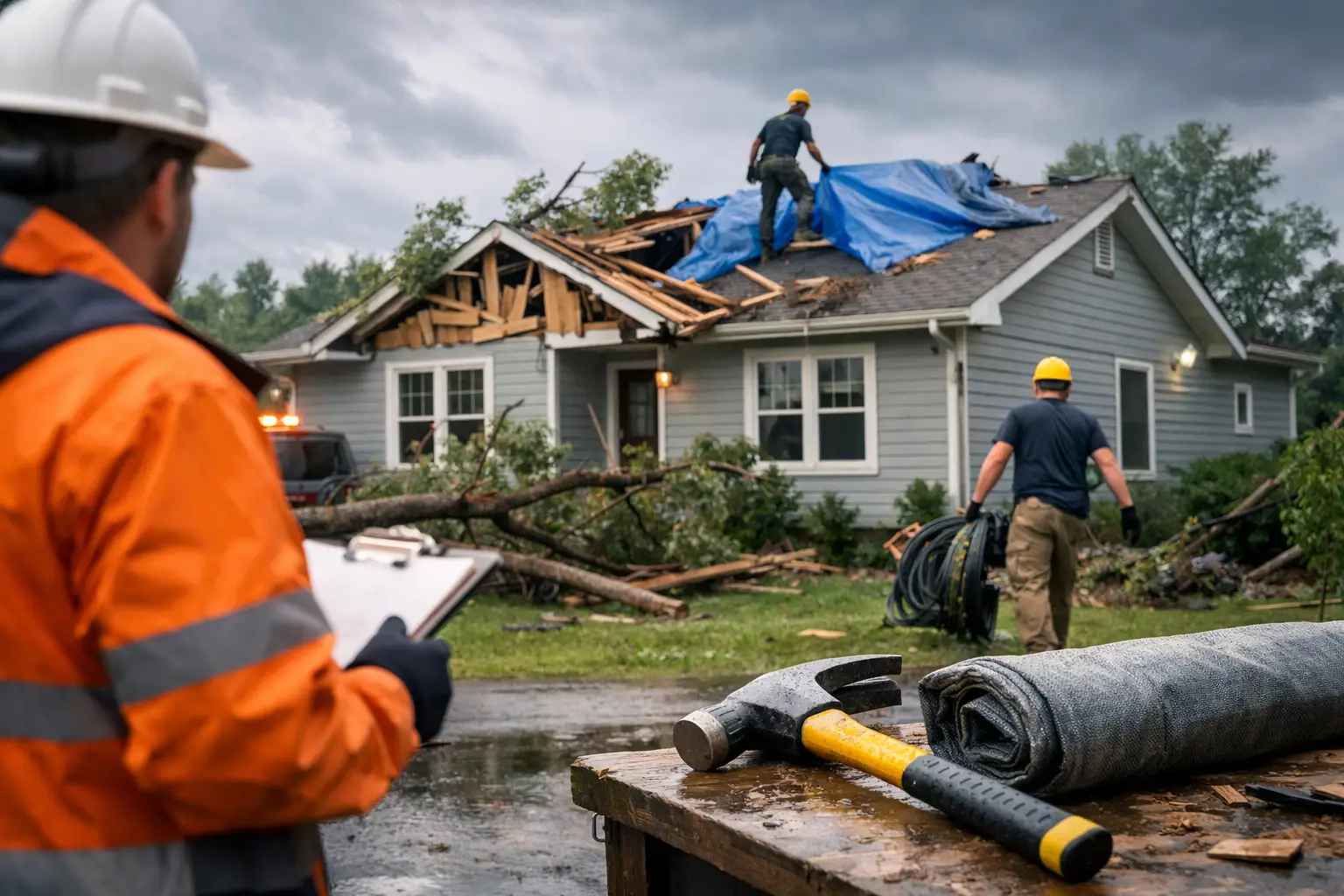 Storm
StormEmergency board-up, roof tarping, and full recovery after wind, hail, and storms.
Learn more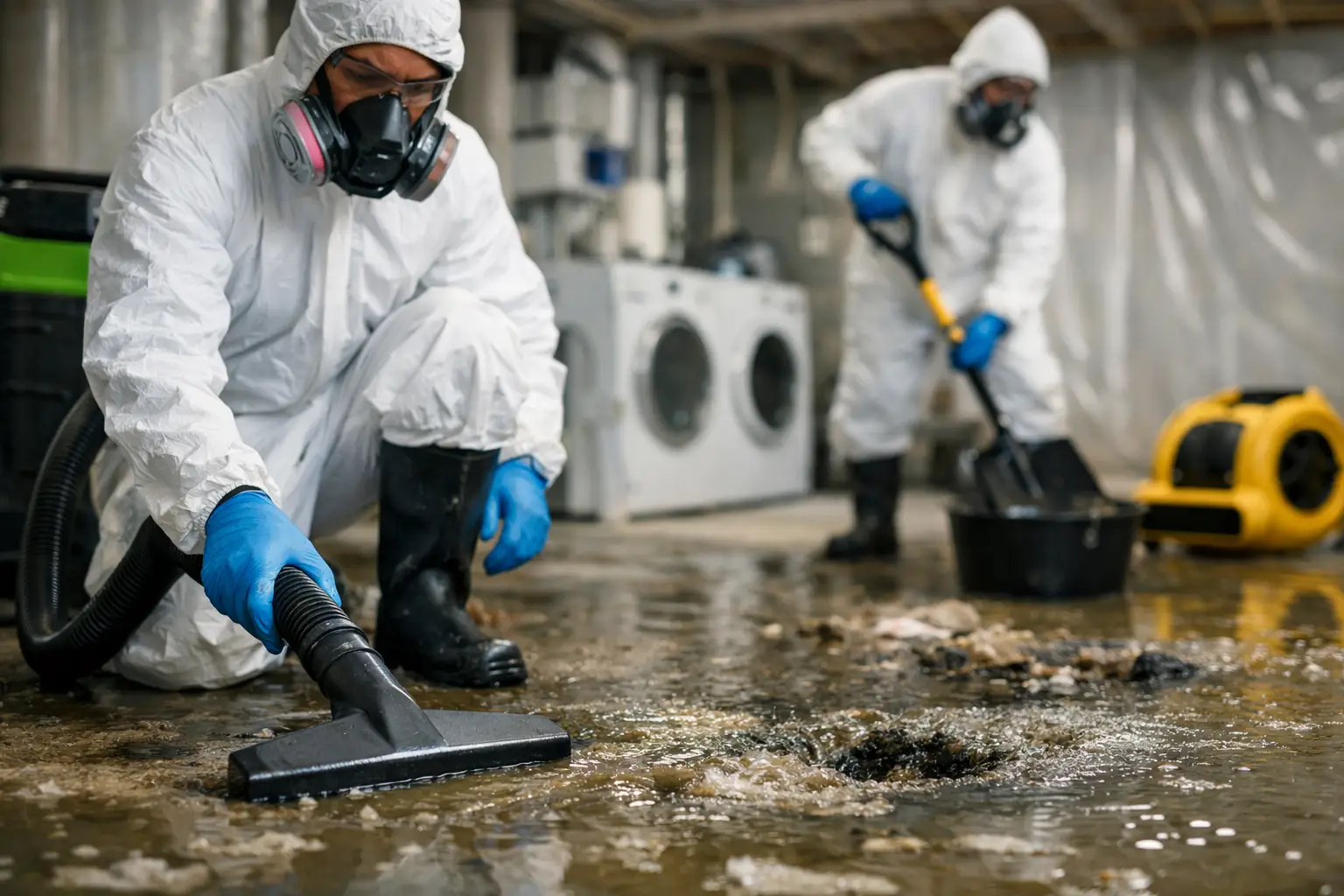 Sewage
Safe biohazard cleanup and sanitizing after sewage backups and overflows.
Learn more Reconstruction
Full rebuild by a licensed general contractor, so your property comes back whole.
Learn moreElevated Operations is an IICRC-certified, licensed general contractor based in Mableton that handles the entire recovery in-house, so after one loss you are never coordinating a cleanup crew, a mold crew, and a contractor separately. One team, one point of contact, from the first pump-out to the final coat of paint.
People call when the property feels like a disaster. They leave reviews because Chris and the crew made it right. These are real, verified Google reviews.
I offer 24/7 emergency response with a 60-minute emergency response goal. For a crawl space mold problem, speed matters because moisture keeps feeding the damage. I focus on getting a technician out quickly, checking the crawl space conditions, and starting the right plan before the issue spreads into the home.
If it is safe, keep people and pets away from the crawl space access and do not disturb wet insulation or moldy materials. You do not need to move everything yourself. I want the area left alone so my team can assess it cleanly and start crawl space cleanup without stirring up more contamination.
A vapor barrier helps, but it does not guarantee the crawl space is protected. I still check for tears, poor seams, standing water, and damp framing. If mold is present, I treat the source, clean the contaminated areas, and decide whether the existing barrier can support the repair or needs replacement.
Newer subdivisions can still have crawl space mold if grading, drainage, plumbing, or moisture control was not handled right. A newer home is not immune. I see problems when humid air and ground moisture get trapped under the house, especially if the space never had proper dehumidification or encapsulation.
I use direct insurance billing whenever the claim is covered, so you are not stuck managing every step alone. My office can also discuss deductible assistance up to $1,000. I keep the process organized because insurance companies want documentation, and crawl space damage moves faster when records are clear.
Yes, when framing has been exposed and still needs added protection. Wood treatment can support the cleanup after the visible mold is removed, but it is not a substitute for drying the space. I only use it as part of a bigger moisture control plan, not as a stand-alone fix.
My 12-month warranty covers the restoration work we complete, and I stand behind that. It matters because crawl space mold jobs only hold when the moisture source is addressed correctly. I want the work to stay effective after we leave, not fail the moment weather turns humid again.
Yes. I work from my Mableton base and serve Paulding County along with Fulton, DeKalb, Douglas, Clayton, Henry, and the rest of our Metro Atlanta coverage. Hiram is in my regular service area, and I know the crawl space conditions common to homes near the retail corridor and newer subdivisions.
Elevated Operations dispatches IICRC-certified crews across Metro Atlanta from our Mableton base, with a 60-minute emergency response day or night. Choose your city:
Call now for an immediate response, or request your free inspection and get a certified crew on-site within the hour across Atlanta and nearby areas.