24/7 Emergency Restoration · Serving Metro AtlantaEmergency? (770) 404-6895
Fire and smoke restoration in Smyrna starts with a fast call, then a clear plan for soot removal, smoke damage cleanup, and odor neutralization. I handle both older 60s to 70s slab ranch homes and Battery townhomes, so you get the right fix for the structure you actually own, not a one-size answer.
IICRC-Certified · 5-Star Rated · 60-Minute Response · Insurance Billed Directly
I secure openings fast, then move into cleanup and documentation so the property stops taking on more damage.
I compare the soot, odor, and material condition, then tell you whether restoration is realistic or replacement is smarter.
I treat drying as part of the fire job when water is present, because trapped moisture can lead to mold.
Call me. I am Chris Kwangwari, and I run Elevated Operations from Mableton with fire restoration support for Smyrna.
Fire and smoke restoration in Smyrna usually means securing the property, debris removal, fire damage cleanup, smoke damage cleanup, soot removal, odor neutralization, and, when needed, structural drying. I sort the work by what can be saved, what must be removed, and what needs insurance documentation.
In Smyrna, the first split is obvious. A 60s to 70s slab ranch may have open attic framing, plaster, or older finishes that hold smoke differently than a Battery townhome with tighter assemblies and more finished surfaces. I look at the building before I decide the sequence.
Board up services matter when the fire leaves openings, broken windows, or a compromised door. I do not treat that as a separate issue. It is part of stopping more damage, especially when weather can drive soot deeper into the house or into common areas of a townhome.
Then comes the cleanup decision. Some surfaces need hand cleaning and odor neutralization. Some items need content restoration, and some are done for. I give the owner the comparison straight, because a partial save in the right place beats replacing everything just because it is simpler.
Restore when the material is structurally sound, the soot is removable, and the odor can be treated. Replace when the fire has charred framing, warped cabinets, or left porous finishes that will keep holding smell. In Smyrna, I often see restoration win in older ranch spaces and replacement win in heavily finished townhome interiors.
The comparison starts with the material. Fire damage cleanup on a painted drywall wall may be a restoration job. A burned cabinet face or melted trim in a Battery townhome often crosses the line into replacement, because the finish is the part that failed, not the whole room.
Older slab ranch homes around Smyrna can be more forgiving in some areas. Hardwood floors, brick, and simple layouts sometimes let me save more by cleaning and sealing than by ripping out healthy material. But when smoke reaches insulation, ducts, or hidden cavities, I push harder toward removal.
I tell owners to think in layers. Structure first, finishes second, contents third. If the framing is safe and dry, repair can make sense. If odor keeps returning after cleanup, replacement may be the better long-term move. I choose the option that solves the problem, not the one that looks cheapest on day one.
A pro makes more sense when soot is oily, odors have spread, or the fire touched hidden spaces. DIY can help with light surface wiping, but fire and smoke restoration needs the right cleaners, sequencing, and insurance paperwork. In Smyrna, mixed-use townhome walls and older ranch materials both punish guesswork.
DIY often fails because smoke is not just dirt. It is chemistry. If you wipe a finished wall in a Battery townhome with the wrong cleaner, you can smear soot deeper into the paint and make odor control harder later. That turns a small issue into a bigger one fast.
On a 60s to 70s slab ranch, owners sometimes try to clean ceilings, cabinets, and trim themselves. I get why. But if the fire was hot enough to push smoke into attic spaces or closets, the visible cleanup is only part of the job. Hidden residue keeps working after the wipe-down.
I bring IICRC-certified technicians and direct insurance billing into the process because fire cleanup is not just labor, it is documentation, moisture control when needed, and a plan that fits the structure. You want one standard, not six guesses from six different people. That is where the pro earns it.
You remove smoke damage by cleaning soot before it bonds, treating surfaces by material, and pairing that with odor neutralization. In Smyrna, that often means careful wipe-downs, controlled debris removal, and targeted content restoration, not blasting everything with one product. The right method depends on the room and the smoke type.
Soot removal is not one action. Dry soot on a brick fireplace in a ranch home behaves differently than greasy residue on cabinetry or ceiling paint in a townhome. I test the surface, then choose the cleaner, the pressure, and the direction of work. That keeps the damage from spreading.
Odor neutralization matters because smoke lingers in fabrics, insulation, and hidden voids. In a Smyrna house with an attached garage or in a Battery townhome with shared walls, smell can travel far beyond the burned room. I treat the building as a system, not just the fire room.
If water was used to put out the fire, then structural drying may follow cleanup. That is where fire and smoke restoration overlaps with water damage work. I compare the wet areas against the burned ones and sequence the jobs so drying does not trap odor or leave secondary problems behind.
Yes, some fire damaged contents can be restored if the material is worth saving and the soot has not permanently penetrated it. In Smyrna, that often includes certain furniture, hard goods, and stored items. I decide case by case, because content restoration is about condition, material, and contamination level.
Contents are where owners feel the loss fastest. I see that in both ranch homes and Battery townhomes. If the item is salvageable, I clean it, document it, and separate it from anything that needs to be replaced. If it is porous and heavily contaminated, I call it honestly.
Some items respond well to content restoration after smoke damage cleanup. Others do not. Upholstered pieces, soft goods, and heavily charred items may hold odor even after cleaning, while hard surfaces can often come back cleaner. I do not promise rescue when the material says no.
The key is speed and sorting. The sooner fire restoration begins, the better the odds for contents, especially paper goods, textiles, and household items stored near the fire zone. In a Smyrna home, waiting too long lets smoke and moisture set in, and that changes the comparison fast.
Fire restoration should begin as soon as the fire department clears access. The first hours matter because soot bonds, odors deepen, and exposed materials keep deteriorating. In Smyrna, I move fast on board up services, cleanup, and insurance documentation so the structure and contents stop getting worse.
I have been in restoration since 2007, and the pattern is always the same. The earlier the response, the more you can save. Waiting turns a manageable cleanup into a larger removal job, especially when humidity, broken openings, or sprinkler and hose water add more damage.
That is why I keep 24/7 emergency response with a 60-minute emergency response standard. Fire does not wait for business hours. A Battery townhome with active smoke odor or a ranch house with a busted window needs a quick first step, not a Monday morning call-back.
Once I arrive, I sort the property by urgency. Secure openings. Photograph the damage. Decide what needs debris removal now and what can wait. That sequence matters because every delay can make replacement more likely. I prefer to save material when the building gives me a fair shot.
| Typical Trigger | Water Damage Restoration | Mold Remediation |
|---|---|---|
| Light smoke in a 60s to 70s slab ranch | Restore painted walls, trim, and floors if the smoke damage cleanup can remove residue and odor neutralization holds | If firefighting water soaked drywall or closets, structural drying comes first, then watch for mold if materials stay wet |
| Kitchen fire in a Battery townhome | Restore cabinets, nearby finishes, and some contents when soot is surface-level and the structure is sound | If water spread through shared walls or floors, dry fast or mold can follow the fire, especially behind finished surfaces |
| Fire in an older ranch with attic spread | Restore framing and some hard surfaces after drying and cleaning if smoke did not saturate hidden cavities | If hose water or firefighting water sat in insulation or cavities, mold risk rises and replacement may beat restoration |
From emergency mitigation to full reconstruction, handled in-house so you are never managing a chain of subcontractors mid-crisis.
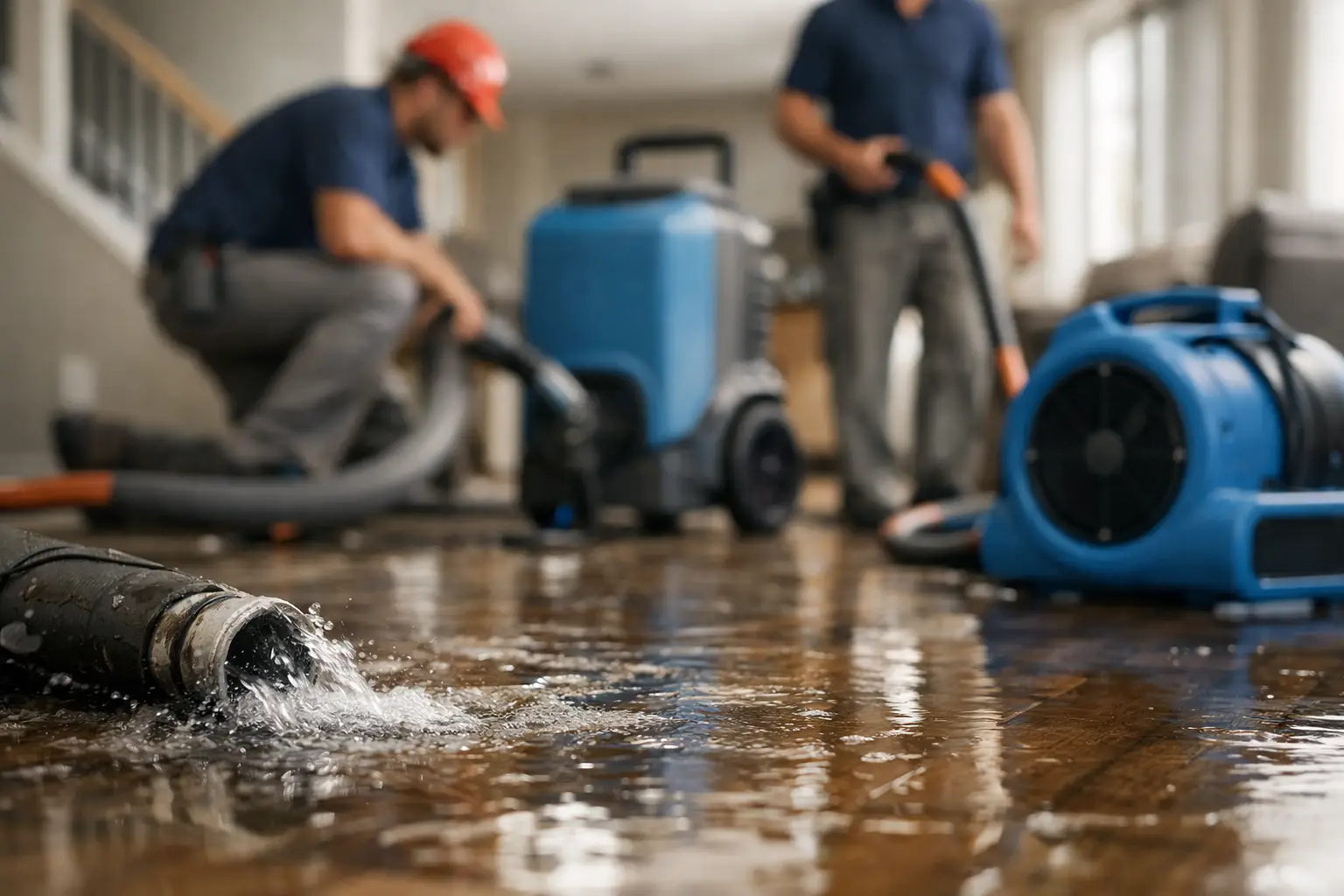
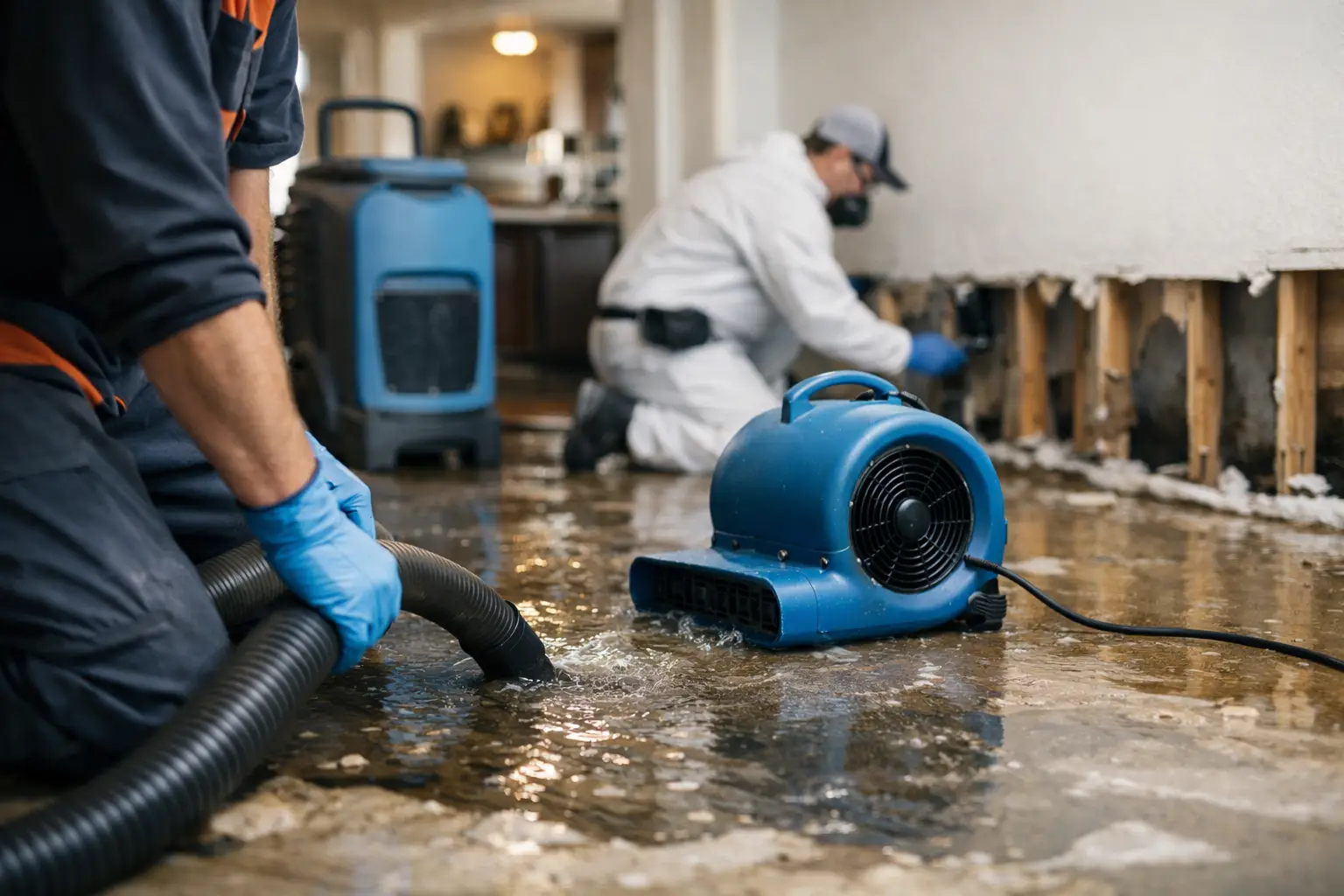 Water Damage
Extraction, structural drying, and moisture mapping after floods, leaks, and burst pipes.
Get help now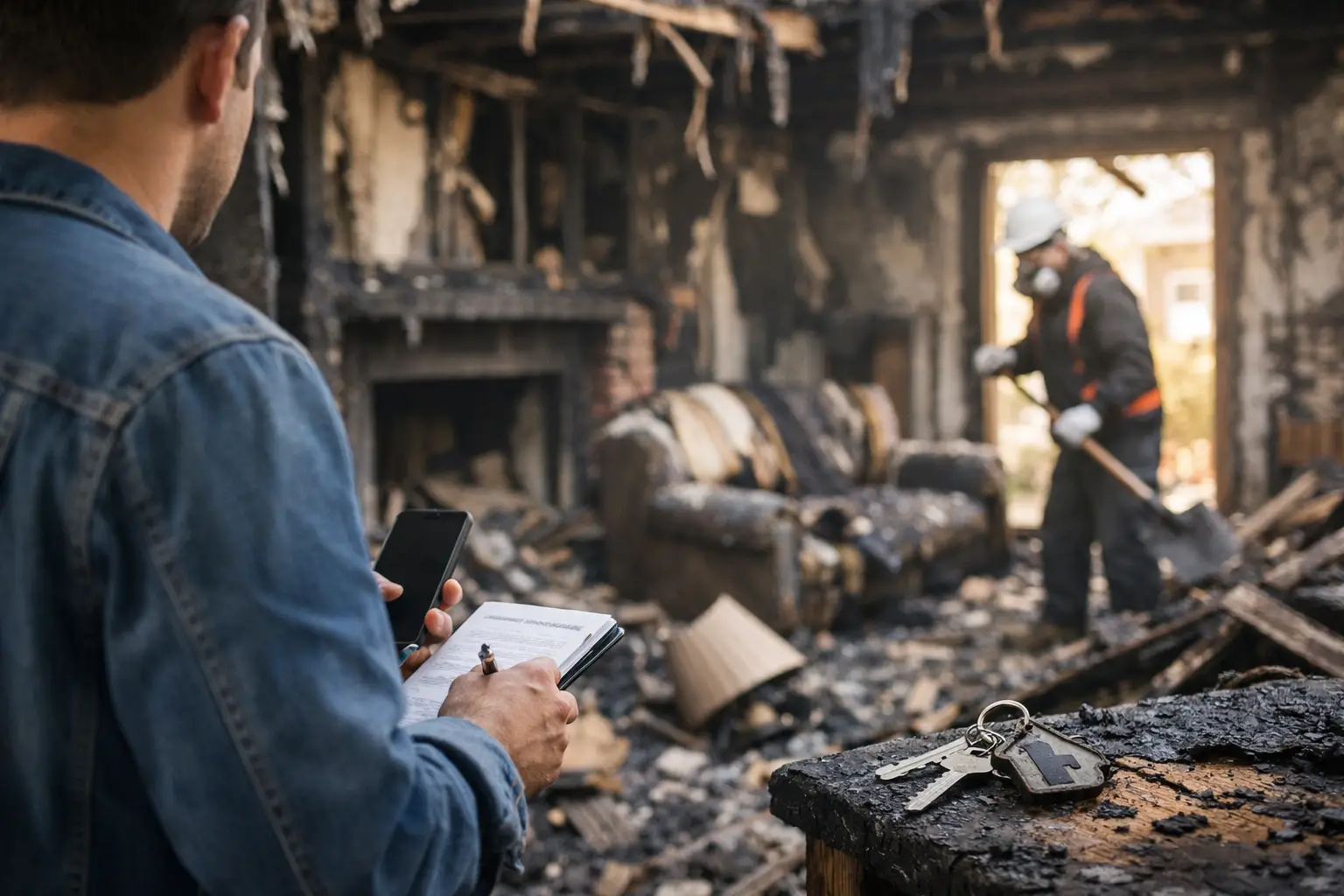 Fire & Smoke
Soot removal, odor deodorization, and content cleaning after fire and smoke damage.
Learn more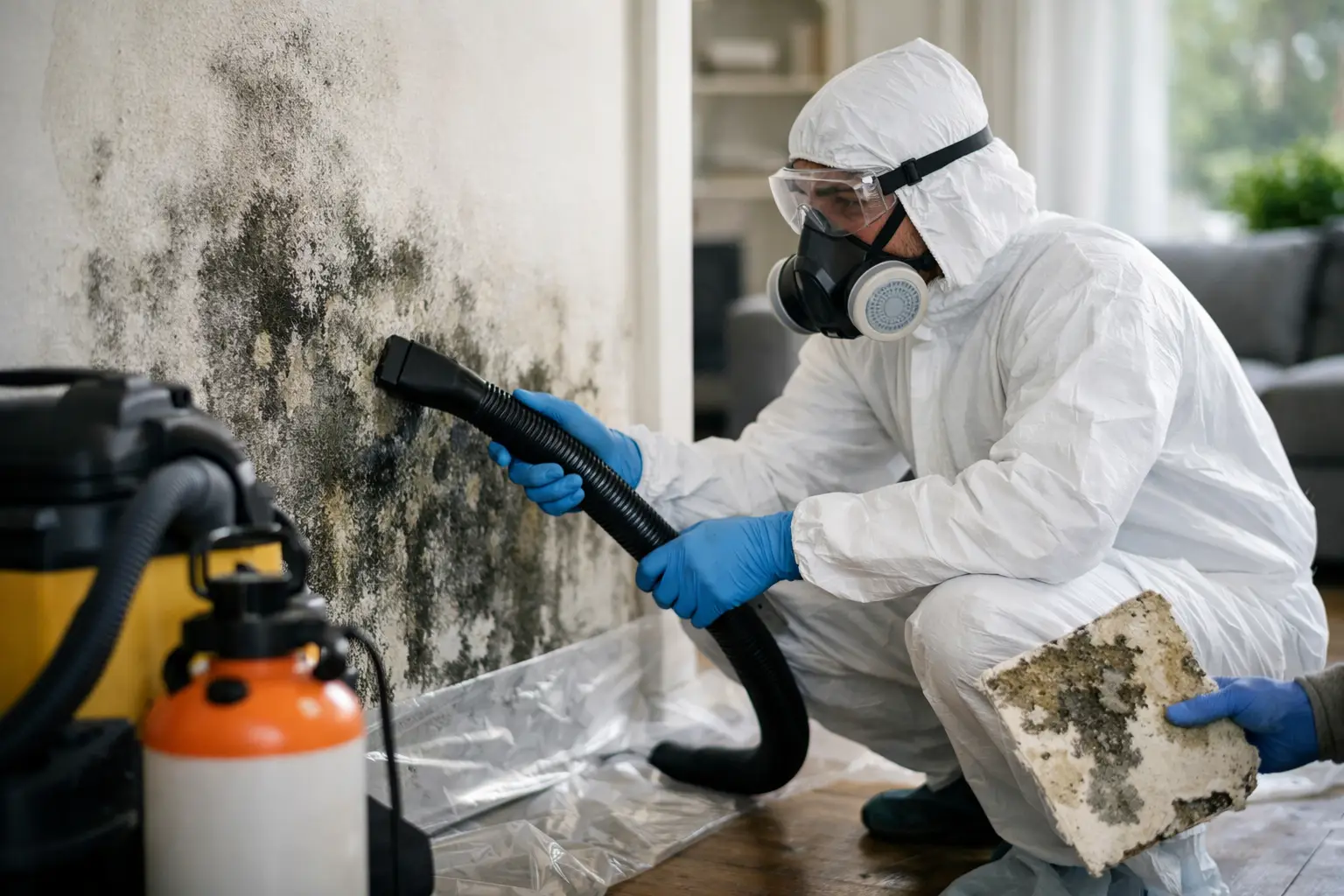 Mold
MoldContainment, removal, and moisture control that stops mold from coming back.
Learn more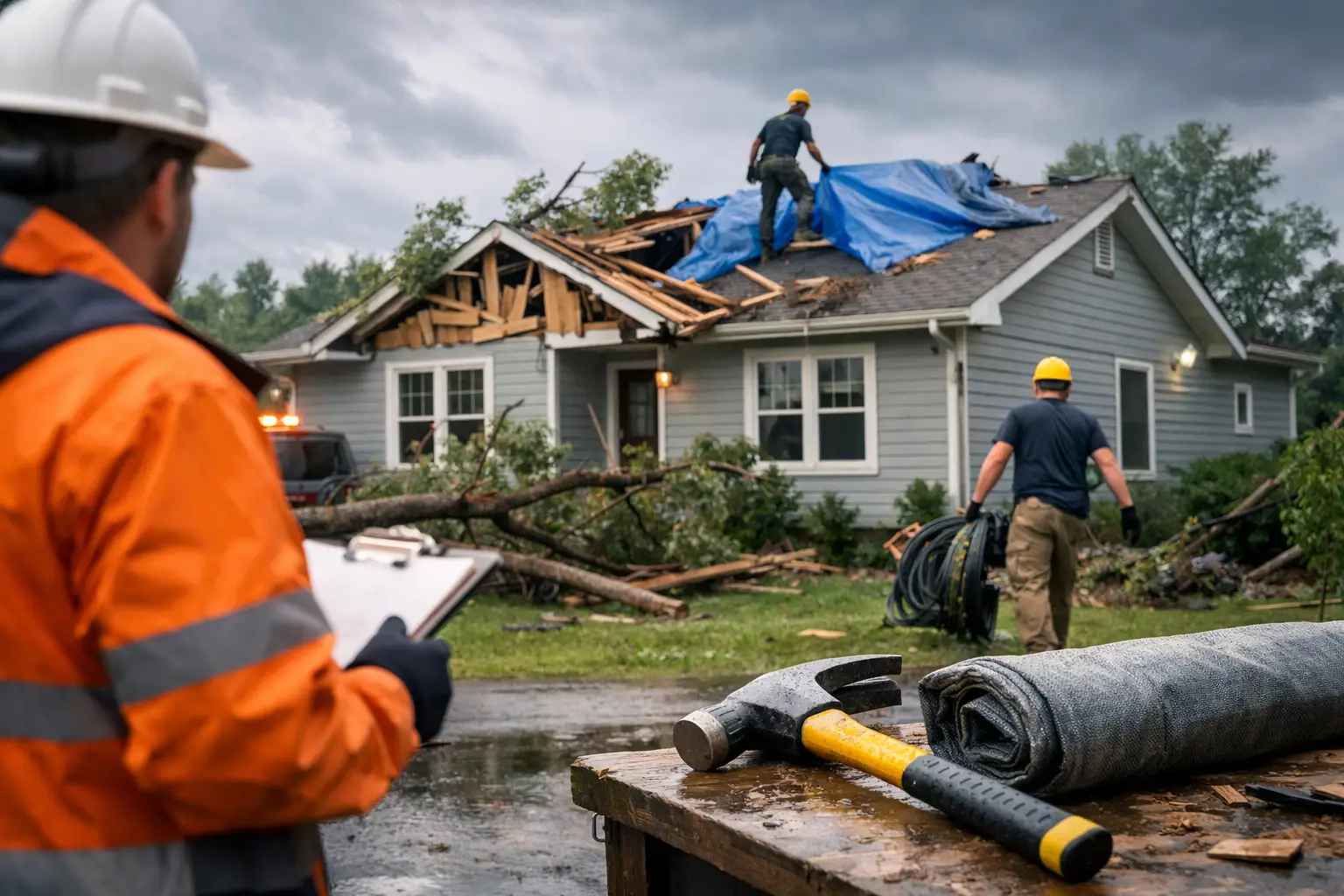 Storm
StormEmergency board-up, roof tarping, and full recovery after wind, hail, and storms.
Learn more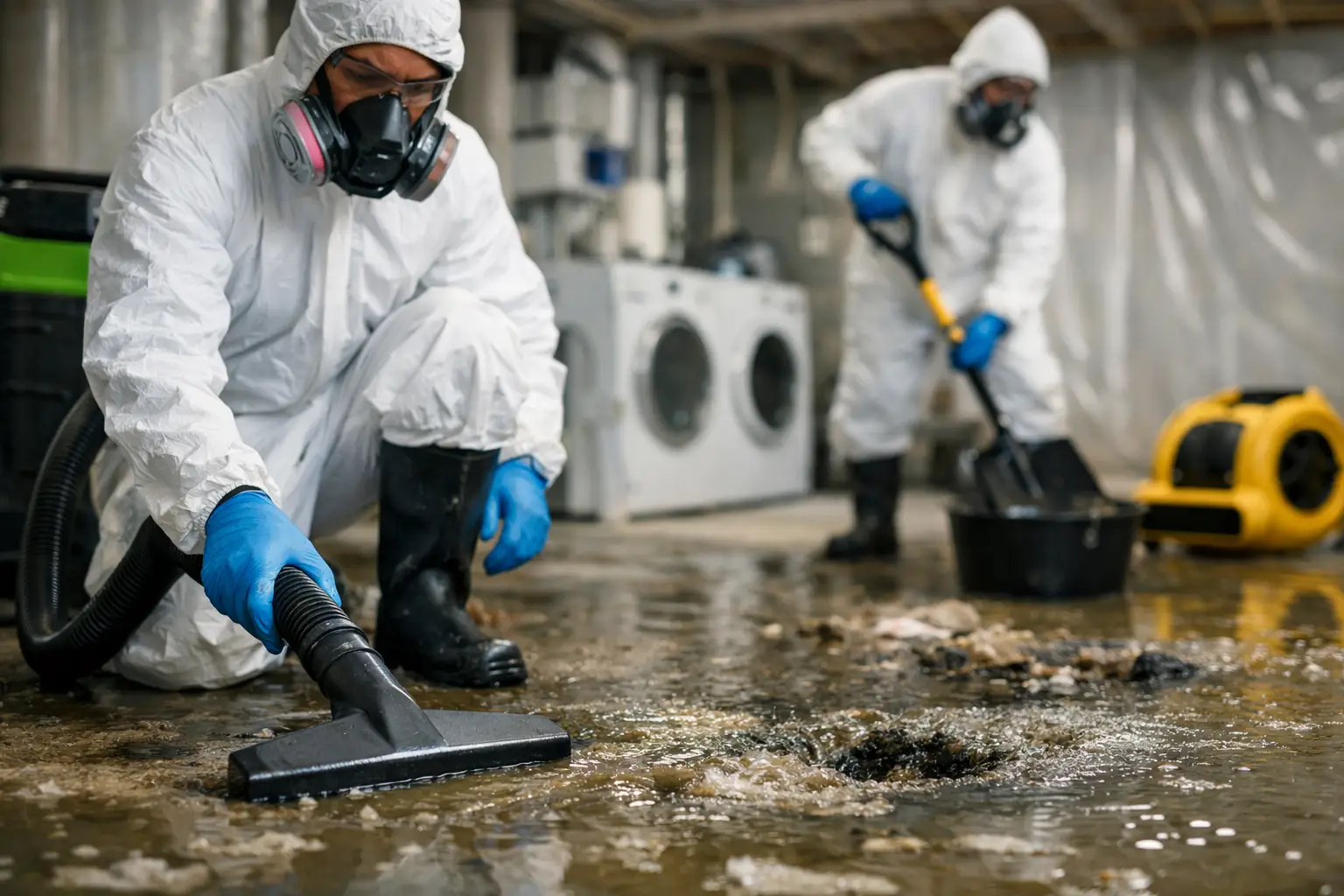 Sewage
Safe biohazard cleanup and sanitizing after sewage backups and overflows.
Learn more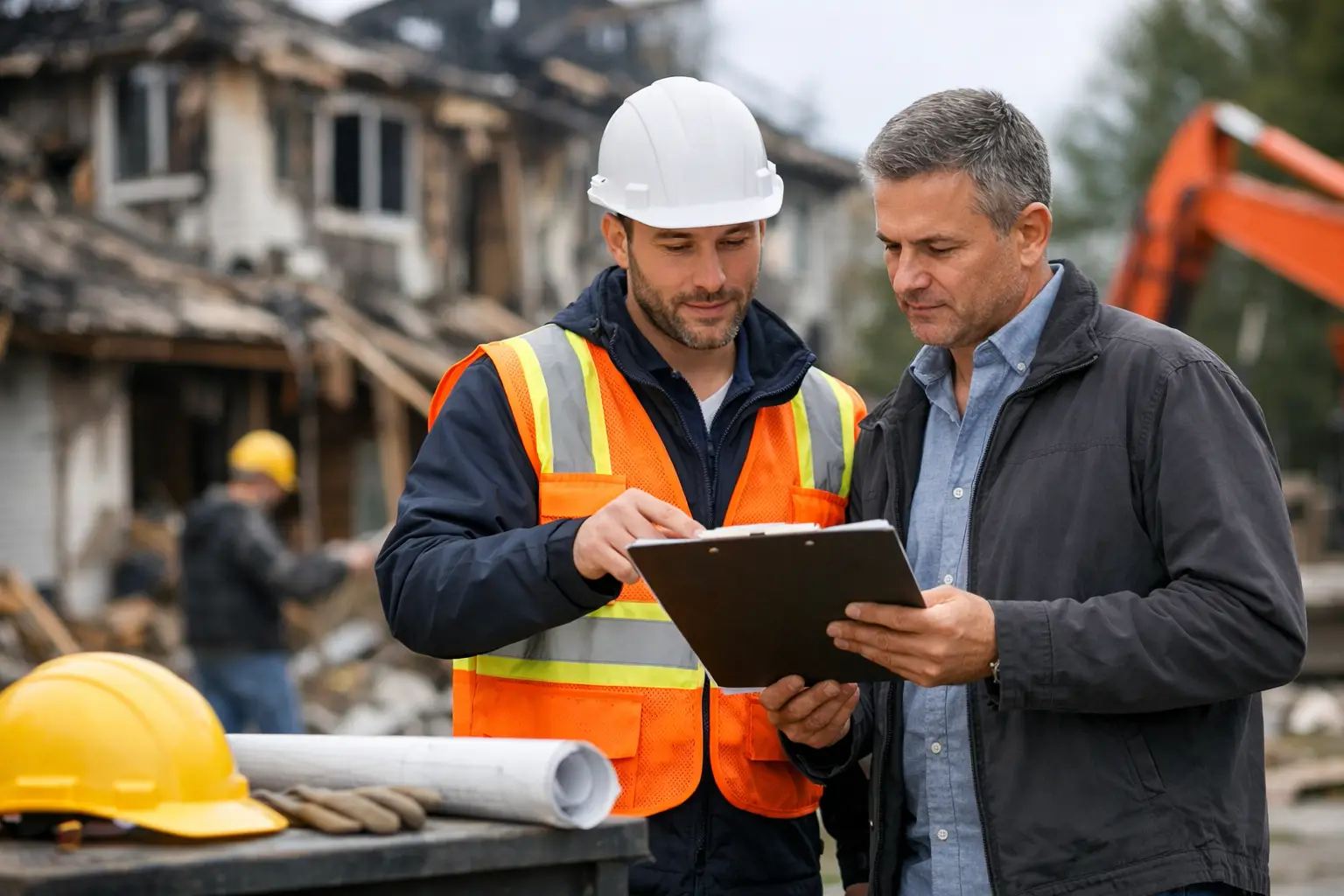 Reconstruction
Full rebuild by a licensed general contractor, so your property comes back whole.
Learn moreElevated Operations is an IICRC-certified, licensed general contractor based in Mableton that handles the entire recovery in-house, so after one loss you are never coordinating a cleanup crew, a mold crew, and a contractor separately. One team, one point of contact, from the first pump-out to the final coat of paint.
People call when the property feels like a disaster. They leave reviews because Chris and the crew made it right. These are real, verified Google reviews.
As soon as the site is safe and access is allowed. In older Smyrna ranch homes, soot can settle into trim, closets, and attic openings quickly, and any firefighting water can start a second problem. I start with board up services, cleanup, and documentation so the damage stops growing and the insurance trail is clean.
It usually includes damage assessment, debris removal, fire damage cleanup, smoke damage cleanup, soot removal, odor neutralization, and, when needed, structural drying. In a townhome, I also look at shared walls, adjacent rooms, and how smoke traveled through finished spaces before I decide what can be restored and what should be replaced.
I clean soot by surface type, then treat the odor source, not just the visible stain. Newer finishes in Smyrna townhomes can smear fast if the wrong cleaner is used. I compare the cabinet faces, paint, and trim side by side, because the right method for one surface can ruin another.
Yes, some can. Hard goods, certain furniture, and items with light soot often respond to content restoration, while porous or heavily charred pieces may not. In Smyrna, I sort contents by material and contamination, then explain what is worth saving and what will keep carrying odor or residue.
Choose restoration when the structure is sound, the soot is removable, and the smell can be controlled. Choose replacement when the finish is burned through, warped, or too porous to clean well. Older ranch homes often give me more restoration opportunities, but I do not force a save that will fail later.
It becomes the bigger concern when firefighting water soaks drywall, flooring, or insulation and nobody starts drying quickly. In Smyrna homes and townhomes, water can push a fire job into mold territory if it lingers. That is when structural drying matters as much as the smoke cleanup.
Townhomes often trap smoke in tighter finishes, shared walls, and vertical chases, while slab ranch homes can spread residue through attic space, closets, and older materials. I compare the property type before I choose the cleanup plan, because the same fire leaves different damage patterns in each.
Yes. I am Chris Kwangwari, owner of Elevated Operations, LLLP, and we use direct insurance billing. My team is IICRC-certified, licensed as a general contractor, and based in Mableton. We respond 24/7 across Cobb County, including Smyrna, and we back the work with a 12-month warranty.
Elevated Operations dispatches IICRC-certified crews across Metro Atlanta from our Mableton base, with a 60-minute emergency response day or night. Choose your city:
Call now for an immediate response, or request your free inspection and get a certified crew on-site within the hour across Atlanta and nearby areas.