24/7 Emergency Restoration · Serving Metro AtlantaEmergency? (770) 404-6895
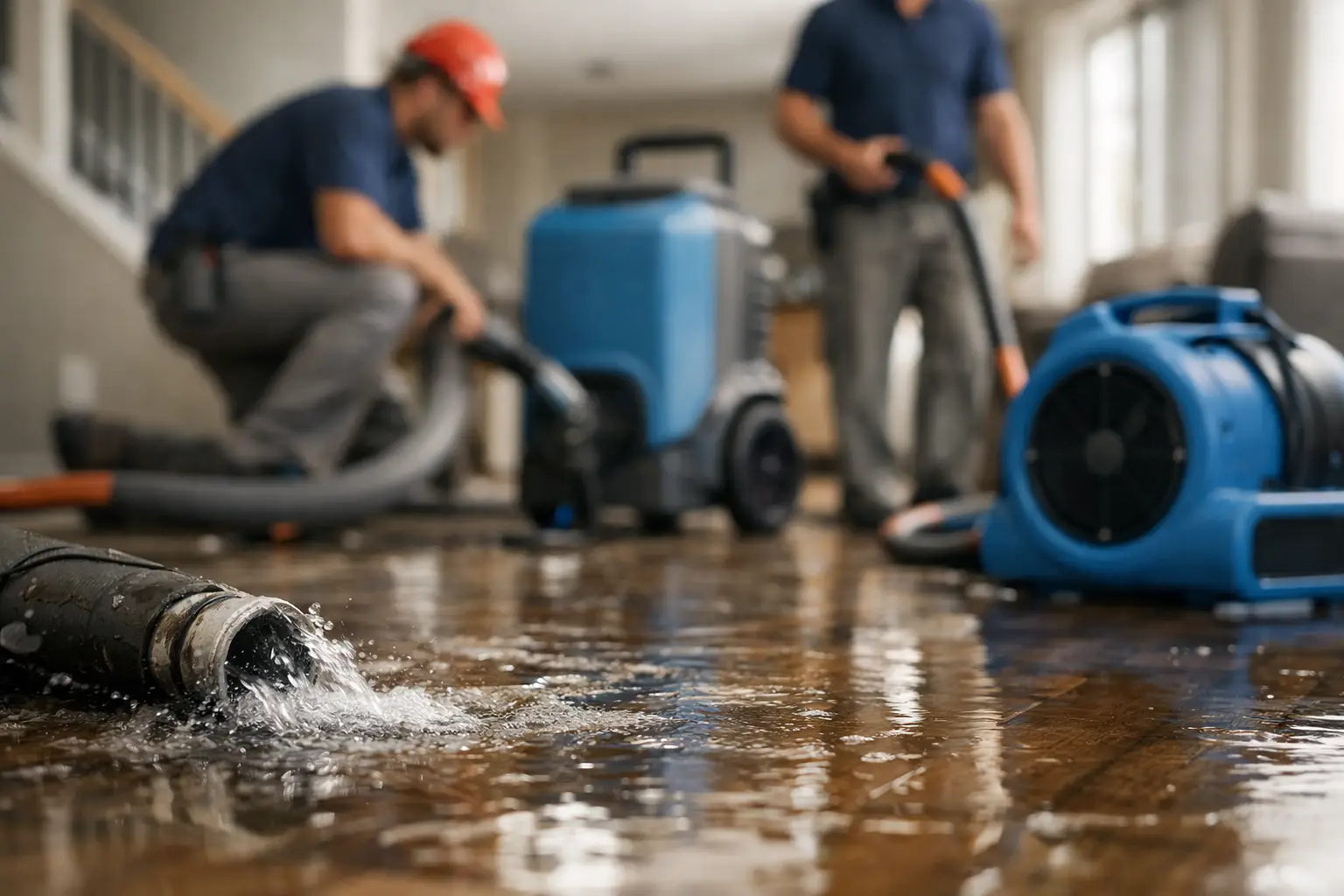
Sewage remediation services in Forest Park are not just a mop and a fan. I treat it as contamination removal, disinfection, and odor control after black water hits a house, shop, or rental near Fort Gillem, the airport corridor, or a post-war neighborhood. One bad backup can spread fast.
IICRC-Certified · 5-Star Rated · 60-Minute Response · Insurance Billed Directly
I do through Elevated Operations, LLLP. My team is based in Mableton, serves Forest Park and the surrounding counties, and brings IICRC-certified technicians to sewage cleanup, disinfection, and structural repair.
Yes. I offer direct insurance billing and deductible assistance up to $1,000 when applicable. That keeps the process moving after a backup, especially when the damage reaches floors, walls, or other materials that need documented restoration.
Yes. Odor control is part of the job, but I never treat it as the whole job. I remove the source, clean the contamination, and then address lingering smells so the space is safe and usable again.
Because I have been in restoration since 2007, I am a licensed general contractor, and I know how Forest Park properties behave after sewage intrusion. I give straight answers, not guesswork, and I stand behind the work with a 12-month warranty.
They include sewage cleanup, contamination removal, disinfection, sanitization, odor control, and controlled demolition when materials cannot be saved. In Forest Park, that matters because older post-war homes and airport industrial buildings both hide moisture in floors, wall cavities, and insulation after a backup.
Myth: sewage cleanup means rinsing the surface and airing out the room. Fact: I look at what touched black water, what can be cleaned, and what has to come out. In Forest Park, older framing and mixed-use properties near the airport often trap contamination in places homeowners never see.
Myth: the smell proves the job is done. Fact: odor control is one part of the process, not the whole job. If sewage reached subflooring or drywall, IICRC-certified technicians have to remove the source, clean the area, and document the work for direct insurance billing when needed.
Myth: any household cleaner is enough. Fact: sewage remediation is biohazard cleanup, not routine housekeeping. I bring a licensed general contractor mindset to the structure itself, because a post-war slab home in Forest Park can hold sewage differently than a warehouse office near Fort Gillem.
Yes, because sewage is black water and it carries contamination that can move into flooring, drywall, and framing fast. In Forest Park, where industrial traffic, older sewer lines, and post-war homes meet, a toilet backup cleanup is rarely a surface-only issue.
Myth: if the water drains away, the danger is gone. Fact: contamination often stays behind in materials and hidden gaps. In Forest Park, I see that risk in homes built after the war and in commercial spaces close to the airport and Fort Gillem.
Myth: a small backup is a small problem. Fact: even one overflow can put sewage into porous materials that cannot be trusted later. EPA guidance says mold can start in 24 to 48 hours, so the clock matters as soon as the water hits the floor.
Myth: you can wait for the smell to fade. Fact: waiting lets damage spread and makes cleanup harder. I answer sewage calls 24/7 with a 60-minute emergency response, because a fast start is what keeps a backup from becoming a much larger repair.
Sometimes, but not everything can be saved. Hard, nonporous surfaces may be sanitized and disinfected, while carpet, padding, insulation, and some drywall usually need removal. In Forest Park, that line is important in post-war homes where sewage can wick farther than people expect.
Myth: sanitization means every affected item stays in place. Fact: the surface may clean up, but the hidden layers can still hold contamination. I look at how far sewage traveled, how the home is built, and whether the material can actually be trusted after cleaning.
Myth: disinfecting the visible mess solves the issue. Fact: disinfection is only part of a proper sewage remediation plan. If sewage got under laminate, into baseboards, or into a crawl area, I may have to remove materials before sanitization can mean anything useful.
Myth: a clean smell means the area is sanitary. Fact: odor control is helpful, but it does not prove the biohazard is gone. In Forest Park, where many homes sit near major transportation corridors, moisture and ventilation patterns can make the smell misleading.
Anything porous or hard to fully decontaminate should be removed, including wet carpet, pad, insulation, and damaged drywall. In Forest Park post-war homes and older commercial spaces near the industrial and airport corridor, contamination removal has to be practical, not optimistic.
Myth: the more you save, the better. Fact: saving contaminated materials can keep sewage odors and bacteria in the structure. I decide based on what the material is, how long it sat wet, and how far black water moved through the room or wall cavity.
Myth: cabinets, trim, and flooring always stay. Fact: some materials can be cleaned, but some cannot be reliably restored after toilet backup cleanup. In a Forest Park house with older finishes, the wrong call can leave contamination hidden behind a pretty surface.
Myth: removal means overreacting. Fact: removal is sometimes the only honest answer. I work from the structure outward, because a licensed general contractor sees the building as a system, not just a stained patch on the floor.
Because traffic, vibration, older infrastructure, and mixed property use can complicate water and waste problems. Around Forest Park’s airport and industrial corridor, sewage cleanup has to start fast so contamination does not spread into walls, flooring, and shared utility spaces.
Myth: location does not matter. Fact: it matters a lot in Forest Park. A post-war house on a quiet street and a building near Fort Gillem may both flood, but their construction, access points, and exposure paths are different, so the cleanup plan should be different too.
Myth: a backup is only a plumbing issue. Fact: once sewage escapes, it becomes a building contamination problem. That is why I approach the work like a restoration contractor, with IICRC-certified technicians and direct insurance billing when the claim needs that support.
Myth: the industrial side of town only affects businesses. Fact: homes near industrial corridors can still pick up heavier wear, older tie-ins, and drainage issues. In Forest Park, that makes fast sewage remediation services a practical necessity, not a luxury.
Because older layouts and materials can conceal moisture behind walls, under flooring, and around low transitions. In Forest Park post-war homes, sewage remediation services have to account for hidden travel paths, not just the wet spot you can see in the hallway.
Myth: if the floor looks dry, the house is fine. Fact: sewage can move under baseboards, into seams, and through gaps at old flooring transitions. I have seen that in Forest Park homes where the original layout was never designed for modern water volumes.
Myth: slab homes cannot hide contamination. Fact: slab construction can still trap sewage in flooring layers, wall bottoms, and adjacent rooms. When that happens, I focus on containment, removal, and sanitization, not guesswork.
Myth: the age of the house is the problem. Fact: age just changes the path. In a post-war Forest Park home, the right move is to inspect carefully, remove what cannot be trusted, and back the work with a 12-month warranty.
Fact: in Forest Park, one toilet backup cleanup can become biohazard cleanup fast if sewage gets into porous materials. I treat it as contamination removal the moment black water touches the structure.
Fact: bleach does not remove sewage from drywall, carpet pad, or hidden framing. I use disinfection where it applies, but the real work is sewage cleanup, removal, and checking where contamination traveled.
Fact: odor control matters, but smell is only a symptom. In Forest Park homes near Fort Gillem or the airport corridor, the hidden risk is what sewage left behind after the water line drops.
From emergency mitigation to full reconstruction, handled in-house so you are never managing a chain of subcontractors mid-crisis.
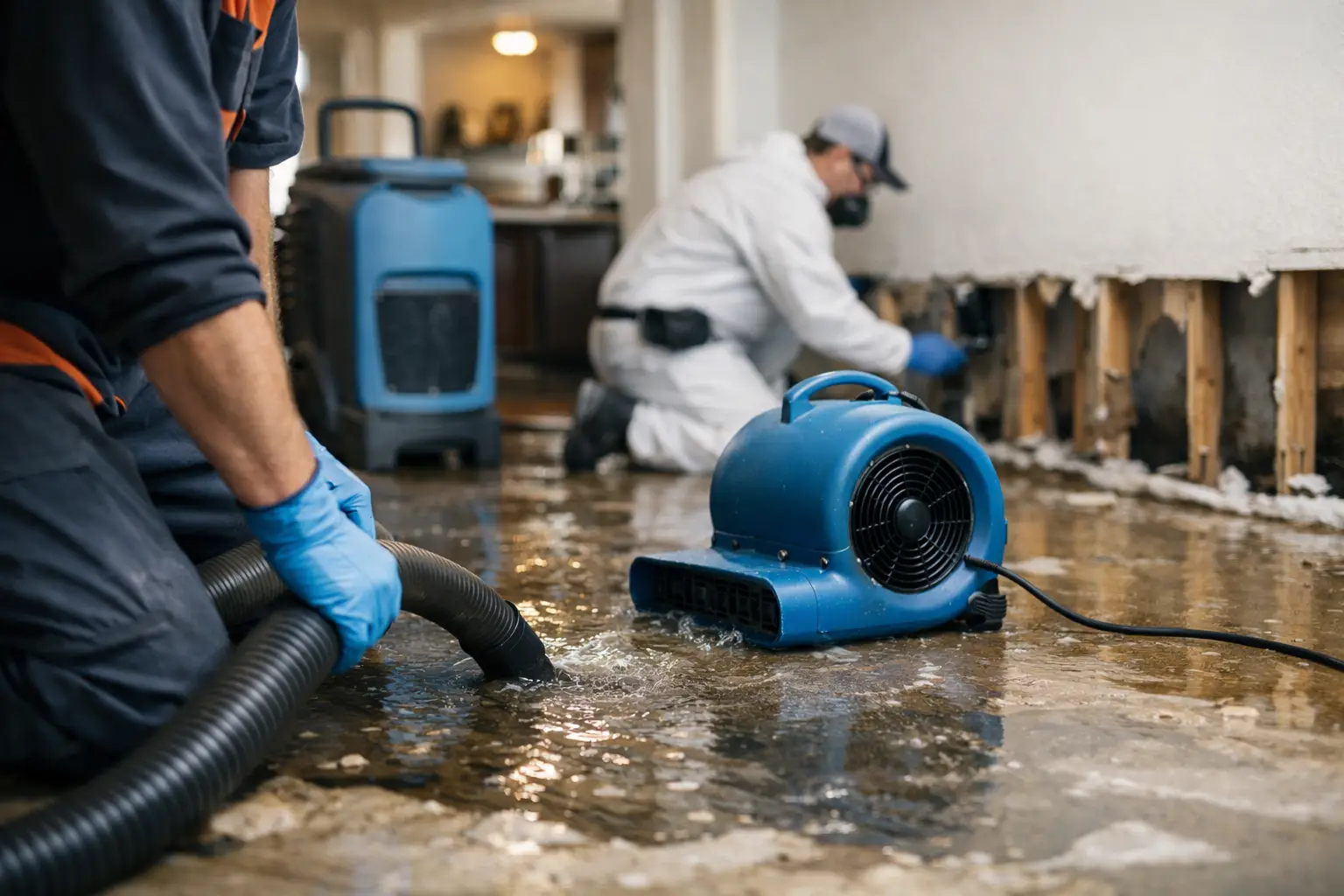 Water Damage
Extraction, structural drying, and moisture mapping after floods, leaks, and burst pipes.
Get help now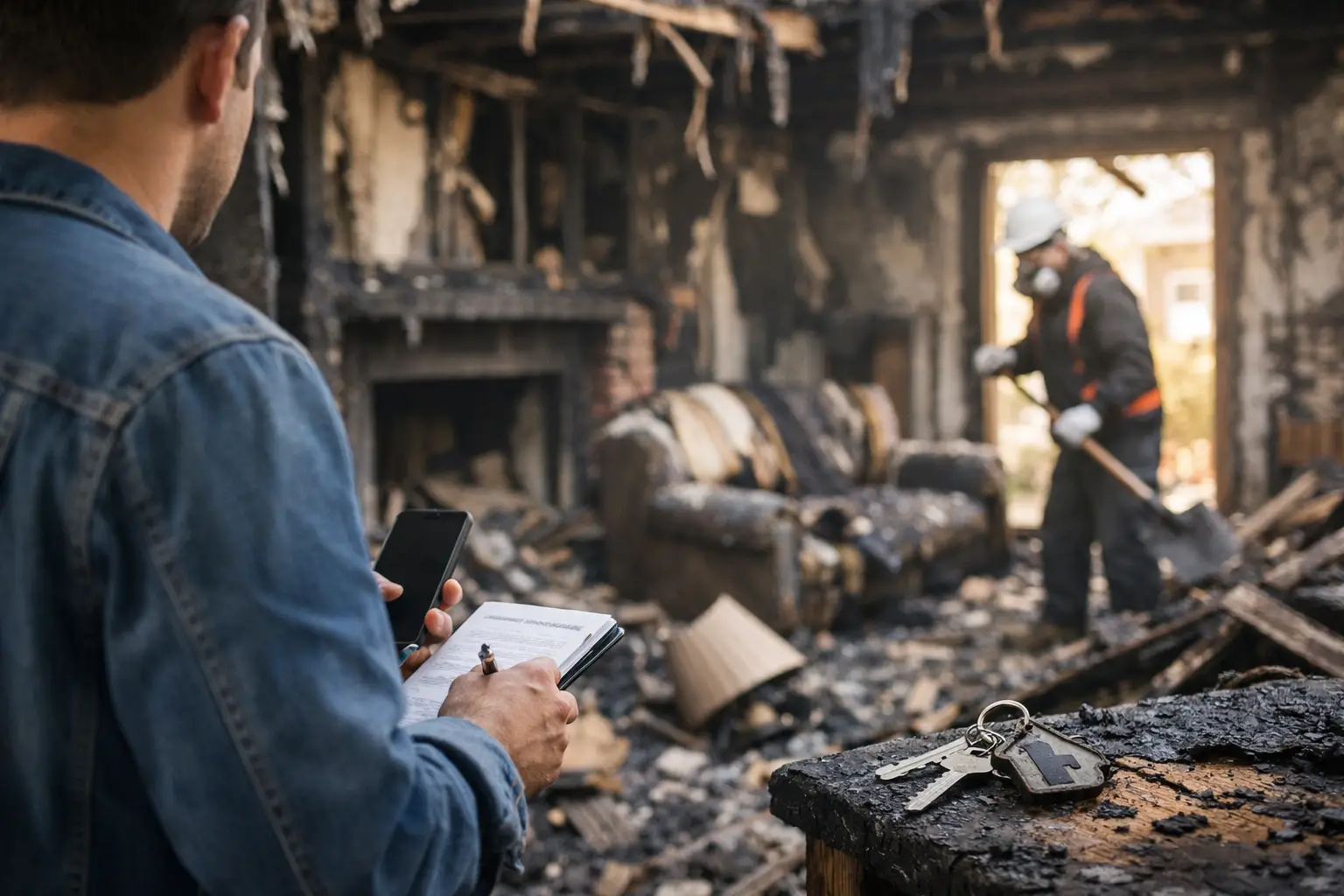 Fire & Smoke
Soot removal, odor deodorization, and content cleaning after fire and smoke damage.
Learn more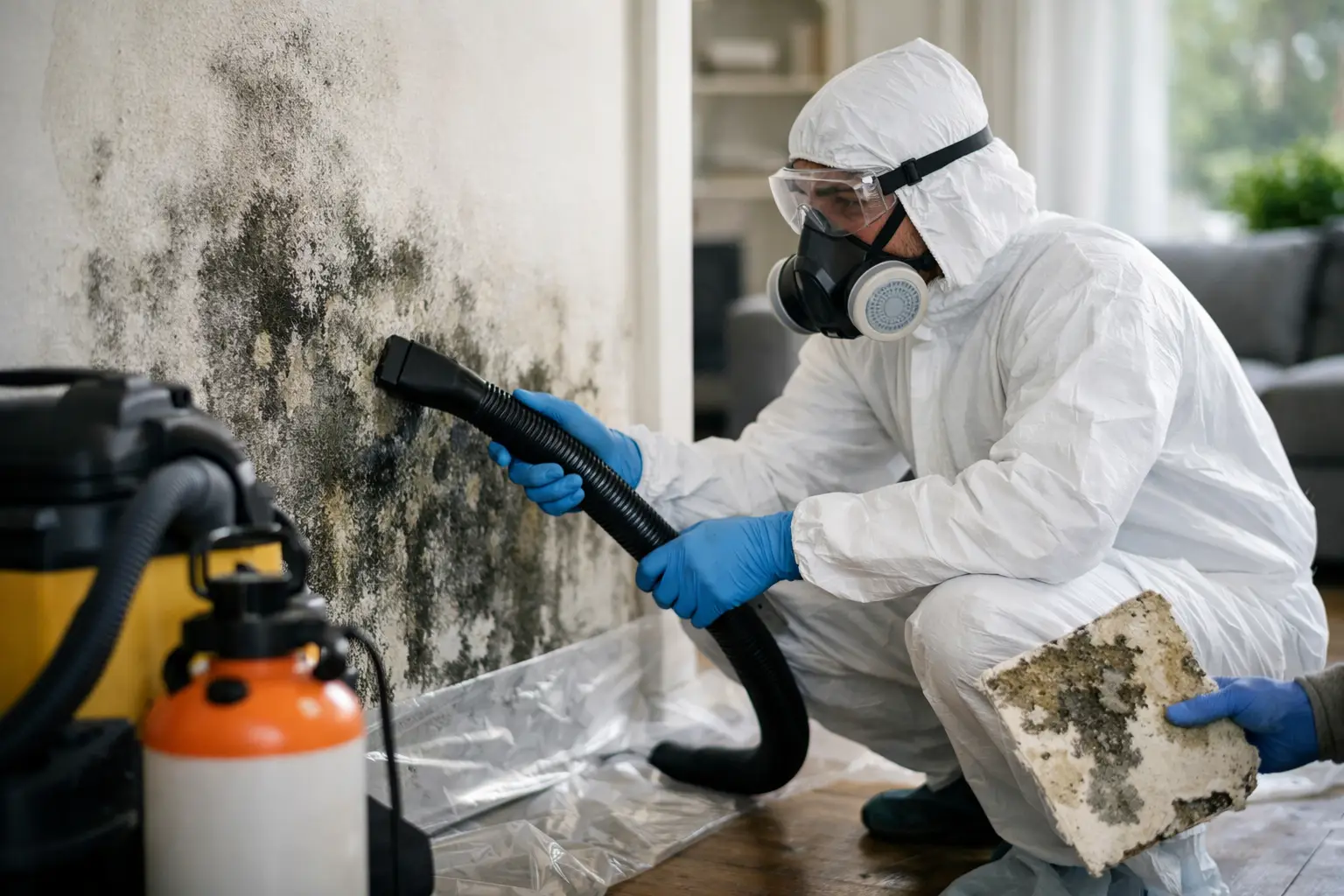 Mold
MoldContainment, removal, and moisture control that stops mold from coming back.
Learn more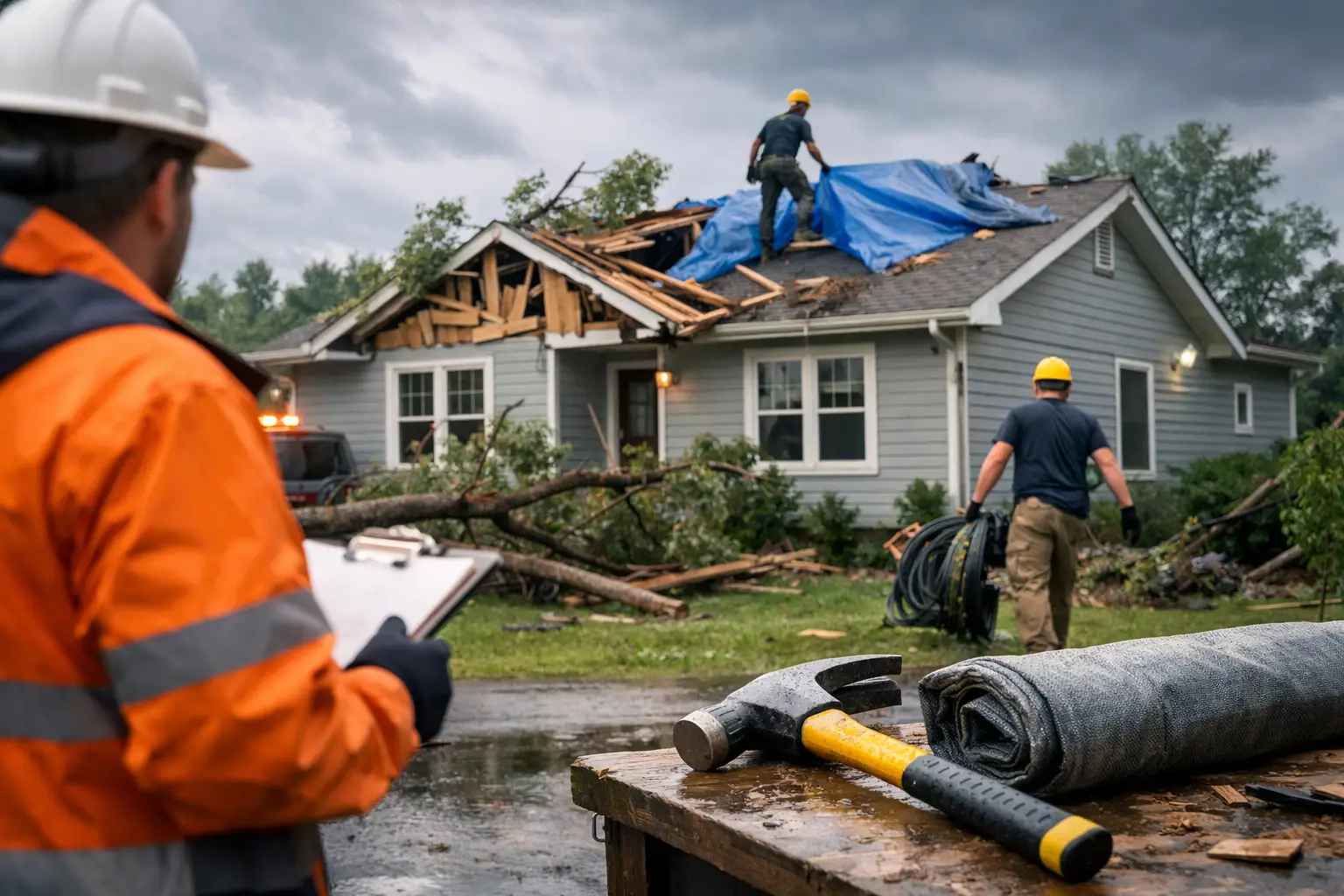 Storm
StormEmergency board-up, roof tarping, and full recovery after wind, hail, and storms.
Learn more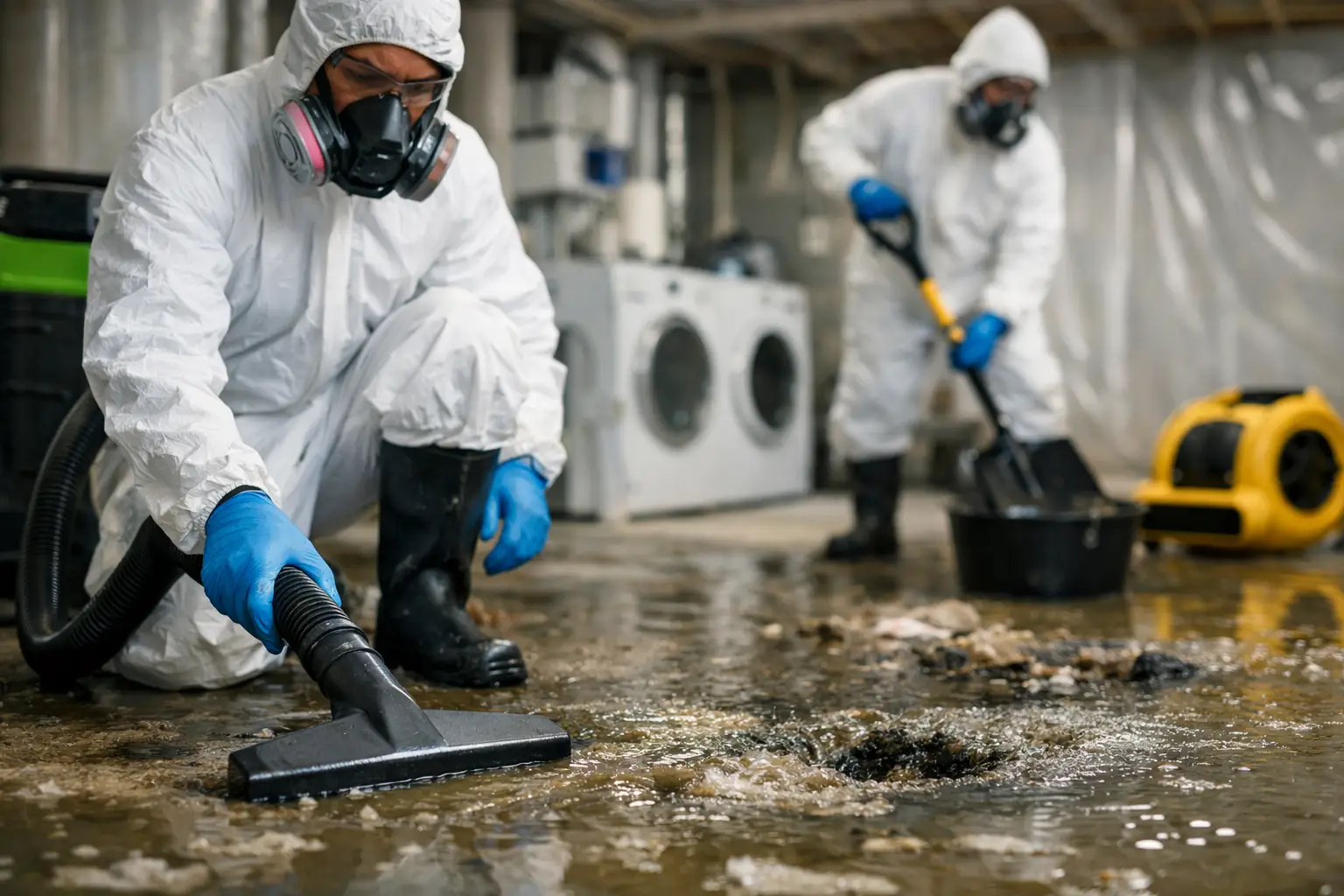 Sewage
Safe biohazard cleanup and sanitizing after sewage backups and overflows.
Learn more Reconstruction
Full rebuild by a licensed general contractor, so your property comes back whole.
Learn moreElevated Operations is an IICRC-certified, licensed general contractor based in Mableton that handles the entire recovery in-house, so after one loss you are never coordinating a cleanup crew, a mold crew, and a contractor separately. One team, one point of contact, from the first pump-out to the final coat of paint.
People call when the property feels like a disaster. They leave reviews because Chris and the crew made it right. These are real, verified Google reviews.
Yes. Properties near Fort Gillem often sit in older mixed-use areas where access, drainage, and building materials vary a lot. I do not assume the same cleanup path for every house. I inspect what the sewage touched, what can be disinfected, and what has to come out before the problem spreads.
They include sewage cleanup, contamination removal, disinfection, sanitization, and odor control. If black water reached flooring or wall materials, I also look at what cannot be salvaged. In Forest Park, airport corridor properties can have hidden utility spaces that hold moisture and sewage longer than people think.
Yes. Post-war homes often hide water in low wall cavities, under flooring, and around older transitions, so a backup can spread farther than the visible stain. I recommend immediate cleanup because sewage is a biohazard, and the structure can keep holding contamination even after the surface dries.
Sometimes, but only on hard surfaces that can be fully cleaned and disinfected. Carpet, padding, drywall, and insulation usually do not qualify. In Forest Park rentals, I focus on the actual building materials, not the appearance, because a quick wipe does not make a contaminated area safe.
Wet carpet, pad, damaged drywall, insulation, and any porous material that cannot be trusted after black water exposure should come out. Cabinets and trim depend on how far the sewage traveled. I make that call based on the structure, not wishful thinking.
I provide 24/7 emergency response with a 60-minute emergency response standard. Forest Park calls often need that speed because sewage can move fast in older homes and commercial spaces. I also handle direct insurance billing and deductible assistance up to $1,000 when the claim qualifies.
It helps a lot when structural repairs are needed. I am a licensed general contractor, so I can address the cleanup and the repair side of the job. That matters in Forest Park when a backup damages subflooring, framing, or finishes and the work cannot stop at disinfection.
Ask whether the team is IICRC-certified, how they handle biohazard cleanup, and whether they can bill insurance directly. I would also ask about warranty coverage. I back my work with a 12-month warranty, and I have been in restoration since 2007.
Elevated Operations dispatches IICRC-certified crews across Metro Atlanta from our Mableton base, with a 60-minute emergency response day or night. Choose your city:
Call now for an immediate response, or request your free inspection and get a certified crew on-site within the hour across Atlanta and nearby areas.