24/7 Emergency Restoration · Serving Metro AtlantaEmergency? (770) 404-6895
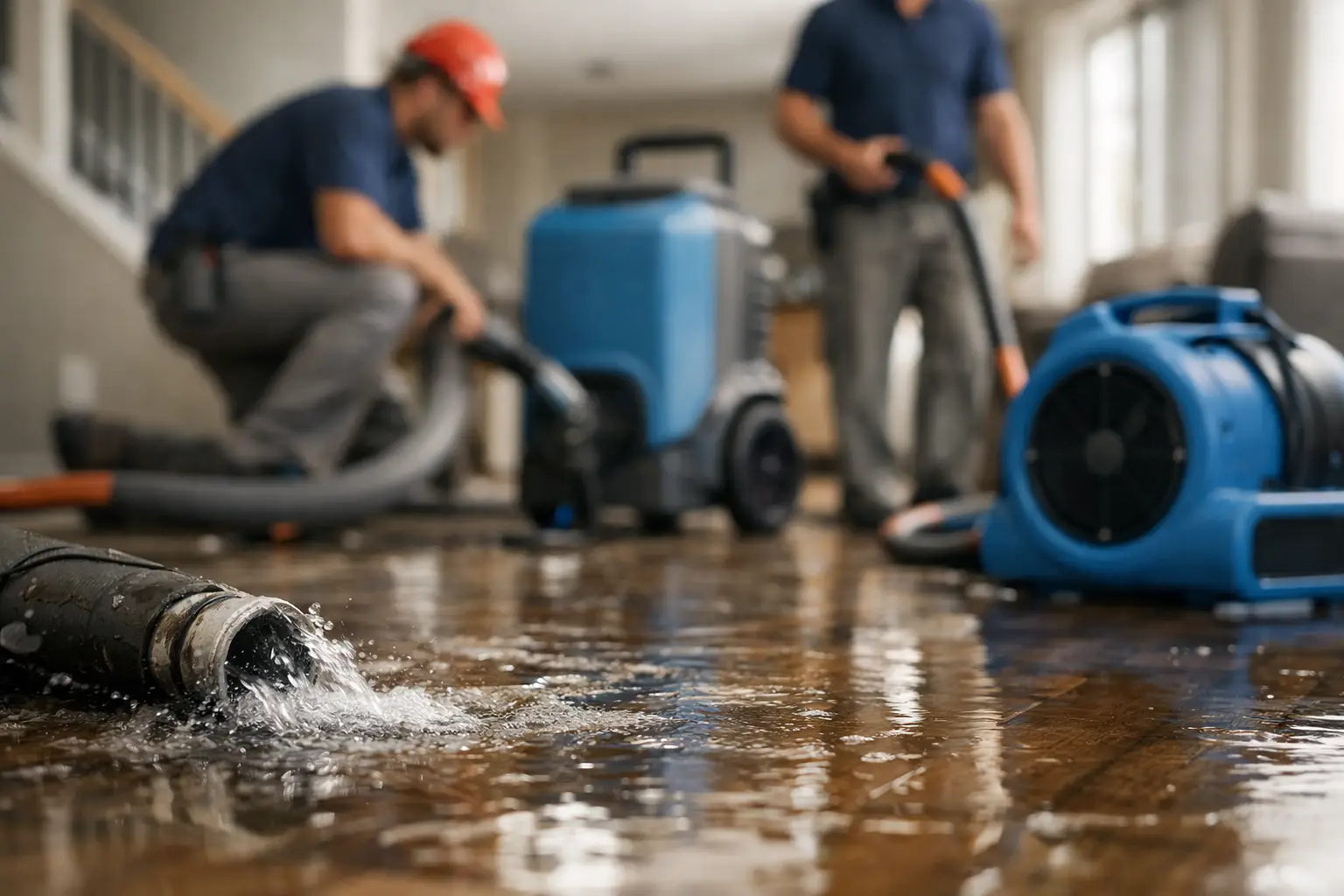
Fire and smoke restoration Jonesboro is not a wait-and-see job, and it is not just about wiping walls. I am Chris Kwangwari, owner of Elevated Operations, LLLP, and I handle fire, smoke, soot, odor, and water issues from the same event with a direct plan for Jonesboro homes near the Flint River and older heart-pine structures.
IICRC-Certified · 5-Star Rated · 60-Minute Response · Insurance Billed Directly
Yes, very likely. Smoke residue often hides on surfaces and inside materials. If I can smell it, I treat it as a real contamination issue, not a cosmetic one.
I offer 24/7 emergency response with a 60-minute emergency response window. That speed matters when soot, moisture, and odor are all active at once.
Often, yes, if the cleaning approach matches the material. Heart-pine needs care, because the wrong method can damage the finish while leaving odor behind.
Yes. I serve Jonesboro and the broader Clayton County area from my Mableton base, along with Cobb, Fulton, DeKalb, Douglas, Henry, and Paulding counties.
Fire and smoke restoration includes fire damage cleanup, smoke damage cleanup, soot removal, debris removal, board up services, odor neutralization, and, when needed, structural drying. It is a full response, not a single trade. My job is to stop further damage and get the home stabilized fast.
Myth: the job starts and ends with one cleaning pass. Fact: fire scenes in Jonesboro often involve char, ash, wet materials, and hidden smoke migration, especially in older homes with deep trim and heart-pine details that hold odor.
I am direct about the sequence. First I secure the property, then I remove debris, address wet materials, and start smoke damage cleanup where contamination has actually spread. That is how you keep a small fire from becoming a bigger loss.
Homes near the Flint River can deal with humidity on top of fire residue, and that combination makes surfaces behave differently. IICRC-certified technicians matter here because the right process is about containment, cleaning, drying, and documentation, not guesswork.
No. Smoke damage is not just an odor, and it does not simply fade. Smoke particles stick to surfaces, move through vents and cavities, and leave residue that keeps releasing odor until the source is removed and odor neutralization is done correctly.
Myth: open windows and wait. Fact: that can spread the contamination farther into carpet, insulation, soft goods, and cabinetry. In Jonesboro homes, especially older ones with wood construction, smoke can lock into materials faster than people expect.
Soot removal is part of the real fix. If you only mask the smell, the residue remains. I do not take shortcuts on that, because a house that looks clean but still smells burned is not restored, it is just staged.
Flint River humidity can make smoke odor hang on in a way dry-air homeowners do not expect. That is why I treat odor neutralization as a process, not a spray, and I document what was cleaned so the homeowner knows what was actually done.
Smoke damage removal starts with identifying what type of residue is present, then cleaning the affected surfaces, contents, and hidden spaces in the right order. The work can include soot removal, HVAC considerations, debris removal, and odor neutralization so the smell does not come back later.
Myth: wiping with a wet rag is enough. Fact: wet cleaning the wrong soot can smear it and push it deeper. In a Jonesboro home, I look at the surface type first, because painted drywall, stained heart-pine, and masonry all respond differently.
Board up services often come first if the structure is open to weather or unsecured. After that, I focus on fire damage cleanup and smoke damage cleanup together, because those two problems usually travel as a pair, not as separate projects.
When a home sits near older neighborhood fabric or a wooded edge by the Flint River, soot can settle into corners, cabinets, and framing gaps. That is where experience matters. I have been in restoration since 2007, and I do not treat hidden residue like an afterthought.
Sometimes yes, sometimes no, and the difference depends on what was exposed to heat, smoke, soot, and water. Content restoration is worth reviewing quickly because many household items can be cleaned, deodorized, and packed out before secondary damage makes the loss worse.
Myth: if it smells smoky, it is ruined. Fact: many contents can be cleaned if they are handled before the residue sets in. That is why I move fast on inventory and content restoration instead of letting people guess room by room.
Jonesboro homeowners with family pieces, wood furniture, or items tied to an older house often want a hard answer. I give one. If an item can be safely cleaned and deodorized, I will say so. If it is too damaged, I will say that too.
Direct insurance billing helps keep the process moving without extra back-and-forth. And because I am a licensed general contractor, I can look at the structure and contents together, not as disconnected piles of damage.
Fire restoration should begin as soon as the property is safe to enter, because smoke, soot, and water keep causing damage every hour they sit. Mold starts in 24 to 48 hours, and that makes quick structural drying and cleanup a real priority after firefighting.
Myth: the insurance company has to finish first. Fact: the house keeps deteriorating while paperwork moves. I offer 24/7 emergency response with a 60-minute emergency response window, because waiting is expensive in fire loss work.
If the home was hit by water during suppression, structural drying starts right away. If it was only smoke, the timeline is still urgent because residue can etch finishes and stain porous materials, especially in older Jonesboro houses with more exposed wood.
I work from a Mableton base and serve Jonesboro across Clayton County. That means the response is local to the metro area, and the focus is simple: stabilize the property, control contamination, and prevent the secondary damage that turns a bad day into a long rebuild.
Yes. Historic Jonesboro homes often need a more careful approach because heart-pine, older finishes, and original detailing respond differently to heat, soot, and cleaning agents. The right plan protects the structure while removing contamination without stripping character out of the house.
Myth: all houses clean the same way. Fact: a newer subdivision home and an older Jonesboro property near the city’s historic core do not behave the same after fire. Materials, cavities, and finish layers change the restoration plan.
Heart-pine can hold odor and residue in ways people do not expect. That is why I inspect before I touch anything. I want the homeowner to know what can be saved, what needs removal, and what needs special handling.
The Flint River is part of the local picture too. Humidity and moisture exposure can complicate cleanup, which is why I keep fire damage cleanup tied to drying, containment, and documentation instead of treating the project like a simple wipe-down.
Fact: smoke residue travels, stains, and keeps releasing odor until it is cleaned correctly. In Jonesboro, I see it settle into trim, cabinets, and older wood details fast.
Fact: content restoration is a case-by-case call. Some items clean up well after smoke and soot exposure, while others are too far gone and need removal.
Fact: the clock starts immediately after the fire. Water, soot, and humidity keep working, and mold starts in 24 to 48 hours if materials stay wet.
From emergency mitigation to full reconstruction, handled in-house so you are never managing a chain of subcontractors mid-crisis.
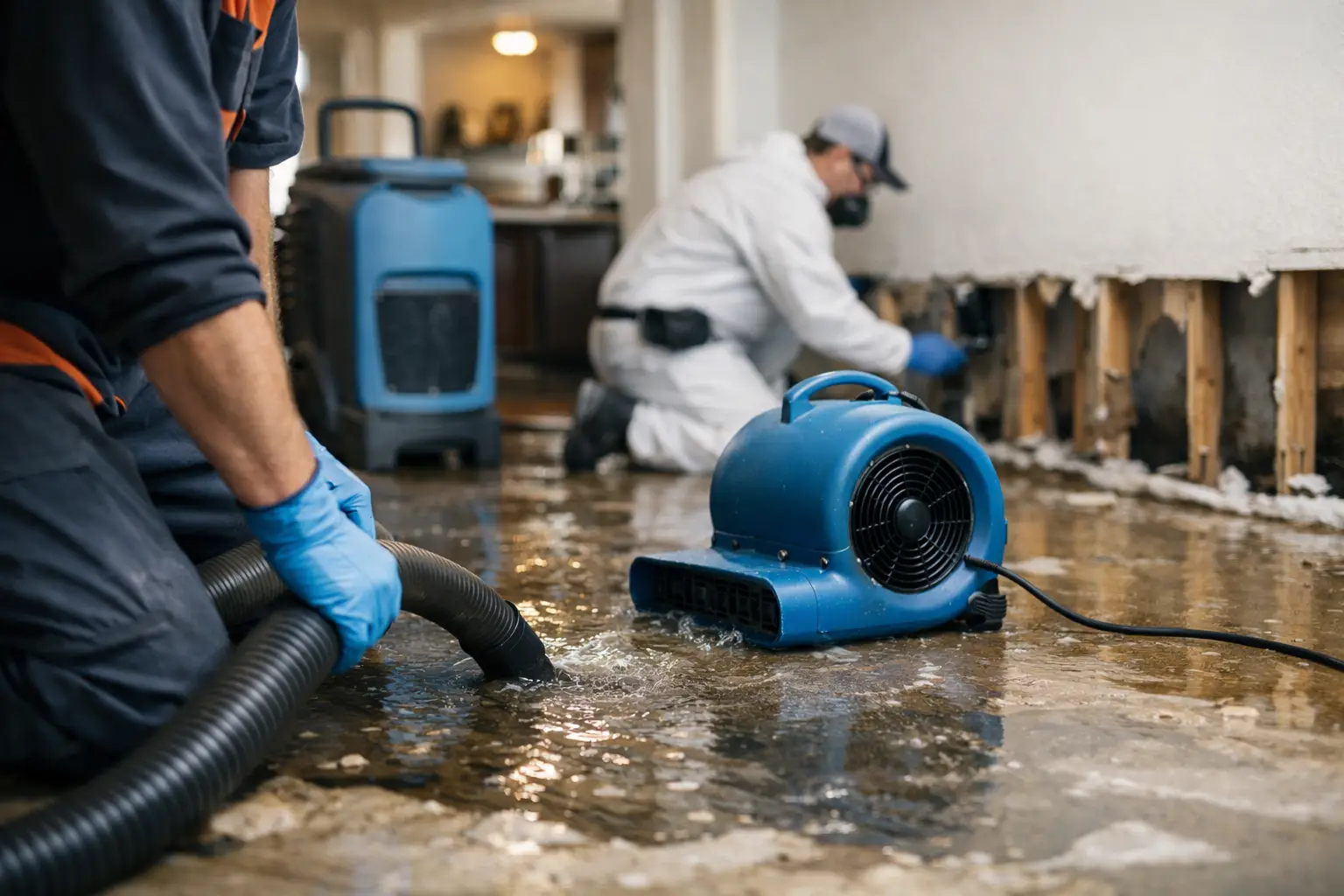 Water Damage
Extraction, structural drying, and moisture mapping after floods, leaks, and burst pipes.
Get help now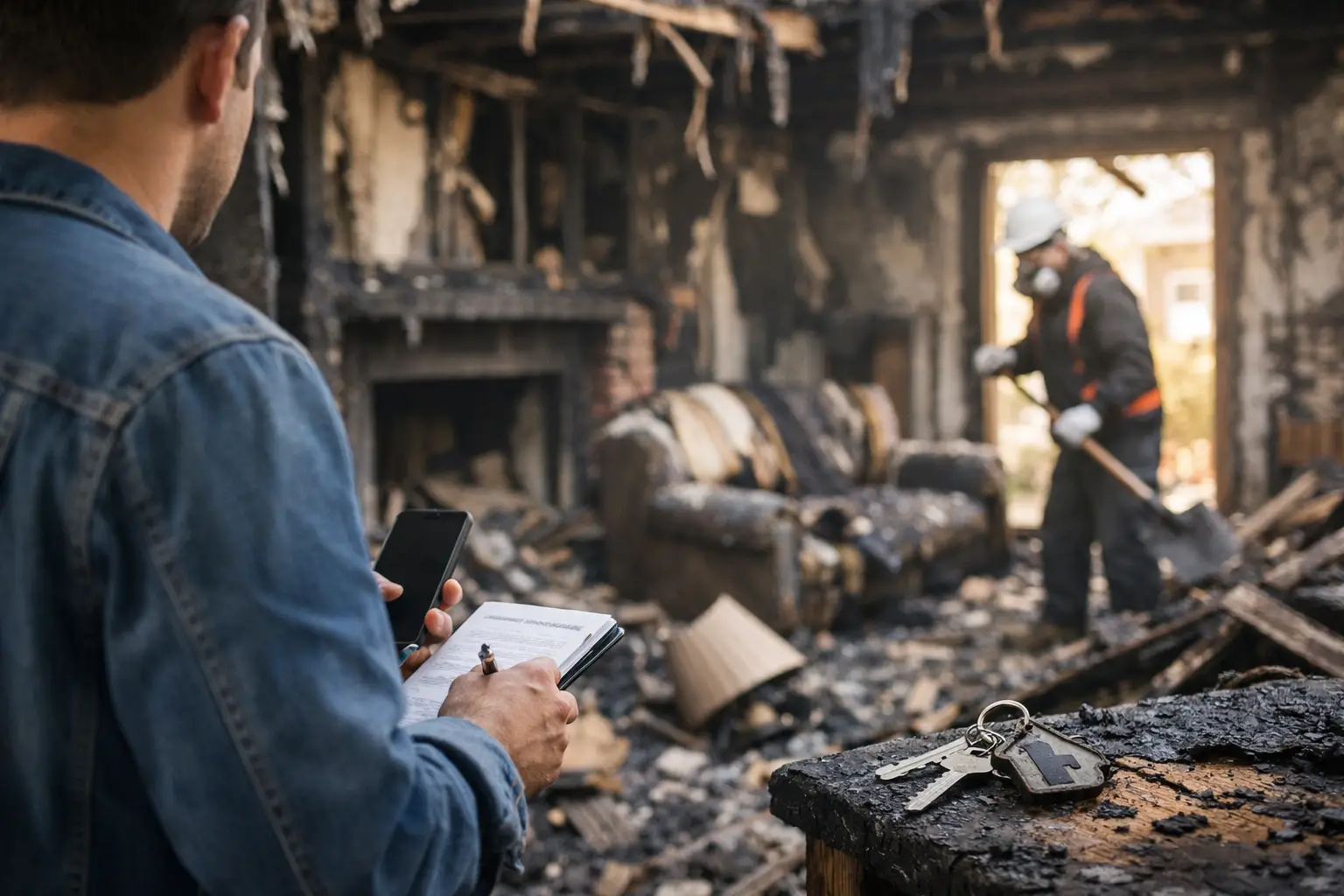 Fire & Smoke
Soot removal, odor deodorization, and content cleaning after fire and smoke damage.
Learn more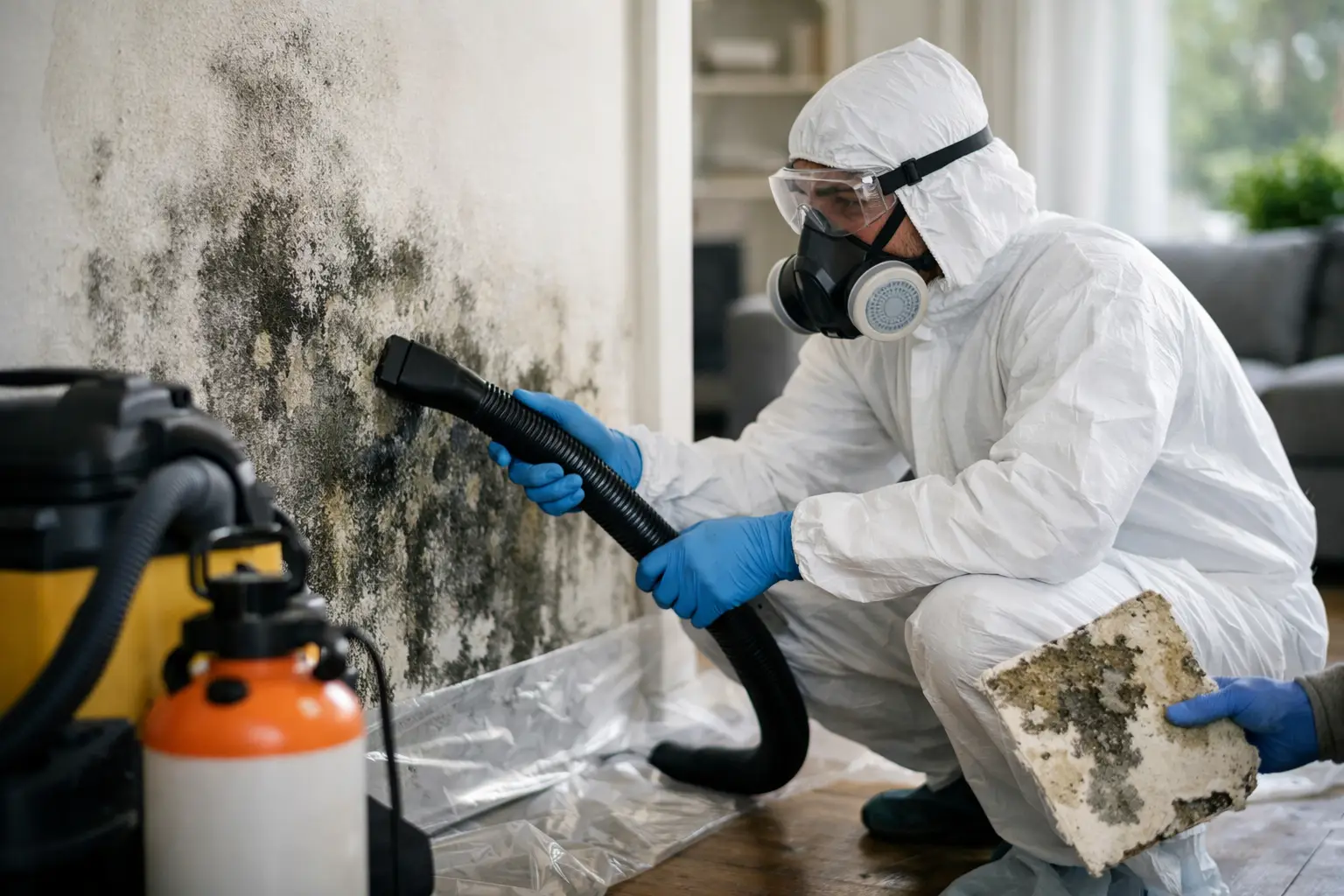 Mold
MoldContainment, removal, and moisture control that stops mold from coming back.
Learn more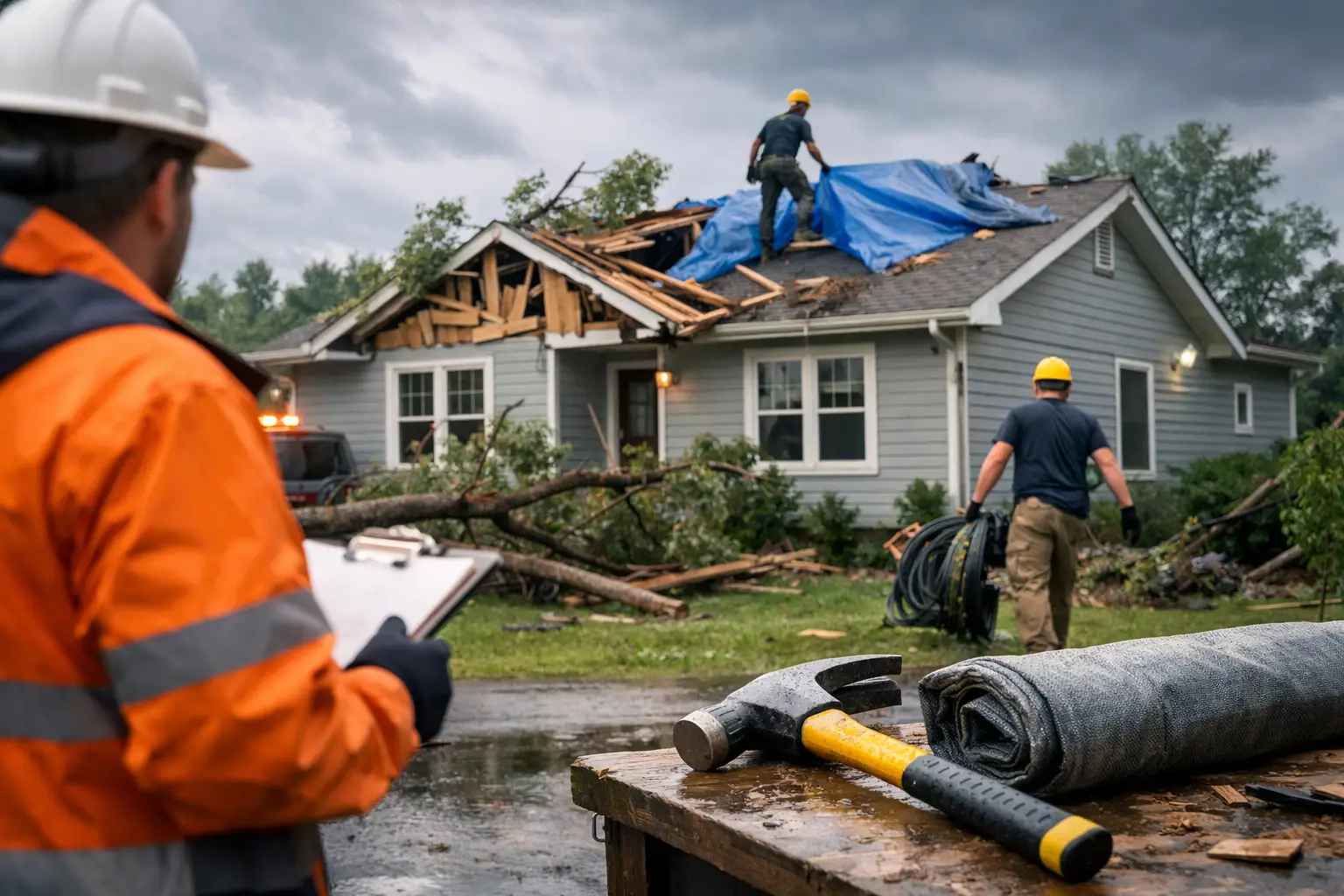 Storm
StormEmergency board-up, roof tarping, and full recovery after wind, hail, and storms.
Learn more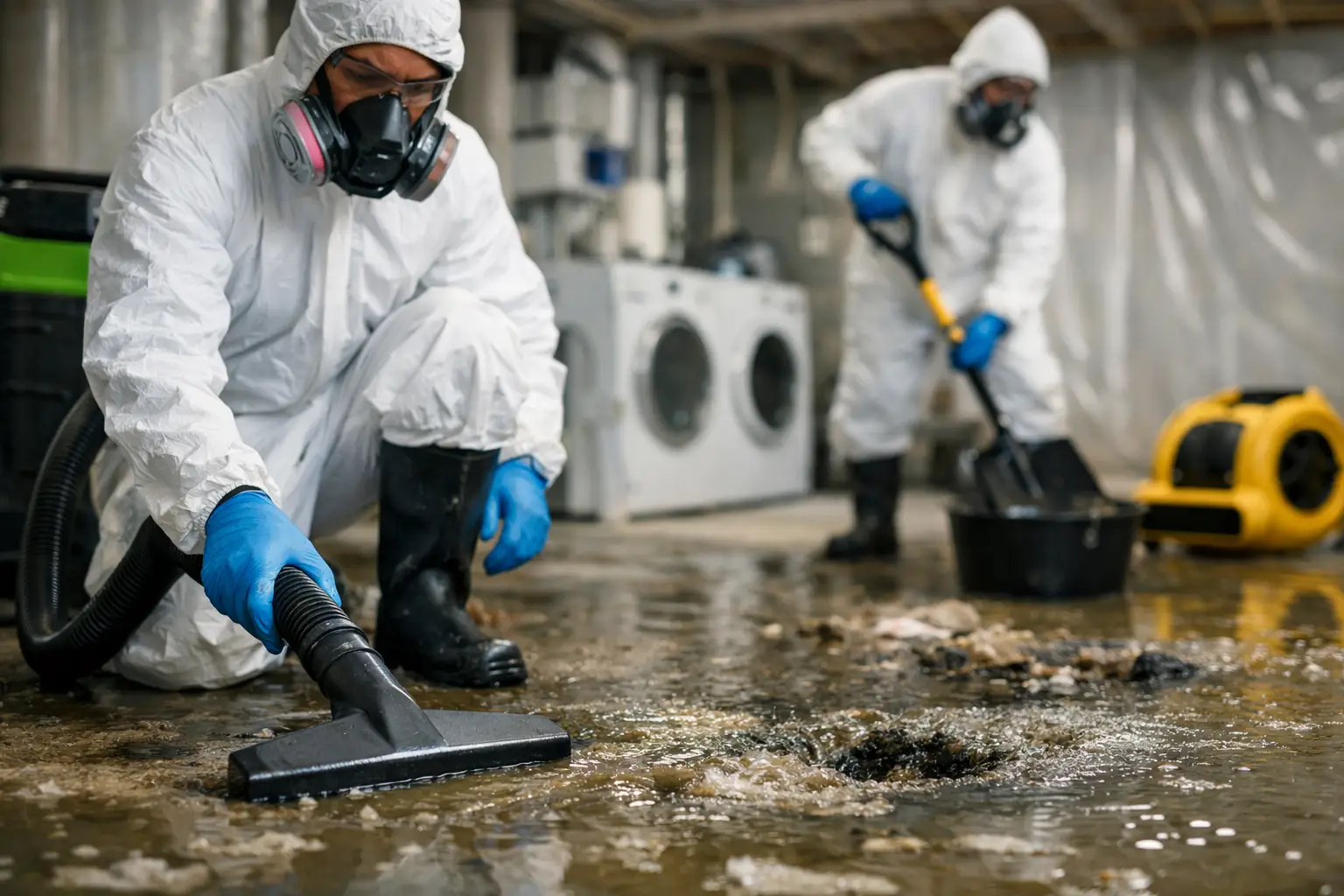 Sewage
Safe biohazard cleanup and sanitizing after sewage backups and overflows.
Learn more Reconstruction
Full rebuild by a licensed general contractor, so your property comes back whole.
Learn moreElevated Operations is an IICRC-certified, licensed general contractor based in Mableton that handles the entire recovery in-house, so after one loss you are never coordinating a cleanup crew, a mold crew, and a contractor separately. One team, one point of contact, from the first pump-out to the final coat of paint.
People call when the property feels like a disaster. They leave reviews because Chris and the crew made it right. These are real, verified Google reviews.
Get the property secured and stop new damage from spreading. Then document what you can and call for fire and smoke restoration right away. In older Jonesboro homes, smoke can settle into wood trim, cabinets, and attic spaces faster than people expect. I focus first on safety, then stabilization, then cleanup.
Humidity changes the way smoke residue behaves. Near the Flint River, odors can stay embedded in porous materials longer, especially after fire damage cleanup has been delayed. The fix is not masking the smell. It is proper soot removal, cleaning of affected materials, and odor neutralization based on the actual source.
Yes. If windows, doors, or roof openings are exposed, board up services protect the home from weather and unauthorized entry. That matters in Jonesboro because fire scenes often become water problems too. Once the structure is secure, I can move into smoke damage cleanup and structural drying without wasting time.
You look for residue, odor, and the path the air followed during the fire. Smoke can move through returns, vents, and cavities even when the fire started in one room. In Jonesboro homes with older layouts, I take HVAC contamination seriously because it can spread soot long after the flames are out.
Yes. I offer direct insurance billing, and that keeps the process cleaner for the homeowner. It matters when a fire has already disrupted daily life. I also provide deductible assistance up to $1,000, and I keep the communication straightforward from the first inspection through the final warranty-backed work.
Older homes often have more exposed wood, more voids, and more delicate finishes. Heart-pine can hold soot and odor differently than newer materials. That means the work has to be precise, not aggressive. I protect what can be saved, clean what can be cleaned, and remove what cannot be restored.
Yes. Fire scenes often include water from suppression, and that water can create a second round of damage fast. I handle fire damage cleanup and structural drying together so the home is stabilized, the contamination is controlled, and mold does not get a head start while everyone waits.
Look for IICRC-certified technicians, a licensed general contractor, and real local experience. I have been in restoration since 2007, and Elevated Operations, LLLP has a 4.9-star Google rating with 73 reviews. That combination matters when the job involves fire, smoke, water, and insurance all at once.
Elevated Operations dispatches IICRC-certified crews across Metro Atlanta from our Mableton base, with a 60-minute emergency response day or night. Choose your city:
Call now for an immediate response, or request your free inspection and get a certified crew on-site within the hour across Atlanta and nearby areas.