24/7 Emergency Restoration · Serving Metro AtlantaEmergency? (770) 404-6895
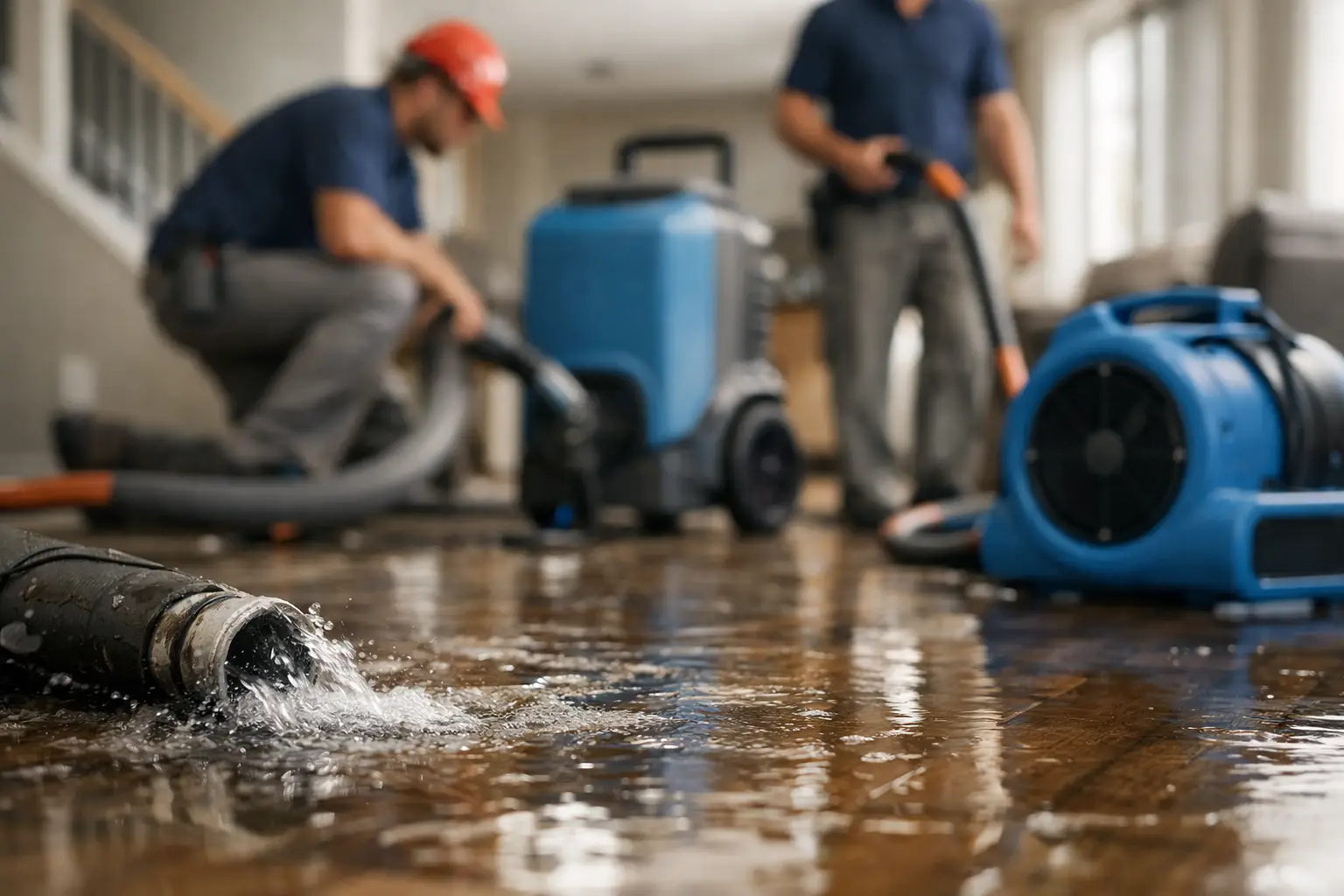
Flooded basement cleanup Decatur usually starts with basement water removal, then basement drying, then a hard look at what the water touched. I am Chris Kwangwari, owner of Elevated Operations, and I price jobs by the damage pattern, materials affected, and insurance path, not by guesses. In Decatur, older Craftsman bungalows, plaster, heart pine, and cast-iron laterals change the job fast.
IICRC-Certified · 5-Star Rated · 60-Minute Response · Insurance Billed Directly
Immediately. Water does not wait, and mold starts in 24 to 48 hours. I provide 24/7 emergency response, and fast action helps protect plaster, heart pine, and the claim record.
Yes. I direct bill insurance and document the loss clearly. That keeps the scope organized and helps the adjuster understand what happened in the basement.
Treat it as sewage backup cleanup until proven otherwise. Stay out of the area, call us, and let IICRC-certified technicians identify the source and start the right cleanup.
I do. I am Chris Kwangwari, owner of Elevated Operations, LLLP, a licensed general contractor based in Mableton and working across Decatur and the surrounding counties.
I price flooded basement cleanup by the scope of water entry, the materials affected, and whether the job needs specialty drying, wet carpet removal, or sewage backup cleanup. In Decatur, older bungalows with plaster and heart pine often need slower, more careful work than newer spaces.
A dry basement can still hide a costly problem if water reached framing, plaster, or finished storage. In Decatur, I pay attention to old house details because heart-pine floors, trim, and plaster walls react differently than newer construction. That matters on every estimate.
If the issue is clean water and the loss is caught early, the work may stay focused on basement water removal and basement drying. If the source is a failed lateral, sewer line backflow, or contaminated water, the job shifts into sewage backup cleanup and the containment gets stricter. That changes labor, disposal, and documentation.
I do not make up a flat answer for every basement. A small leak behind a washer wall is one thing. A full flood across a Decatur crawlspace or basement is another. The bill follows the actual damage pattern, the moisture readings, the materials touched, and the steps insurance requires.
First, stop the source if you can do it safely, then call for emergency response, and keep people out of the wet area. After that, document the loss and let a licensed restoration contractor decide whether flood water extraction, wet carpet removal, or sanitary cleanup is needed.
I want homeowners to think in order. Safety first. Then source control. Then photos. Then call us at (770) 404-6895. We provide 24/7 emergency response with a 60-minute emergency response window, and we send IICRC-certified technicians who know how to work around active water and damaged building materials.
Decatur basements can be tricky because older homes often have mixed materials. Plaster walls, heart pine, and storage finishes can all trap moisture. If you wait, the risk rises. Mold starts in 24 to 48 hours, so quick action matters for mold prevention and for keeping the claim cleaner.
Do not assume the water is only on the surface. Water can travel under carpet, into subfloors, and behind trim. If cast-iron laterals or sewer backup are involved, avoid the area and let the category be identified before anything gets moved. That keeps the cleanup safer and the insurance record cleaner.
We start with flood water extraction, then remove damaged materials, then dry what can be saved, and then monitor moisture until the structure is stable. In Decatur, that often means checking plaster, heart pine, and any low wall assembly for hidden trapped water.
The process changes with the source. Clean water from a supply line gets handled differently than sewage backup cleanup from a cast-iron lateral issue. I inspect the affected rooms, document the loss, and isolate materials that cannot be safely restored. That keeps the work focused and the claim accurate.
Basement drying is not just setting equipment and walking away. IICRC-certified technicians read the room, the materials, and the moisture path. Older Decatur houses often have dense materials that release water slowly, so I watch for hidden saturation behind trim, under stairs, and at wall bases.
And I do not rush a wet carpet removal decision. If carpet and pad are salvageable, we evaluate that. If they are not, removal is the right move. The point is simple: remove what cannot be saved, dry what can, and avoid leaving trapped moisture in a bungalow with older finishes.
Yes, a flooded basement can cause mold fast if moisture stays in place. In Decatur, older plaster, wood framing, and heart pine can hold dampness, so mold prevention depends on fast extraction, careful basement drying, and removal of wet materials that cannot be restored.
Mold does not need a dramatic flood to start. It needs moisture and time. That is why I push early basement water removal and drying on every job. If the water reached insulation, carpet pad, drywall, or hidden cavities, the risk climbs quickly.
Decatur homes with Craftsman details need extra attention because old wood and plaster can hold moisture in ways homeowners do not see. A basement can look better before it is actually dry. I rely on moisture readings, not appearances, and I keep the work moving until the structure is stable.
If the water came from sewer backup cleanup territory, mold prevention is only part of the job. The sanitation issue matters too. Contaminated water changes what can stay, what must go, and how the space is documented for the insurer. That is not the place to guess.
Insurance coverage depends on the source of the loss, the policy language, and the condition of the building before the event. Sudden discharge from plumbing may be treated differently than groundwater, and sewage backup cleanup often needs specific policy language to be covered.
I bill insurance directly, and I help with claims from the start. That means I document the damage, list the affected materials, and keep the record organized so adjusters can see what happened. The more precise the scope, the better the claim file usually reads.
In Decatur, older basements can raise coverage questions because cast-iron laterals, plumbing failures, and finished spaces do not all get treated the same way. I do not promise coverage. I explain the loss clearly, then let the insurer apply the policy. That is the honest route.
If there is a deductible, I provide deductible assistance up to $1,000. That does not change the policy itself, and it does not replace the carrier’s decision. It simply helps homeowners bridge the gap when a covered loss is moving forward and the numbers are already tight.
Drying time depends on how much water entered, what materials were hit, and whether the basement includes plaster, heart pine, or hidden cavities. I do not guess at a finish date. I track moisture, adjust basement drying equipment, and keep going until the structure is actually dry.
A small basement water removal job can dry faster than a loss that reached framing, underlayment, or finished walls. In Decatur, old houses often slow the process because dense materials and layered finishes hold moisture longer. That is normal, and it is why equipment placement matters.
If wet carpet removal is needed, drying may improve quickly because one big moisture source is gone. If sewage backup cleanup is involved, cleaning, sanitizing, and drying all have to happen in sequence. That adds steps, and those steps are part of a proper restoration, not an extra.
I give homeowners a straight answer after inspection, not a false promise on the phone. Some basements stabilize faster than people expect. Others need more time because the water traveled behind finishes. Either way, I use the readings to decide when the space is ready, not the calendar alone.
Clean supply-line water, storm water, and sewage backup cleanup are not priced the same way. The source drives safety steps, disposal needs, documentation, and what can be restored.
Plaster, heart pine, carpet, pad, and trim all change the scope. Older Decatur homes often need slower handling because hidden moisture can sit inside layered materials.
I provide direct insurance billing and document the loss clearly for the adjuster. That helps keep the scope organized and the claim trail easy to read.
I offer deductible assistance up to $1,000 when a covered loss is moving forward. It helps with the gap, but it does not replace what the policy covers.
We back qualifying restoration work with a 12-month warranty. I stand behind the job and I want the finish to hold up after the equipment leaves.
From emergency mitigation to full reconstruction, handled in-house so you are never managing a chain of subcontractors mid-crisis.
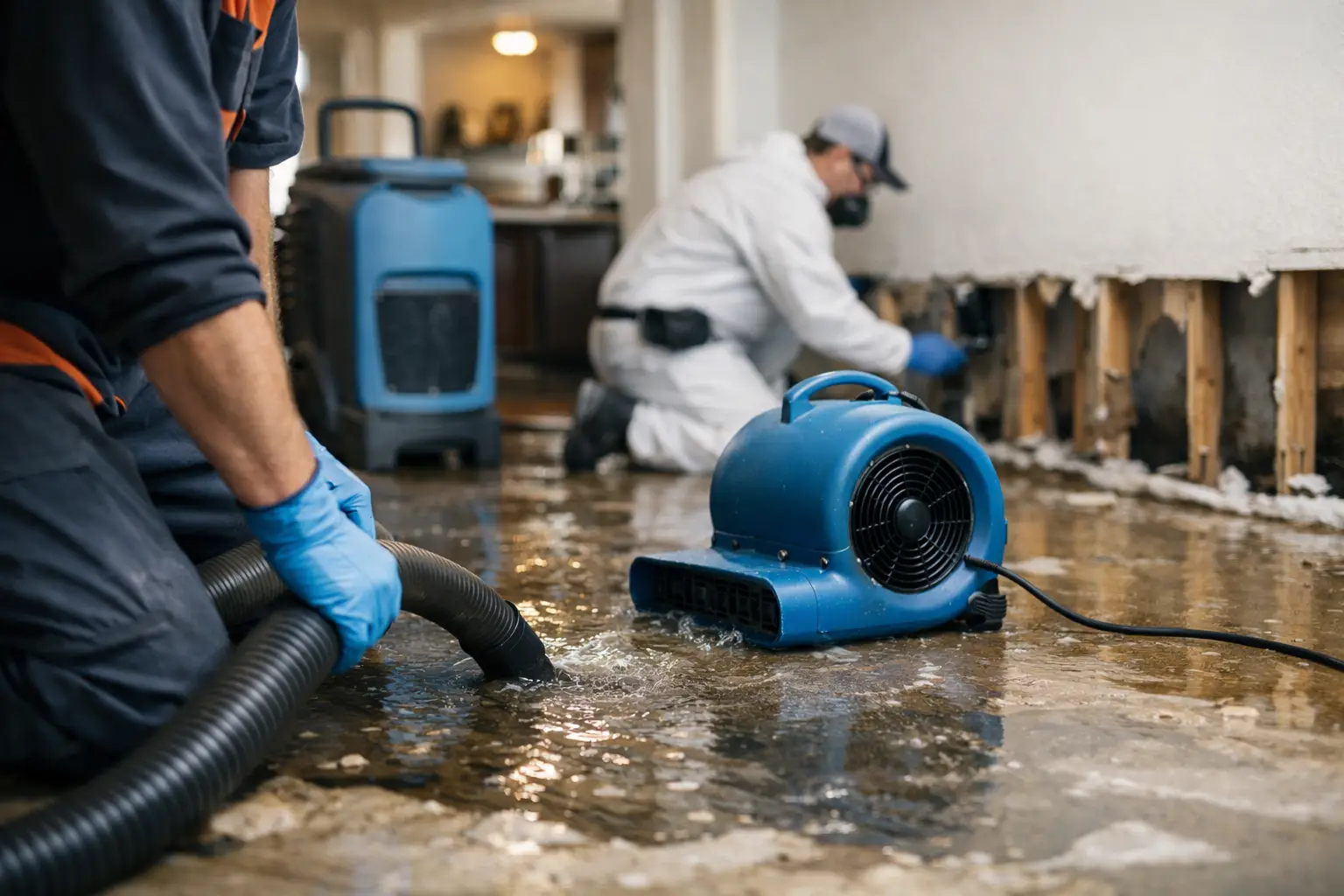 Water Damage
Extraction, structural drying, and moisture mapping after floods, leaks, and burst pipes.
Get help now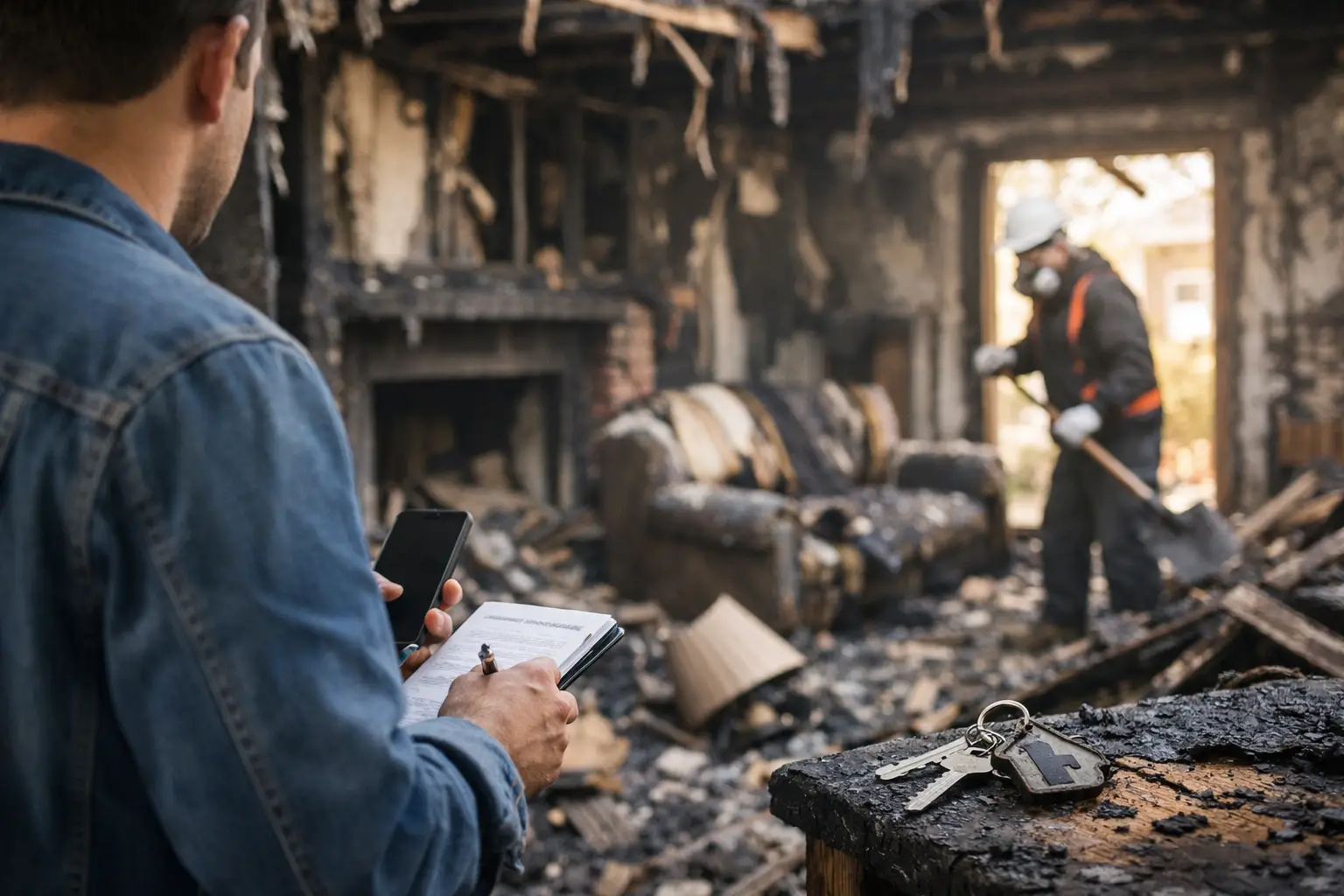 Fire & Smoke
Soot removal, odor deodorization, and content cleaning after fire and smoke damage.
Learn more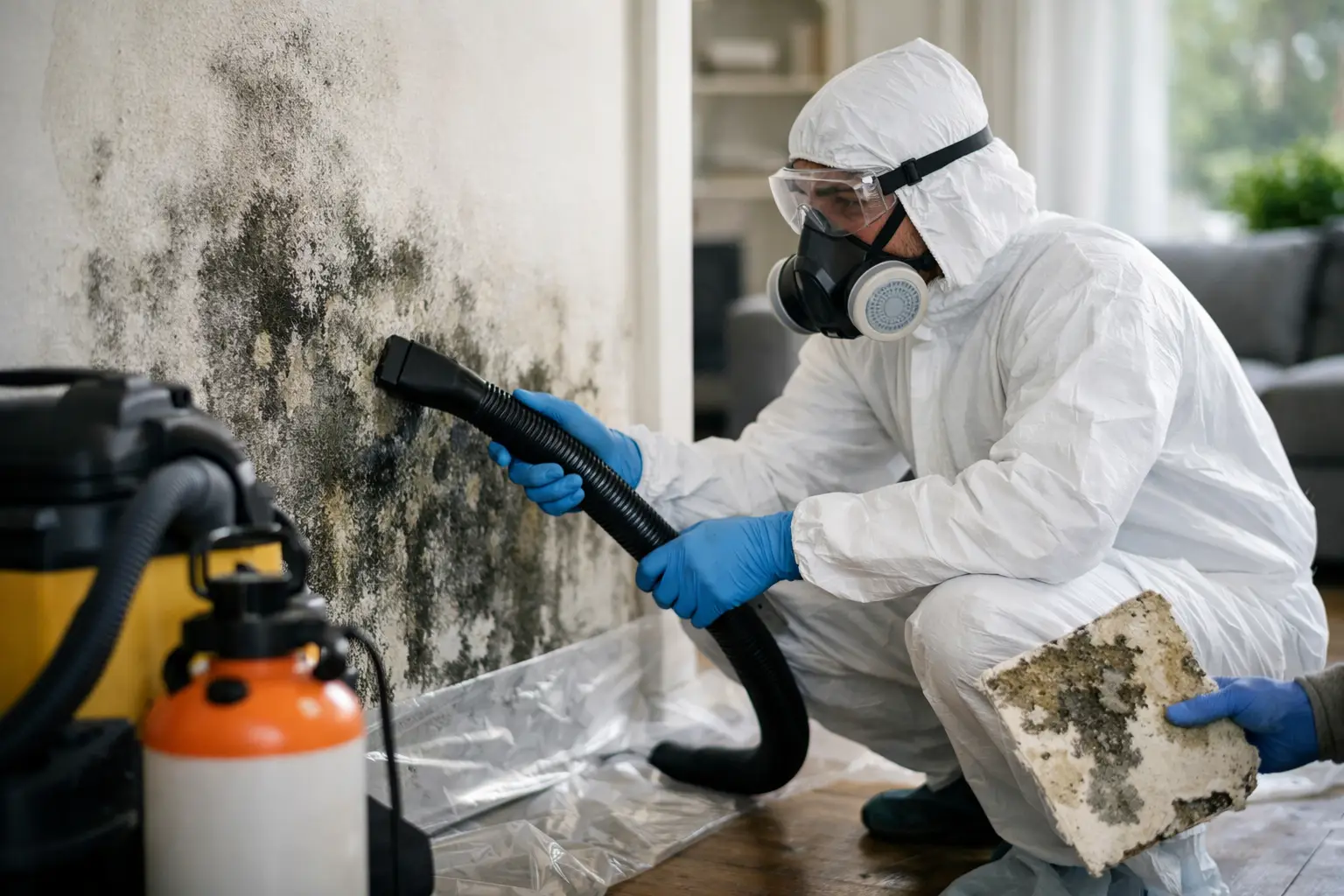 Mold
MoldContainment, removal, and moisture control that stops mold from coming back.
Learn more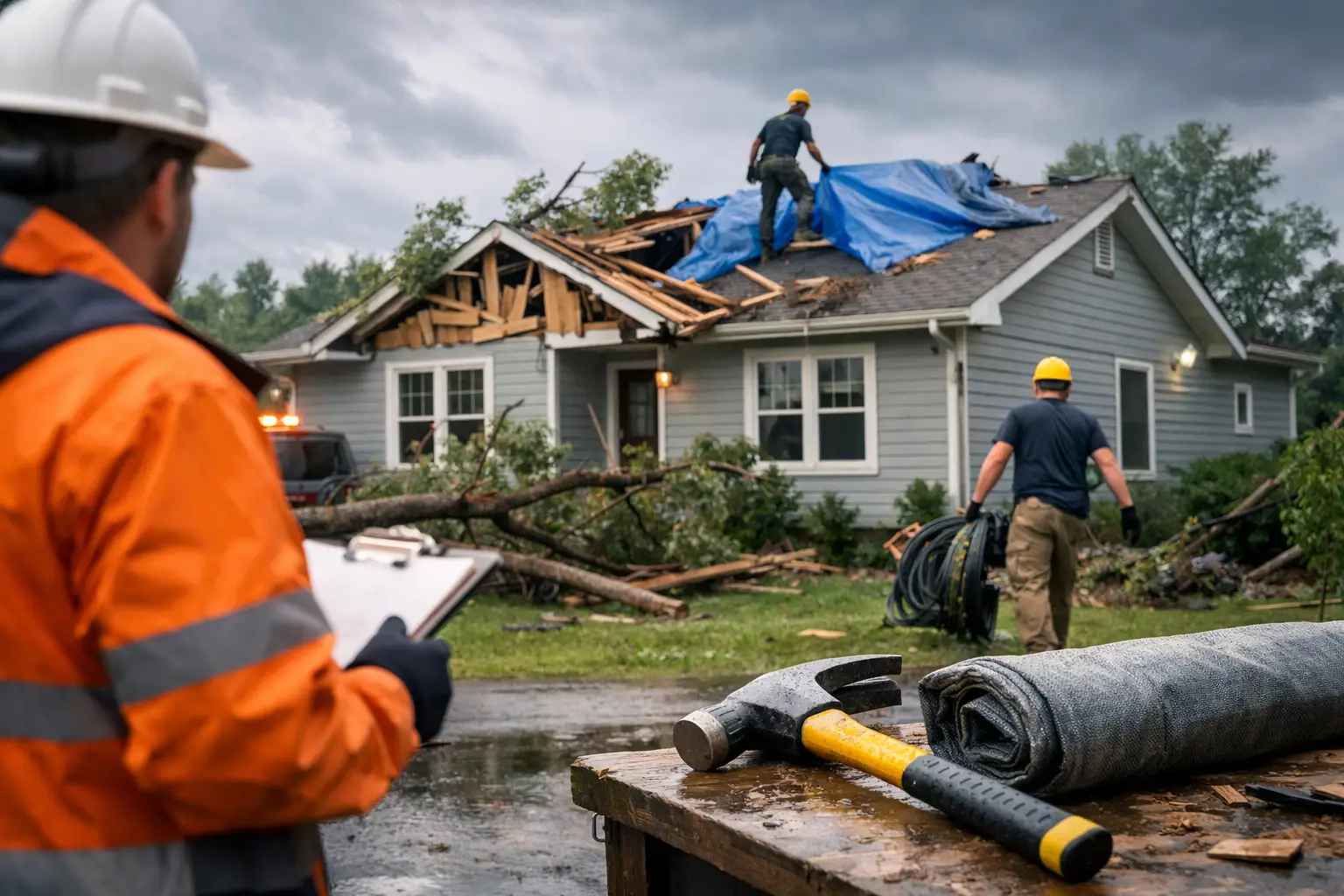 Storm
StormEmergency board-up, roof tarping, and full recovery after wind, hail, and storms.
Learn more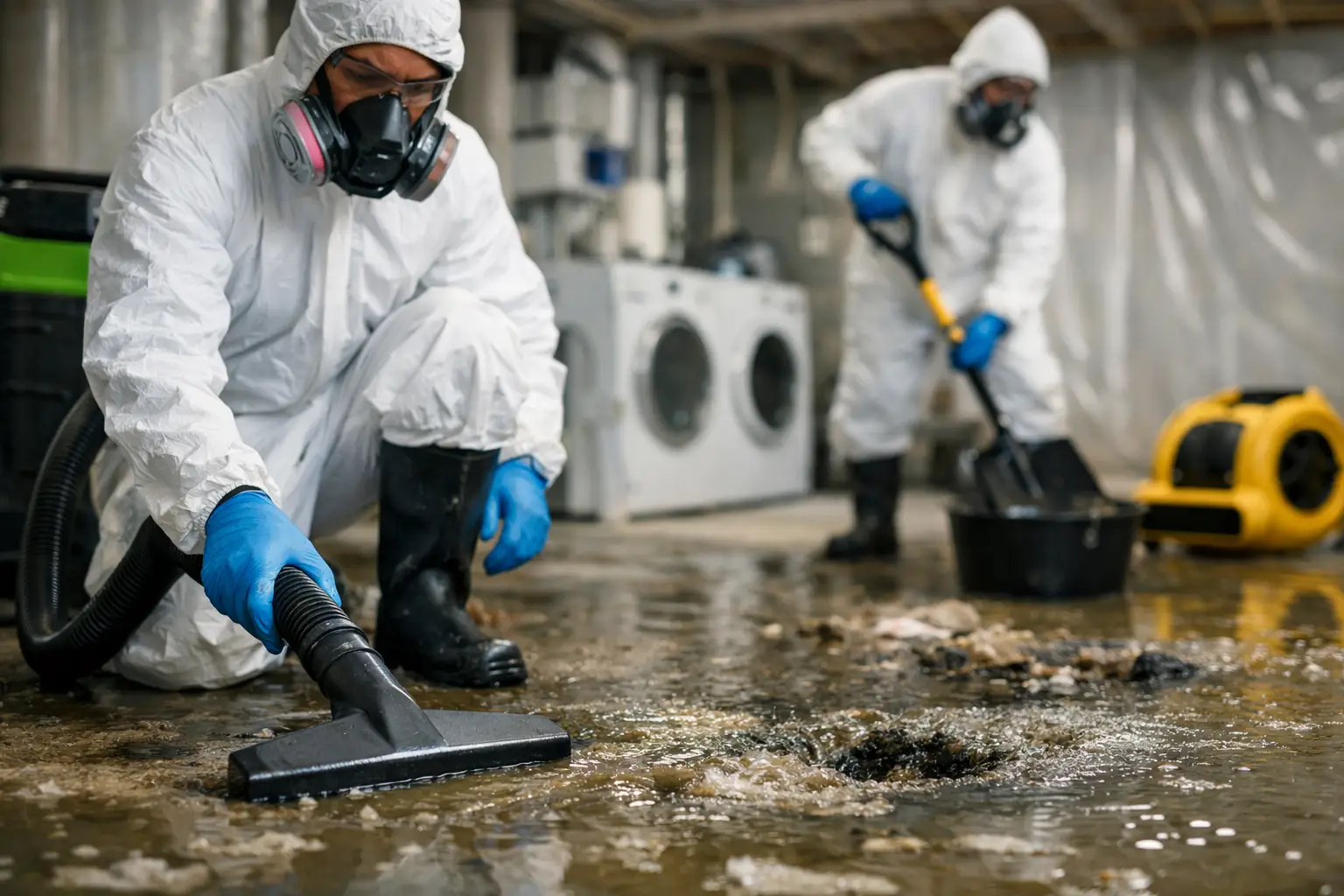 Sewage
Safe biohazard cleanup and sanitizing after sewage backups and overflows.
Learn more Reconstruction
Full rebuild by a licensed general contractor, so your property comes back whole.
Learn moreElevated Operations is an IICRC-certified, licensed general contractor based in Mableton that handles the entire recovery in-house, so after one loss you are never coordinating a cleanup crew, a mold crew, and a contractor separately. One team, one point of contact, from the first pump-out to the final coat of paint.
People call when the property feels like a disaster. They leave reviews because Chris and the crew made it right. These are real, verified Google reviews.
It depends on the policy and the cause of loss. Cast-iron laterals can be involved in sewage backup cleanup, but coverage is not automatic. I document the source, show the affected materials, and bill insurance directly so the carrier can review the claim against the actual facts.
That changes the cleanup approach and often the cost structure. Plaster can hold hidden moisture, and heart pine reacts differently than newer framing. I inspect carefully, use moisture readings, and decide whether the material can be dried or should be removed to avoid later failure.
Sometimes, depending on the source and the policy. If the carpet is contaminated, saturated, or no longer salvageable, wet carpet removal may be part of the documented loss. I do not guess on coverage. I explain the condition and let the claim process decide what is included.
Fast basement water removal and basement drying are the starting point. Then I check hidden spaces, trim, and low wall areas for trapped moisture. Since mold starts in 24 to 48 hours, timing matters. Older homes with plaster and wood need extra attention because they hold water longer.
Yes. Call (770) 404-6895. We provide 24/7 emergency response and send IICRC-certified technicians. If the water is still active, I want to get the source controlled, the area documented, and the basement drying plan started before the damage spreads.
Older construction. Plain and simple. Craftsman bungalows, plaster, and heart pine need more careful handling, and cast-iron laterals can create sewer backup cleanup issues that require different steps. That is why I price by actual conditions, not by a generic square-foot guess.
Yes. I bill insurance directly and keep the paperwork organized from the start. That helps when the homeowner is already dealing with water, damaged finishes, and cleanup decisions. I also explain deductible assistance up to $1,000 when a covered claim is in motion.
Yes, qualifying restoration work carries a 12-month warranty. I stand behind the work we perform, but I also want homeowners to know the difference between restoration and the cause of loss. The warranty covers our work, not a new plumbing failure or another flood event.
Elevated Operations dispatches IICRC-certified crews across Metro Atlanta from our Mableton base, with a 60-minute emergency response day or night. Choose your city:
Call now for an immediate response, or request your free inspection and get a certified crew on-site within the hour across Atlanta and nearby areas.