24/7 Emergency Restoration · Serving Metro AtlantaEmergency? (770) 404-6895
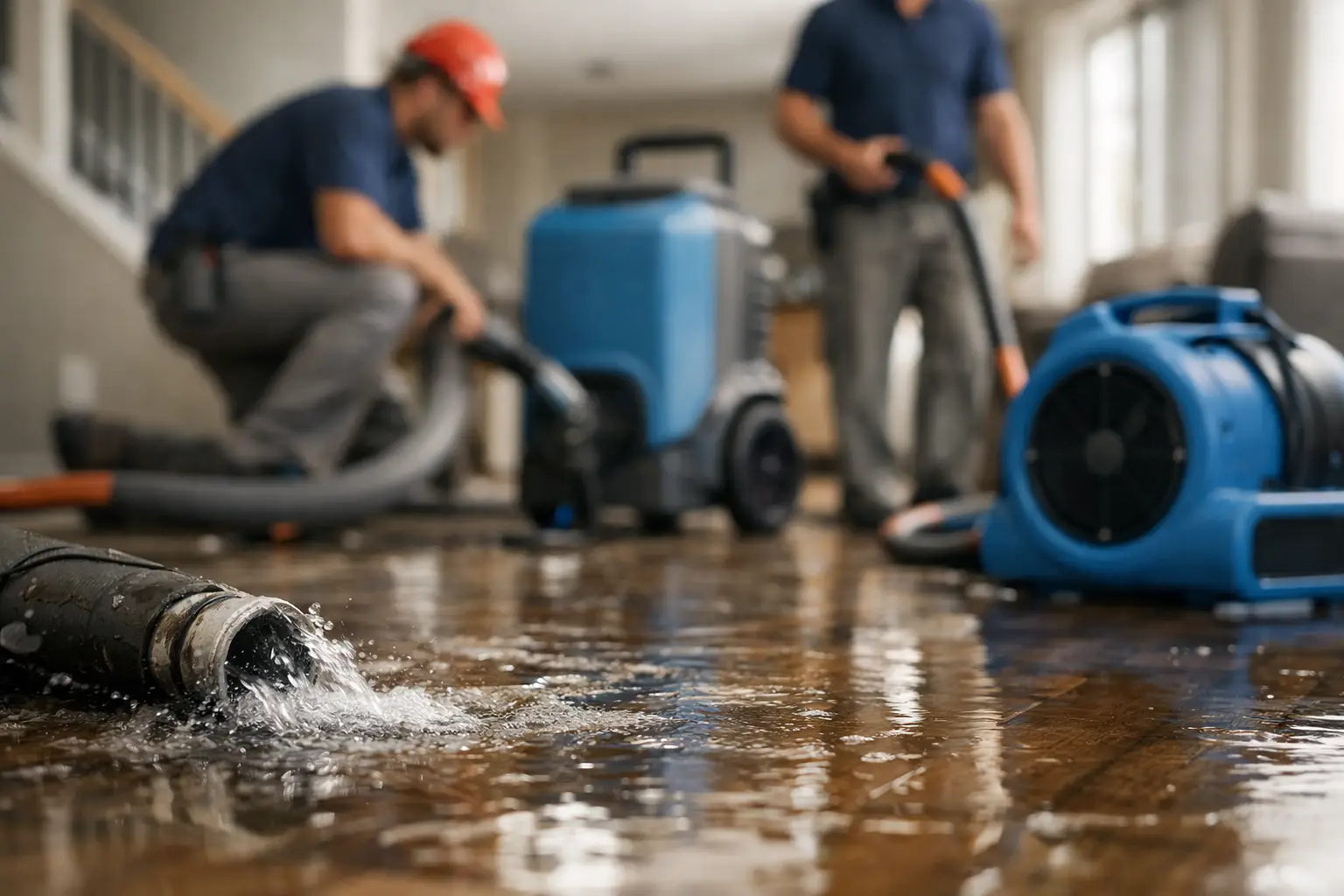
A disaster reconstruction contractor East Point property owners can call for pricing, insurance, and rebuild work needs clear answers fast. I handle claims with direct insurance billing, explain how deductibles affect the job, and rebuild damaged spaces with IICRC-certified technicians, licensed contractor oversight, and a 12-month warranty.
IICRC-Certified · 5-Star Rated · 60-Minute Response · Insurance Billed Directly
Yes. I know the East Point area around MARTA and the College Park line, and I adjust the job plan to fit the property, access, and claim scope.
Yes. I use direct insurance billing so the claim process and reconstruction work stay connected instead of becoming separate headaches.
I offer 24/7 emergency response with a 60-minute emergency response target, then move into documentation and rebuild planning.
I back reconstruction work with a 12-month warranty, because the job should be finished right, not just finished fast.
Pricing for disaster reconstruction in East Point is driven by the scope of damage, not a one-line menu. I price by what has to be cleaned, removed, dried, repaired, and rebuilt, whether that means roof repair, drywall installation, framing repair, or a full rebuild after water, fire, or storm loss.
East Point homes near the MARTA corridor and the College Park line often mix older bungalow construction with later additions, and that matters. Older materials, settled framing, and layered repairs change the work path, which changes the cost structure. I do not guess from the street, I scope the damage on site.
Insurance work is usually built around the approved scope, not around whatever the homeowner hopes the finish line will be. If demolition, structural repairs, flooring replacement, or property reconstruction are needed, I document the loss and then price the actual restoration sequence. That keeps the job tied to the claim and the building.
Some jobs stop at targeted repairs. Others turn into a full rebuild. That difference is everything. In a bungalow off the College Park line, one damaged wall can mean drywall installation and paint, while a heavier loss can involve framing repair, rebuilding finishes, and coordinating the insured scope through direct insurance billing.
I handle the rebuilding side after the damage is assessed, cleaned, and documented. That can include demolition, structural repairs, drywall installation, flooring replacement, roof repair, and the coordination needed to move a loss from emergency response into actual property reconstruction.
A lot of people think the job ends when the water is gone or the soot is wiped down. It does not. Reconstruction is the part where the house becomes livable again, and that is where a licensed general contractor matters. I stay in the sequence from damage to finish.
In East Point, that may mean rebuilding around tight streets, older bungalow layouts, and the kind of finishes common in homes near MARTA. A roof leak can turn into ceiling removal, drywall installation, and trim work. A fire or burst pipe can push the project into framing repair and broader reconstruction.
IICRC-certified technicians handle the restoration side, and I coordinate the rebuild side under Elevated Operations, LLLP. That matters when a claim needs both cleanup and construction documentation. It keeps the work aligned instead of turning into separate contractors pointing at each other.
You need reconstruction when the damage reaches materials that must be removed and rebuilt, not just dried or cleaned. That usually means structural repairs, damaged drywall, ruined flooring, compromised framing, or storm impact that leaves the space unsafe, unfinished, or no longer code-sound.
If a leak has only touched a surface, you may not need reconstruction. But once water reaches insulation, subfloor, or framing, the job changes. In East Point bungalows near the College Park line, hidden damage can spread behind plaster, under floors, and into older assemblies that do not dry evenly.
Fire damage follows the same pattern. Smoke cleanup is one layer, but charred framing, failed drywall, and warped finishes are another. Storm damage can be even more obvious. When the roof is opened up or the structure is stressed, repair turns into property reconstruction quickly.
I look at whether the building can be returned to its prior condition through restoration, or whether pieces must be rebuilt. That is the line. And in a claim situation, that line has to be documented clearly so the carrier sees why the scope includes reconstruction and not just cleanup.
Yes, and in most losses that is the cleaner way to do it. I manage emergency response, cleaning, and reconstruction under one roof, so the project does not get split between a mitigation crew and a separate builder who has to relearn the damage later.
Split responsibility causes delays. One crew dries the structure, another crew rebuilds it, and details get lost between them. That is a bad setup for East Point homeowners who already need to think about claim paperwork, family schedules, and whether the home is near the MARTA line or tucked into an older bungalow street.
When I handle both sides, the scope stays consistent. The same damage photos, moisture history, demolition notes, and repair plan follow the job into reconstruction. That helps whether the work includes drywall installation, flooring replacement, framing repair, or a larger full rebuild after major property damage.
I am licensed as a general contractor, and my technicians are IICRC-certified. That combination matters because cleanup is not separate from rebuilding in real life. If the structure is not documented properly before reconstruction starts, the final result can miss damaged materials that should have been addressed.
Insurance claims usually start with documentation, then adjuster review, then approval of the covered scope, and then the repair work. I use direct insurance billing, which means I can work with the claim process while keeping the reconstruction moving instead of forcing the homeowner to manage every handoff alone.
The carrier is looking at cause, covered damage, and what it takes to put the property back. I am looking at the actual building. Those are not the same lens, so I make sure the scope is written clearly. That includes the items needed for roof repair, structural repairs, or property reconstruction.
East Point homeowners often want to know whether a claim will cover the whole job. It depends on the policy and the damage. Insurance may cover approved restoration and rebuild work tied to the loss, but not every finish choice or upgrade. I stay on the covered scope and keep the work grounded in the claim.
Direct insurance billing helps because it reduces the back-and-forth during a stressful loss. I also offer deductible assistance up to $1,000, which is part of how I help qualified homeowners manage the out-of-pocket side. That does not change the policy, but it can affect how the project gets started.
The deductible is the portion the homeowner is responsible for before insurance pays the covered claim. It is not a fee I set, and it does not disappear because the home is damaged. I explain it plainly, then help with deductible assistance up to $1,000 where it applies.
A lot of confusion starts when people assume insurance pays for everything the same way every time. It does not. In East Point, especially in older homes near MARTA and the College Park line, the actual construction needs can be larger than the homeowner expects, but the policy still governs what is covered.
Approval matters too. If the adjuster has not approved a scope, I am not going to pretend it is approved. I document the condition, talk through the needed repairs, and keep the conversation tied to what the damage shows. That is the only honest way to do reconstruction work on a claim.
Deductible assistance can help with timing, but the bigger issue is making sure the restoration path is correct from the start. If the claim needs structural repairs, flooring replacement, or a full rebuild, the paperwork has to support that before the job moves forward. That saves time and arguments later.
I price by the actual scope of work, including demolition, drying, repairs, and rebuild items, not by a flat guess.
I document the loss for insurance so the approved scope lines up with the repair and reconstruction plan.
I can bill the carrier directly, which keeps the project moving while the claim is being processed.
I offer deductible assistance up to $1,000 for qualified homeowners, which can help with the initial out-of-pocket burden.
Insurance may cover approved restoration and reconstruction, but policy terms decide what gets paid and what stays with the homeowner.
From emergency mitigation to full reconstruction, handled in-house so you are never managing a chain of subcontractors mid-crisis.
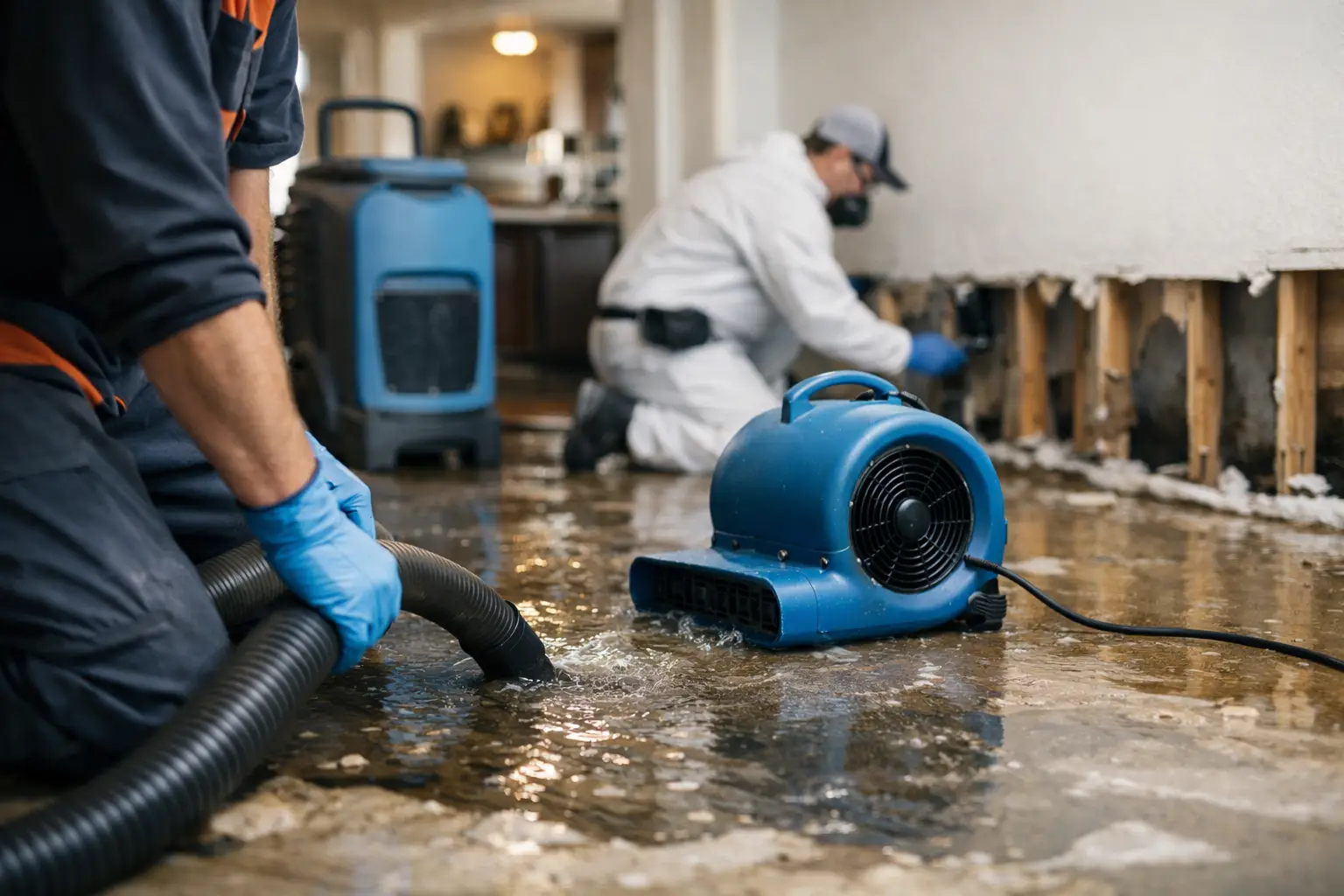 Water Damage
Extraction, structural drying, and moisture mapping after floods, leaks, and burst pipes.
Get help now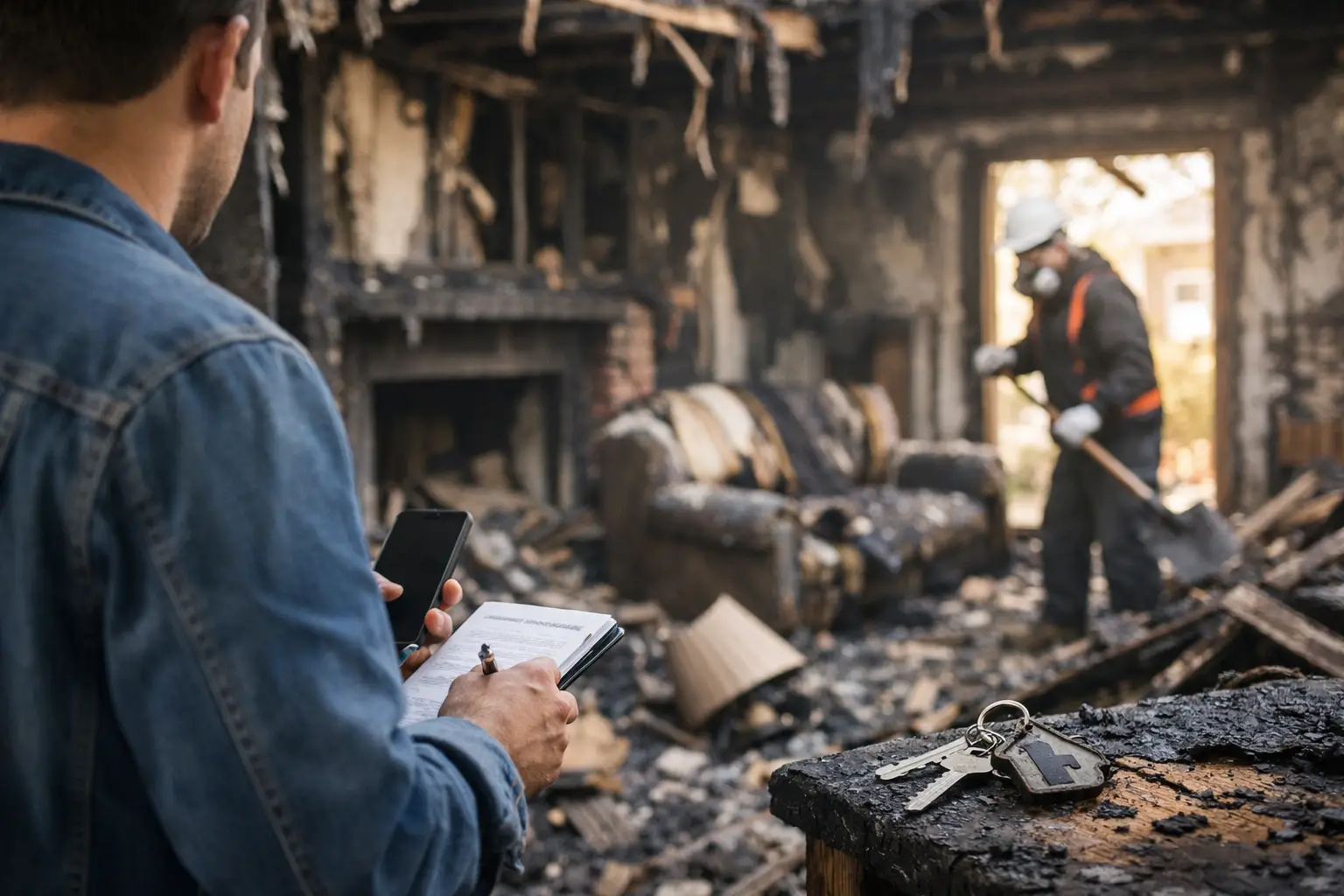 Fire & Smoke
Soot removal, odor deodorization, and content cleaning after fire and smoke damage.
Learn more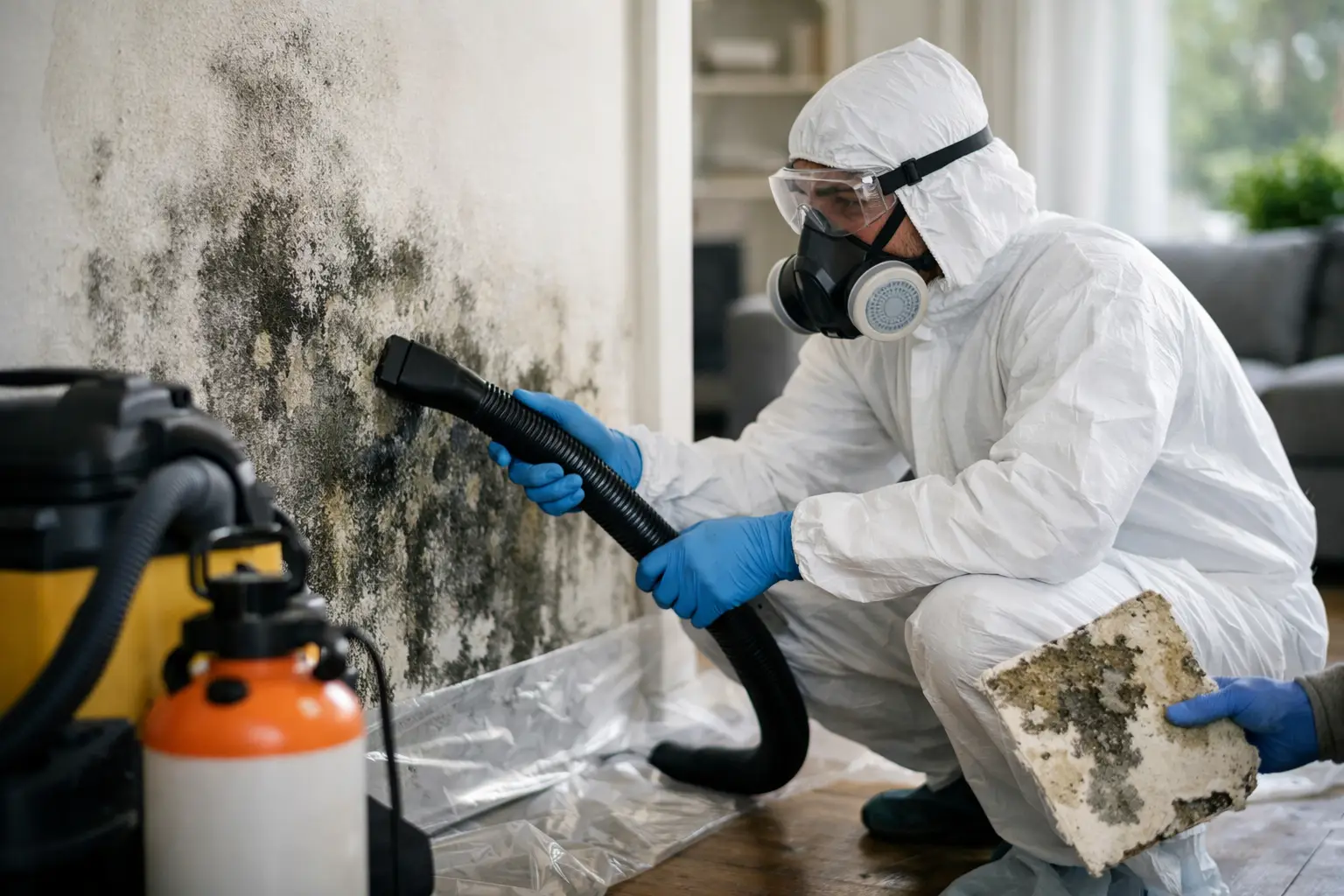 Mold
MoldContainment, removal, and moisture control that stops mold from coming back.
Learn more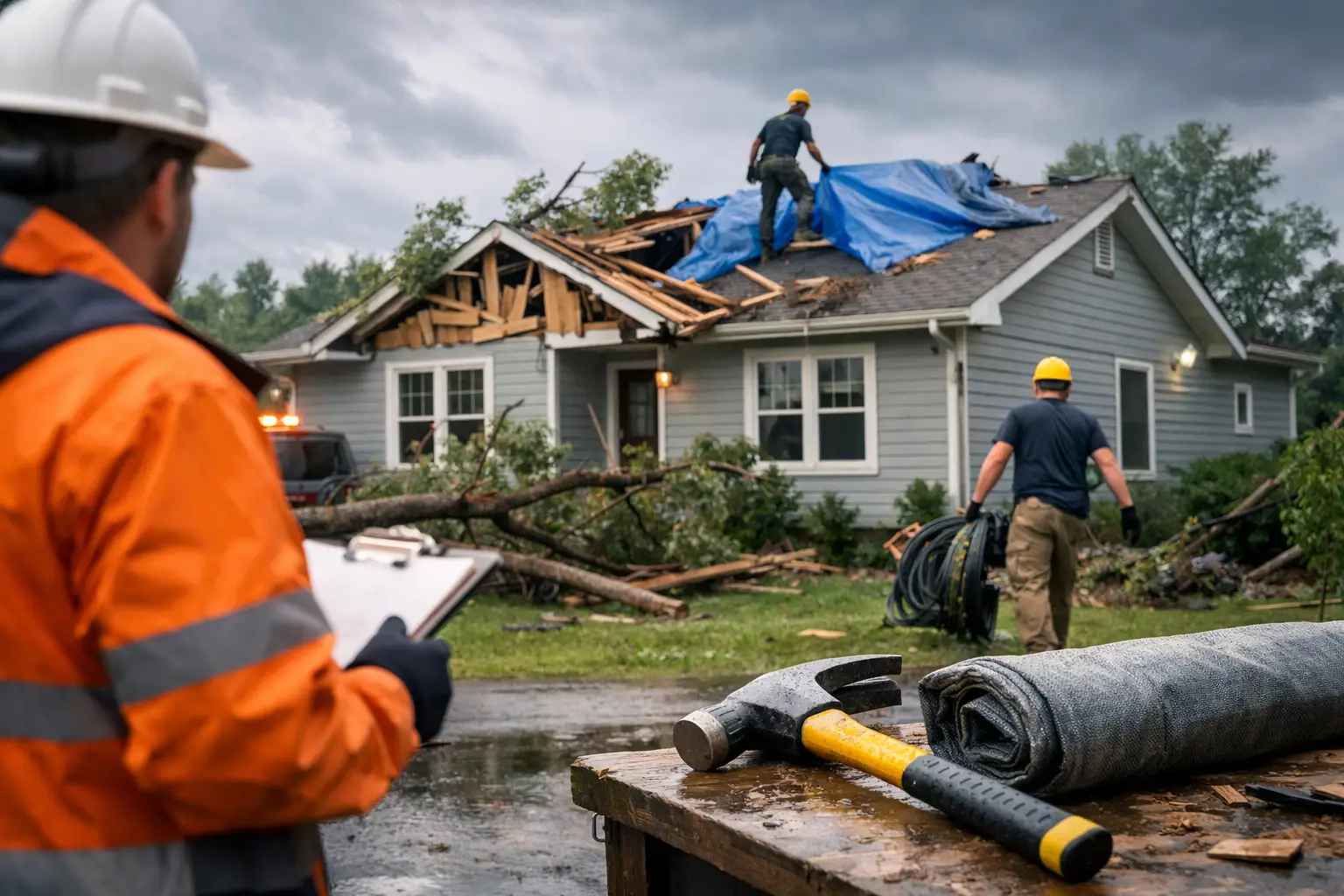 Storm
StormEmergency board-up, roof tarping, and full recovery after wind, hail, and storms.
Learn more Sewage
Safe biohazard cleanup and sanitizing after sewage backups and overflows.
Learn more Reconstruction
Full rebuild by a licensed general contractor, so your property comes back whole.
Learn moreElevated Operations is an IICRC-certified, licensed general contractor based in Mableton that handles the entire recovery in-house, so after one loss you are never coordinating a cleanup crew, a mold crew, and a contractor separately. One team, one point of contact, from the first pump-out to the final coat of paint.
People call when the property feels like a disaster. They leave reviews because Chris and the crew made it right. These are real, verified Google reviews.
Older bungalow construction often means layered materials, hidden damage, and tighter rebuild decisions. That can affect the scope for drywall installation, framing repair, and flooring replacement. I do not price by neighborhood hype, I price by what the house actually needs after the loss.
If the roof damage is tied to a covered loss and the claim is approved, roof repair may be part of the covered scope. The policy language, cause of loss, and adjuster findings control the outcome. I document the damage so the claim reflects the building, not just the visible leak.
Then we separate what is covered from what is not and keep the scope honest. Sometimes cleanup is approved first, while structural repairs or full rebuild items are reviewed later. I work the reconstruction side carefully so the paperwork matches the actual damage and the approved claim.
Yes. I explain the deductible as part of the claim conversation, because homeowners should know what they are responsible for before reconstruction begins. I also offer deductible assistance up to $1,000 where it applies, which can help reduce the initial out-of-pocket pressure.
It varies with the scope, approvals, and the amount of structural work. A small repair and drywall installation is not the same as property reconstruction after major damage. I give you a realistic sequence after inspection, not a fantasy timeline that ignores insurance or hidden damage.
Yes. I handle cleanup, drying, and the rebuild side so the job stays coordinated from start to finish. That matters in East Point, where older homes near MARTA can have damage hidden behind walls, under floors, or inside framing that needs one consistent contractor overseeing the sequence.
Structural repairs are part of reconstruction when the damage reaches framing or load-bearing elements. I assess what has to be removed, repaired, or rebuilt, then align the scope with the claim. That keeps the project grounded in the actual condition of the house.
Insurance reconstruction needs a licensed general contractor, documented scope, and a clean handoff between cleanup and rebuild. I have been in restoration since 2007, I use IICRC-certified technicians, and I back the work with a 12-month warranty. That is a different standard than patchwork fixes.
Elevated Operations dispatches IICRC-certified crews across Metro Atlanta from our Mableton base, with a 60-minute emergency response day or night. Choose your city:
Call now for an immediate response, or request your free inspection and get a certified crew on-site within the hour across Atlanta and nearby areas.




