24/7 Emergency Restoration · Serving Metro AtlantaEmergency? (770) 404-6895
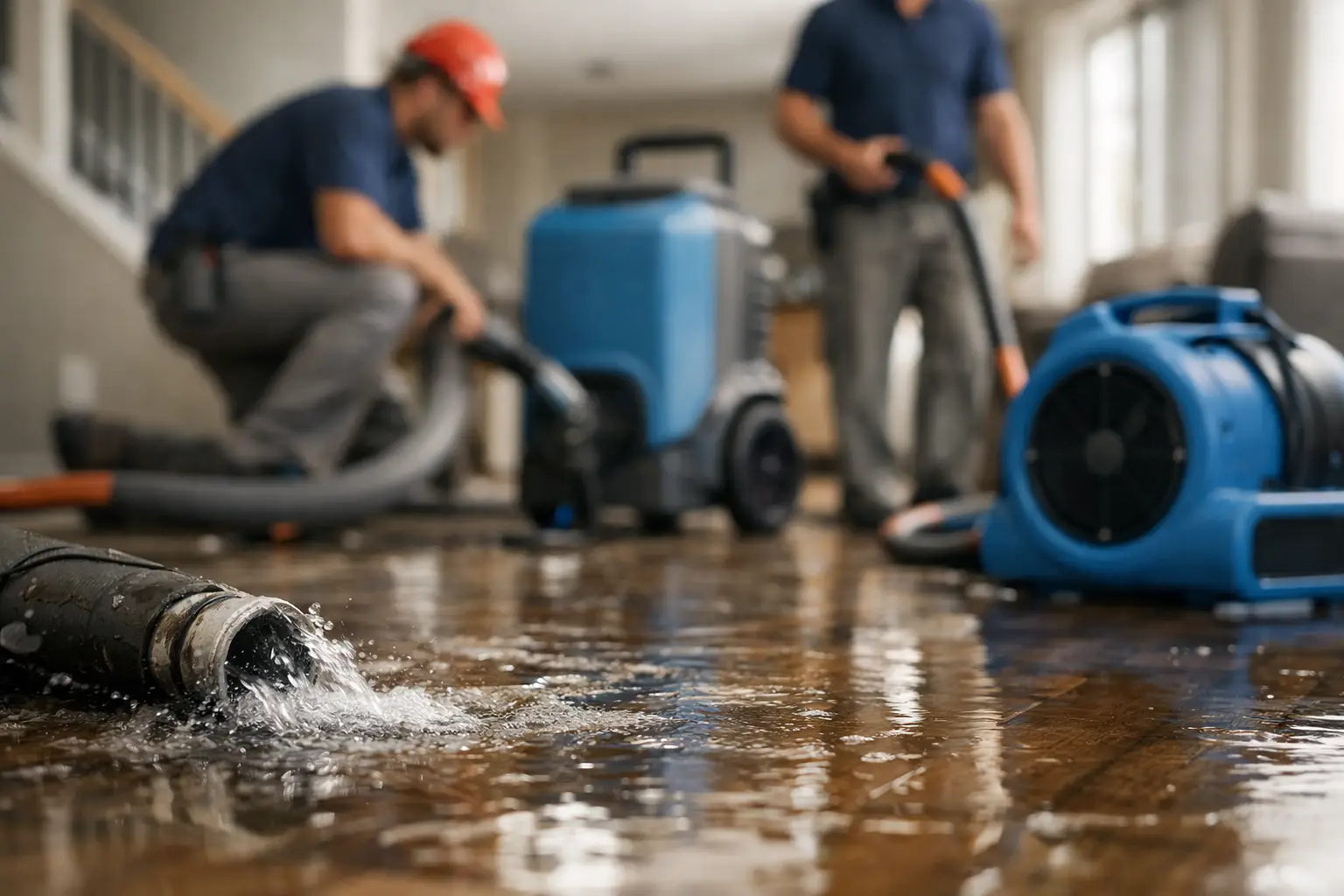
Storm damage restoration Hiram starts with one decision, call fast and protect the structure. I am Chris Kwangwari with Elevated Operations in Mableton, and I handle storm cleanup, roof tarping, debris removal, and direct insurance billing for Hiram homes near the Paulding retail corridor and newer subdivisions.
IICRC-Certified · 5-Star Rated · 60-Minute Response · Insurance Billed Directly
Yes. I operate from Mableton and serve Hiram across Paulding County with 24/7 emergency response.
Yes. I check for attic moisture, wall intrusion, and other hidden damage that storm water can cause.
Yes. I provide direct insurance billing and document the storm loss so the claim stays organized.
Yes. My storm restoration work includes a 12-month warranty.
Start with safety, then stop more water from getting in, then document the damage. That order matters. I tell Hiram homeowners to stay out of visibly damaged rooms, avoid wet electrical areas, and call for emergency help right away if the roof, siding, or windows are open to the weather.
The first checklist item is simple: look for immediate danger. If a limb hit the roof, if shingles are missing, or if a tree is leaning near the house, do not climb up or pull anything loose by hand.
Then protect the building shell. In newer subdivisions around Hiram, I often see wind damage that starts small and turns into water intrusion by the next rain. Temporary boarding and roof tarping are the right move when openings are exposed.
Take photos before cleanup if it is safe. I use those images with direct insurance billing, and they help keep the claim clean. Then call a licensed general contractor who does storm damage restoration, not a handyman guessing at the next step.
Storm damage restoration includes emergency protection, debris removal, roof tarping, drying, structural repair, and finishing the damaged areas. In Hiram, I start with the roof and exterior first, then I work inward if wind, hail, or water reached the framing, insulation, or interior finishes.
A complete storm response is not just cleanup. It is a sequence. I inspect the roof, gutters, siding, windows, and attic, then decide what needs board-up protection, what needs hail damage repair, and what needs wind damage repair before the next storm hits.
The Paulding retail corridor brings a mix of roof styles and fast traffic exposure, so flying debris can affect homes quickly. Newer subdivisions can also hide damage behind clean-looking siding. I look for that. I do not stop at the obvious tear or leak.
If water entered the structure, drying and structural repair matter just as much as the visible exterior work. Mold starts in 24 to 48 hours, so a delayed response can turn storm cleanup into a much bigger job.
Yes, roof tarping should happen right after storm damage when the roof is open to rain or wind. I treat tarping as emergency protection, not a wait-and-see step. If shingles are missing, decking is exposed, or a tree impact created a hole, tarp first and inspect next.
Hiram gets sudden weather shifts, and one open section of roof can turn a manageable claim into interior water damage. I use roof tarping to stop that chain reaction while the full repair scope is being confirmed.
And I want homeowners to be careful with patch jobs. A loose tarp done wrong can fail in the next gust. A proper installation stays tight and keeps water out until permanent repairs are scheduled through the claim process.
If the roof damage is around vents, ridge lines, or a corner near the eaves, I pay close attention. Those are common entry points when storms roll over the newer subdivisions north and west of the Paulding retail corridor.
Yes, storm damage can lead to water intrusion very quickly. Missing shingles, broken flashing, and cracked siding all give rain a path inside. In Hiram, I see this turn up first as attic dampness, ceiling staining, wet insulation, and wall damage after one hard storm.
Water intrusion is the reason I push emergency response. Once water gets behind the drywall or into the attic, the project changes fast. Cleanup becomes drying, then structural repair, then finish repair if the materials were soaked too long.
Homes in newer subdivisions often have tight envelopes, which helps, but it also means hidden water can travel inside cavities before you see a stain. That is why I check the attic and upper walls, not just the rooms where the drip shows up.
When storm damage and water intrusion happen together, direct insurance billing helps keep the process organized. I document the source, the affected materials, and the emergency work so the claim reflects what actually happened.
I fix storm damage to a house by stabilizing the structure, stopping active leaks, removing damaged materials, and rebuilding what the storm ruined. The work starts outside, then moves inside if the roof, siding, or framing took a hit in Hiram.
The fix starts with inspection. I look at shingles, underlayment, flashing, siding, gutters, soffits, windows, and any areas where debris struck the house. That tells me whether the job needs roof tarping, temporary boarding, or immediate structural repair.
Then I separate salvageable material from failed material. Some areas only need debris removal and surface repair. Others need a true rebuild. I make that call as a licensed general contractor, and I do not pretend cosmetic damage is the same thing as structural damage.
After stabilization, I coordinate the repair path with the claim and the homeowner. I have been in restoration since 2007, and I know the difference between a quick patch and a repair that actually holds up when another storm comes through Paulding County.
Hiram storm cleanup is shaped by the mix of busy retail traffic, open lots, and newer subdivisions with exposed roofs and landscaping. Wind pushes debris across roads and yards fast. That means damage can look minor at first, then show up later as leaks, dents, and loose materials.
The Paulding retail corridor can send loose signs, trash, and branch debris toward nearby homes during strong wind events. I have seen that debris strike roofs, gutters, and garage doors before a homeowner even gets outside to look.
Newer subdivisions often have construction that looks finished but still suffers from storm-driven failures at flashing, soffits, and roof edges. Those weak points are why I inspect the whole exterior, not only the loudest impact point or the most obvious missing shingle.
A good storm restoration plan in Hiram has to be fast and practical. I keep it simple: secure the house, document the loss, dry what was wet, repair the building, and close out the claim with the paperwork it needs.
Stay away from downed lines, unstable trees, wet electrical areas, and sagging ceilings. If the roof is compromised, do not climb up. Call for emergency response instead.
Use roof tarping or temporary boarding when the home is exposed to rain or wind. That stops water intrusion while the full storm damage restoration scope is being confirmed.
Take clear photos of the roof, siding, gutters, windows, interior stains, and debris. Save any damaged items. Those records help with direct insurance billing and claim review.
Use an IICRC-certified team and a licensed general contractor, not a quick patch crew. I handle debris removal, hail damage repair, wind damage repair, and structural repair when the storm has moved beyond cleanup.
Check the attic, ceilings, and upper walls after the storm passes. If you see new staining, damp insulation, or a musty smell, the house may already have hidden water intrusion.
From emergency mitigation to full reconstruction, handled in-house so you are never managing a chain of subcontractors mid-crisis.
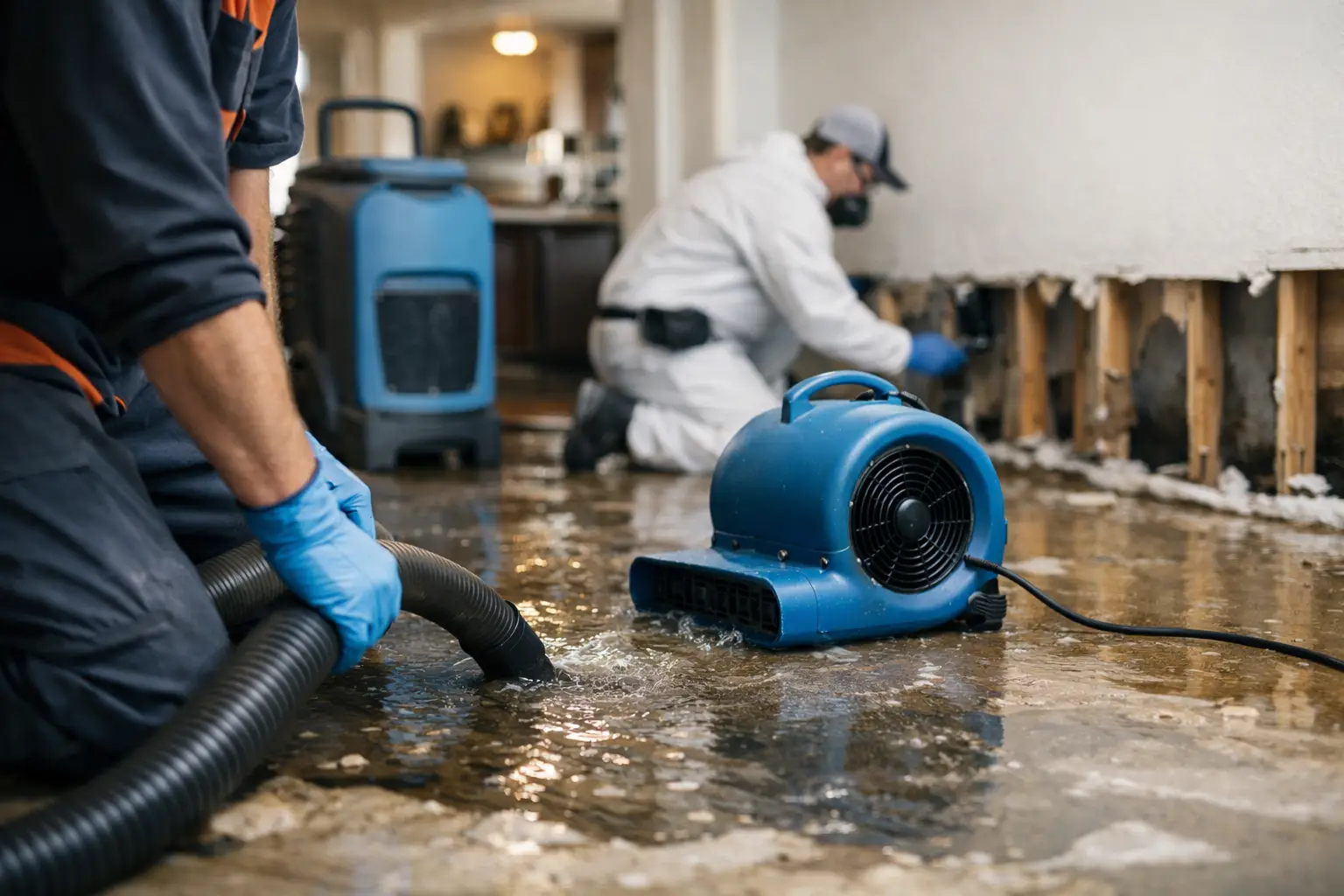 Water Damage
Extraction, structural drying, and moisture mapping after floods, leaks, and burst pipes.
Get help now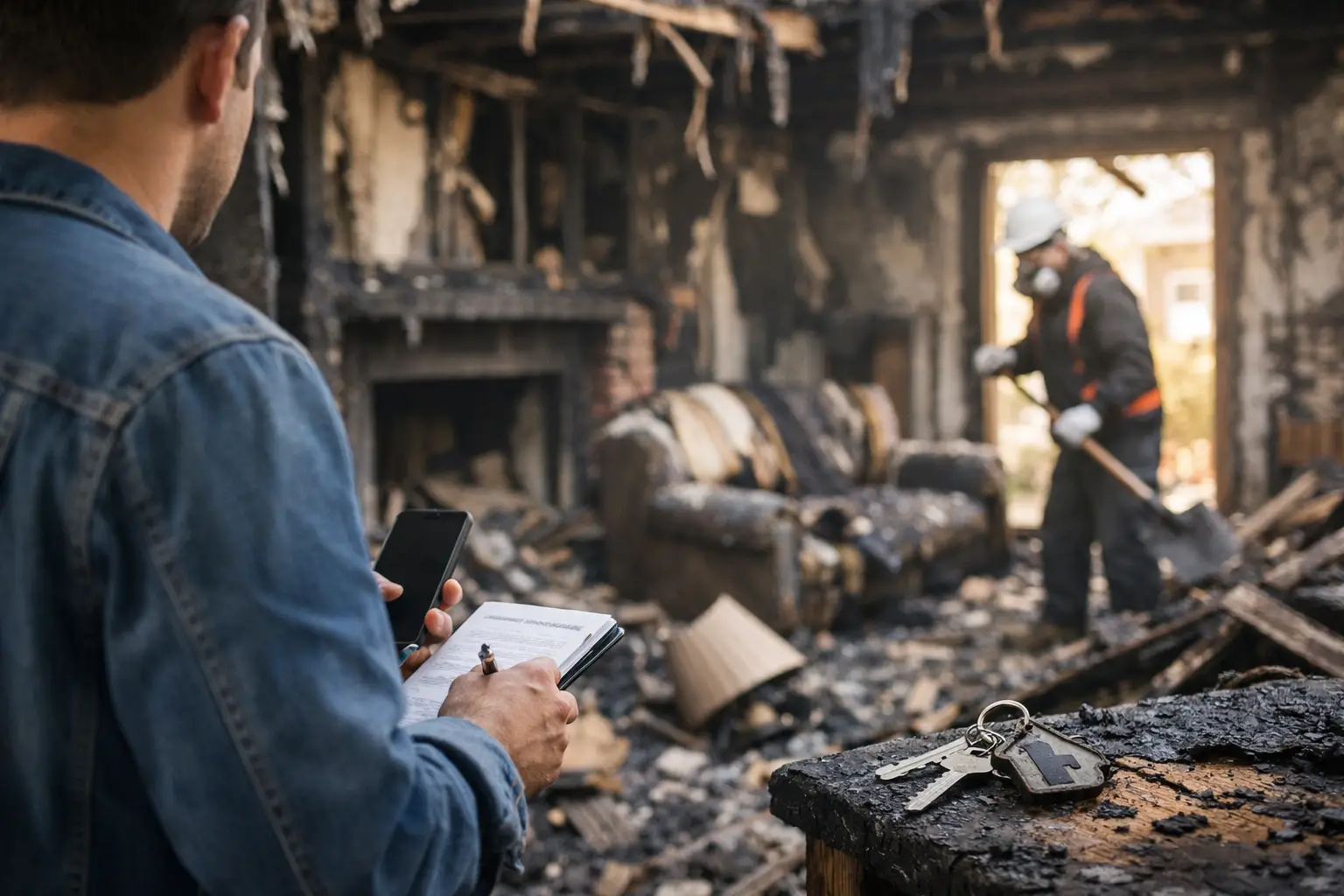 Fire & Smoke
Soot removal, odor deodorization, and content cleaning after fire and smoke damage.
Learn more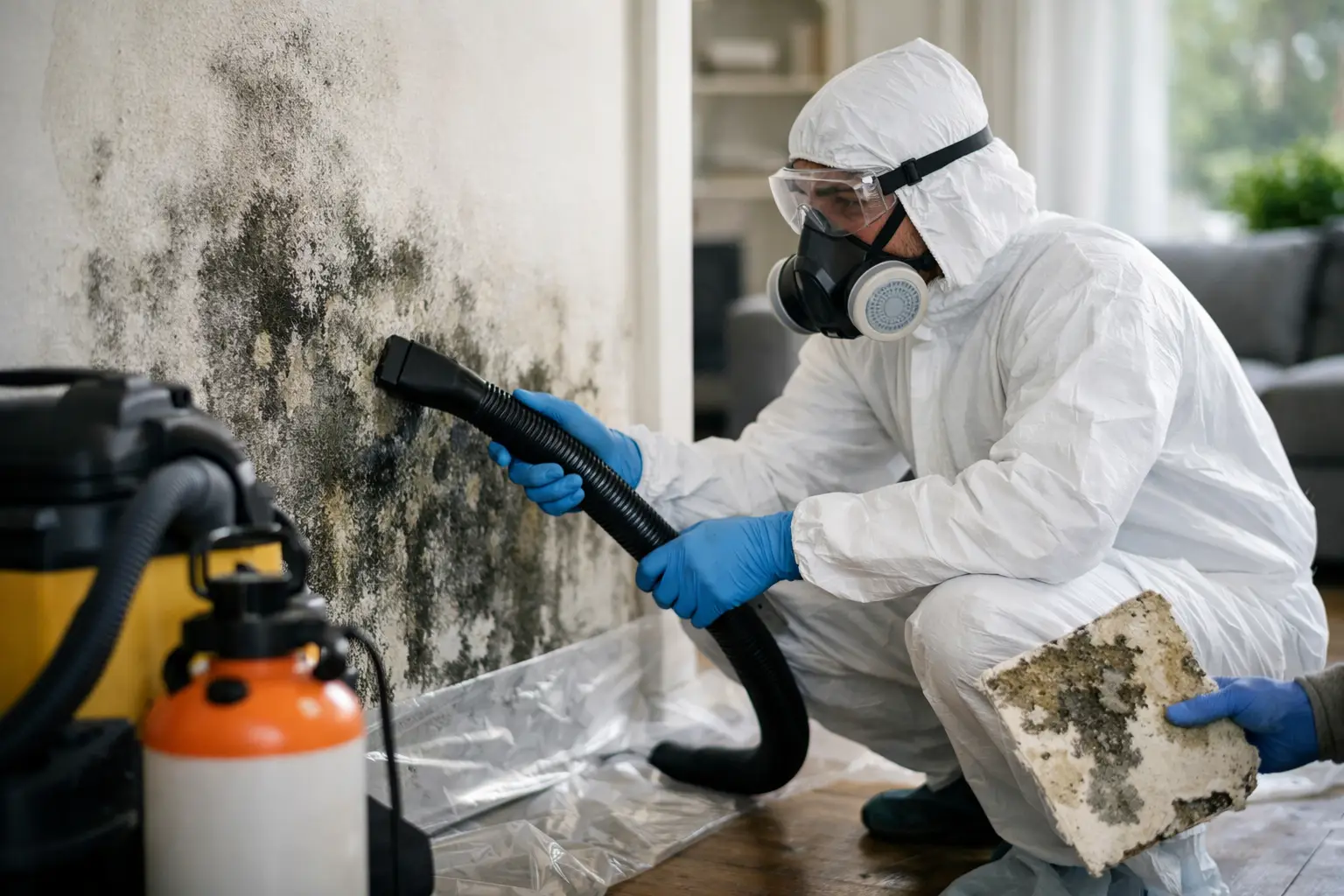 Mold
MoldContainment, removal, and moisture control that stops mold from coming back.
Learn more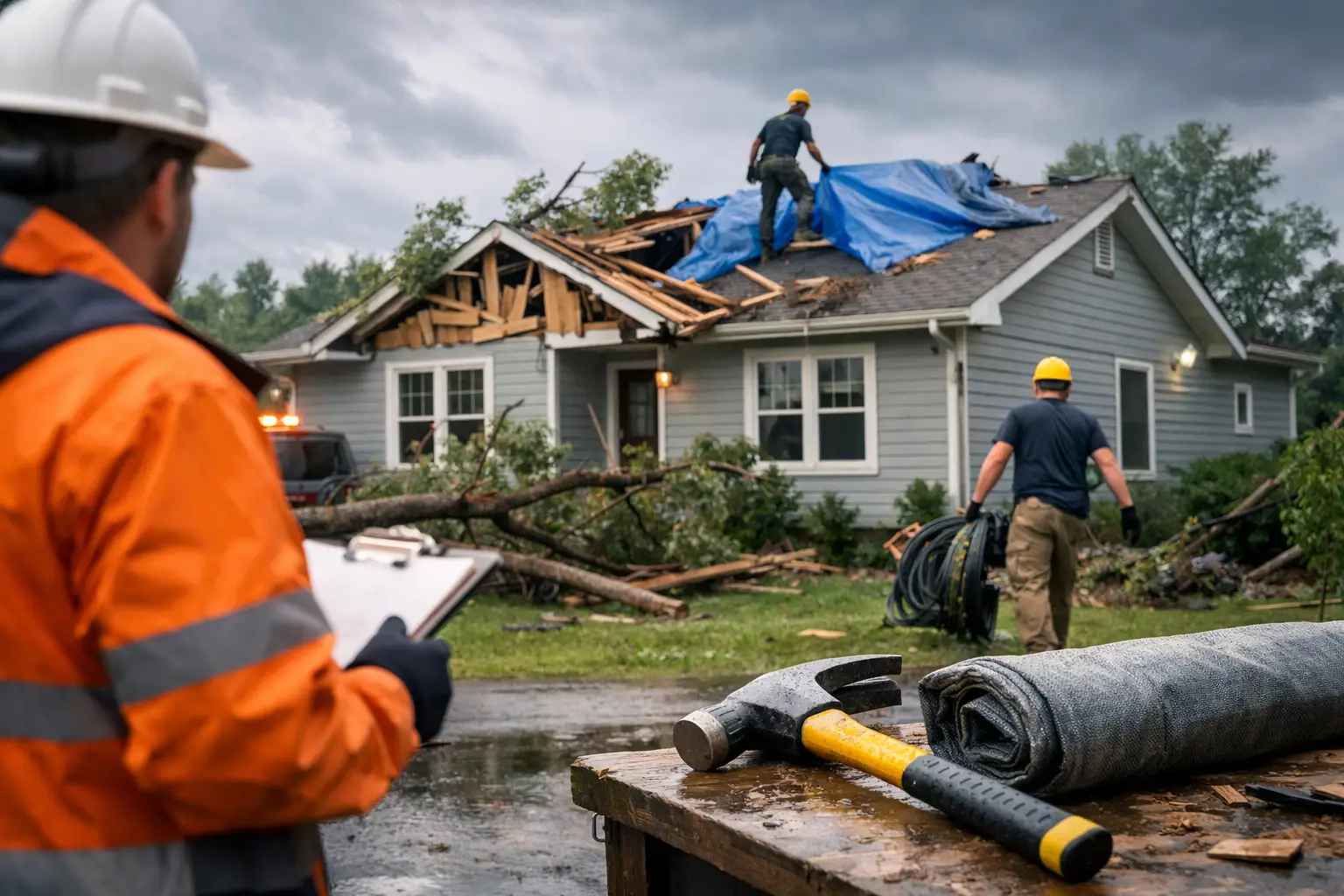 Storm
StormEmergency board-up, roof tarping, and full recovery after wind, hail, and storms.
Learn more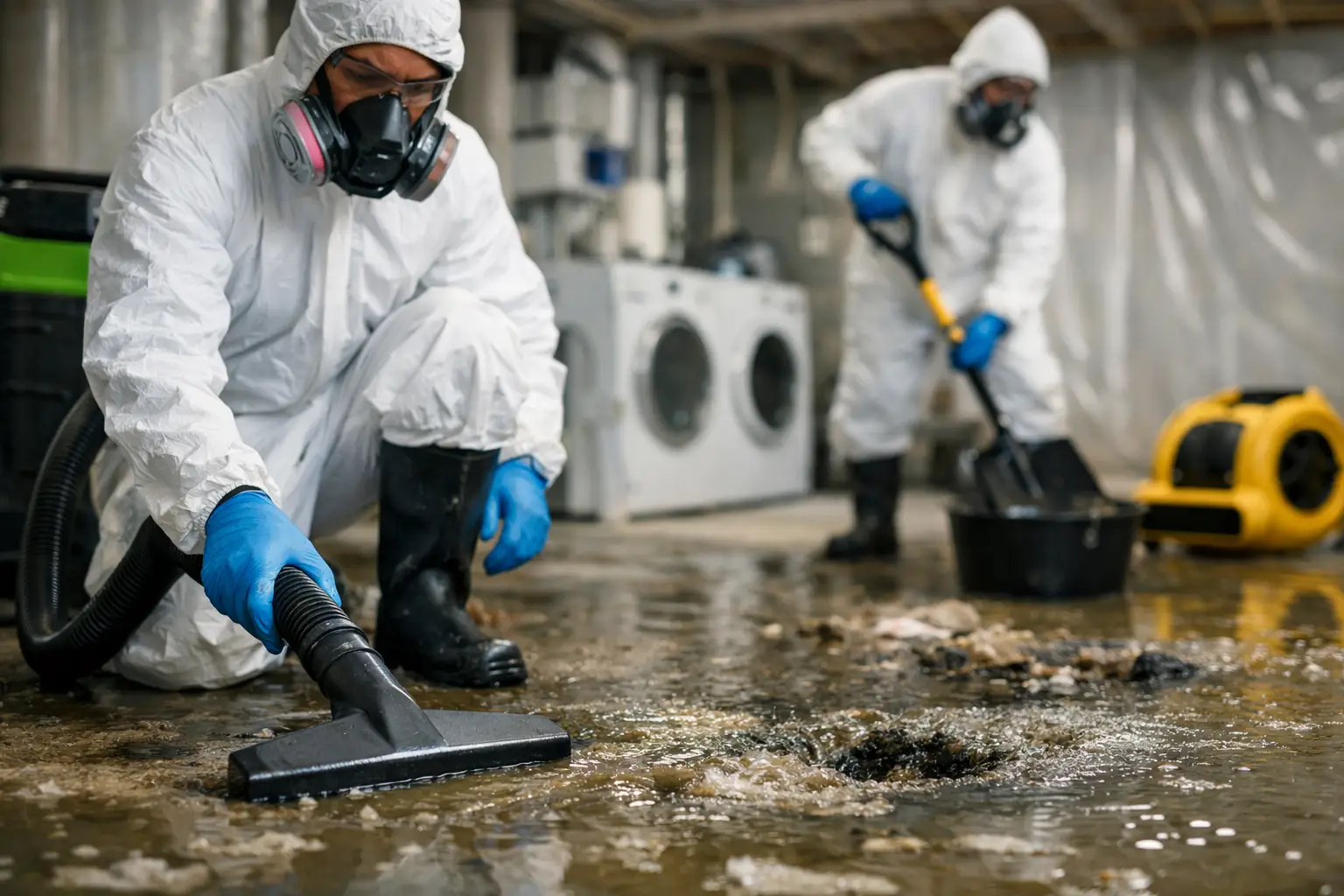 Sewage
Safe biohazard cleanup and sanitizing after sewage backups and overflows.
Learn more Reconstruction
Full rebuild by a licensed general contractor, so your property comes back whole.
Learn moreElevated Operations is an IICRC-certified, licensed general contractor based in Mableton that handles the entire recovery in-house, so after one loss you are never coordinating a cleanup crew, a mold crew, and a contractor separately. One team, one point of contact, from the first pump-out to the final coat of paint.
People call when the property feels like a disaster. They leave reviews because Chris and the crew made it right. These are real, verified Google reviews.
I offer 24/7 emergency response with a 60-minute emergency response standard. That matters in Hiram because storm openings do not wait for daylight or business hours. If the roof is exposed or the house needs boarding, I move quickly to reduce further damage and start documentation for the claim.
Yes. I use roof tarping and temporary boarding when storms leave the home open to rain, wind, or debris. In newer Hiram subdivisions, I often see damage around roof edges, garages, and windows first. Those are the spots I secure before the next weather system moves through.
Yes, hail damage repair is often part of a broader storm restoration scope. Hail can bruise shingles, dent flashing, crack siding, and leave impact marks that are hard to spot from the ground. I inspect the whole exterior so the claim reflects the real damage, not just the visible leak.
Debris removal is often the first cleanup step after impact damage. In Hiram, wind can carry branches, roofing material, and loose objects into homes near open stretches and the retail corridor. I remove debris carefully, then check for hidden structural repair needs behind the visible mess.
Yes, I offer direct insurance billing. That helps keep the process organized when the house needs emergency mitigation, repairs, and follow-up documentation. I also offer deductible assistance up to $1,000, and I make sure the work is backed by our 12-month warranty.
Yes. I am a licensed general contractor, and Elevated Operations, LLLP has been in restoration since 2007. That matters when a storm moves beyond surface cleanup and into framing, roof structure, or other structural repair work that has to be handled correctly the first time.
I look at what the storm actually damaged, not what is easiest to see. If the problem is limited to missing shingles, loose siding, or torn flashing, wind damage repair may be enough. If the framing, decking, or interior materials were affected, I move into a larger repair scope.
I answer as the owner, and I do the work with a restoration mindset, not a sales pitch. Hiram homeowners get an IICRC-certified team, a 4.9-star Google rating from 73 reviews, direct insurance billing, and a clear repair plan from a Mableton-based company that knows storm cleanup.
Elevated Operations dispatches IICRC-certified crews across Metro Atlanta from our Mableton base, with a 60-minute emergency response day or night. Choose your city:
Call now for an immediate response, or request your free inspection and get a certified crew on-site within the hour across Atlanta and nearby areas.