24/7 Emergency Restoration · Serving Metro AtlantaEmergency? (770) 404-6895
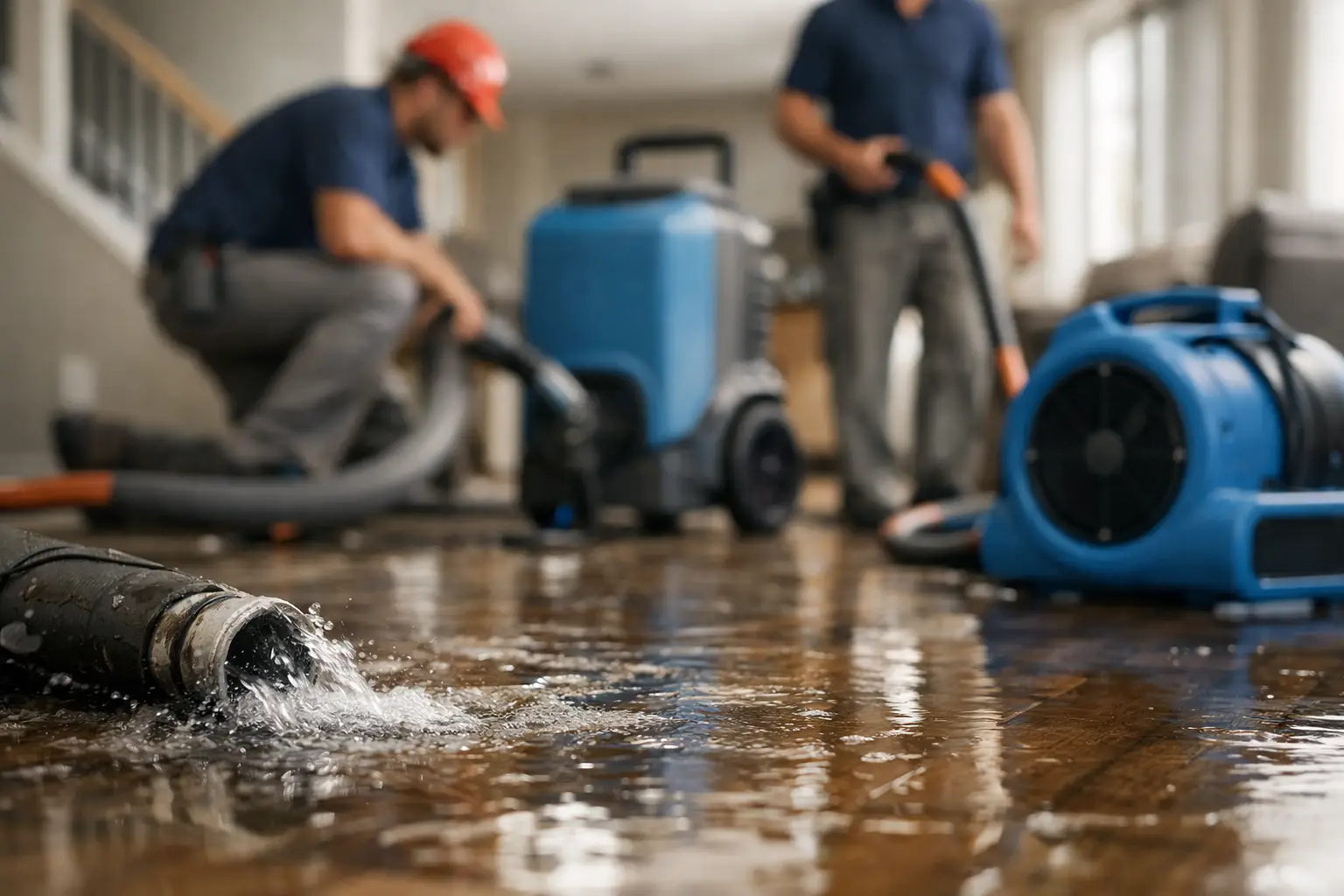
Mold removal services Hiram usually turn on the size of the affected area, the need for containment, and whether mold damage repair follows cleanup. I am Chris Kwangwari, owner of Elevated Operations, LLLP, and I handle these jobs in Paulding County with IICRC-certified technicians, direct insurance billing, and a 12-month warranty.
IICRC-Certified · 5-Star Rated · 60-Minute Response · Insurance Billed Directly
Yes. I offer direct insurance billing and help document the loss so the claim is easier to review.
Yes. I offer deductible assistance up to $1,000 when the job and claim setup allow it.
I offer 24/7 emergency response and a 60-minute emergency response for urgent calls.
I back my work with a 12-month warranty.
Cost in Hiram is driven by scope, access, and the amount of follow-up work, not by a fixed menu price. Small, contained mold cleanup in a newer subdivision can be simpler than a wider mold remediation job tied to hidden moisture, demolition, or mold damage repair.
I price mold removal services by what I actually see, not by guesswork. A laundry closet wall, attic edge, or bathroom area near the retail corridor is a different animal from a crawlspace issue in a newer subdivision. The more containment, air scrubbing, and hepa vacuuming a job needs, the more labor it takes.
The location matters because Hiram homes can vary a lot, even within the same street grid. Newer subdivisions often have tighter finishes and cleaner access, while older sections can hide water intrusion behind trim, drywall, or flooring. That changes mold inspection findings and changes the work plan.
And I do not pad a job just because mold sounds scary. IICRC-certified technicians assess the damage, set containment where needed, and tell you what is removable, what must be cleaned, and what can stay. If the source is still active, I say so before anyone starts mold abatement.
A proper mold removal service includes mold inspection, containment, cleanup, hepa vacuuming, air scrubbing when needed, and removal of contaminated material if the job calls for it. If the structure is damaged, mold damage repair may follow after the affected area is stabilized and dried.
Mold removal services are not just wiping a spot and leaving. I start with a mold inspection to understand the source, the spread, and the surfaces involved. Then I use containment to keep disturbed material from moving through the house, especially in compact floor plans common in newer Hiram subdivisions.
After that comes mold cleanup and, when the work requires it, air scrubbing and hepa vacuuming. Those steps matter when spores have settled on nearby surfaces or dust has been spread by a leak, a fan, or a rushed cleanup. Good prep keeps a small issue from becoming a bigger one.
If drywall, insulation, trim, or other materials are beyond cleaning, mold abatement can include careful removal. That is where direct insurance billing becomes useful, because the claim often has multiple parts: cleanup, removal, and mold damage repair. I keep the process plain and document what was done.
No, not by themselves. Mold cleanup removes visible growth and contaminated material, but the source is usually moisture, and that must be corrected or mold can return. In Hiram, I always look for the leak, seepage, or humidity issue before I recommend a final cleanup plan.
This is where a lot of people get burned. They want the stain gone, and I get it. But if the source is still there, the mold comes back. In a Paulding retail corridor property or a newer subdivision home, the source might be plumbing, roof intrusion, or persistent moisture at a foundation area.
I will not pretend mold removal services can solve a hidden water problem by themselves. They cannot. Mold remediation only works when the moisture problem is corrected first or at the same time. Otherwise you are paying to clean the same place twice, and that is bad work, plain and simple.
That is why I push a real mold inspection and a clear repair plan. If the fix involves licensed general contractor work, I handle that side too. If the issue is outside my scope, I say it directly. No drama. No sales pitch. Just the right order of work.
Sometimes, but only when the mold is tied to a covered water loss or another covered event. Insurance usually cares about the source, the timing, and whether damage was sudden or gradual. I offer direct insurance billing and help explain the claim process and deductible questions.
Insurance is not automatic, and I do not promise coverage that a carrier may deny. What matters is the policy language and the cause of the loss. If a burst pipe, appliance failure, or another covered event led to mold, the claim may include mold cleanup and related mold damage repair.
If the issue came from long-term neglect or slow moisture that sat too long, coverage can be tougher. That is why timing matters. Mold starts in 24 to 48 hours after water intrusion, so waiting weakens both the building and the claim. Quick action helps the file and helps the home.
I document the work, bill insurance directly when appropriate, and help customers understand where the deductible fits. I also offer deductible assistance up to $1,000. That does not change the policy, but it can make the out-of-pocket side easier when a claim is moving.
You file the claim, the insurer reviews the cause and damage, and then the deductible is the portion you pay before benefits apply. My job is to document the loss, explain the repair scope, and bill the carrier directly when the claim supports it.
The claim process usually starts with the cause, not the stain. If the loss came from a covered event, the insurer may send an adjuster or request documentation. I help with that because mold inspection notes, photos, and a clean work scope make the file easier to read.
Deductibles work the same way they always do, but homeowners often want a clear explanation. If the claim is approved, the deductible is your share. If the loss is not covered, insurance may not pay for the cleanup. I am direct about that because guessing wastes time.
In Hiram, that can matter for homes near the retail corridor or in newer subdivisions where water issues can spread fast through finished spaces. I track the job carefully so the claim reflects the actual mold remediation, the containment used, and any mold abatement or repair that followed.
Yes, if the moisture source is not fixed or the cleanup is incomplete. Mold can return in bathrooms, attics, crawlspaces, and wall cavities when humidity or leaks stay active. That is why I focus on source control, containment, and drying before I close out a job.
Mold return is not a mystery. It is usually a moisture problem that never got solved. A home in a newer subdivision may look clean on the surface, but if a leak or condensation issue keeps feeding the same spot, the mold can come back after cleanup.
I have seen people pay for a quick wipe-down and then call again later because the stain returned. That is not remediation. Real mold removal services address the conditions that caused the growth, then remove what is already contaminated. The order matters.
If a customer in Hiram wants the job done once, I tell them to think in layers: stop the moisture, perform the mold cleanup, use hepa vacuuming and air scrubbing where needed, then finish any mold damage repair. That sequence keeps the same trouble from repeating.
I look at how much material is affected, whether containment is needed, and whether the work is simple mold cleanup or larger mold remediation with repair.
Coverage usually turns on whether a covered water loss caused the mold, how fast the issue was reported, and what the policy allows.
I explain the deductible side plainly and offer deductible assistance up to $1,000 when the claim and job setup allow it.
When a claim is active, I bill insurance directly so the paperwork stays tied to the documented mold inspection, cleanup, and repair scope.
I back my work with a 12-month warranty, and my technicians are IICRC-certified, which matters when the job needs careful containment and follow-up.
From emergency mitigation to full reconstruction, handled in-house so you are never managing a chain of subcontractors mid-crisis.
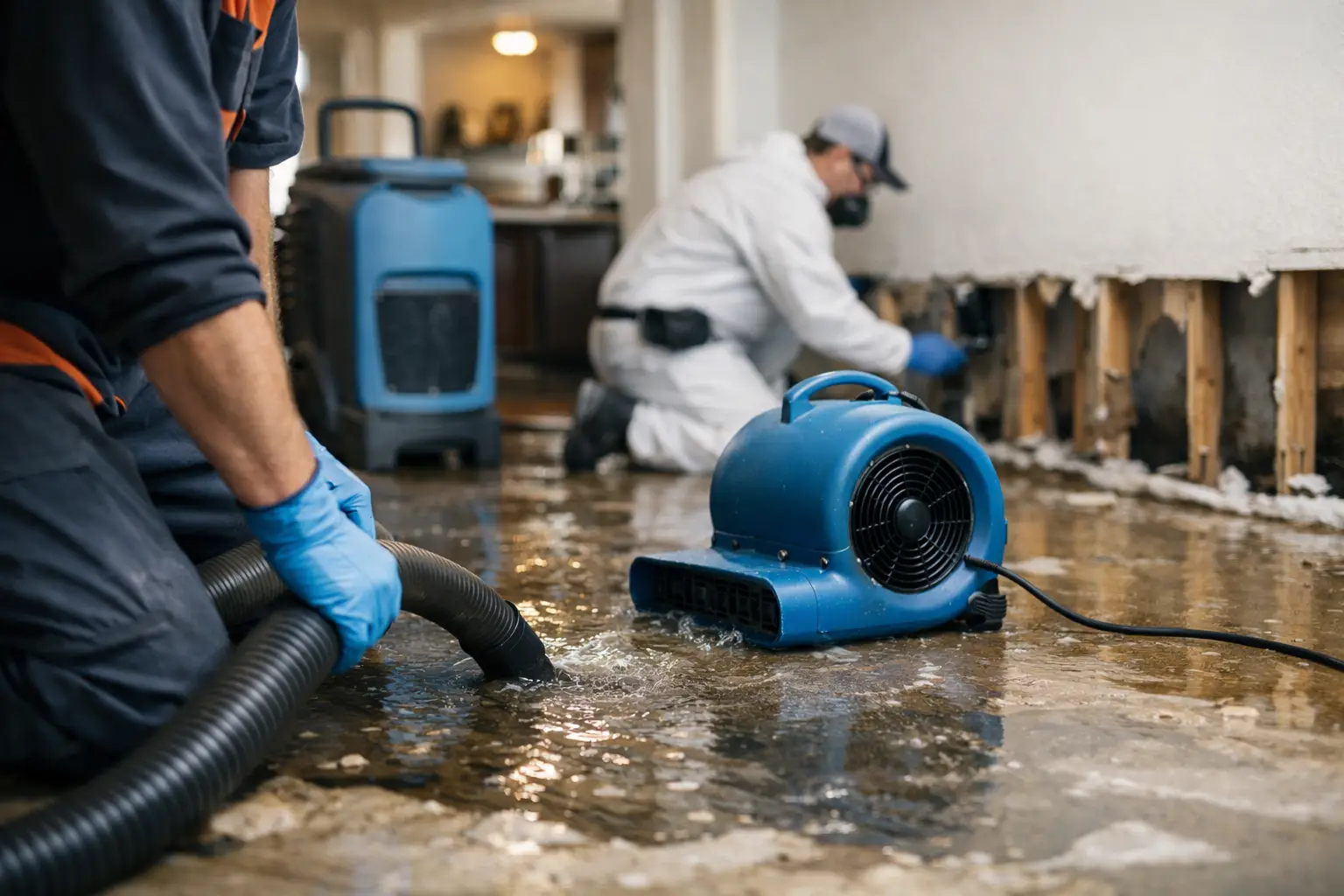 Water Damage
Extraction, structural drying, and moisture mapping after floods, leaks, and burst pipes.
Get help now Fire & Smoke
Soot removal, odor deodorization, and content cleaning after fire and smoke damage.
Learn more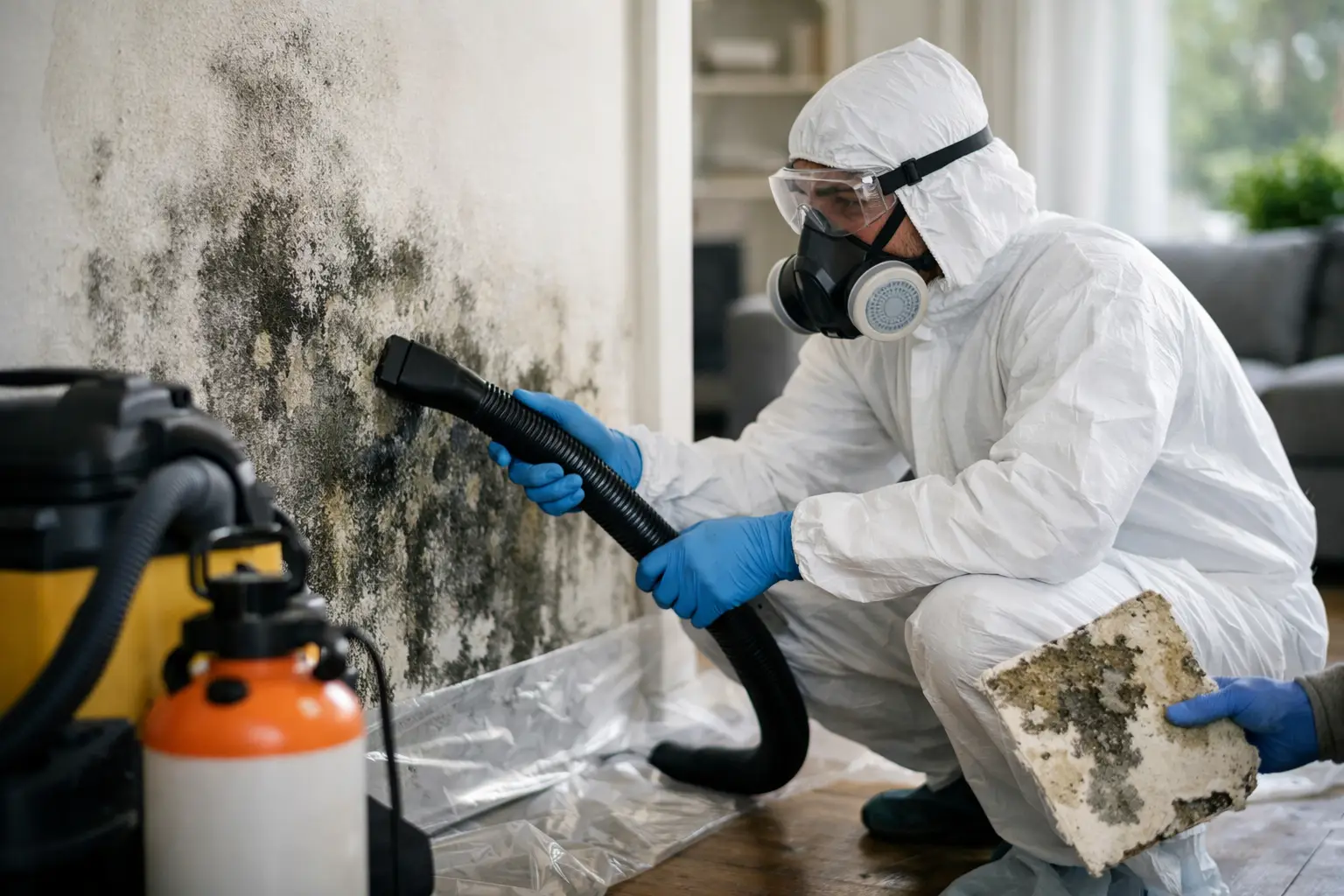 Mold
MoldContainment, removal, and moisture control that stops mold from coming back.
Learn more Storm
StormEmergency board-up, roof tarping, and full recovery after wind, hail, and storms.
Learn more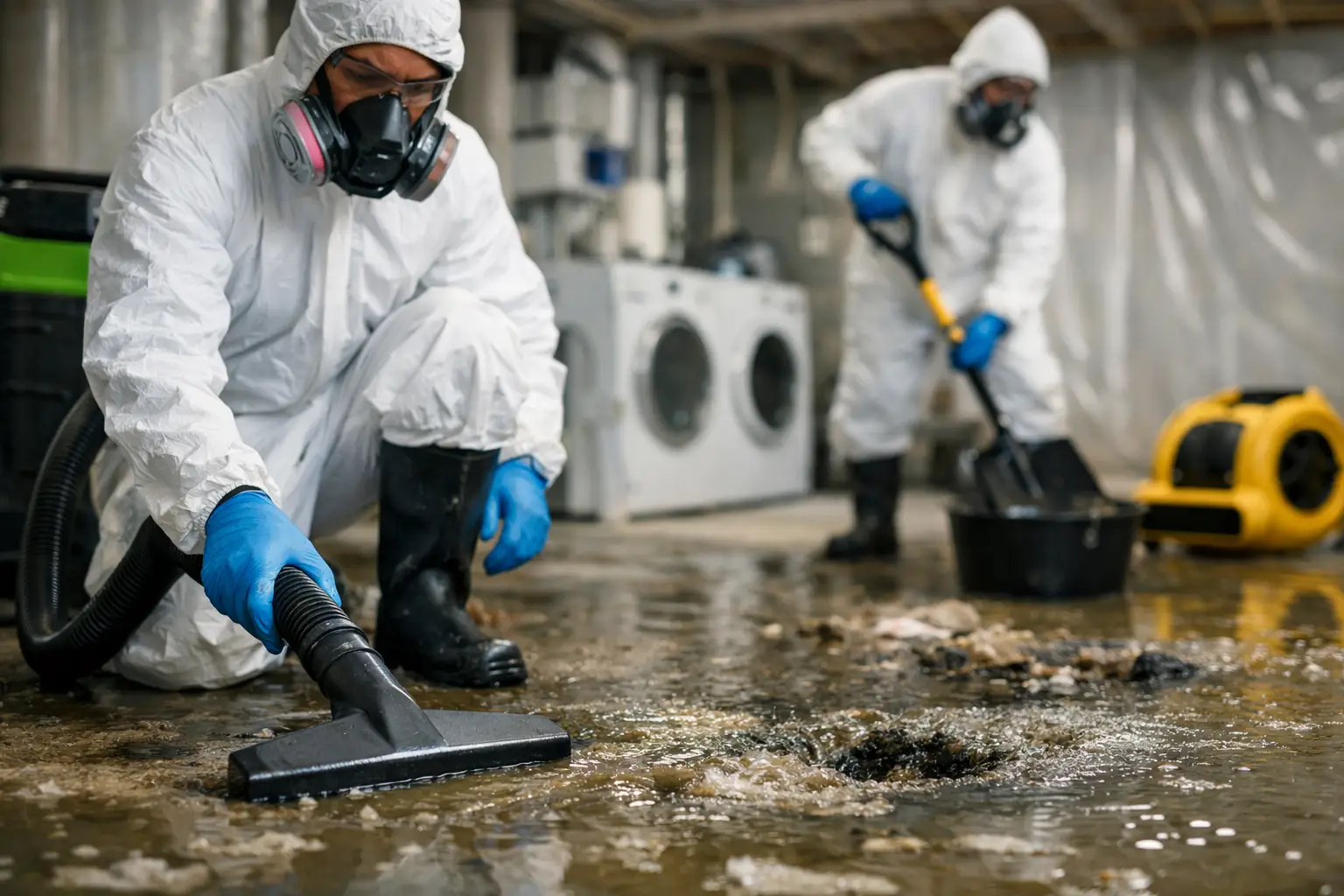 Sewage
Safe biohazard cleanup and sanitizing after sewage backups and overflows.
Learn more Reconstruction
Full rebuild by a licensed general contractor, so your property comes back whole.
Learn moreElevated Operations is an IICRC-certified, licensed general contractor based in Mableton that handles the entire recovery in-house, so after one loss you are never coordinating a cleanup crew, a mold crew, and a contractor separately. One team, one point of contact, from the first pump-out to the final coat of paint.
People call when the property feels like a disaster. They leave reviews because Chris and the crew made it right. These are real, verified Google reviews.
Expect the cost to depend on the amount of affected material, the need for containment, and whether mold damage repair is needed after cleanup. I do not use one-size-fits-all pricing because a small closet issue is not the same as a crawlspace or wall cavity problem. The inspection drives the job, and the job drives the scope.
Sometimes the inspection is part of the covered claim process, but that depends on the loss and the policy. If a covered water event caused the mold, the insurer may review the mold inspection and related documentation. If the issue was gradual, coverage can be limited or denied. I help document the facts either way.
If you see staining, smell a musty odor, or had water sit long enough for materials to stay damp, I would treat it seriously. Mold starts in 24 to 48 hours after water intrusion. In a Hiram home, especially with finished spaces in newer subdivisions, a quick mold inspection is the smart move.
Containment keeps disturbed mold and dust from spreading into clean areas while the work is underway. That matters in tighter floor plans, common in newer subdivisions, because one open hallway can carry contamination farther than people expect. I use containment to keep the work focused and to protect the rest of the home during cleanup.
Yes, if the damage comes from a covered event and the policy allows it. Mold damage repair may include rebuilding or replacing affected materials after cleanup, but the carrier decides what is covered. I document the damaged areas, handle direct billing when possible, and keep the repair scope clear for the claim.
No, not every job needs air scrubbing. I use it when the disturbance level, dust, or contamination risk calls for it. Some jobs need only targeted cleanup, while others benefit from air scrubbing and hepa vacuuming to keep the indoor space under control during and after removal.
I would call right away. A delay lets the source keep feeding the growth and can make the insurance side harder too. Even if the spot looks small, hidden moisture can spread behind finishes. My team offers 24/7 emergency response and a 60-minute emergency response for urgent losses.
I bring owner oversight, IICRC-certified technicians, direct insurance billing, and a licensed general contractor background to the job. I have been in restoration since 2007, and I work from a Mableton base across Cobb, Fulton, DeKalb, Douglas, Clayton, Henry, and Paulding counties, including Hiram.
Elevated Operations dispatches IICRC-certified crews across Metro Atlanta from our Mableton base, with a 60-minute emergency response day or night. Choose your city:
Call now for an immediate response, or request your free inspection and get a certified crew on-site within the hour across Atlanta and nearby areas.