24/7 Emergency Restoration · Serving Metro AtlantaEmergency? (770) 404-6895
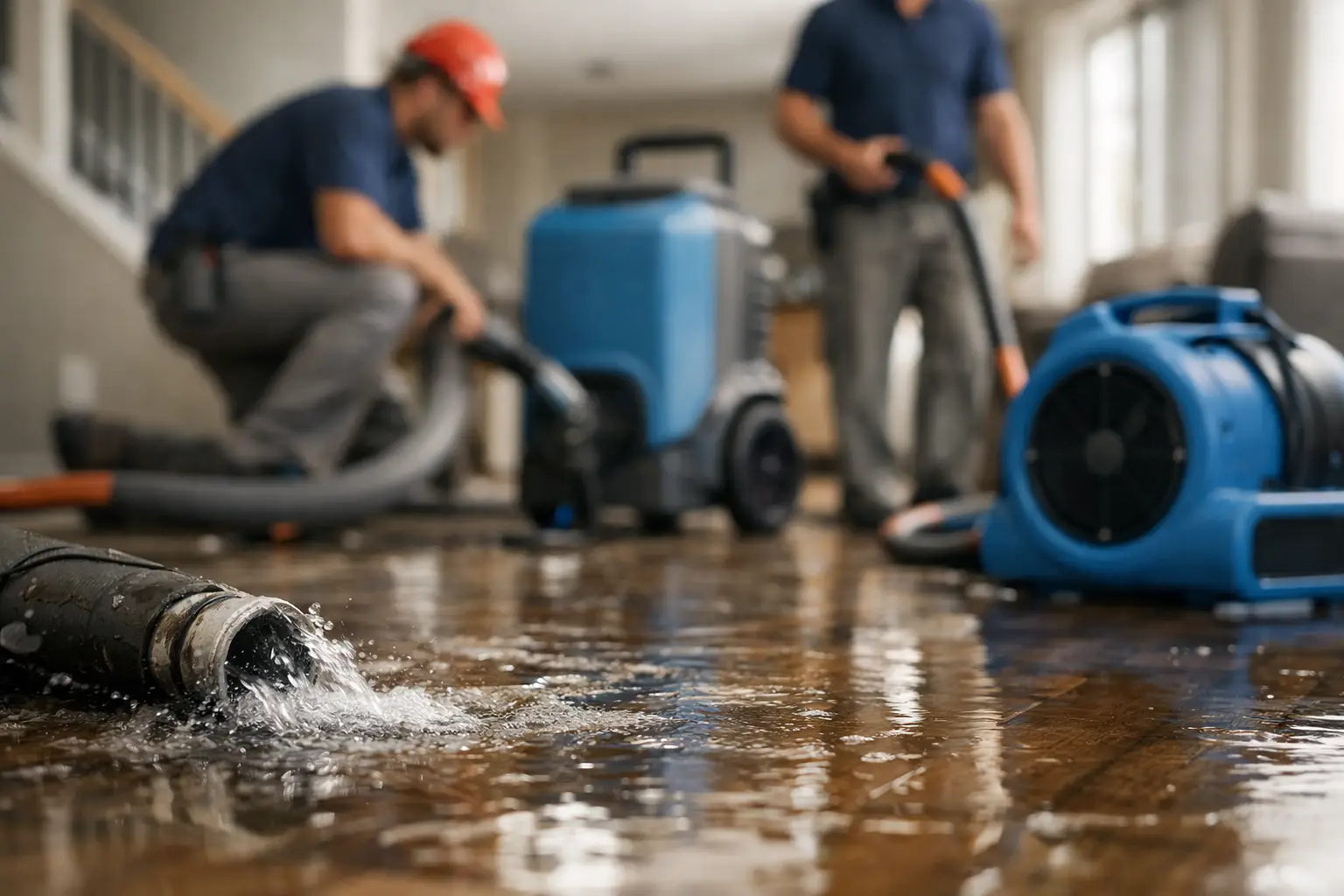
Mold removal services Douglasville means I move fast when moisture shows up in a house or crawlspace off I-20 or near Dog River reservoir. In the first hour, I look for the source, start containment if needed, and stop the spread before mold cleanup turns into mold damage repair.
IICRC-Certified · 5-Star Rated · 60-Minute Response · Insurance Billed Directly
Call me now. I answer 24/7, and I move on mold fast because delays make the job bigger. I am set up for emergency response.
If it smells musty after moisture, I want a look. Smell is often the first clue in a Douglasville home, especially in closed-up rooms and crawlspaces.
Yes. I handle mold calls across Douglasville, including homes affected by damp crawlspaces, drainage issues, and storm moisture near that area.
Yes. I can manage mold damage repair as a licensed general contractor, so the cleanup and rebuild stay connected instead of being handed off.
I treat the first hour like a stop-the-loss window, because mold starts spreading fast once moisture stays put. In Douglasville, that usually means a leak, damp crawlspace, or HVAC issue in an I-20 subdivision, and I go straight to source finding, containment, and a practical mold inspection.
First, I check where the moisture came from. That matters more than the stain itself. In Douglasville homes, I see builder-grade finishes, tight closets, and slab or crawlspace conditions that let water sit quietly until the smell gives it away. Speed matters because mold does not wait.
Then I set the work area so it does not get worse. If the situation calls for it, I use containment, air scrubbing, and hepa vacuuming to keep disturbed material from moving through the house. That is not theater. That is how I keep a small problem from becoming broad mold remediation.
And I tell you the next step plain. If the source is active, the cleanup is not the first job, the source is. I have been in restoration since 2007, and I have learned that the fastest way to lose time is to scrub the surface before you stop the water.
Mold removal services usually include inspection, source tracing, containment, air scrubbing, hepa vacuuming, and removal of affected materials when needed. In Douglasville, I also look at the surrounding structure, because mold cleanup without checking drywall, trim, insulation, and crawlspace conditions leaves the job half done.
A real mold removal call starts with eyes on the problem and eyes on the cause. That can mean a mold inspection in a bonus room, behind a laundry wall, or in a crawlspace that got wet after a storm near Dog River reservoir. The goal is to map the damage correctly.
After that, I decide what stays and what goes. Some materials can be cleaned, some cannot. If porous items are affected, mold abatement may require removal, not wishful thinking. I keep the process grounded, because overcleaning the wrong thing wastes time and undercleaning leaves spores behind.
I also handle mold damage repair as part of the bigger picture, when the damaged area needs rebuilding after removal. I am a licensed general contractor, so I can manage the repair side without handing you off to someone who does not understand what caused the failure in the first place.
Speed matters because moisture gives mold the head start. In Douglasville, where homes near I-20 and around Dog River reservoir can deal with humidity, runoff, and crawlspace dampness, a delay can turn a surface issue into a larger cleanup, more containment, and more mold damage repair.
Mold does not need a dramatic flood. It needs moisture and time. EPA guidance says mold can start in 24 to 48 hours, and that is why I take same-day calls seriously. When a leak sits through a workday or a weekend, the surface area usually grows.
The houses I see here often have builder-grade materials that do not forgive water exposure. Thin drywall, standard trim, carpet padding, and closed-off cavities can trap dampness fast. In that kind of structure, waiting means more demolition, more drying, and a longer path back to normal.
If the smell is there, the stain is there, or the room feels damp for no clear reason, that is enough for me to act. A fast response is not about drama. It is about stopping contamination before it spreads into adjacent rooms, closets, and the HVAC path.
You need mold removal services when you see visible growth, smell a musty odor, or find water damage that has not been fully dried. In Douglasville, that often shows up after roof leaks, plumbing failures, crawlspace moisture, or condensation in builder-grade homes near the I-20 corridor.
If a room smells stale after the AC runs, I pay attention. If baseboards are swollen, paint is bubbling, or drywall feels soft, I pay attention more. Those are not cosmetic issues. They are signs that water has stayed long enough for mold cleanup to become necessary.
A lot of Douglasville calls start with a small complaint and a big hidden problem. One closet wall. One laundry nook. One basement corner. The surface clue can be tiny, but the risk is the same, because mold can move into insulation, framing, and the air pathways you live with daily.
If you are not sure, I would rather inspect early than guess late. IICRC-certified technicians know what to look for, and I do not wait for a disaster scene before taking action. The right call is the one that stops the spread before it reaches more of the house.
Good mold removal services have to address the source, not just the stain. If the leak, humidity problem, or wet material stays in place, mold can come back. I focus on the cause first, then the cleanup, then the repair, because that is the only order that makes sense.
Stain removal without source control is a shortcut that fails. I have seen people wipe a wall and call it fixed, then the same area gets worse after the next humid spell or rain. In Douglasville, where moisture can hang around in crawlspaces and shaded areas, that is a common mistake.
Source control can mean shutting down a leak, correcting drainage, improving drying, or removing damaged building material. Sometimes the answer is obvious. Sometimes it takes a real mold inspection and a careful look at framing, insulation, and adjacent finishes before I know exactly what needs to happen next.
My job is not to pretend every problem is surface-deep. My job is to solve the whole problem. That is why I give direct insurance billing when applicable, and why I keep the process focused on containment, cleanup, and repair in the right sequence.
Yes, mold can return after removal if moisture comes back or the source was not fixed. That is why I do not treat mold cleanup as a one-and-done surface job. In Douglasville, return visits usually happen after unresolved leaks, crawlspace dampness, or HVAC moisture keep feeding the problem.
Return growth usually means one of two things. Either the source stayed active, or the original removal missed contaminated material. Sometimes both are true. That is why I keep the sequence disciplined, from containment to cleaning to verification of what was removed and what remains.
Homes near Dog River reservoir and along the I-20 corridor can deal with humid conditions that push weak materials over the edge. If the house is already built with standard builder-grade components, a small moisture problem can keep coming back unless it is handled at the structural level.
I back my work with a 12-month warranty because I stand behind the process. And I keep a sharp eye on the source, because warranties do not replace good judgment. Dry the house, fix the cause, remove the damage, then rebuild it correctly.
I answer the call, gather the basics, and head toward Douglasville with a 60-minute emergency response mindset. On arrival, I find the moisture source, assess spread, and decide whether containment is needed before anything gets disturbed.
I stabilize the scene with containment, air scrubbing, and hepa vacuuming when appropriate, then identify affected materials and the path the moisture took. The goal is simple: stop spread, reduce exposure, and keep the job from growing while the structure is still vulnerable.
I remove damaged material as needed, coordinate direct insurance billing if applicable, and line up the next steps for mold damage repair. If the source was a leak or damp crawlspace, I keep the focus on drying, source control, and cleanup that holds up.
Once the area is clean and stable, I handle the repair side as a licensed general contractor. The finish work should not hide the problem, it should close the loop so the space is usable again and the underlying moisture issue is no longer driving the damage.
From emergency mitigation to full reconstruction, handled in-house so you are never managing a chain of subcontractors mid-crisis.
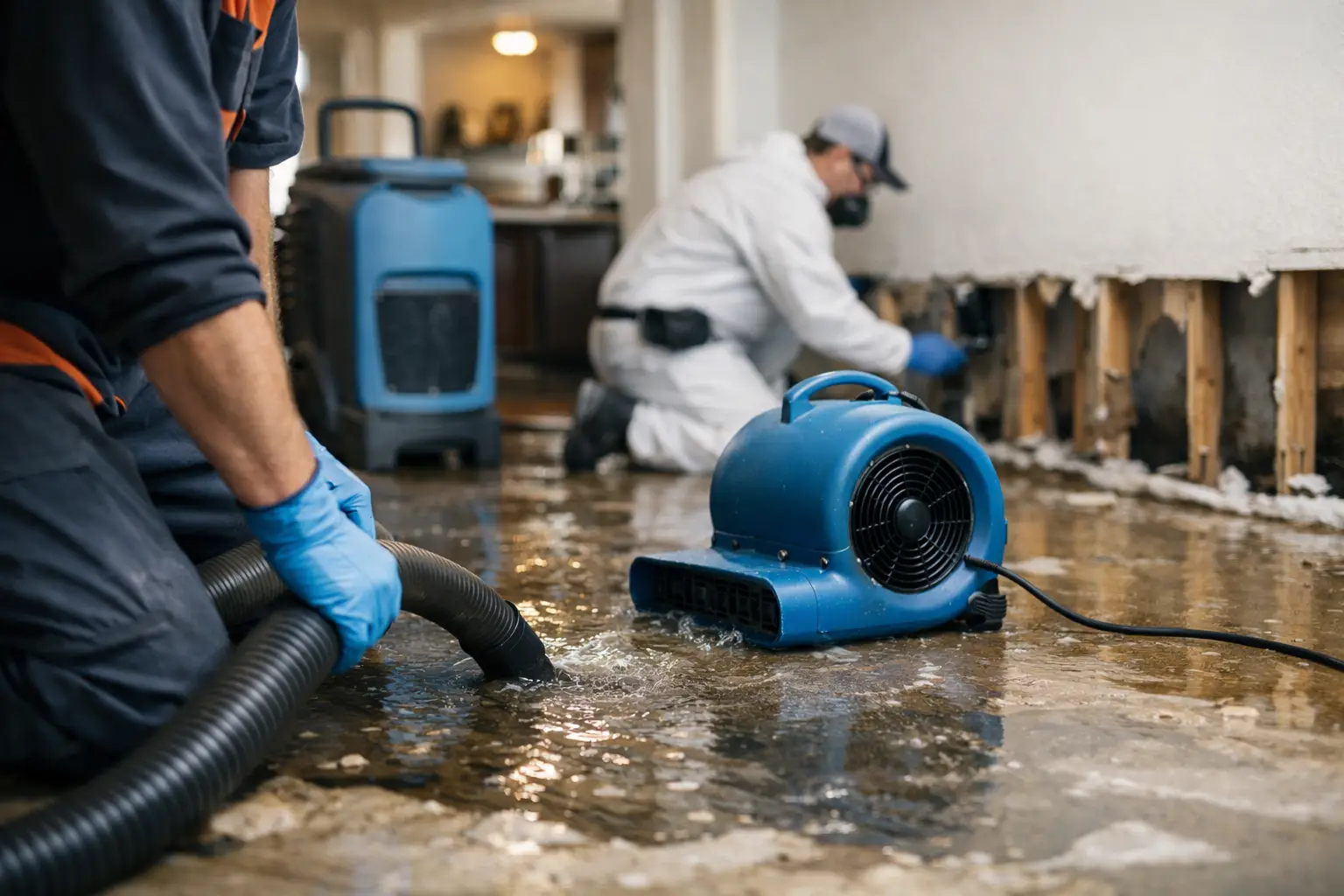 Water Damage
Extraction, structural drying, and moisture mapping after floods, leaks, and burst pipes.
Get help now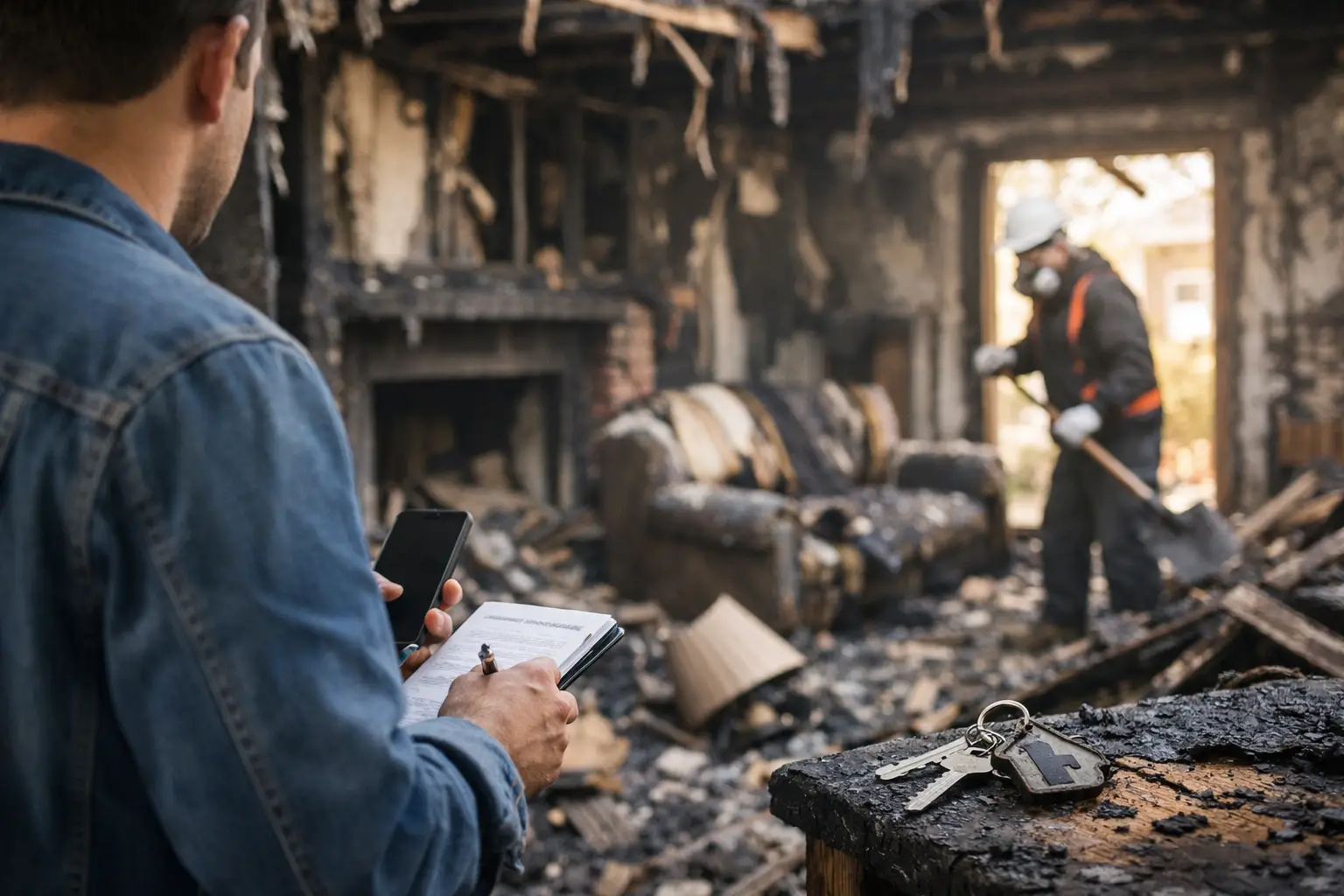 Fire & Smoke
Soot removal, odor deodorization, and content cleaning after fire and smoke damage.
Learn more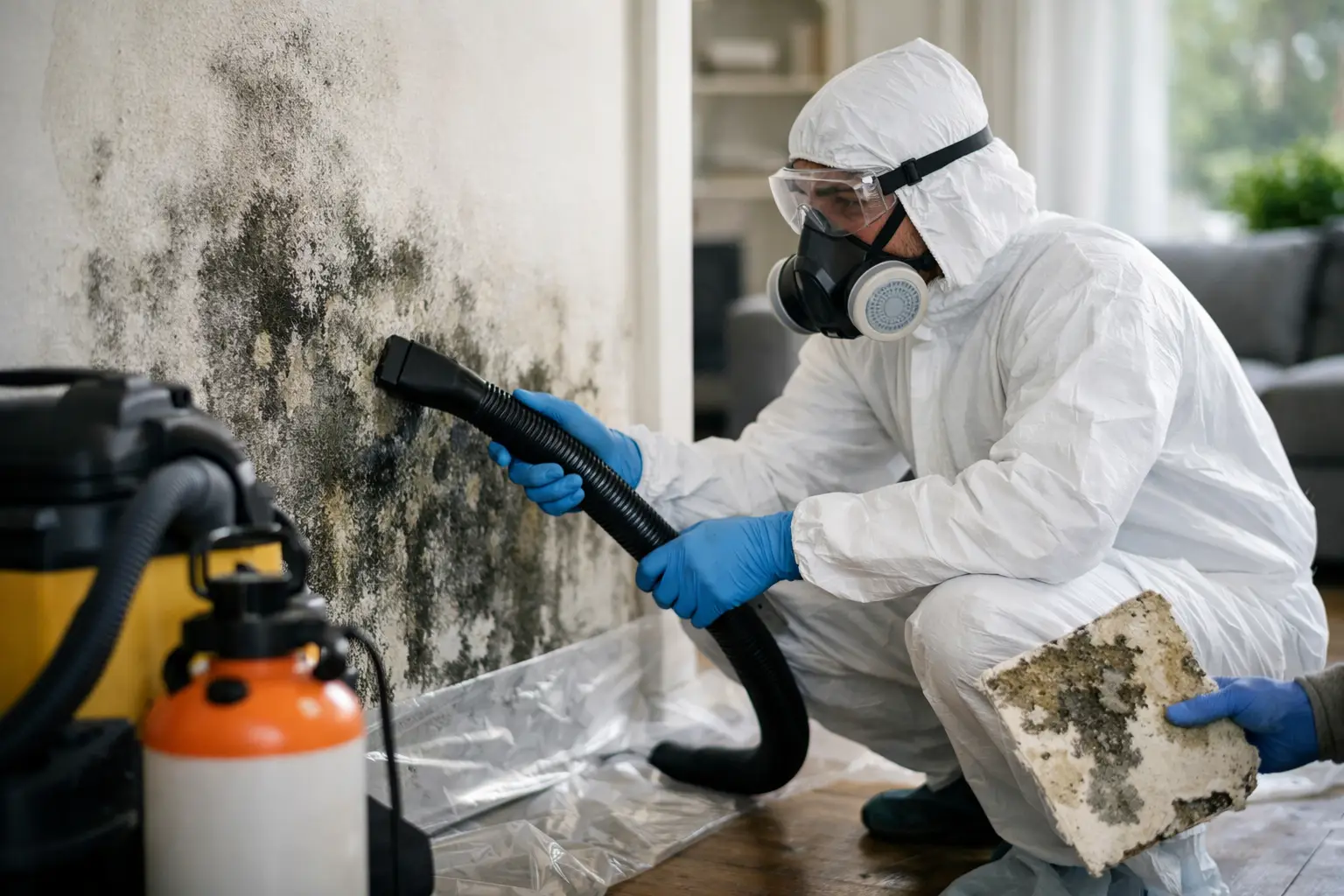 Mold
MoldContainment, removal, and moisture control that stops mold from coming back.
Learn more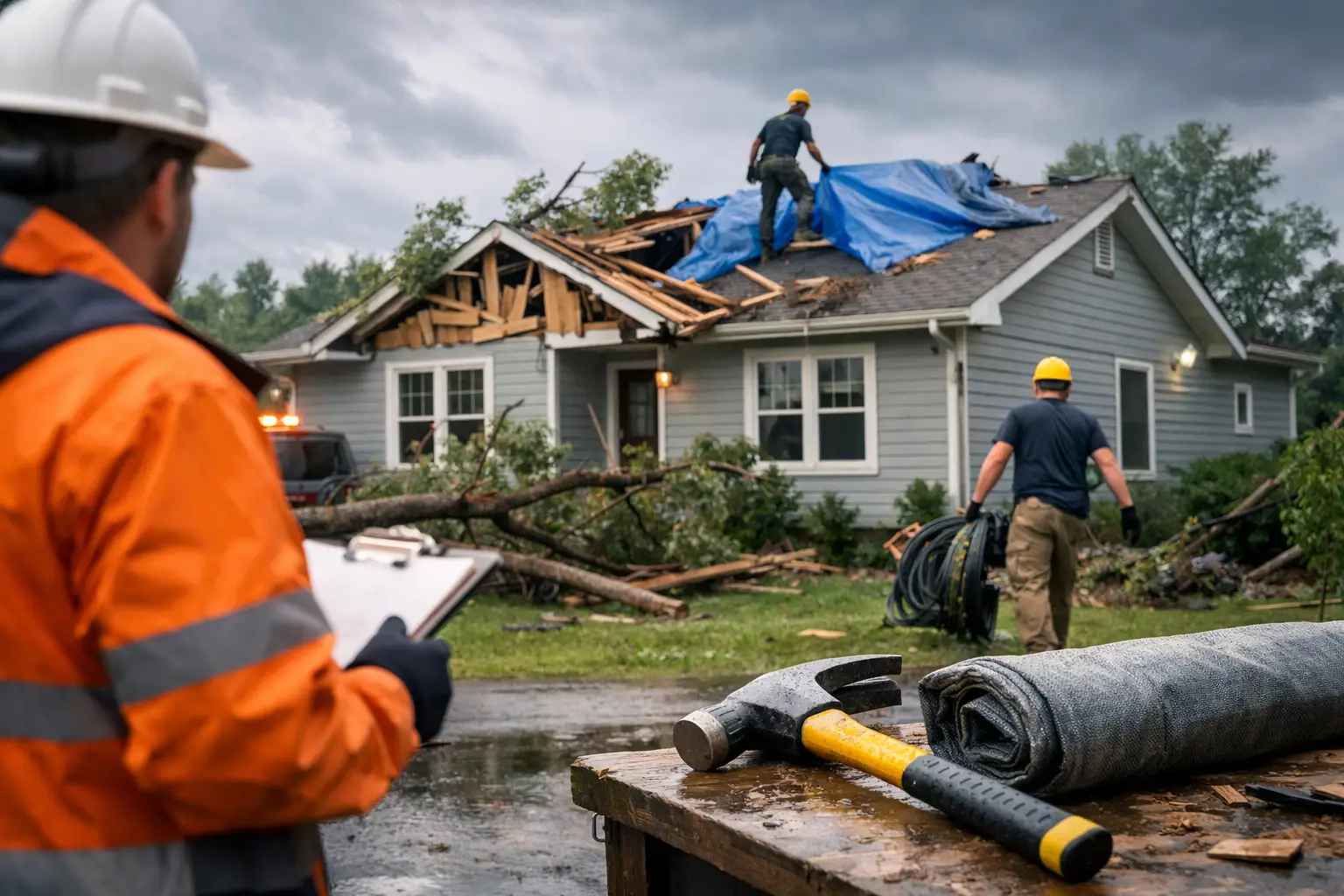 Storm
StormEmergency board-up, roof tarping, and full recovery after wind, hail, and storms.
Learn more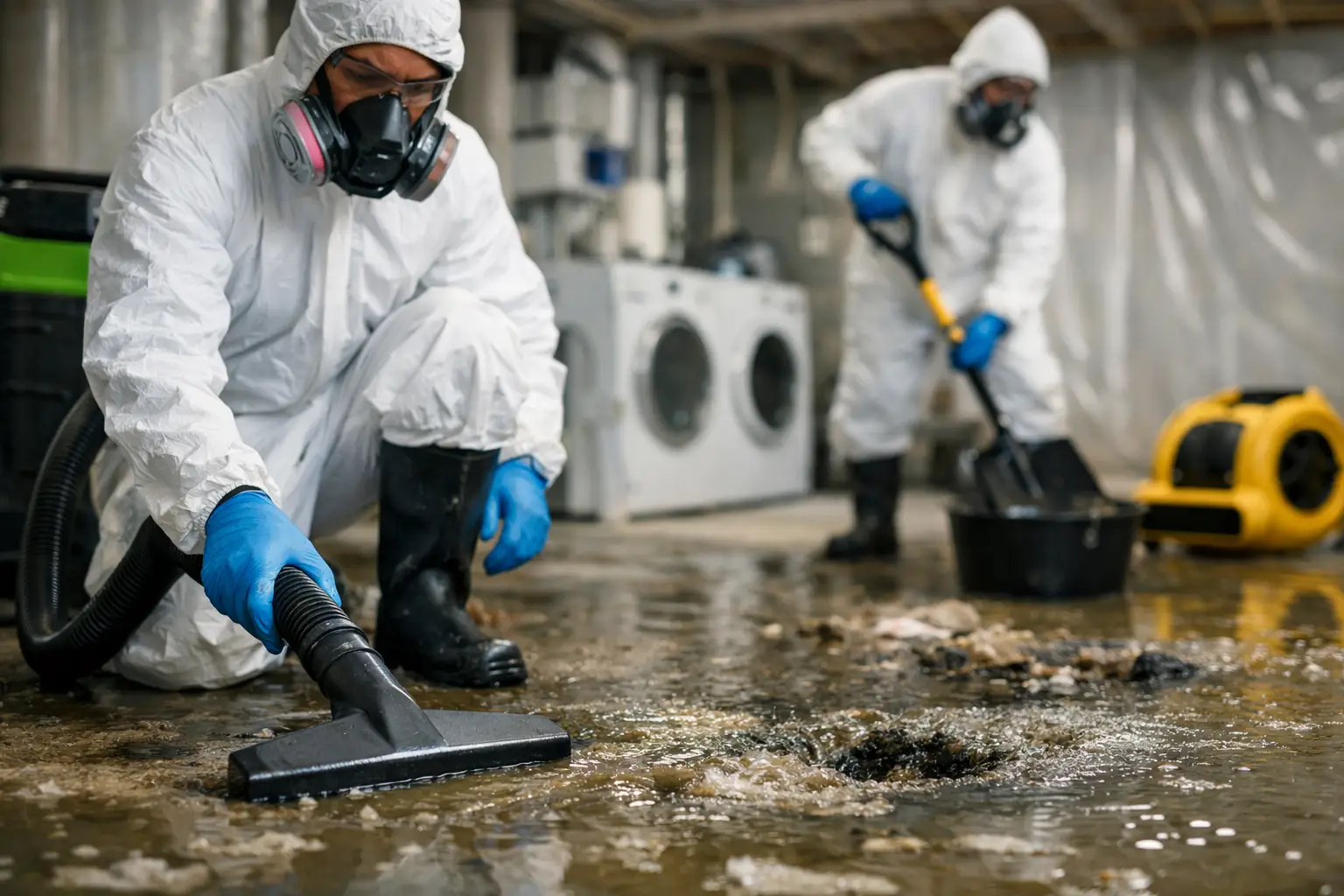 Sewage
Safe biohazard cleanup and sanitizing after sewage backups and overflows.
Learn more Reconstruction
Full rebuild by a licensed general contractor, so your property comes back whole.
Learn moreElevated Operations is an IICRC-certified, licensed general contractor based in Mableton that handles the entire recovery in-house, so after one loss you are never coordinating a cleanup crew, a mold crew, and a contractor separately. One team, one point of contact, from the first pump-out to the final coat of paint.
People call when the property feels like a disaster. They leave reviews because Chris and the crew made it right. These are real, verified Google reviews.
Do not start scrubbing the wall and do not keep running fans if the area is actively wet. Call me, isolate the room if you can do it safely, and stop using any affected HVAC path if the smell is moving. The first move is source control, then containment, then cleanup.
Builder-grade homes often have materials that let moisture travel faster than people expect, especially around laundry areas, closets, and the lower levels. I inspect the path, isolate the affected space, remove damaged materials as needed, and use air scrubbing and hepa vacuuming where disturbance would spread particles.
Yes. I start with a practical mold inspection so I know what is growing, where the moisture came from, and what materials are affected. In Douglasville, that can include attic spaces, crawlspaces, basement corners, or walls that got wet after a storm or plumbing failure.
Yes, a damp crawlspace can keep feeding mold if the moisture source is not handled correctly. Around Dog River reservoir, humidity and drainage issues can make the problem persistent. I focus on source control first, because repeated cleanup without drying the space is a dead end.
That still counts. A musty smell often means moisture is hiding behind drywall, under flooring, or in insulation. In Douglasville homes, I see this a lot in closets and laundry areas. The smell is the clue that tells me to inspect before the damage spreads further.
I provide 24/7 emergency response with a 60-minute emergency response standard. If you call from Douglasville, I move quickly because time is part of the damage. The sooner I see the source and the spread, the easier it is to keep the cleanup contained.
Yes, I offer direct insurance billing when the job qualifies, and I can help with deductible assistance up to $1,000. I keep the paperwork side practical so the focus stays on stopping the damage and getting the space stabilized before it gets worse.
Because I do not stop at cleanup. I am a licensed general contractor, so I can handle the repair side after removal and keep the sequence tight. That matters in Douglasville, where moisture problems often hide inside walls and need both restoration and rebuilding.
Elevated Operations dispatches IICRC-certified crews across Metro Atlanta from our Mableton base, with a 60-minute emergency response day or night. Choose your city:
Call now for an immediate response, or request your free inspection and get a certified crew on-site within the hour across Atlanta and nearby areas.




