24/7 Emergency Restoration · Serving Metro AtlantaEmergency? (770) 404-6895
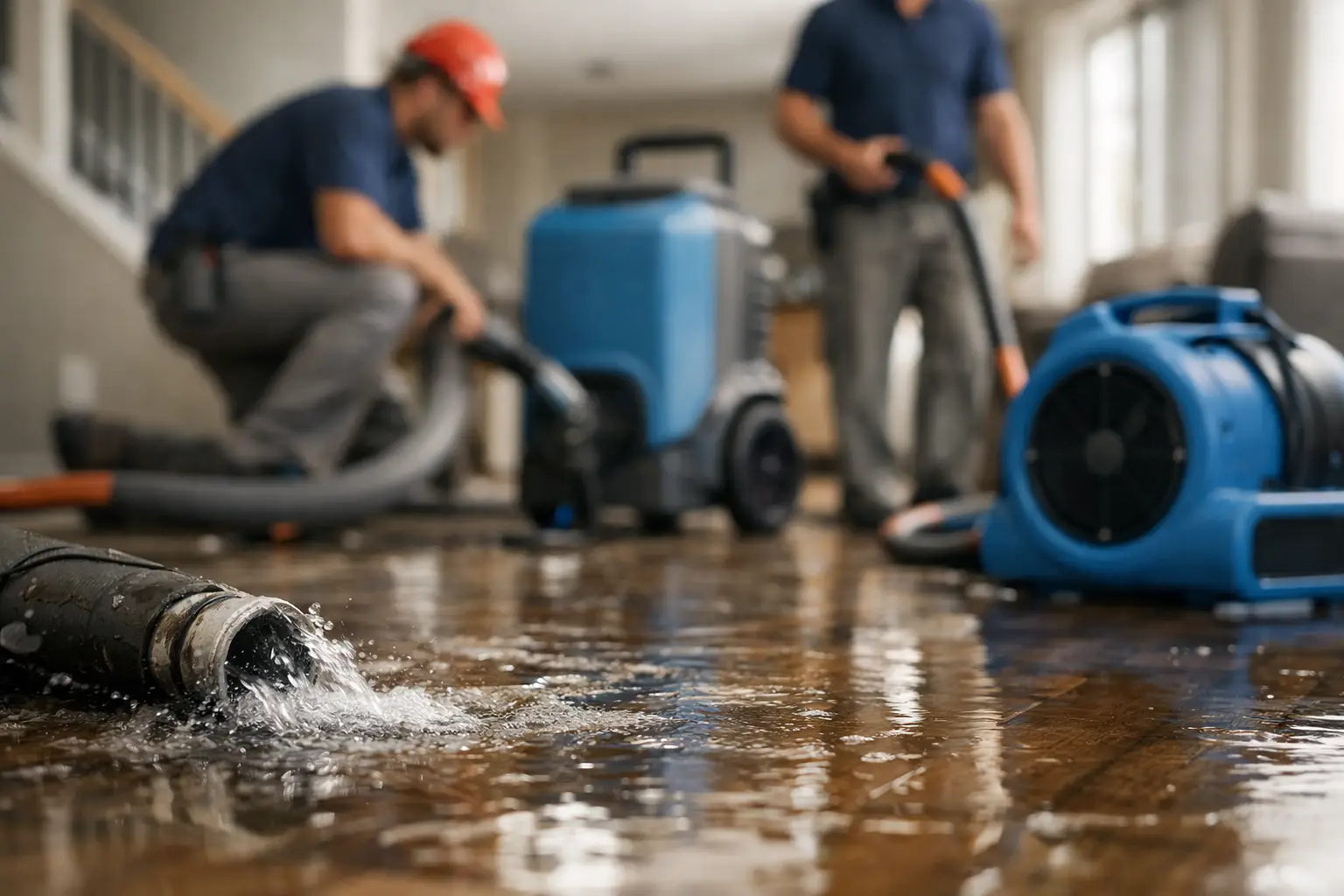
Flooded basement cleanup Marietta starts with facts, not guesses. I’m Chris Kwangwari, and I’ve handled basement water removal in Marietta since 2007. Historic Square plaster, Kennesaw Mountain runoff, and older homes all change the job, so I focus on flood water extraction, drying, and mold prevention from the first call.
IICRC-Certified · 5-Star Rated · 60-Minute Response · Insurance Billed Directly
Yes. I provide 24/7 emergency response, because basement water does not wait for business hours and neither should the cleanup.
Yes. I offer direct insurance billing, and I keep the paperwork aligned with the work performed.
I back my restoration work with a 12-month warranty, because I stand behind the job after the equipment leaves.
Call (770) 404-6895. I’m Chris Kwangwari, owner of Elevated Operations, LLLP, based in Mableton and serving Marietta and the surrounding counties.
First, stop the water if you can, stay out of standing water, and call for basement water removal right away. In Marietta, older homes near the Square and runoff-driven water from Kennesaw Mountain can turn a small leak into a bigger problem fast.
Myth: I should wait until the water stops on its own. Fact: I do not recommend waiting. Water moves into trim, baseboards, and plaster quickly, and historic homes around Marietta’s Square can hide damage behind finished walls that look fine at first glance.
Myth: A wet basement is only a cleanup issue. Fact: It is also a structure and health issue. If sewage backup cleanup is involved, the risks go up immediately, and I treat that differently than plain flood water extraction because contamination changes every step.
Myth: Towels and fans are enough. Fact: That might handle a small spill, but basement drying after storm water or groundwater needs real equipment and a plan. I look at the source, the materials, and whether the water came through a crack, drain, or saturated wall.
I clean up a flooded basement by removing the water, checking for contamination, setting drying equipment, and protecting anything that can still be saved. In Marietta, that often means watching for wet carpet removal, hidden moisture in older framing, and runoff problems tied to Kennesaw Mountain rain.
Myth: Flood water extraction is just pumping out water. Fact: The water is only the first layer. I inspect what soaked in, what wicks upward, and what needs removal before basement drying can actually work. If you skip that step, moisture stays trapped where you cannot see it.
Myth: All basement flooding is the same. Fact: It is not. Groundwater, storm runoff, and sewage backup cleanup each call for a different response. That matters in Marietta because some homes near the historic Square have mixed building materials, and older finishes react differently than modern ones.
Myth: Wet carpet can be dried in place forever. Fact: Sometimes it can be saved, sometimes it cannot, and I make that call based on contamination and saturation level. If carpet padding is soaked, mold prevention becomes urgent because mold can start in 24 to 48 hours.
Drying time depends on what got wet, how long the water sat, and whether the basement has plaster, carpet, or hidden cavities. I do not guess. In Marietta, basement drying can take longer in older homes near the Square because materials hold moisture differently.
Myth: If the floor feels dry, the basement is dry. Fact: Surface dryness is not the same as real dryness. Moisture can stay inside sill plates, wall finishes, and carpet backing, especially after Kennesaw Mountain runoff pushes water in through weak points or foundation gaps.
Myth: One fan is enough. Fact: Fans move air, but they do not pull moisture out of thick materials on their own. I use a drying approach that matches the damage, and I track what is still wet so basement drying does not stop too early.
Myth: Older plaster can be ignored if it did not crumble. Fact: Historic Square plaster can hold moisture and stain later. I pay close attention to that because what looks stable today can become a mold prevention issue later if the wall cavity stayed damp behind the finish.
Yes, and fast. Mold prevention matters because damp drywall, insulation, carpet, and plaster can support mold growth if moisture lingers. In Marietta, older homes near the Square and basements affected by Kennesaw Mountain runoff need quick drying, not a wait-and-see approach.
Myth: Mold only shows up after weeks. Fact: It can start in 24 to 48 hours when conditions are right. I do not say that to scare people, I say it because basement water removal needs to begin immediately if you want a real chance at limiting damage.
Myth: If I spray something strong, I have solved mold. Fact: Cleaning products do not fix hidden moisture. Mold prevention starts with water removal, basement drying, and removing materials that stayed wet too long. If the source stays active, mold will come back.
Myth: Clean water cannot lead to mold. Fact: Even clean storm water can create mold problems if it sits in carpet or behind baseboards. That is why I treat wet carpet removal and moisture control as part of the same job, not separate chores.
Yes, sewage backup cleanup is a different category because contamination changes the safety steps, disposal, and drying plan. I treat it differently from plain flood water extraction, especially in Marietta basements where older plumbing and runoff can both create messy, unhealthy conditions.
Myth: All basement water is just water. Fact: No. Sewage, groundwater, and storm water are not the same thing. If the basement flood includes sewage, I handle the area more carefully because contaminated materials often need removal instead of simple drying.
Myth: Bleach fixes everything. Fact: Disinfection is not enough if porous materials soaked up waste water. That is why I look closely at carpet, padding, insulation, and unfinished framing. In a Marietta basement, that inspection matters more in older homes with porous surfaces.
Myth: You can keep using the basement while it dries. Fact: I would not. Contaminated areas need to stay isolated until the cleanup and drying are complete. That protects the rest of the home and keeps the issue from spreading into hallways, stairs, or finished rooms.
Yes, runoff can move fast during heavy rain and push water toward vulnerable foundations. In Marietta, that is one reason I take basement flooding seriously even when the weather looks short-lived. A hillside storm can still leave you with wet carpet, staining, and hidden moisture.
Myth: Only river flooding matters. Fact: Local runoff matters a lot, too. When heavy rain runs off toward low points, basements can take on water through cracks, window wells, or seepage points. That is common enough that I always check the water path, not just the puddle.
Myth: Newer sump systems mean no problem. Fact: Even updated systems can be overwhelmed by heavy runoff. And in older Marietta homes, there may not be a modern drainage setup at all. I have seen small entry points turn into major basement water removal jobs.
Myth: If the water came and went quickly, there is no real damage. Fact: Short exposure still matters. Moisture can remain in flooring, framing, and lower wall materials long after the visible water is gone. That is why drying and inspection matter after the storm passes.
Fact: A mop does not pull moisture out of carpet, plaster, or wall cavities. I start with flood water extraction, then basement drying, then I check what materials must come out before mold prevention can hold.
Fact: Historic Square plaster needs careful handling, not surrender. I adjust the process around older materials so you get real drying without treating every wall like it has to be torn apart.
Fact: Odor is not a moisture test. Hidden water can sit behind trim, under wet carpet, or in framing after Kennesaw Mountain runoff. I rely on inspection and drying, not guesswork.
From emergency mitigation to full reconstruction, handled in-house so you are never managing a chain of subcontractors mid-crisis.
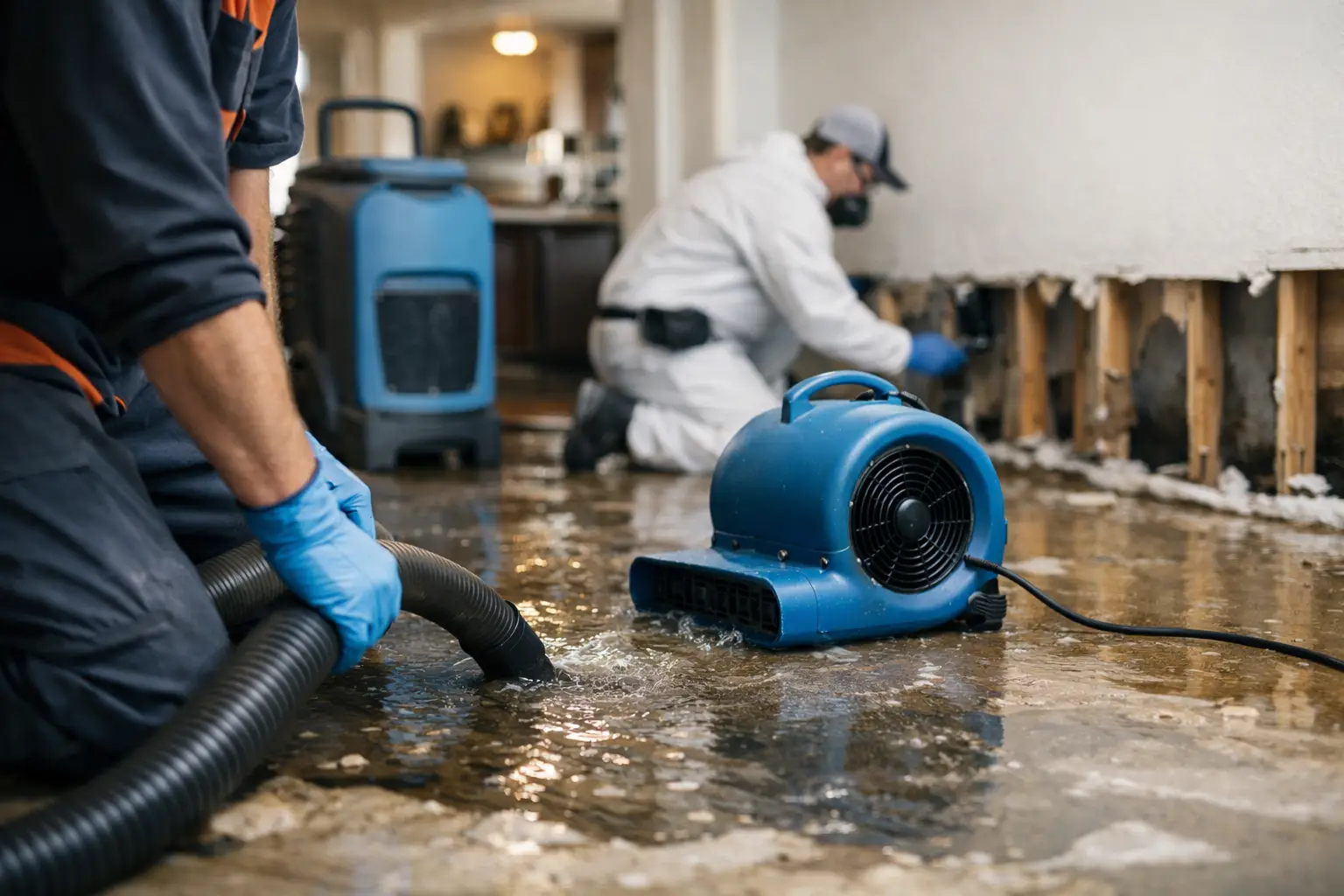 Water Damage
Extraction, structural drying, and moisture mapping after floods, leaks, and burst pipes.
Get help now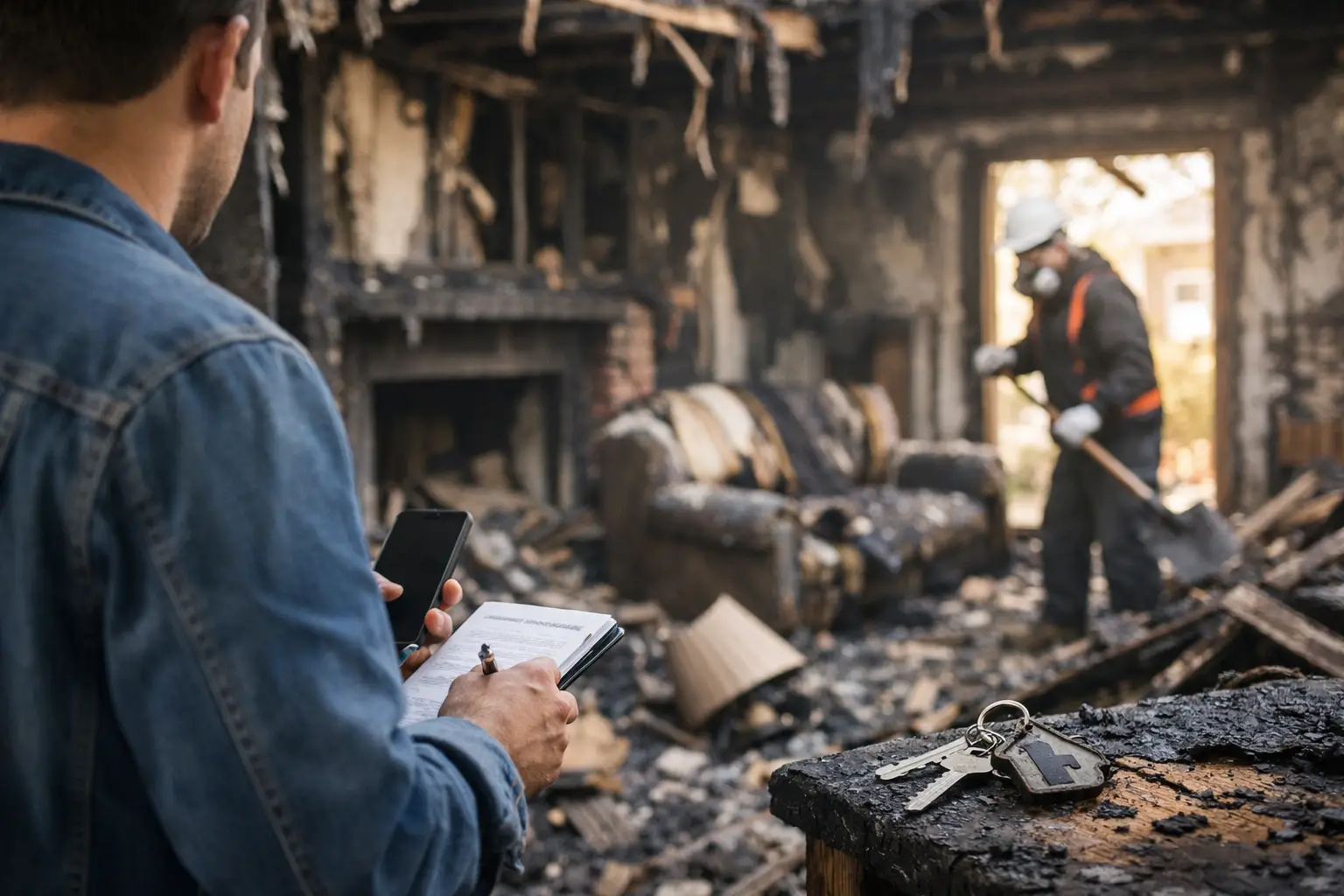 Fire & Smoke
Soot removal, odor deodorization, and content cleaning after fire and smoke damage.
Learn more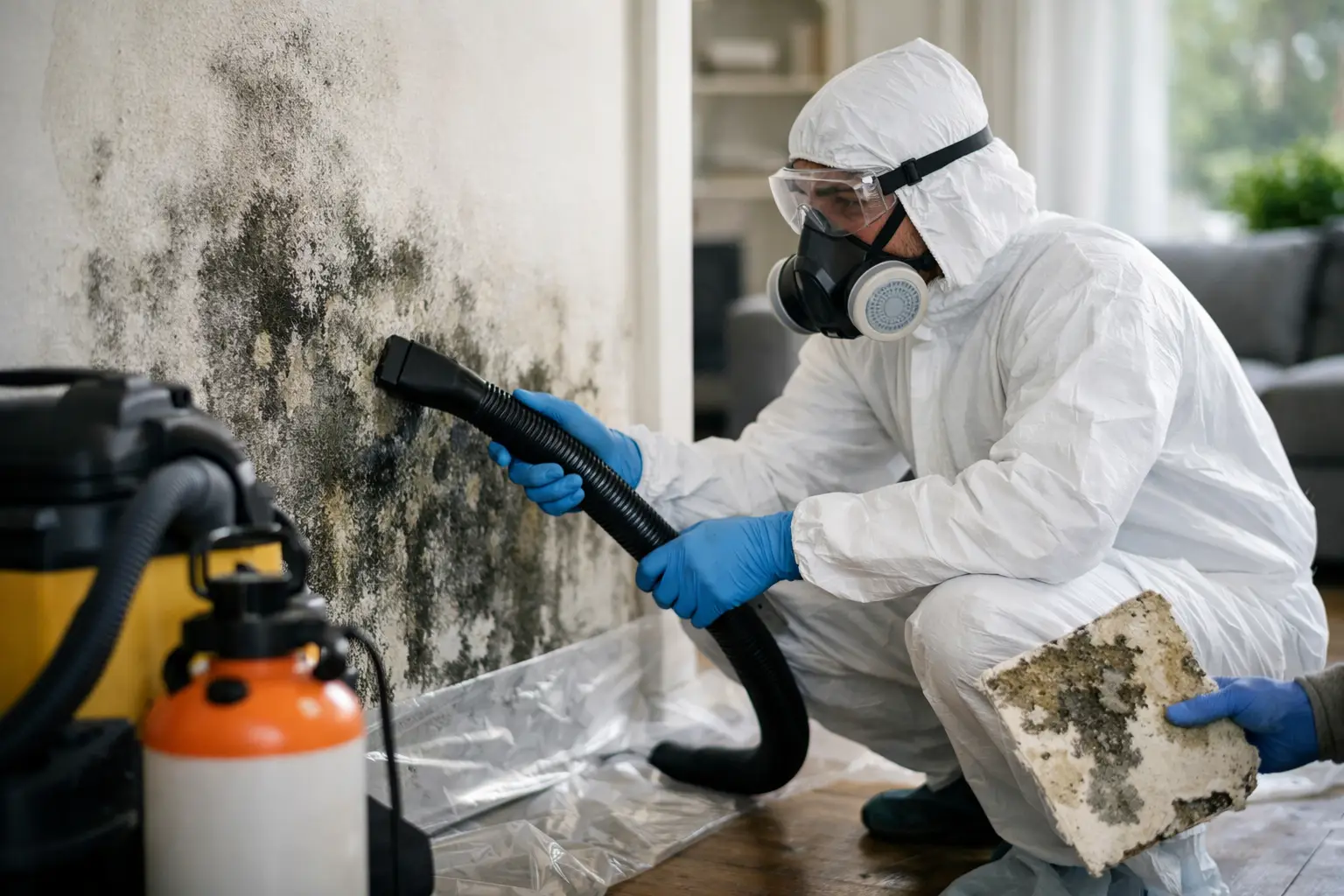 Mold
MoldContainment, removal, and moisture control that stops mold from coming back.
Learn more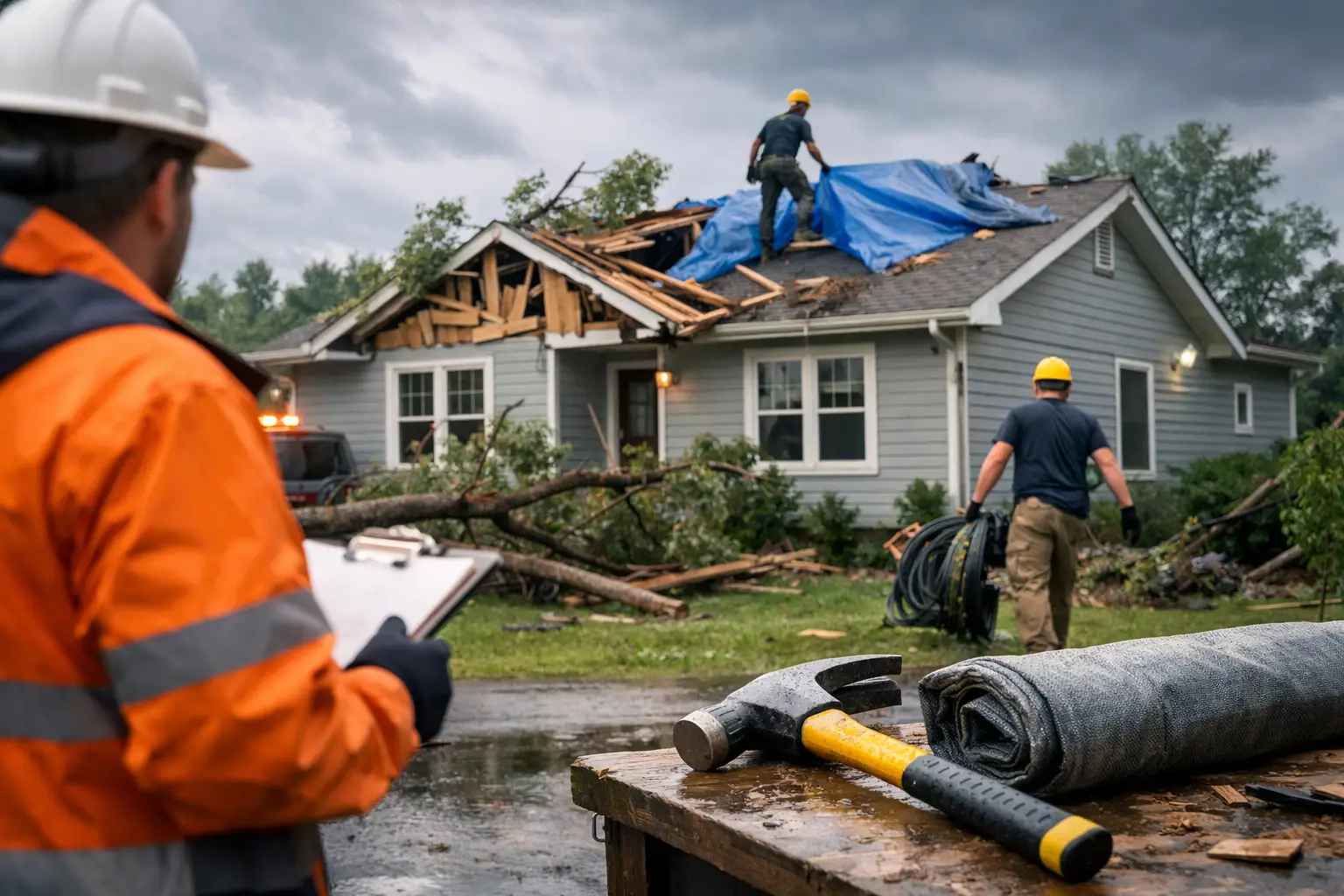 Storm
StormEmergency board-up, roof tarping, and full recovery after wind, hail, and storms.
Learn more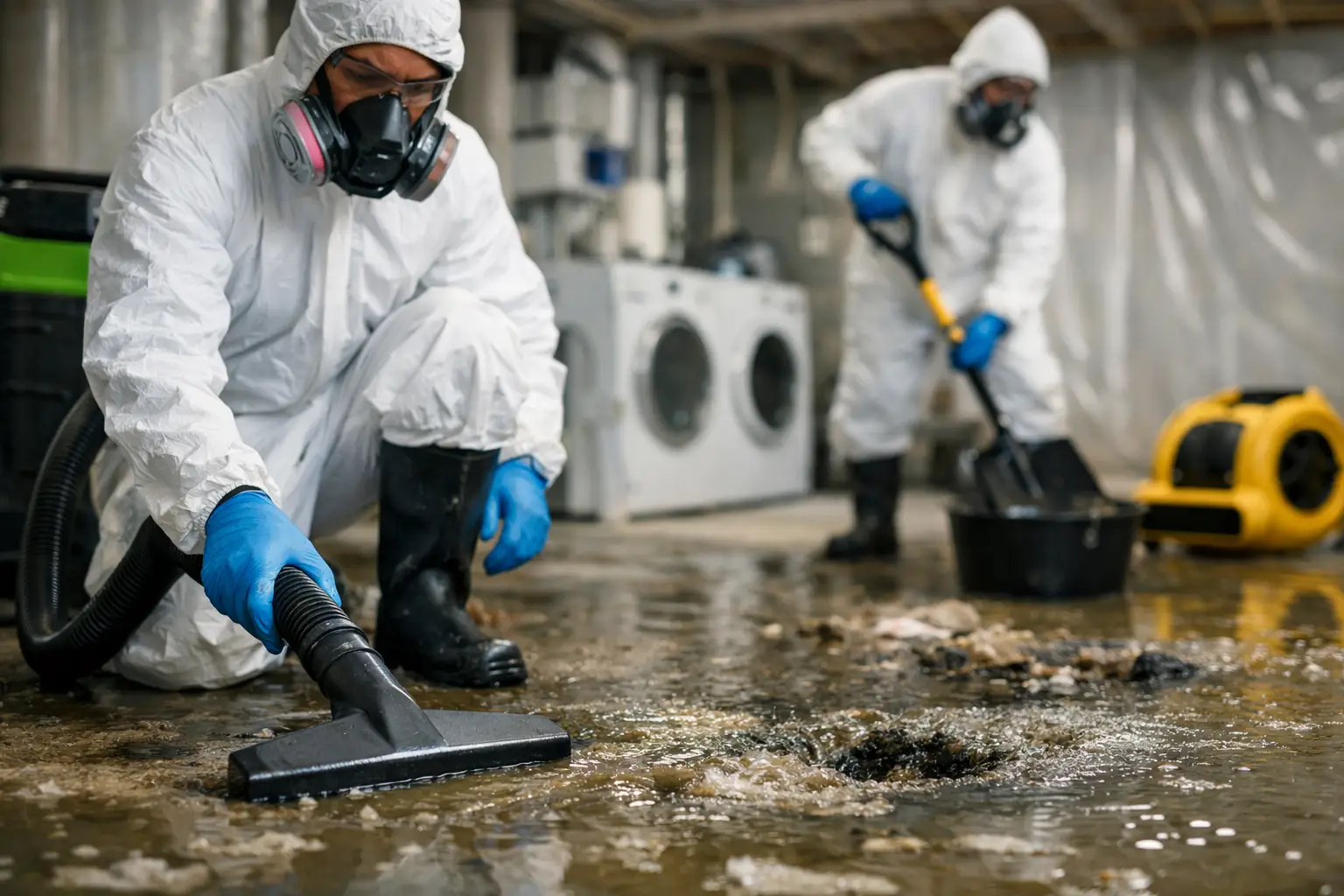 Sewage
Safe biohazard cleanup and sanitizing after sewage backups and overflows.
Learn more Reconstruction
Full rebuild by a licensed general contractor, so your property comes back whole.
Learn moreElevated Operations is an IICRC-certified, licensed general contractor based in Mableton that handles the entire recovery in-house, so after one loss you are never coordinating a cleanup crew, a mold crew, and a contractor separately. One team, one point of contact, from the first pump-out to the final coat of paint.
People call when the property feels like a disaster. They leave reviews because Chris and the crew made it right. These are real, verified Google reviews.
I start by identifying the water source, then I remove standing water, protect what can be saved, and dry the structure before damage spreads. In homes near Marietta’s Square, I pay extra attention to plaster, older trim, and any moisture that can hide behind finished surfaces. Historic materials need a steadier hand and a stricter drying plan.
Then I treat the problem as recurring water intrusion, not a one-time mess. I still begin with basement water removal and drying, but I also look for the path the water is using. If runoff keeps finding the same weak spot, the cleanup has to account for that pattern every time.
Sometimes, but not always. I look at how long it sat wet, whether the water was clean or contaminated, and whether the padding stayed soaked. Wet carpet removal becomes necessary when contamination or deep saturation makes drying unreliable. If mold prevention is the goal, timing matters more than wishful thinking.
Yes. Historic Square plaster can absorb moisture and hold it where you cannot see it right away. I take that seriously because trapped moisture can lead to staining, cracking, or hidden damage. The cleanup needs inspection, measured basement drying, and a refusal to assume the wall is fine just because it still looks intact.
Right away. I offer 24/7 emergency response, and that matters because delay gives water time to spread into flooring, drywall, and framing. The sooner I start flood water extraction and drying, the better chance you have of limiting damage and avoiding a bigger mold issue later.
Treat it like sewage backup cleanup until proven otherwise. Smell alone is enough reason to keep people out and call for help. I separate contamination from ordinary storm water because the cleanup steps, disposal, and safety precautions are different. That is not an area for improvisation.
Often, the claim process is part of the job. I offer direct insurance billing, and I can help with deductible assistance up to $1,000 when eligible. I also document the work carefully so the file matches what was actually done in the basement, not a rough guess.
Because I have been in restoration since 2007, I am a licensed general contractor, and my IICRC-certified technicians know how to treat basement water removal as a real loss, not a cleanup chore. I back the work with a 12-month warranty and a 4.9-star Google rating from 73 reviews.
Elevated Operations dispatches IICRC-certified crews across Metro Atlanta from our Mableton base, with a 60-minute emergency response day or night. Choose your city:
Call now for an immediate response, or request your free inspection and get a certified crew on-site within the hour across Atlanta and nearby areas.