24/7 Emergency Restoration · Serving Metro AtlantaEmergency? (770) 404-6895
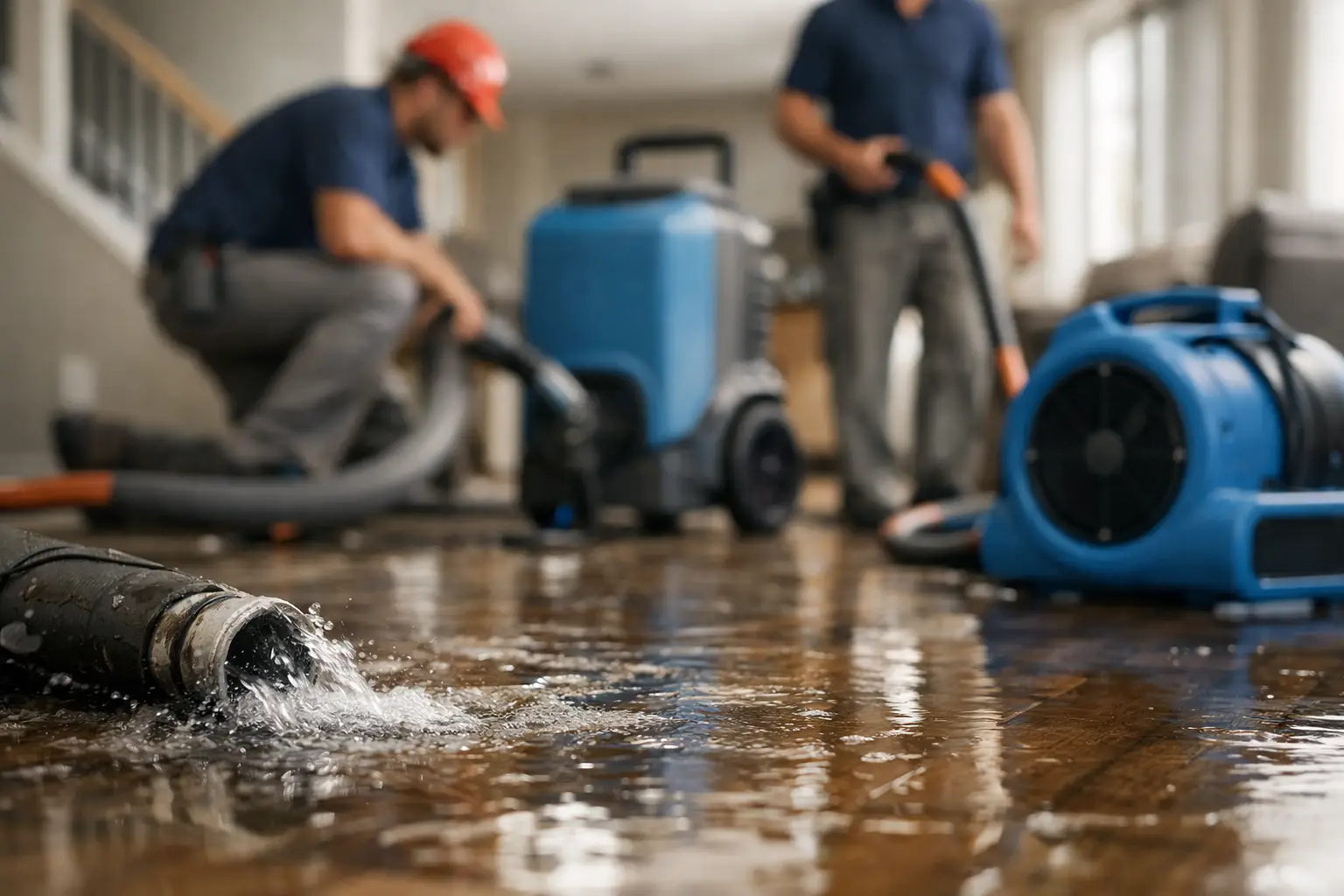
Water damage restoration Georgia means stopping the source, removing standing water, drying what soaked through, and checking for mold before it spreads. In Georgia's humid subtropical climate, especially across Cobb, Fulton, DeKalb, Douglas, Clayton, Henry, and Paulding counties, delays let hidden moisture linger in walls, floors, and insulation.
IICRC-Certified · 5-Star Rated · 60-Minute Response · Insurance Billed Directly
Yes, I serve Cobb, Fulton, DeKalb, Douglas, Clayton, Henry, and Paulding counties from my Mableton base.
Yes, my technicians are IICRC-certified, which matters when drying has to be measured and not guessed.
Yes, I provide 60-minute emergency response 24/7 for active water losses.
I back my work with a 12-month warranty.
Water damage restoration is the process of drying, cleaning, and repairing a property after water intrusion. In Georgia, I treat it as both a moisture-control job and a building-science job, because our humidity and red clay soil can keep materials wet longer than people expect.
It starts with stopping the water, whether that means a burst supply line, a roof leak, storm intrusion, or a failed appliance. Then I look at what materials got wet, because drywall, baseboards, wood framing, carpet pad, and insulation all react differently and dry at different speeds.
Across metro Atlanta, water can travel far from the visible stain. A ceiling spot in Fulton may mean wet framing above it, and a wet crawlspace in Douglas can feed humidity into the whole house. That is why I do not judge a job by the surface alone.
I have been in restoration since 2007, and I have seen the same pattern in Cobb, Clayton, and Paulding again and again. People notice the puddle first. The real problem is the trapped moisture that keeps working after the water is gone.
Georgia water damage happens because we get heavy rain, high humidity, aging plumbing, and soil that holds water around the structure. Red clay does not drain like sand, so slab homes, crawlspaces, and basements across metro Atlanta often stay wet longer after a leak or storm.
Our humid subtropical climate means moisture is already in the air before any leak happens. That matters. Once water gets into a wall cavity or subfloor, the surrounding air slows evaporation. In DeKalb and Fulton, that can turn a small leak into a much larger drying problem.
Red clay soil is another part of the story. It sheds water slowly and can push runoff toward foundations. In Henry and Clayton counties, I see how soil and grading affect crawlspaces, garages, and lower-level rooms. Water follows the path of least resistance, and Georgia lots often give it one.
Metro Atlanta housing stock adds another layer. Older homes can have aging supply lines, older drains, and crawlspaces that breathe moisture in and out. Newer homes are not immune either. A modern build in Cobb can still have a roof leak, a failed water heater, or a supply line issue that spreads fast.
The most common problems are burst pipes, appliance leaks, roof leaks, sewer backups, overflowing tubs or sinks, and storm-related intrusion. I also see crawlspace moisture and slab-edge seepage in Georgia homes, especially where humidity, grading, and drainage work against the structure.
Burst pipes are obvious when they happen, but slow leaks are usually worse. A supply line under a sink or behind a refrigerator can drip for weeks before anyone notices. By then, cabinetry, flooring, and subflooring may already be affected, even if the room still looks usable.
Storms and roof failures are common after heavy Georgia rain. A single lifted shingle, a clogged gutter, or flashing failure can let water enter an attic and then run down wall cavities. That is why ceiling stains in Fulton or DeKalb often point to a larger hidden path.
Crawlspace moisture is a real Georgia issue. In Paudling, Douglas, and parts of Cobb, I see humid air and ground moisture working together under homes. That can lead to musty odors, warped wood, and conditions that favor mold if the space is not dried and monitored correctly.
Water can weaken structural materials, stain finishes, swell wood, and damage insulation, flooring, and contents. If moisture remains, mold can begin in 24 to 48 hours, so what looks like a small leak can turn into a larger indoor air and building problem very quickly.
Drywall absorbs water and loses strength. Wood swells, then can twist or cup. Carpet may look salvageable on top while the pad below stays wet. I have seen homeowners in Fulton and Cobb focus on the visible surface and miss the parts inside the wall that keep the problem alive.
Water also affects air quality. Once materials stay damp, odors develop and microbial growth can follow. That is why I treat water damage as a whole-structure issue, not a single-room issue. The smell in the hallway can come from moisture trapped in another room or below the floor.
Contents matter too. Furniture, clothing, documents, and stored items can absorb contamination from clean water, gray water, or sewer backup. And if a property has already been exposed to repeated moisture, the repair plan changes. Repeated wetting usually means deeper material replacement, not just drying.
Professional water damage restoration usually follows a clear order, inspect, stop the source, extract water, dry the structure, monitor moisture, clean affected materials, and repair what cannot be saved. IICRC-certified technicians use that process because guesswork leaves moisture behind.
I start with inspection and moisture mapping. The goal is to find where the water traveled, not just where it pooled. That includes walls, flooring, ceilings, crawlspaces, and hidden cavities. In Georgia homes, especially those with mixed construction and humid conditions, this step matters more than most people realize.
Next comes extraction and drying. Standing water has to go, then air movement and dehumidification help pull moisture from structural materials. The equipment setup depends on what got wet and how far the water spread. A wet basement in Clayton does not dry the same way as a kitchen leak in Henry.
Then I verify progress with repeated checks. Drying is not a guess, it is a measured process. If materials are not drying correctly, I adjust. After that, cleaning and repairs begin, and when insurance is involved, I offer direct insurance billing and deductible assistance up to $1,000 if the claim qualifies.
You usually need a licensed general contractor when water has damaged structural materials, finished surfaces, or multiple building systems. If the damage is limited and the source is stopped quickly, cleanup may be enough, but Georgia homes often need both drying and repair coordination.
If water reached drywall, flooring, trim, cabinets, or framing, cleanup alone usually is not enough. Those materials may need removal, drying, or reconstruction. I am a licensed general contractor, so I can handle both restoration and repair without handing the job off to someone else in the middle.
That matters in metro Atlanta, where a leak can affect more than one system at once. A roof issue can mean attic insulation, ceiling drywall, paint, and electrical concerns. A plumbing leak can mean subflooring, tile, baseboards, and cabinet boxes. Water does not respect trades.
I also like to be direct about timing. If the source is still active, fix that first. If the room smells musty, feels damp, or has visible staining, do not assume it is drying on its own. In humid Georgia air, wet materials often hold on longer than people expect.
A small ceiling mark in Fulton or DeKalb can hide damp insulation, framing, and wall cavities. I look beyond the visible spot because water often spreads in paths homeowners never see.
Our humid subtropical climate keeps moisture in the air, so wet materials dry more slowly than they would in a drier state. That is why monitoring matters, not just setting equipment and walking away.
Clay soil holds water and can push runoff toward foundations. In Cobb, Douglas, Henry, and Paulding, poor grading or drainage can make crawlspaces and lower-level rooms harder to protect after heavy rain.
If materials stay wet, mold can begin in 24 to 48 hours. That is why I treat water damage as a race against time, not a cleanup you can postpone until the weekend.
Drying without repair leaves damaged materials in place, and repair without drying locks moisture into the structure. Good restoration has to do both, especially in older metro Atlanta homes with hidden cavities and mixed materials.
From emergency mitigation to full reconstruction, handled in-house so you are never managing a chain of subcontractors mid-crisis.
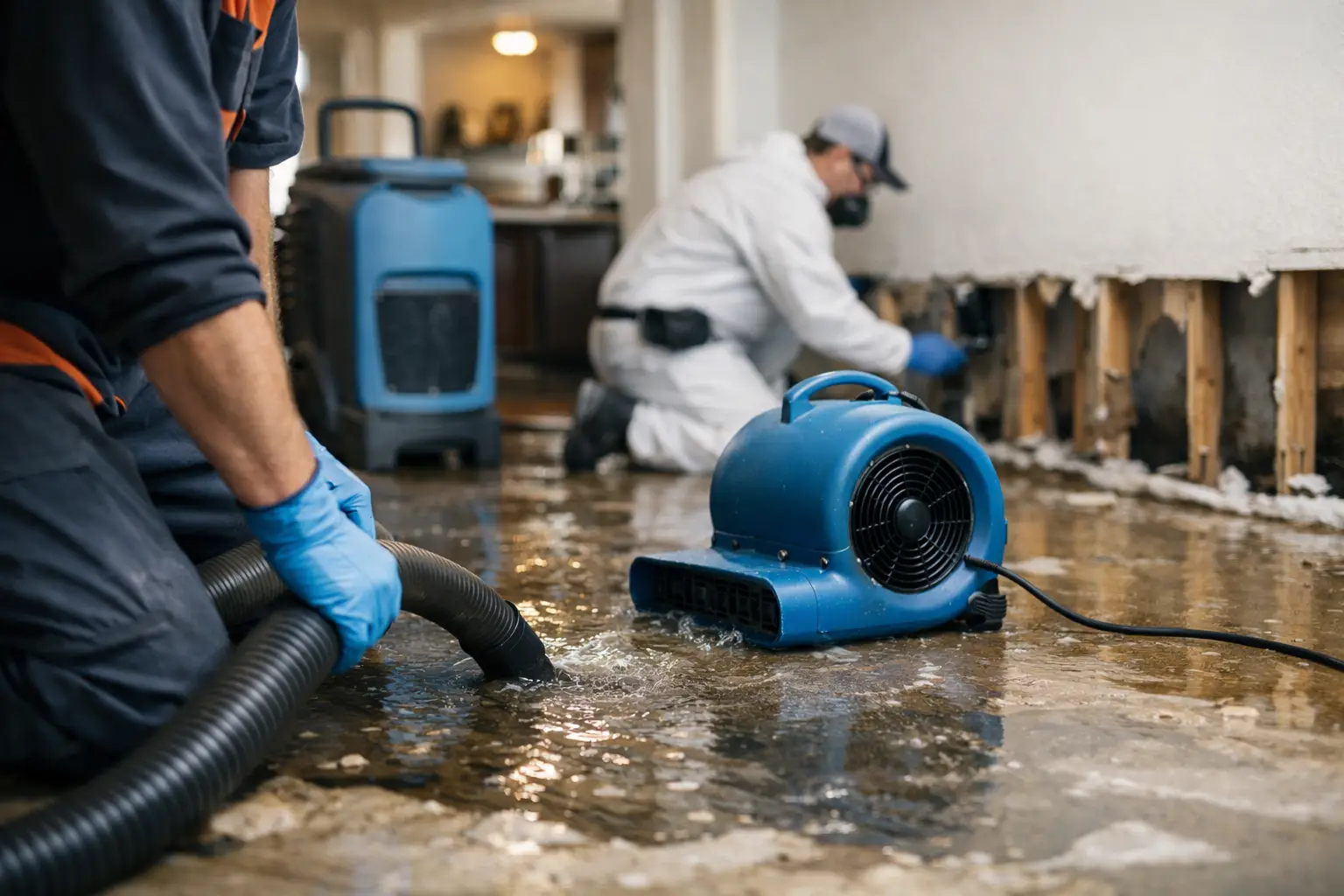 Water Damage
Extraction, structural drying, and moisture mapping after floods, leaks, and burst pipes.
Get help now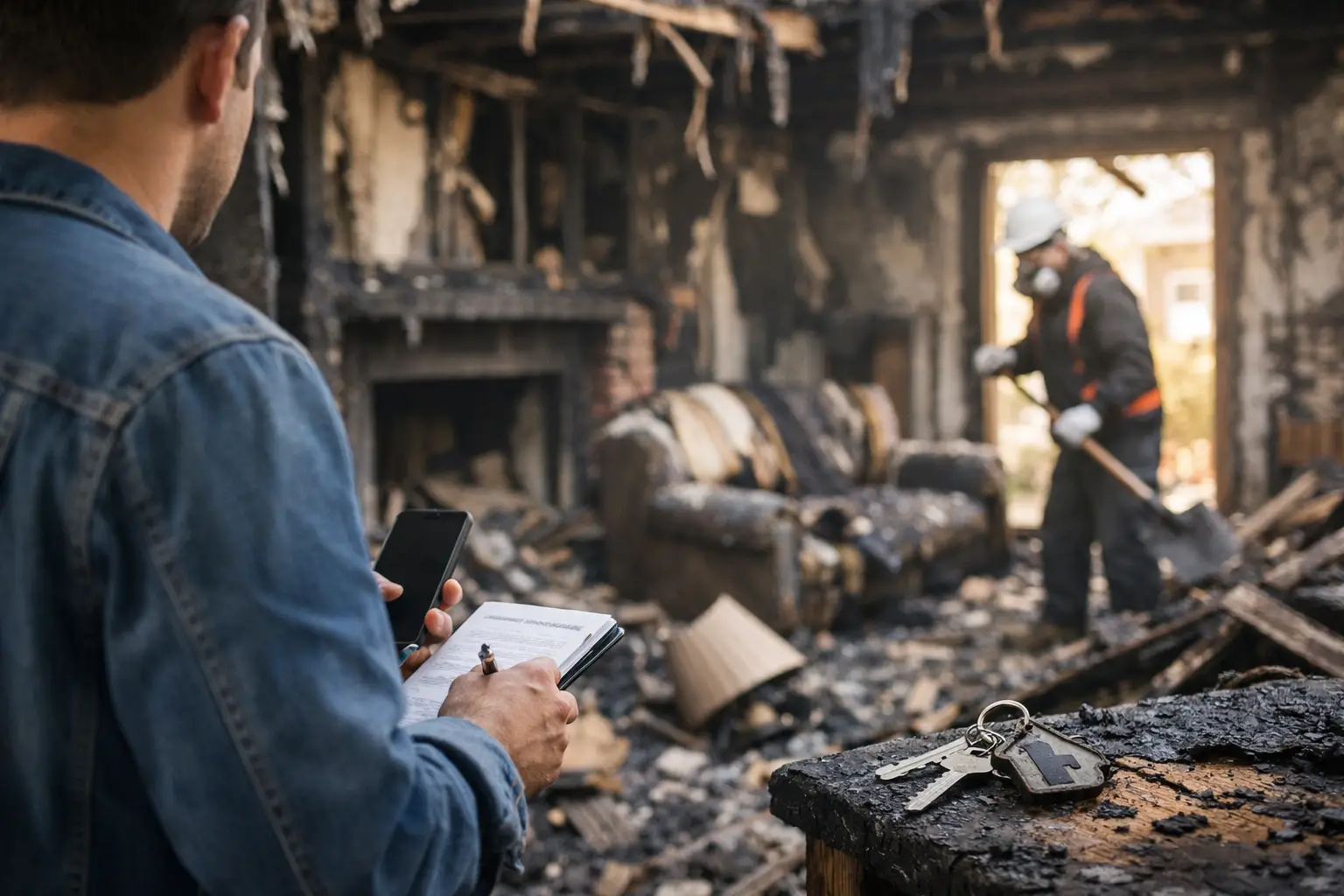 Fire & Smoke
Soot removal, odor deodorization, and content cleaning after fire and smoke damage.
Learn more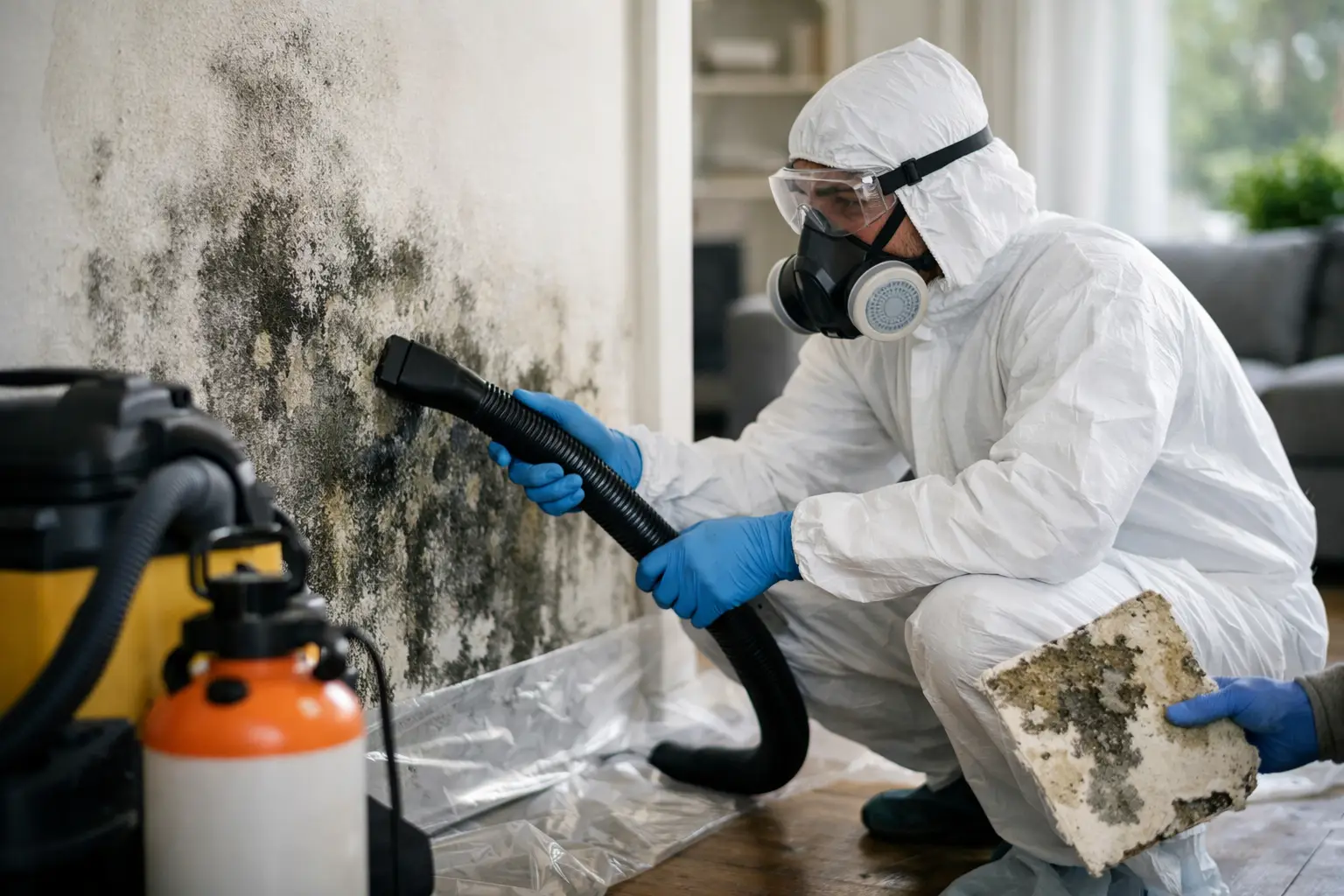 Mold
MoldContainment, removal, and moisture control that stops mold from coming back.
Learn more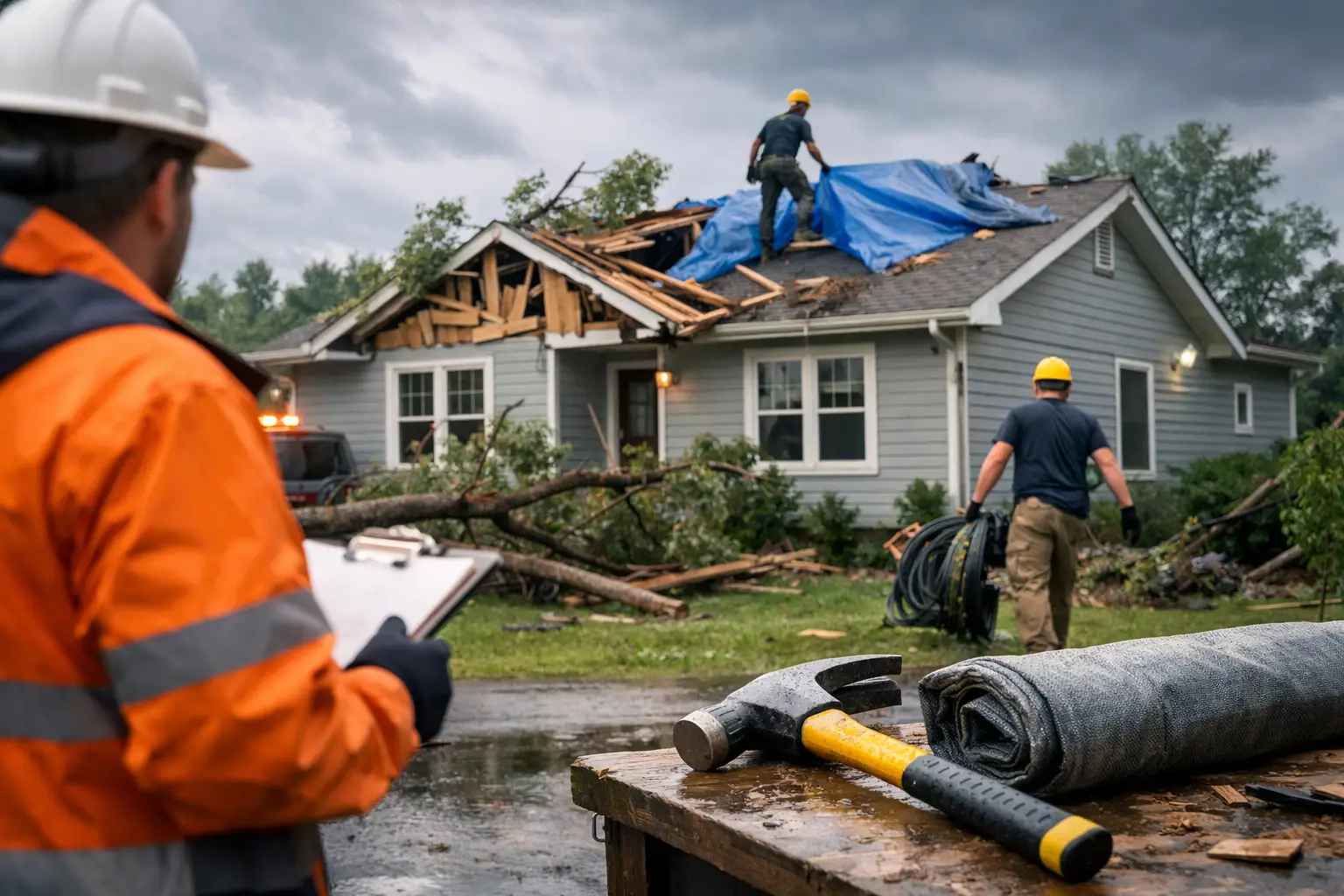 Storm
StormEmergency board-up, roof tarping, and full recovery after wind, hail, and storms.
Learn more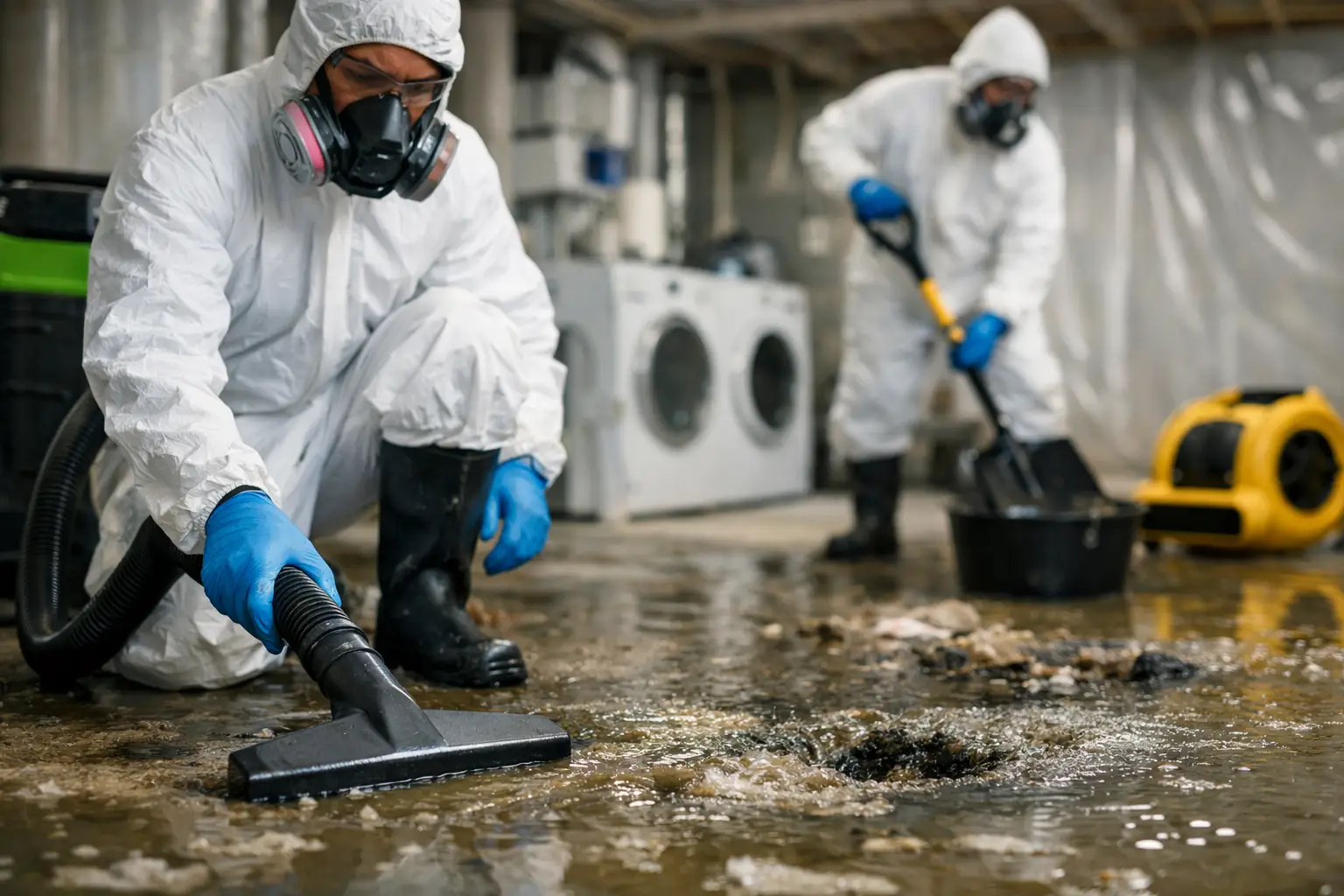 Sewage
Safe biohazard cleanup and sanitizing after sewage backups and overflows.
Learn more Reconstruction
Full rebuild by a licensed general contractor, so your property comes back whole.
Learn moreElevated Operations is an IICRC-certified, licensed general contractor based in Mableton that handles the entire recovery in-house, so after one loss you are never coordinating a cleanup crew, a mold crew, and a contractor separately. One team, one point of contact, from the first pump-out to the final coat of paint.
People call when the property feels like a disaster. They leave reviews because Chris and the crew made it right. These are real, verified Google reviews.
A crawlspace job usually means moisture control below the home, then drying the framing and subfloor from underneath and above. A kitchen leak often involves cabinets, flooring, and wall cavities. In both cases, I look for hidden moisture because Georgia humidity and red clay can keep materials wet longer than the surface suggests.
Because the surface dries first. Water can remain in pad, subfloor, baseboards, and wall cavities after the top layer feels fine. In Cobb and DeKalb, humid air slows evaporation, so what looks repaired can still be wet inside the structure unless it is checked with proper moisture readings.
Shut off the water if you can do it safely, then call for help fast. Move away valuables, and avoid ripping out materials before the source is controlled. The first hours matter in Henry County just like anywhere else in metro Atlanta, because standing water and trapped moisture get worse quickly.
Not always, but the process still has to start with source control and drying. Roof leaks are often cleaner than floodwater, yet they can still damage insulation, drywall, and framing. If contamination is involved, the cleanup changes. The key is to identify what kind of water entered the home.
Yes, indirectly. Red clay holds water and affects drainage around the foundation. When runoff sits near the house, it can increase crawlspace moisture, seep through slab edges, or drive water toward lower areas. That does not mean clay causes every leak, but it absolutely shapes how water behaves around a home.
Immediately after the source is stopped. In Georgia, waiting even a short time can matter because the air is already humid and materials do not release moisture quickly. If walls, flooring, or insulation were affected, moisture should be verified again during drying until the readings show the structure is actually dry.
It means I can bill the insurance company directly for covered restoration work instead of making the homeowner manage every step of the payment flow. That does not change the claim decision, but it can simplify the process when a water loss affects a home in Fulton, Cobb, or another county I serve.
Because Georgia gives mold exactly what it wants, moisture and warmth. Once materials stay wet, growth can begin in 24 to 48 hours. That is why I do not separate water cleanup from mold awareness. If a home in DeKalb or Douglas stayed wet, I want it assessed fast.
Elevated Operations dispatches IICRC-certified crews across Metro Atlanta from our Mableton base, with a 60-minute emergency response day or night. Choose your city:
Call now for an immediate response, or request your free inspection and get a certified crew on-site within the hour across Atlanta and nearby areas.