24/7 Emergency Restoration · Serving Metro AtlantaEmergency? (770) 404-6895
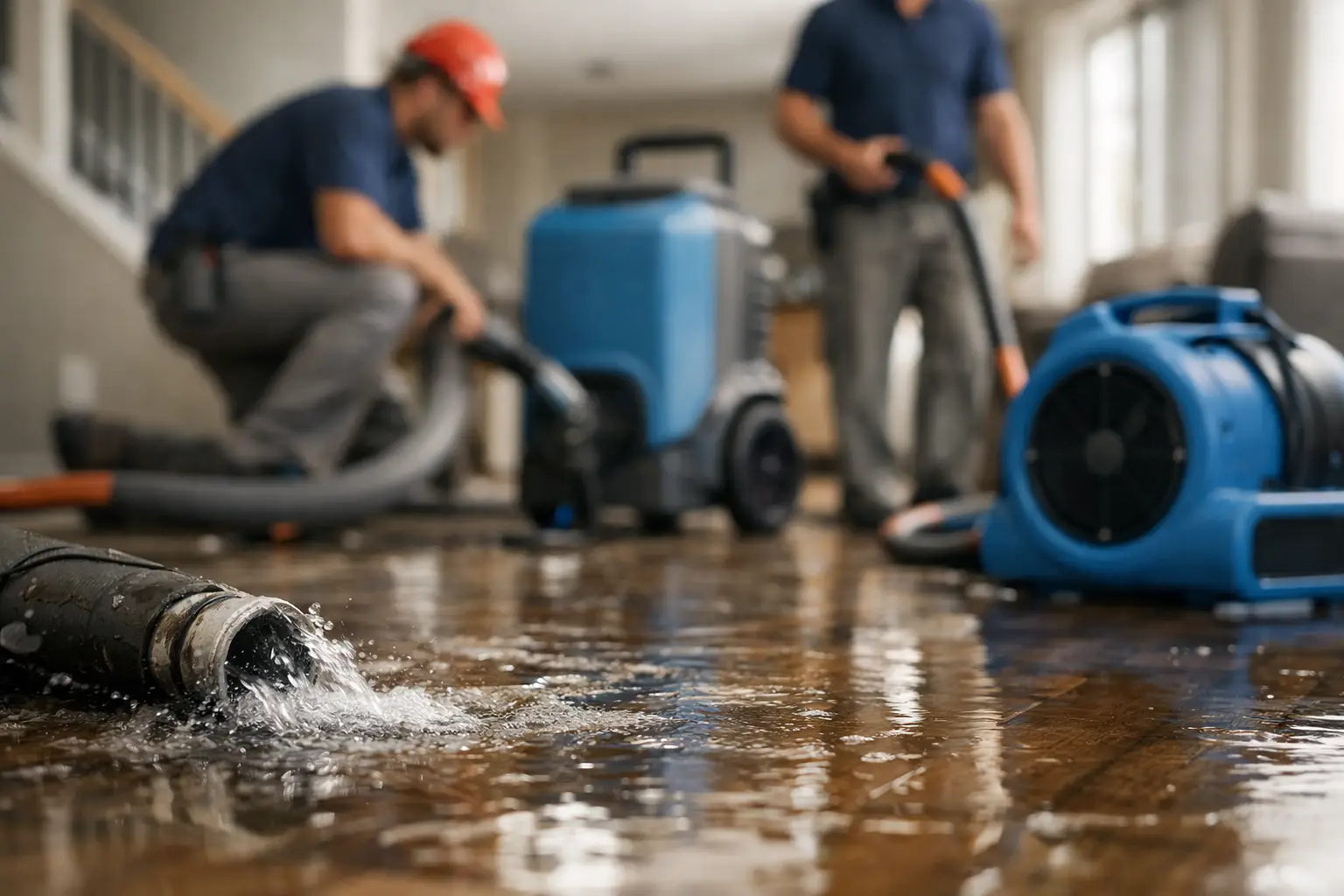
Water mitigation services Douglasville means I move fast to stop the spread, extract standing water, and start structural drying before damage gets into walls, trim, and floors. I’m Chris Kwangwari, owner of Elevated Operations, LLLP, and I run these jobs with IICRC-certified technicians, direct insurance billing, and a 12-month warranty.
IICRC-Certified · 5-Star Rated · 60-Minute Response · Insurance Billed Directly
Call me at (770) 404-6895. I respond 24/7, and I keep the first step simple: stop the spread, extract water, and start drying.
I check for it on purpose. Water under flooring, behind trim, and inside wall cavities is where losses get expensive, so I verify with moisture readings.
I do direct insurance billing and handle the mitigation paperwork with a clean, documented process. That keeps the file moving and the job organized.
I’m Chris Kwangwari, owner of Elevated Operations, LLLP, and I back the work with a 12-month warranty. I do not separate the mitigation from the outcome.
Water mitigation services include stopping further damage, water extraction, containment, dehumidification, drying equipment setup, and moisture control. In Douglasville, I also look closely at builder-grade materials near the I-20 corridor, because those assemblies can spread water fast if you wait.
Step one is always the same: identify the source, stop it if possible, and protect the area. If a supply line failed in a home off Thornton Road or near Chapel Hill, I want the water contained before it tracks under laminate or into baseboards.
Next comes extraction. Standing water has to come out, then the wet surfaces get mapped with moisture readings so I know where the hidden damage is. That is where loss mitigation starts, not after the room smells damp or the trim starts to swell.
Then I set the drying plan. I use drying equipment, controlled airflow, and dehumidification to pull moisture out of framing, subfloor, and finishes. In Douglasville, especially in subdivisions built fast near I-20, that early structure drying matters more than cosmetic cleanup.
Water mitigation should start immediately, because moisture spreads fast and mold can start in 24 to 48 hours. In Douglasville, I treat any delay like a bigger loss, especially in homes with builder-grade materials that absorb water quickly and hide it well.
I do not wait for the ceiling stain to get worse. If water is on the floor or wicking into walls, the clock is already running. Call me as soon as you see it, and I’ll walk you through the first steps while we dispatch.
Homes around Douglasville often have modern finishes that look fine on the surface but trap moisture underneath. That is why immediate water mitigation services matter more than a bucket and a fan. The visible water is only part of the problem.
I’ve been in restoration since 2007, and one thing never changes: faster response means less demolition. My team offers 60-minute emergency response 24/7, and that speed matters when the wet area is near a kitchen, laundry, or any wall assembly tied into the Dog River side of town.
During water mitigation, I inspect the damage, document the loss, remove standing water, set containment when needed, and start structural drying. Then I monitor moisture control until the affected materials stop holding excess water and the space is stable again.
I start with a direct look at what failed and where the water moved. That may mean checking under cabinets, behind trim, or into adjacent rooms. In Douglasville homes built quickly near I-20, water can travel farther than people expect before they notice it.
After that, my technicians place the right drying equipment and control airflow so the structure dries evenly. If a wall cavity, hallway, or laundry room is involved, containment helps separate wet work from clean areas and keeps the project organized.
Then I keep checking the numbers. Moisture control is not guesswork. I want to know what is drying, what is still wet, and whether materials can stay in place. That’s how I keep the job tight, efficient, and honest.
No, water mitigation is the immediate damage-control phase, while water restoration is the repair and rebuild phase after drying is complete. I handle mitigation first so the property is stable, then I can move into repairs with a licensed general contractor when needed.
Mitigation means stopping the spread, extracting water, and drying the structure. Restoration means putting things back after the loss is controlled. People mix them up, but they are not the same job, and they should not be treated like they are.
That difference matters in Douglasville because a lot of homes near the I-20 corridor were built fast and finished with standard materials. If you jump straight to cosmetic repair before the moisture is out, the problem comes right back through paint, flooring, or trim.
I’m a licensed general contractor, so I can help guide both phases when the project calls for it. But I never rush past mitigation. If the structure is still wet, repair is premature and expensive.
Start by shutting off the source, protecting the room, and calling me right away. In I-20 subdivisions around Douglasville, builder-grade materials can move water quickly, so fast extraction and targeted drying matter more than waiting to see how bad it gets.
If the leak is active, kill the water supply if you can do it safely. Then move what you can from the affected area, but do not start tearing into walls or pulling flooring unless I tell you to. That can make the loss harder to document.
Many Douglasville subdivisions near I-20 have similar layouts, which means water can travel from a kitchen into a hall bath or from a laundry room into a nearby closet before anyone notices. I look for that spread pattern right away.
I keep the process simple. I document, extract, dry, and monitor. That is the right sequence for a subdivision home with builder-grade finishes, because the materials may hide moisture long after the surface looks dry.
The Dog River area needs fast moisture control because standing water and damp materials can keep feeding damage if they sit too long. I focus on quick water extraction and dehumidification so the loss does not spread through framing, flooring, and adjacent rooms.
Water near the Dog River reservoir area can be deceptive. Even when the visible spill looks small, moisture can move into base plates, under flooring, and through wall cavities. That is why I check the full affected area, not just the puddle.
In this part of Douglasville, I also pay attention to how the home was built. Builder-grade materials do not give you much time. Once they take on water, drying equipment and containment need to go in fast and get the job done right.
Moisture control is the difference between a controlled dry-out and a bigger demolition. I keep my focus on the structure, not just the surface, because hidden dampness near trim, cabinets, and subfloor is what causes the next call.
Call (770) 404-6895 and tell me where the water is, whether it is still coming in, and whether the loss is in a Douglasville subdivision near I-20 or closer to the Dog River area.
My team responds 24/7 with a 60-minute emergency response, then we head straight to the property with the equipment needed for extraction, drying, and moisture control.
I inspect the source, map visible and hidden moisture, and document the loss for the claim file so the mitigation plan starts with facts, not guesses.
We remove standing water, protect unaffected areas with containment when needed, and start the drying setup before the damage has time to spread into the structure.
We place drying equipment, manage dehumidification, and track the dry-out until the materials are stable and the moisture readings support next-step repairs.
I offer direct insurance billing and deductible assistance up to $1,000, then I back the mitigation work with a 12-month warranty.
From emergency mitigation to full reconstruction, handled in-house so you are never managing a chain of subcontractors mid-crisis.
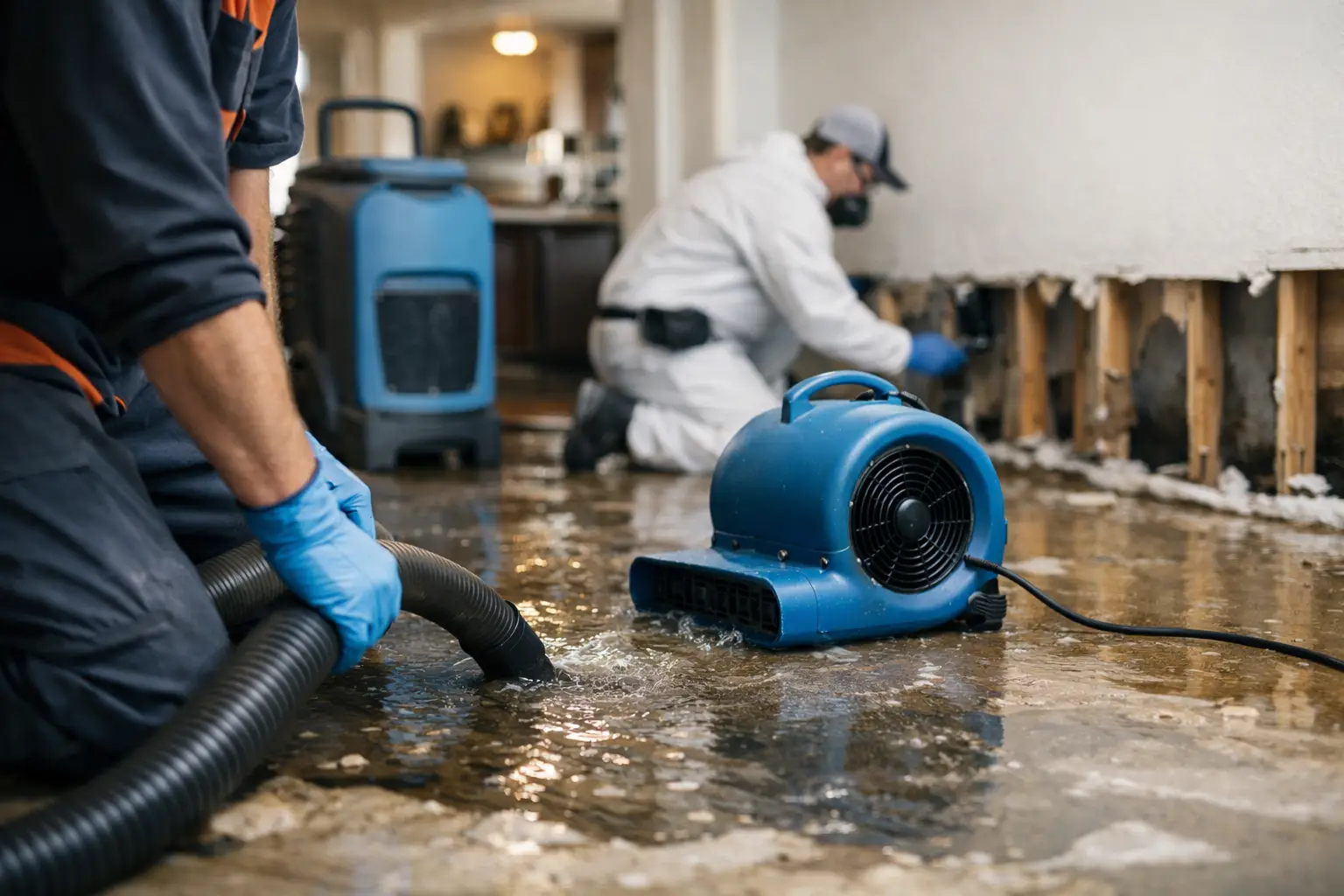 Water Damage
Extraction, structural drying, and moisture mapping after floods, leaks, and burst pipes.
Get help now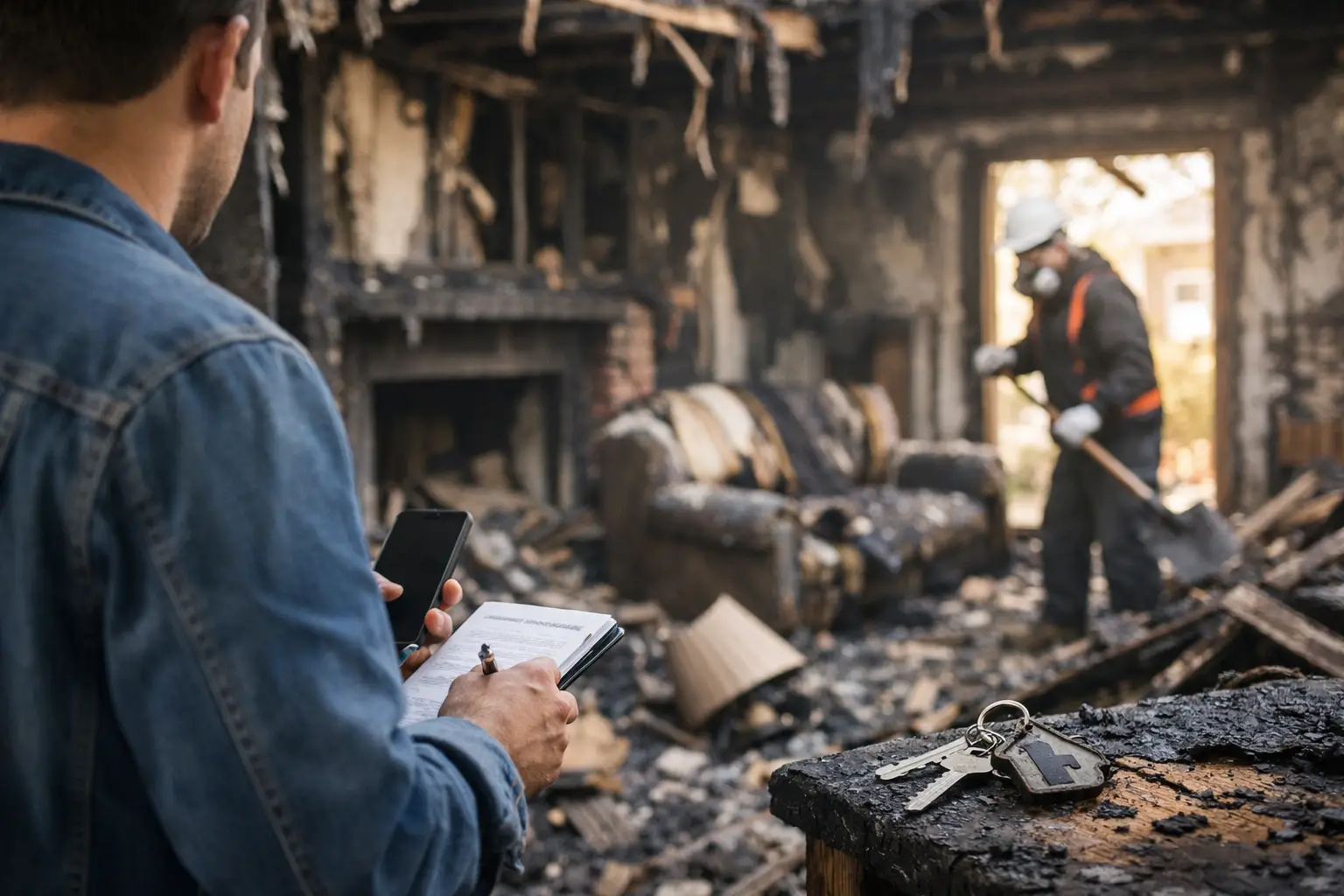 Fire & Smoke
Soot removal, odor deodorization, and content cleaning after fire and smoke damage.
Learn more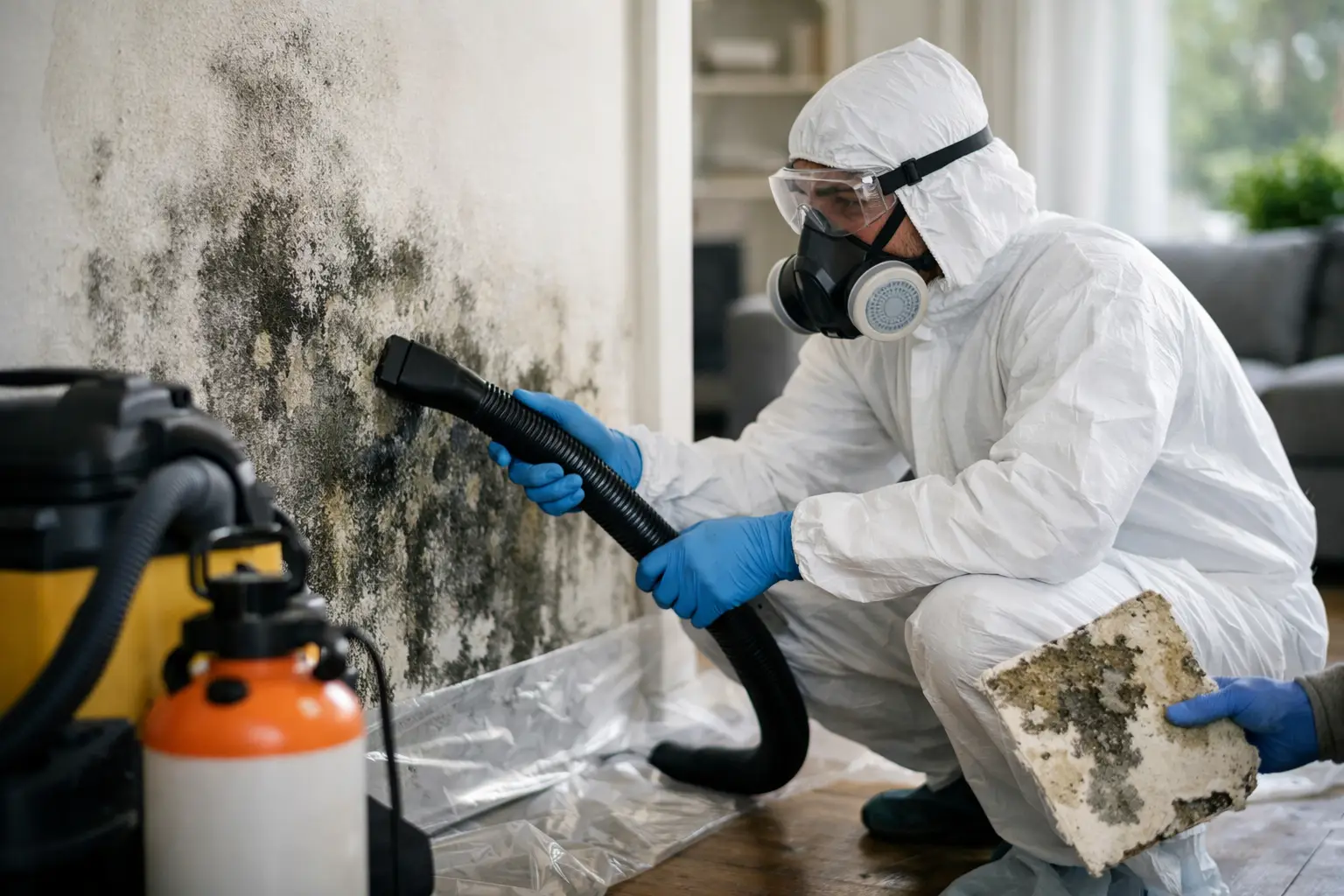 Mold
MoldContainment, removal, and moisture control that stops mold from coming back.
Learn more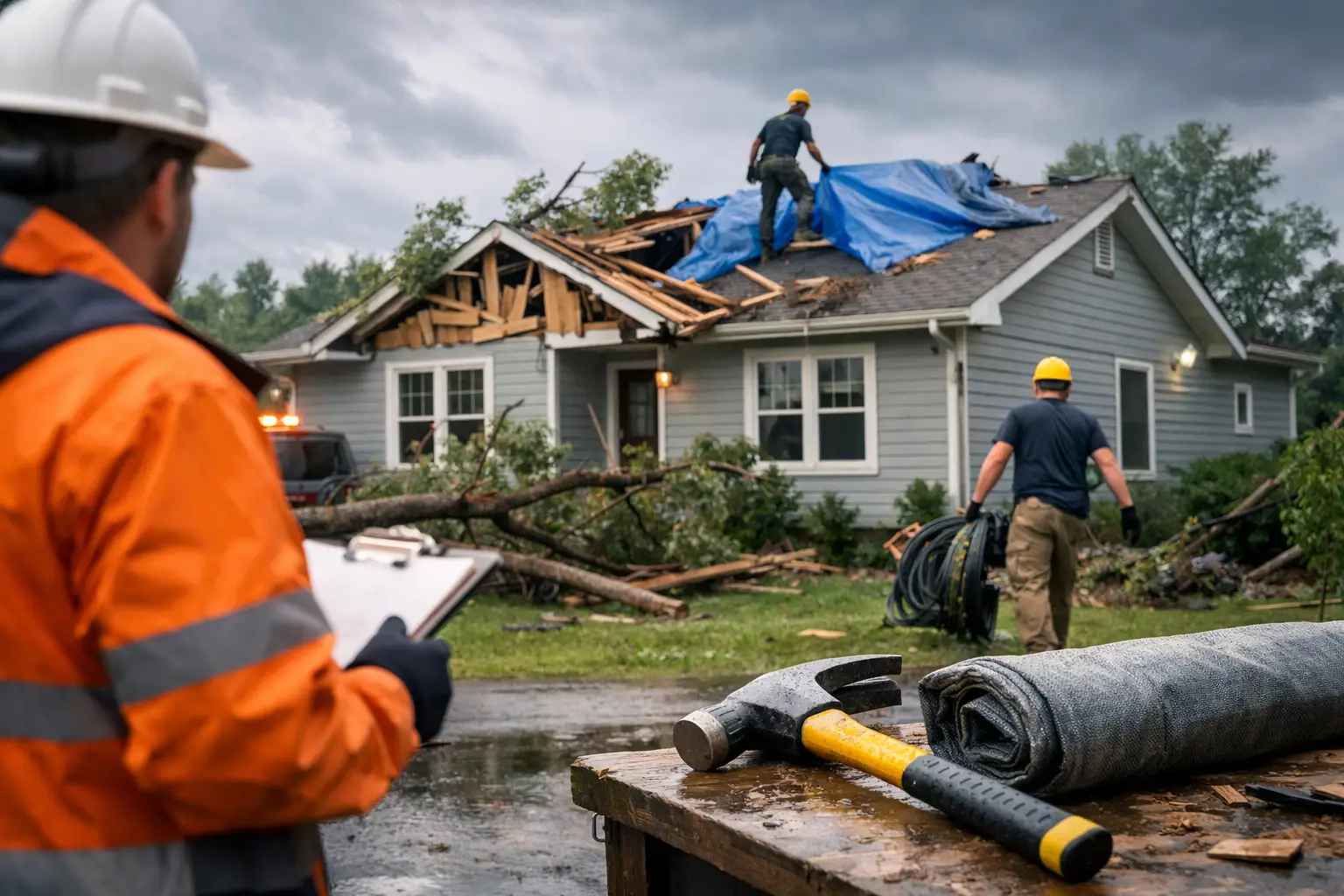 Storm
StormEmergency board-up, roof tarping, and full recovery after wind, hail, and storms.
Learn more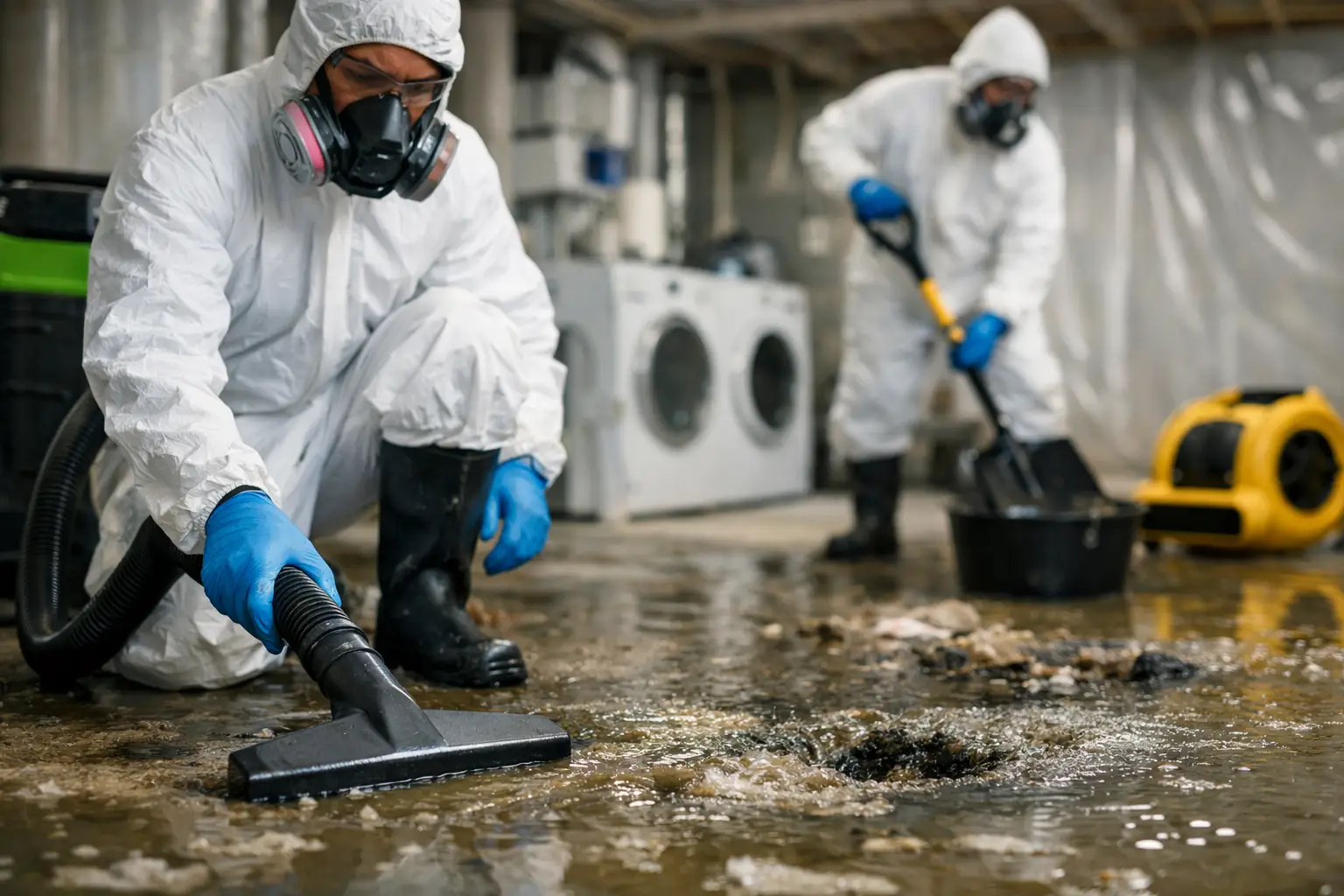 Sewage
Safe biohazard cleanup and sanitizing after sewage backups and overflows.
Learn more Reconstruction
Full rebuild by a licensed general contractor, so your property comes back whole.
Learn moreElevated Operations is an IICRC-certified, licensed general contractor based in Mableton that handles the entire recovery in-house, so after one loss you are never coordinating a cleanup crew, a mold crew, and a contractor separately. One team, one point of contact, from the first pump-out to the final coat of paint.
People call when the property feels like a disaster. They leave reviews because Chris and the crew made it right. These are real, verified Google reviews.
Yes. I handle water mitigation services across Douglasville, including homes near the I-20 corridor where builder-grade materials can spread water quickly. My job is to stop the loss, extract water, dry the structure, and document everything for the claim. I keep it practical and direct, because delays cost more than the repair itself.
Shut off the water if you can do it safely, then call me right away at (770) 404-6895. Move valuables if they are safe to grab, but do not start ripping up flooring or opening walls. In Douglasville, fast action matters because water can move under baseboards and into adjacent rooms before you notice it.
I use water extraction first, then controlled structural drying, dehumidification, and targeted drying equipment. Builder-grade materials in many Douglasville subdivisions do not tolerate long soak times, so I check moisture levels repeatedly and adjust the setup as the structure changes. The goal is to dry what can be saved and avoid unnecessary teardown.
Yes. I offer direct insurance billing, and I work the mitigation paperwork so you are not carrying the whole process alone. I also provide deductible assistance up to $1,000 when applicable. I’m straightforward about the scope, and I document the loss clearly so the claim trail stays organized from the start.
I treat it the same way, fast and methodical. If the loss is near the Dog River reservoir area, I still begin with inspection, extraction, containment if needed, and drying. The location changes the access and the layout, not the restoration steps. Hidden moisture is the real enemy, wherever the home sits.
Yes. I provide 24/7 emergency response with a 60-minute emergency response target, because water losses do not wait for business hours. Nights and weekends are when a lot of calls happen, and I’m set up to respond quickly across Douglasville and the surrounding counties I serve.
If the wet area is isolated and the rest of the home is stable, drying may be enough. If water has spread into multiple rooms, wall cavities, or shared air spaces, I use containment to control the work area. I make that call on-site after inspecting the loss, not from a guess over the phone.
Because waiting usually makes the loss bigger. I’ve been in restoration since 2007, I’m IICRC-certified, and I’m a licensed general contractor, so I know when a wet area can be saved and when it is starting to turn into a structural problem. In Douglasville, the safe move is fast mitigation, not hope.
Elevated Operations dispatches IICRC-certified crews across Metro Atlanta from our Mableton base, with a 60-minute emergency response day or night. Choose your city:
Call now for an immediate response, or request your free inspection and get a certified crew on-site within the hour across Atlanta and nearby areas.