24/7 Emergency Restoration · Serving Metro AtlantaEmergency? (770) 404-6895
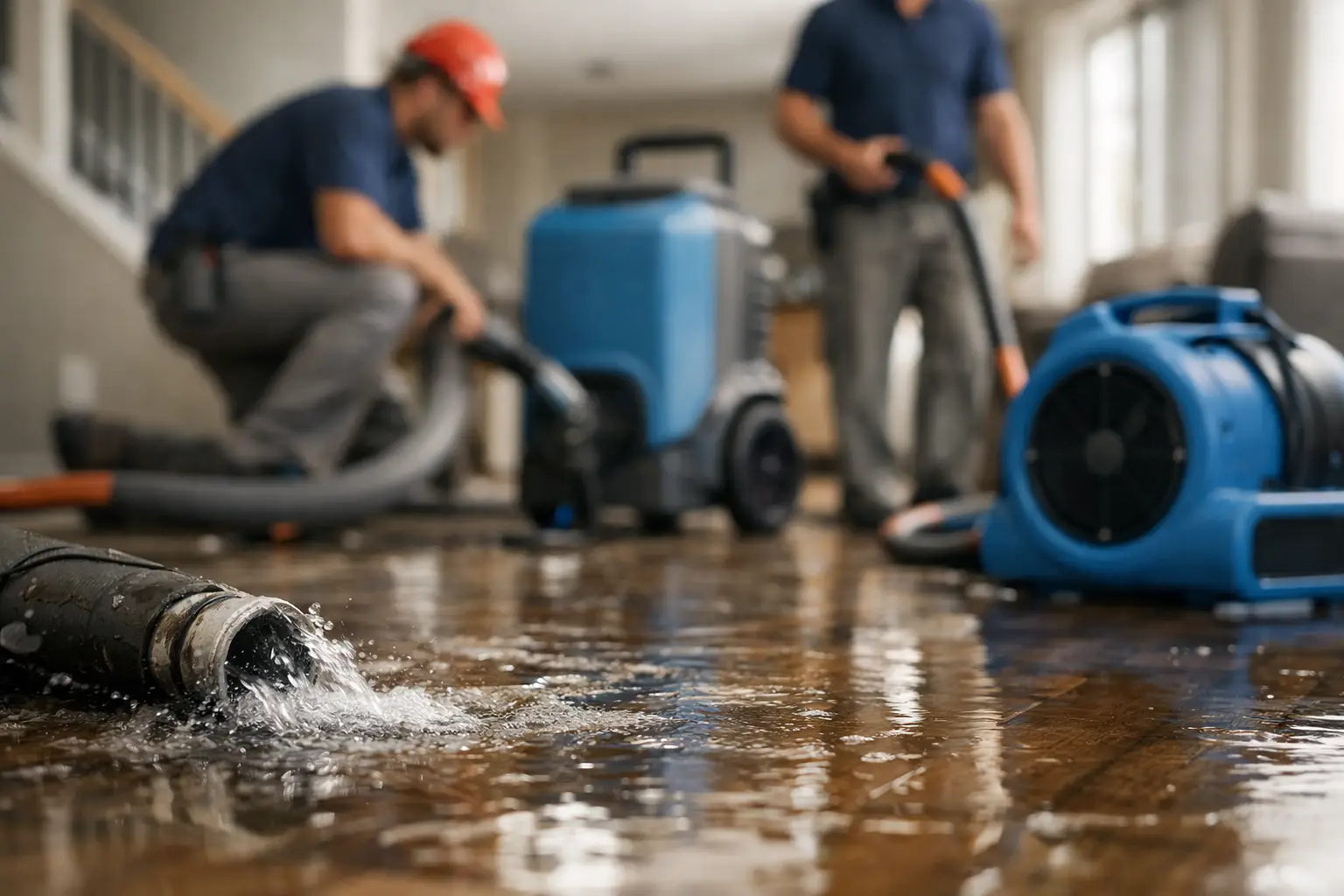
Water mitigation services Marietta homes need are about stopping damage fast, drying what got wet, and controlling moisture before materials fail. In Marietta, I see two patterns a lot: older plaster near the historic Square and runoff-driven water near Kennesaw Mountain. I’m Chris Kwangwari, and my team handles the work with direct insurance billing and IICRC-certified technicians.
IICRC-Certified · 5-Star Rated · 60-Minute Response · Insurance Billed Directly
Yes. I see a lot of plaster, older finishes, and hidden moisture patterns in that part of Marietta.
It can. I often find water in crawlspaces, basements, and low spots where runoff has nowhere else to go.
Surface-dry is not the same as dry. I check inside materials with moisture readings before I say the structure is stable.
Yes. I offer direct insurance billing and provide the mitigation documentation the claim usually needs.
Water mitigation services are the first response after unwanted water enters a home, and the goal is simple, stop the spread and limit damage. In Marietta, that often means water extraction, dehumidification, containment, and structural drying before plaster, subfloors, or framing get worse from hidden moisture.
I explain it this way: mitigation is the stabilizing phase. It is not about making a room pretty. It is about controlling the water that already got in, especially in older homes near the historic Square where plaster walls can hold moisture longer than people expect.
Marietta weather and terrain matter. Runoff from Kennesaw Mountain can send water toward lower lots, crawlspaces, and basements, and once that water gets inside, it does not sit still. It spreads into baseboards, cabinets, insulation, and framing if the response is slow.
That is why I treat water mitigation services as loss mitigation first. My crew uses drying equipment, monitors moisture levels, and separates wet materials from salvageable ones. The point is to keep a small event from becoming a large restoration job.
Water damage happens here because Marietta has older construction, changing grades, and stormwater that moves fast after heavy rain. Historic Square homes often have plaster, older plumbing, and mixed-age repairs, while properties closer to Kennesaw Mountain can see runoff, seepage, and basement moisture problems.
Older homes near the Square were not built with modern moisture control in mind. Plaster can absorb water, then hold it behind paint or trim. That makes the damage look smaller than it is, which is a bad surprise when I open walls or check hidden cavities.
Near Kennesaw Mountain, runoff changes the game. Water follows the slope, finds foundation gaps, and pushes into crawlspaces, garages, and lower levels. Even a short burst of heavy rain can create a cleanup problem if drainage is weak or gutters are overflowing.
And then there are plumbing failures. Supply lines, water heaters, appliance hoses, and toilets do not care whether a house is historic or newer. I see the same result in both cases, wet materials, hidden saturation, and a clock that starts running the moment water lands.
Water damage weakens materials, feeds odor, and creates the conditions for mold, because mold can start in 24 to 48 hours. In Marietta, plaster cracking, swollen wood trim, softened drywall, and damp insulation are common when moisture control is delayed after a leak or flood.
The first damage is physical. Wood swells, finishes cloud, drywall loses strength, and plaster can separate from lath. In older Marietta homes, that plaster around the historic Square can crack in odd places because the water travels through cavities and shows up far from the source.
Then comes the hidden part. Moisture under floors or behind cabinets can stay trapped after the visible water is gone. That is why I use dehumidification and moisture checks, not guesswork. Wet materials that look dry on the surface can still be soaking inside.
If the structure stays damp, mold becomes the next concern. That is not a theory, that is a timeline. Once mold starts, cleanup gets harder, more invasive, and more expensive in labor. Fast water mitigation services are how you interrupt that sequence.
The first visit usually includes inspection, water extraction, containment when needed, moisture mapping, and a drying plan. My team then places drying equipment, removes what cannot be saved, and starts structural drying so the home stops absorbing moisture and starts stabilizing.
I start by finding the source and the spread. That means looking at floors, trim, crawlspaces, wall cavities, and any area where water may have traveled. In Marietta, I pay close attention to plaster walls and older framing because they can hide damage well.
Next comes water extraction. Standing water has to come out before drying can work correctly. After that, we set up containment if the affected area needs to be separated from clean spaces, especially when the house has multiple levels or tighter rooms near the Square.
Then the drying begins. Fans alone do not solve it. Professional structural drying uses air movement, heat balance, and dehumidification together. IICRC-certified technicians watch the readings and adjust the plan so the materials dry evenly instead of warping, cupping, or staying wet inside.
Water mitigation should start as soon as possible, because every hour of delay lets moisture spread deeper into materials. In Marietta, that matters after storm runoff, roof leaks, or plumbing failures, especially in homes with plaster, crawlspaces, or lower rooms that hold humidity.
I do not treat water like a routine cleanup. It keeps moving. It follows gravity, wicks into wood, and slips under baseboards. If the source is active, shutting it off comes first, then the mitigation work starts right away so the damage does not widen.
This is especially true in older neighborhoods around the historic Square. Plaster and layered repairs can trap moisture in ways drywall sometimes does not. The longer that wetness sits, the more likely it is that hidden materials need removal instead of drying.
Quick response also helps with insurance documentation. When I arrive, my team records the affected areas, explains the loss mitigation steps, and keeps the process organized for the claim. That matters because water events get more complicated when no one documents the condition early.
No, water mitigation is not the same as water restoration. Mitigation is the emergency phase that stops spread and dries the structure, while restoration is the later repair phase that puts finishes, fixtures, and materials back after the moisture problem is controlled.
People mix those terms all the time. I do not blame them. In plain language, mitigation means stop the damage now, and restoration means rebuild what was removed or ruined. They are connected, but they are not the same job.
A Marietta home near Kennesaw Mountain might need mitigation first because runoff soaked a crawlspace or lower room. After the structure is dry, restoration may involve replacing baseboards, repairing drywall, repainting, or fixing flooring that cannot be saved.
I am a licensed general contractor as well as a restoration company owner, so I understand both sides of the work. But I always tell homeowners to respect the order. Dry first. Repair after. If you reverse that, moisture hides under the new finish.
What you see on the floor is rarely the whole problem. Water wicks into drywall, plaster, trim, and subfloors, especially in Marietta homes with older construction or basement-level spaces near drainage paths.
Fans alone are not enough. Real drying uses water extraction, dehumidification, and the right drying equipment together, then moisture readings to confirm the structure is actually drying.
If the wet area touches living space, containment can keep dust, debris, and affected materials from spreading. That matters in tighter Marietta homes where hallways, stairwells, and plaster rooms connect quickly.
Direct insurance billing and clear records help the claim stay organized. I document the loss, explain the mitigation steps, and keep the process straight so the carrier sees what happened and why.
Mold can start in 24 to 48 hours when materials stay wet. Fast loss mitigation is not optional in a humid house, it is the difference between drying a structure and tearing out more of it.
From emergency mitigation to full reconstruction, handled in-house so you are never managing a chain of subcontractors mid-crisis.
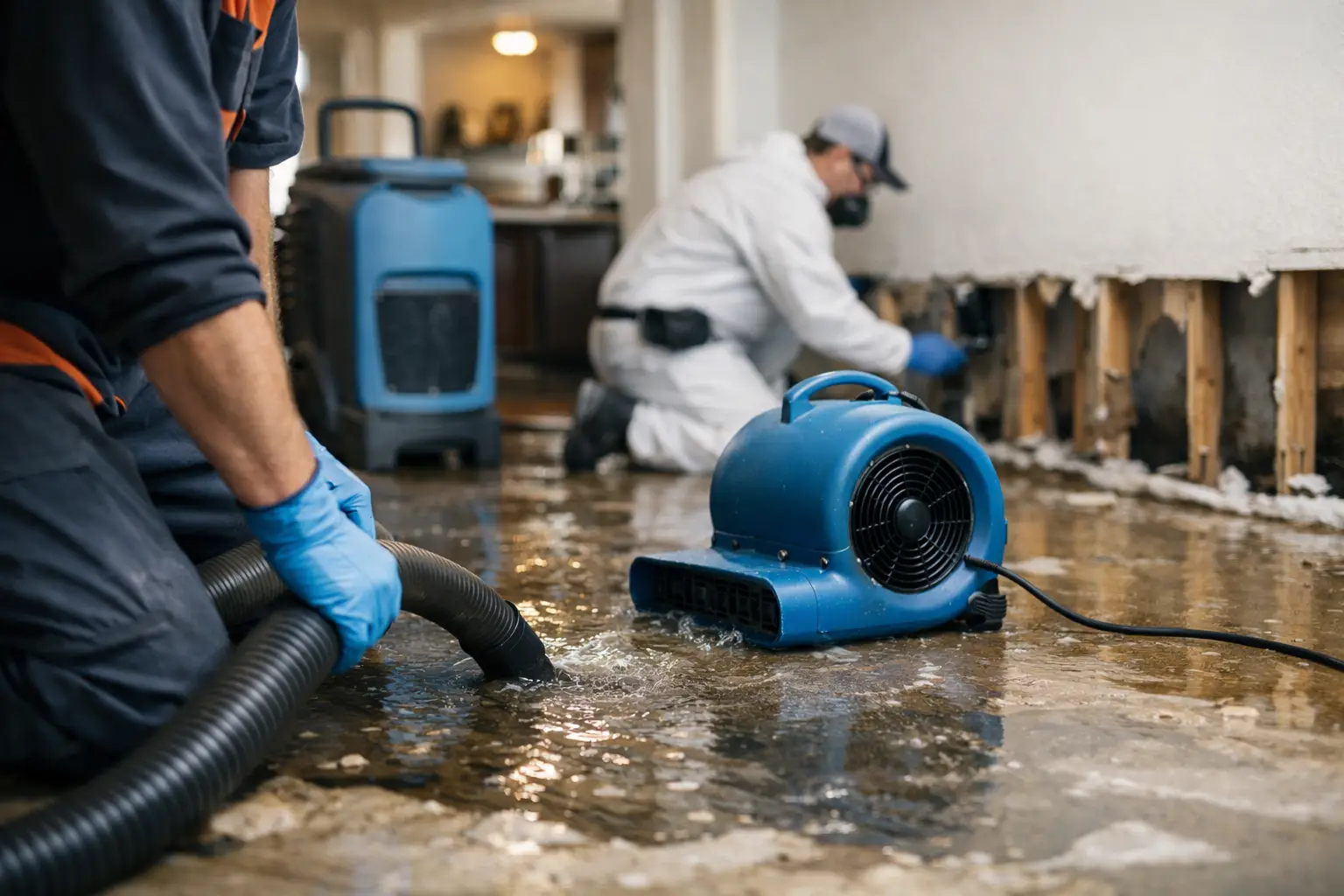 Water Damage
Extraction, structural drying, and moisture mapping after floods, leaks, and burst pipes.
Get help now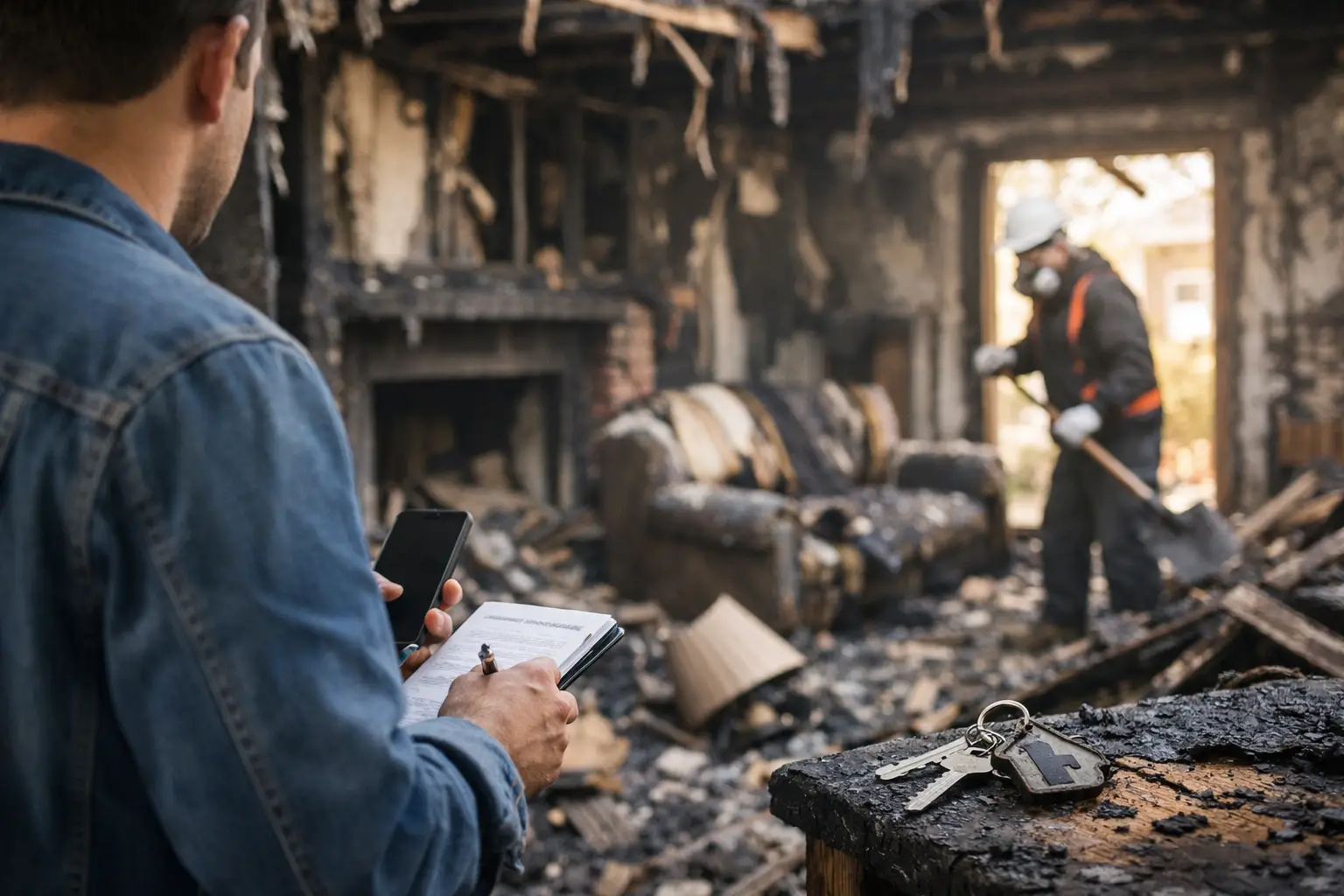 Fire & Smoke
Soot removal, odor deodorization, and content cleaning after fire and smoke damage.
Learn more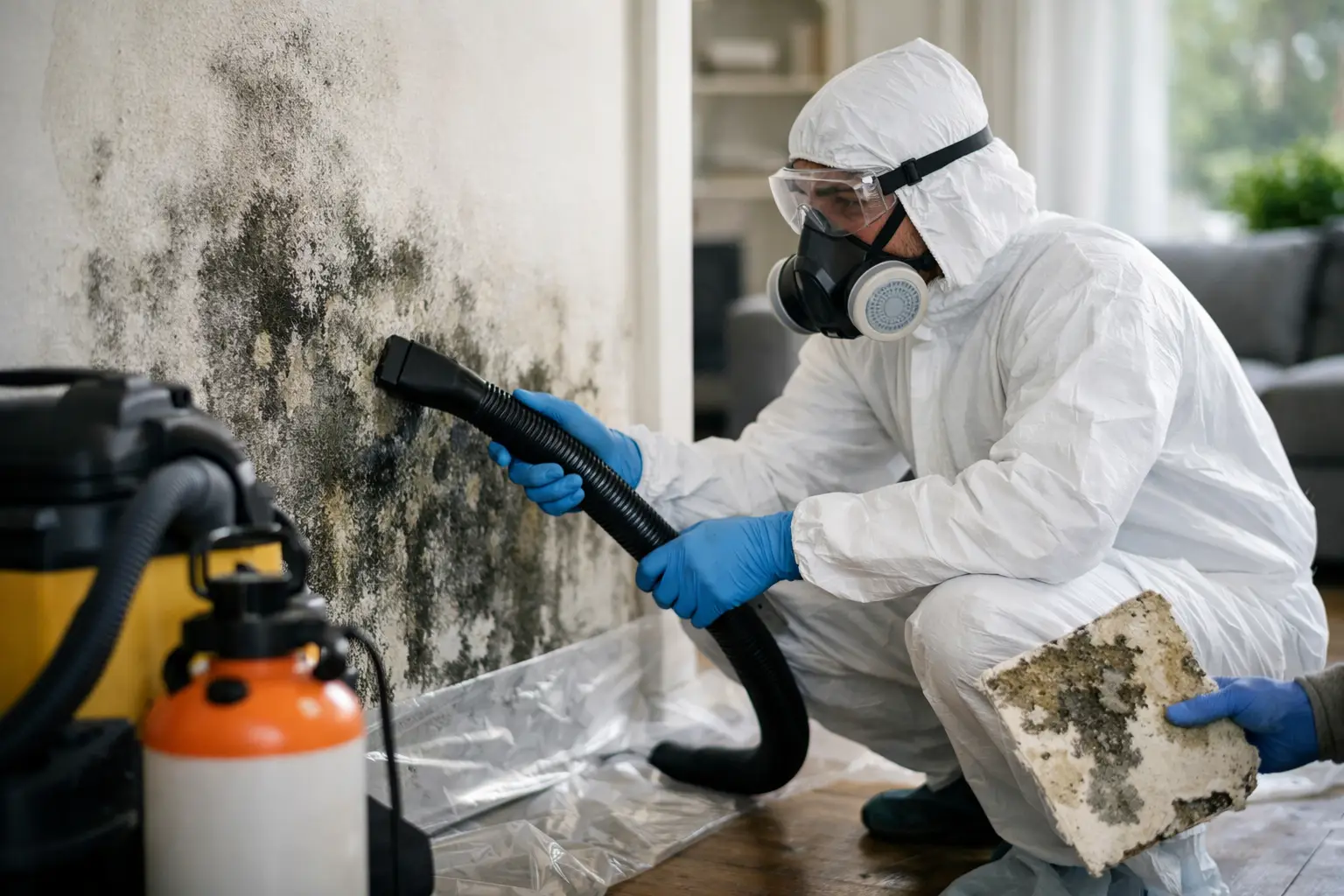 Mold
MoldContainment, removal, and moisture control that stops mold from coming back.
Learn more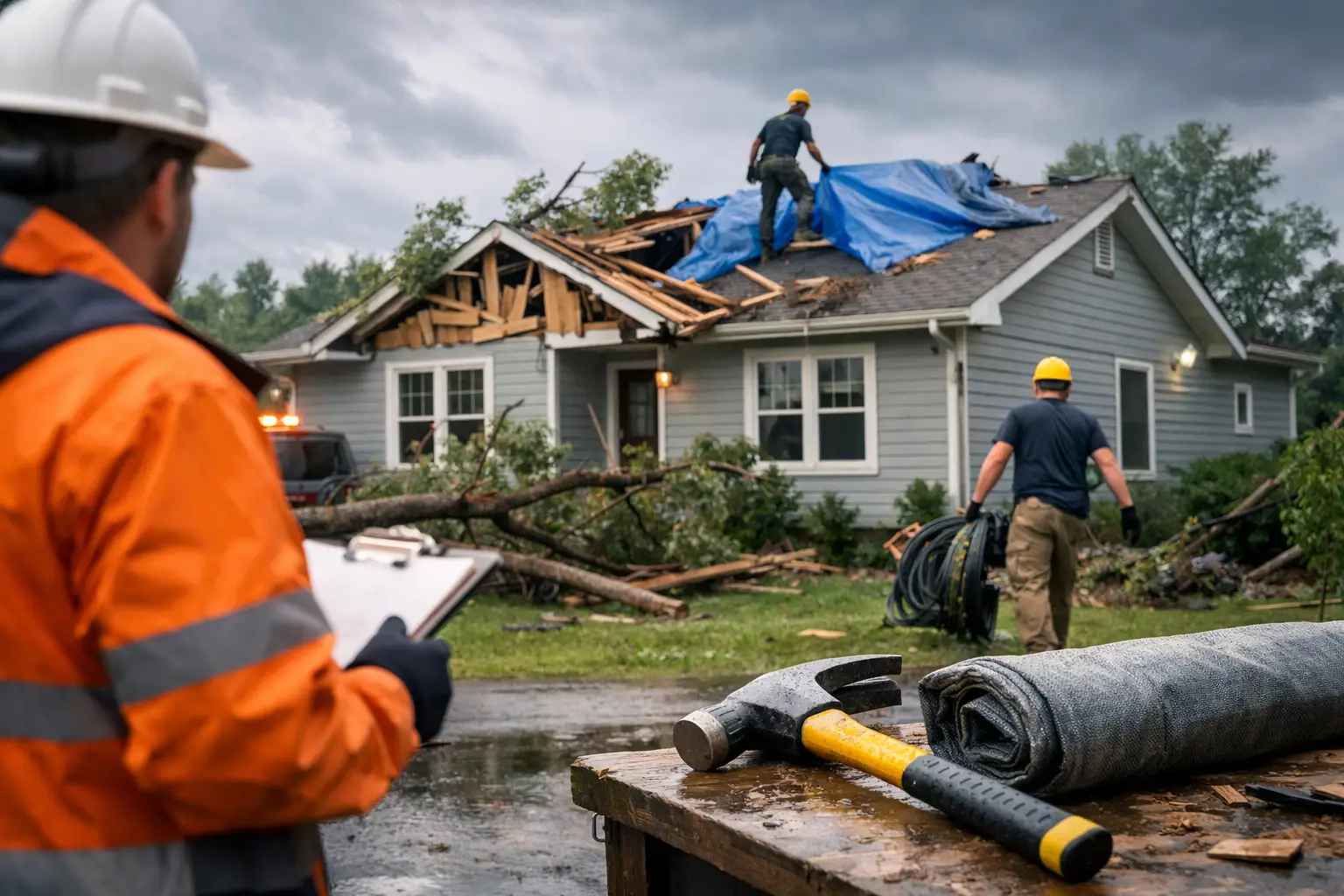 Storm
StormEmergency board-up, roof tarping, and full recovery after wind, hail, and storms.
Learn more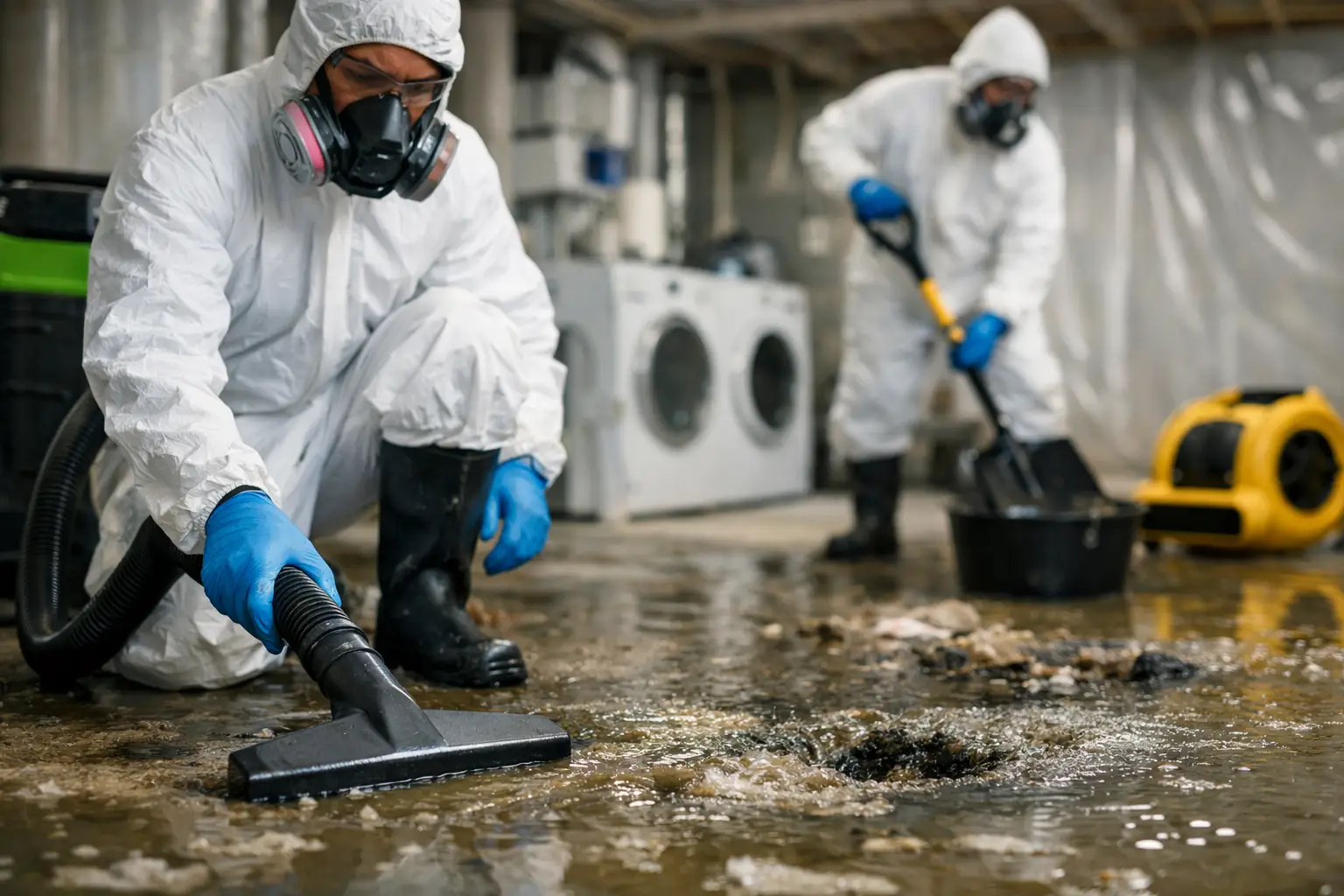 Sewage
Safe biohazard cleanup and sanitizing after sewage backups and overflows.
Learn more Reconstruction
Full rebuild by a licensed general contractor, so your property comes back whole.
Learn moreElevated Operations is an IICRC-certified, licensed general contractor based in Mableton that handles the entire recovery in-house, so after one loss you are never coordinating a cleanup crew, a mold crew, and a contractor separately. One team, one point of contact, from the first pump-out to the final coat of paint.
People call when the property feels like a disaster. They leave reviews because Chris and the crew made it right. These are real, verified Google reviews.
Older homes near the historic Square often have plaster, layered repairs, and hidden cavities that hold moisture longer than people expect. Water mitigation services help by locating that trapped wetness early, extracting standing water, and using structural drying before walls, trim, or floors deteriorate beyond repair.
Homes closer to Kennesaw Mountain can see runoff that pushes water into crawlspaces, garages, and lower rooms. That makes water mitigation more important because the water may look minor at the surface while spreading into framing, insulation, and foundation edges where damage grows quietly.
When plaster is involved, I inspect for moisture behind the finish, not just the visible stain. The mitigation process may include containment, targeted removal of unsalvageable material, dehumidification, and monitored drying so the wall system dries without trapping hidden moisture that later causes cracking or mold.
Yes. Water extraction is usually one of the first jobs, because standing water has to come out before drying can work. After that, drying equipment is placed to move air and remove humidity, while the structure is monitored so the materials dry evenly instead of staying damp inside.
Loss mitigation starts with stopping the source, then controlling how far the water spreads. In a Marietta home, that often means extracting water, setting containment if needed, checking crawlspaces or wall cavities, and documenting the damage for the insurance claim before restoration decisions are made.
Moisture control can help a lot, especially in basements or lower rooms affected by storm runoff or humid conditions. I focus on drying the structure correctly, finding hidden wet spots, and making sure the home does not stay in a cycle of dampness after the visible water is gone.
The biggest thing to know is that fast action matters more than a perfect diagnosis at first. Shut off the source if you can, keep clear of wet electrical areas, and call for help quickly. Water damage mitigation works best when it starts before materials trap the moisture deeper.
Yes, I use direct insurance billing. That helps keep the process organized after a water loss, especially when a claim involves hidden damage, documentation, and the need to explain why water extraction, drying, and moisture monitoring were necessary before repair work could begin.
Elevated Operations dispatches IICRC-certified crews across Metro Atlanta from our Mableton base, with a 60-minute emergency response day or night. Choose your city:
Call now for an immediate response, or request your free inspection and get a certified crew on-site within the hour across Atlanta and nearby areas.




