24/7 Emergency Restoration · Serving Metro AtlantaEmergency? (770) 404-6895
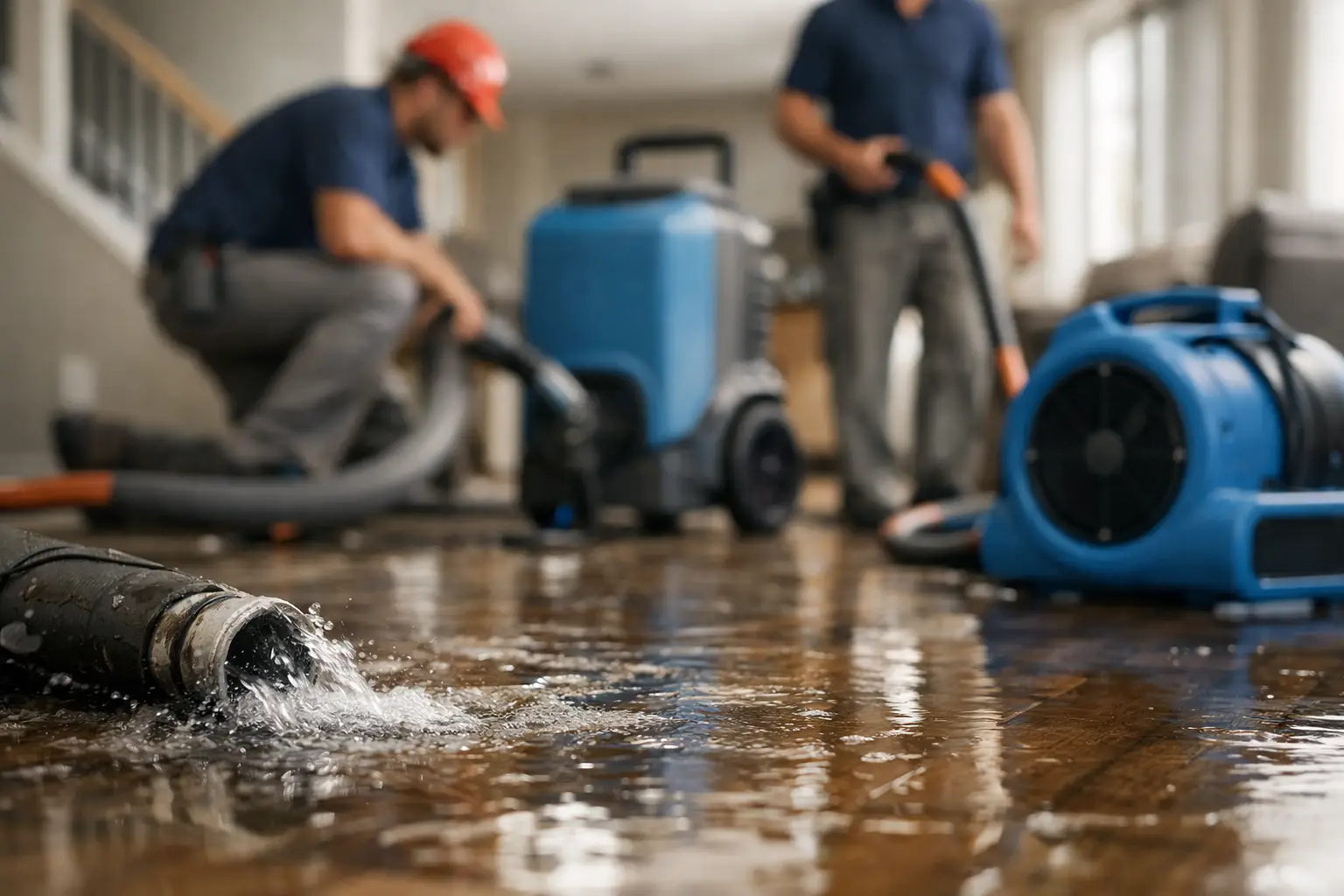
Crawl space mold removal in Forest Park usually starts with finding why moisture is building under the house, then removing fungal growth, cleaning the space, and fixing the conditions that let it return. I’m Chris Kwangwari, and I price these jobs by scope, access, moisture control, and the need for dehumidification, encapsulation, vapor barrier, or wood treatment.
IICRC-Certified · 5-Star Rated · 60-Minute Response · Insurance Billed Directly
No. Insurance depends on cause. A sudden covered water event may qualify, but chronic dampness usually does not.
Only if the crawl space still has a moisture problem. Encapsulation is a prevention choice, not a requirement every time.
Tight access, old post-war construction, lingering moisture, and whether dehumidification or wood treatment is needed all affect the scope.
Yes, I offer deductible assistance up to $1,000 when a valid claim is involved.
I price crawl space mold removal in Forest Park by what the crawl space actually needs, not by a canned number. Access, size, visible fungal growth, damp insulation, wood condition, and whether moisture control or crawl space encapsulation is needed all affect the scope, especially in older post-war homes near airport and industrial corridors.
Forest Park has a lot of post-war housing, and those crawl spaces are often tight, low, and messy to work in. That matters. Labor goes up when the space is cramped, wet, or full of debris from old crawl space cleanup work that was never finished correctly.
Near the airport and industrial areas, I see more properties where airborne dust, drainage issues, and long-term moisture problems have been ignored. That does not automatically mean mold is severe, but it often means the fix has to address the whole system, not just visible spots.
I look at whether the job is simple fungal growth removal or a larger crawl space mold remediation project with dehumidification, vapor barrier installation, and wood treatment. If the moisture source stays active, the price reflects that reality. I do not pad it, and I do not pretend a quick wipe-down solves a wet crawl space.
Mold in a crawl space usually comes from moisture, plain and simple. In Forest Park, the mix of post-war foundations, humid summers, drainage problems, and buildings near airport and industrial activity creates conditions where wet soil, condensation, or leaks can keep a crawl space damp long enough for growth to start.
If you want the short answer, moisture control is the whole game. Water entry from grading, plumbing leaks, poor vent performance, or a missing vapor barrier gives mold what it wants. Once wood and insulation stay wet, fungal growth removal becomes necessary, but the bigger issue is the moisture source.
I see this often in older Forest Park homes where the crawl space was built for a different era. Those houses were not designed with modern dehumidification or encapsulation in mind. When the space breathes humid air from outside and holds it under the floor, mold gets a head start.
The area around Fort Gillem and the airport has a lot of structures that have seen years of use and renovation. That means one house may need only crawl space cleanup, while the next needs vapor barrier work, wood treatment, and a better long-term drying plan. The cause decides the cost.
I remove mold from a crawl space by first drying the space, then cleaning contaminated materials, treating affected wood when appropriate, and fixing the moisture conditions that caused the growth. Crawl space mold remediation is not just spraying a surface. It is controlled cleanup, careful drying, and checking whether dehumidification or encapsulation is needed next.
The process starts with inspection and containment planning. I want to know what is mold, what is dirt, and what is moisture damage. After that, I focus on crawl space cleanup, removing damaged materials when they cannot be saved, and using the right approach for the structure I find.
If the wood is affected but still structurally sound, wood treatment may be part of the work. If the crawl space stays humid, dehumidification matters more than any cleaning product. That is especially true in Forest Park, where the climate can keep a damp crawl space wet for long stretches.
I do not believe in cosmetics. A crawl space can look better for a day and still be wrong. The job is finished when fungal growth removal is paired with moisture control, and when the space is set up so the problem does not keep coming back from under the floor.
Insurance may cover crawl space mold removal when the mold is tied to a covered sudden loss, like a burst pipe or other insured water event, but not when it comes from long-term neglect or ongoing dampness. Claims turn on cause, documentation, and what your policy language actually says.
I handle direct insurance billing, and I know insurers care about origin. If a covered water event caused the loss, the claim may support some or all of the remediation work. If the crawl space has been wet for years, that is a different conversation, and coverage is often narrower.
Deductibles matter. I offer deductible assistance up to $1,000, which can help when a valid claim is in play. That does not change policy terms, and it does not make an uncovered loss covered. It simply helps the homeowner manage the out-of-pocket side when the claim is legitimate.
Forest Park homeowners should keep every report, photo, and moisture note. The more you can show that the damage came from a specific event, the cleaner the claim tends to be. I have been in restoration since 2007, and I have seen good claims get slowed down because the first photos were not taken early enough.
Not always, but often yes when the crawl space keeps taking on moisture. Encapsulation makes sense when you need a stronger moisture control system after mold cleanup, especially in older Forest Park homes with bare soil, recurring humidity, or weak ventilation. It is a prevention move, not a cosmetic upgrade.
If the crawl space has repeated dampness, encapsulation can be the difference between one cleanup and a repeat problem. A vapor barrier by itself may help, but if the humidity source remains strong, I usually look at the whole enclosure, not just the floor covering.
In post-war homes, crawl spaces were often left open to the elements in ways that made sense decades ago. That approach does not always hold up now. Encapsulation, paired with dehumidification, can stabilize the space so the mold pressure drops and stays down.
I do not recommend encapsulation just because it sounds comprehensive. I recommend it when the conditions under the house demand it. If the space is relatively dry after cleanup, simpler moisture control may be enough. If it is near constant humidity, the better choice is a real barrier system.
Yes. Crawl space mold can affect indoor air quality because homes pull air from below through gaps, ducts, and pressure differences. In Forest Park, where older post-war houses and mixed-use surroundings are common, that means the crawl space can influence what people breathe upstairs if the problem is ignored.
This is one reason I take crawl space mold remediation seriously. People think the issue stays under the house, but air moves. If the crawl space is damp and contaminated, the living space can pick up odors and particles through the floor system.
Homes near airport and industrial traffic can already face dust and environmental stress. Add a wet crawl space, and indoor air quality can suffer further. I am careful about that because the goal is not just removing visible growth, it is protecting the house as a breathing system.
That is why I treat moisture control as part of the health question, not just the repair question. When I see recurring dampness, I push for dehumidification, vapor barrier work, and in some cases encapsulation. The air in the house should not be paying for a problem below it.
The price follows what the crawl space needs, including crawl space cleanup, fungal growth removal, drying, and whether structural wood has to be treated.
If the source is still active, the work can expand to dehumidification, vapor barrier installation, or encapsulation. Those items are part of the fix, not extras.
Older post-war crawl spaces in Forest Park can be tight, low, or cluttered. Hard access and long-term dampness make the work more involved.
A sudden covered water event may be eligible, but long-term moisture and neglect usually are not. Claims need photos, notes, and a clear origin story.
I offer direct insurance billing and deductible assistance up to $1,000 when a valid claim is in play. That helps homeowners manage the claims process.
From emergency mitigation to full reconstruction, handled in-house so you are never managing a chain of subcontractors mid-crisis.
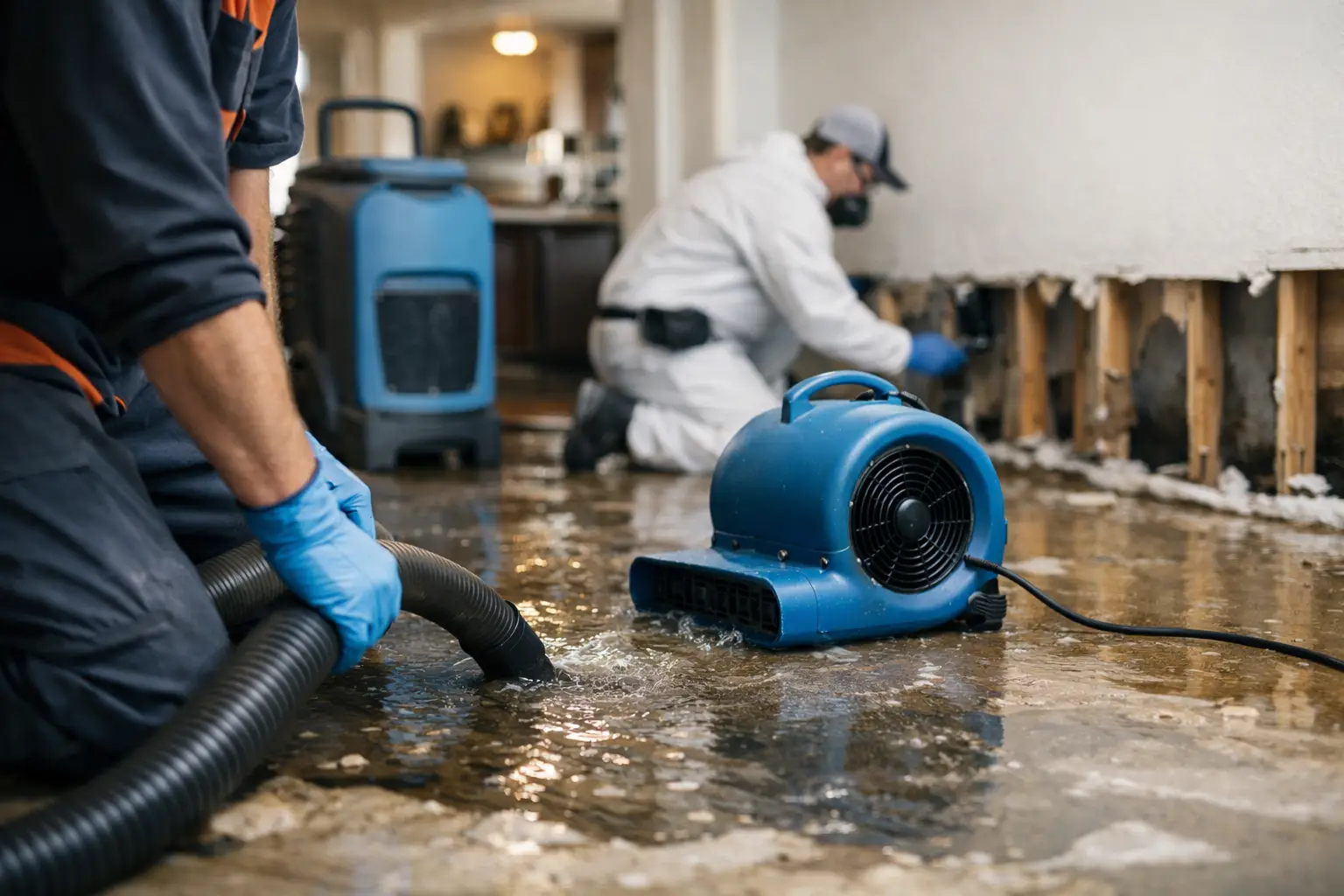 Water Damage
Extraction, structural drying, and moisture mapping after floods, leaks, and burst pipes.
Get help now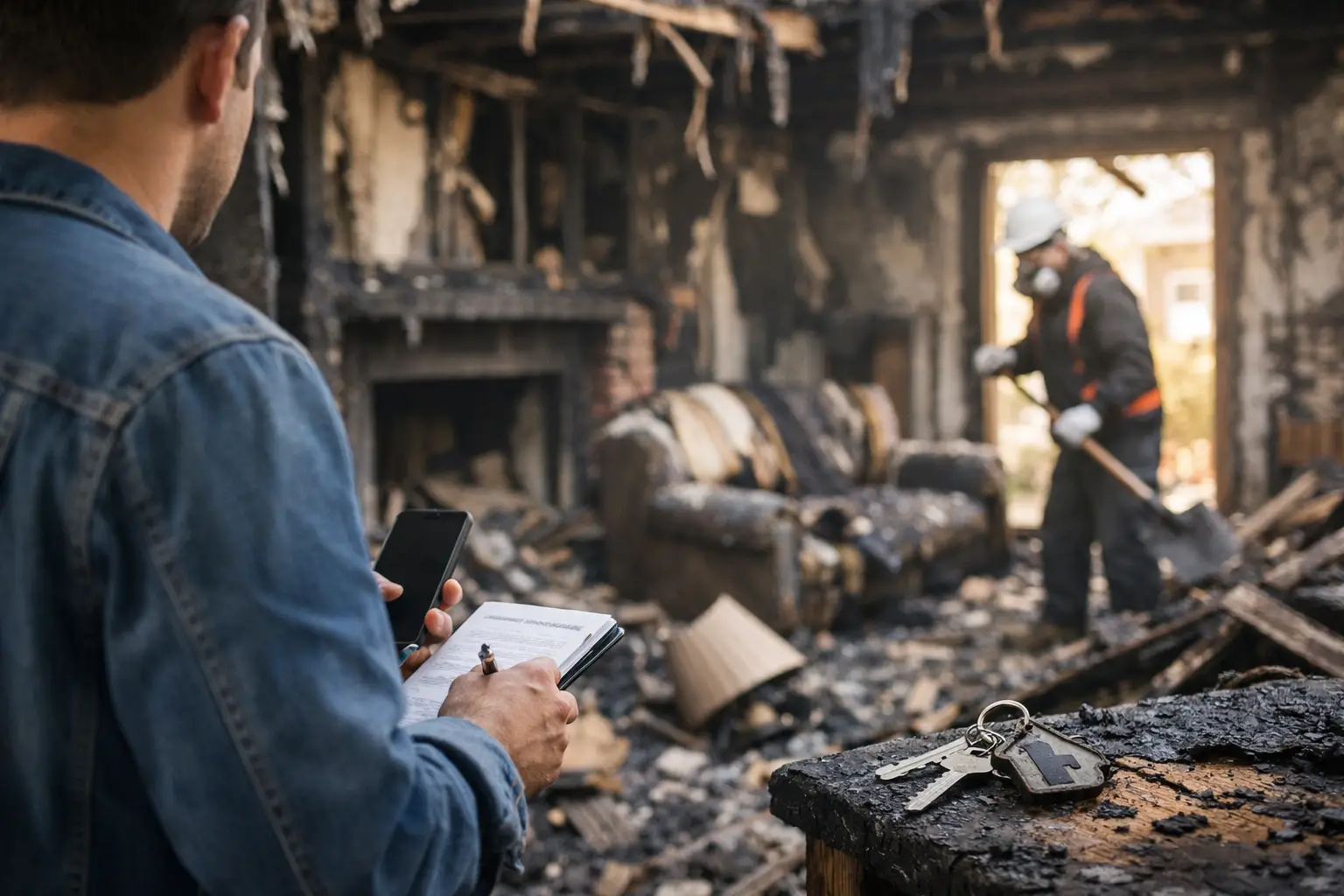 Fire & Smoke
Soot removal, odor deodorization, and content cleaning after fire and smoke damage.
Learn more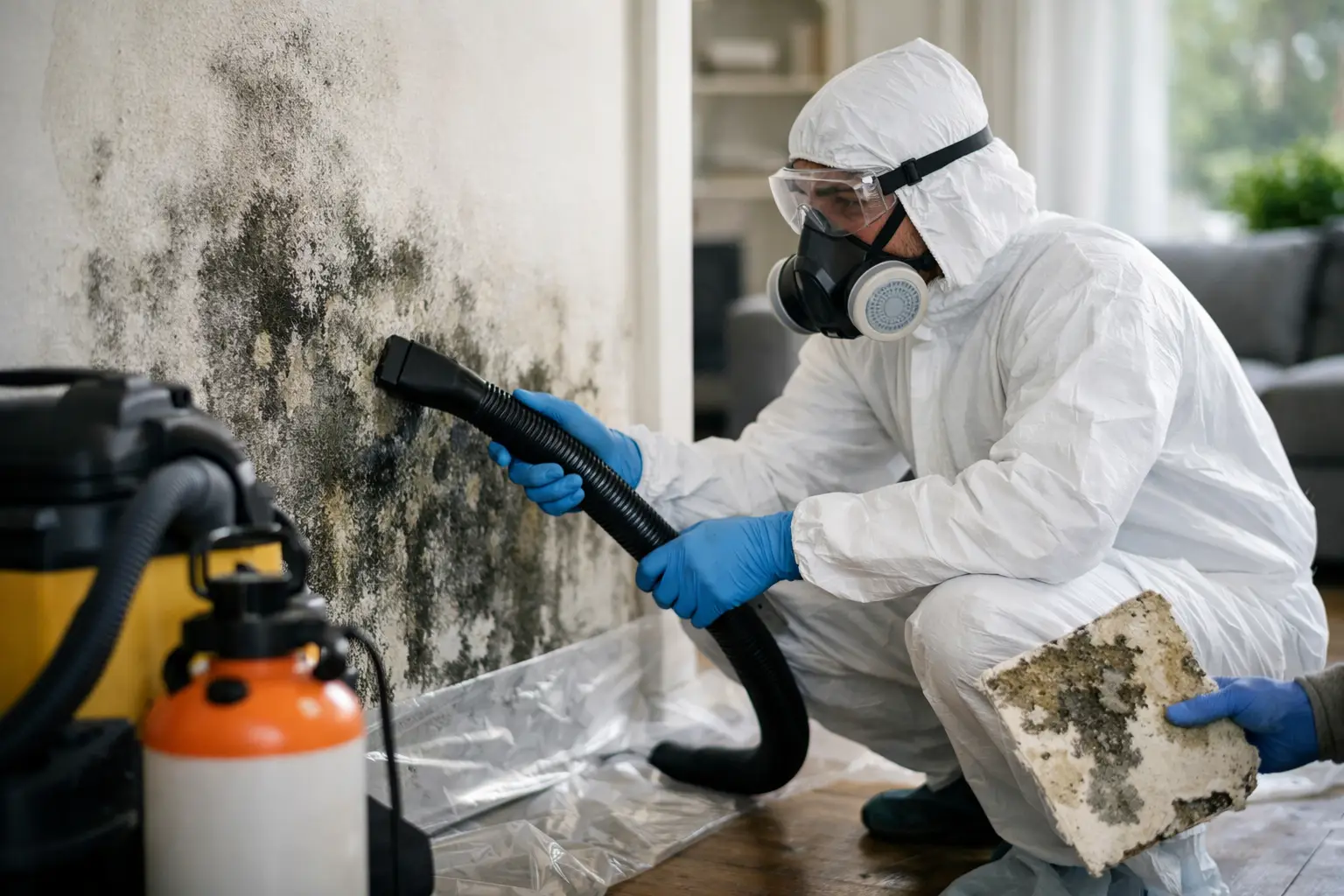 Mold
MoldContainment, removal, and moisture control that stops mold from coming back.
Learn more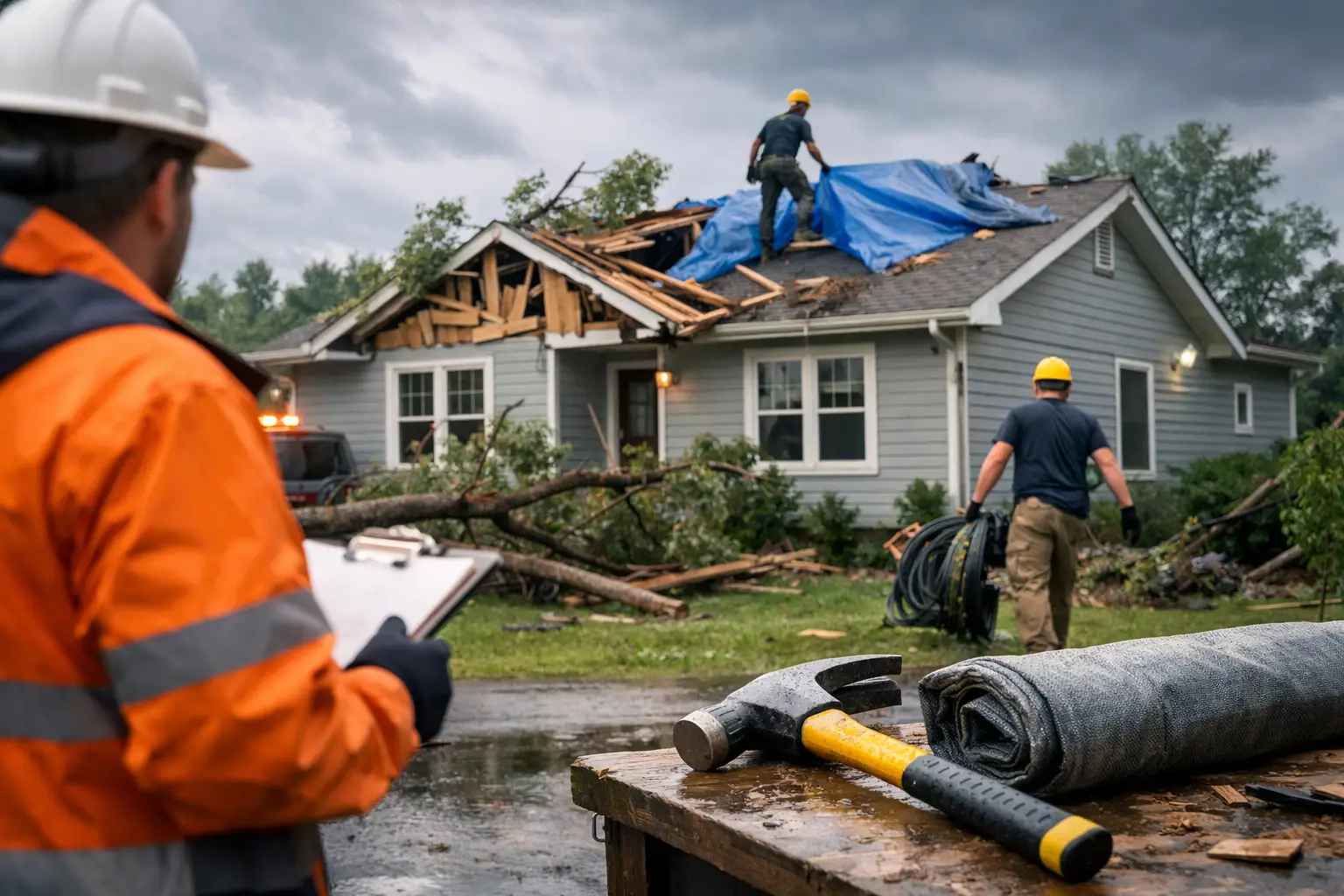 Storm
StormEmergency board-up, roof tarping, and full recovery after wind, hail, and storms.
Learn more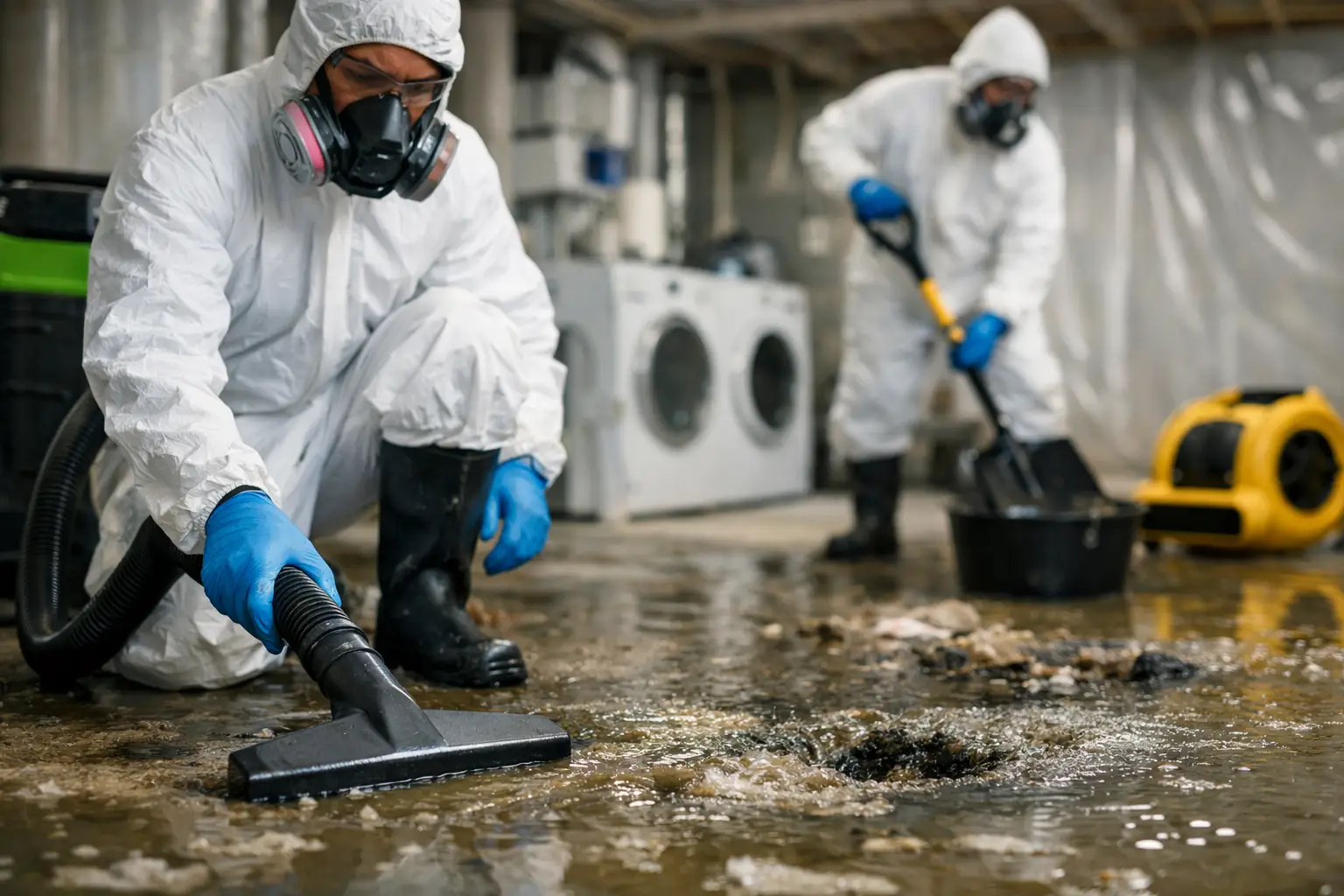 Sewage
Safe biohazard cleanup and sanitizing after sewage backups and overflows.
Learn more Reconstruction
Full rebuild by a licensed general contractor, so your property comes back whole.
Learn moreElevated Operations is an IICRC-certified, licensed general contractor based in Mableton that handles the entire recovery in-house, so after one loss you are never coordinating a cleanup crew, a mold crew, and a contractor separately. One team, one point of contact, from the first pump-out to the final coat of paint.
People call when the property feels like a disaster. They leave reviews because Chris and the crew made it right. These are real, verified Google reviews.
I do not quote crawl space mold removal by square footage alone, and I would not trust anyone who does. In Forest Park near Fort Gillem, the real cost depends on access, moisture source, cleanup needs, and whether the crawl space needs dehumidification, vapor barrier work, or wood treatment. Older post-war homes often need more than surface cleaning.
It can, if the leak was sudden and the policy covers the water event that caused the mold. Insurance usually looks closely at timing and cause. If the crawl space has been damp for a long time, coverage may be limited or denied. I handle direct insurance billing, but the claim still has to match policy language.
Call for an inspection, and stop the moisture source if you can do that safely. Do not start scrubbing random areas, because that can spread contamination and miss the cause. In Forest Park’s humid conditions, mold can move quickly from a small wet spot into a larger crawl space mold remediation project.
Dust does not create mold by itself, but it can add grime and help hide moisture problems. Around the airport and industrial corridors, I often see crawl spaces that need a more careful cleanup because the space has been neglected. The real driver is still moisture, and that is what I focus on first.
Some do, some do not. Post-war homes often have crawl spaces that were built for a different set of weather expectations, so recurring humidity is common. If the space keeps getting damp, encapsulation can be the right next step. If the crawl space dries well after cleanup, a simpler moisture control plan may be enough.
Mold can start in 24 to 48 hours when materials stay wet, so the clock starts fast. That is why I push homeowners in Forest Park to act early, especially after plumbing leaks or storm moisture. The longer a crawl space stays damp, the more likely the job grows from cleanup into full remediation.
Yes, and they should. Photos, moisture readings, repair records, and a clear timeline all help. If the origin is a covered water event, that evidence matters a lot. If the problem came from long-term dampness, the insurer may point to maintenance exclusions. Good documentation makes the difference when the claim gets reviewed.
Yes. I offer direct insurance billing, which helps keep the paperwork moving when a claim is valid. I still want the facts lined up early, because insurers need a clear source of loss. When the cause is covered, direct billing can reduce the back-and-forth on the homeowner side.
Elevated Operations dispatches IICRC-certified crews across Metro Atlanta from our Mableton base, with a 60-minute emergency response day or night. Choose your city:
Call now for an immediate response, or request your free inspection and get a certified crew on-site within the hour across Atlanta and nearby areas.




