24/7 Emergency Restoration · Serving Metro AtlantaEmergency? (770) 404-6895
Smoke and soot cleanup East Point is where I step in after a kitchen flare-up, a furnace puffback, or a small electrical fire leaves a bungalow near the MARTA line coated in residue and odor. I am Chris Kwangwari, owner of Elevated Operations, LLLP, and I send IICRC-certified technicians with 24/7 emergency response, direct insurance billing, and a 12-month warranty.
IICRC-Certified · 5-Star Rated · 60-Minute Response · Insurance Billed Directly
Yes. Those homes are common in East Point, and I know how smoke moves through their hallways, vents, and trim.
Yes. I use direct insurance billing, which keeps the paperwork moving while my crew handles the cleanup.
That usually means the source was not fully cleaned. I look at the HVAC, contents, and hidden residue before I call it done.
Call (770) 404-6895. I answer with 24/7 emergency response from Elevated Operations, LLLP.
It usually starts with one room and spreads fast. In East Point’s College Park-line bungalows, smoke likes to travel through hallways, into closets, and up to the ceiling line, so I begin with smoke damage cleanup, odor removal, and a close look at the HVAC path before anything gets moved.
On a narrow bungalow street near the MARTA corridor, one pan on the stove was enough to leave a gray film on the trim and a sour smell in the front room. I have seen that exact pattern in East Point often, the kind that looks small until you touch a doorway.
My team opens with containment, then I bring in an air scrubber if the residue and smell are still moving through the house. That matters in these older homes, because smoke does not respect room boundaries, and once it gets into the return, you are dealing with more than surface cleaning.
I keep the process plain. We document the damage, start soot removal where it landed, and use deodorization only after the source is controlled. If the cabinets, vents, and nearby contents need cleaning, we handle that before the odor settles in deeper.
Dry soot has to come off before anyone tries to repaint or cover it. I start with the right soot removal method for the surface, then move through careful surface cleaning on walls, ceilings, trim, and fixtures so the stain does not smear or set deeper into the finish.
In East Point bungalows, especially the ones with older plaster or painted drywall, I do not rush into wet wiping. That can drag soot across the ceiling line and make a one-room problem into a whole-house cleanup. I choose the method based on what the surface can take.
A lot of times, the ceiling above a dining room or hallway tells me the fire moved by air, not by flame. That is when hvac cleaning matters, because soot in the system keeps re-depositing after the walls look better. I have seen that happen in homes near the MARTA line and in pocket neighborhoods off main roads.
Then comes detail work. We clean the high-touch spots, light fixtures, vents, baseboards, and doors, and we check the contents that sat in the path of the smoke. If I can save a room by being careful instead of aggressive, I take that route every time.
Yes, if the source is addressed and the odor treatment is matched to the damage. Smoke odor removal is not guesswork in East Point, especially in compact bungalows where smoke sits in fabric, trim, and ductwork, so I combine deodorization, contents cleaning, and system checks instead of masking the smell.
I have walked into homes where the soot looked minor, but the smell told the truth. In East Point, that often means the smoke moved through the whole structure, then hid in curtains, upholstery, and returns. If the odor is only covered up, it comes back when the house warms up.
That is why I treat odor removal as part of smoke damage cleanup, not a separate afterthought. I use deodorization only after the soot is out and the contaminated materials are identified. In some homes, the answer is cleaning. In others, it is replacing what cannot be cleaned well enough.
The goal is a house that smells like itself again, not like cleaner sprayed over a problem. When contents cleaning is needed, I sort what can be restored from what should not stay in circulation, especially in the rooms closest to the fire source.
As soon as it is safe to enter. Smoke cleanup should start quickly because residue keeps settling and odors keep spreading, and in East Point’s tight bungalow layouts that can happen fast. I offer 24/7 response, and I use direct insurance billing so the claim side does not slow the work down.
I have seen the difference a day makes. On a hot East Point afternoon, a window left open can pull smoke deeper into the house, and a closed house can trap it in fabric and wood. Either way, waiting gives soot more time to bond to surfaces.
My process starts with emergency stabilization, then moves into cleaning the affected area and checking neighboring rooms. If the HVAC ran during or after the fire, I want that addressed early. That is where hvac cleaning can stop a small event from turning into a house-wide odor issue.
And I do not separate urgency from documentation. My technicians are IICRC-certified, I bill insurance directly, and I keep the work organized so the homeowner is not stuck trying to explain what happened while the residue is still setting.
I treated the hallway like a traffic lane for contamination. In those East Point bungalows, soot can ride air currents from the kitchen or laundry area into the hall, so I isolate the source, clean the path, and check adjoining rooms before the residue gets walked deeper into the house.
One East Point home near the MARTA line had smoke in the kitchen, but the hallway was where the damage showed up first. The walls were streaked, the door casings were dusty, and the odor was heavier than the fire seemed to justify. That is a common pattern in compact floor plans.
I cleaned the hallway first because everyone uses it. Shoes, hands, carts, pets, all of it can drag soot farther if the cleanup starts in the wrong place. Once the hall was stable, we moved room by room and handled contents cleaning for items that had picked up residue.
The homeowner wanted a fast answer and a clean finish. I gave both, but only after I checked for hidden smoke travel into the returns and around the vents. In East Point, the visible damage is rarely the whole story.
I clean smoke and soot damage by matching the method to the surface, then moving in the right order. That means containment, dry soot removal where needed, careful surface cleaning, ventilation checks, deodorization, and air scrubber use when particles are still active in the air.
I do not start with the prettiest room. I start with the source, then the travel path, then the rooms that can be saved with the least disturbance. In East Point, that often means a kitchen, a nearby bath, a hallway, and the return side of the HVAC system.
If the soot is greasy, dry wiping can spread it. If the finish is delicate, too much water can ruin it. That is why I do not use one trick for every house. I use the method that fits the material, and I keep the cleanup tight so the smoke does not keep moving.
This is where experience matters. I have been in restoration since 2007, and I have learned that good smoke damage cleanup is part science, part restraint. Clean what can be cleaned, save what can be saved, and do not force a finish that will fail later.
A small cooking fire sent smoke into a bungalow near the MARTA line. I handled soot removal on the hallway walls, used an air scrubber, and cleaned the contents that had picked up odor before it settled in.
A landlord called after smoke reached the ceiling in a compact East Point rental. I focused on surface cleaning, checked the returns, and used deodorization only after the residue was under control.
A family near College Park-line streets thought the fire was small, but the smell stayed in the living room and bedrooms. I traced the odor into fabric, vents, and trim, then handled smoke odor removal and contents cleaning together.
From emergency mitigation to full reconstruction, handled in-house so you are never managing a chain of subcontractors mid-crisis.
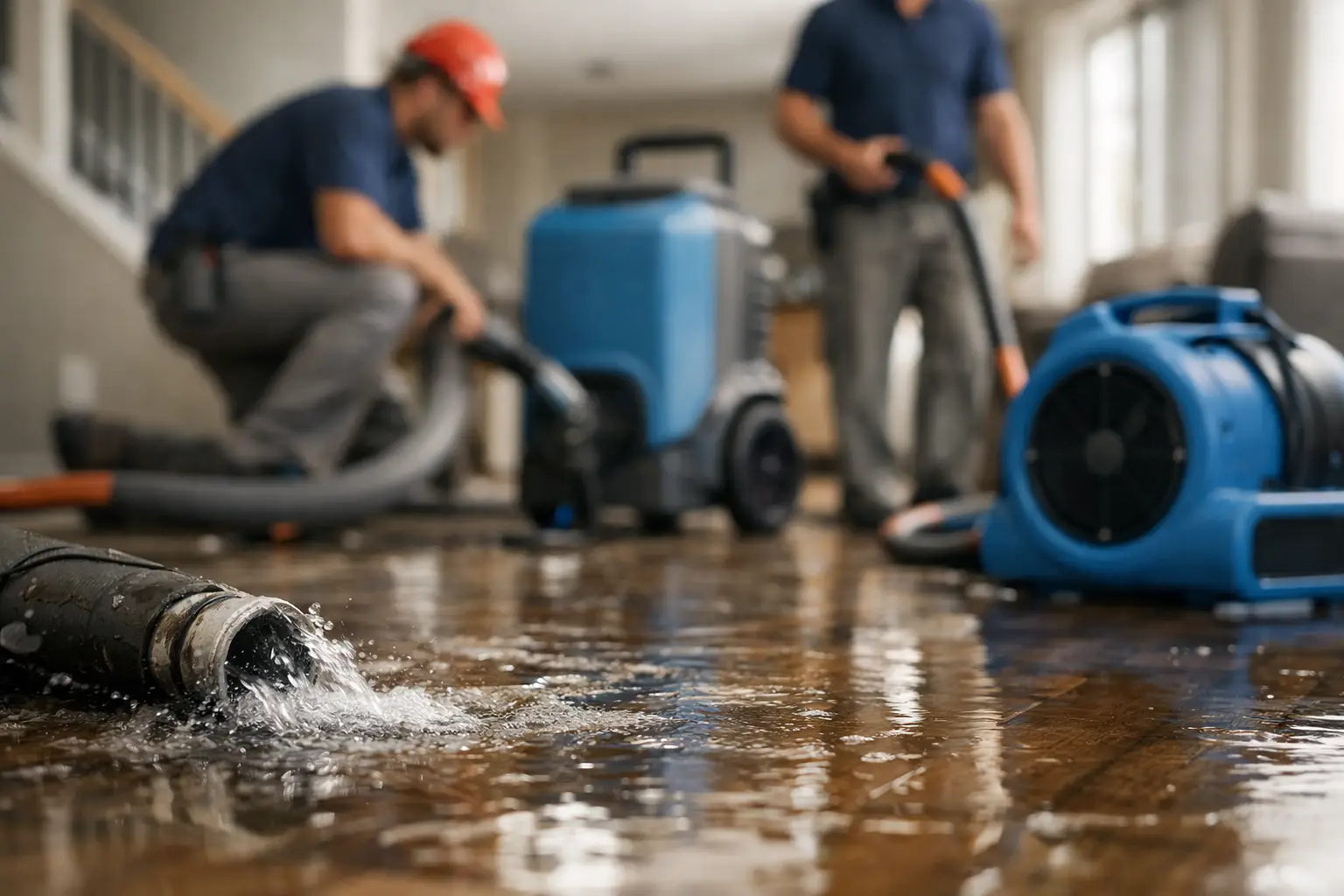
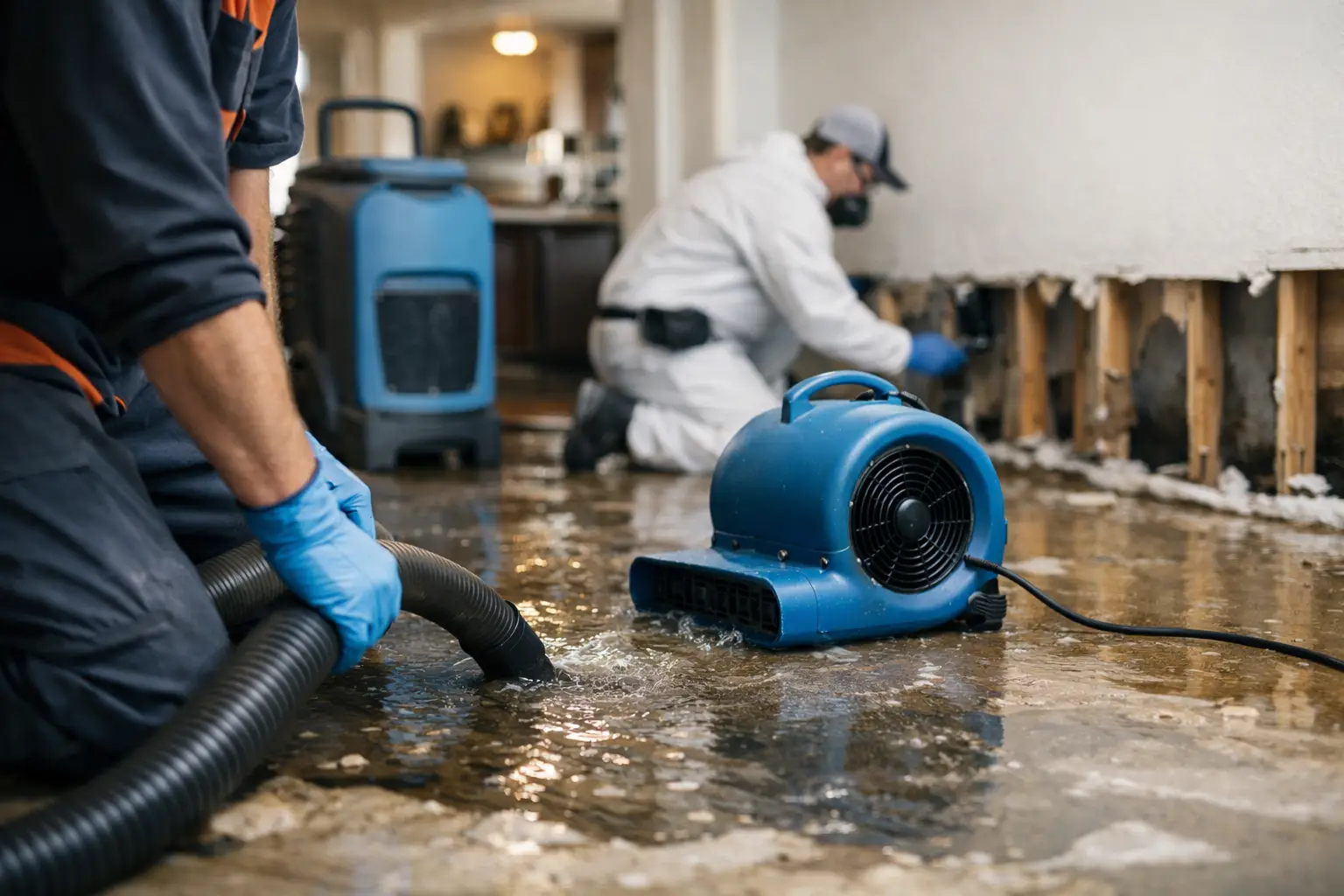 Water Damage
Extraction, structural drying, and moisture mapping after floods, leaks, and burst pipes.
Get help now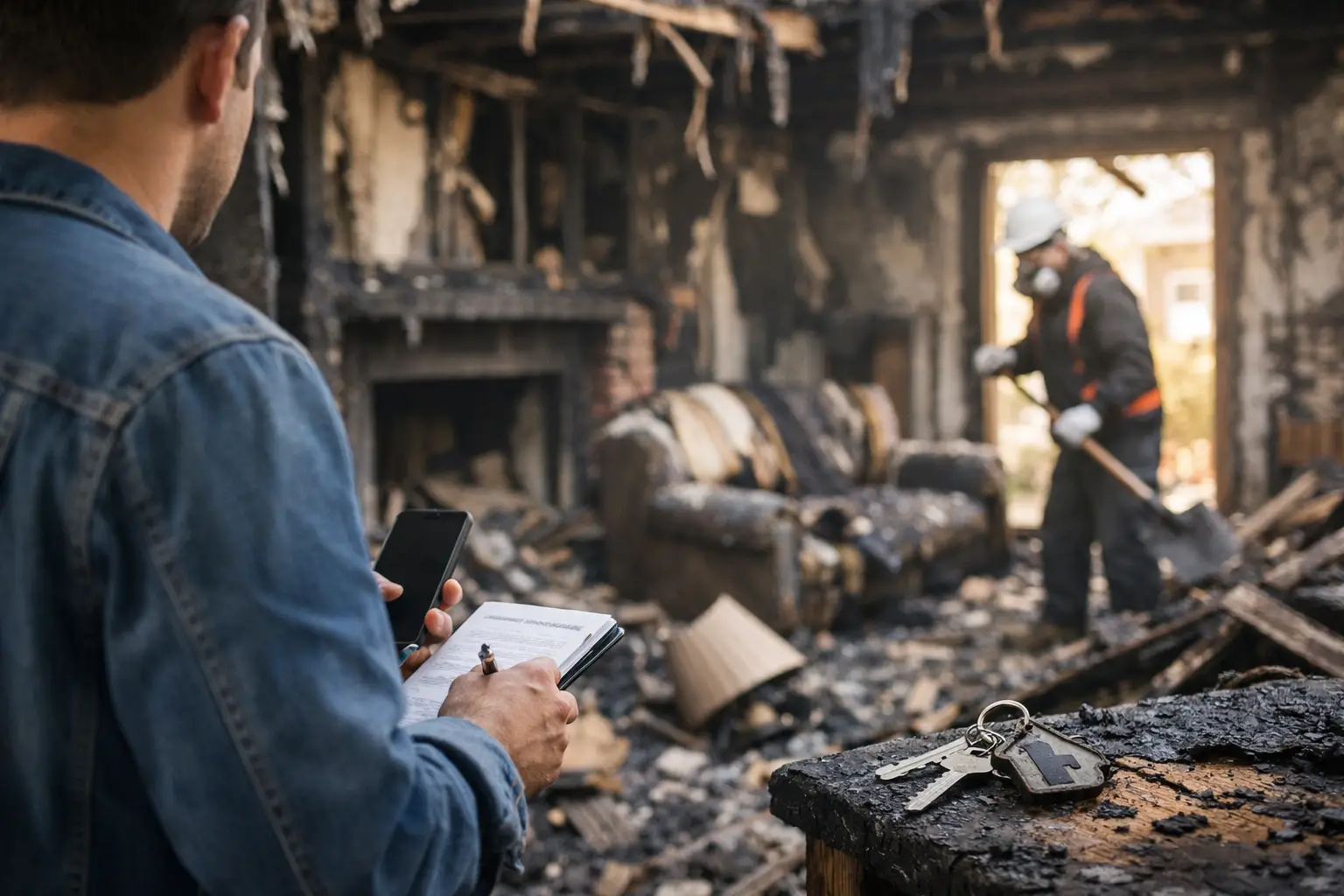 Fire & Smoke
Soot removal, odor deodorization, and content cleaning after fire and smoke damage.
Learn more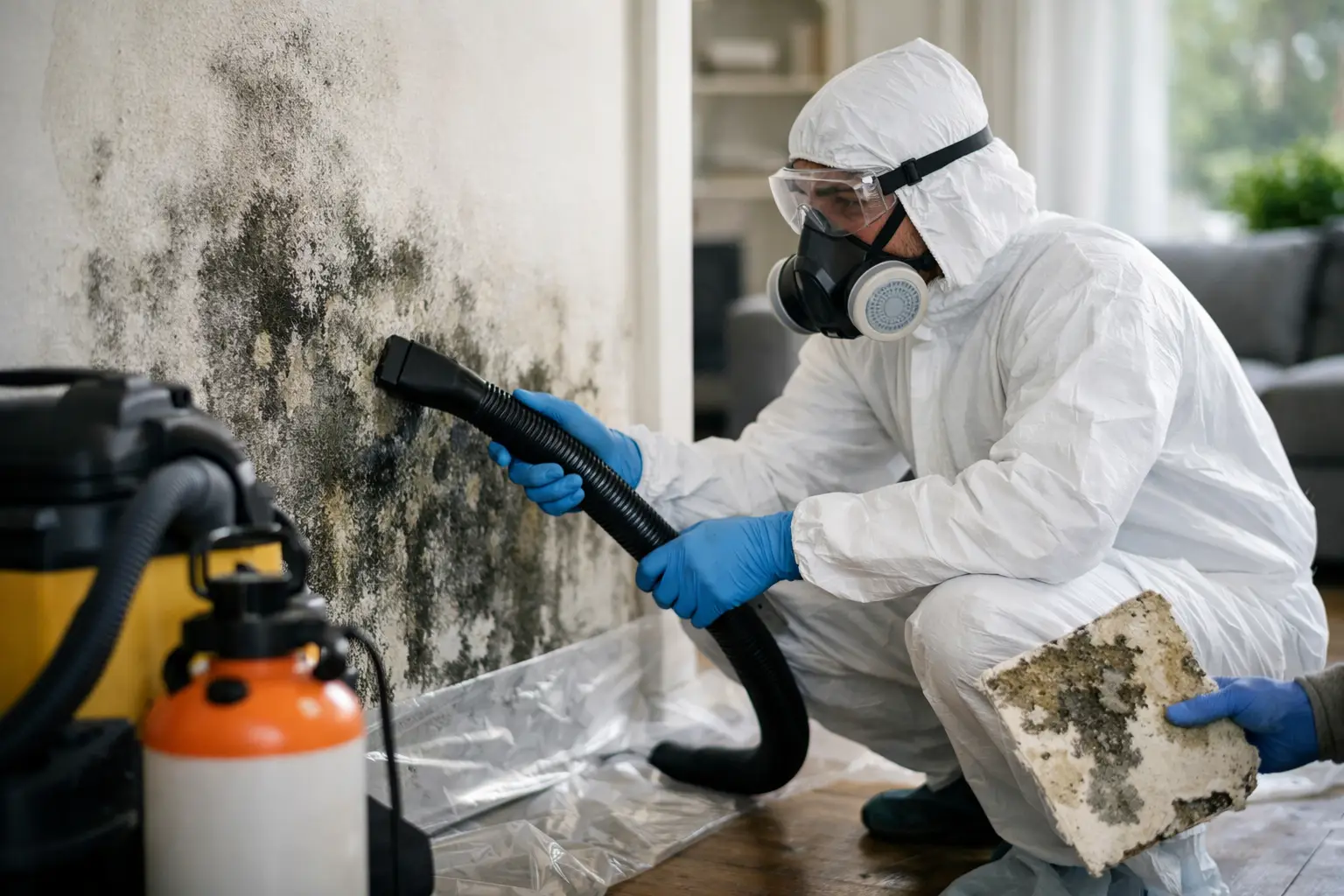 Mold
MoldContainment, removal, and moisture control that stops mold from coming back.
Learn more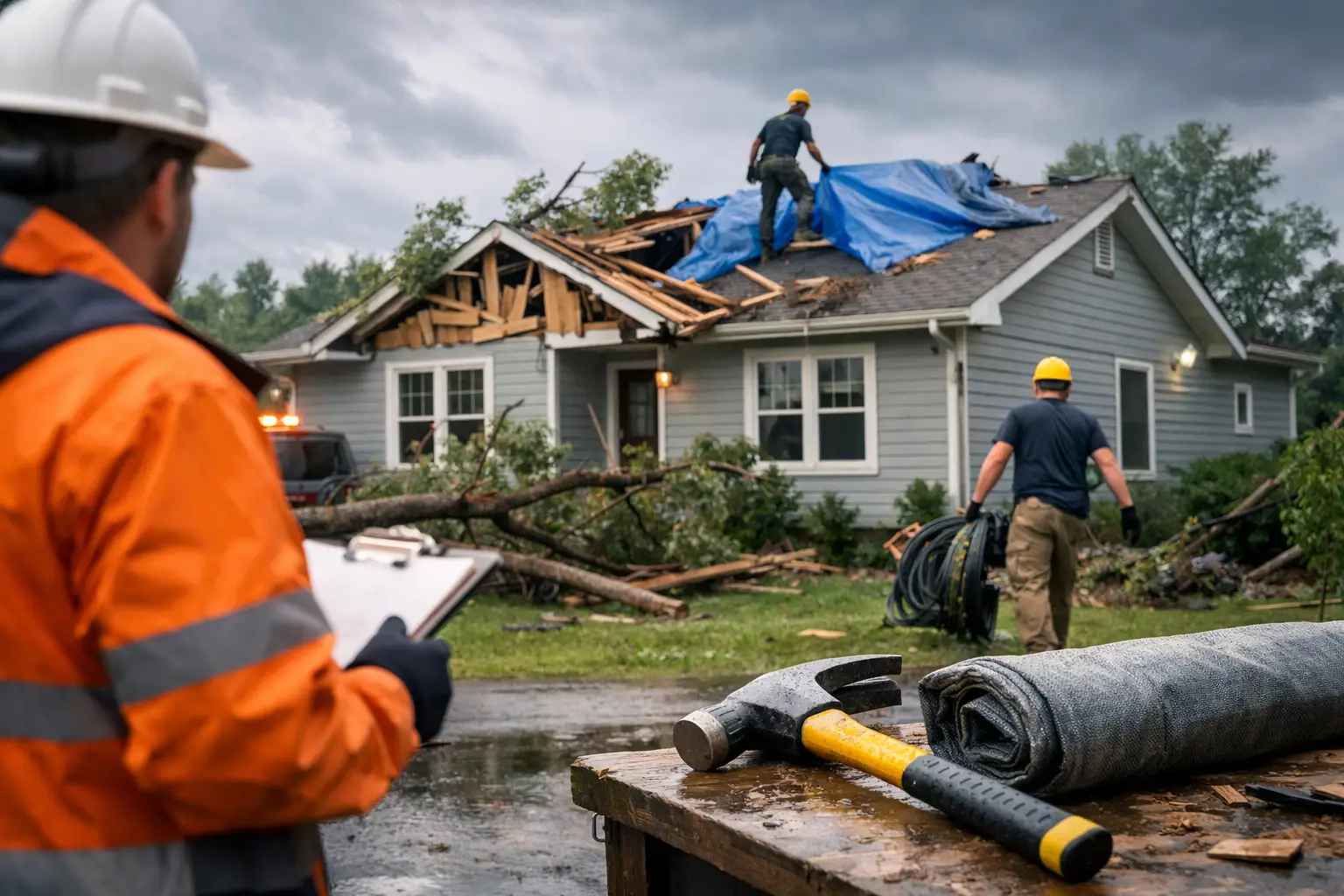 Storm
StormEmergency board-up, roof tarping, and full recovery after wind, hail, and storms.
Learn more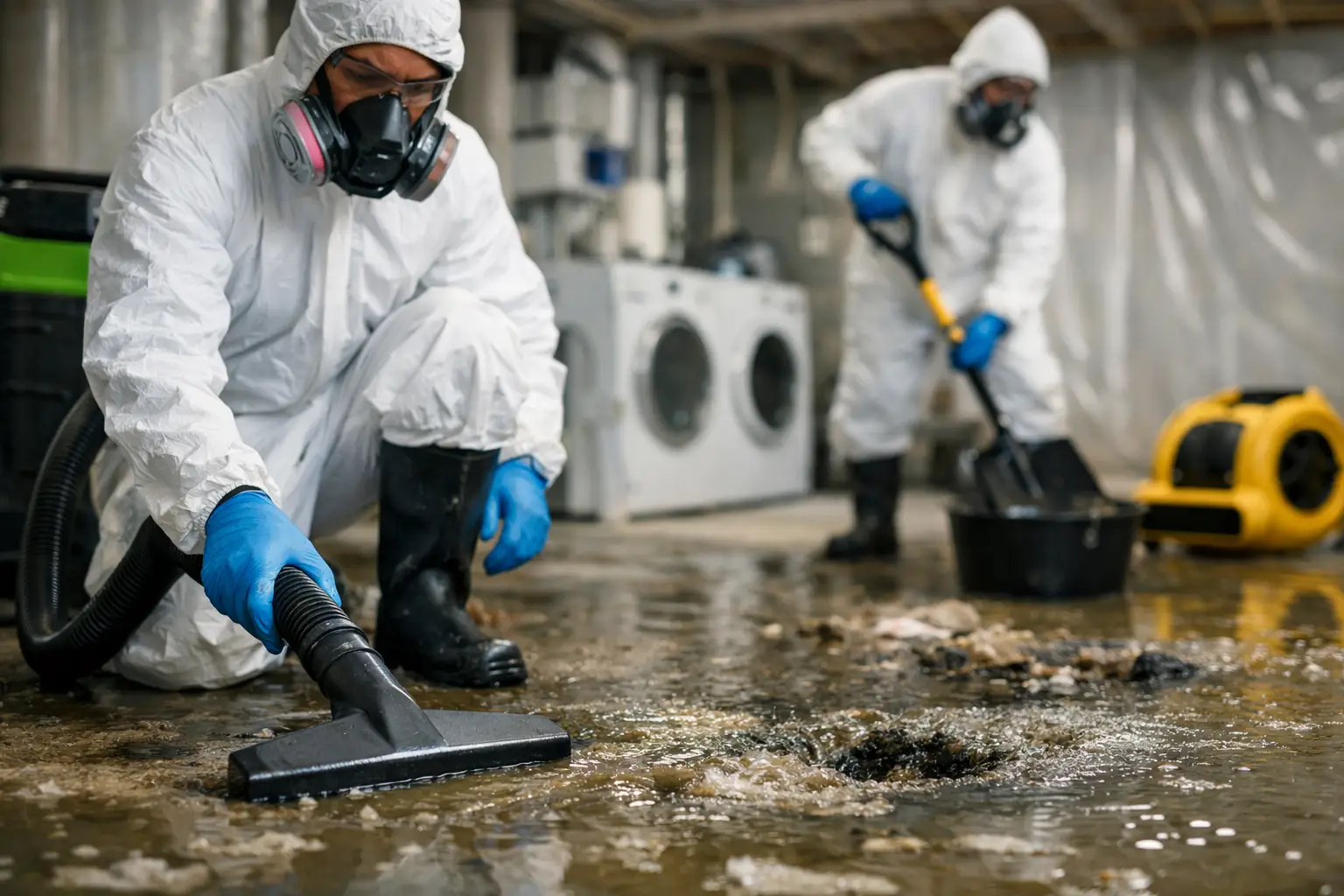 Sewage
Safe biohazard cleanup and sanitizing after sewage backups and overflows.
Learn more Reconstruction
Full rebuild by a licensed general contractor, so your property comes back whole.
Learn moreElevated Operations is an IICRC-certified, licensed general contractor based in Mableton that handles the entire recovery in-house, so after one loss you are never coordinating a cleanup crew, a mold crew, and a contractor separately. One team, one point of contact, from the first pump-out to the final coat of paint.
People call when the property feels like a disaster. They leave reviews because Chris and the crew made it right. These are real, verified Google reviews.
First, keep people out of the affected rooms until the area is safe to enter. In East Point, I look at the source, the travel path, and the HVAC before I clean. That order matters in older bungalows because soot can migrate fast through hallways and returns. If insurance is involved, I document everything and use direct billing so the process stays organized.
Yes, if the odor source is cleaned properly and the affected materials are treated the right way. In East Point bungalows, smoke can hide in trim, fabric, and ductwork, so I do not rely on sprays alone. I use deodorization, contents cleaning, and system checks together so the smell does not return when the house warms up.
The right soot removal method depends on the surface and the type of soot. I start dry where needed, then move into careful surface cleaning so the residue does not smear across painted walls or ceilings. In East Point, I also check vents and returns, because hidden soot often keeps reappearing after the visible cleanup is done.
As soon as the area is safe and the source is controlled. Smoke damage keeps spreading through fabric, wood, and ductwork, and in East Point’s compact homes that happens quickly. I respond 24/7, and the earlier I can begin, the better the chance of saving finishes, contents, and the HVAC system.
I treat the HVAC path as part of the damage, not an afterthought. If smoke moved through the system, I inspect it early and recommend hvac cleaning when needed. That keeps soot from being pushed back into cleaned rooms. In East Point, older bungalow layouts make that step especially important.
Yes, when fine particles are still active in the air. I use an air scrubber to help control the working environment during smoke and soot cleanup, especially in tight East Point rooms where airflow can carry residue from one space to another. It supports the cleaning, but it does not replace it.
That is where contents cleaning comes in. I sort what can be restored, clean it carefully, and keep the odor from spreading back into the house. In East Point, fabrics and upholstered pieces can hold smoke longer than walls do, so I treat them as part of the job, not an extra.
Yes. I use direct insurance billing, and I am a licensed general contractor, so I can keep the cleanup, documentation, and repair path aligned. That helps in East Point when the claim needs photos, notes, and a clear scope. My company has been in restoration since 2007, and I stand behind the work with a 12-month warranty.
Elevated Operations dispatches IICRC-certified crews across Metro Atlanta from our Mableton base, with a 60-minute emergency response day or night. Choose your city:
Call now for an immediate response, or request your free inspection and get a certified crew on-site within the hour across Atlanta and nearby areas.