24/7 Emergency Restoration · Serving Metro AtlantaEmergency? (770) 404-6895
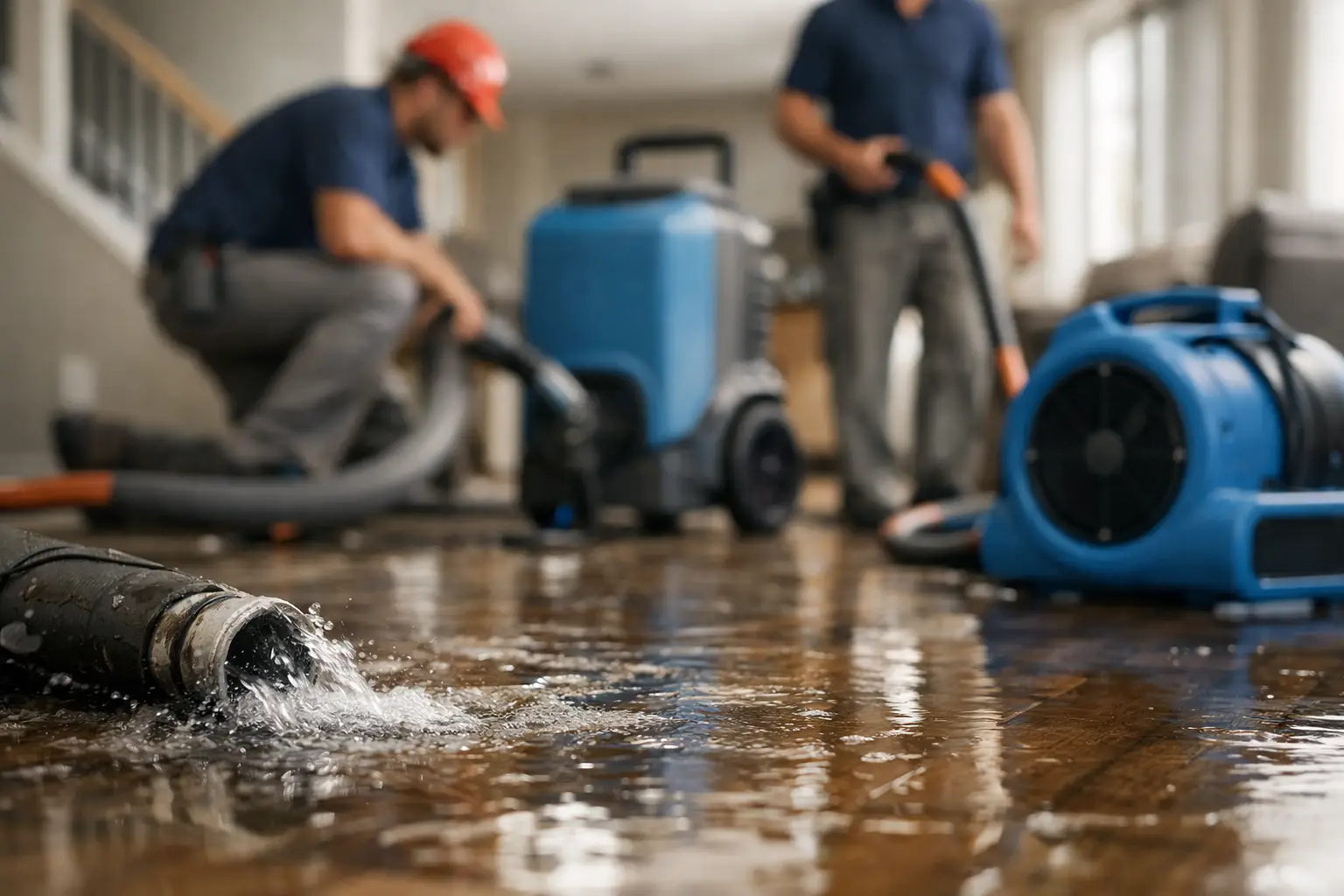
Water mitigation services Kennesaw homeowners and landlords need are about stopping damage fast, not waiting for water to “dry on its own.” I own Elevated Operations, LLLP, and I’ve been handling loss mitigation since 2007 with IICRC-certified technicians, direct insurance billing, and 60-minute emergency response 24/7 from our Mableton base.
IICRC-Certified · 5-Star Rated · 60-Minute Response · Insurance Billed Directly
It includes stopping the water, extracting what is standing, drying the structure, and checking moisture until the area is stable. That is the real job.
Yes, because rentals add tenant coordination and landlord responsibility. But both need immediate mitigation, not waiting.
Yes. Small leaks often hide in walls and floors. If the materials stay damp, the problem comes back.
I do. I am Chris Kwangwari, and I run Elevated Operations, LLLP from Mableton with a licensed general contractor approach.
Water mitigation services include stopping the source, water extraction, containment where needed, dehumidification, structural drying, and moisture control. The goal is to limit spread and reduce secondary damage before it gets worse in Kennesaw homes, KSU rentals, and older properties near Kennesaw Mountain.
Myth: mitigation means just drying the carpet. Fact: I treat it as a controlled process, and that starts with finding where the water went. In a Kennesaw house, that can mean baseboards, framing, cabinets, and hidden cavities, not just the visible floor.
Myth: a fan and open windows solve it. Fact: air movement alone does not remove trapped moisture. I use drying equipment and moisture checks so the job is measured, not guessed. That matters in rentals around KSU where one leak can affect two tenants and a landlord at once.
Myth: if the surface feels dry, the structure is dry. Fact: drywall, subfloor, and insulation can hold water long after the room looks normal. Near Kennesaw Mountain, where many homes have mixed ages and materials, structural drying has to be precise or you end up rebuilding what should have been saved.
Water mitigation should start as soon as the leak is discovered, because delay gives water time to spread and materials time to break down. I respond 24/7 with a 60-minute emergency response, and that speed matters in Kennesaw where mold can start in 24 to 48 hours.
Myth: it is fine to wait until morning. Fact: every hour matters once water reaches drywall, trim, or subfloor. In a KSU rental, that delay can also turn into a landlord-tenant dispute over who reported the issue and when the damage expanded.
Myth: a small leak can wait for the weekend. Fact: small leaks are the sneakiest ones. They move behind cabinets and under flooring, especially in busy homes near Barrett Parkway and neighborhoods feeding toward Kennesaw Mountain where people often do not notice a leak until the odor shows up.
Myth: insurance will handle the timeline later. Fact: documentation helps, but loss mitigation starts first. I handle direct insurance billing, and I still push the drying immediately because insurers do not live with the damage. The homeowner does, and the structure pays for delay.
No, water mitigation is not the same as water restoration. Mitigation stops the damage and dries the structure, while restoration covers repairs and rebuilding after the property is stabilized. In Kennesaw, both may be needed, but they are not the same job.
Myth: one company with one truck does everything the same way. Fact: mitigation is the emergency response, restoration is the rebuild phase. I am a licensed general contractor, so I understand both sides, but I never blur the line. The structure has to be stabilized before anyone talks finish work.
Myth: if the water is gone, the job is done. Fact: water extraction is only one part. You still need dehumidification, monitoring, and often containment to protect unaffected rooms. That matters in Kennesaw homes with open floor plans and in apartment units near KSU where moisture moves fast.
Myth: restoration can start before drying. Fact: that is how repairs fail. Painting over damp drywall or installing flooring over wet subfloors creates repeat damage. Near Kennesaw Mountain, where many owners want their homes back fast, I still insist on dry materials before any rebuild begins.
Moisture control matters because hidden dampness keeps damaging materials after the visible water is gone. In Kennesaw, that means keeping an eye on crawl spaces, wall cavities, flooring systems, and HVAC-adjacent areas so mold, swelling, and odors do not come back later.
Myth: once the puddle is gone, moisture is gone. Fact: hidden moisture can stay in framing and insulation. I check readings, track drying progress, and adjust the setup until materials are actually dry. That kind of moisture control is not optional if you want the structure to stay sound.
Myth: Georgia humidity makes drying impossible. Fact: humidity is a factor, not a dead end. Proper dehumidification and airflow still work when the equipment is placed correctly and monitored. Kennesaw sits in a climate where you have to stay disciplined, especially after storm intrusion or plumbing failures.
Myth: only large floods need professional help. Fact: a slow leak behind a tub wall can be worse than a dramatic overflow because it hides longer. I see that in houses near Kennesaw Mountain and in older rentals around KSU, where little leaks turn into big repairs because nobody checked the moisture behind the surface.
Yes, KSU rentals need careful handling because landlord-tenant responsibilities, documentation, and access coordination can affect the response. I work directly with property owners and can keep the mitigation focused on stopping damage while preserving evidence and communication for insurance and management.
Myth: a rental leak is just a tenant problem. Fact: it is often a property problem with a reporting problem attached. In KSU rentals, the faster the issue is documented and addressed, the easier it is to keep water from spreading into adjoining units, cabinets, or shared walls.
Myth: the tenant should wait for the landlord to decide. Fact: mitigation should start while the paperwork catches up. I deal with direct insurance billing and can move quickly without turning a leak into a debate. That matters when classes, move-ins, and lease timing are all happening at once.
Myth: rental units dry the same as single-family homes. Fact: multi-unit properties need tighter containment and cleaner coordination. If one room is wet and another is occupied, I set the work up to protect the rest of the property. That is the difference between loss mitigation and a bigger loss.
No, natural drying is unreliable and usually leaves moisture trapped in places you cannot see. Around Kennesaw Mountain, where homes often have crawl spaces, mixed construction, or shaded areas, professional drying equipment and monitoring are the only sensible way to control the damage.
Myth: good airflow from open windows is enough. Fact: open-air drying does not remove enough moisture from materials. I use structural drying because wood, drywall, and insulation need controlled conditions, not hope. That is especially true after storm-related intrusion or a supply line break.
Myth: the sun fixes everything. Fact: sun can dry a surface while the inside stays wet. I have seen homeowners near Kennesaw Mountain trust a quick surface check and miss moisture in the wall system. That is how odors, swelling, and hidden decay start.
Myth: if no one sees it, it is not a problem. Fact: unseen moisture is often the real problem. I take readings, set the drying plan, and verify the structure instead of assuming. That is how I handle homes the right way, whether they sit off Jiles Road or closer to downtown Kennesaw.
Fact: extraction is only the first move. I still need dehumidification, drying equipment, and moisture checks so the structure is actually dry, not just less wet.
Fact: in KSU rentals, delay can spread the loss into walls, flooring, and neighboring units. I start mitigation fast and keep the paperwork moving after.
Fact: hidden moisture does the damage. I have to verify the structure, because what you cannot see is usually what costs the most later.
From emergency mitigation to full reconstruction, handled in-house so you are never managing a chain of subcontractors mid-crisis.
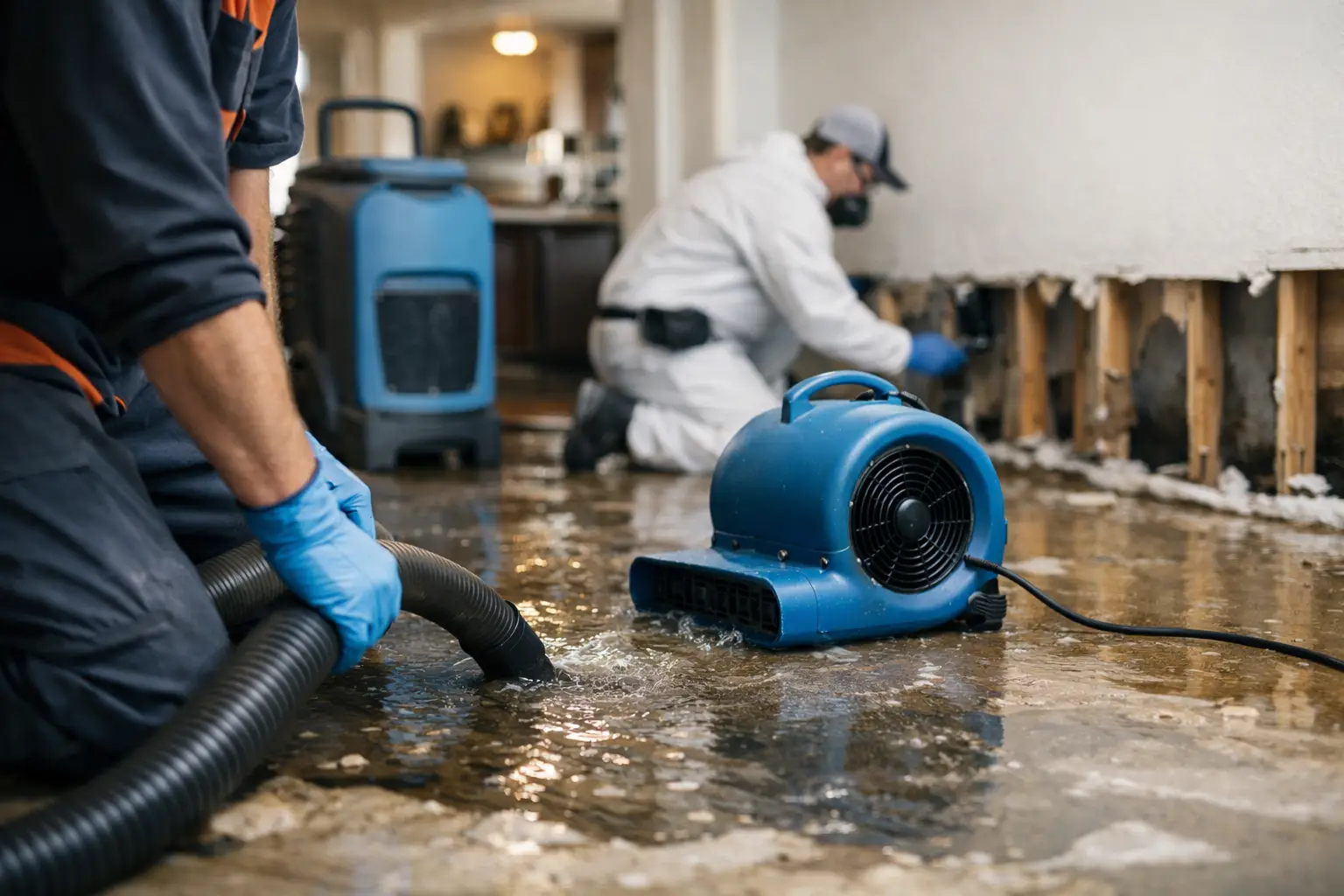 Water Damage
Extraction, structural drying, and moisture mapping after floods, leaks, and burst pipes.
Get help now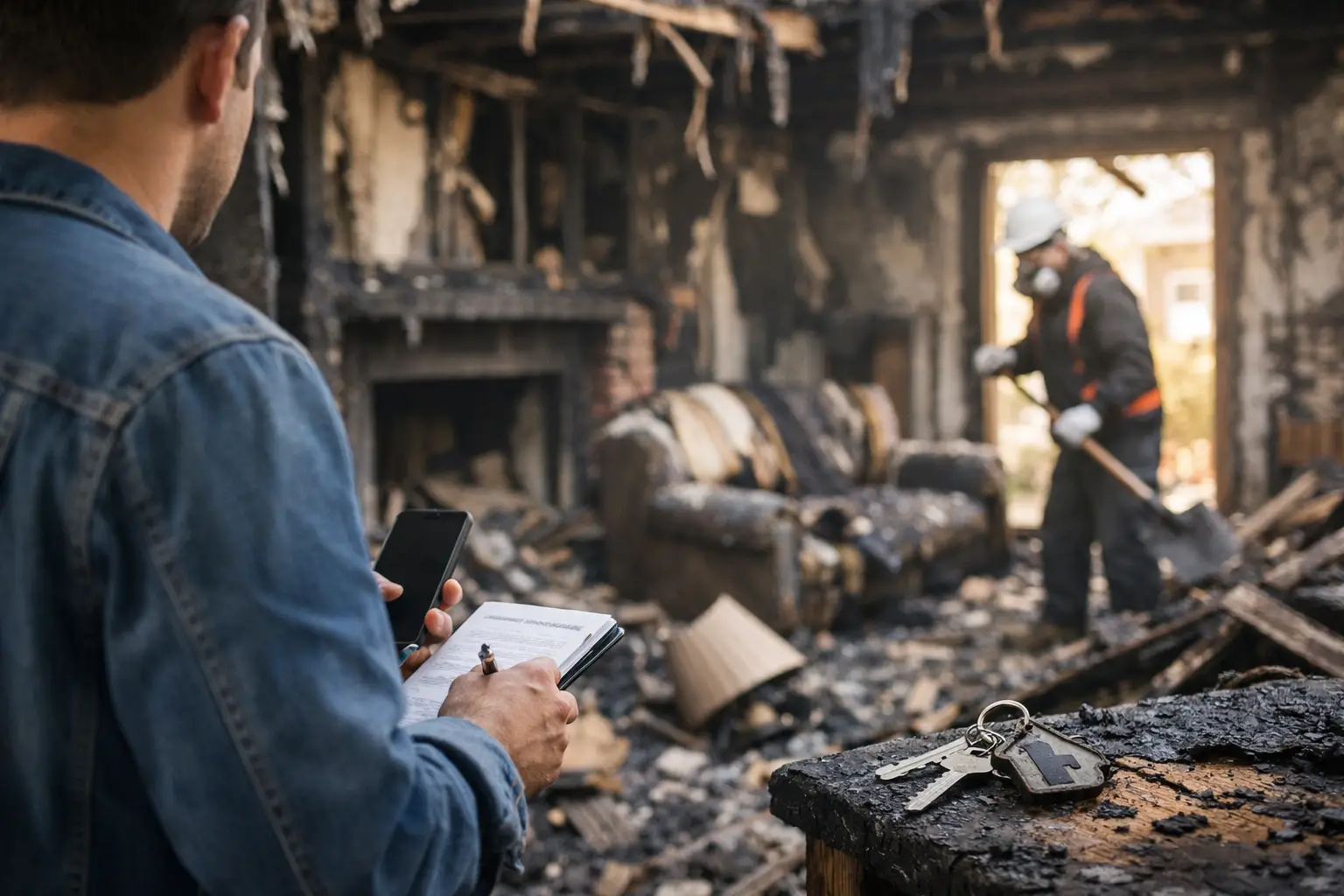 Fire & Smoke
Soot removal, odor deodorization, and content cleaning after fire and smoke damage.
Learn more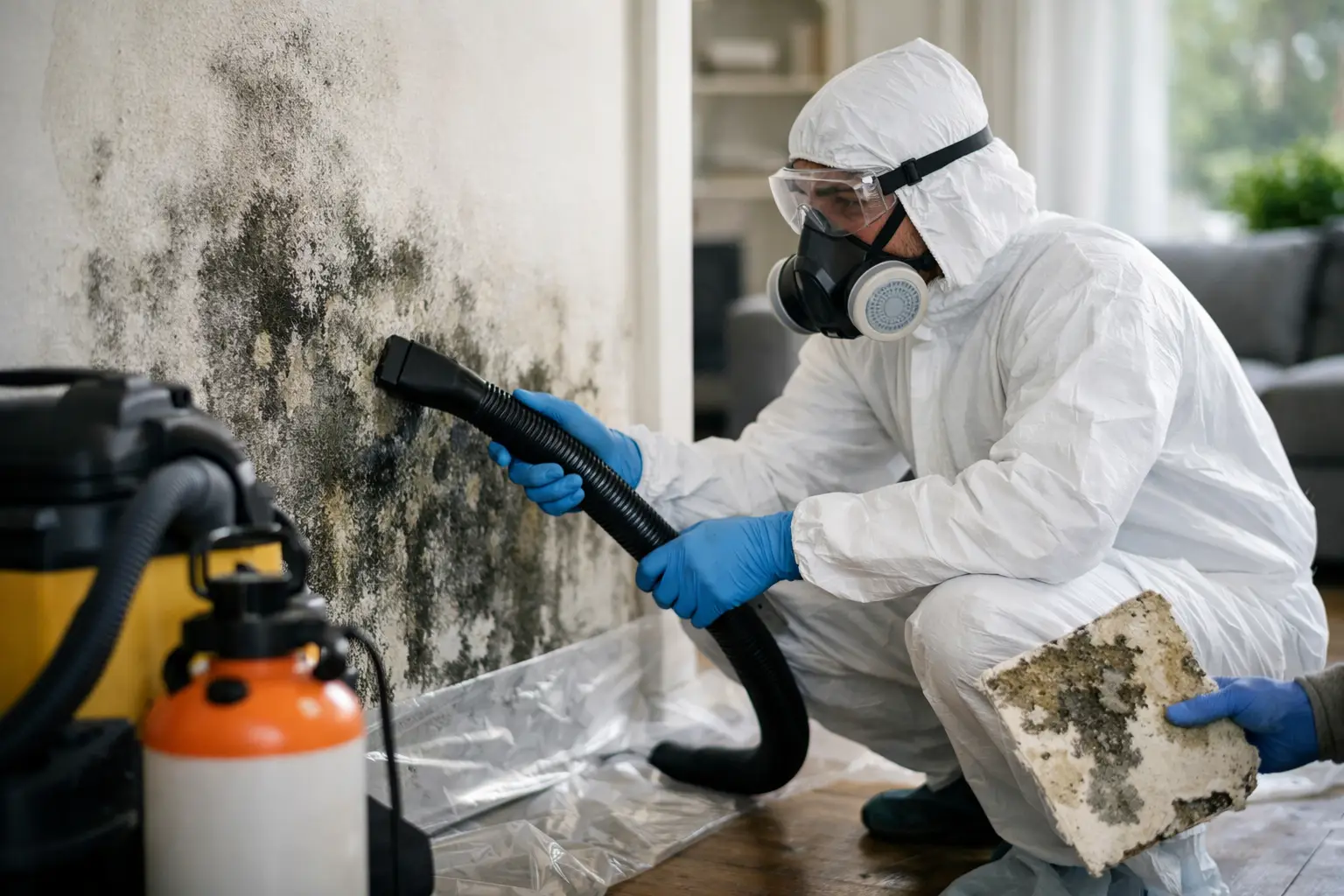 Mold
MoldContainment, removal, and moisture control that stops mold from coming back.
Learn more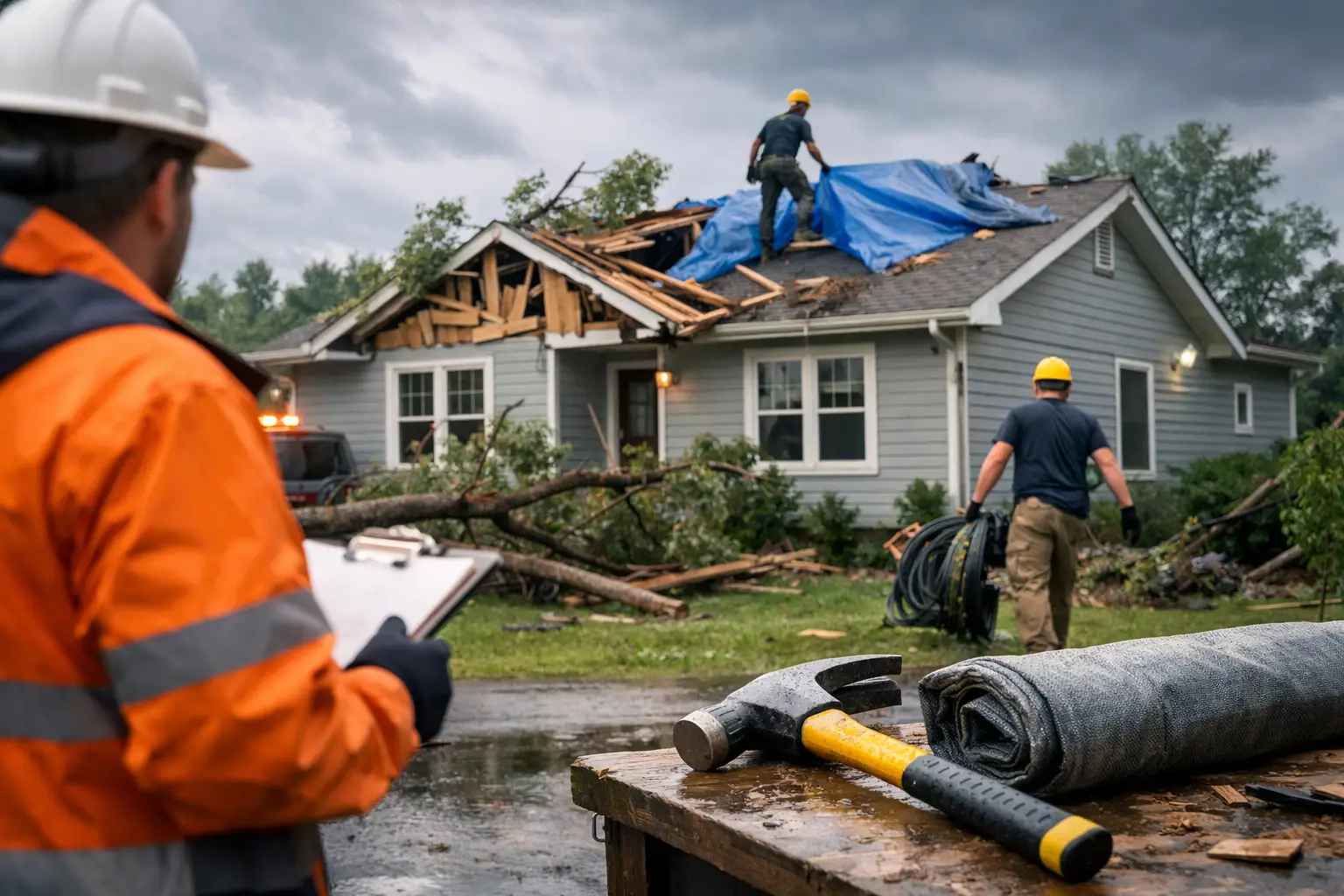 Storm
StormEmergency board-up, roof tarping, and full recovery after wind, hail, and storms.
Learn more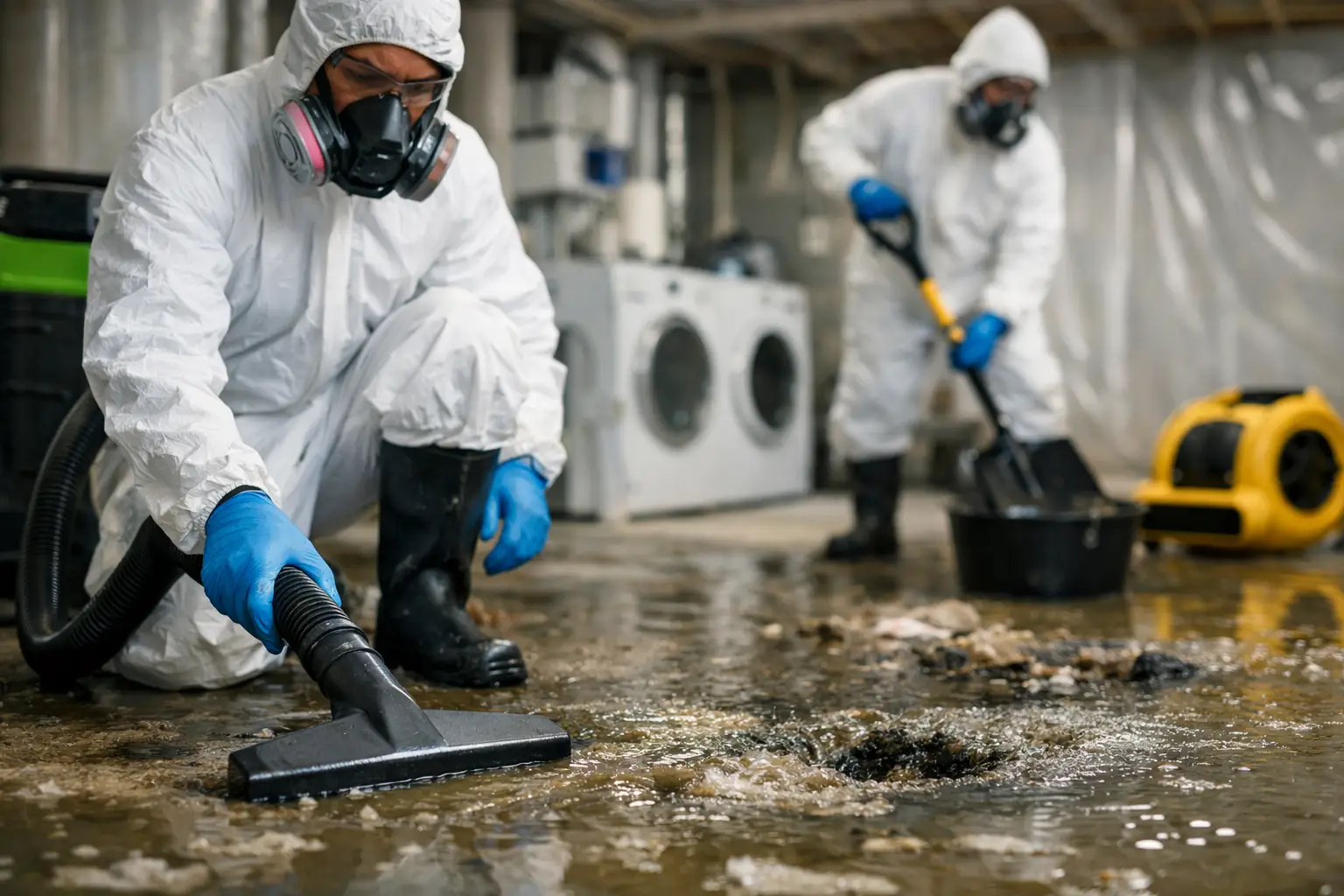 Sewage
Safe biohazard cleanup and sanitizing after sewage backups and overflows.
Learn more Reconstruction
Full rebuild by a licensed general contractor, so your property comes back whole.
Learn moreElevated Operations is an IICRC-certified, licensed general contractor based in Mableton that handles the entire recovery in-house, so after one loss you are never coordinating a cleanup crew, a mold crew, and a contractor separately. One team, one point of contact, from the first pump-out to the final coat of paint.
People call when the property feels like a disaster. They leave reviews because Chris and the crew made it right. These are real, verified Google reviews.
I start with water extraction, then I map where moisture moved and set the drying plan. Homes near Kennesaw Mountain often have shaded areas, crawl spaces, or mixed construction that hold water longer than people expect. My focus is stopping damage early, documenting it clearly, and keeping the structure from turning into a bigger rebuild.
Get mitigation started right away and document the condition before anything is moved or torn out. In KSU rentals, landlord-tenant communication matters, but delay costs more than a fast response. I can work directly with owners, use direct insurance billing, and keep the response focused on protecting the property and the record.
No. Water mitigation is about stopping the source, removing standing water, and drying the structure before mold gets a foothold. Mold can start in 24 to 48 hours, so timing matters. In Kennesaw, I treat water intrusion as a race against hidden moisture, not as a cleaning job after the fact.
I inspect the affected areas, perform water extraction, set containment if needed, and bring in drying equipment for structural drying and dehumidification. Then I monitor moisture control until the materials are dry enough to move forward. Townhouses and rentals need tighter setup because water can cross rooms fast.
Yes. I offer direct insurance billing and handle the mitigation side with documentation that supports the claim. That matters when the loss hits a Kennesaw homeowner, a landlord, or a KSU rental owner who needs the work started before the paperwork drags on.
Older homes can hide moisture in framing, flooring, and enclosed voids, so the drying plan has to be more exact. I use IICRC-certified technicians and a measured process because old materials do not forgive guesswork. If they stay damp, they fail later.
I offer 24/7 emergency response with a 60-minute emergency response goal. That speed matters because water spreads quickly into flooring and walls, especially in occupied homes and rentals. My job is to stop the damage early, not after it has already spread.
Yes, I provide a 12-month warranty on the work I perform. That does not replace the need for proper drying and monitoring, but it does show how seriously I stand behind the mitigation process when the job is done the right way.
Elevated Operations dispatches IICRC-certified crews across Metro Atlanta from our Mableton base, with a 60-minute emergency response day or night. Choose your city:
Call now for an immediate response, or request your free inspection and get a certified crew on-site within the hour across Atlanta and nearby areas.