24/7 Emergency Restoration · Serving Metro AtlantaEmergency? (770) 404-6895
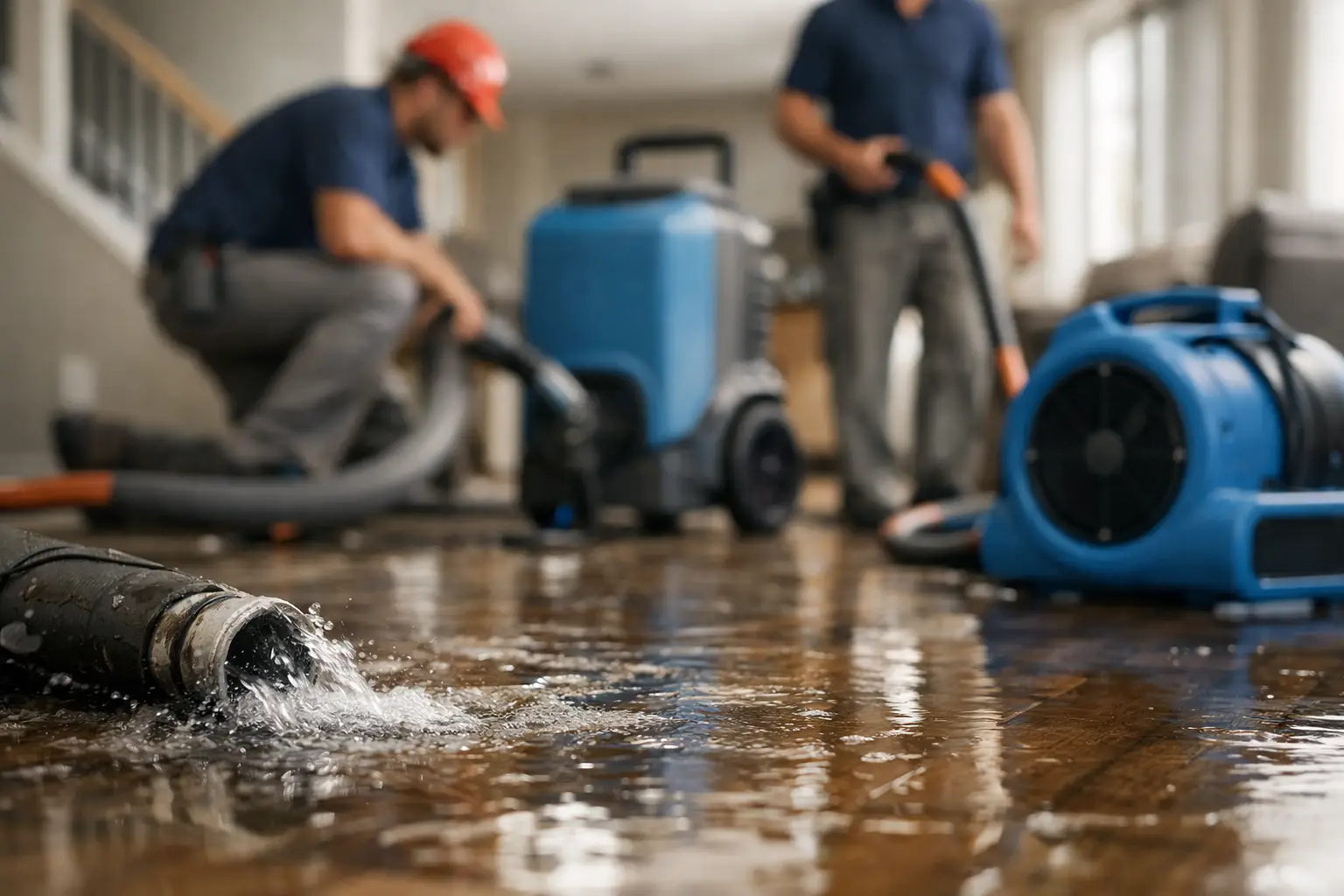
Smoke and soot cleanup Marietta starts with understanding what burned, where the soot traveled, and what materials it touched. I am Chris Kwangwari, owner of Elevated Operations, and I explain this work plainly because Marietta homes near the Historic Square and around Kennesaw Mountain need careful cleanup, not guesswork.
IICRC-Certified · 5-Star Rated · 60-Minute Response · Insurance Billed Directly
Yes. Small fires still leave acidic soot, odor, and hidden residue that can spread fast through a house.
That usually means the system moved particles through the house, and hvac cleaning should be considered.
Usually yes, but it needs a careful method. I avoid harsh scrubbing and match the cleaning to the surface.
I handle direct insurance billing, and I can also assist with deductibles up to $1,000 when eligible.
Smoke and soot cleanup is the process of removing acidic residue, odor, and hidden contamination after a fire, a cooking flare-up, or a malfunction that spread smoke through a house. In Marietta, that often means treating plaster walls, older trim, and tight attic spaces with careful surface cleaning and deodorization.
Smoke is not just smell. It leaves fine particles that settle on ceilings, cabinets, vents, and carpet edges. Soot is the black residue that sticks to surfaces and stains fast, especially on the kind of plaster found in historic Square homes and older neighborhoods across Marietta.
I look at smoke damage cleanup as a materials problem, not a one-step wipe-down. A hallway can hold different residue than a kitchen cabinet or an HVAC return. If you clean the wrong way, you can smear soot deeper into paint, wood grain, and wall texture.
Marietta’s mix of older housing stock and renovated homes creates different cleanup needs. Plaster near the Square can be more fragile than modern drywall, and homes closer to Kennesaw Mountain can pull smoke into the structure when ventilation is off and windows stay closed. That changes the plan.
Smoke and soot damage shows up in Marietta because homes here combine older building materials, busy kitchens, fireplaces, and tight interior airflow that traps residue. After a fire, even a small one, soot moves through the structure and collects in places most homeowners do not notice at first.
In Marietta, I see two patterns again and again. Older homes around the Square often have plaster, original woodwork, and layered paint that can hold smoke residue. Newer homes farther out still get hit, but the damage often spreads through HVAC ducts, closets, and attic accesses.
Weather matters too. Heavy rain and runoff near Kennesaw Mountain can push homeowners to keep windows shut, which limits ventilation during and after a smoke event. That trapped air lets odor linger longer and makes deodorization more complicated than people expect.
Smoke cleanup is also about how people use their homes. Kitchen grease fires, electrical issues, fireplace puffback, and holiday cooking all send residue into rooms fast. And once soot lands on a warm surface, it bonds hard. Waiting does not make it easier.
You clean smoke and soot damage by containing the area, removing loose residue with dry methods first, and then using the right surface cleaning products for each material. Professional restoration also uses an air scrubber, controlled deodorization, and hvac cleaning when smoke has moved through the system.
The first mistake is wet-wiping too soon. That can turn dry soot into a gray smear that stains farther than the original damage. I start with inspection, source identification, and a plan for each room, because a smoke-damaged ceiling is not treated like a metal appliance or sealed cabinet.
After that, technicians use dry soot removal methods, then detailed surface cleaning. On Marietta homes with plaster near the Historic Square, I am careful with pressure and product choice. On trim, vents, and shelving, the goal is to lift residue without grinding it into the finish.
If smoke moved through the ducts, hvac cleaning matters. If odor is in the air, deodorization matters. If particles are still floating, an air scrubber helps capture them. That is how smoke damage cleanup becomes controlled instead of chaotic, and why professional restoration usually beats a homeowner shortcut.
What removes soot from walls and ceilings depends on the surface, the soot type, and how long it sat there. Dry soot, oily soot, and heat-baked residue all need different methods, especially on plaster, painted drywall, and textured finishes found in Marietta homes.
For walls and ceilings, the right approach starts with dry removal, then careful surface cleaning. On plaster, I avoid aggressive scrubbing that can damage the finish. On painted drywall, the wrong cleaner can leave rings or ghosting. The material decides the method, not the other way around.
In older Marietta homes, soot may settle into hairline cracks or around crown molding and ceiling corners. That is where a quick wipe misses the real problem. If residue remains in those spots, odor can keep returning, especially when the house warms up during the day.
Ceilings often trap the finest smoke particles because hot air rises. That is why smoke and soot cleanup is not just a wall job. It is a whole-structure job that includes vents, light fixtures, fan blades, and the upper edges of rooms people usually forget to inspect.
Smoke odor can often be removed completely when the source is identified, residue is cleaned properly, and affected materials are treated in the right order. If soot stays in hidden places, the odor can return, which is why deodorization and contents cleaning matter as much as visible cleanup.
Odor is not magic. It comes from microscopic particles and contaminated materials. If a sofa, curtain, attic space, or return air path still holds residue, the smell can linger. That is why deodorization works best after the physical smoke damage cleanup is done correctly.
In Marietta, I pay attention to the layout of the home. Older houses near the Square can have more porous materials and tighter room separations. Homes with Kennesaw Mountain views may have basements or upper floors that trap odor in different air zones, so one treatment rarely solves everything.
Contents cleaning also matters. A burned pan is obvious. Books, linens, and decorative items are not. If they carry smoke odor, the home may still smell clean but never fully feel clean. That is why I treat contents as part of the structure, not an afterthought.
Smoke cleanup should start as soon as it is safe to enter, because soot becomes harder to remove and odor settles deeper with every hour that passes. In Marietta, fast action protects plaster, paint, wood trim, and HVAC components from lasting damage.
Time is a real factor. Soot is acidic, and it keeps working on surfaces after the fire is out. A cabinet that looks dusty today can be permanently stained tomorrow. That is why I tell homeowners not to wait for the smell to fade on its own, because it usually will not.
If the event involved hidden smoke in ductwork or a puffback from heating equipment, hvac cleaning should be considered early. If the home sat closed up during rain near Kennesaw Mountain or after a storm, the odor can concentrate even more and spread through soft goods.
Early smoke damage cleanup also protects contents. Upholstery, photos, and textiles are easier to save when handled quickly. I have seen homeowners in Marietta delay because the damage looked minor, then find residue in closets, laundry rooms, and upstairs hallways days later. That delay costs them.
It keeps damaging paint, metal, and finishes after the fire is out, especially on older plaster and trim around the Historic Square.
If particles remain in hidden spaces, smoke odor comes back, even after a room looks clean.
When smoke enters returns or ducts, hvac cleaning is part of real restoration, not an optional add-on.
Plaster, drywall, wood, and fabric all need different methods, and Marietta homes often have more than one at once.
Books, textiles, and stored items can hold odor long after visible soot is gone, so contents cleaning is part of the process.
From emergency mitigation to full reconstruction, handled in-house so you are never managing a chain of subcontractors mid-crisis.
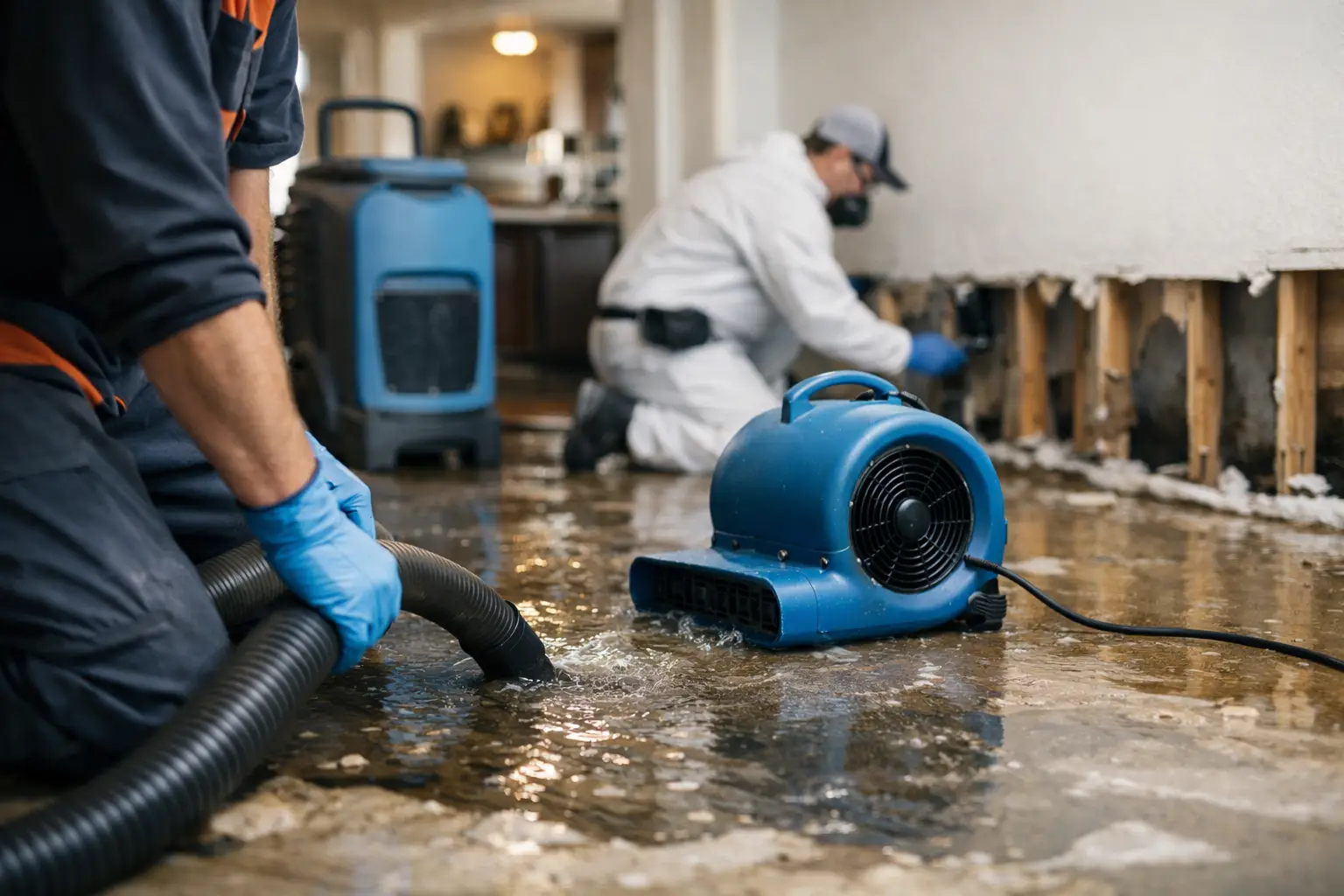 Water Damage
Extraction, structural drying, and moisture mapping after floods, leaks, and burst pipes.
Get help now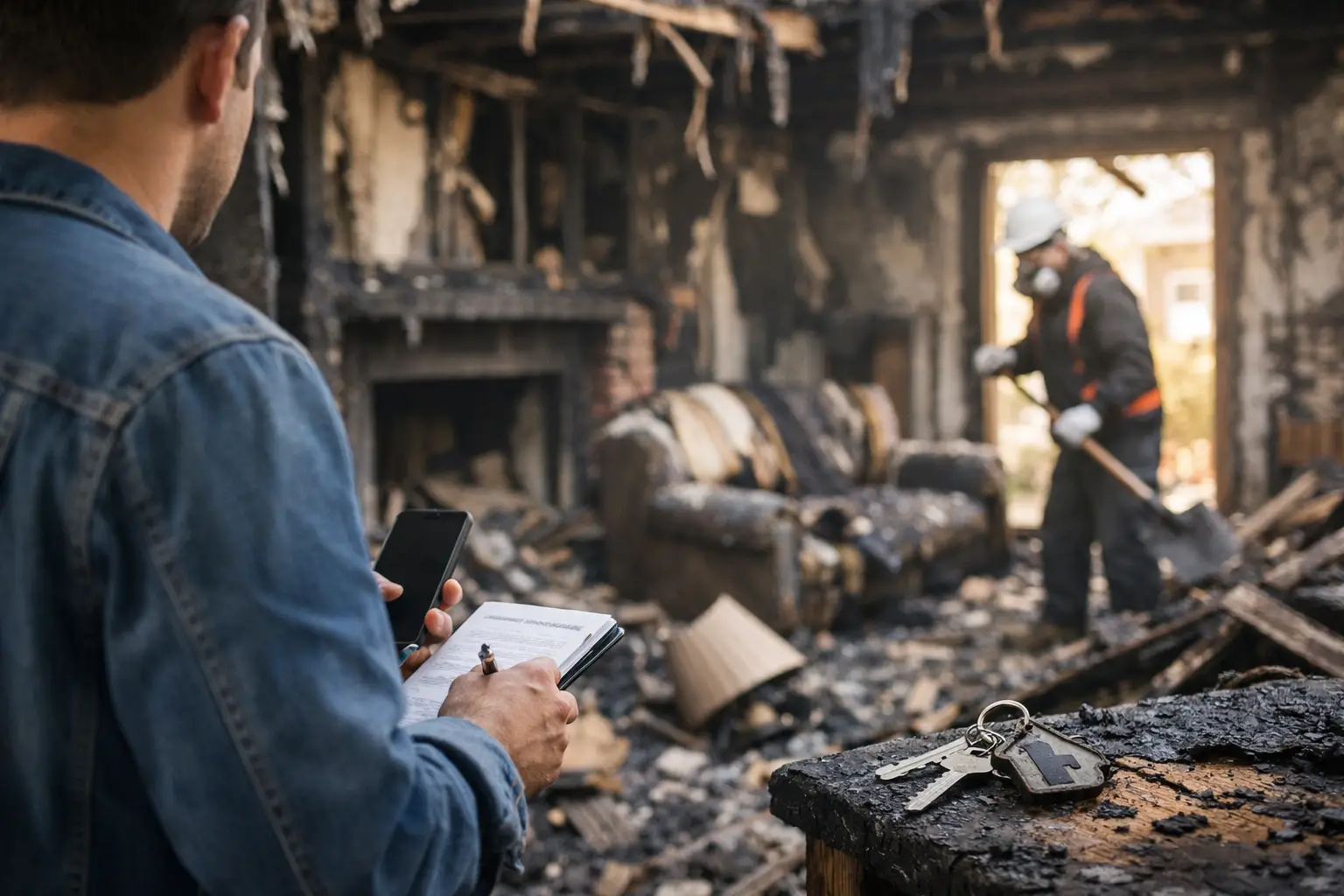 Fire & Smoke
Soot removal, odor deodorization, and content cleaning after fire and smoke damage.
Learn more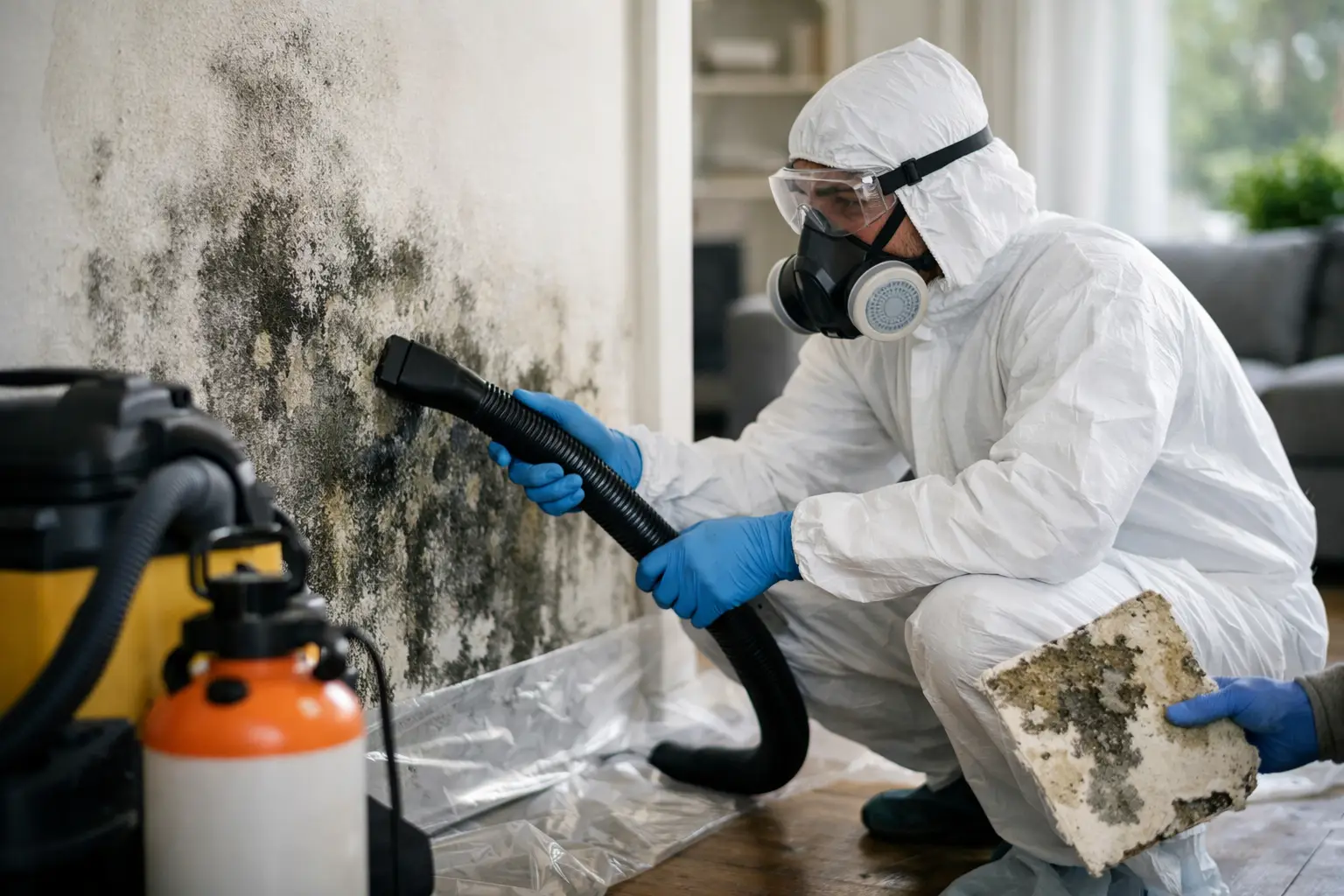 Mold
MoldContainment, removal, and moisture control that stops mold from coming back.
Learn more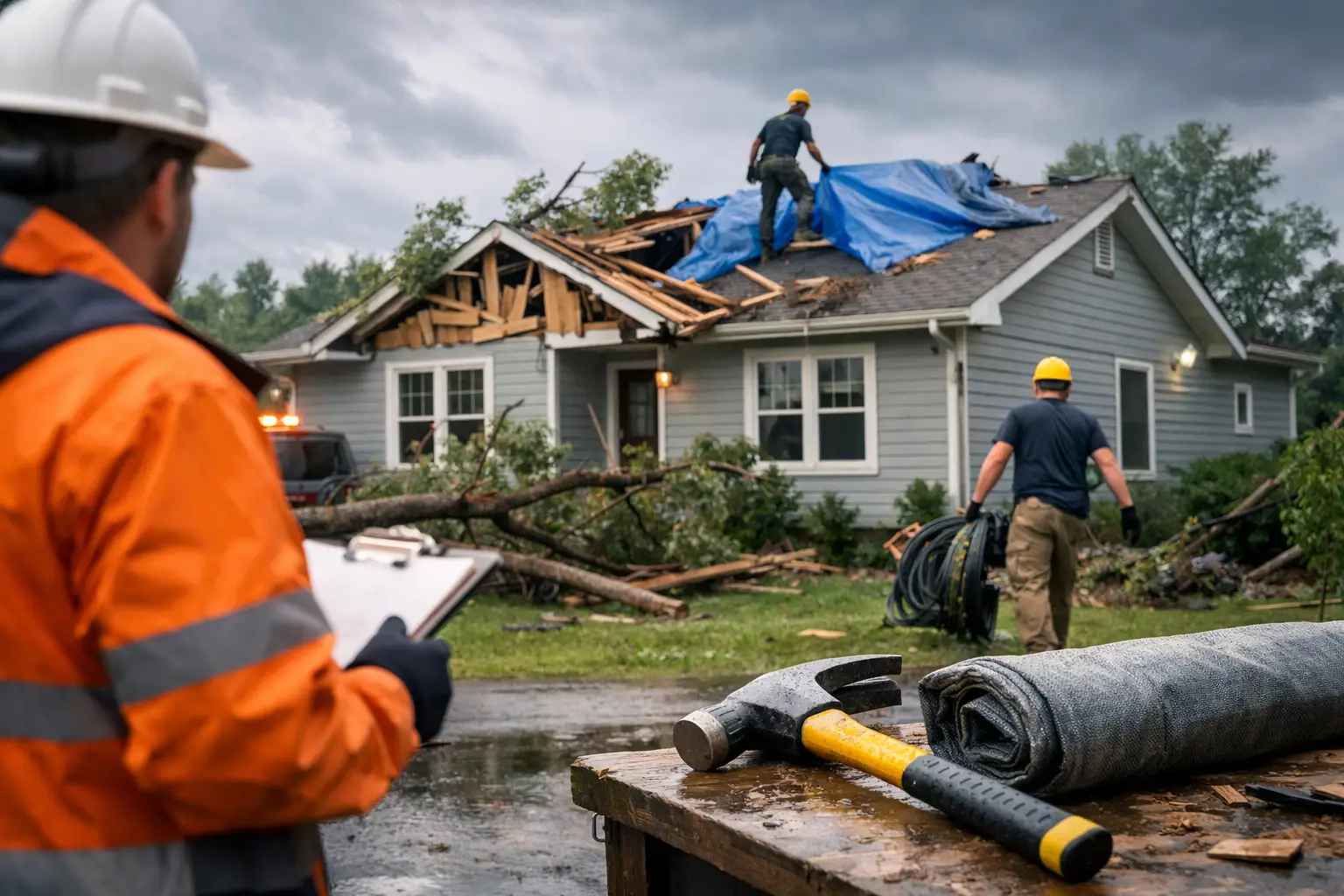 Storm
StormEmergency board-up, roof tarping, and full recovery after wind, hail, and storms.
Learn more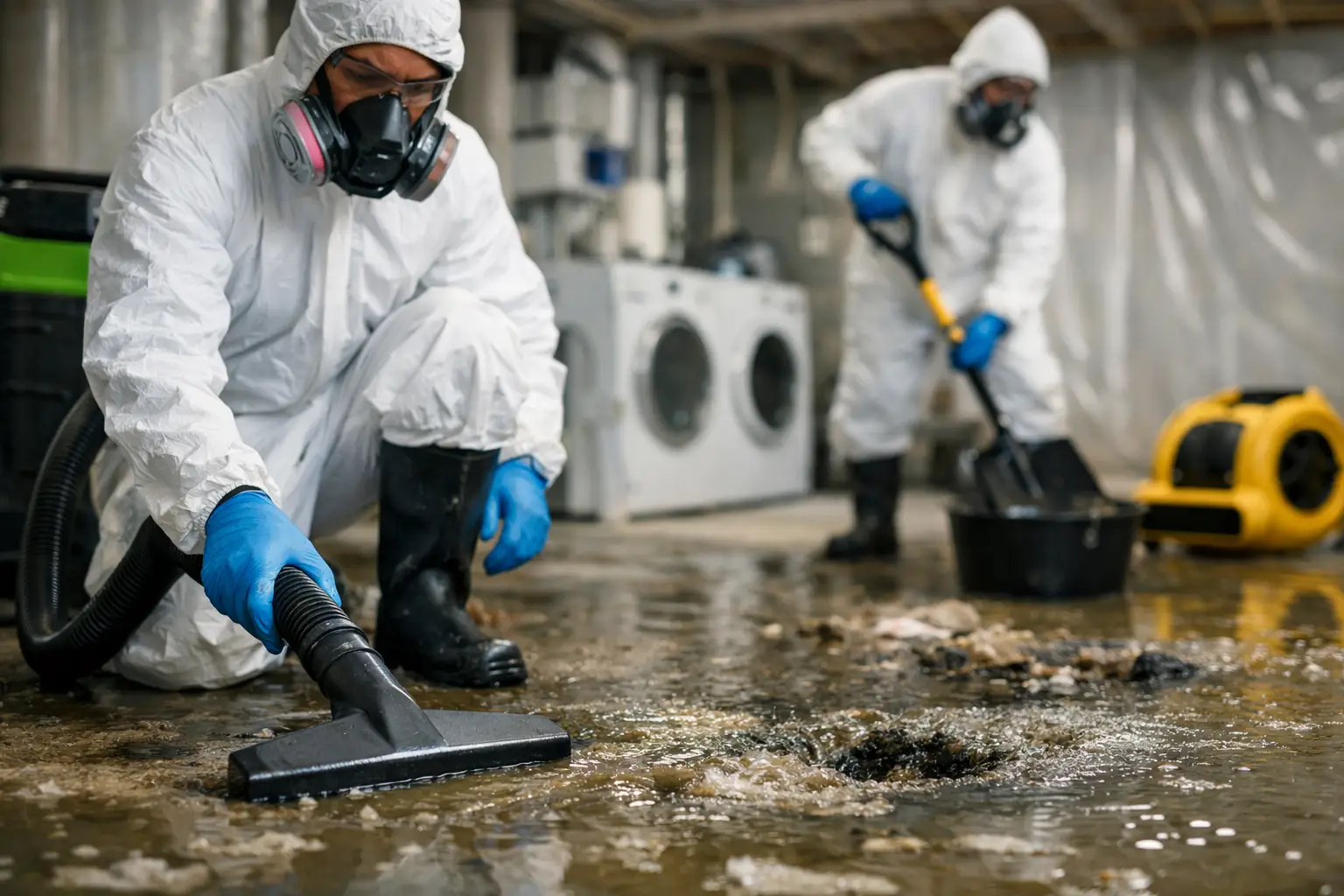 Sewage
Safe biohazard cleanup and sanitizing after sewage backups and overflows.
Learn more Reconstruction
Full rebuild by a licensed general contractor, so your property comes back whole.
Learn moreElevated Operations is an IICRC-certified, licensed general contractor based in Mableton that handles the entire recovery in-house, so after one loss you are never coordinating a cleanup crew, a mold crew, and a contractor separately. One team, one point of contact, from the first pump-out to the final coat of paint.
People call when the property feels like a disaster. They leave reviews because Chris and the crew made it right. These are real, verified Google reviews.
Plaster needs a gentler process than newer drywall because it can hold residue in texture and small cracks. I start with inspection, then dry soot removal, then careful surface cleaning, and I avoid aggressive scrubbing that can spread staining. In older Marietta homes, that matters because one wrong pass can make the wall look worse and make odor harder to remove later.
Often, yes, if the residue source is removed and hidden areas are treated too. That means cleaning walls, ceilings, contents, and sometimes the HVAC path. Homes near Kennesaw Mountain can stay closed up during rain or humid weather, which traps odor longer, so deodorization has to be paired with real cleanup, not just fragrance or air fresheners.
The right method depends on whether the soot is dry, oily, or baked on. I use dry removal first, then surface cleaning matched to the material. On ceilings, soot often settles in the highest spots, including corners and trim. In Marietta homes, plaster and textured paint need extra care so the residue lifts without damaging the finish.
As soon as the property is safe to enter. Soot becomes harder to remove quickly, and odor sinks deeper into soft materials, vents, and cabinets. On the west side of Marietta, where homes often have mixed construction and tight interior layouts, waiting can turn a contained cleanup into a much larger restoration job.
It should when smoke has moved through the ductwork or return air path. HVAC systems can recirculate particles long after the visible mess is gone. In Marietta, I look at the whole air path, especially in homes where the system pulled smoke from a kitchen, hallway, or attic space and spread it room to room.
Because soot can lodge in pores, seams, and hidden edges, then migrate back to the surface when humidity or heat changes. A quick wipe often misses residue in ceiling corners, vents, and trim. In Marietta homes with plaster or older woodwork, the residue can keep appearing until the underlying contamination is fully cleaned.
Odor removal is the goal, deodorization is the method. If the contaminated source remains, the smell returns. In smoke and soot cleanup, I treat the structure, the HVAC path, and the contents as connected. That is why deodorization works best after soot removal and detailed cleaning have already reduced the contamination load.
Contents cleaning deals with items that picked up smoke residue or odor, like textiles, books, decor, and stored belongings. If those items stay untreated, the home can still smell smoky even after the walls are cleaned. In Marietta, especially near the Historic Square where homes may have older storage areas, contents often need the same careful attention as the structure.
Elevated Operations dispatches IICRC-certified crews across Metro Atlanta from our Mableton base, with a 60-minute emergency response day or night. Choose your city:
Call now for an immediate response, or request your free inspection and get a certified crew on-site within the hour across Atlanta and nearby areas.