24/7 Emergency Restoration · Serving Metro AtlantaEmergency? (770) 404-6895
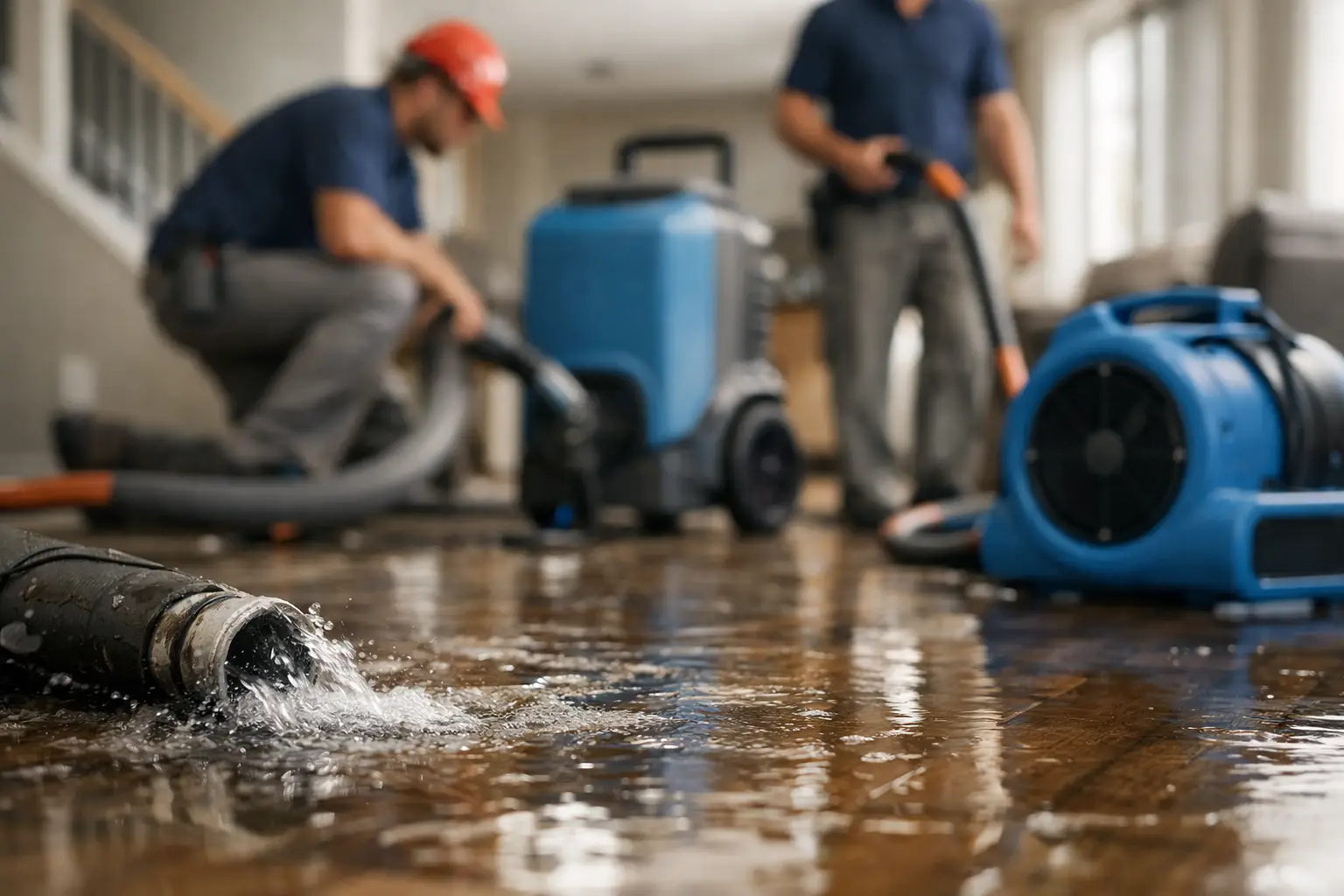
Storm damage restoration in Forest Park starts with one thing, stopping more damage before it spreads. I send IICRC-certified technicians 24/7 for emergency response, roof tarping, debris removal, and direct insurance billing. I am Chris Kwangwari, owner of Elevated Operations, LLLP, based in Mableton and active throughout Clayton County.
IICRC-Certified · 5-Star Rated · 60-Minute Response · Insurance Billed Directly
I can tarp it, document it, and start the repair path before more water gets in.
I look for the entry point first, then dry the hidden areas before the damage spreads.
I handle industrial storm damage with containment, cleanup, and structural repair in one plan.
I work the claim side directly when allowed, so the restoration moves without extra friction.
Storm damage restoration in Forest Park usually starts with emergency protection, then moves into drying, cleanup, and repairs that match the property’s damage. I handle roof tarping, debris removal, temporary boarding, water intrusion control, structural repair, and wind damage repair when storm forces hit post-war homes or industrial roofs.
In Forest Park, the first call is often about something simple and urgent, a tree limb over a roof in a post-war ranch off Old Dixie Highway, or a busted garage opening near the airport industrial corridor. We show up to limit the spread, not to speculate.
That means I look at the entry point, the soaked materials, and the areas wind pushed rain into. If the roof is open, we tarp it. If a window is gone, we board it. If debris is blocking access, we clear it so the property can breathe and dry.
Forest Park has a mix of older homes, rentals, and industrial buildings tied to the airport and Fort Gillem legacy. Those buildings fail differently after a storm, so I do not use a one-size plan. I assess the structure, document the loss, and move the property toward repair in the right order.
I fix storm damage to a house in Forest Park by protecting the structure first, then tracing water paths, then repairing the material that actually failed. That can mean roof tarping, wind damage repair, drying, structural repair, and sometimes temporary boarding before any cosmetic work begins.
A lot of Forest Park homes were built in the post-war years, which means aging roofs, original framing, and additions that do not always meet the same standard. After a storm, I start at the damage source and work down, because water always tells the truth.
If the storm took shingles off a roof near Jonesboro Road, I do not jump straight to drywall. I check the attic, the ceiling line, the insulation, and the wall cavities. If rain traveled behind finishes, I want that caught early, before mold has a chance to start in 24 to 48 hours.
IICRC-certified technicians handle the drying and restoration steps, and I stay involved through the insurance side as well. We document the damage, bill directly when the claim allows it, and keep the repair scope tied to what the storm actually did, not what looks easy to sell.
Yes, roof tarping should happen quickly after storm damage in Forest Park when the roof is open or leaking. A tarp is not the final repair, but it is the fastest way to reduce more water intrusion, especially on exposed homes, flat sections, and industrial roofs near the airport area.
I have seen a storm turn a small roof hit into a full interior loss because nobody covered the opening that night. In Forest Park, wind can move fast across open stretches near Fort Gillem and the industrial side of town, and that pressure finds weak roof edges.
Roof tarping is about control. It buys time for a proper inspection, for insurance photos, and for the drying plan. But it has to be installed the right way, anchored well, and checked for the roof shape, because a loose tarp can cause more trouble than the storm did.
On older houses with steep patches, low slopes, or patched additions, tarping is often the difference between a manageable repair and a soaked interior. I treat it as emergency protection, not a shortcut, and I back it with the rest of the restoration work.
Yes, storm damage can lead to water intrusion in Forest Park homes very quickly, especially when wind lifts shingles, breaks flashing, or drives rain into weak windows and siding. Once water gets in, the problem moves from surface damage to hidden damage inside walls, ceilings, and crawl spaces.
Forest Park gets a lot of properties where the structure is older than the stormproofing. That matters. A small roof breach on a ranch near Starr Park can send water into the attic, then down a wall, then across the ceiling seam where the stain finally shows up.
Water intrusion also shows up in places people forget, around vents, in utility closets, under laminate floors, and inside exterior walls. If the building sits near low spots or drainage trouble, the storm can push runoff where it does not belong and keep feeding the damage after the clouds move on.
That is why I push quick response. We do not wait for visible mold or warped trim. We find the wet areas, dry them properly, and repair the damaged materials before the issue compounds. In storm work, delay is expensive, and Forest Park properties do not need that.
Airport and industrial storm damage in Forest Park demands faster containment, safer access, and tighter coordination around operations. I handle roof tarping, debris removal, temporary boarding, and structural repair while keeping the property usable when possible and preventing the damage from spreading into equipment or inventory.
Around the airport and industrial corridors, storm damage is not just about drywall and shingles. It can affect loading areas, roll-up doors, roof membrane systems, and exposed mechanical spaces. A blown panel or punctured roof section can interrupt work immediately, so I focus on containment first.
Fort Gillem brought a lot of large-scale infrastructure to this part of town, and the nearby commercial properties still reflect that industrial backbone. Those buildings often need a different restoration pace than a house in a quiet neighborhood, because access, safety, and operations all matter at the same time.
I am a licensed general contractor, so when storm damage moves from cleanup into structural repair, I can keep the work organized under one plan. That is useful on bigger buildings, where a patch job is not enough and the next step has to be correct.
After a Forest Park storm, I document the damage, provide the repair scope, and use direct insurance billing when the claim allows it. I also offer deductible assistance up to $1,000. The goal is to keep the claim moving while the property is protected and the work stays accurate.
I have been in restoration since 2007, and I know the insurance side can slow down a family or a business fast. My job is to reduce friction. We photograph the damage, list the emergency steps taken, and keep the paperwork clear enough for the adjuster to review without confusion.
In Forest Park, that matters because a lot of storm claims involve mixed damage, roof, siding, interiors, gutters, maybe a fence or detached space. If the scope is sloppy, the repair drags. If the scope matches the actual storm damage, the path is cleaner from the start.
My company, Elevated Operations, LLLP, backs the work with a 12-month warranty. And with a 4.9-star Google rating from 73 reviews, I know people notice whether I answer the phone, show up, and do exactly what I said I would do.
A wind-driven storm lifted shingles and sent water into an attic above a small ranch. We used roof tarping, checked the ceiling line, dried the hidden wet areas, and handled the repairs before the leak spread through the original framing.
A commercial roof took debris and edge damage in a hard storm. We cleared debris, stabilized the opening, added temporary boarding where needed, and kept the restoration tied to the building’s operations instead of forcing a shutdown.
A Forest Park homeowner saw stains after a storm, but the real problem was water intrusion along the wall and into the crawl space. We traced the path, dried the structure, and handled structural repair before mold could start in 24 to 48 hours.
From emergency mitigation to full reconstruction, handled in-house so you are never managing a chain of subcontractors mid-crisis.
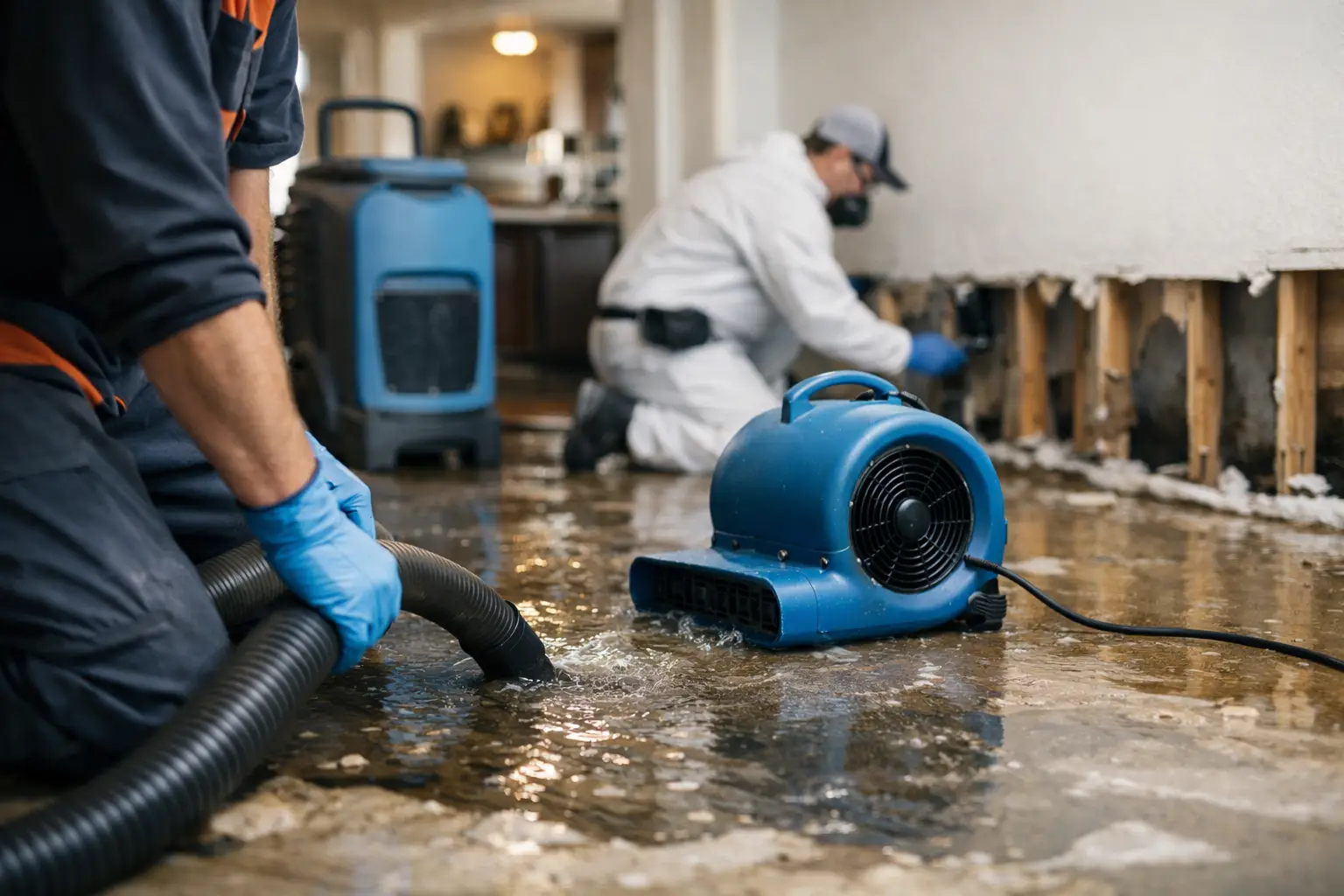 Water Damage
Extraction, structural drying, and moisture mapping after floods, leaks, and burst pipes.
Get help now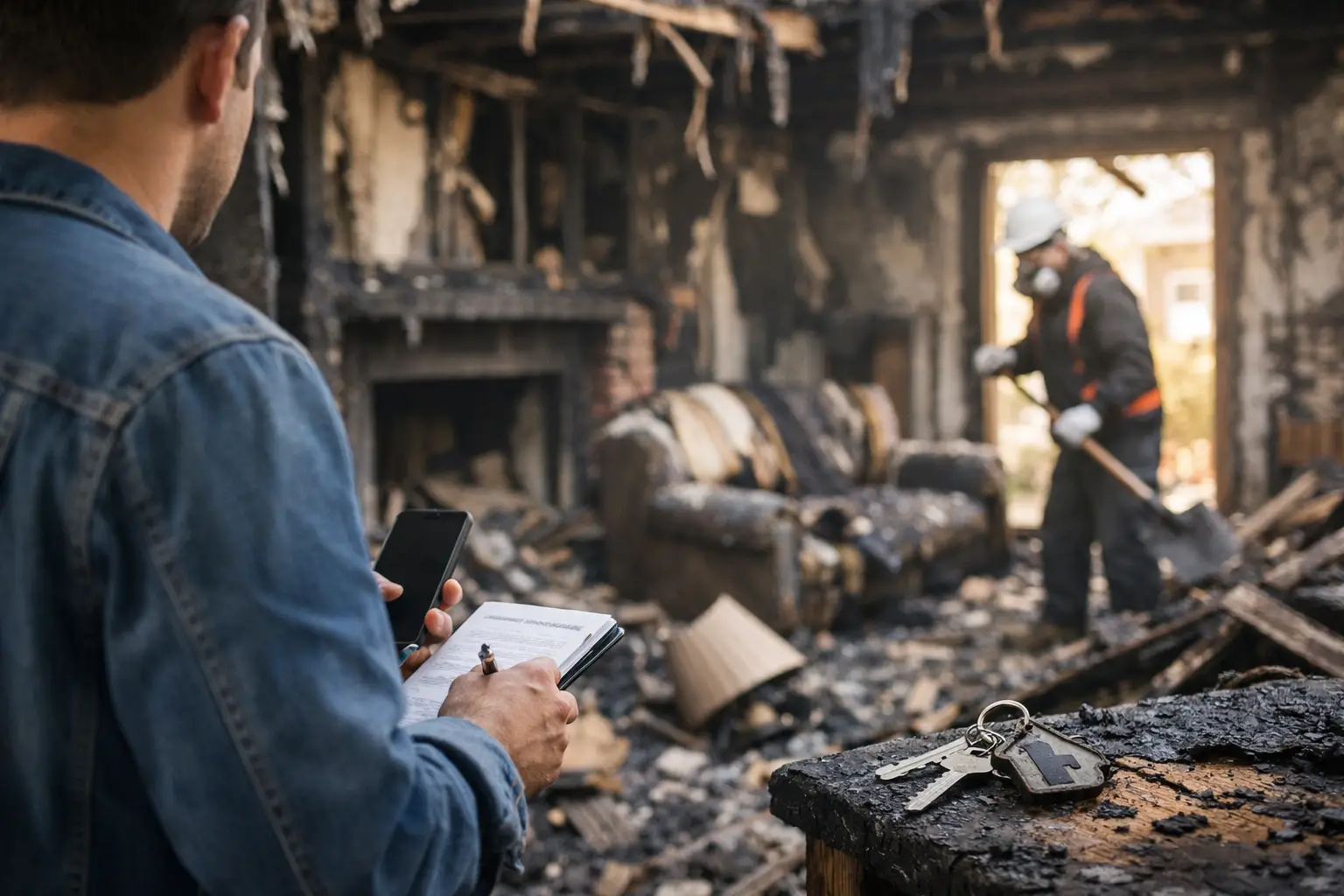 Fire & Smoke
Soot removal, odor deodorization, and content cleaning after fire and smoke damage.
Learn more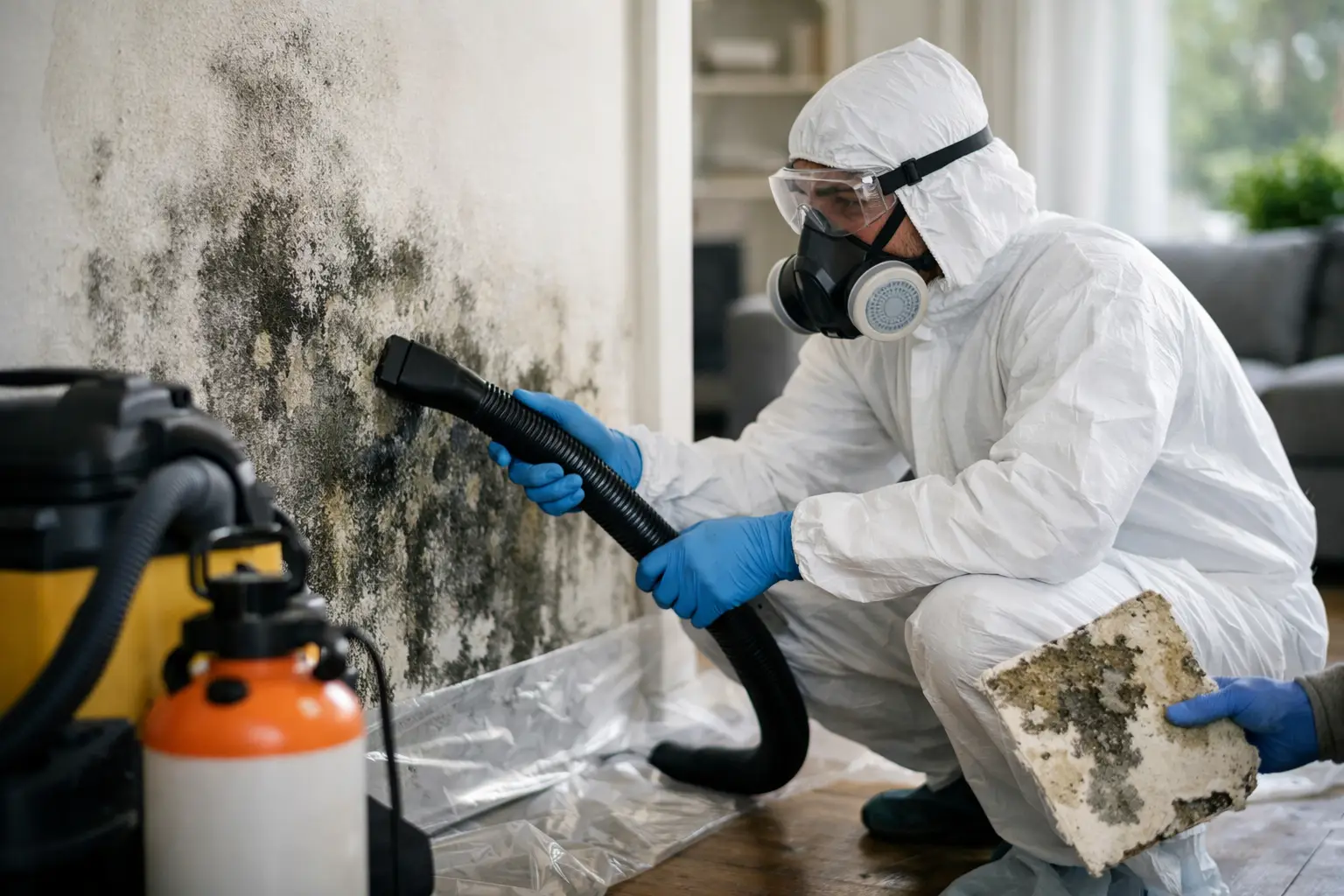 Mold
MoldContainment, removal, and moisture control that stops mold from coming back.
Learn more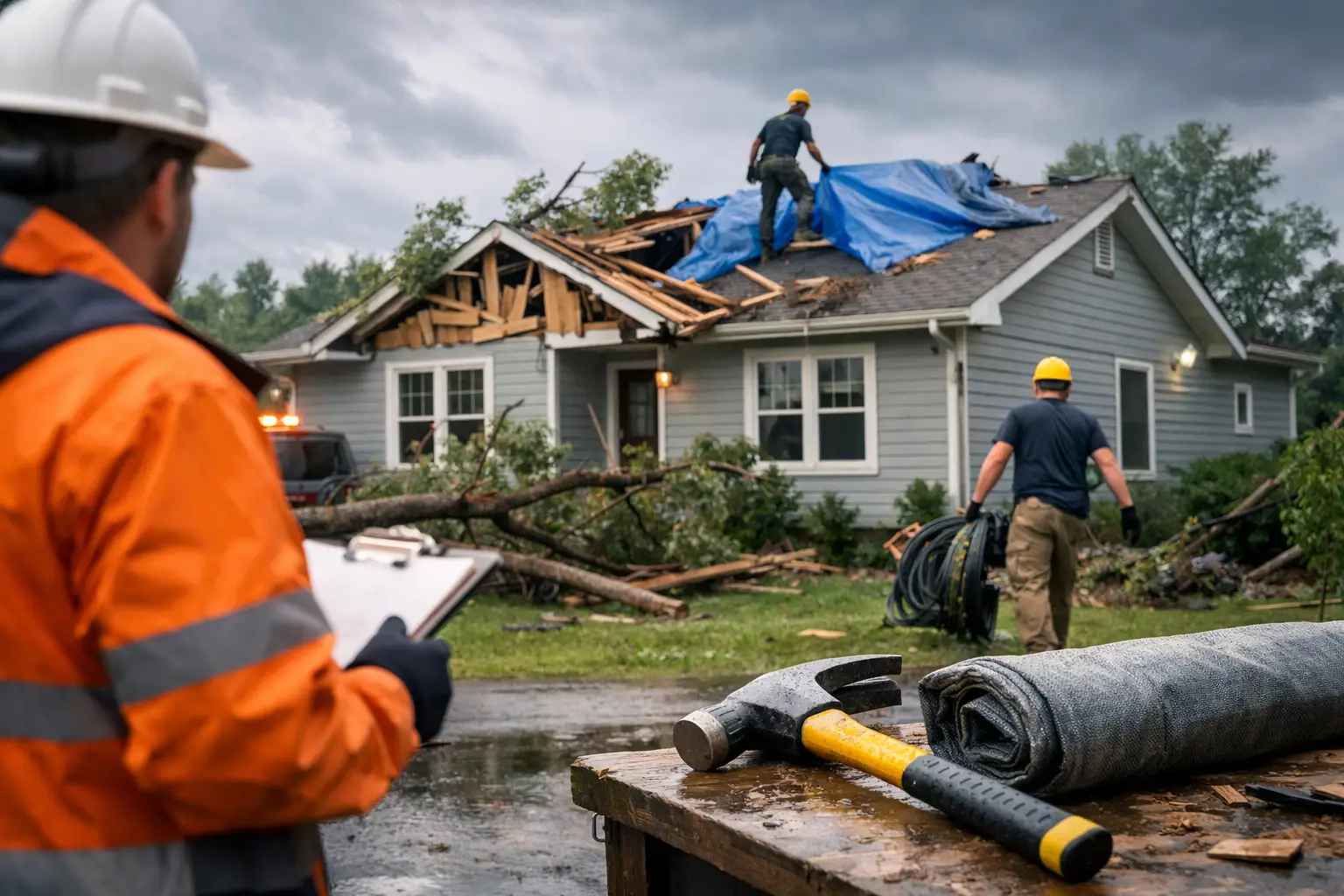 Storm
StormEmergency board-up, roof tarping, and full recovery after wind, hail, and storms.
Learn more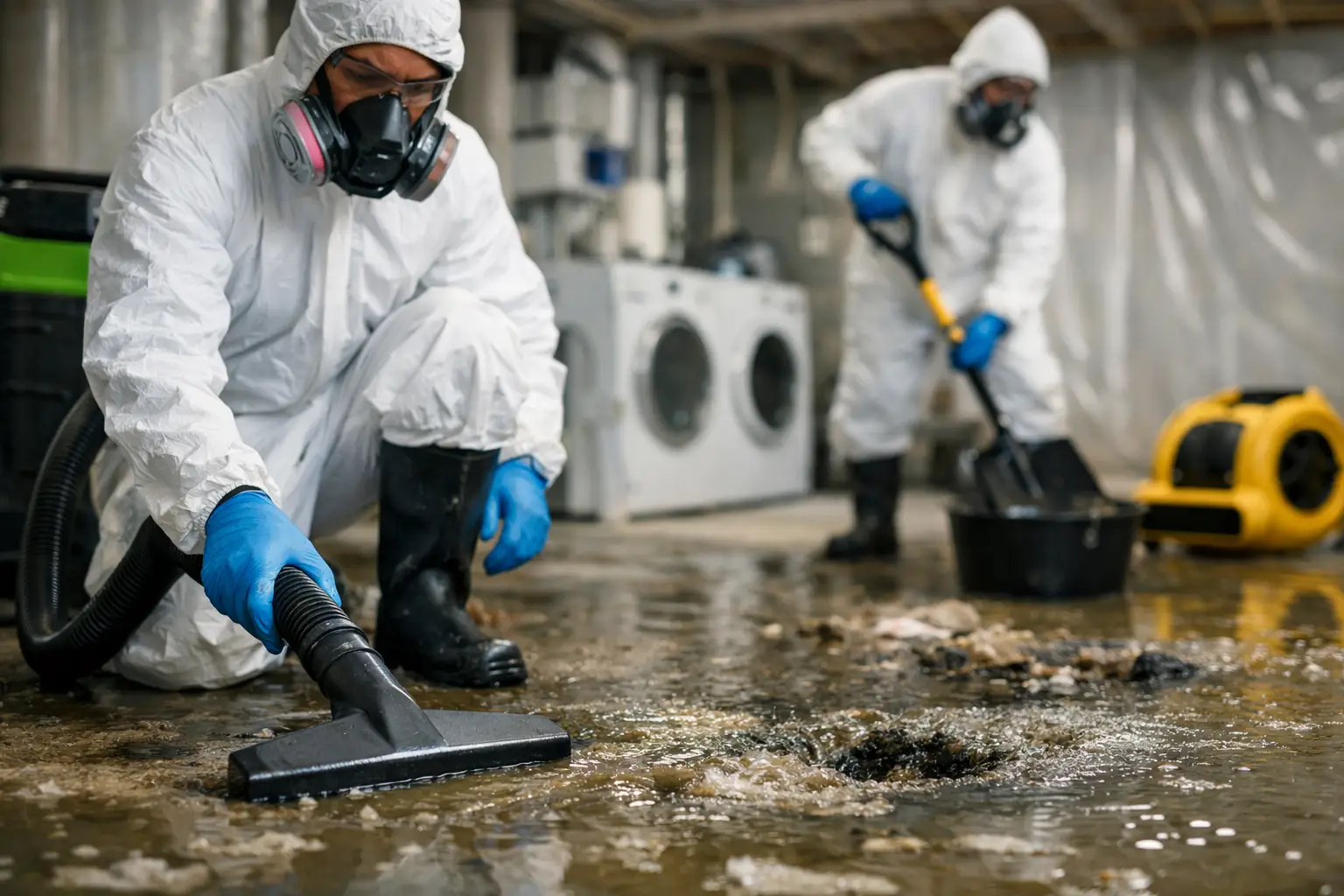 Sewage
Safe biohazard cleanup and sanitizing after sewage backups and overflows.
Learn more Reconstruction
Full rebuild by a licensed general contractor, so your property comes back whole.
Learn moreElevated Operations is an IICRC-certified, licensed general contractor based in Mableton that handles the entire recovery in-house, so after one loss you are never coordinating a cleanup crew, a mold crew, and a contractor separately. One team, one point of contact, from the first pump-out to the final coat of paint.
People call when the property feels like a disaster. They leave reviews because Chris and the crew made it right. These are real, verified Google reviews.
I provide 24/7 emergency response with a 60-minute emergency response commitment, because storm damage gets worse fast in Forest Park. If a roof is open or a window is shattered, I move first on protection, then on drying and repair. That is how I keep small damage from becoming a much bigger loss.
Yes, I handle roof tarping for Forest Park homes and commercial buildings near Fort Gillem and the airport corridor. Those areas can get hard wind exposure, and tarping is often the first step to stop water intrusion. I treat it as temporary protection until the real roof repair is ready.
Call me first if the roof, windows, or siding are open. In a Forest Park post-war house, the structure can hide water in walls, attics, and crawl spaces. I start with protection, then inspection, then drying. That order matters more than cosmetic cleanup, because hidden moisture creates bigger problems later.
Yes, debris removal is part of how I stabilize a property after storm damage in Forest Park. Fallen limbs, broken materials, and scattered roofing pieces can block access and hide hazards. I clear what needs to go so the building can be inspected, tarped, boarded, and restored safely.
I handle industrial storm damage by securing the roof or opening first, then documenting the loss, then repairing the structure in a way that respects operations. That can include temporary boarding, wind damage repair, and structural repair. Airport-area buildings need fast containment and careful coordination, not guesswork.
No, do not wait. Small roof damage in Forest Park can become water intrusion quickly, especially with older homes or flat industrial sections. A stain, a lifted shingle, or a broken seal can hide active moisture. I would rather inspect a minor issue than rebuild around a delay.
Yes, I use direct insurance billing when the claim allows it, and I help with deductible assistance up to $1,000. In Clayton County storm claims, I keep the documentation tight so the repair scope matches the damage. That keeps the process cleaner for homeowners and commercial property owners alike.
I have been in restoration since 2007, I am an IICRC-certified technician-led operation, and I am also a licensed general contractor. That matters in Forest Park because storm damage here often crosses from cleanup into real structural work. I do not stop at visible damage, I fix the building path that caused it.
Elevated Operations dispatches IICRC-certified crews across Metro Atlanta from our Mableton base, with a 60-minute emergency response day or night. Choose your city:
Call now for an immediate response, or request your free inspection and get a certified crew on-site within the hour across Atlanta and nearby areas.