24/7 Emergency Restoration · Serving Metro AtlantaEmergency? (770) 404-6895
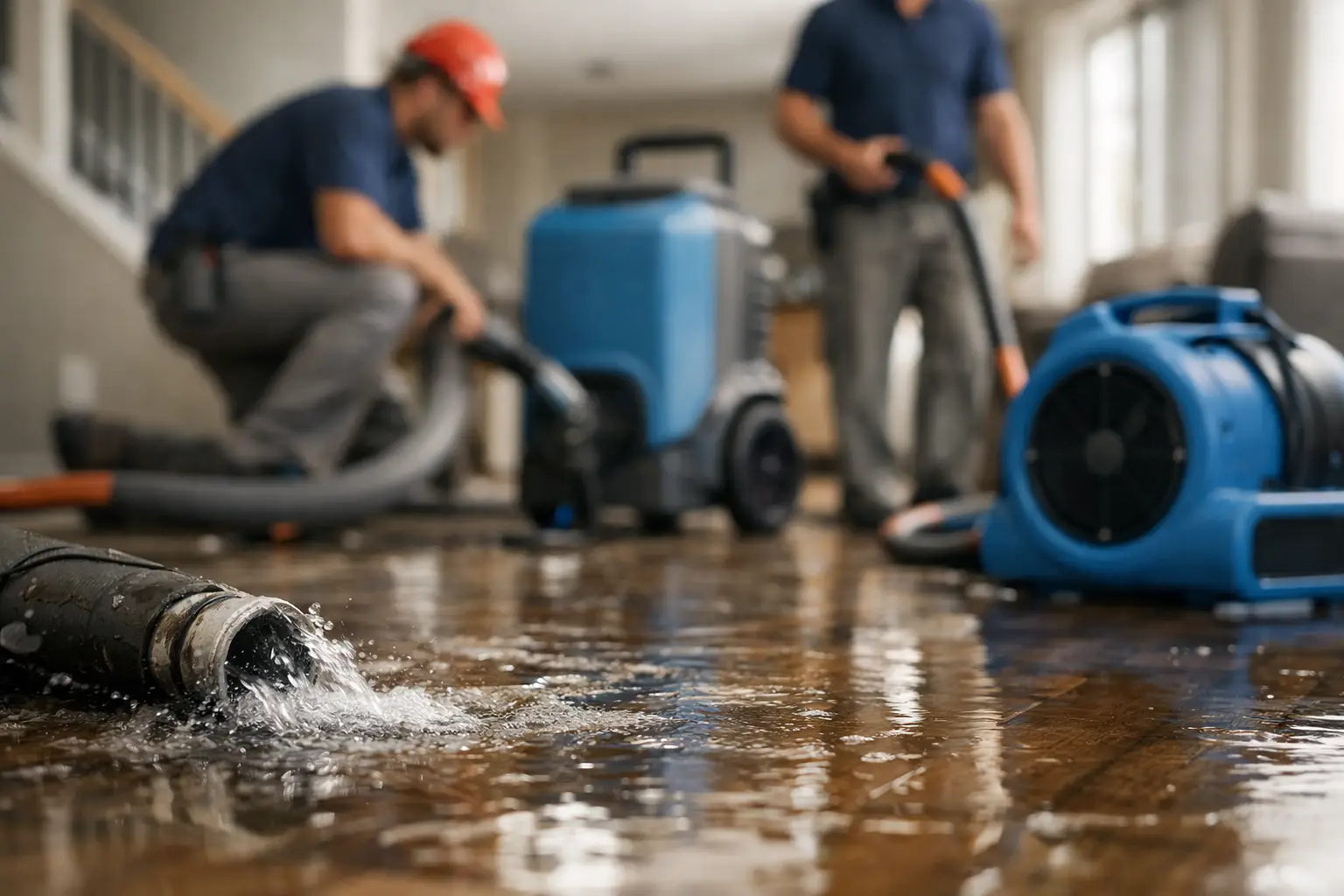
Smoke and soot cleanup Hapeville takes more than wiping surfaces. I start with the source, the soot type, and the affected materials, then I build the job around surface cleaning, deodorization, contents cleaning, and any needed hvac cleaning. In Hapeville, airport-edge bungalows and homes near Delta HQ can pick up smoke fast, so insurance timing matters.
IICRC-Certified · 5-Star Rated · 60-Minute Response · Insurance Billed Directly
Yes. I provide 60-minute emergency response 24/7, then I document the loss and start stabilization right away.
Yes. I use direct insurance billing so the cleanup, documentation, and carrier communication stay aligned with the claim.
Yes. Smoke cleanup often needs deodorization, contents cleaning, and sometimes hvac cleaning to stop the smell from coming back.
I back my restoration work with a 12-month warranty, and my team is IICRC-certified.
Smoke and soot cleanup cost in Hapeville depends on what burned, how far the smoke traveled, and which surfaces need cleaning or replacement. I price by scope, not by guesswork, because drywall, trim, cabinets, and contents all react differently. Insurance often affects the final out-of-pocket path.
In an airport-edge neighborhood like Hapeville, smoke can move through tight bungalows and older framing fast, then settle on trim, vents, and soft goods. That changes the cost picture. A light soot film is not the same as smoke damage cleanup after a deeper fire event.
I look at access, surface type, odor load, and whether contents cleaning is needed. Glossy cabinets, painted walls, and ceilings may respond to surface cleaning, while porous materials often need deodorization or removal. That is why no honest restoration contractor should quote this job from a photo alone.
And the location matters. A house near the Delta HQ corridor may have different ventilation patterns than a bungalow tucked off the main traffic routes. IICRC-certified technicians from my team document the damage, then map the work so direct insurance billing and claim review line up with the real scope.
Insurance often covers sudden smoke damage cleanup when the loss is covered under the policy, including approved surface cleaning, odor removal, contents cleaning, and related restoration work. The carrier decides coverage, but I help document the damage so the claim reflects the real cleanup scope, not a slimmed-down version.
Most policyholders want a straight answer. I give one. If the smoke event is covered, insurance may pay for the mitigation work needed to stop the damage from spreading, which can include air scrubber setup, deodorization, and hvac cleaning when smoke reached ductwork or returns.
In Hapeville, I see many claims tied to homes with older details and tight floor plans, where soot lands in places homeowners do not notice at first. That matters because insurers want evidence. Photos, notes, and itemized damage observations make the claim cleaner and harder to dispute.
I offer direct insurance billing, so I work with the carrier instead of sending the homeowner into a paperwork maze. That does not mean every line item is approved automatically. It means I document the loss clearly, stay in contact, and keep the restoration scope tied to what was actually damaged.
Smoke and soot cleanup starts with stabilization, then moves to dry soot removal, surface cleaning, and odor control. I choose the method based on the residue, because dry soot, oily soot, and protein residue behave differently. The goal is to clean safely without driving smoke deeper into walls, trim, or upholstery.
Airport-edge bungalows in Hapeville often have compact rooms, older trim, and painted surfaces that show soot quickly. I start with containment, then use the right cleaning sequence so the residue is lifted, not smeared. A rushed wipe job can spread contamination into corners, vents, and cabinetry seams.
After that, I focus on deodorization. If smoke moved through the structure, odor removal has to address the source, not just spray the air. That may include an air scrubber during active cleanup, plus targeted cleaning of walls, ceilings, and hard-to-reach areas where particles settle.
Contents cleaning also matters. A sofa, lamp, or set of kitchen items can hold odor long after the walls look better. IICRC-certified technicians handle the cleanup with structure and care, and I document what is cleaned, what is restored, and what needs further insurance review.
What removes soot from walls and ceilings is the right dry and wet cleaning process for the residue type, plus careful handling so the soot does not smear. I do not treat every wall the same. Painted drywall, ceiling texture, and trim all need different surface cleaning methods.
This is where a lot of bad cleanup starts. If someone scrubs soot with the wrong product, it can leave streaks or push residue into the paint film. I first identify the soot type, then use controlled surface cleaning so the wall or ceiling is actually cleaned, not damaged.
In Hapeville homes near Delta HQ, where traffic, airflow, and older construction can make fine residue travel farther than expected, the ceiling line and upper walls often need careful attention. The soot does not just sit where the fire was. It migrates, and the cleaning plan has to follow it.
If smoke also reached the duct system, hvac cleaning may be part of the job. That helps reduce odor recirculation after the visible soot is gone. And when residue is heavy, deodorization only works well after the contaminated surfaces are addressed first.
Smoke odor can often be removed from the structure when the source is fully cleaned and the affected materials are treated correctly. But I do not promise magic. Odor removal depends on how deeply smoke penetrated, what burned, and whether porous items or hidden cavities still hold contamination.
I take odor seriously because it tells you where the smoke went. If it reached insulation, soft furniture, closets, or ductwork, the smell can linger long after the visible soot is gone. That is why deodorization has to be tied to source removal, not surface fragrance.
In Hapeville, airport-edge bungalows can have tight hallways and compact utility spaces that trap odor. Near Delta HQ, many homes also deal with airflow patterns that move smoke into rooms homeowners thought were untouched. I check those paths before I recommend the next step.
Sometimes contents cleaning is enough for salvageable items. Sometimes porous materials hold odor too deeply and need replacement. I tell people the truth about that. If insurance is involved, I document why deodorization was used, what was cleaned, and what still needs attention before final closeout.
Smoke cleanup should start as soon as the area is safe and access is allowed. Soot becomes harder to remove the longer it sits, and odor can set into fabrics, paint, and ductwork fast. The sooner I start, the better the chance of preserving materials and reducing the claim’s scope.
Time is not your friend after smoke damage. Soot can stain, corrode, and travel. EPA guidance notes mold can start in 24 to 48 hours when moisture is involved, so if fire suppression added water, the cleanup clock gets even tighter. Fast action protects both structure and contents.
Hapeville homeowners often want to wait until the smell fades. I do the opposite. I document the loss, begin stabilization, and address the affected areas before residue bonds to surfaces. That approach is especially important in compact bungalows where a small amount of smoke can touch many rooms.
If the event affects a property near the airport corridor or around Delta HQ, moving quickly also helps with access and logistics. I provide 60-minute emergency response 24/7, and that first visit is about control, documentation, and getting the insurance side moving in the right direction.
I price smoke and soot cleanup by the actual damage, not a flat guess. Surface cleaning, deodorization, contents cleaning, and hvac cleaning all change the scope.
If the smoke event is covered under the policy, the carrier may pay for approved mitigation and restoration work. I document the damage so the claim matches the real scope.
I use direct insurance billing, which helps keep the paperwork organized and tied to the documented loss. That reduces confusion during review.
I can provide deductible assistance up to $1,000 when eligible, which can help some homeowners handle the claim start without delay.
My work is backed by a 12-month warranty, and my technicians are IICRC-certified. Elevated Operations, LLLP has been in restoration since 2007, and I am a licensed general contractor.
From emergency mitigation to full reconstruction, handled in-house so you are never managing a chain of subcontractors mid-crisis.
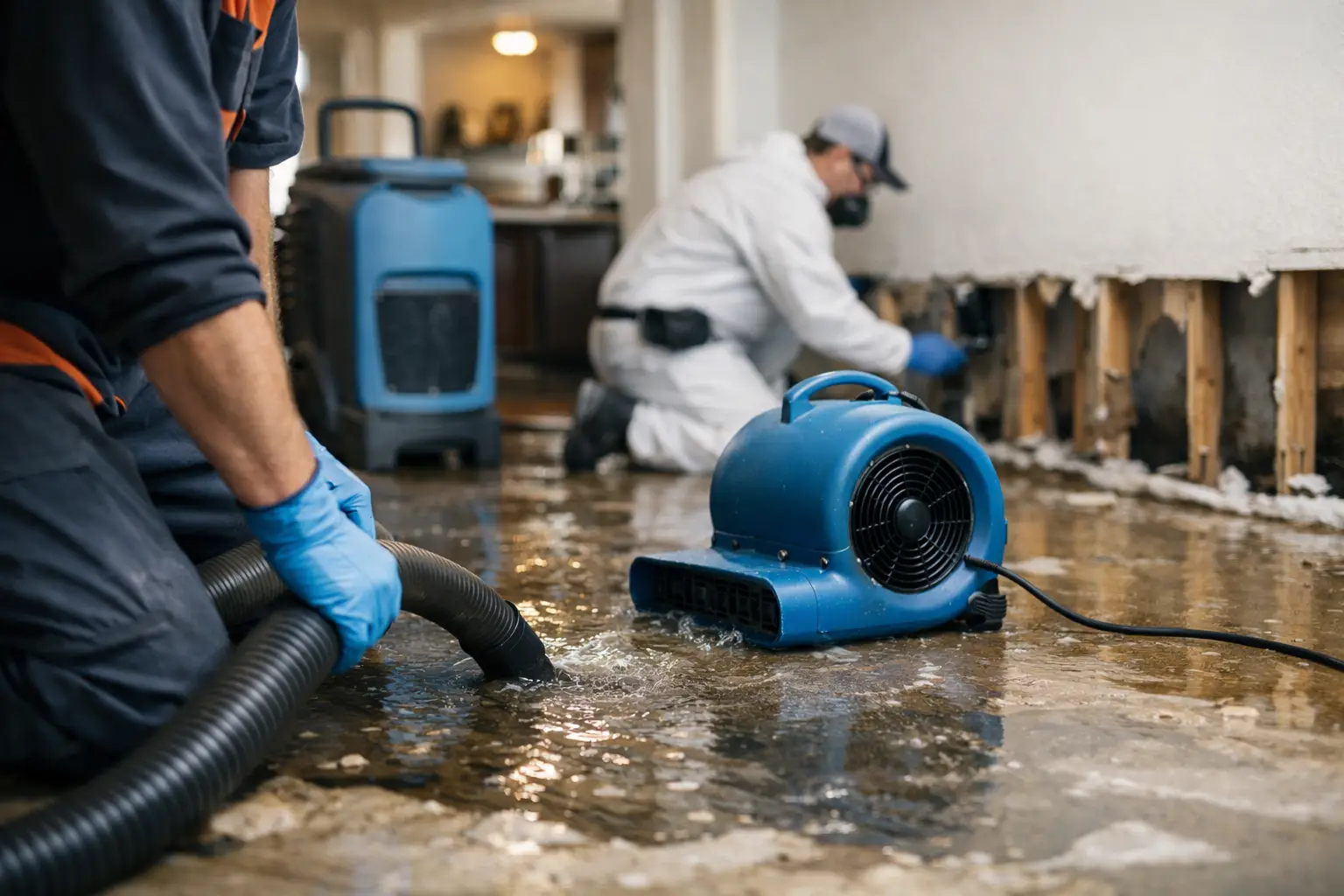 Water Damage
Extraction, structural drying, and moisture mapping after floods, leaks, and burst pipes.
Get help now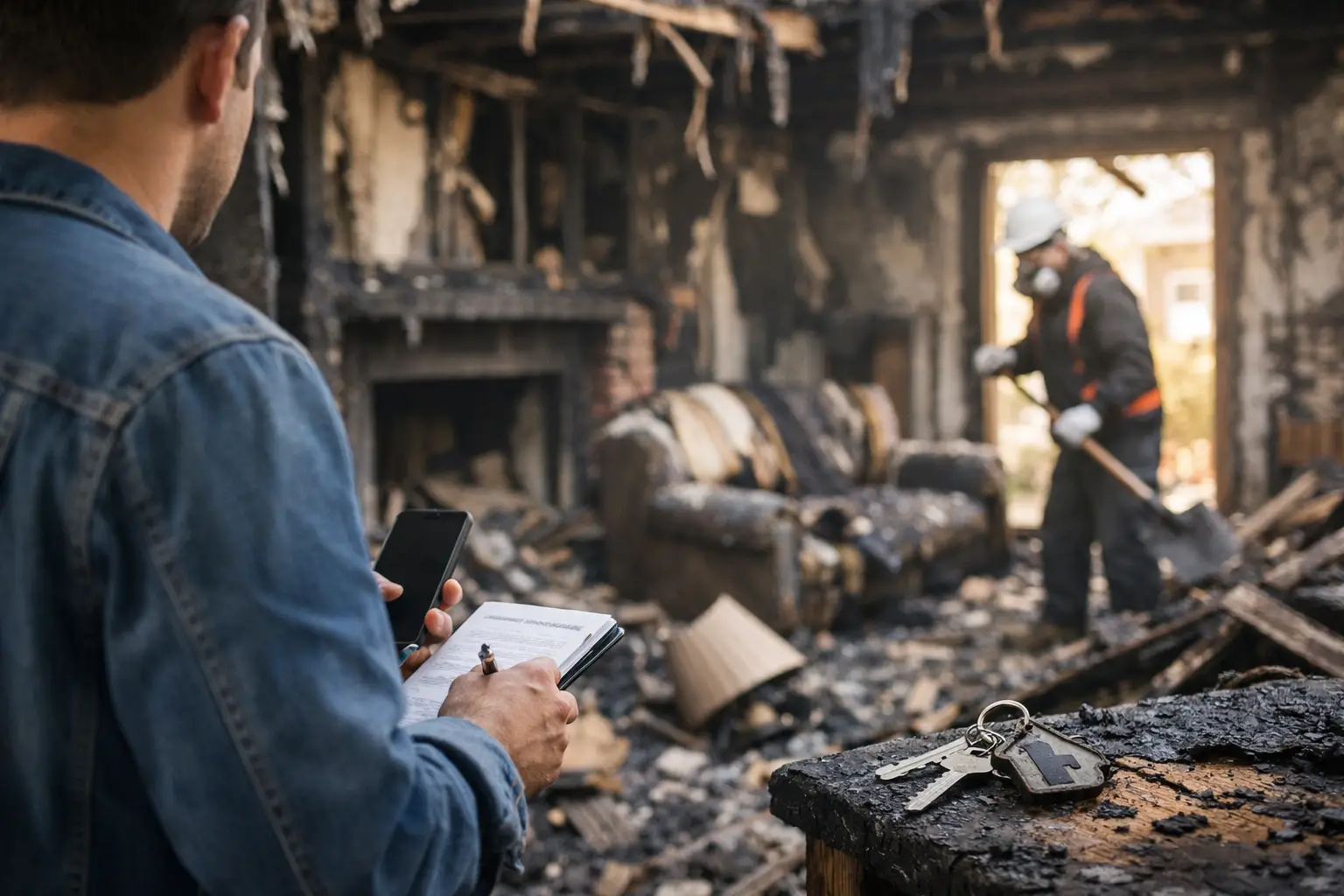 Fire & Smoke
Soot removal, odor deodorization, and content cleaning after fire and smoke damage.
Learn more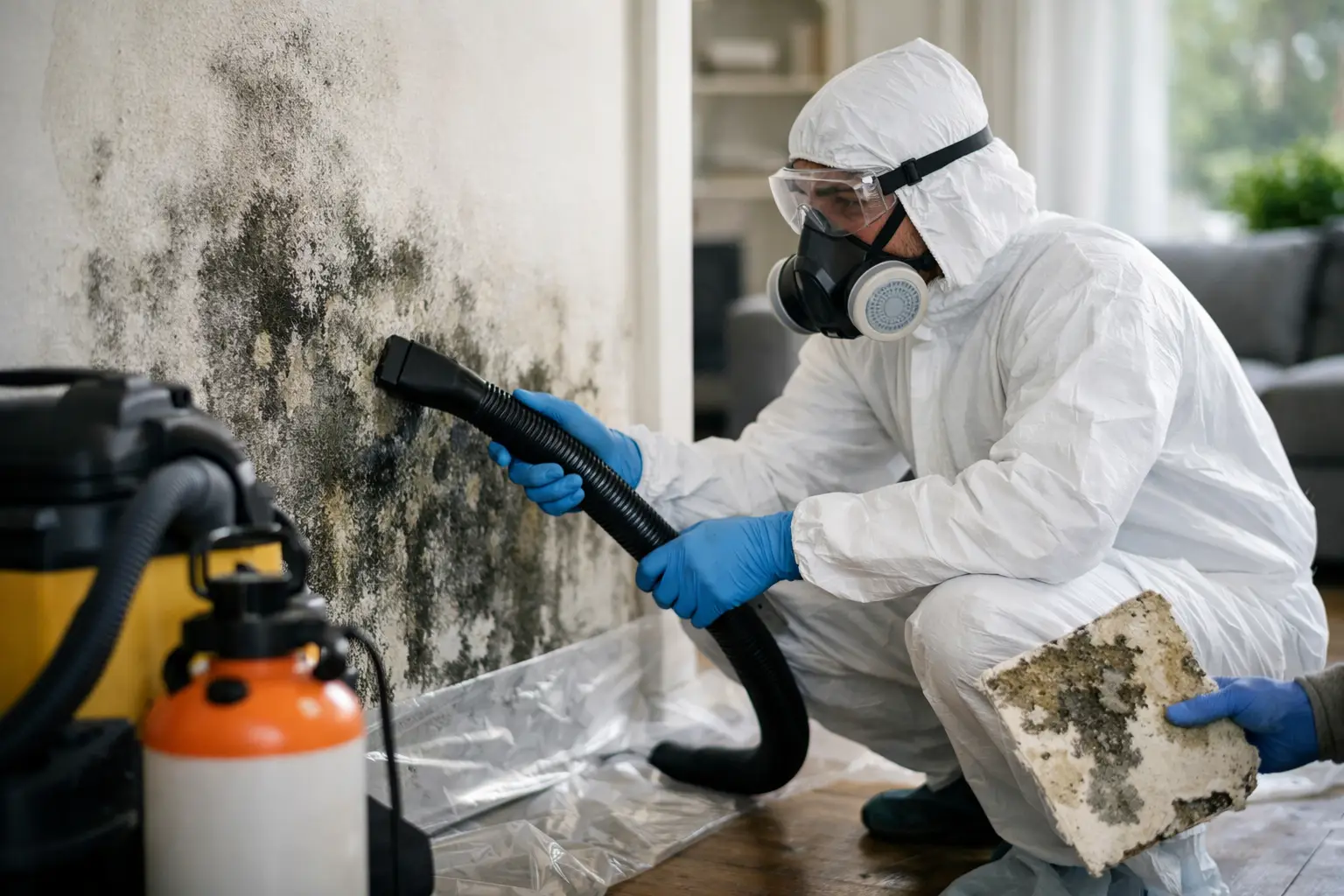 Mold
MoldContainment, removal, and moisture control that stops mold from coming back.
Learn more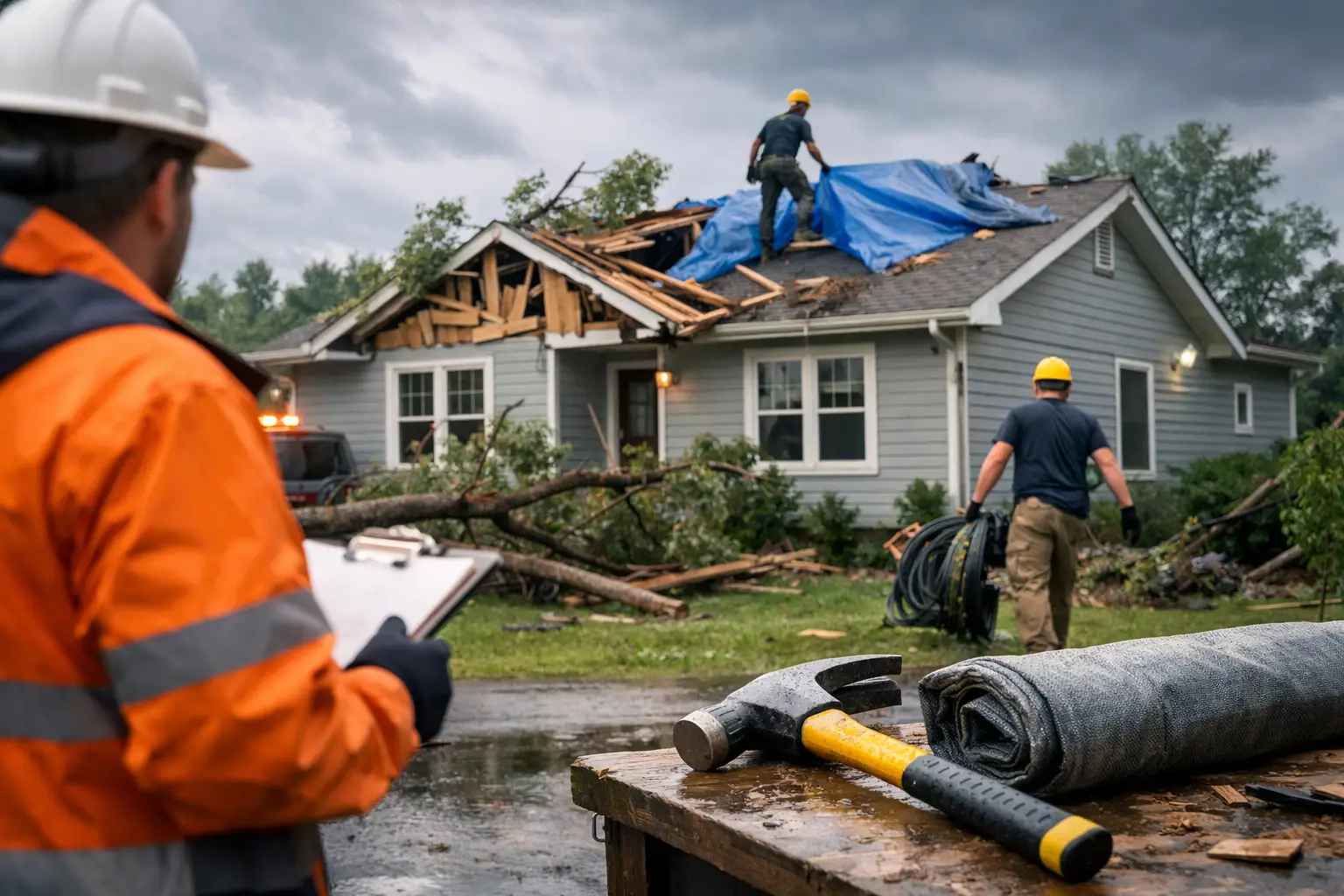 Storm
StormEmergency board-up, roof tarping, and full recovery after wind, hail, and storms.
Learn more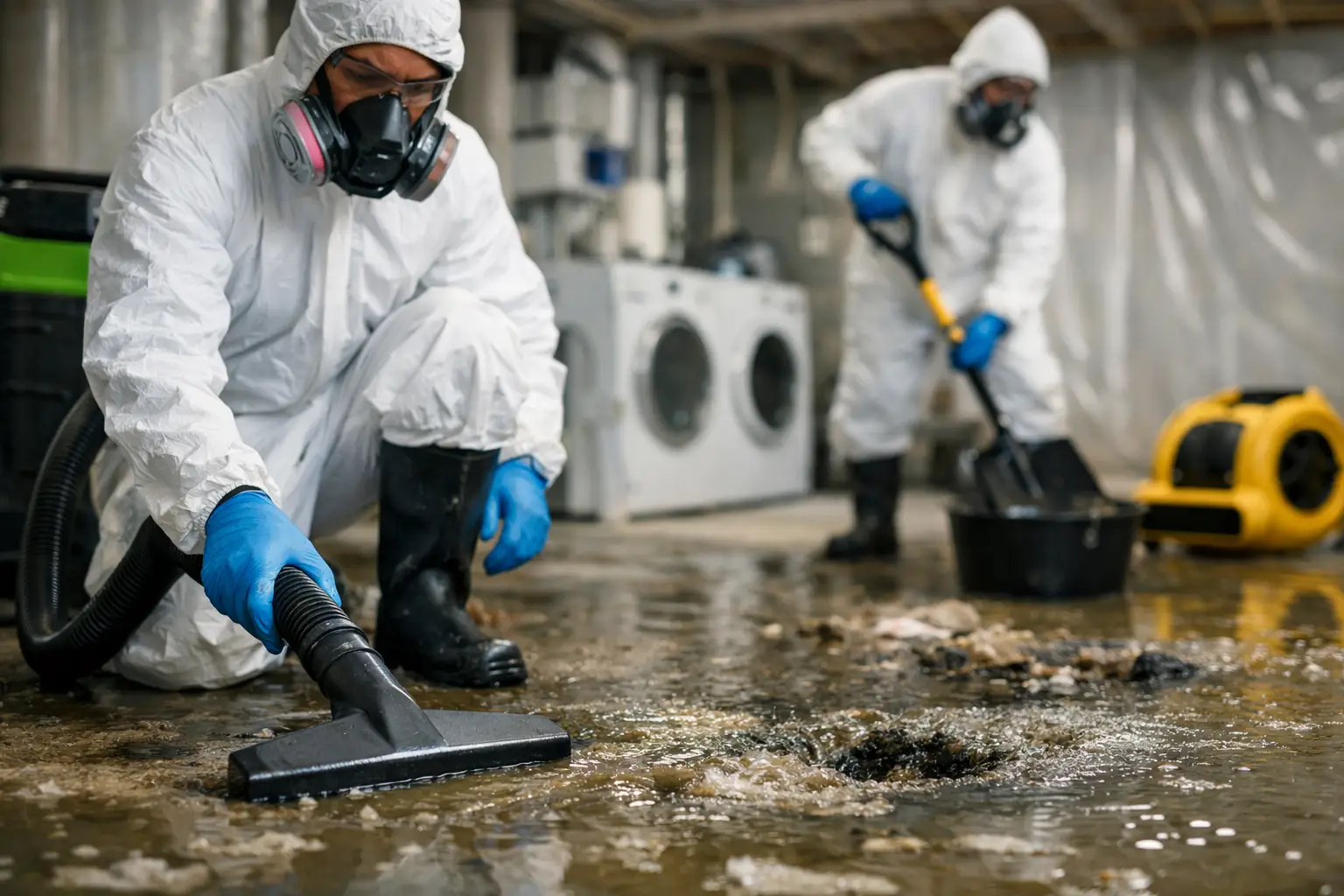 Sewage
Safe biohazard cleanup and sanitizing after sewage backups and overflows.
Learn more Reconstruction
Full rebuild by a licensed general contractor, so your property comes back whole.
Learn moreElevated Operations is an IICRC-certified, licensed general contractor based in Mableton that handles the entire recovery in-house, so after one loss you are never coordinating a cleanup crew, a mold crew, and a contractor separately. One team, one point of contact, from the first pump-out to the final coat of paint.
People call when the property feels like a disaster. They leave reviews because Chris and the crew made it right. These are real, verified Google reviews.
Pricing comes down to how much of the bungalow was touched, which materials need surface cleaning, and whether odor removal or contents cleaning is needed. Tight floor plans can make smoke travel farther than homeowners expect. I inspect the loss, document the affected areas, and build the scope around the actual damage, not assumptions.
If the smoke event is a covered loss under the policy, insurance may cover approved smoke damage cleanup, including deodorization and cleaning work tied to the claim. I help with direct insurance billing and document the damage so the carrier can review the real scope. Coverage decisions still depend on the policy and the cause of loss.
Do not start scrubbing with a wet rag. That can smear soot and make the staining worse. I recommend contacting me for an assessment, then letting trained technicians handle surface cleaning in the right order. In Hapeville homes with older paint or trim, the wrong method can spread the residue into more rooms.
Often, yes, when the source is cleaned fully and the affected materials are treated correctly. But odor removal depends on how far the smoke traveled and what burned. Porous contents, hidden cavities, and ductwork can hold odor longer, especially in compact bungalows near the airport edge. I give a direct assessment, not a guess.
Call as soon as the property is safe to enter. Smoke residue gets harder to remove over time, and moisture from suppression water can create a mold risk within 24 to 48 hours. I provide 60-minute emergency response 24/7, so I can stabilize the loss and start documenting it quickly.
It can matter a lot if smoke reached the return air path or ductwork. Without hvac cleaning, odor and fine soot can recirculate after the visible surfaces look better. I check the system during smoke damage cleanup so the home does not keep pulling contaminated air through the rooms.
Contents cleaning focuses on salvageable items like furniture, decor, and household goods that picked up soot or odor. I assess what can be cleaned and what needs more review for insurance purposes. In Hapeville homes, especially smaller bungalows, contents can absorb smoke fast and need careful handling early in the job.
Local matters because airport-edge homes and Delta HQ area properties have their own airflow, access, and building patterns. I am based in Mableton, serve Cobb and the surrounding counties, and I know how to document losses for insurance while keeping the cleanup practical. That shortens confusion when the claim starts.
Elevated Operations dispatches IICRC-certified crews across Metro Atlanta from our Mableton base, with a 60-minute emergency response day or night. Choose your city:
Call now for an immediate response, or request your free inspection and get a certified crew on-site within the hour across Atlanta and nearby areas.