24/7 Emergency Restoration · Serving Metro AtlantaEmergency? (770) 404-6895
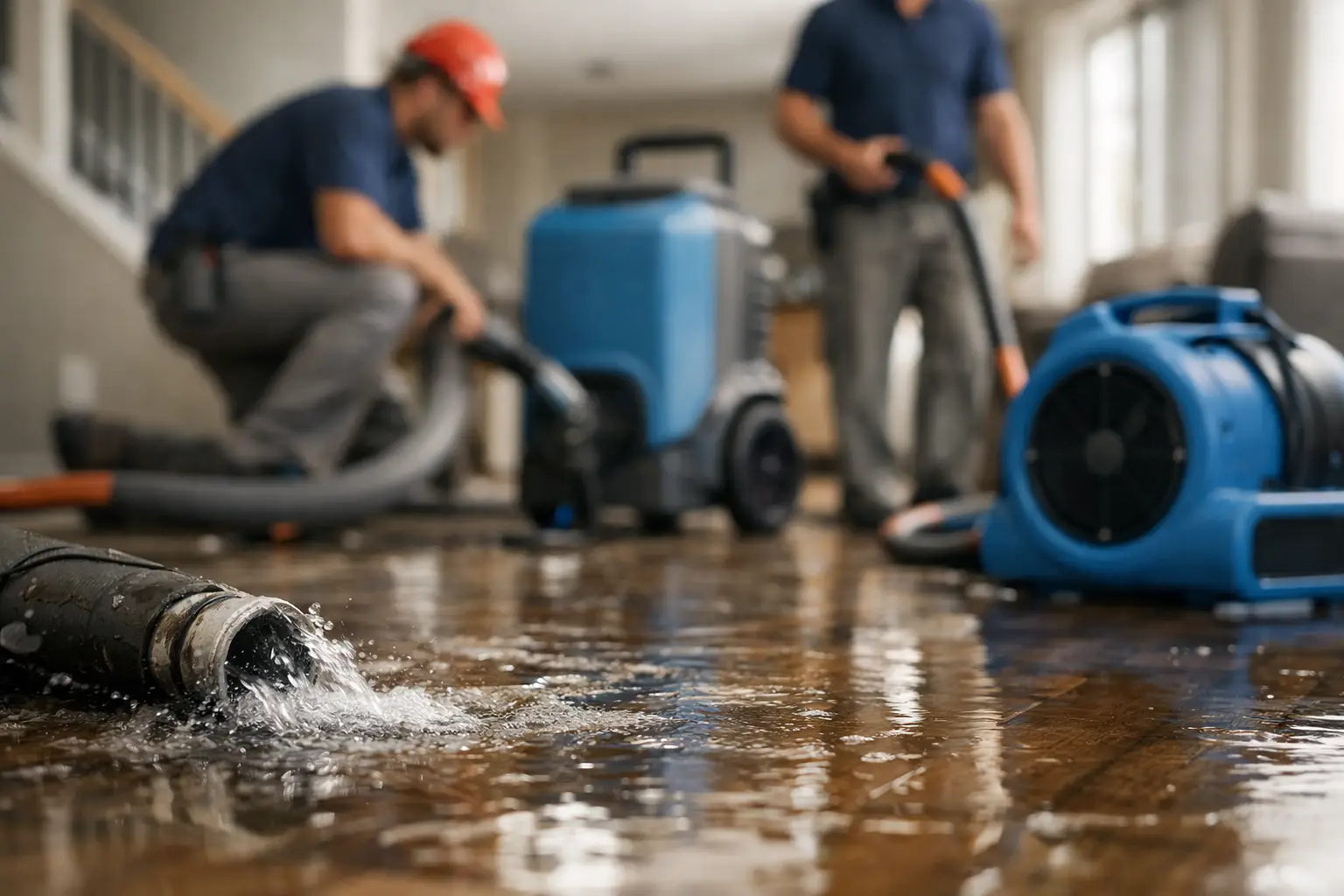
Water damage restoration Hapeville means I move fast, start water extraction, and protect the structure before mold starts in 24 to 48 hours. I’m Chris Kwangwari, owner of Elevated Operations, LLLP, and I handle Hapeville jobs near airport-edge bungalows and Delta HQ with IICRC-certified technicians, direct insurance billing, and a 12-month warranty.
IICRC-Certified · 5-Star Rated · 60-Minute Response · Insurance Billed Directly
I provide 60-minute emergency response 24/7, and I send a crew fast when water is still moving through the structure.
Yes. I use direct insurance billing, so the paperwork moves with the job instead of slowing down the work.
I can offer deductible assistance up to $1,000 on qualifying jobs, which helps when a loss hits at the wrong time.
We hold a 4.9-star Google rating from 73 reviews, and I keep that standard by showing up, telling the truth, and finishing the repair cleanly.
After water damage in Hapeville, shut off the source if you can, avoid wet rooms, and call us right away. I send a 24/7 emergency response, then we start water mitigation, document conditions, and keep airport-edge bungalows and Delta HQ-area properties from soaking deeper into framing and floors.
First, protect people. If water is near outlets, ceilings, or the HVAC, stay out of the area until it is safe. In Hapeville, I see older bungalows near the airport edge and newer commercial spaces around Delta HQ, and both can hide moisture fast.
Second, do not drag wet rugs or pull baseboards blindly. That can spread contamination and make water damage repair more expensive. If you can, move dry items out of the path, but leave wet drywall, wet flooring, and swollen trim for my crew to assess.
Third, call me at once. I use direct insurance billing, and I document the loss so the claim starts with facts, not guesses. Water cleanup works best when we get there early, map the damage, and start dehumidification before materials start breaking down.
Water damage restoration works in order: inspect, stop the source, remove standing water, dry the structure, then repair what will not save. IICRC-certified technicians handle the process, and I keep it practical for Hapeville homes and businesses that sit near airport traffic, mixed construction, and busy schedules.
Step one is inspection. We find where water traveled, what type of water it is, and what materials are affected. In Hapeville, that matters because airport-edge bungalows often have tight crawlspaces, older framing, and original finishes that react differently than modern commercial interiors near Delta HQ.
Step two is water extraction and water mitigation. We remove standing water, set up containment if needed, and start floor drying and structural drying. If drywall is still salvageable, I want to save it. If it is broken down, I say replace it and move on.
Step three is monitoring. Drying is not guesswork. We check moisture, adjust equipment, and keep dehumidification moving until the structure reaches dry conditions. Then we handle repairs, including drywall replacement, trim work, and other water damage repair tasks that bring the space back to normal.
Yes, sometimes they can, but only if we get there early and the materials have not delaminated, warped, or started microbial growth. I decide based on moisture readings, finish type, and how long the water sat, which is why quick response matters in Hapeville.
Walls can often be saved when the water is clean, the exposure was short, and the drywall has not turned soft or swollen. In Hapeville bungalows, I often see water move up the wall cavity from a burst line or a roof leak near the airport corridor.
Floors are more complicated. Hardwood, laminate, and engineered products react differently. Some can be dried with careful floor drying and structural drying, while others buckle or separate and need replacement. I do not promise a save before I inspect the material and check the underside.
I give straight answers because that saves time and money. If a wall or floor should come out, I say so. If water damage repair can hold it together, I keep the original material whenever possible and document the decision for the insurance file.
The drying phase depends on how far water spread, what materials got wet, and how quickly we start. I do not guess at a finish date before inspection, but I do move fast, and I keep Hapeville owners updated as dehumidification, drying, and repairs progress.
The clock starts with the loss, not with the cleanup truck. If I reach a Hapeville bungalow or a Delta HQ office fast, I can often limit how much material needs replacement. If water sits, drywall replacement and other repairs usually increase because the structure absorbs more moisture.
Drying is the middle of the job. We run equipment, monitor it, and adjust it based on moisture readings. Water extraction happens first, then dehumidification and structural drying do the heavy lifting. Some spaces dry faster than others because of layout, air movement, and material density.
Repairs follow drying. That can mean trim, paint, flooring, and drywall repair. I keep the sequence tight so work does not bounce around the site. In Hapeville, where access and parking can be tight near airport corridors, a clean schedule matters as much as good equipment.
Follow the source, protect the area, and call a restoration contractor before the damage spreads. My crew handles the technical steps after that, but the first owner actions in Hapeville are simple: stay safe, stop more water if possible, and get help on site fast.
Step one is safety. If the water is from sewage, a roof failure, or a broken supply line near electrical equipment, keep people out. Hapeville properties around Delta HQ and the airport edge can have mixed use, so I treat homes, storefronts, and offices with the same caution.
Step two is evidence. Take photos from a distance, not up close with wet hands and bare feet. That helps with the claim and shows how the loss started. Then let me handle water cleanup, drying, and the insurance communication from there.
Step three is action. I bring in IICRC-certified technicians, start water extraction, and get the structure on a drying plan. That is how you prevent hidden damage behind baseboards, inside cabinets, and under floor assemblies where moisture likes to linger.
Hapeville’s airport-edge bungalows and busy commercial properties can trap moisture in tight spaces, wall cavities, and older materials. That layout makes fast inspection and drying important, because water can spread farther than the visible stain and cause structural problems before anyone notices.
Older bungalows often have smaller chases, crawlspaces, and patchwork updates from prior repairs. That means water can run behind finishes and sit in places you cannot see. I check those hidden spaces first because a small leak can become major water damage repair work if it gets missed.
Near Delta HQ, properties can face different exposure patterns, from restroom backups to HVAC condensate issues to supply line failures in offices. Those jobs need water mitigation that respects the building function, because people still need access while drying equipment runs and repairs are planned.
The location matters, but the fix stays disciplined. I inspect, extract, dry, and repair in that order. Hapeville owners do not need drama. They need the loss contained, the structure protected, and a contractor who knows when to save material and when to replace it.
You call, I answer, and I send a 24/7 emergency response team to Hapeville. That first visit is about safety, source control, and stopping more water from reaching walls, floors, and hidden cavities.
We inspect the loss, document the source, and map what is wet. I look closely at airport-edge bungalows, crawlspaces, trim, cabinets, and flooring so the plan reflects the actual structure, not a guess.
We remove standing water quickly and begin water mitigation. This is where we limit spread, protect materials, and keep moisture from traveling deeper into the building.
We place air movement and dehumidification equipment, then start structural drying and floor drying. The setup depends on the materials, the rooms involved, and how the water moved through the property.
We track dry-out with repeated checks and adjust the equipment as conditions change. If drywall replacement or other water damage repair is needed, I say so once the readings tell the truth.
We finish the needed repairs, review the work, and back the job with our 12-month warranty. I can also help with deductible assistance up to $1,000 and direct insurance billing.
From emergency mitigation to full reconstruction, handled in-house so you are never managing a chain of subcontractors mid-crisis.
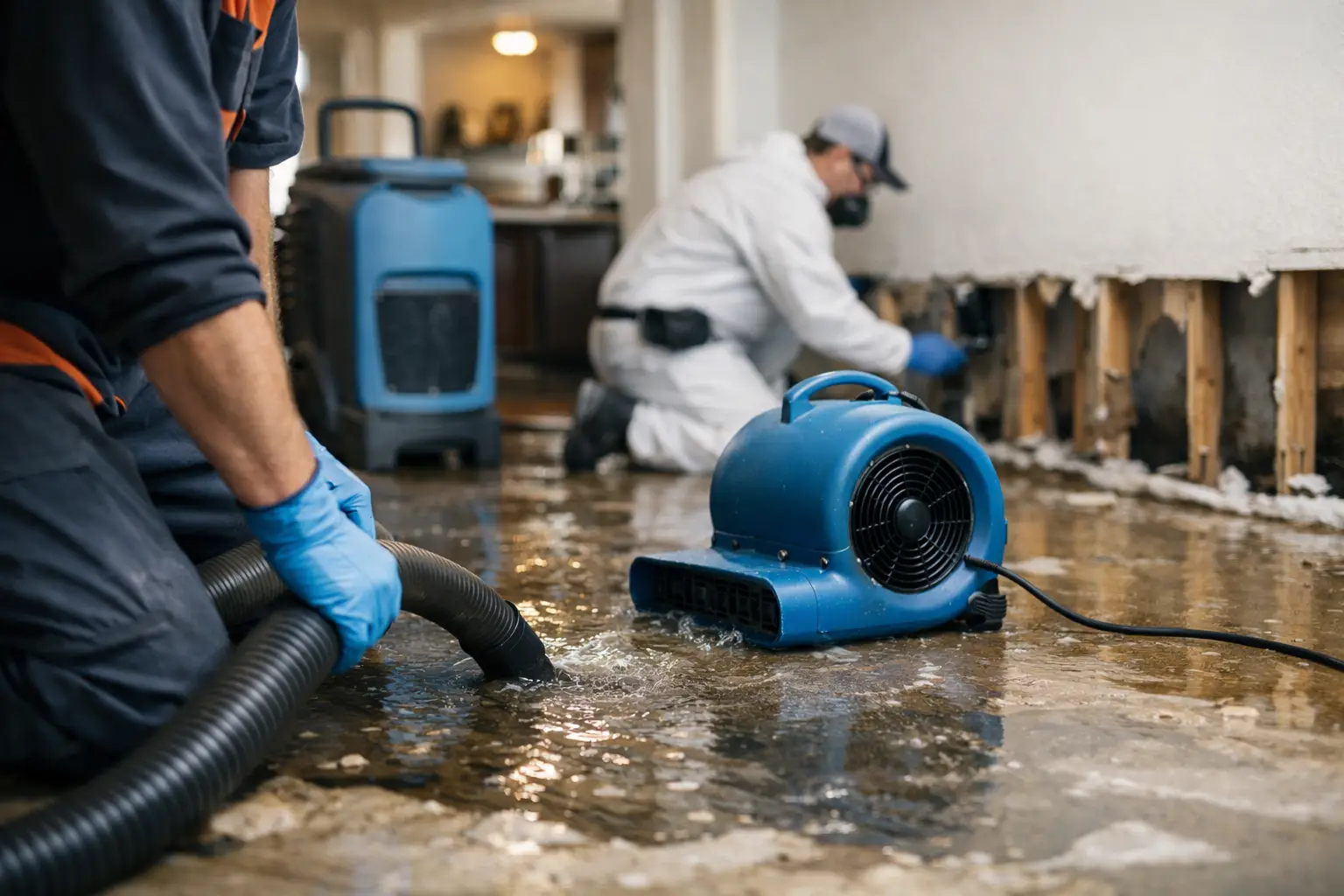 Water Damage
Extraction, structural drying, and moisture mapping after floods, leaks, and burst pipes.
Get help now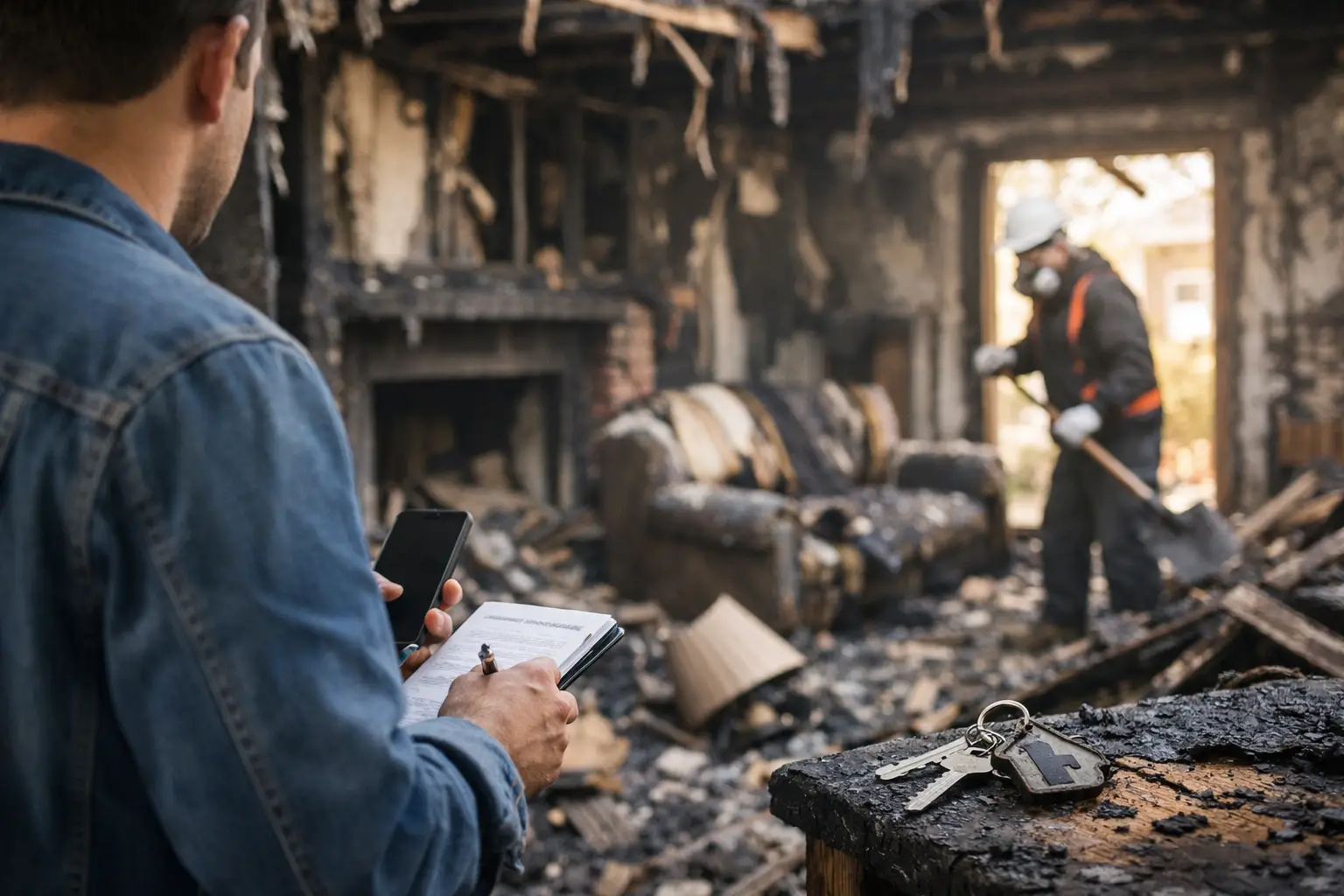 Fire & Smoke
Soot removal, odor deodorization, and content cleaning after fire and smoke damage.
Learn more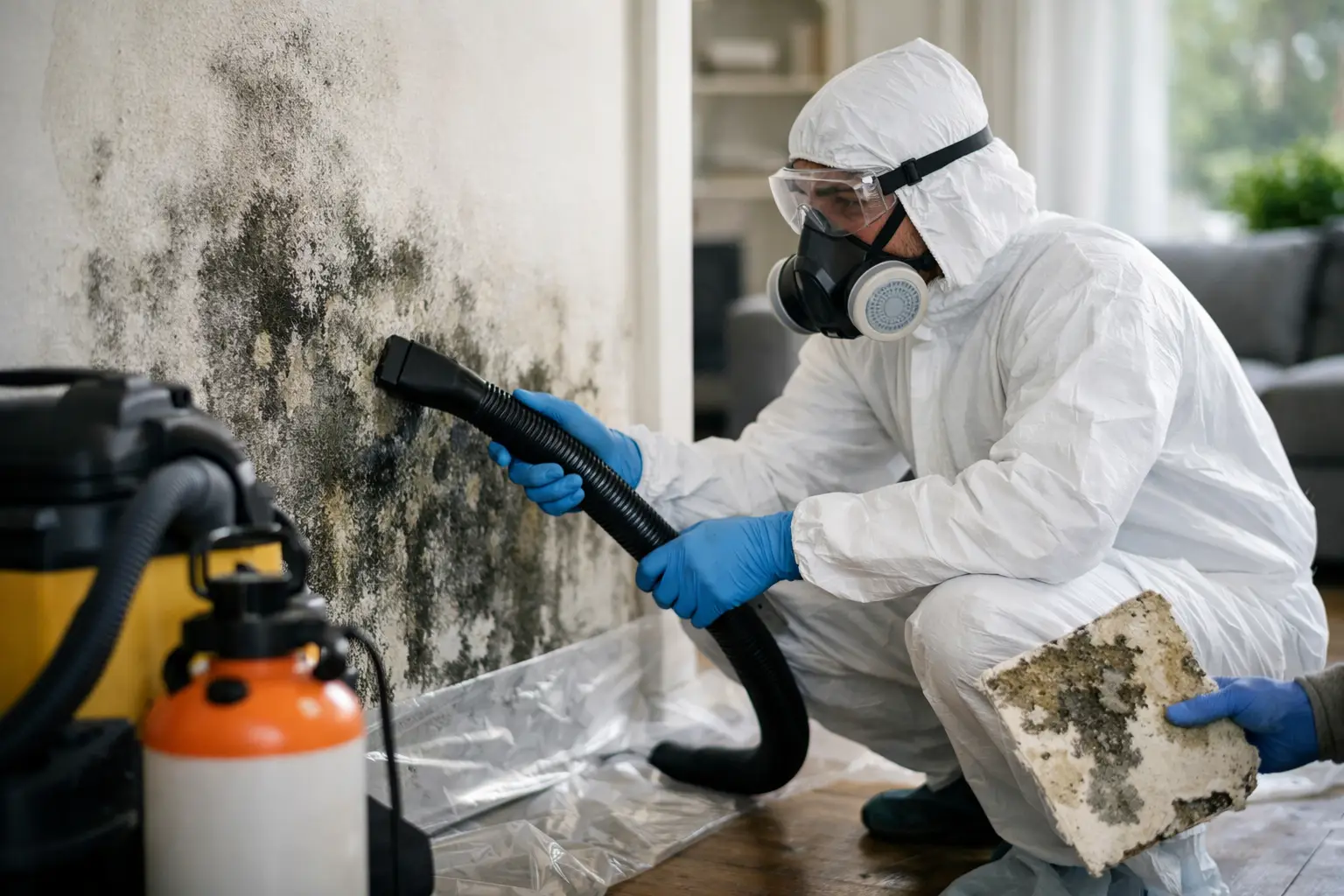 Mold
MoldContainment, removal, and moisture control that stops mold from coming back.
Learn more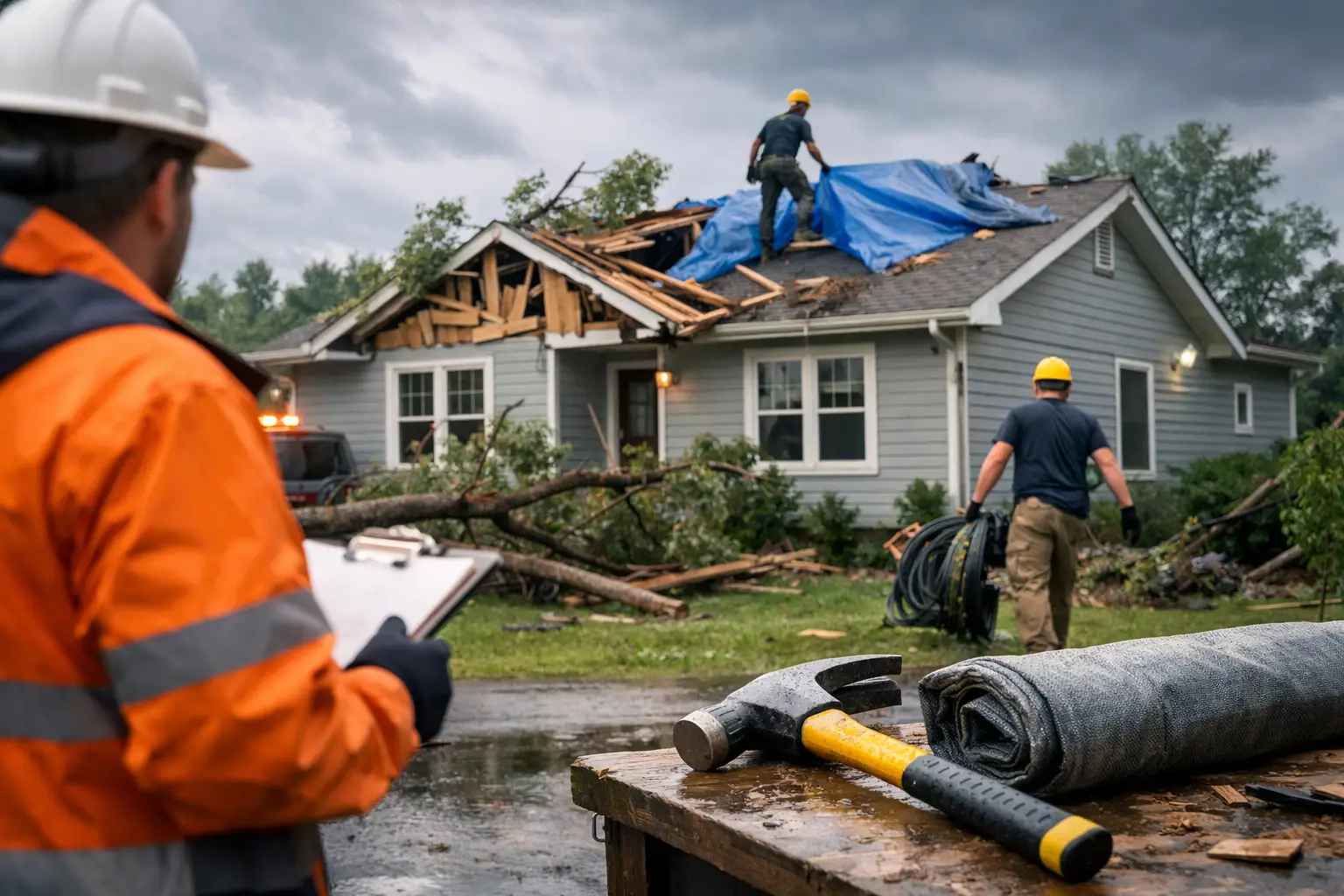 Storm
StormEmergency board-up, roof tarping, and full recovery after wind, hail, and storms.
Learn more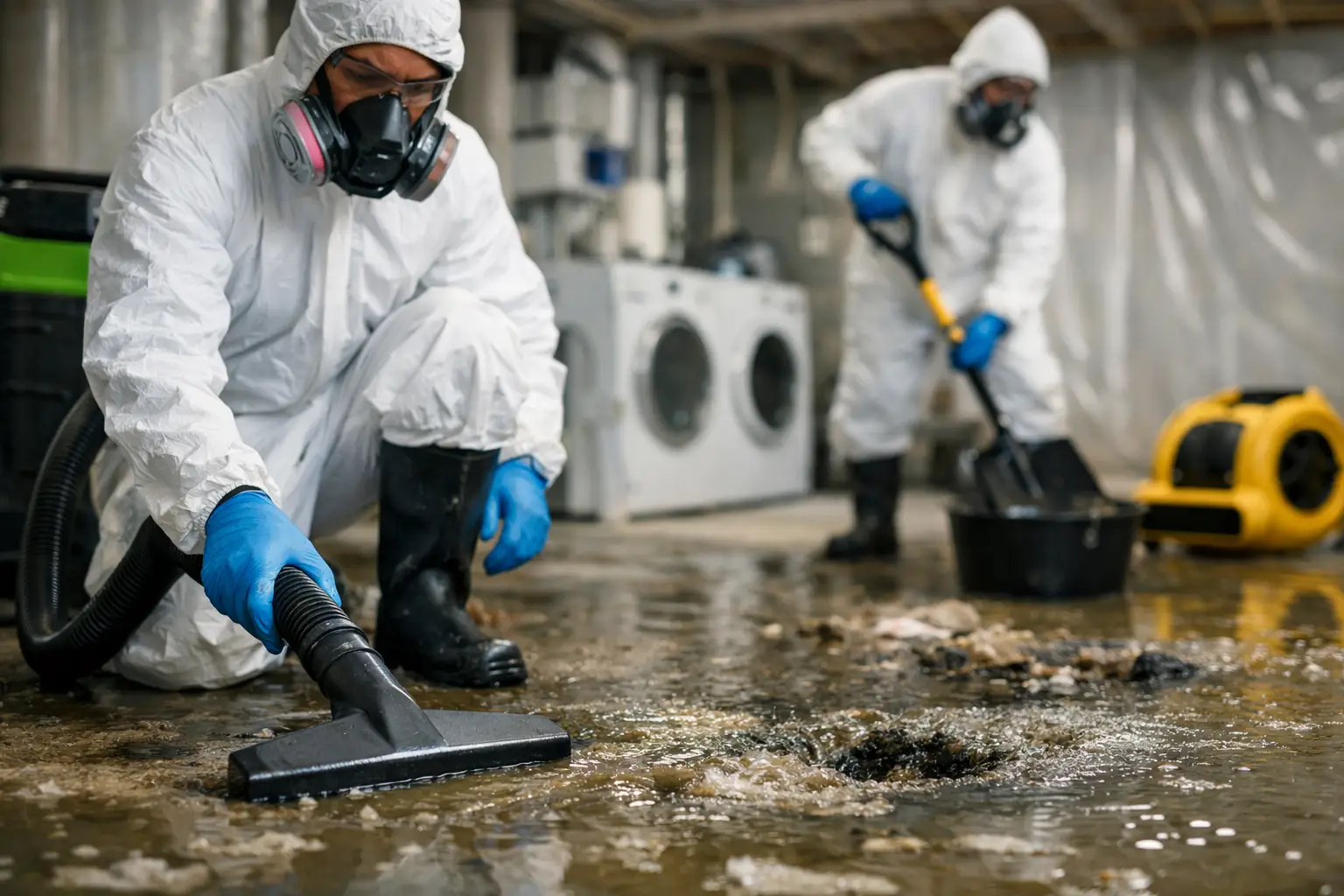 Sewage
Safe biohazard cleanup and sanitizing after sewage backups and overflows.
Learn more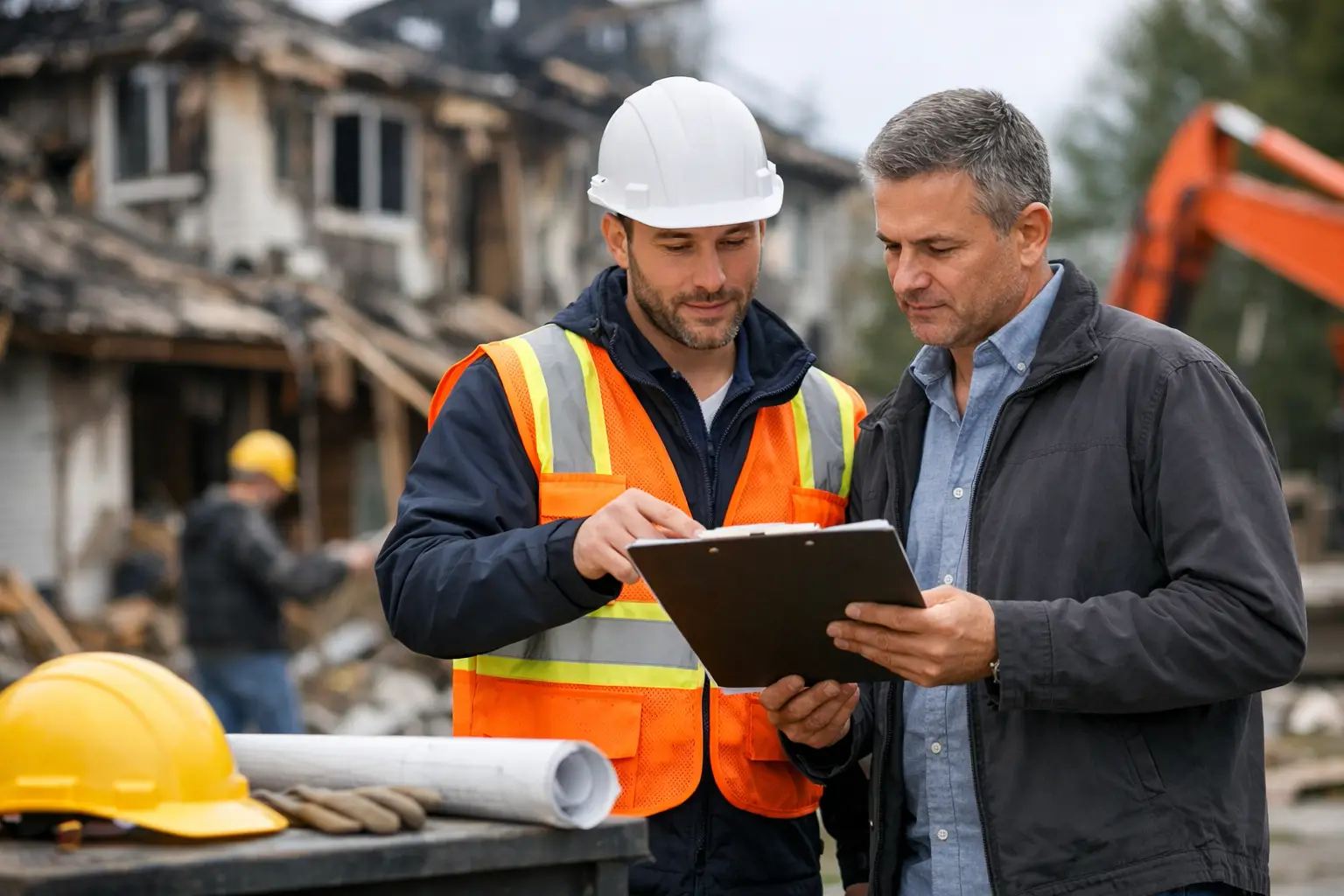 Reconstruction
Full rebuild by a licensed general contractor, so your property comes back whole.
Learn moreElevated Operations is an IICRC-certified, licensed general contractor based in Mableton that handles the entire recovery in-house, so after one loss you are never coordinating a cleanup crew, a mold crew, and a contractor separately. One team, one point of contact, from the first pump-out to the final coat of paint.
People call when the property feels like a disaster. They leave reviews because Chris and the crew made it right. These are real, verified Google reviews.
Yes. I handle water damage restoration for Hapeville properties near Delta HQ, airport-edge bungalows, and nearby commercial spaces. My crew is IICRC-certified, and I bring direct insurance billing so the claim process does not slow down the dry-out and repair plan.
Yes, and I look at the floor type before I decide whether floor drying can save it. In older Hapeville bungalows, hardwood can sometimes be stabilized, but if cupping, separation, or subfloor damage is present, I will recommend water damage repair or replacement.
Call me right away. I offer 24/7 emergency response, because water does not wait for business hours. If a pipe breaks after hours, I move straight into water extraction, containment, and structural drying so the loss does not keep spreading overnight.
I use direct insurance billing, and I document the damage so the adjuster sees the facts clearly. That helps with water cleanup, drying, and repairs because the file already shows the affected areas, the mitigation steps, and what needs replacement versus saving.
Yes. I’m Chris Kwangwari, owner of Elevated Operations, LLLP, and I’m a licensed general contractor. That matters when water damage restoration leads into drywall replacement, flooring repair, trim work, or other structural repairs after the drying phase is complete.
I back our restoration work with a 12-month warranty. If I repair something after the dry-out and it needs attention within that window, I want to know about it. I stand behind the job, not just the extraction.
Hapeville is in our service area, along with Cobb, Fulton, DeKalb, Douglas, Clayton, Henry, and Paulding counties. Our base is in Mableton, so we can respond quickly while still keeping the process tight and local to the loss site.
I keep it simple and honest. I’ve been in restoration since 2007, and I do not oversell what can be saved. My team focuses on water mitigation, structural drying, and the exact repairs the property actually needs, nothing more.
Elevated Operations dispatches IICRC-certified crews across Metro Atlanta from our Mableton base, with a 60-minute emergency response day or night. Choose your city:
Call now for an immediate response, or request your free inspection and get a certified crew on-site within the hour across Atlanta and nearby areas.