24/7 Emergency Restoration · Serving Metro AtlantaEmergency? (770) 404-6895
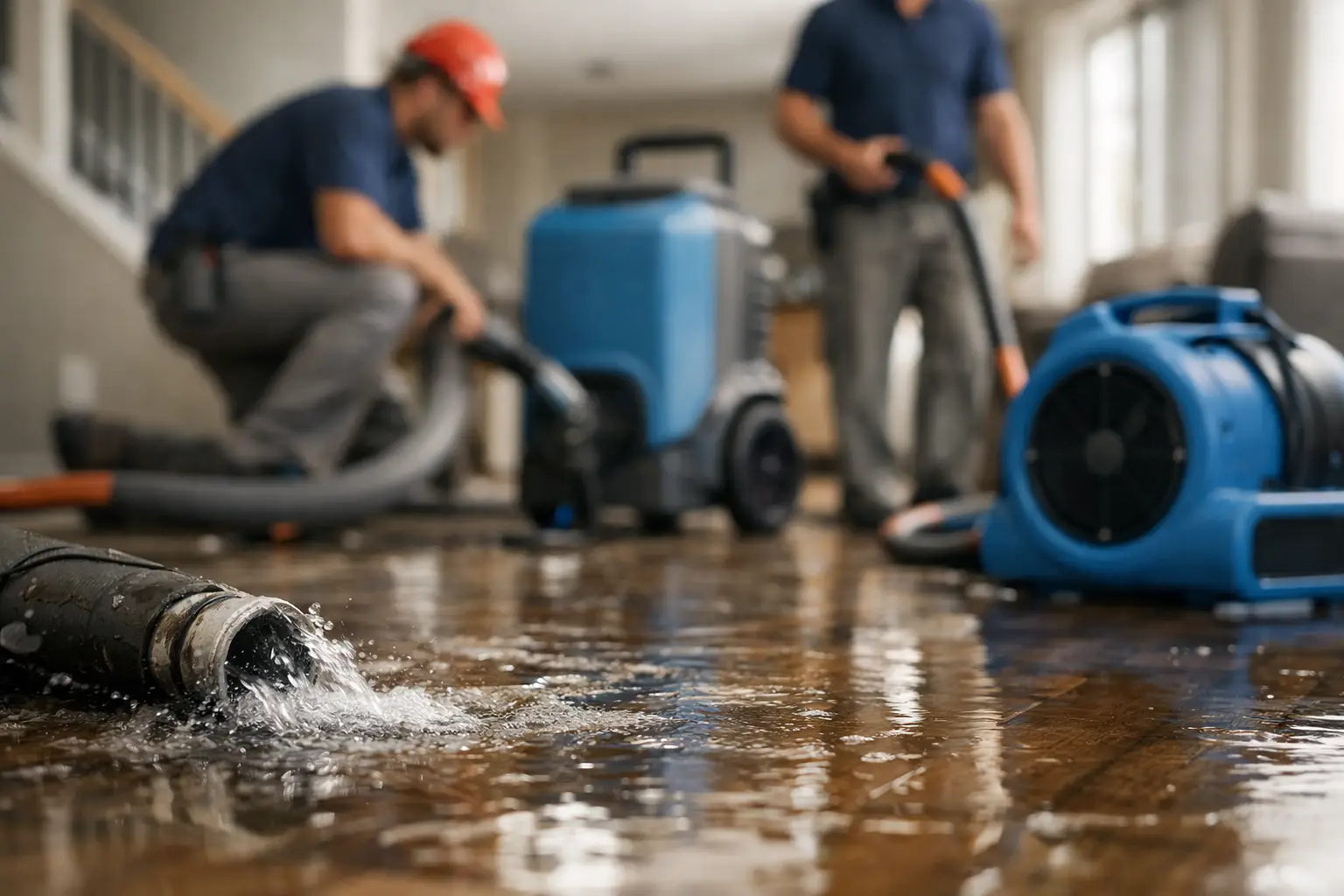
Reconstruction Douglasville starts with stopping the damage, documenting what failed, and getting the right trades on site. I handle property reconstruction after fire, water, or storm losses with IICRC-certified technicians, direct insurance billing, and a 12-month warranty. From I-20 subdivision homes to older houses near the Dog River reservoir, I know what usually has to be fixed first.
IICRC-Certified · 5-Star Rated · 60-Minute Response · Insurance Billed Directly
Make the area safe, then call for emergency response. Documentation comes next, because reconstruction works best when the damage is recorded before anything gets torn out.
Yes. Cleanup and reconstruction are different phases. Once the space is dry and stable, I move into the rebuild with the right trade sequence.
It can be if the leak reached drywall, flooring, framing, or subfloor. In Douglasville, small leaks often hide bigger repairs behind the wall.
Yes. I offer direct insurance billing and deductible assistance up to $1,000 when the job qualifies, so the process stays moving.
First, make the loss safe, document it, and call for emergency response before cosmetic work starts. In Douglasville, that means protecting builder-grade finishes in I-20 subdivisions, checking for hidden moisture, and getting a contractor who can coordinate structural repair, drywall repair, and flooring repair the right way.
Start with the checklist: shut off the source if you can do it safely, stay out of wet or unstable rooms, and take photos before anything gets moved. That matters in Douglasville because many homes around the I-20 corridor use builder-grade materials that show damage fast and hide problems just as fast.
Then call us. I answer with a 60-minute emergency response 24/7, and I send IICRC-certified technicians who know how to separate cleanup from reconstruction. If the loss is on the Douglas County side of Dog River reservoir, we look hard at moisture migration, trim swelling, and the way water tracks under flooring.
Do not jump straight to paint. That is how people waste money. I want the loss documented, the insurance file started, and the building stabilized first. From there, we plan the right sequence: damage repair, framing repair if needed, then drywall, flooring, and finish work.
Reconstruction after property damage is the rebuilding phase after cleanup, where a damaged home is put back together with real construction work. It can include framing repair, drywall repair, flooring repair, roof repair, and structural repair, depending on what the fire, water, or storm actually destroyed.
Cleanup removes debris, soot, or water. Reconstruction restores the house. That difference matters in Douglasville, especially in subdivisions off I-20 where cosmetic finishes can look fine while the wall cavity, subfloor, or framing is not fine at all. I do not treat those as the same job.
A proper reconstruction plan starts with the loss report, the inspection, and a plain-language scope. If Dog River moisture or storm runoff has gotten into a wall assembly, I want to know what needs to be opened, what can be saved, and what has to be replaced before rebuilding starts.
This is where ownership matters. Elevated Operations, LLLP is a licensed general contractor, so I am not handing the reconstruction part to a separate mystery crew. I keep the sequence tight, manage the trade work, and make sure the repair matches the actual damage, not guesswork.
Reconstruction is needed when damage goes past surface cleanup and affects the structure, finishes, or safe use of the home. In Douglasville, that often shows up after water intrusion, fire loss, storm damage, or long leaks that warp drywall, buckle flooring, or compromise framing.
Look for soft drywall, sagging ceilings, a musty smell that will not quit, bowed trim, or floors that started cupping after a leak. Those are reconstruction signals, not just cleaning issues. In older Douglasville homes and newer builder-grade houses near I-20, the materials fail in different ways, but the meaning is the same.
If the damage reached framing, subfloor, insulation, or electrical pathways, you are past patch territory. That is when I recommend structural repair or damage repair before any finish work. A pretty wall over a bad wall is a bad decision, and I have seen that mistake too many times.
Douglasville weather can make a small opening turn into a larger one fast, especially near low spots and drainage paths toward Dog River reservoir. I check for hidden spread because water does not respect room lines. It follows studs, base plates, and seams until you stop it and rebuild correctly.
Yes, and it should follow cleanup once the home is dry, stable, and documented. After water or fire damage cleanup, I move into property reconstruction with the right sequence, which may include drywall repair, flooring repair, roof repair, framing repair, and structural repair where the loss demands it.
After water cleanup, I verify the building is dry enough to rebuild. After fire cleanup, I look at soot migration, heat damage, and what materials can still be saved. That order matters in Douglasville because builder-grade finishes around I-20 subdivisions can be replaced quickly, but hidden damage cannot be rushed.
When cleanup is done correctly, reconstruction can begin without dragging contamination or moisture back into the structure. If the loss involved the Dog River reservoir area or runoff-fed flooding, I pay close attention to the lower levels, baseboards, underlayment, and wall cavities where water likes to linger.
I also work directly with insurance carriers, which keeps the rebuild moving instead of leaving the homeowner stuck in the middle. Direct insurance billing helps. So does deductible assistance up to $1,000 when the job qualifies. The goal is simple, finish the cleanup phase and then rebuild with a clean scope.
Property reconstruction takes as long as the damage scope requires, and the scope is what I determine first. In Douglasville, a small drywall repair is a different animal than full structural repair, multi-room flooring repair, or rebuild work after fire or major water intrusion.
There is no honest one-size answer. I will not pretend there is. A single-room damage repair can be straightforward, while a loss that reaches framing, subfloor, or roof repair takes more steps because the house has to be made sound before finishes go back in.
In Douglasville, the timeline can also depend on how much of the house uses builder-grade materials and how many areas were affected. A home near I-20 with a hallway, kitchen, and two rooms involved is a different project than a localized issue near Dog River reservoir that stayed contained.
What I can control is the sequence and communication. IICRC-certified technicians handle the technical side, I manage the reconstruction side as a licensed general contractor, and the homeowner gets one point of contact. That is how a project stays organized instead of drifting.
I rebuild with the local house in mind, not a generic template. Douglasville has a mix of I-20 subdivision homes with builder-grade finishes and older properties that may have more variation in framing, trim, and layout, so the reconstruction plan has to match the structure you actually own.
That mix changes everything. In a newer subdivision home, flooring repair and drywall repair often need tight fit and finish work because the original materials were economical and uniform. In older Douglasville homes, the issue may be more about framing repair, uneven substrates, or prior patchwork that has to be corrected.
The Dog River reservoir area brings another reality. Moisture patterns can be stubborn in lower-lying spots, and that means I check for hidden swelling, trapped water, and mold starts in 24 to 48 hours if a wet area was ignored. I do not guess at those conditions.
My job is to rebuild so the repair holds up. That means using the right trade sequence, checking the structure before closing walls, and matching the finish work to the rest of the house without pretending the loss never happened.
If you can do it safely, stop the source of water, avoid unstable rooms, and keep people out of damaged areas. In Douglasville homes, hidden wet drywall and soft flooring can fail fast.
Take photos before cleanup or demolition starts. I use that record for direct insurance billing and for a clean reconstruction scope, especially when damage crosses multiple rooms.
Use the 24/7 number right away. I provide a 60-minute emergency response, and that first visit helps separate cleanup needs from reconstruction needs before the loss spreads.
Do not rush into paint. Priority goes to structural repair, framing repair, roof repair, drywall repair, and flooring repair in the order the damage requires.
I work with your carrier directly and offer deductible assistance up to $1,000 when the job qualifies, so the rebuild does not stall in paperwork.
From emergency mitigation to full reconstruction, handled in-house so you are never managing a chain of subcontractors mid-crisis.
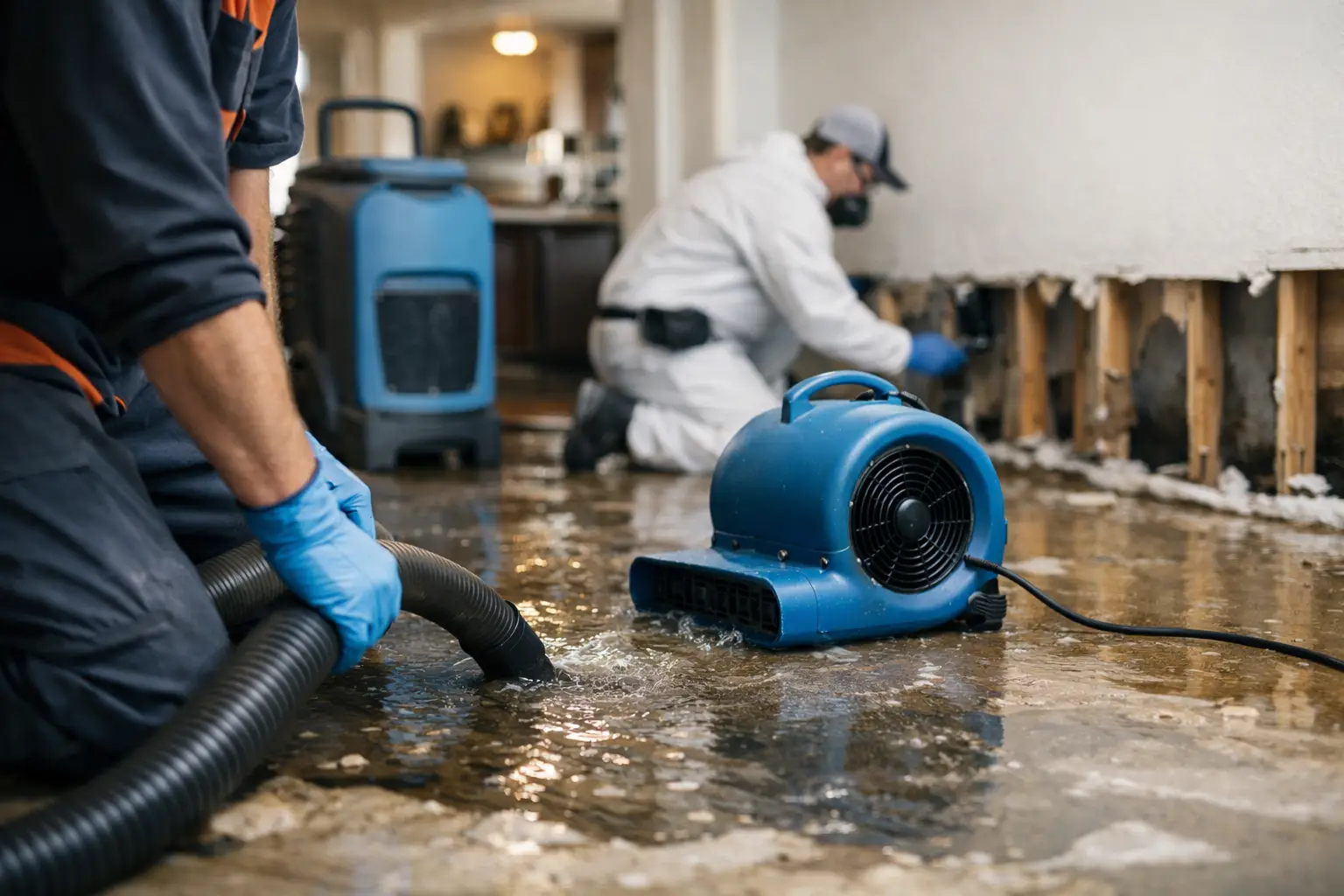 Water Damage
Extraction, structural drying, and moisture mapping after floods, leaks, and burst pipes.
Get help now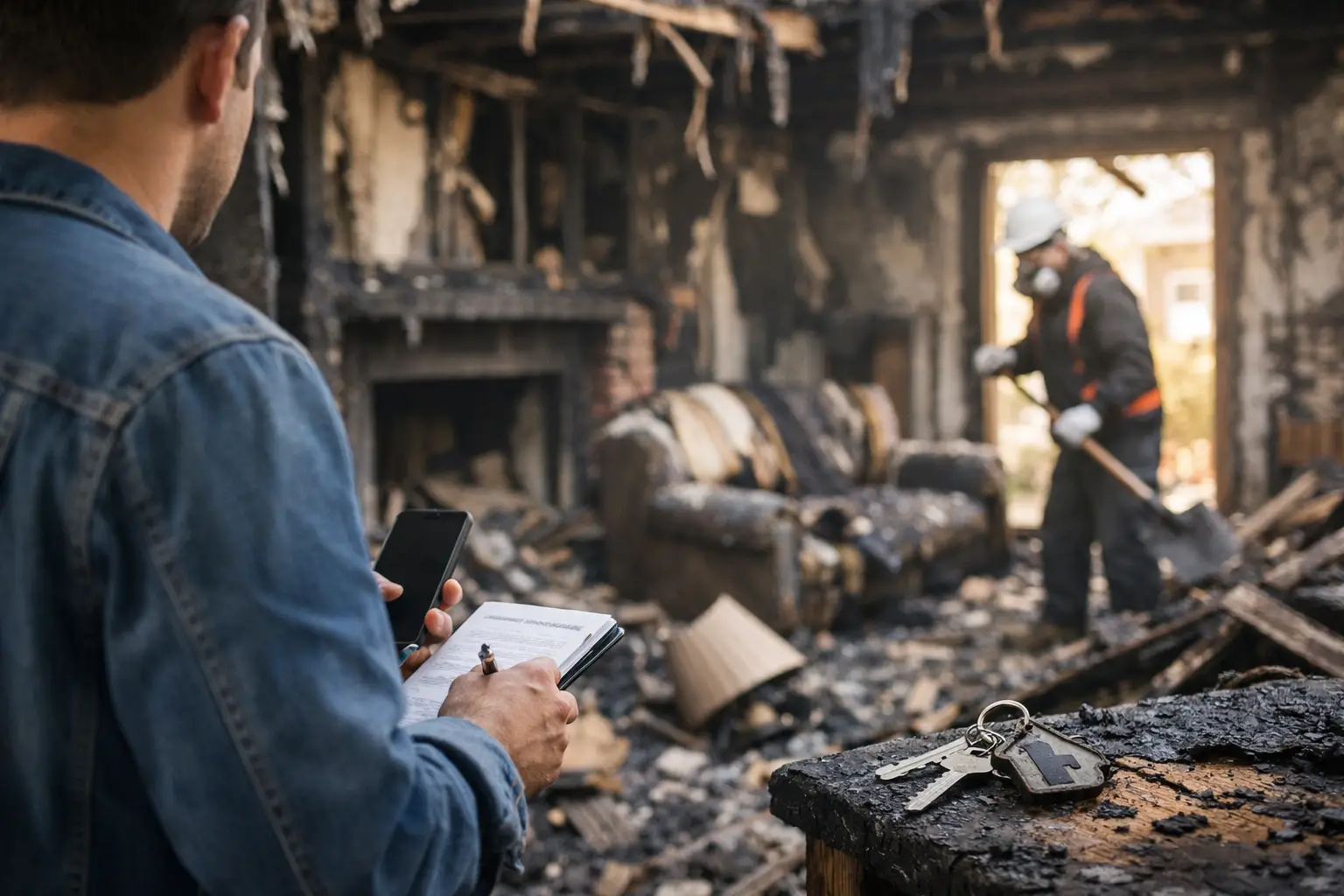 Fire & Smoke
Soot removal, odor deodorization, and content cleaning after fire and smoke damage.
Learn more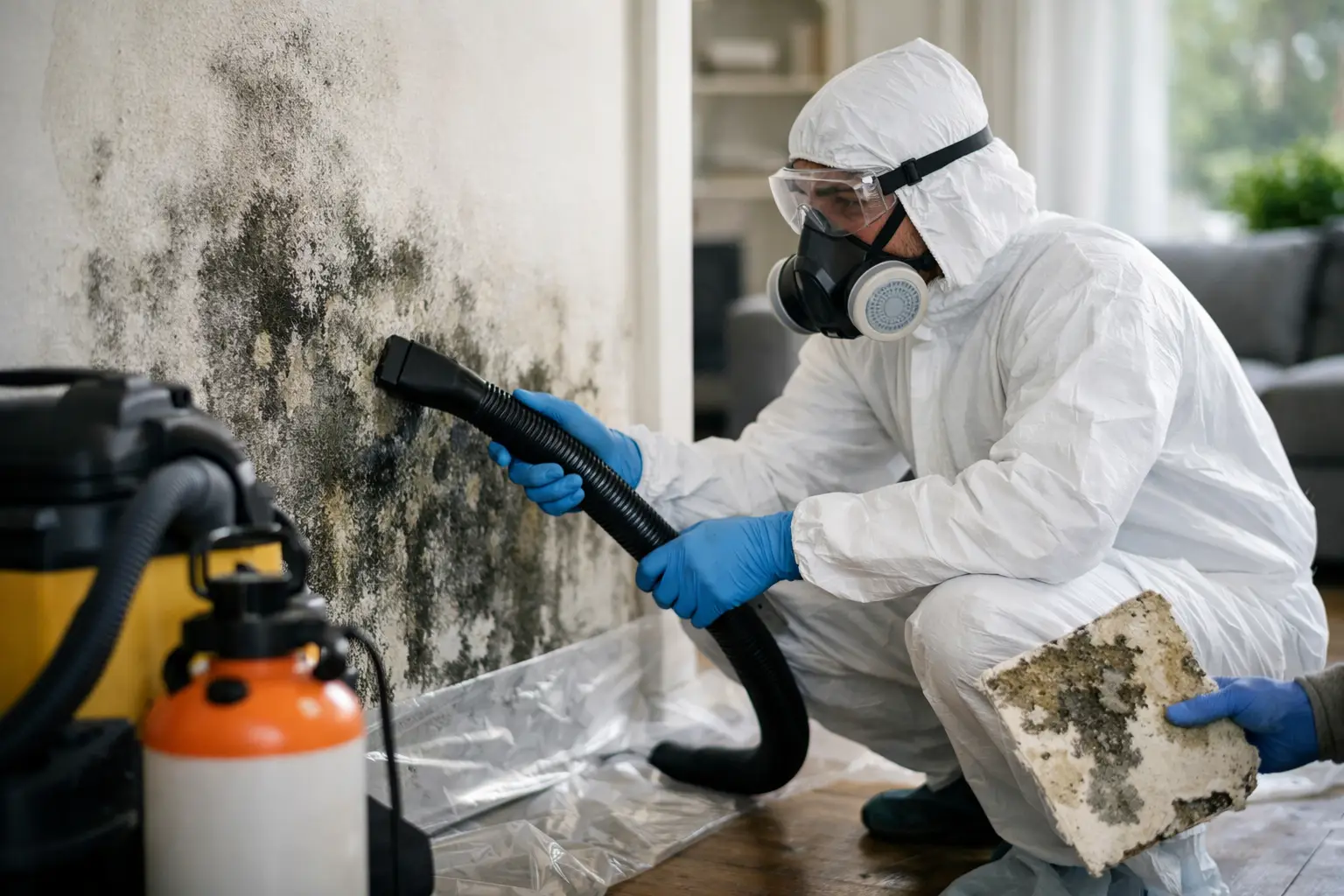 Mold
MoldContainment, removal, and moisture control that stops mold from coming back.
Learn more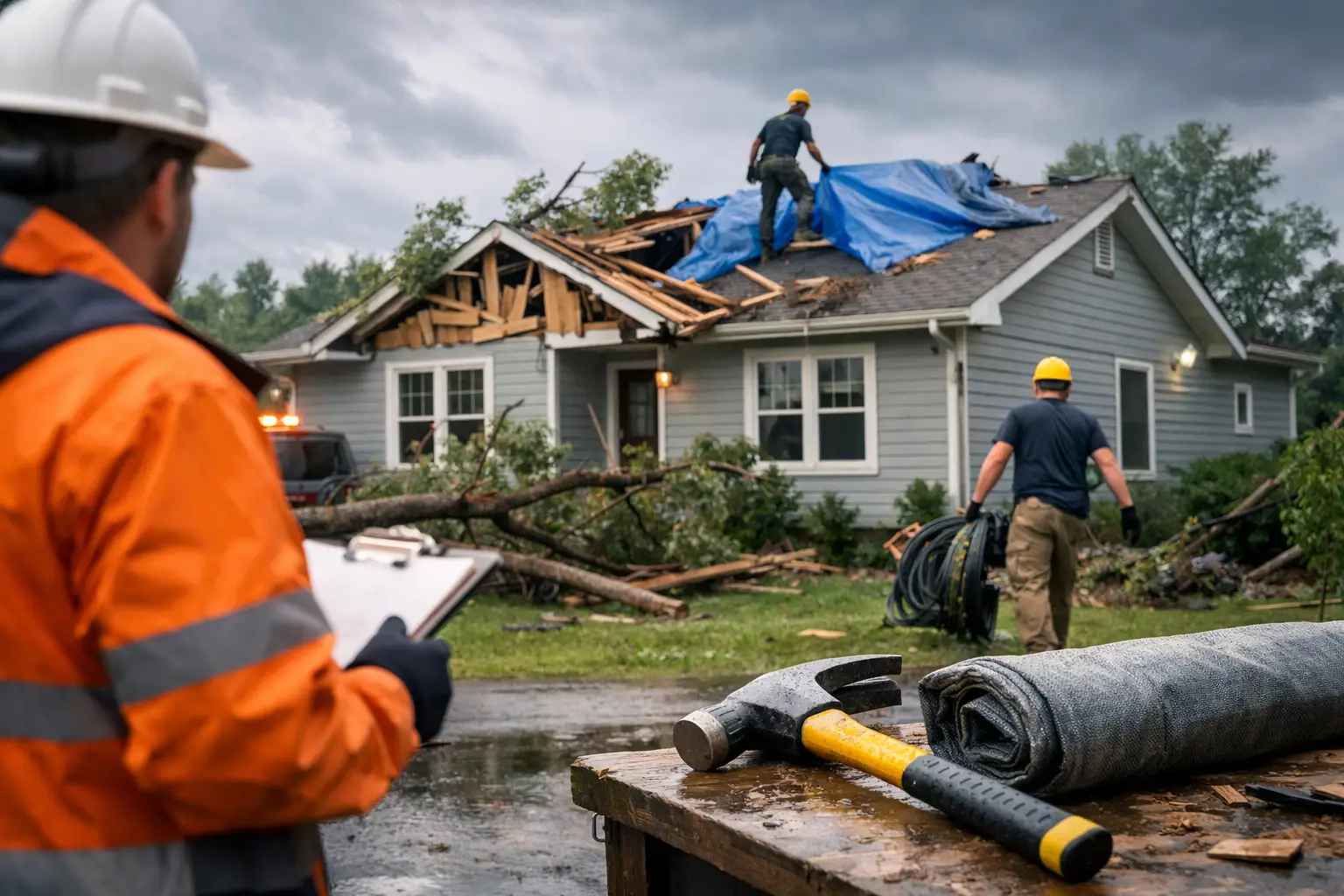 Storm
StormEmergency board-up, roof tarping, and full recovery after wind, hail, and storms.
Learn more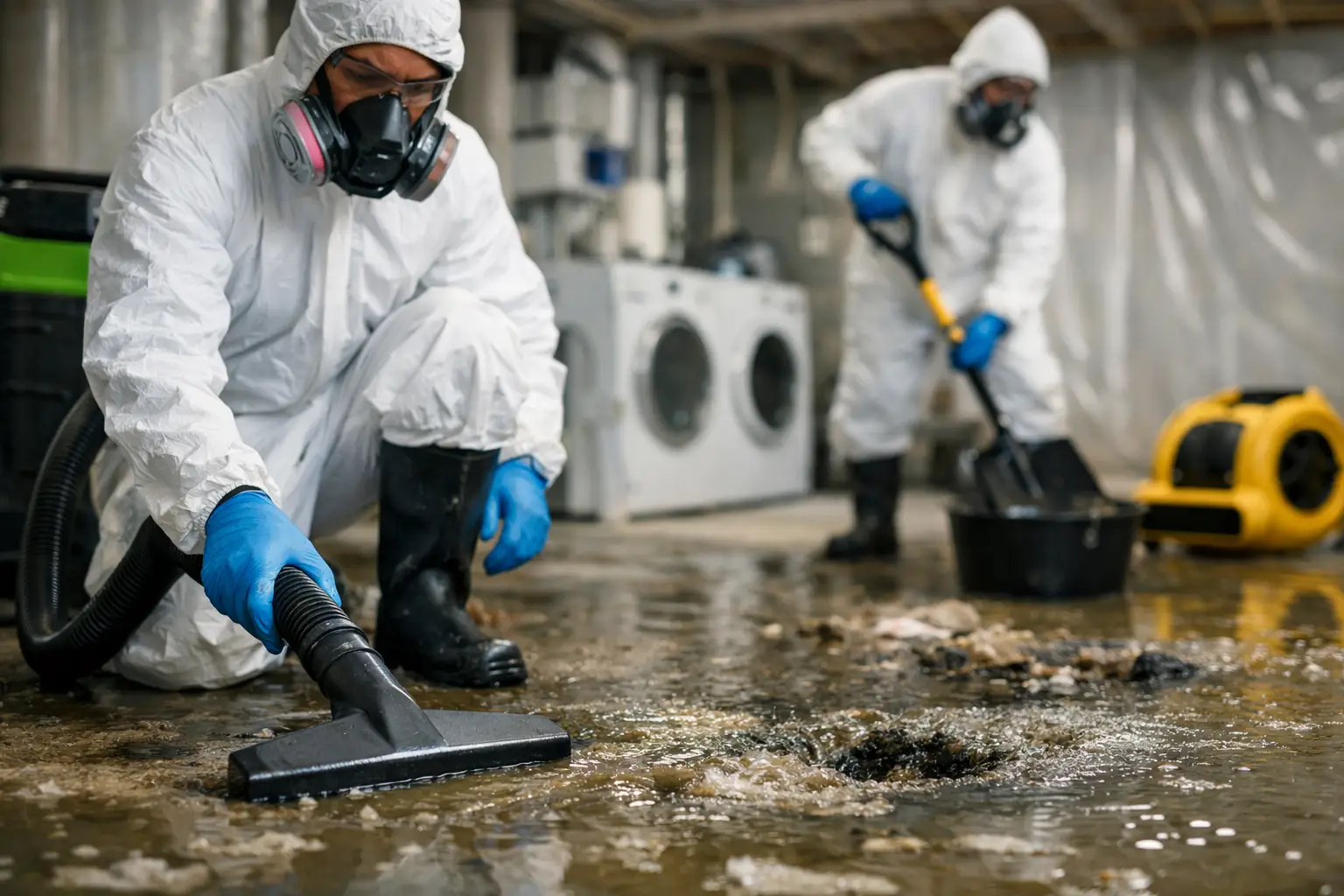 Sewage
Safe biohazard cleanup and sanitizing after sewage backups and overflows.
Learn more Reconstruction
Full rebuild by a licensed general contractor, so your property comes back whole.
Learn moreElevated Operations is an IICRC-certified, licensed general contractor based in Mableton that handles the entire recovery in-house, so after one loss you are never coordinating a cleanup crew, a mold crew, and a contractor separately. One team, one point of contact, from the first pump-out to the final coat of paint.
People call when the property feels like a disaster. They leave reviews because Chris and the crew made it right. These are real, verified Google reviews.
Yes. I-20 subdivision homes often have builder-grade materials that need precise drywall repair and flooring repair, while older homes near Dog River reservoir may need more framing repair or structural repair because of age, layout changes, or repeated moisture exposure. I inspect the actual damage first, then rebuild to match the house, not the ZIP code.
Yes. I handle property reconstruction after water loss once the area is dry and documented. That can include damage repair, drywall repair, flooring repair, and sometimes framing repair if the leak soaked into wall cavities or subfloor. The key is not rushing the rebuild before hidden moisture is fully addressed.
That is when reconstruction starts. Fire cleanup removes soot and debris, but it does not put the house back together. I look at charred framing, damaged drywall, affected flooring, and any roof repair or structural repair needs. If the cleanup crew stopped short of rebuilding, I take over the reconstruction phase.
Yes. I offer direct insurance billing, and I keep the reconstruction scope aligned with the actual loss. That matters when an adjuster is reviewing drywall repair, flooring repair, or structural repair tied to the claim. It keeps the process cleaner and helps avoid unnecessary back-and-forth.
Mold starts in 24 to 48 hours, so speed matters. In Douglasville, especially in shaded or lower-lying areas near Dog River reservoir, I take moisture seriously and move quickly from cleanup into dry-out and reconstruction planning. Waiting too long can turn a repair into a much larger structural job.
I am owner Chris Kwangwari, and I run Elevated Operations, LLLP as a licensed general contractor with IICRC-certified technicians on the front end. We have been in restoration since 2007, we carry a 4.9-star Google rating from 73 reviews, and we back the work with a 12-month warranty.
Yes, if the loss requires it. Roof repair can be part of property reconstruction after storm damage or a leak that spread into ceilings and walls. I look at the whole path of damage, not just the visible stain, because the roof, drywall, and framing often fail together.
I serve Douglas County and the surrounding metro Atlanta counties I work in, including Cobb, Fulton, DeKalb, Clayton, Henry, and Paulding. Douglasville is in my core area, and my base is in Mableton, so I can respond quickly when a reconstruction job needs immediate attention.
Elevated Operations dispatches IICRC-certified crews across Metro Atlanta from our Mableton base, with a 60-minute emergency response day or night. Choose your city:
Call now for an immediate response, or request your free inspection and get a certified crew on-site within the hour across Atlanta and nearby areas.