24/7 Emergency Restoration · Serving Metro AtlantaEmergency? (770) 404-6895

Reconstruction Union City starts with a simple question, what failed, what was damaged, and what the policy will cover. I price jobs by scope, not guesswork, and I handle direct insurance billing, deductible assistance up to $1,000, and IICRC-certified reconstruction work from our Mableton base across south Fulton I-85 subdivisions.
IICRC-Certified · 5-Star Rated · 60-Minute Response · Insurance Billed Directly
No. Restoration covers more of the loss process, while reconstruction is the rebuild phase after cleanup. I focus on putting the structure back together.
It may, if the damage is part of a covered claim. I match the floor repair scope to the actual loss and the policy terms.
Yes. I work by damage scope, not by age of home, and south Fulton I-85 subdivisions can still hide complex repair needs behind the surface.
I answer emergency calls 24/7 with a 60-minute emergency response, then I start documenting the damage and planning the reconstruction path.
Reconstruction after property damage means putting the structure back together after cleanup, not just drying or demolition. In Union City, that can include drywall repair, flooring repair, framing repair, roof repair, structural repair, and finish work after fire, water, or storm damage.
I treat reconstruction as the second half of the job. Cleanup stops the loss. Reconstruction restores the room, the hallway, the stair run, or the damaged section of a south Fulton I-85 subdivision home so it is usable again.
That scope changes from house to house. A small ceiling leak may need drywall repair and paint-ready finish work. A harder loss can call for framing repair, subfloor correction, trim replacement, and property reconstruction that reaches multiple rooms.
And I do not force one formula on every claim. I look at the damage pattern, the insurance scope, and the actual materials in the home, then I build the work around the structure that is already there.
Reconstruction pricing is driven by the size of the damaged area, the trades required, the materials selected, and whether the job involves structural repair or multiple rooms. I quote based on the actual loss, because a drywall repair is not priced like full property reconstruction.
In Union City, I see a lot of price swings because homes in south Fulton I-85 subdivisions do not all fail the same way. One roof leak may hit only one ceiling bay. Another loss may travel through insulation, drywall, flooring, and base cabinets before it is found.
That is why I do not speak in vague ranges. I inspect the damage, document what needs repair, and build the estimate around labor and materials the claim actually requires. If the scope is narrow, the price stays narrow. If the loss spreads, the work grows with it.
And direct insurance billing matters here. It keeps the process tied to the claim file instead of making the homeowner front every step. I also offer deductible assistance up to $1,000, which can help when a covered claim still leaves the owner with out-of-pocket responsibility.
Insurance usually covers sudden and accidental damage that the policy recognizes, then pays to return the damaged area to a pre-loss condition within the policy terms. That can include cleanup, drywall repair, flooring repair, and reconstruction after covered water, fire, or storm damage.
I do not promise coverage I cannot read in the policy. I can tell you what insurers commonly evaluate: what caused the loss, when it happened, what got damaged, and whether the repair scope matches the covered event. That is the real claim fight.
In south Fulton I-85 subdivisions, adjusters often focus on the first source of damage, not the last thing that looks broken. A roof leak may show up as ceiling staining and warped flooring. A fire may leave smoke, heat, and tear-out issues that run deeper than the room that burned.
When I submit work through direct insurance billing, I keep the paperwork tied to the documented damage. That helps the claim stay organized, especially when reconstruction includes finish trades, structural repair, or repairs that spread into adjacent rooms.
Yes. Reconstruction often begins after water or fire damage cleanup is complete, once the structure is dry, safe, and ready for repairs. That is when I step in for damage repair, drywall repair, flooring repair, framing repair, or full property reconstruction.
Cleanup and reconstruction are different jobs. Cleanup removes the damaged material and addresses the immediate loss. Reconstruction replaces what was removed or damaged, and that is the work that gets the home back to functioning condition.
After water damage, I want the structure dry before I rebuild. After fire damage, I want the affected area cleared and stabilized first. That sequence matters in Union City because homes in south Fulton I-85 subdivisions often have layered materials that should not be closed up too early.
I work from the condition of the structure, not a calendar promise. If the space is ready, reconstruction moves. If the loss is still active or unsafe, the right call is to wait and protect the claim from avoidable extra damage.
Property reconstruction takes as long as the scope requires, because a small repair and a multi-room rebuild are not the same job. Timing depends on the damage pattern, inspection findings, material availability, and whether the project includes structural repair or trade coordination.
I do not give fake timelines. That is not how real reconstruction works. A drywall repair in one room is a different animal from a claim that touches framing, flooring, cabinets, and roof repair after a storm or leak.
Union City homes near the I-85 corridor can have quick-turn interior repairs or more layered work, especially when water moves through more than one level or when fire cleanup leaves hidden damage. The clock runs from scope, not hope.
My job is to keep the project moving once the claim is approved and the site is ready. IICRC-certified technicians, a licensed general contractor, and direct insurance billing help me keep the reconstruction organized instead of bouncing between vendors.
You should expect a line-by-line view of the damaged scope, not a loose guess. In south Fulton I-85 subdivisions, I estimate based on the rooms affected, the trades needed, the materials to restore them, and any structural repair or finish work involved.
I start with the damage, then I break the job down. If the loss requires drywall repair, flooring repair, and trim replacement, those pieces should be visible in the scope. If the structure needs framing repair, that should be called out too.
A clean estimate helps with claims because it matches the actual loss. That matters in Union City, where a small ceiling leak can look minor until you open the cavity and see insulation, framing, or flooring issues beneath the surface.
I keep the process simple. I document, I explain the scope, and I bill insurance directly when appropriate. That keeps the homeowner focused on getting the home put back together instead of trying to translate contractor language into claim language.
I price reconstruction by what is actually damaged, including drywall repair, flooring repair, framing repair, roof repair, or structural repair. Small losses stay small. Larger losses grow with the documented scope.
Covered claims usually pay for sudden and accidental damage within the policy terms. I keep the estimate tied to the damage so the claim stays organized and the repair scope stays defensible.
Even when insurance covers the loss, the deductible is usually the homeowner’s responsibility. I offer deductible assistance up to $1,000, which can reduce the gap on a covered reconstruction claim.
I handle direct insurance billing, so the work stays aligned with the claim file instead of creating extra paperwork for the homeowner. That helps on water, fire, and storm reconstruction jobs.
I stand behind reconstruction with a 12-month warranty. That matters after the claim closes, because the repair should still perform the way it was built to perform.
From emergency mitigation to full reconstruction, handled in-house so you are never managing a chain of subcontractors mid-crisis.
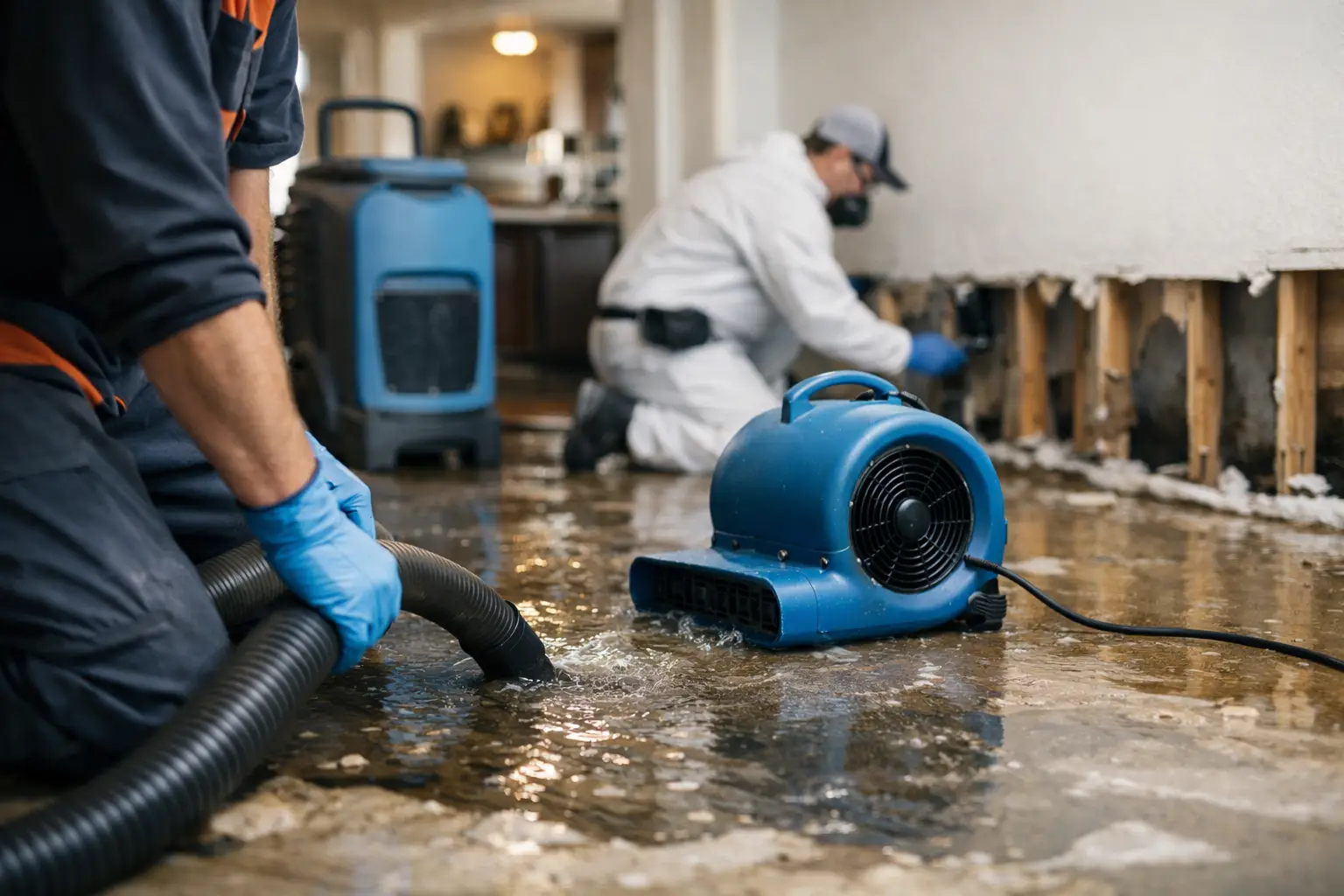 Water Damage
Extraction, structural drying, and moisture mapping after floods, leaks, and burst pipes.
Get help now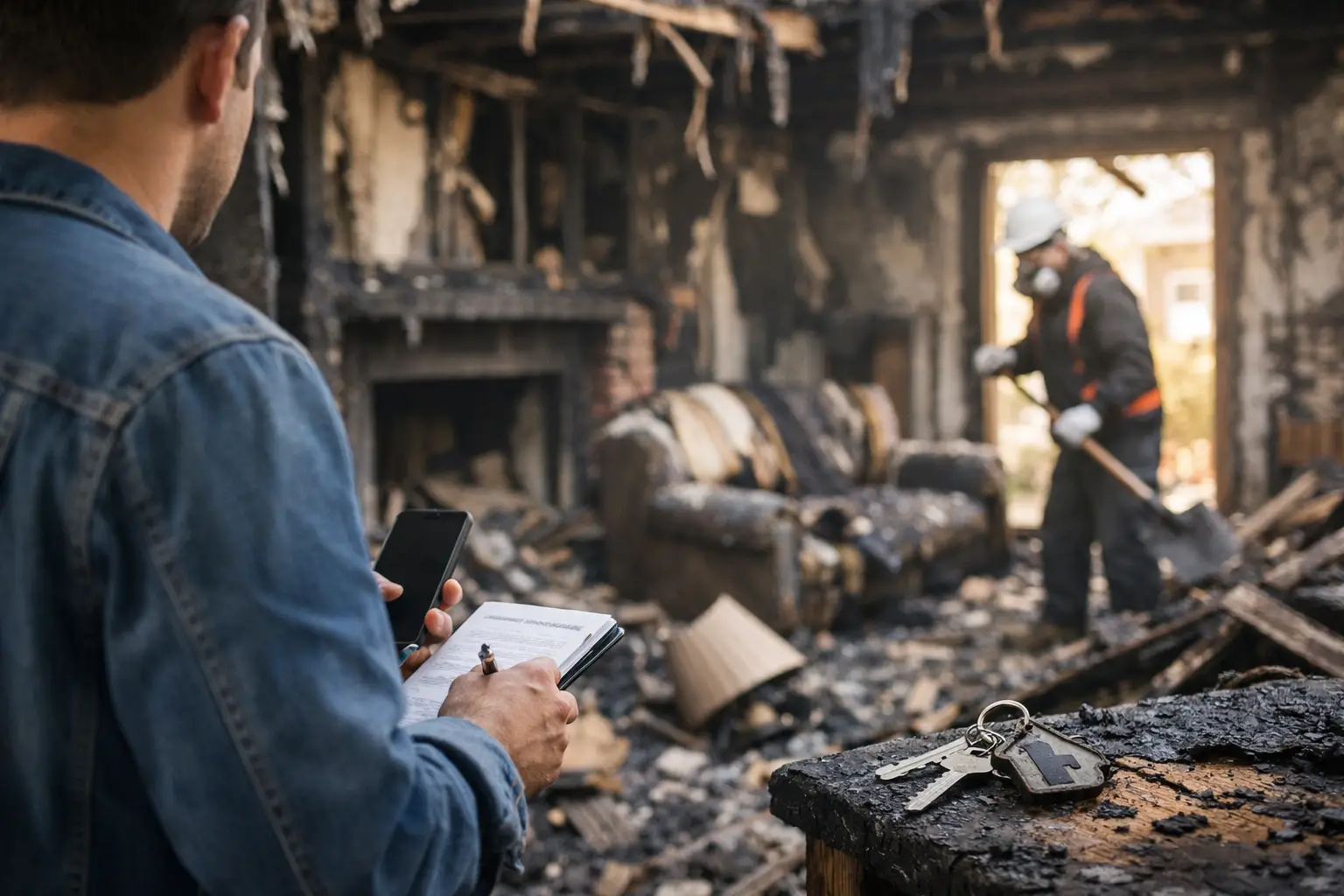 Fire & Smoke
Soot removal, odor deodorization, and content cleaning after fire and smoke damage.
Learn more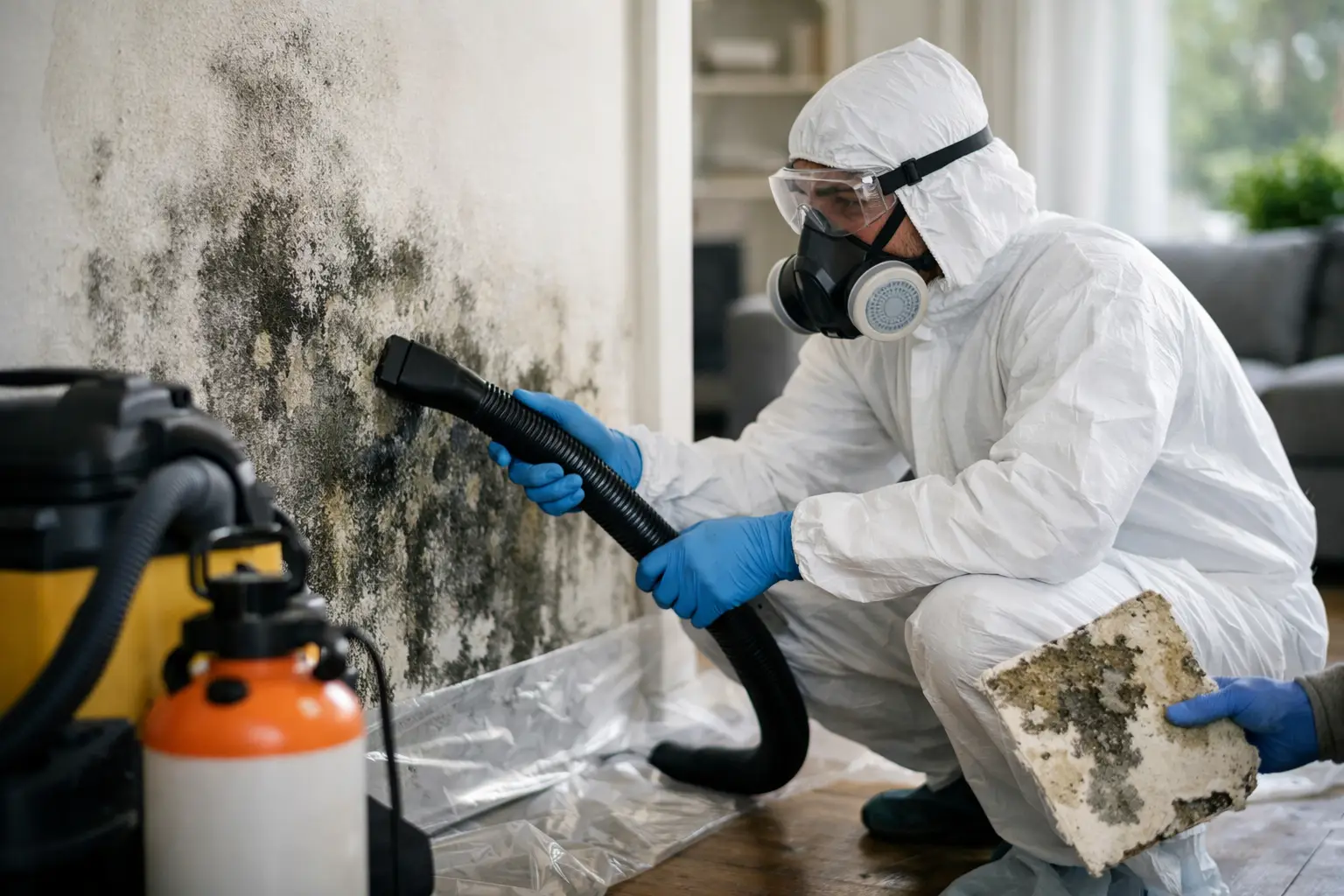 Mold
MoldContainment, removal, and moisture control that stops mold from coming back.
Learn more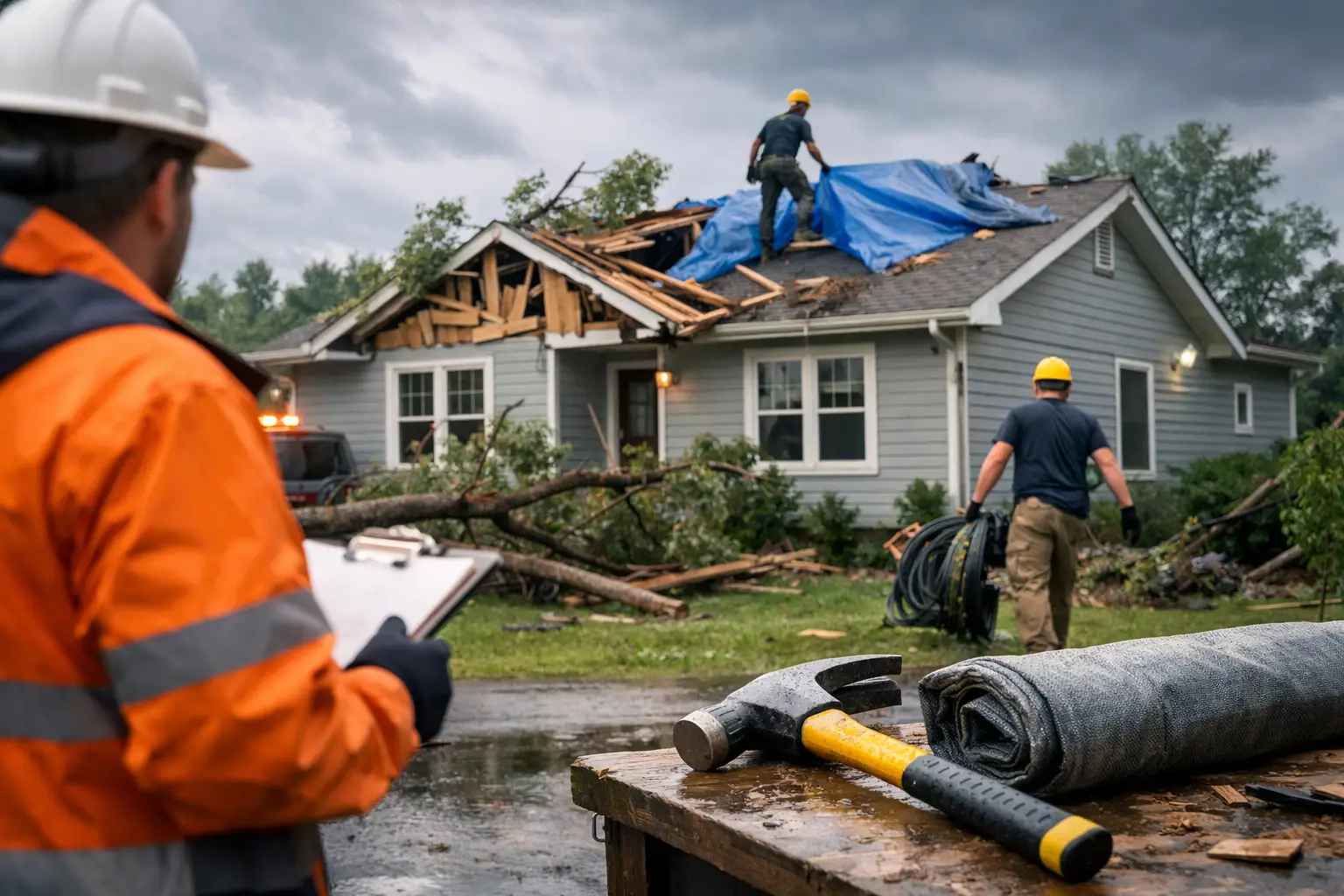 Storm
StormEmergency board-up, roof tarping, and full recovery after wind, hail, and storms.
Learn more Sewage
Safe biohazard cleanup and sanitizing after sewage backups and overflows.
Learn more Reconstruction
Full rebuild by a licensed general contractor, so your property comes back whole.
Learn moreElevated Operations is an IICRC-certified, licensed general contractor based in Mableton that handles the entire recovery in-house, so after one loss you are never coordinating a cleanup crew, a mold crew, and a contractor separately. One team, one point of contact, from the first pump-out to the final coat of paint.
People call when the property feels like a disaster. They leave reviews because Chris and the crew made it right. These are real, verified Google reviews.
Usually, the deductible is the homeowner’s share of a covered claim, and it is handled separately from the insurer’s payment. I offer deductible assistance up to $1,000, which can help reduce the immediate out-of-pocket burden. I still recommend reviewing the policy and claim terms so the payment structure is clear before work starts.
It can, if the leak is a covered loss and the damaged drywall is part of the insured claim. I see this often after sudden water events, where drywall repair, insulation replacement, and related finish work are part of the reconstruction scope. The policy language and cause of loss control the final answer.
Yes, if the storm damage is covered and the roof work is part of returning the home to pre-loss condition. I handle reconstruction as a connected repair process, so roof repair may sit alongside interior damage repair, drywall repair, or structural repair when the loss reached beyond one surface.
I document what is uncovered and send the claim back through the proper channels when hidden damage appears. That happens often with water losses that spread behind walls or with fire losses that look lighter from the outside. The key is proof, clear photos, and a scope that matches the real damage.
I separate the work into cleanup, then rebuild. Fire damage cleanup removes damaged material and stabilizes the area, while reconstruction puts back what was taken out or damaged. That can include framing repair, drywall repair, flooring repair, and finish work once the site is ready and the claim supports it.
Then I treat it as a higher-scrutiny job. Structural repair requires careful documentation and a licensed general contractor who understands what the damage affects and what must be restored. I do not guess on structural issues. I inspect, document, and rebuild only after the damaged scope is clear.
Because water, fire, and storm damage can travel farther than the visible stain or broken surface. A careful estimate helps insurance understand the real loss, whether it involves drywall repair, flooring repair, or broader property reconstruction. That keeps the claim cleaner and reduces disputes over missed scope.
Once the reconstruction is finished, I back the workmanship with a 12-month warranty. That means the repair is not treated as a throwaway job. If something about the completed work needs attention within the warranty terms, I want the homeowner to have a clear path for follow-up.
Elevated Operations dispatches IICRC-certified crews across Metro Atlanta from our Mableton base, with a 60-minute emergency response day or night. Choose your city:
Call now for an immediate response, or request your free inspection and get a certified crew on-site within the hour across Atlanta and nearby areas.