24/7 Emergency Restoration · Serving Metro AtlantaEmergency? (770) 404-6895
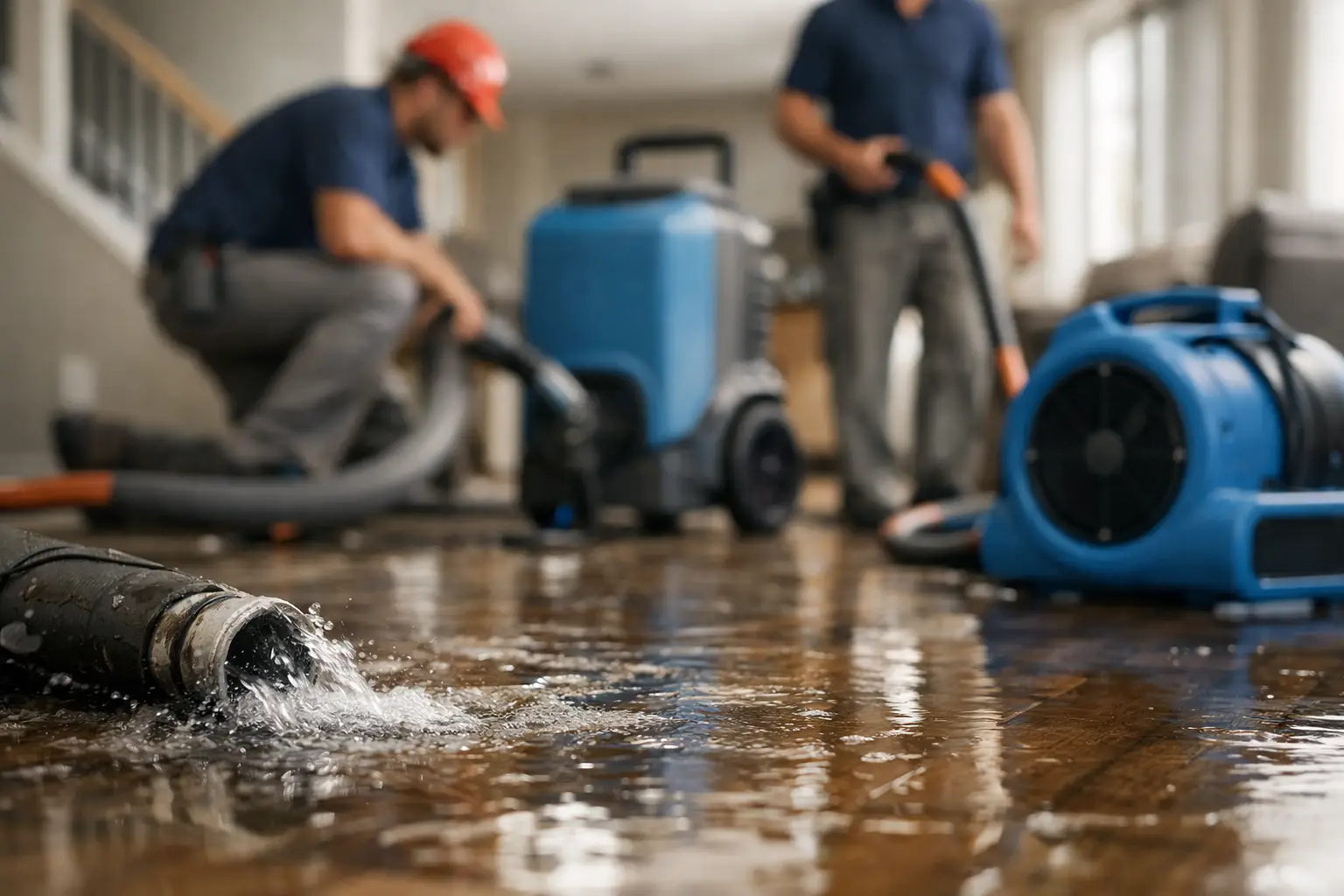
Contents cleaning and restoration Douglasville matters when furniture, electronics, papers, and keepsakes are hit by water, smoke, or mold. I compare restore versus replace, DIY versus a pro, and water damage versus mold so you can make the right call for a Douglasville home near I-20, subdivision housing, or a place closer to Dog River reservoir.
IICRC-Certified · 5-Star Rated · 60-Minute Response · Insurance Billed Directly
Mold is usually the hardest because it spreads into porous materials fast. Water is next if you miss the drying window. Smoke is often salvageable, but odor can be stubborn in humid Douglasville homes.
Only if the items stayed dry or were lightly affected. Once upholstery, documents, electronics, or odor are involved, I would call a pro and avoid making the damage worse.
Wiping soot into the material. That drives residue deeper and can lock in odor. Smoke damaged contents need the right cleaning method for each surface, not a quick pass with household cleaner.
Immediately. Fast action protects furniture, papers, and other salvageable items before mold starts in 24 to 48 hours. The earlier I can sort and stabilize the contents, the better the outcome.
Contents cleaning and restoration in Douglasville is the process of cleaning, drying, deodorizing, and restoring personal property after a loss, instead of throwing everything away. I treat it as a property-by-property decision, especially in builder-grade homes off I-20 and older Douglasville houses near Dog River reservoir.
It covers furniture cleaning, electronics cleaning, document drying, odor removal, and full personal property restoration when the item still has value. That can mean salvageable cabinets from a wet laundry room, office files from a leak, or family room pieces that picked up smoke after a kitchen fire.
The work is not one-size-fits-all. Some items need pack out services so they can be processed off-site, while others can be cleaned in place. IICRC-certified technicians know when surface grime is the issue and when hidden contamination means the item should not stay in the home.
In Douglasville, that judgment matters because many homes around the I-20 corridor were built with similar materials and layouts, so the same leak can affect an entire room of content. I look at what is actually damaged, not what is convenient to replace.
Restoration is better when the item is structurally sound, can be cleaned safely, and still has real use or sentimental value. Replacement makes sense when contamination, swelling, warping, or smoke damage has gone too far. I compare both paths honestly and choose the cheaper mistake less often.
A solid dining table that picked up water spots from a supply line leak may be a restoration job. A swollen particleboard dresser from the same leak may be a replacement. That difference is common in Douglasville subdivisions where builder-grade materials absorb damage fast and do not forgive standing water.
Smoke changes the equation. A leather chair with light soot can often be cleaned and deodorized, while porous items that absorbed heavy odor may not recover well. I do not force content restoration when the item will keep smelling like the loss.
Near Dog River reservoir, humidity can complicate both decisions. Damp contents left too long can spread musty odor and mold starting in 24 to 48 hours. That is why I move quickly, document what can be saved, and separate the items that are no longer worth the effort.
DIY makes sense for dry, lightly soiled items you can clean safely with normal household methods. Call a pro when contents were exposed to sewage, smoke, mold, or floodwater, or when electronics, documents, and upholstered furniture are involved. I do not recommend guessing with valuable property.
A homeowner can often wipe down a dry bookshelf or wash a plastic tote after a minor spill. But content cleaning gets risky when water reached inside cabinets, soot settled into fibers, or an item has visible biological contamination. One wrong move can set stains, odors, or corrosion permanently.
Electronics cleaning is a good example. A television, computer, or sound system that was exposed to moisture should not be powered on just to see if it works. That kind of shortcut can make a salvageable item a dead one. I see that mistake often in rushed cleanup jobs.
Douglasville homeowners with homes off I-20 sometimes try to clean everything in a weekend and end up spreading soot and residue from room to room. A pro brings structure, pack out services when needed, and a method that protects the contents instead of random trial and error.
Yes, many damaged contents can be restored after a fire or flood if the item is stabilized fast enough and the material still has integrity. Fire usually means soot and odor removal. Flood usually means drying, cleaning, and contamination control. The right answer depends on timing and material.
After a flood, I focus on document drying, furniture cleaning, and moisture removal before mold starts in 24 to 48 hours. Paper, upholstery, wood, and mixed-material items each respond differently. Some can be saved, but only if they are handled before swelling, staining, and microbial growth lock in.
After a fire, the challenge is often smoke damaged contents that look fine at first glance but carry soot and odor deep into surfaces. That includes clothes, cabinets, blinds, and decorative items. Odor removal is not a finishing touch, it is part of the restoration itself.
In Douglasville, where many homes have attached garages and compact storage rooms, losses can spread fast through closets and laundry spaces. I compare each item against its material, level of exposure, and the cost of content restoration versus replacement, then I recommend the smarter move.
I clean smoke damaged contents by sorting, stabilizing, dry-cleaning or wet-cleaning when appropriate, deodorizing, and then checking each item for lingering residue. The key is matching the method to the material. Smoke on wood is not treated the same as soot in fabric or electronics.
Hard surfaces may need detailed cleaning first, while textiles and upholstered pieces need odor removal and careful treatment so the smell does not come back with heat or humidity. That matters in Douglasville, where summer conditions can reactivate trapped odor in closets, cabinets, and furniture fabrics.
Paper goods and documents need a different process again. Some files can be separated, dried, and flattened. Others are too far gone. I look at the actual condition, not the hope attached to it. That is how content restoration stays honest.
If the fire source came from the kitchen, the soot pattern tells me a lot about where the contamination traveled. If it started in a garage or utility room near an I-20 subdivision home, plastics, tools, and stored household items may need a different cleaning path than soft furnishings.
Items with solid structure, cleanable surfaces, and manageable exposure are the best candidates for content restoration. That often includes some furniture, books, clothing, decor, dishes, and certain electronics or documents. Once an item is warped, deeply contaminated, or saturated too long, replacement usually wins.
Furniture cleaning can save pieces with intact frames and limited staining. Electronics cleaning may save devices if they were not powered up while wet and the exposure was limited. Personal property restoration is always item-specific, and I do not group every object into one safe pile.
In Douglasville builder-grade homes, common salvageable items often come from closets, laundry rooms, and living rooms rather than basements. Those spaces may get hit by a small supply line break or a smoke event, and some contents survive if they are handled fast.
Near Dog River reservoir, humidity adds another filter. Items that would normally be fine in a drier climate may keep odor or mildew if they sit too long. I sort for what can be fully restored, what needs specialty treatment, and what is smarter to replace.
| Typical Trigger | Water Damage Restoration | Mold Remediation |
|---|---|---|
| Water from a laundry room leak in an I-20 subdivision | Restoration often saves wooden furniture, boxes, and some documents if we start fast. | If items sat damp near Dog River reservoir humidity, mold may start in 24 to 48 hours and replacement can become the cleaner call. |
| Smoke in a living room after a kitchen fire | Water cleanup may focus on drying and cleaning fabrics, lamps, and sealed electronics after suppression use. | Mold is not the main issue, but damp soot residue can still trap odor and stain soft contents if left untreated. |
| Closet contents after a hidden leak behind builder-grade walls | Pack out services can move clothing, decor, and papers for drying and content cleaning off-site. | If the closet stayed shut and humid, mold growth can make porous items unsalvageable even if they look only mildly damaged. |
From emergency mitigation to full reconstruction, handled in-house so you are never managing a chain of subcontractors mid-crisis.
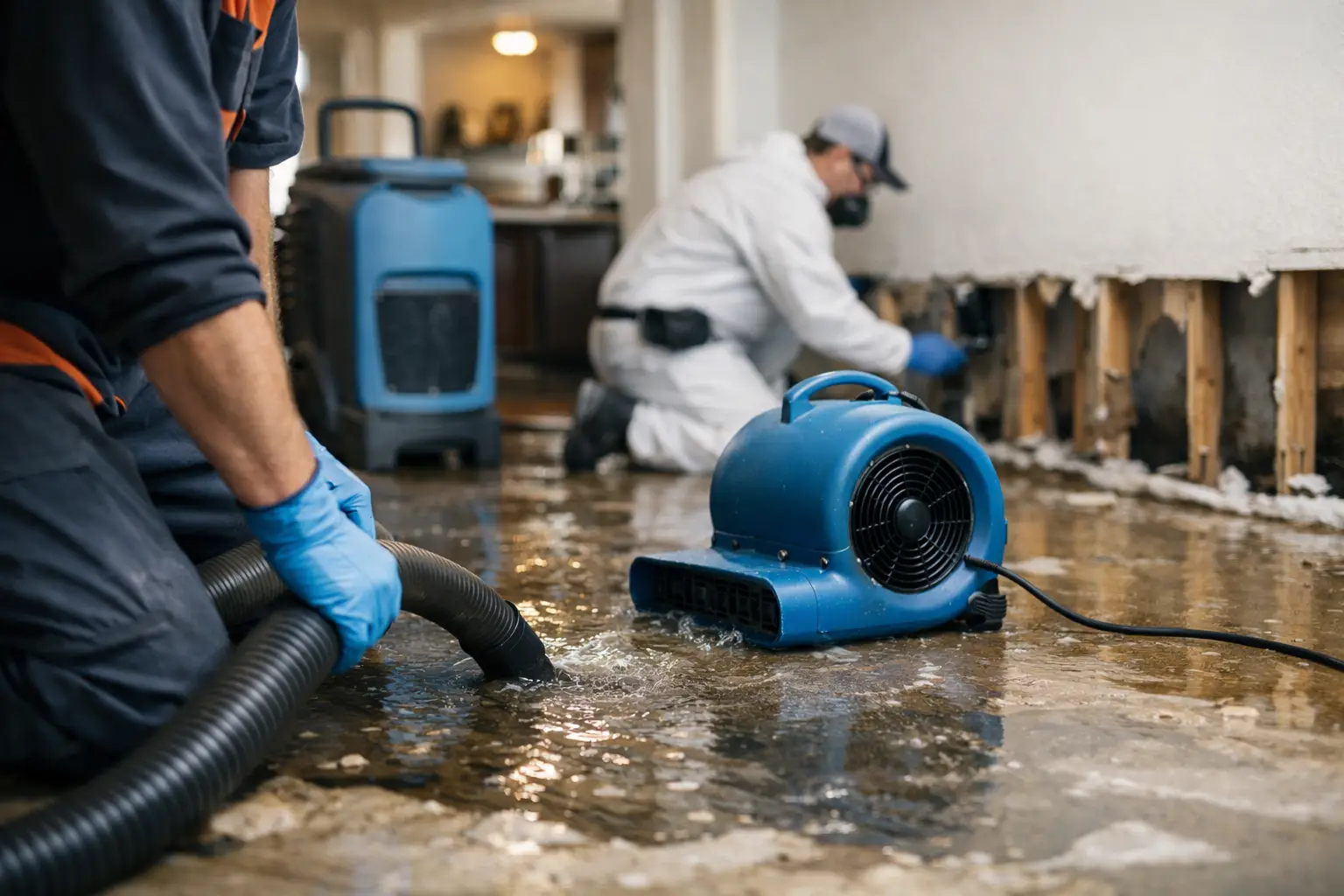 Water Damage
Extraction, structural drying, and moisture mapping after floods, leaks, and burst pipes.
Get help now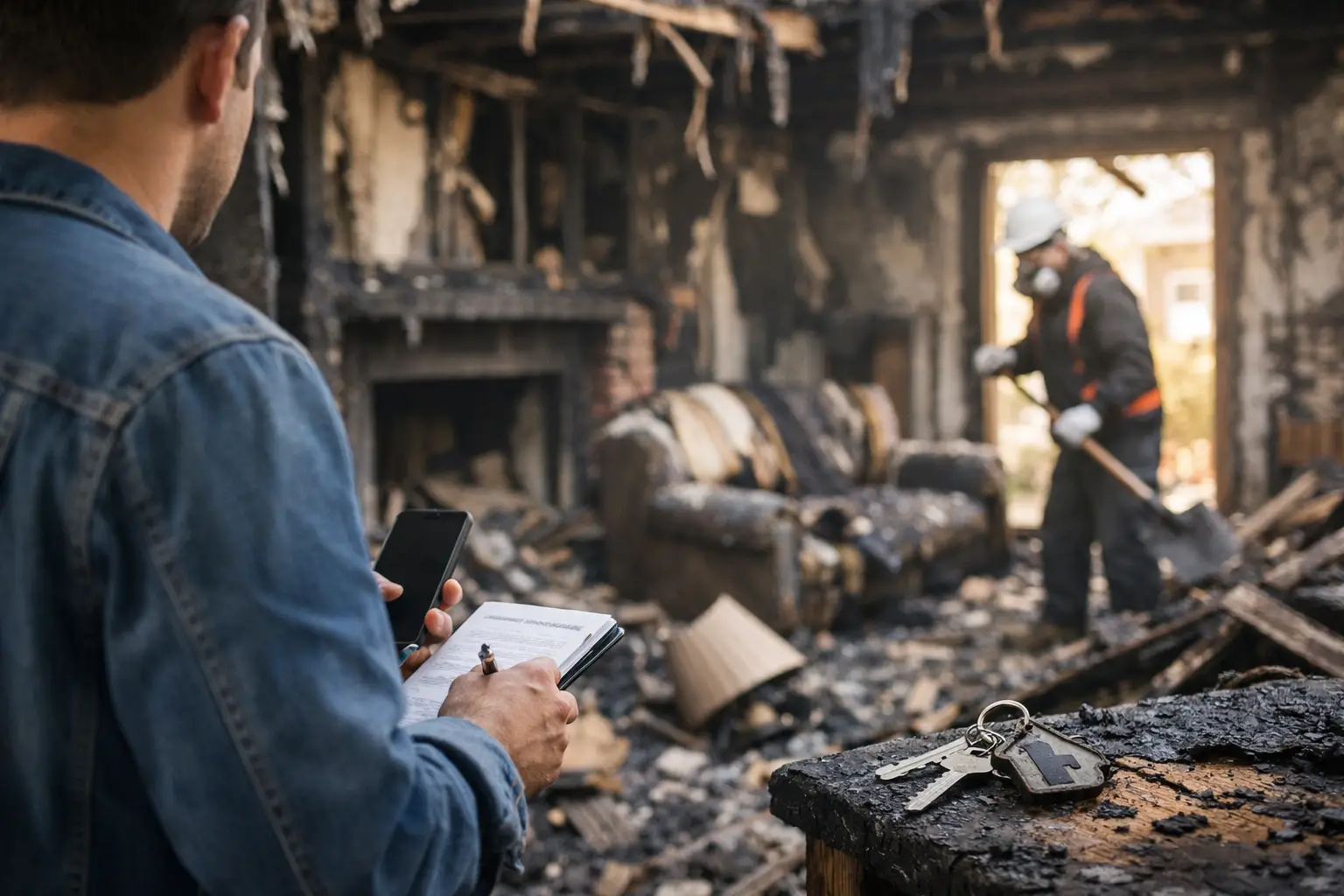 Fire & Smoke
Soot removal, odor deodorization, and content cleaning after fire and smoke damage.
Learn more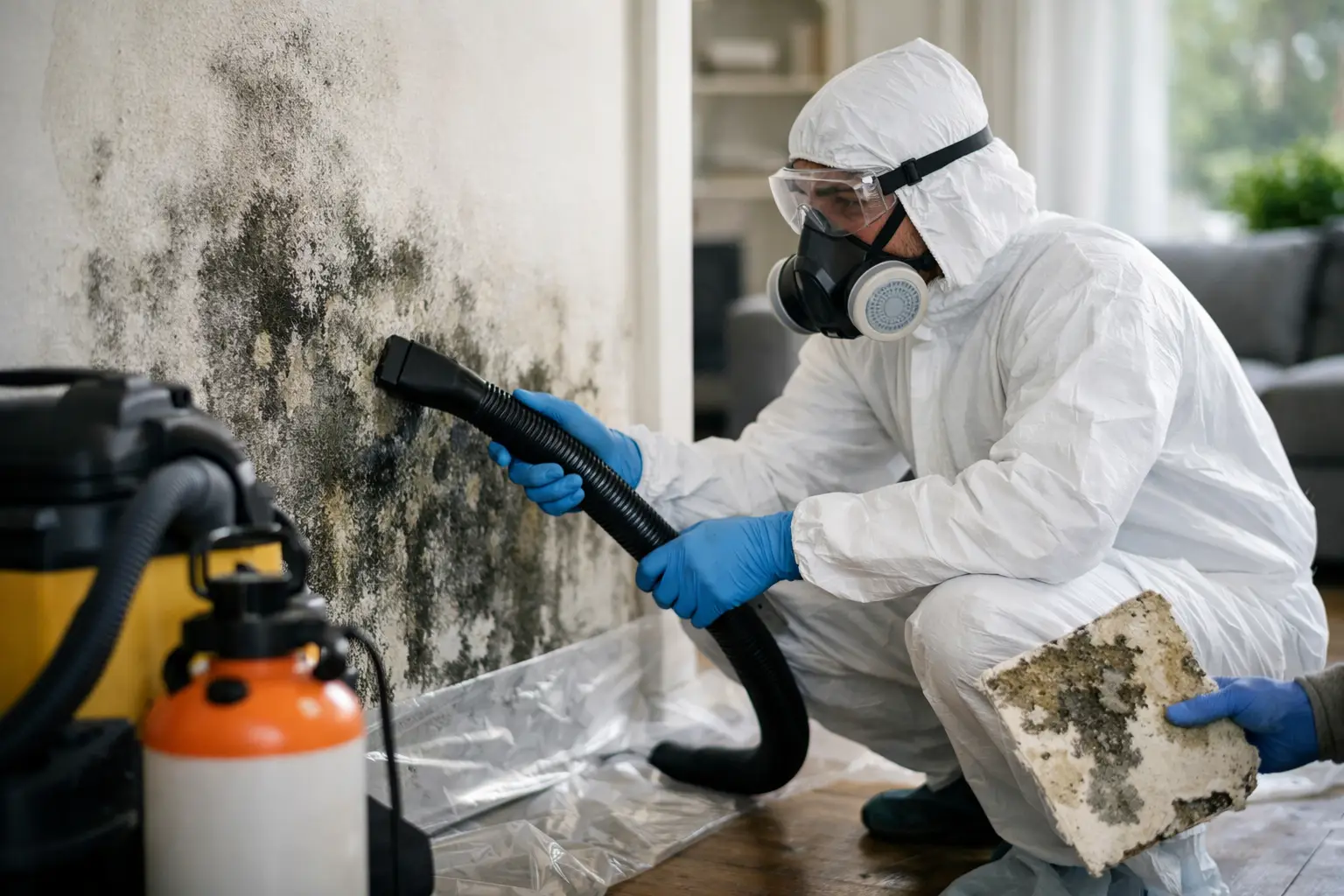 Mold
MoldContainment, removal, and moisture control that stops mold from coming back.
Learn more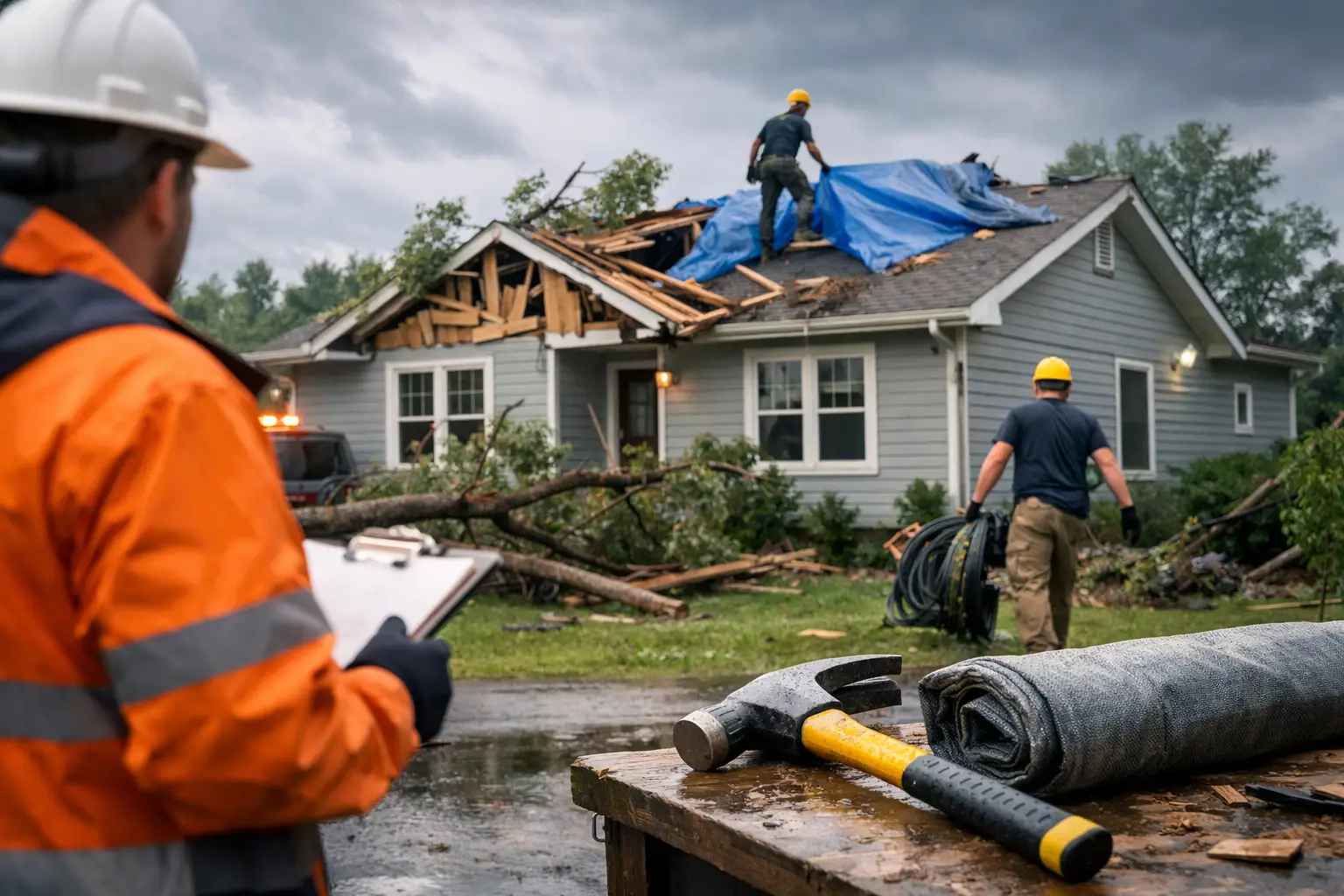 Storm
StormEmergency board-up, roof tarping, and full recovery after wind, hail, and storms.
Learn more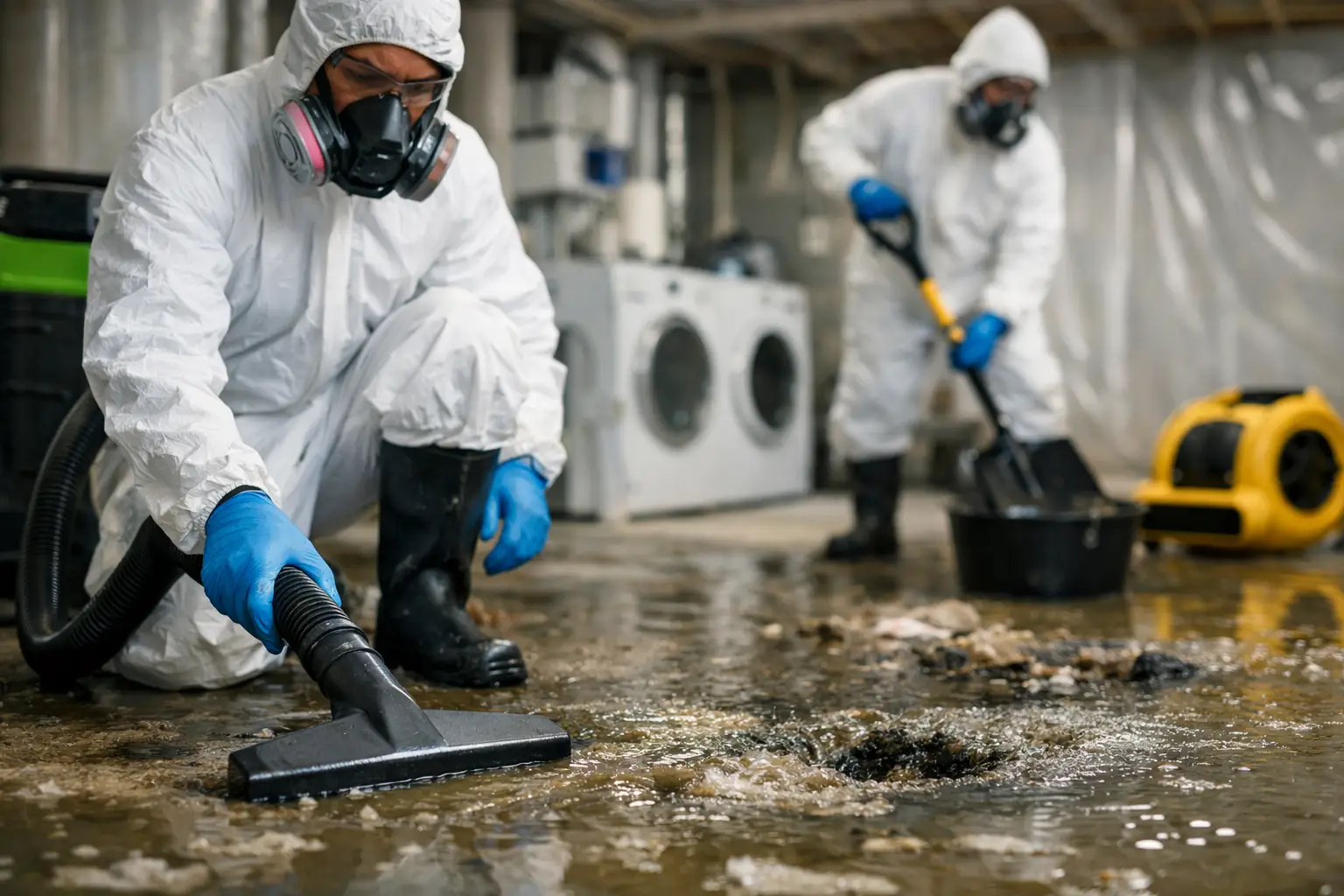 Sewage
Safe biohazard cleanup and sanitizing after sewage backups and overflows.
Learn more Reconstruction
Full rebuild by a licensed general contractor, so your property comes back whole.
Learn moreElevated Operations is an IICRC-certified, licensed general contractor based in Mableton that handles the entire recovery in-house, so after one loss you are never coordinating a cleanup crew, a mold crew, and a contractor separately. One team, one point of contact, from the first pump-out to the final coat of paint.
People call when the property feels like a disaster. They leave reviews because Chris and the crew made it right. These are real, verified Google reviews.
It is the cleaning, drying, deodorizing, and recovery of personal property after water, smoke, or mold damage. In Douglasville, I look closely at builder-grade furniture, closet contents, and electronics because those items often fail differently. Some can be restored. Some should go. I tell you which is which.
Yes, many can. After a flood, speed matters because mold starts in 24 to 48 hours. After a fire, soot and odor can be removed from many surfaces and fabrics. I judge each item by material, exposure, and whether restoration is likely to outlast replacement.
I separate the contents first, then clean according to material. Hard goods, textiles, and electronics all need different handling. Smoke damaged contents need soot removal and odor removal, not just a wipe-down. In a Douglasville home, humidity can make trapped odor come back if the process is rushed.
Often, solid wood furniture, clothing, some books, dishes, decor, and certain electronics can be saved if the loss is handled quickly. Wet particleboard, swollen cardboard, and heavily contaminated porous items are harder. I compare each object individually, especially in homes off I-20 where builder-grade materials absorb water fast.
Yes. Pack out services help when the best path is to move contents out for processing, drying, and cleaning. That is common after water or smoke events when the room is too tight, too dirty, or too damp to work efficiently. It also protects items from secondary damage.
I do not wait long if the item is wet, contaminated, or already showing odor or swelling. Mold can start in 24 to 48 hours, and that window closes quickly in a humid place like Douglasville. If restoration cannot beat that clock, replacement is usually the cleaner answer.
Sometimes, yes, but only if the device is handled correctly and never powered on while wet. Electronics cleaning is specialized and conservative because corrosion can spread after the leak. I compare the cost of restoration against replacement and make the call based on risk, not optimism.
Moisture makes contents hold odor longer and increases the chance that damp items develop mold. Around Douglasville, especially in homes with storage rooms or closed closets, that can turn a manageable loss into a replacement decision. I move fast, document condition, and keep the process grounded in what can actually be saved.
Elevated Operations dispatches IICRC-certified crews across Metro Atlanta from our Mableton base, with a 60-minute emergency response day or night. Choose your city:
Call now for an immediate response, or request your free inspection and get a certified crew on-site within the hour across Atlanta and nearby areas.