24/7 Emergency Restoration · Serving Metro AtlantaEmergency? (770) 404-6895
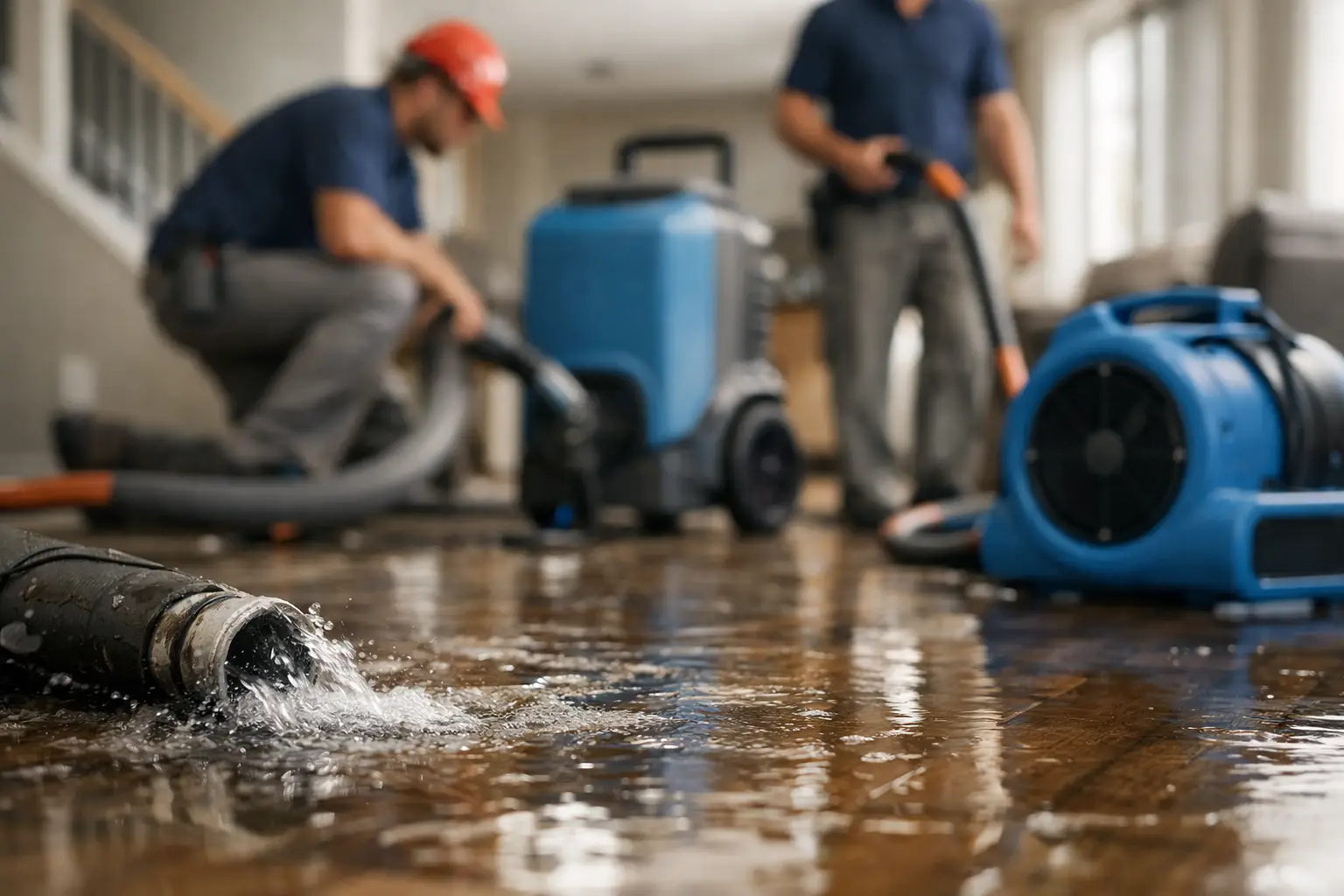
Emergency water removal Hapeville starts with me getting water out fast, then stabilizing the structure before mold gets a foothold. I’m Chris Kwangwari with Elevated Operations, LLLP, and I handle airport-edge bungalows, Delta HQ-area properties, and older Hapeville homes with direct insurance billing and a 12-month warranty.
IICRC-Certified · 5-Star Rated · 60-Minute Response · Insurance Billed Directly
I do, through Elevated Operations, LLLP. I’m Chris Kwangwari, a licensed general contractor with restoration experience since 2007.
I offer 24/7 emergency response with a 60-minute emergency response target.
My technicians are IICRC-certified, and I back the work with direct insurance billing and a 12-month warranty.
Call (770) 404-6895 for emergency water removal in Hapeville.
Call for emergency water removal the moment you see spreading water, soaked floors, or damp walls after a line break, roof leak, or appliance failure. In Hapeville, I pay close attention to airport-edge bungalows and older housing near the Delta HQ corridor, where water can move fast through tight floor plans and hidden cavities.
A wet ceiling stain is not “just a stain” when it grows by the hour. That is active water intrusion. In these homes, I check for swollen trim, buckling floors, and moisture at the baseboards before the damage spreads into walls and subfloors.
If a bathroom overflow reaches carpet, or a kitchen leak runs under cabinets, water extraction has to start right away. Standing water removal is only the first step. The real job is stopping migration into the framing, insulation, and adjacent rooms.
Hapeville homes near the airport can have older materials and mixed renovations. That combination makes water cleanup tricky. I’ve been in restoration since 2007, and I do not wait for visible damage to tell the full story, because the hidden damage usually starts first.
Emergency water removal should start as soon as possible, because delay gives water time to wick into drywall, subflooring, and furniture. I respond 24/7 with a 60-minute emergency response, and that speed matters in Hapeville where airport-edge bungalows and compact homes can trap moisture behind finishes quickly.
Fast action is the difference between water cleanup and a larger reconstruction project. When I arrive, I focus on stopping the spread, beginning pumping water out if needed, and mapping where the moisture has traveled. That keeps the job controlled from the first hour.
If you are near Delta HQ or in the neighborhoods feeding into Hapeville’s main corridors, access can be tight and traffic can slow down other crews. I built my process for that reality. I do not send a crew in, guess, and leave you waiting.
Mold starts in 24 to 48 hours. That is the clock I care about. The sooner I begin water mitigation and emergency drying, the better the odds of saving drywall, trim, and flooring before the damage turns into a bigger insurance claim.
I use truck-mounted and portable water extraction equipment, air movers, dehumidifiers, moisture meters, and wet vac extraction tools depending on the loss. The right setup depends on whether I am dealing with flood water removal, a supply-line break, or standing water in a small Hapeville bungalow with limited access.
No two Hapeville losses look the same. A laundry room leak in an airport-edge bungalow may need targeted water extraction and emergency drying, while a crawlspace issue may call for more aggressive moisture control. I match the equipment to the structure, not the other way around.
IICRC-certified technicians know how to read materials, not just pull water. That matters when water cleanup has to protect original hardwoods, newer LVP, or older drywall that can fail quickly. I look at what can be saved, then I move with purpose.
Dehumidifiers are not decoration. Air movers are not optional. Those tools push the process from emergency water removal into real stabilization. If moisture sits inside walls or under floors, it keeps causing trouble long after the visible water is gone.
Yes, standing water removal from carpet is possible in many Hapeville homes, but only if we act quickly and the padding, backing, and subfloor still have salvage value. I assess the saturation level first, then use water extraction and wet vac extraction to decide whether drying or removal makes sense.
Carpet is deceptive. The top may look manageable while the pad underneath is soaked. In airport-edge bungalows, that hidden moisture can sit against wood subfloors and keep spreading. I check seams, tack strips, and baseboards before I call the carpet truly recoverable.
If sewage or outside floodwater is involved, I treat the job differently. Flood water removal is not the same as clean supply-line water. Safety matters, and so does the decision on what stays and what goes. I do not guess on that call.
When carpet can be saved, emergency drying has to start right away. When it cannot, I document the damage and work through direct insurance billing. That keeps the process moving while I focus on drying the structure and protecting the rest of the house.
After emergency water extraction, I shift into water mitigation, drying, and moisture monitoring. That means setting the right equipment, checking hidden spaces, and watching the structure until it reaches acceptable dryness. In Hapeville, I pay special attention to older bungalow framing, trim, and floors near the Delta HQ area.
A lot of companies stop too early. They pull the visible water, take a photo, and leave. I do not work that way. After water extraction, I inspect the full affected area, from floors and walls to cabinets and adjacent rooms, because water always tries to travel farther.
Then comes emergency drying. Airflow and humidity control need to stay consistent until the structure is actually stable. If the house still feels damp, if moisture readings stay high, or if materials are holding water behind the finish, the job is not finished.
I also document what I find. That helps the insurance process and keeps the work clean. With direct insurance billing, I can coordinate the claim details while the property dries, which keeps Hapeville homeowners from getting stuck in the middle.
Hapeville’s airport-edge bungalows, older housing stock, and remodels create mixed materials that react differently to water. That makes emergency water removal more technical than people expect. I have to read the structure, the moisture path, and the finish materials before deciding what can be saved and what cannot.
Older bungalows often have original trim, hardwoods, or layered repairs. Newer updates may sit beside older framing. When water hits that mix, one area may dry fast while another traps moisture. That is why I use moisture meters and not just my eyes.
Proximity to the airport and major corridors means some properties have tight lots, limited access, or storage areas packed close to the home. That affects how I set up equipment for water mitigation and emergency drying, especially when time is already against us.
I’ve been doing this since 2007, and I’ve learned that the property tells the truth if you listen. The owner wants the water gone. I want the structure protected, the drying done correctly, and the claim handled without chaos.
Swollen baseboards often mean water has already moved behind the finish. In Hapeville bungalows, that usually points to hidden moisture in walls or floors, not just a surface spill.
Heavy carpet can mean the pad is saturated. That is a strong sign you need water extraction and possibly wet vac extraction before the damage spreads into the subfloor.
If the odor gets stronger after the first cleanup attempt, moisture is still trapped. I treat that as a warning sign for emergency drying and deeper water mitigation.
Kitchen and bath cabinets can hide water at the toe kick and behind the face frame. In older Hapeville homes, that moisture can stay hidden until the wood starts to fail.
If the room looks dry but feels damp, the job is not done. Hidden water keeps causing damage, especially near the Delta HQ corridor where homes often mix old and new materials.
From emergency mitigation to full reconstruction, handled in-house so you are never managing a chain of subcontractors mid-crisis.
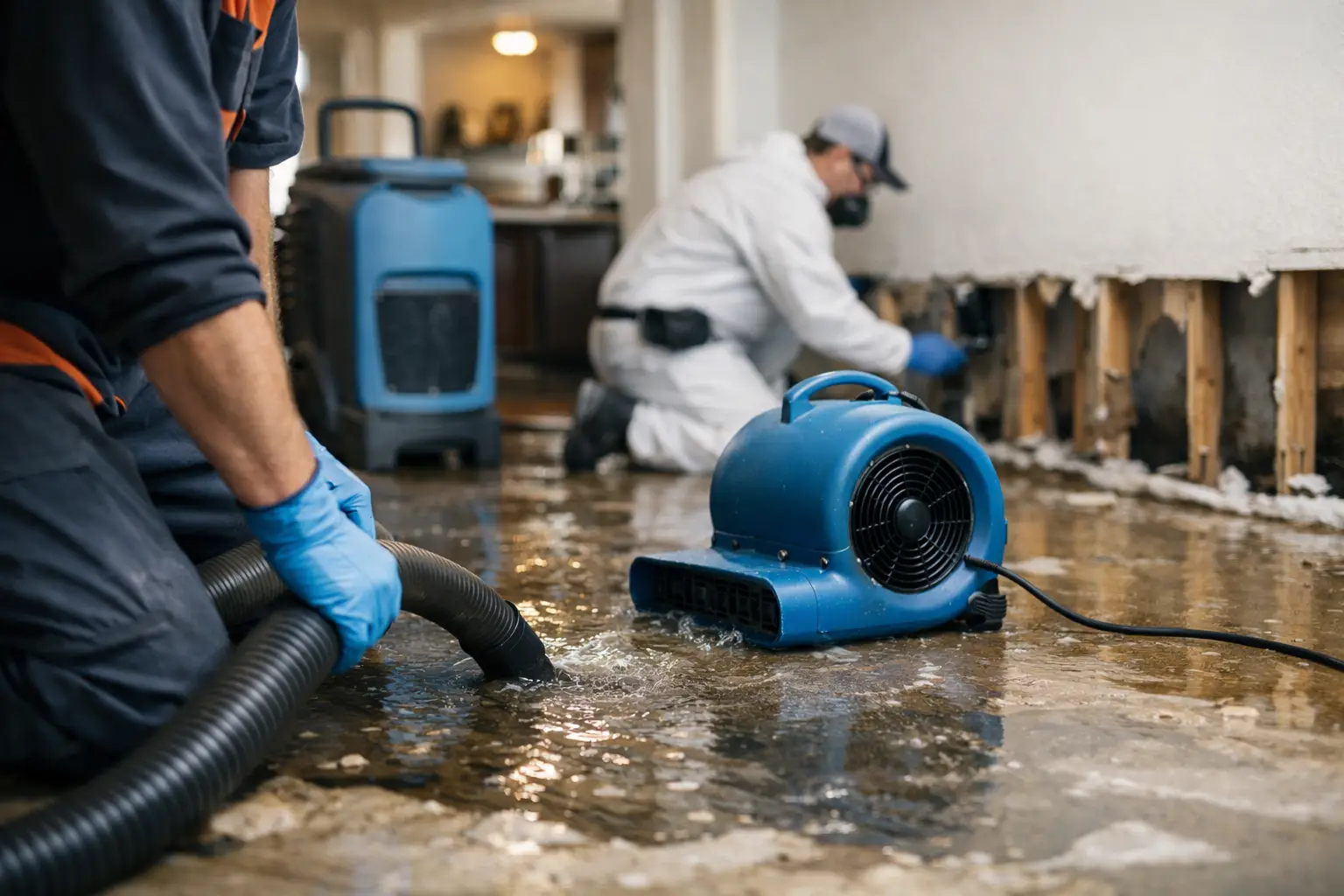 Water Damage
Extraction, structural drying, and moisture mapping after floods, leaks, and burst pipes.
Get help now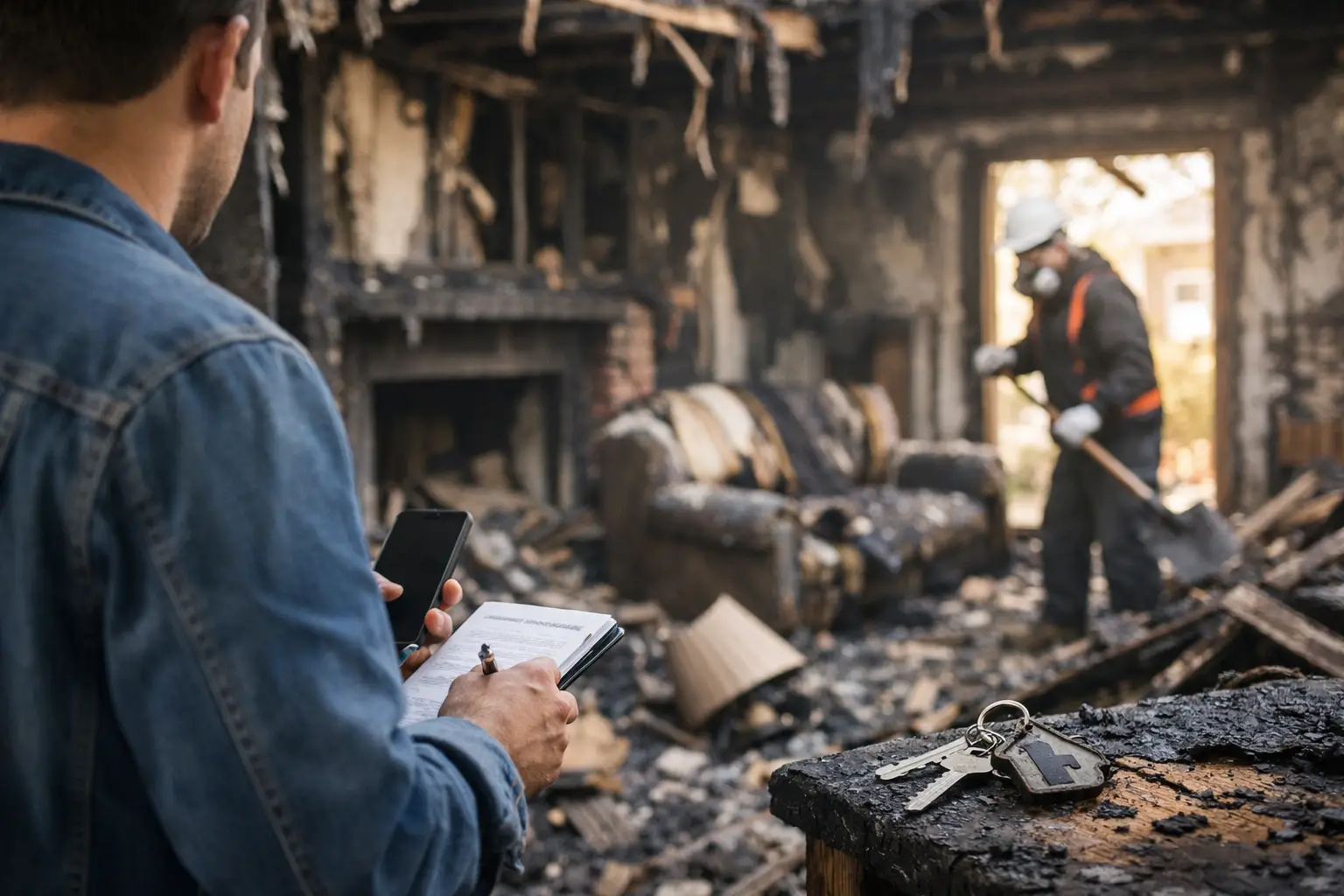 Fire & Smoke
Soot removal, odor deodorization, and content cleaning after fire and smoke damage.
Learn more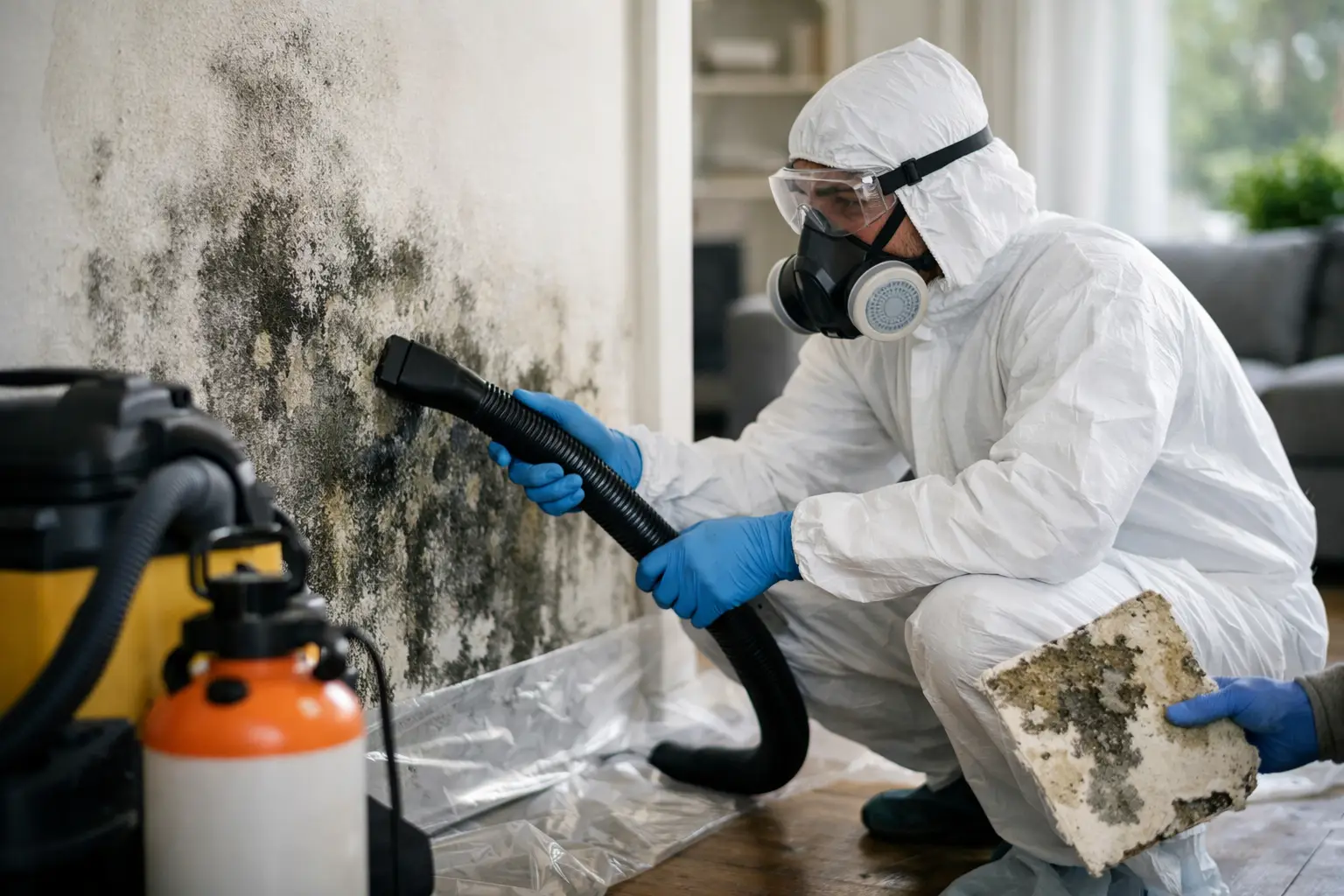 Mold
MoldContainment, removal, and moisture control that stops mold from coming back.
Learn more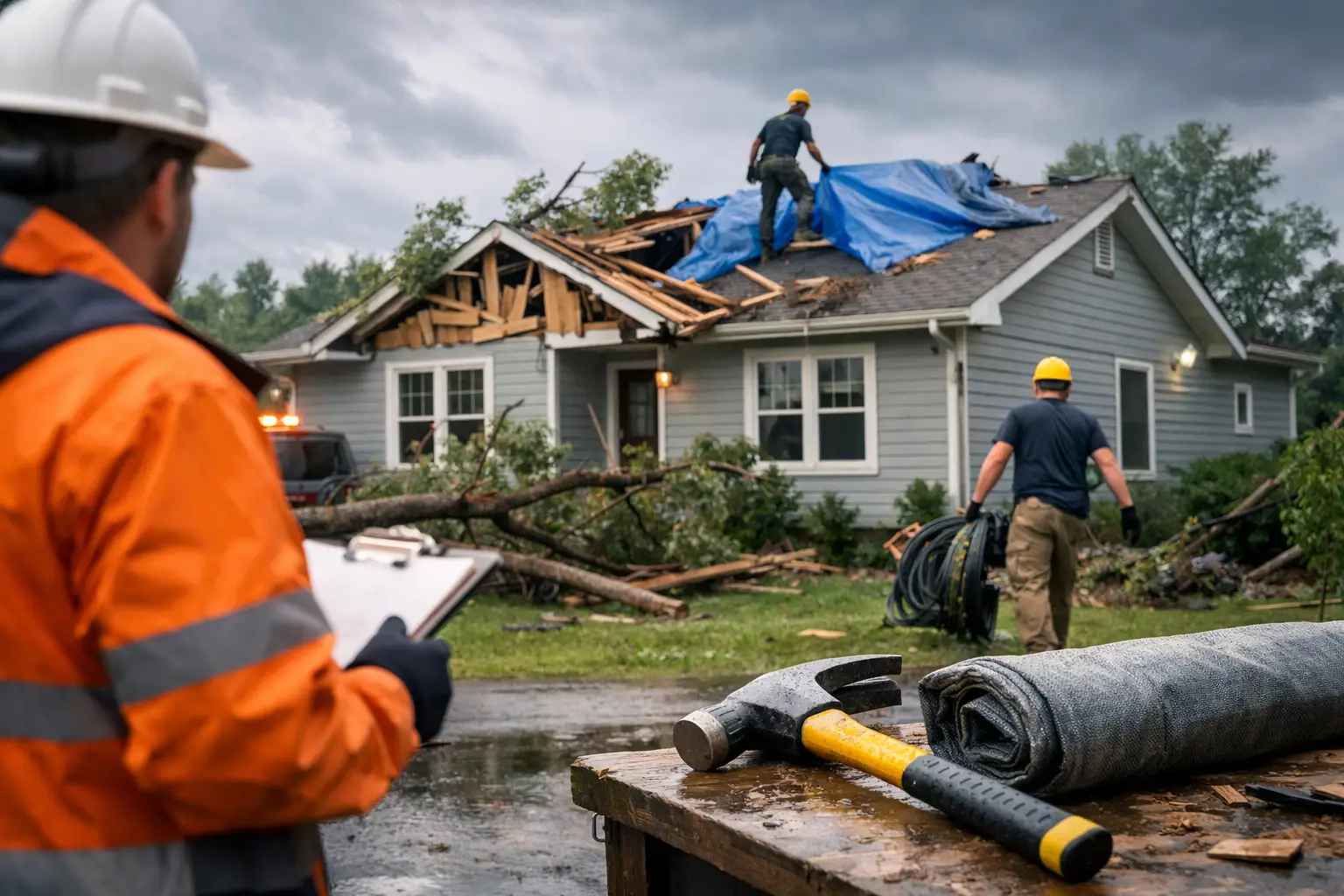 Storm
StormEmergency board-up, roof tarping, and full recovery after wind, hail, and storms.
Learn more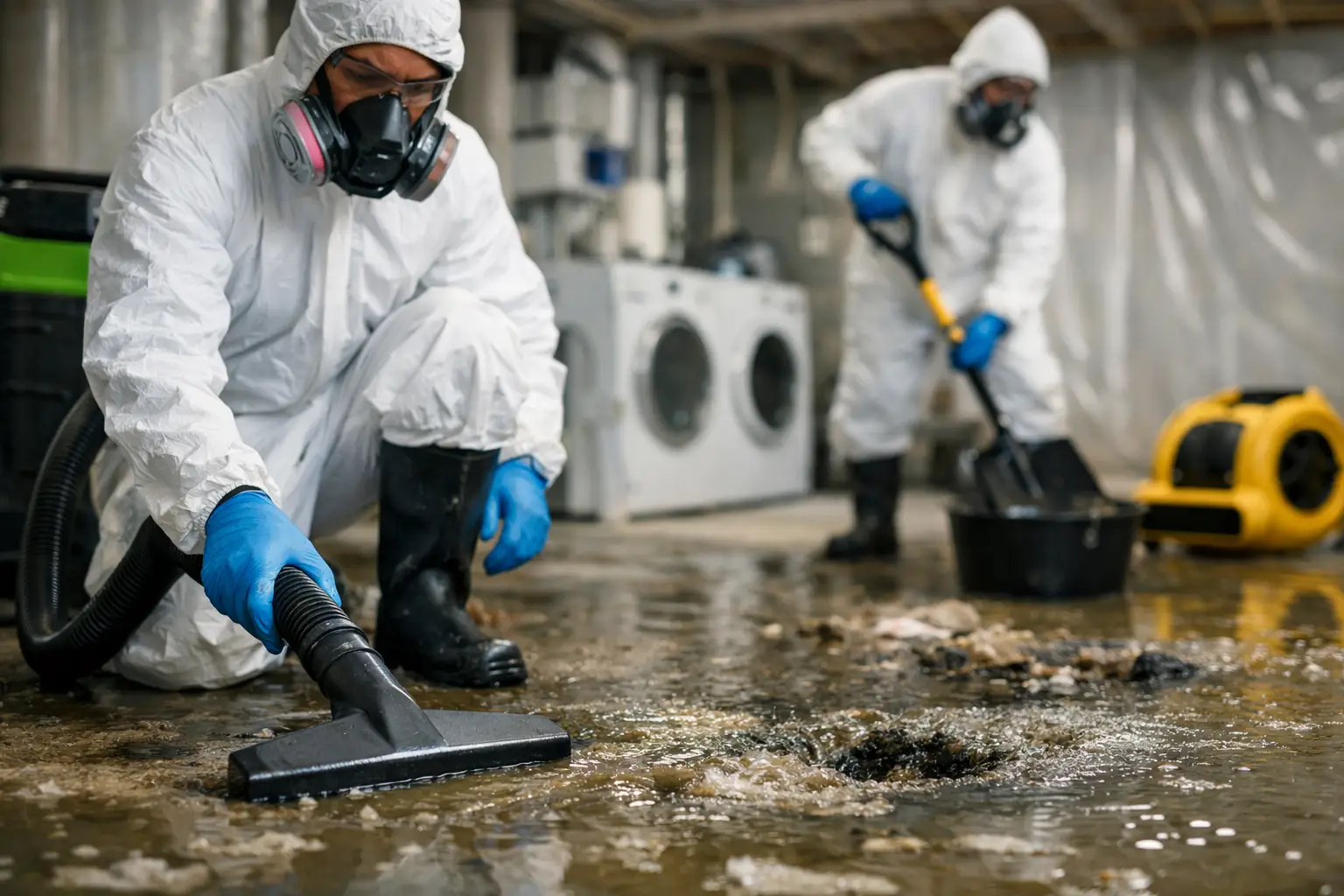 Sewage
Safe biohazard cleanup and sanitizing after sewage backups and overflows.
Learn more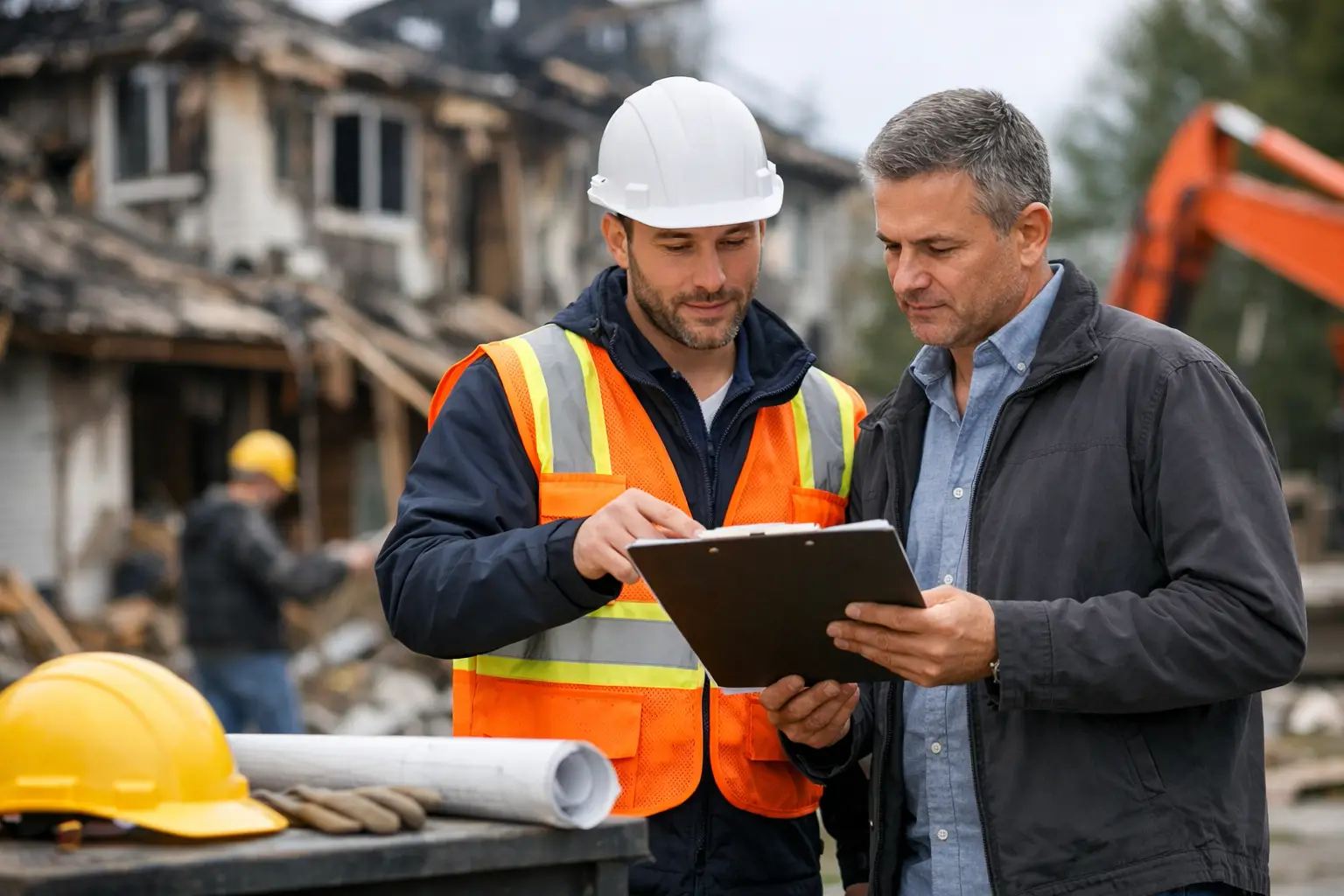 Reconstruction
Full rebuild by a licensed general contractor, so your property comes back whole.
Learn moreElevated Operations is an IICRC-certified, licensed general contractor based in Mableton that handles the entire recovery in-house, so after one loss you are never coordinating a cleanup crew, a mold crew, and a contractor separately. One team, one point of contact, from the first pump-out to the final coat of paint.
People call when the property feels like a disaster. They leave reviews because Chris and the crew made it right. These are real, verified Google reviews.
I start by locating the source, stopping the spread, and removing visible water with extraction equipment. Then I check walls, floors, and hidden spaces for moisture. In Hapeville homes near Delta HQ, mixed construction is common, so I treat every loss like a structure problem, not just a puddle problem.
Yes, they often do. Older bungalows can have original hardwoods, layered repairs, and tighter framing that trap moisture. I use moisture readings, targeted drying, and direct insurance billing to keep the process organized. The point is to save what can be saved and document what cannot.
Absolutely. A supply line break is one of the clearest cases for fast water cleanup and water extraction. I respond 24/7, and I focus on getting the water out before it moves under cabinets or into adjacent rooms. That quick move matters a lot in compact Hapeville kitchens.
If it is safe, shut off the water source and avoid standing in deep water around electrical hazards. Do not pull up carpet or start random drying with household fans. I’d rather find the structure intact and start the job correctly than fix extra damage from well-meant mistakes.
I treat flood water removal differently from a clean plumbing leak. Safety, contamination, and material loss all change the plan. I document the affected area, remove the water, and set the drying strategy based on what the structure has absorbed. That approach protects the property and the claim.
Then I assess whether the carpet and pad can be saved. Standing water removal is only step one. After extraction, I look at the backing, subfloor, and adjacent trim. In many cases, emergency drying can help, but I do not pretend every saturated carpet is recoverable.
Yes, I offer direct insurance billing. That keeps the paperwork from slowing the cleanup. I also provide deductible assistance up to $1,000 when it applies. My job is to get the property stable and keep the claims process from stalling the work.
I back the work with a 12-month warranty. If I handled the cleanup and drying, I want the result to hold up. That warranty reflects how I run Elevated Operations, LLLP, with licensed general contractor oversight and IICRC-certified technicians on the job.
Elevated Operations dispatches IICRC-certified crews across Metro Atlanta from our Mableton base, with a 60-minute emergency response day or night. Choose your city:
Call now for an immediate response, or request your free inspection and get a certified crew on-site within the hour across Atlanta and nearby areas.