24/7 Emergency Restoration · Serving Metro AtlantaEmergency? (770) 404-6895
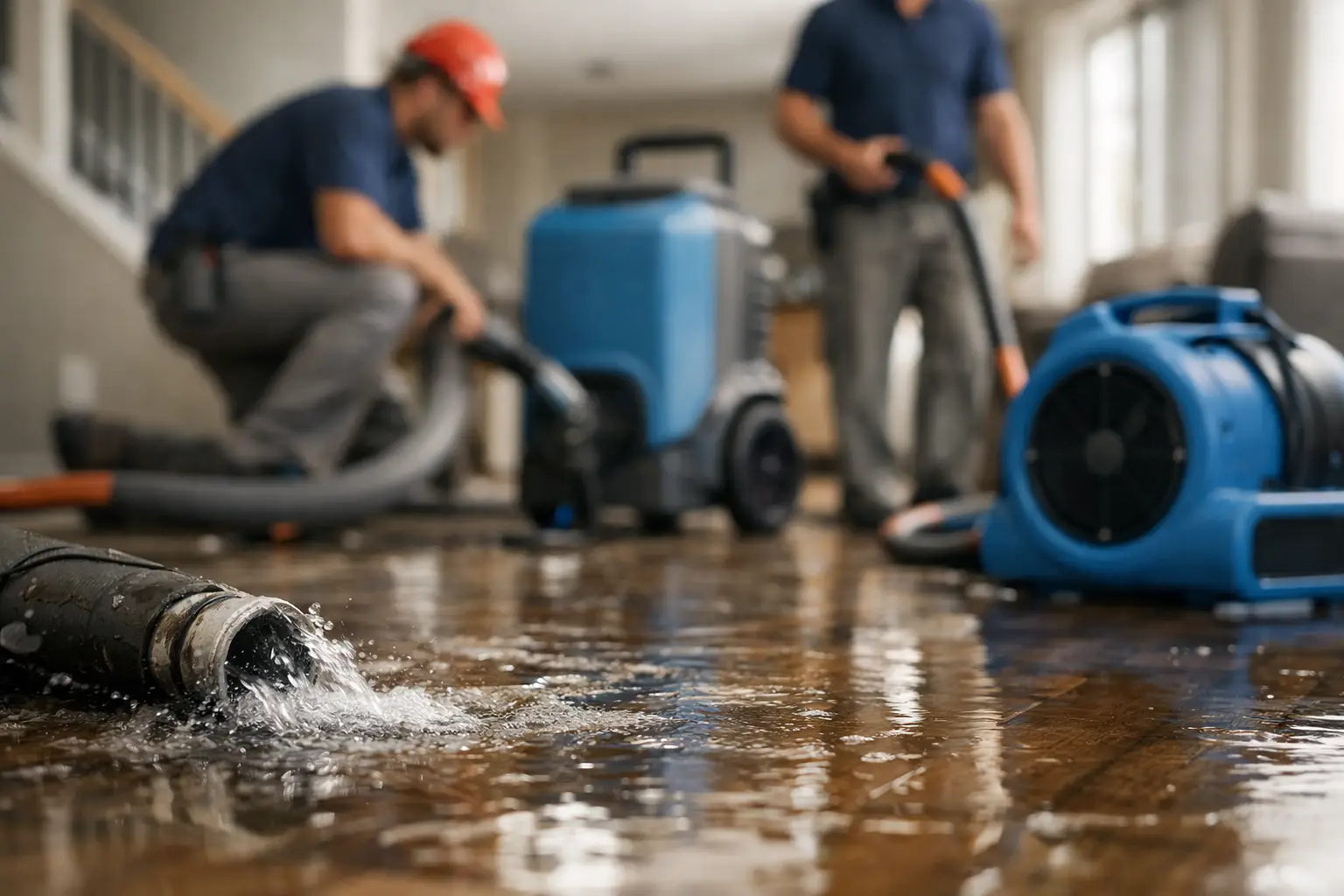
Water mitigation services Hiram means stopping active water damage, removing standing water, and starting structural drying before mold has a chance to spread. I handle it with IICRC-certified technicians, direct insurance billing, and 24/7 emergency response from our Mableton base for homes and businesses across Hiram, including the Paulding retail corridor and newer subdivisions.
IICRC-Certified · 5-Star Rated · 60-Minute Response · Insurance Billed Directly
Yes. I respond 24/7, and I treat water as an immediate problem because the damage changes fast.
Yes, my technicians are IICRC-certified, and that matters when the job requires moisture mapping, drying, and documentation.
Yes. I offer direct insurance billing, which keeps the paperwork moving while the property is being stabilized.
Yes. I provide a 12-month warranty on the work we complete.
Water mitigation services are the first steps I take to limit damage after a leak, overflow, or storm intrusion. The job is not cosmetic. It is water extraction, moisture control, dehumidification, and structural drying, done fast so materials do not keep soaking and breaking down.
In Hiram, I see the same pattern again and again. A supply line breaks, a water heater fails, or a roof leak works its way into a hallway or laundry room. In newer subdivisions, water often travels behind trim and into wall cavities before anyone notices what is happening.
Mitigation is not the same thing as rebuilding. It is loss mitigation, which means reducing the size of the claim and the spread of damage. I use drying equipment, containment when needed, and careful monitoring so the property does not keep absorbing moisture after the initial event.
That matters in a place like Hiram, where retail spaces along the Paulding corridor and nearby homes can share the same risk factors, tight utility rooms, busy plumbing lines, and fast-moving daily use. When water is left in place, it does not wait.
Hiram properties need water mitigation services when plumbing, appliances, roofs, or stormwater fail faster than the building can shed moisture. Newer subdivisions can hide water inside wall assemblies, while commercial spaces near the Paulding retail corridor can spread water through stockrooms, offices, and shared walls.
I work in a metro Atlanta market where water problems are rarely dramatic at first. They start with a damp cabinet toe kick, a wet carpet edge, or a stain near a ceiling line. Then they move. That is why Hiram properties need a quick response, especially when the source is not obvious.
The combination of newer subdivisions and active retail development changes the way damage shows up. Tight floor plans, multiple bathrooms, enclosed mechanical closets, and layered building materials can trap moisture. Once that happens, the job turns into structural drying, not just cleanup.
And the source does not always come from inside the house. Heavy rain, drainage issues, and roof penetration can force water into garages, crawl spaces, and lower walls. In my experience, the longer the water sits, the more surfaces need professional drying and verification.
Standing water can ruin finishes, weaken materials, and create hidden moisture problems that keep growing after the visible water is gone. It damages drywall, trim, insulation, cabinets, and flooring, then creates conditions where mold can start in 24 to 48 hours if drying is delayed.
Water does not damage only what you can see. It wicks into drywall, saturates padding, swells wood, and leaves behind moisture in cavities and under baseboards. That hidden moisture is why I treat every job as a building-science problem, not just a surface cleanup.
In Hiram, I pay attention to newer subdivisions because modern materials can trap moisture in layers. Laminate flooring, insulation, and closed wall assemblies can all hold water longer than homeowners expect. That is where contamination concerns start and where mold risk grows fast.
Loss mitigation is about stopping that chain early. If the property dries correctly, you reduce the chance of larger repairs later. If it does not, the damage can spread from one room to adjacent spaces, including closets, hallways, and mechanical rooms.
The first visit usually includes inspection, water extraction, moisture mapping, containment if needed, and a drying plan. I also document conditions for the insurer, explain what materials may need removal, and place drying equipment so the building starts moving toward stable moisture levels.
I start by locating the source and deciding whether the structure is safe to dry in place. Then I move to water extraction. That may sound simple, but pulling water out fast changes the whole project. The less time water has to migrate, the less material gets involved.
After extraction, I look at affected rooms, subfloors, trim, wall cavities, and hidden spaces. Sometimes containment is necessary to separate wet areas from clean ones and keep the drying process controlled. In a Hiram home, that can be the difference between one wet room and a whole-house moisture issue.
Then comes the real work, structural drying. I set drying equipment, manage dehumidification, and track moisture until the building is no longer holding excess water. That is how I keep the job focused on the structure instead of the clock.
Water mitigation should start immediately, because the damage grows by the hour and mold can begin in 24 to 48 hours. I offer 24/7 emergency response and a 60-minute emergency response window, so Hiram property owners do not lose time waiting for the building to dry on its own.
Time is the enemy. I mean that literally. Water keeps moving into materials after the initial event ends, and once it reaches drywall, insulation, or subflooring, the drying process becomes more complicated and more expensive to correct later.
That is why I respond around the clock from our Mableton base. Hiram is close enough to get fast action, and that speed matters whether the call comes from a home in a newer subdivision or a business in the Paulding retail corridor.
If a homeowner waits until the next day, the job is often bigger. More rooms need drying, more materials need review, and the insurer gets a longer paper trail of avoidable damage. Starting quickly is not dramatic, it is practical.
No, water mitigation is the emergency phase that stops damage and dries the property, while water restoration is the broader repair process that follows. I handle mitigation first, then the rebuilding decisions are based on what the structure actually needs after moisture levels are under control.
This is one of the biggest misunderstandings I see. Mitigation removes water, stabilizes the property, and documents the loss. Restoration comes later and may include replacing drywall, trim, flooring, or other materials that could not be saved.
When I work in Hiram, I make that line clear from the start. Homeowners in newer subdivisions often want to know exactly what can be dried and what must be removed. I do not guess. I measure moisture, inspect the structure, and then explain the next step plainly.
The sequence matters. If you restore too early, trapped water can stay inside the building and create a second problem. If you mitigate correctly, restoration becomes cleaner, more predictable, and easier to coordinate with insurance.
Standing water has to come out before drying can work. I use extraction to reduce how far water spreads into flooring, trim, and wall materials.
A dry-looking room can still hold water inside cavities, under cabinets, or in subfloors. I check those areas because hidden moisture is where bigger damage starts.
Fans and dehumidifiers only work when they are placed and monitored correctly. I track the structure, not just the room temperature.
If one area is heavily wet, containment helps control dust, moisture movement, and access while the structure dries.
I provide direct insurance billing and clear records, which helps keep the claim organized while the work is moving.
From emergency mitigation to full reconstruction, handled in-house so you are never managing a chain of subcontractors mid-crisis.
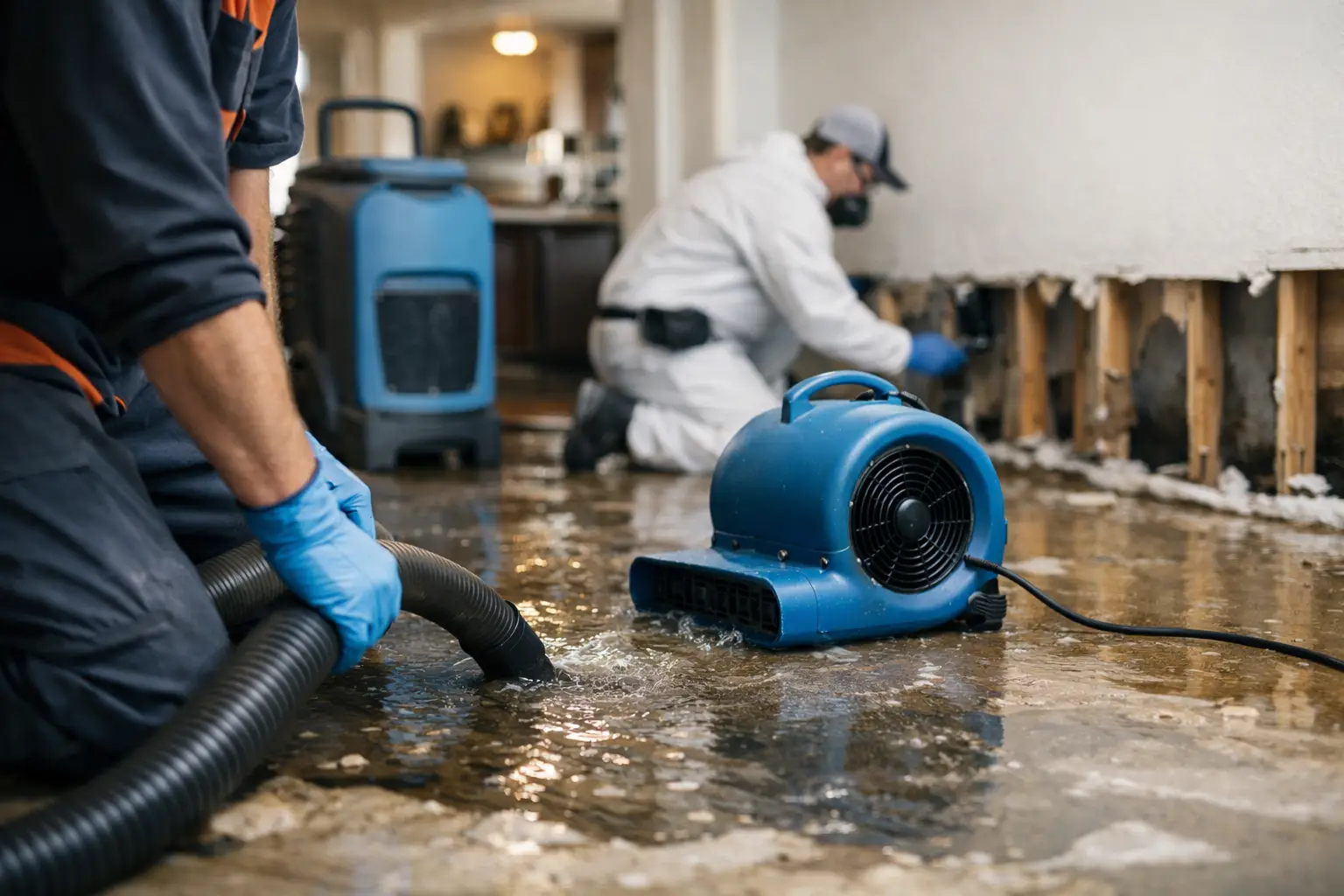 Water Damage
Extraction, structural drying, and moisture mapping after floods, leaks, and burst pipes.
Get help now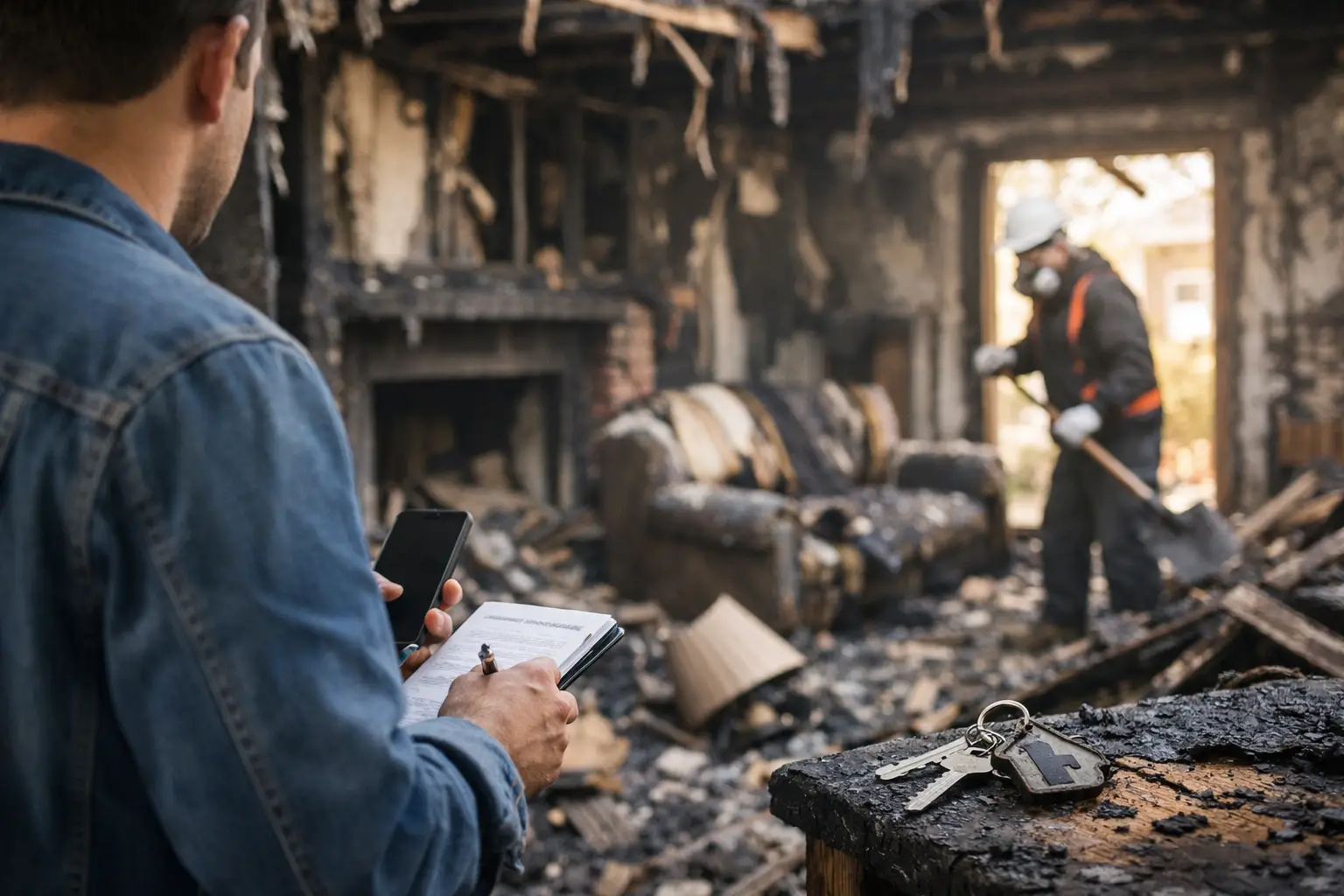 Fire & Smoke
Soot removal, odor deodorization, and content cleaning after fire and smoke damage.
Learn more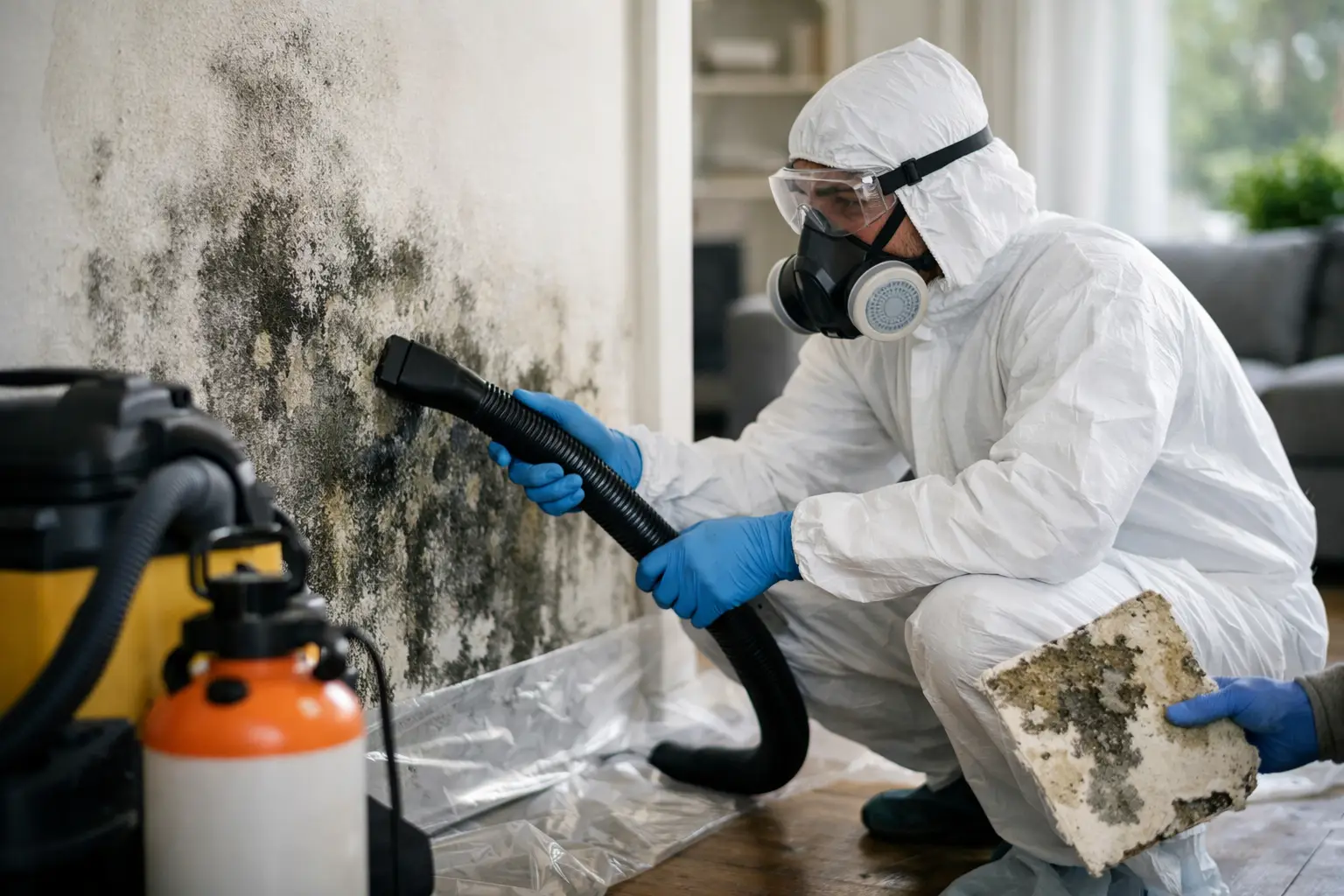 Mold
MoldContainment, removal, and moisture control that stops mold from coming back.
Learn more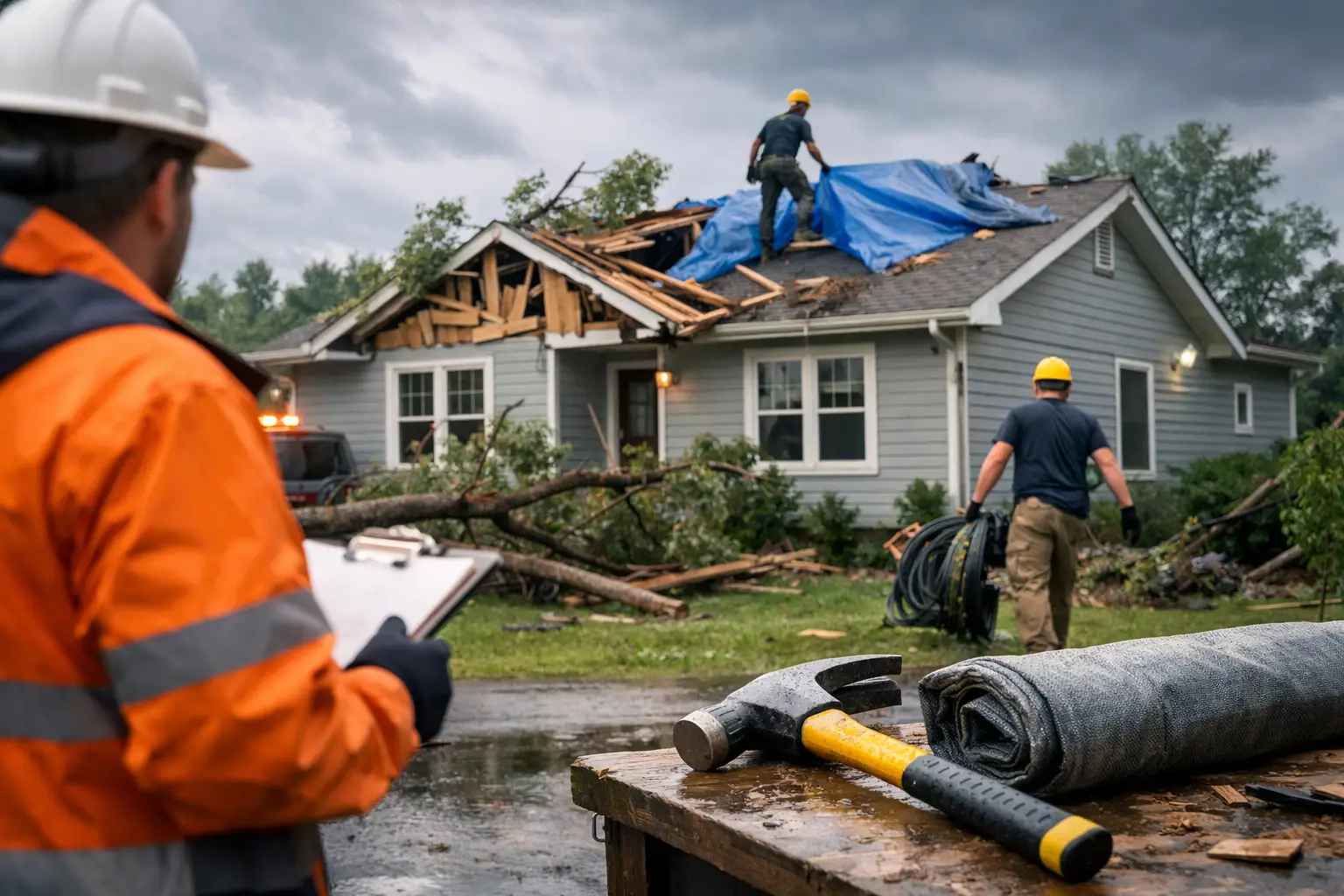 Storm
StormEmergency board-up, roof tarping, and full recovery after wind, hail, and storms.
Learn more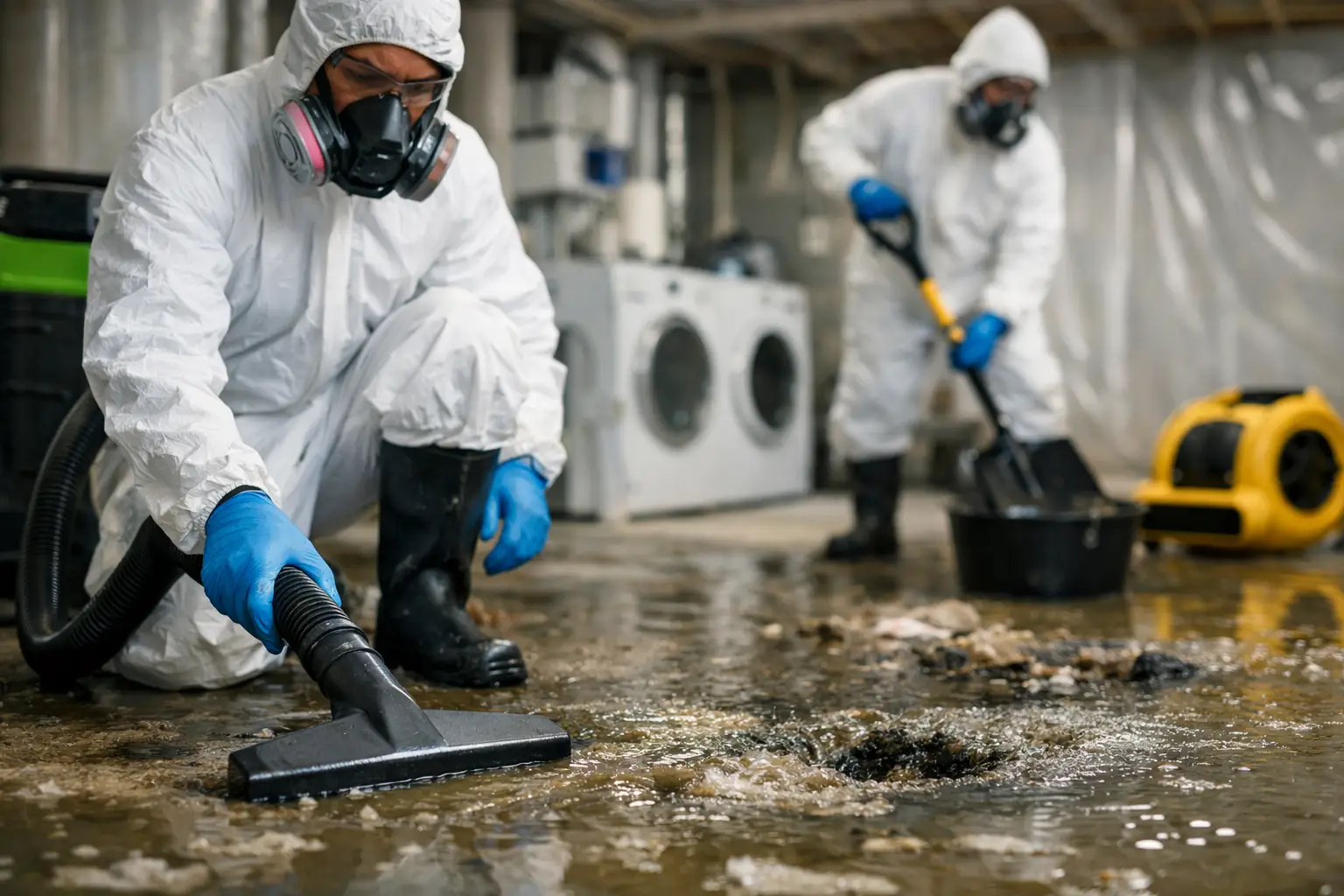 Sewage
Safe biohazard cleanup and sanitizing after sewage backups and overflows.
Learn more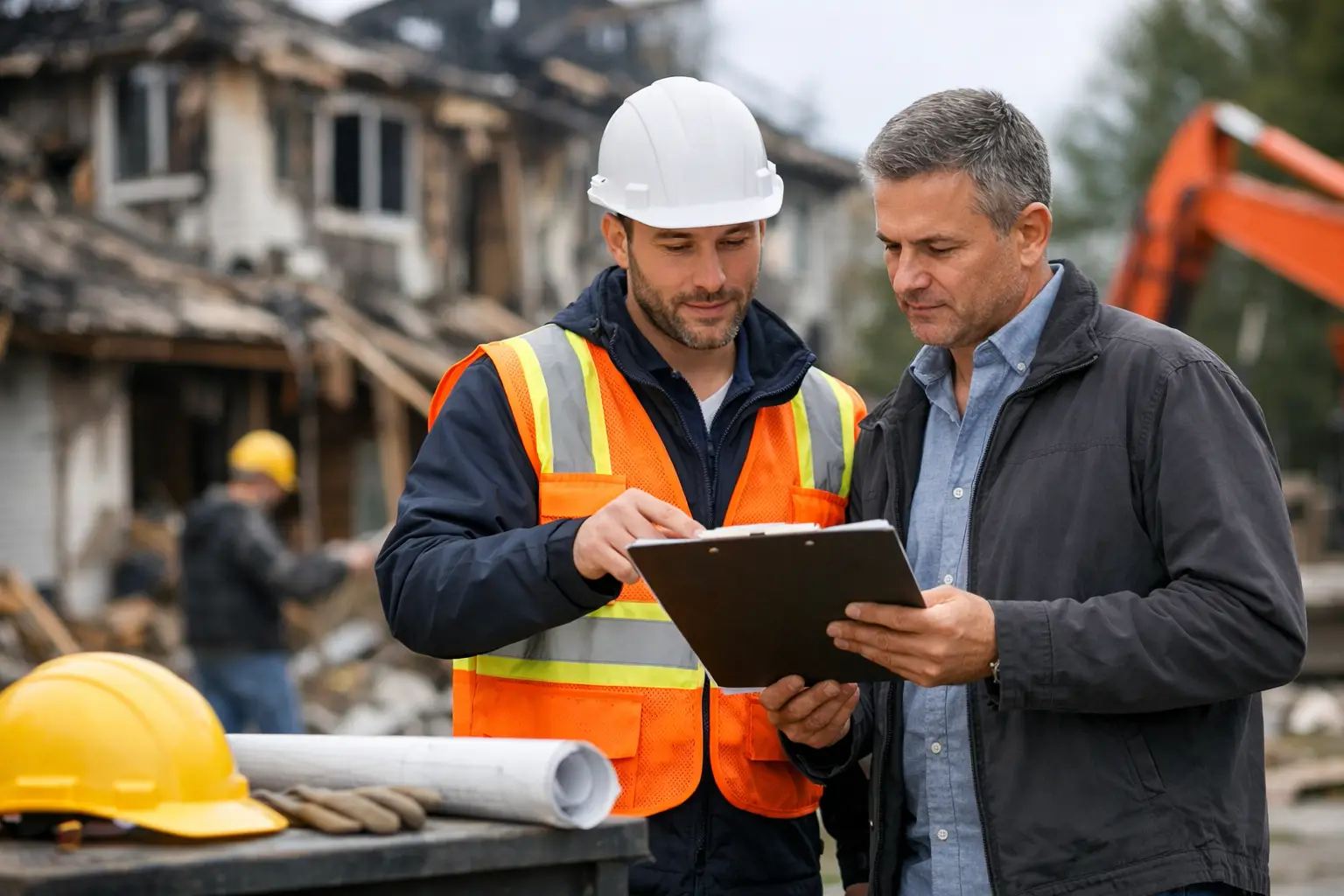 Reconstruction
Full rebuild by a licensed general contractor, so your property comes back whole.
Learn moreElevated Operations is an IICRC-certified, licensed general contractor based in Mableton that handles the entire recovery in-house, so after one loss you are never coordinating a cleanup crew, a mold crew, and a contractor separately. One team, one point of contact, from the first pump-out to the final coat of paint.
People call when the property feels like a disaster. They leave reviews because Chris and the crew made it right. These are real, verified Google reviews.
Water mitigation services help by stopping the leak’s aftermath before it spreads into wall cavities, trim, or flooring. In newer Hiram subdivisions, that matters because modern assemblies can trap moisture behind finished surfaces. I use water extraction, moisture checks, and structural drying to control the damage early.
Expect a fast emergency response, inspection, and a plan that protects the building and your operations. In a retail setting, water can move from one area to another quickly, especially through stockrooms or office spaces. I document the loss, start drying, and coordinate direct insurance billing.
They matter because mold risk rises fast when moisture stays trapped in porous materials. I do not wait for visible growth. I focus on water extraction, dehumidification, and structural drying right away so the environment does not stay wet long enough for mold to develop.
I inspect the source, remove standing water, and evaluate how far the moisture moved into framing, insulation, and subflooring. Crawl spaces and lower levels often need containment and drying equipment because humidity lingers there. The goal is to stabilize the structure before hidden damage spreads.
Loss mitigation starts with stopping additional water entry as much as possible, then drying what has already been affected. Repeated roof leaks are tricky because each rain event resets the damage. I track moisture, identify affected materials, and keep the problem from cycling through the same spaces.
Yes. A damp odor often means hidden moisture is still present in materials you cannot see. I inspect for moisture behind walls, under flooring, and around cabinets, then use dehumidification and drying equipment to address the source. Smell is a clue, not a finish line.
Mixed-use damage changes the drying plan because garages, living areas, and adjoining walls behave differently. I separate wet zones when needed, control airflow, and make sure moisture does not migrate from a garage into finished rooms. That kind of containment keeps the job organized and accurate.
Yes, because I provide direct insurance billing and document the work as it happens. That includes findings, moisture conditions, equipment placement, and any materials that could not be saved. Clear records help the claim stay organized and show why certain mitigation steps were necessary.
Elevated Operations dispatches IICRC-certified crews across Metro Atlanta from our Mableton base, with a 60-minute emergency response day or night. Choose your city:
Call now for an immediate response, or request your free inspection and get a certified crew on-site within the hour across Atlanta and nearby areas.




