24/7 Emergency Restoration · Serving Metro AtlantaEmergency? (770) 404-6895
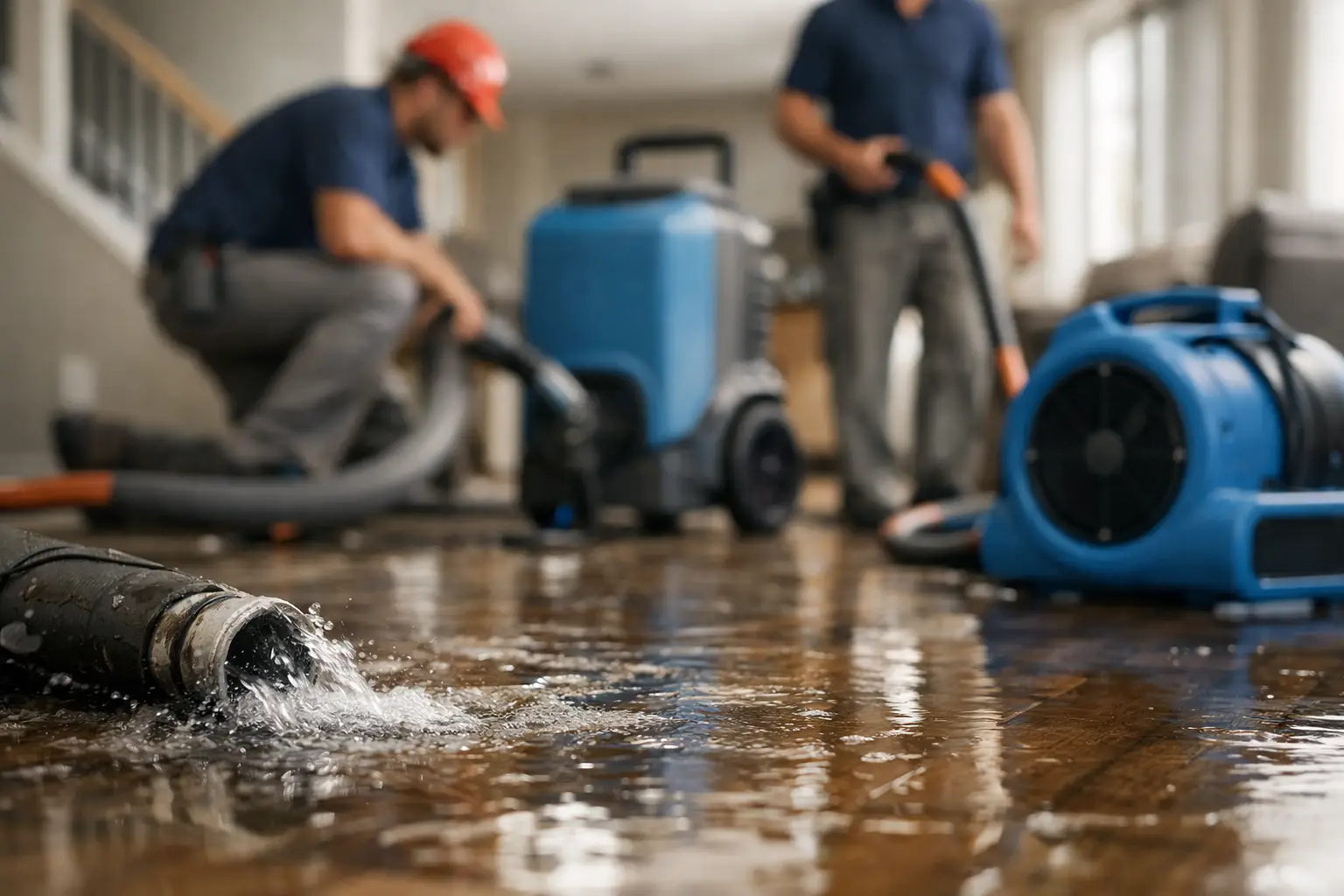
Reconstruction College Park starts with one thing, getting the structure safe, dry, and ready to rebuild. I’m Chris Kwangwari, owner of Elevated Operations in Mableton, and I handle property reconstruction with IICRC-certified technicians, direct insurance billing, and a 12-month warranty for jobs across College Park.
IICRC-Certified · 5-Star Rated · 60-Minute Response · Insurance Billed Directly
Because reconstruction is more than finish work. I manage the structure, the sequence, and the rebuild details so the property is put back correctly, not just covered up.
Yes. I look at damage repair first, then move into property reconstruction when the building needs a real rebuild. That keeps the scope clean and the job moving.
If drywall repair is only cosmetic, we fix it. If it reveals deeper issues, I open the affected area and check framing, moisture, and the surrounding structure before closing it back up.
Call (770) 404-6895. I’ll inspect the damage, explain the next steps, coordinate with insurance if needed, and get the rebuild moving in the right order.
Start with safety, then look at the structure, moisture, and anything that can fail next. In College Park, I pay close attention to older homes near the National Register historic district and to buildings that support convention hotel traffic, where hidden damage can spread fast.
I want you to check for sagging ceilings, soft flooring, loose drywall, and signs that framing repair may be needed before anyone starts cosmetic work. If a roof leak, burst line, or storm hit the property, damage repair should begin with a full structural read, not guesswork.
And if the space is occupied, I look at how the damage affects movement through the building. In a city with hotels, retail, and older housing stock mixed together, reconstruction has to account for business flow, guest safety, and code concerns at the same time.
I’ve been in restoration since 2007, so I’ve learned one simple rule, the first inspection decides the whole job. If we miss water in a wall cavity or skip drywall repair that should have exposed framing, the rebuild gets slower and more expensive later.
Reconstruction is the rebuild phase after mitigation, cleanup, and demolition. It restores the property after damage repair, using structural repair, drywall repair, flooring repair, framing repair, and finish work to make the space functional again for living or business use.
I separate reconstruction from cleanup because they are not the same job. Cleanup removes damaged material, but reconstruction puts the building back together, which may include property reconstruction for walls, subflooring, trim, doors, paint, and other parts that were removed or ruined.
In College Park, that matters because many buildings carry character, history, or guest-facing expectations. A property near the historic district cannot be treated like a blank box, and a convention hotel cannot stay shut down waiting on sloppy trades to sort it out.
I’m a licensed general contractor, and I approach reconstruction as a building problem, not just a finish problem. That means I look at load, moisture, materials, and sequence so the work holds up after the cameras leave and the insurance file closes.
Reconstruction is needed when the damaged parts are beyond surface repair, when hidden materials are compromised, or when the structure itself has to be reopened. If roof repair, drywall repair, or flooring repair will not restore the assembly, I move to reconstruction.
A small stain can hide a bigger failure. If water got behind walls, the visible damage may look minor while the insulation, framing, and subfloor are already failing. That is when structural repair and property reconstruction become necessary, not optional.
In College Park, I see this most often when older homes and commercial buildings have layered renovations. One finish covers another finish, and by the time damage shows up, the wall cavity or floor system may need more than patchwork. Guessing here wastes money.
I also look at how the building must perform after the job. If a hotel corridor, lobby, or occupied home needs to pass normal use immediately, I do not recommend temporary fixes that will fail in a few weeks. I recommend the correct rebuild.
Yes, reconstruction should follow water or fire damage cleanup once the area is dry, safe, and cleared for rebuild. IICRC-certified technicians handle the removal and drying phase first, then I schedule reconstruction to restore framing, drywall, flooring, and finishes.
Water damage cleanup has to stop the spread first, because mold starts in 24 to 48 hours. After that, reconstruction can begin with confidence, but only after we verify what is still sound and what has to come out for structural repair.
Fire damage adds another layer. Soot, odor, heat stress, and hidden weakening can affect more than the obvious burn marks. I do not rush a rebuild over charred framing or compromised materials, because that only pushes the problem deeper into the property.
College Park properties near convention hotels and busy corridors often need faster coordination between cleanup and rebuild. That is where direct insurance billing helps, because it keeps the file moving while my team and I line up the next phase without dragging the owner through paperwork.
Property reconstruction takes as long as the damage, materials, approvals, and scope require. I do not guess on job length. What I can say is that I move quickly, coordinate directly with insurance, and keep the rebuild organized so work does not stall between trades.
The timeline usually depends on whether the job is a single-room rebuild or a larger property reconstruction involving framing repair, flooring repair, cabinetry, paint, and inspections. More hidden damage means more opening, drying, and rebuilding before the final finish work can begin.
In College Park, logistics matter too. Older buildings near the historic district may require more careful matching, while convention hotels or commercial spaces may need work staged around guest and tenant access. That changes the schedule more than people expect.
I keep projects moving by sequencing them right. The wrong order creates delays, and the right order prevents rework. That is why I inspect, document, bill insurance directly when applicable, and use a clear rebuild plan from the start.
A good reconstruction plan starts with the structure, then moves through the finishes in the right order. It should account for damage repair, structural repair, code needs, material matching, and how the property functions in College Park’s historic and commercial areas.
I build the plan around the actual building, not a generic checklist. A bungalow, a multifamily unit, and a convention hotel room all need different sequencing, different materials, and different expectations for access, durability, and finish quality.
College Park has a real mix of older character buildings and high-traffic hospitality spaces. That means reconstruction cannot be sloppy or one-size-fits-all. The work has to respect the site, the owner’s insurance scope, and the use of the property after the job.
My team is based in Mableton, and we work across Cobb, Fulton, DeKalb, Douglas, Clayton, Henry, and Paulding counties. That reach matters because good reconstruction depends on coordination, not just tools. And coordination is where a lot of jobs succeed or fail.
That often means the wall assembly is still holding moisture or got damaged deeper than the surface. I treat it as a warning sign, not a cosmetic problem.
If flooring repair is needed, I want to know whether the floor system underneath is also compromised. Surface patching will not fix a weak base.
These details can show that framing repair or hidden moisture issues are still active, especially after water damage or delayed cleanup.
Persistent odor often means something was missed in demolition, drying, or material removal, and the property may need more reconstruction before it is truly ready.
Repeated cracks can point to movement, settling, or structural repair needs. I do not cover that up, I trace it back to the cause.
From emergency mitigation to full reconstruction, handled in-house so you are never managing a chain of subcontractors mid-crisis.
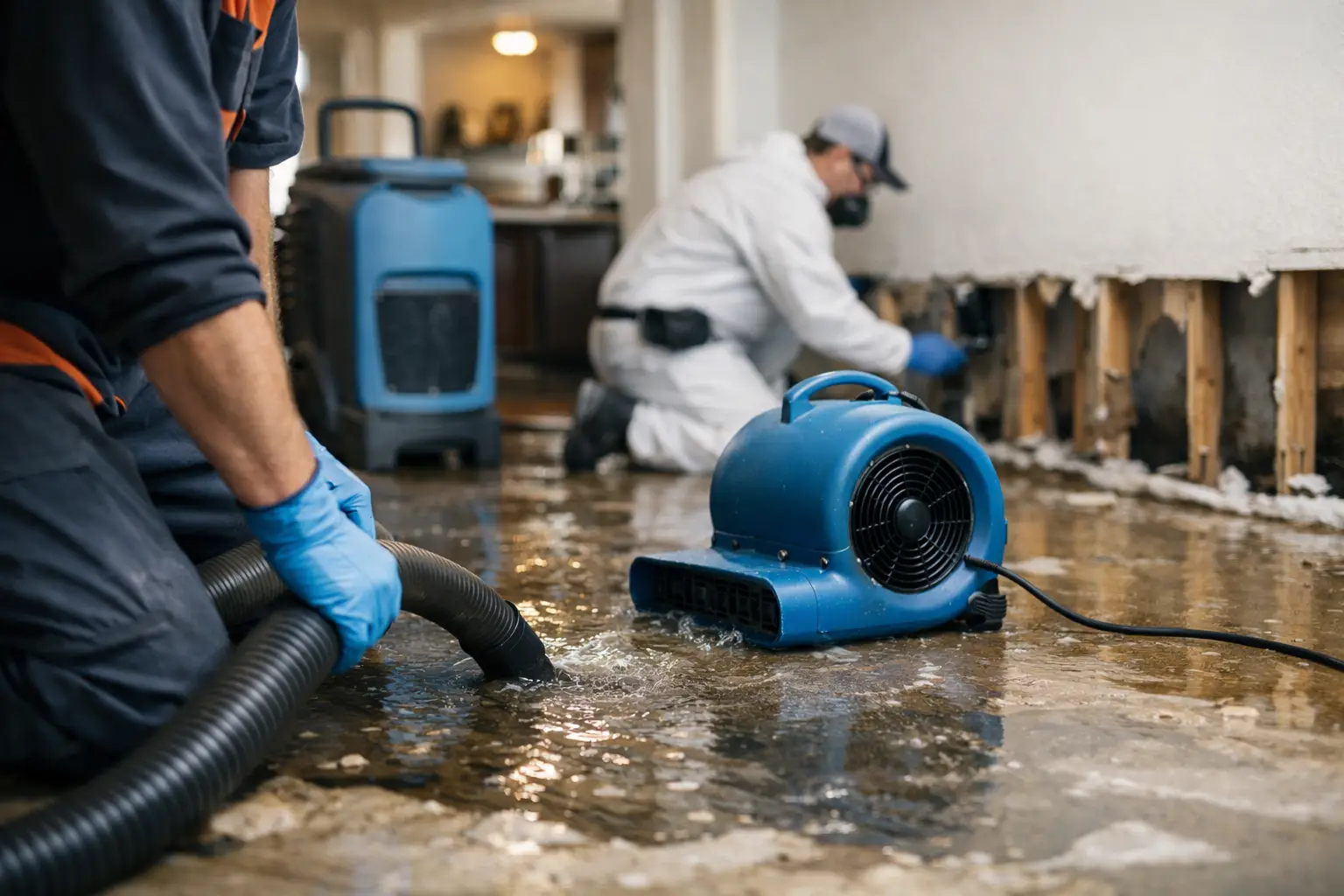 Water Damage
Extraction, structural drying, and moisture mapping after floods, leaks, and burst pipes.
Get help now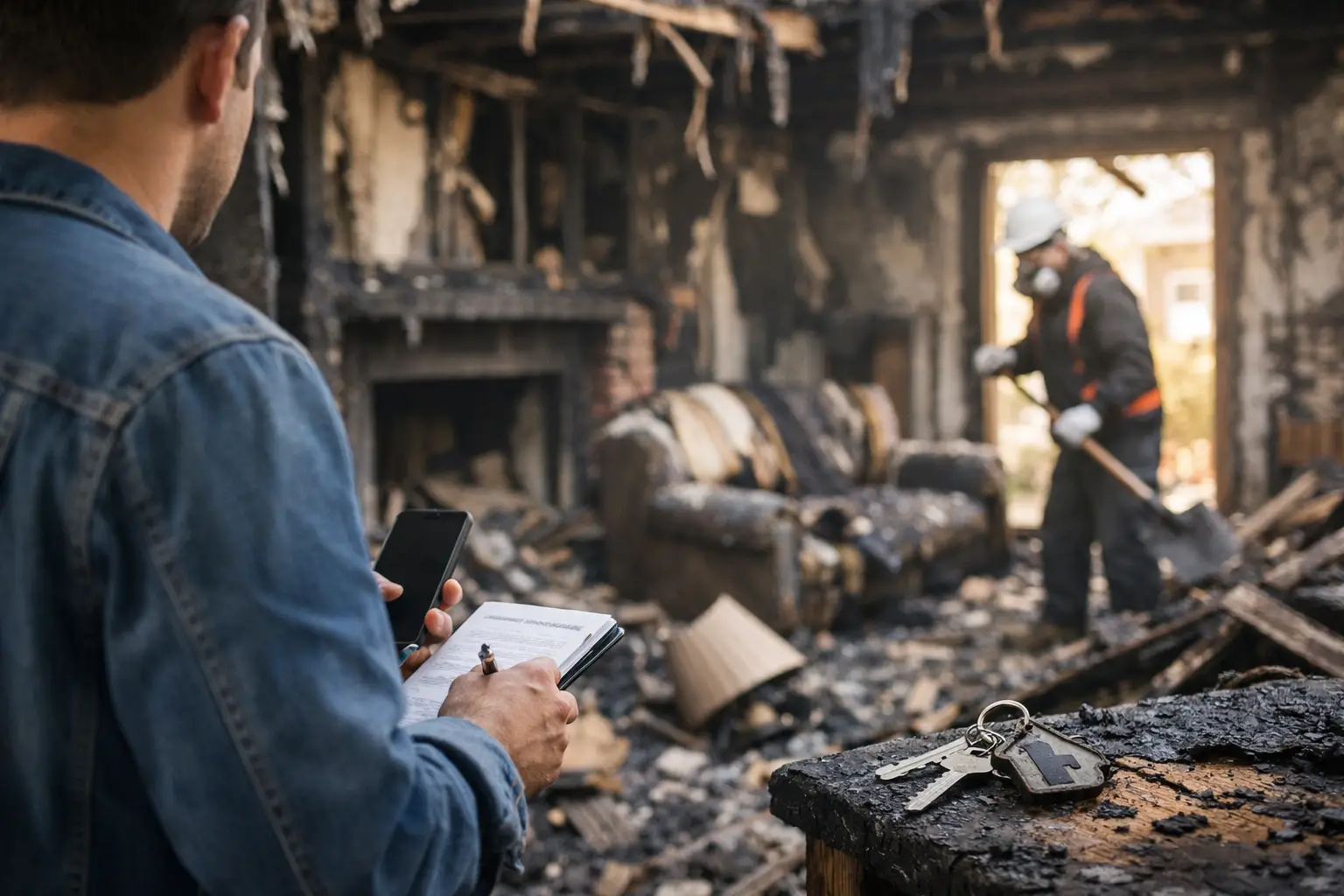 Fire & Smoke
Soot removal, odor deodorization, and content cleaning after fire and smoke damage.
Learn more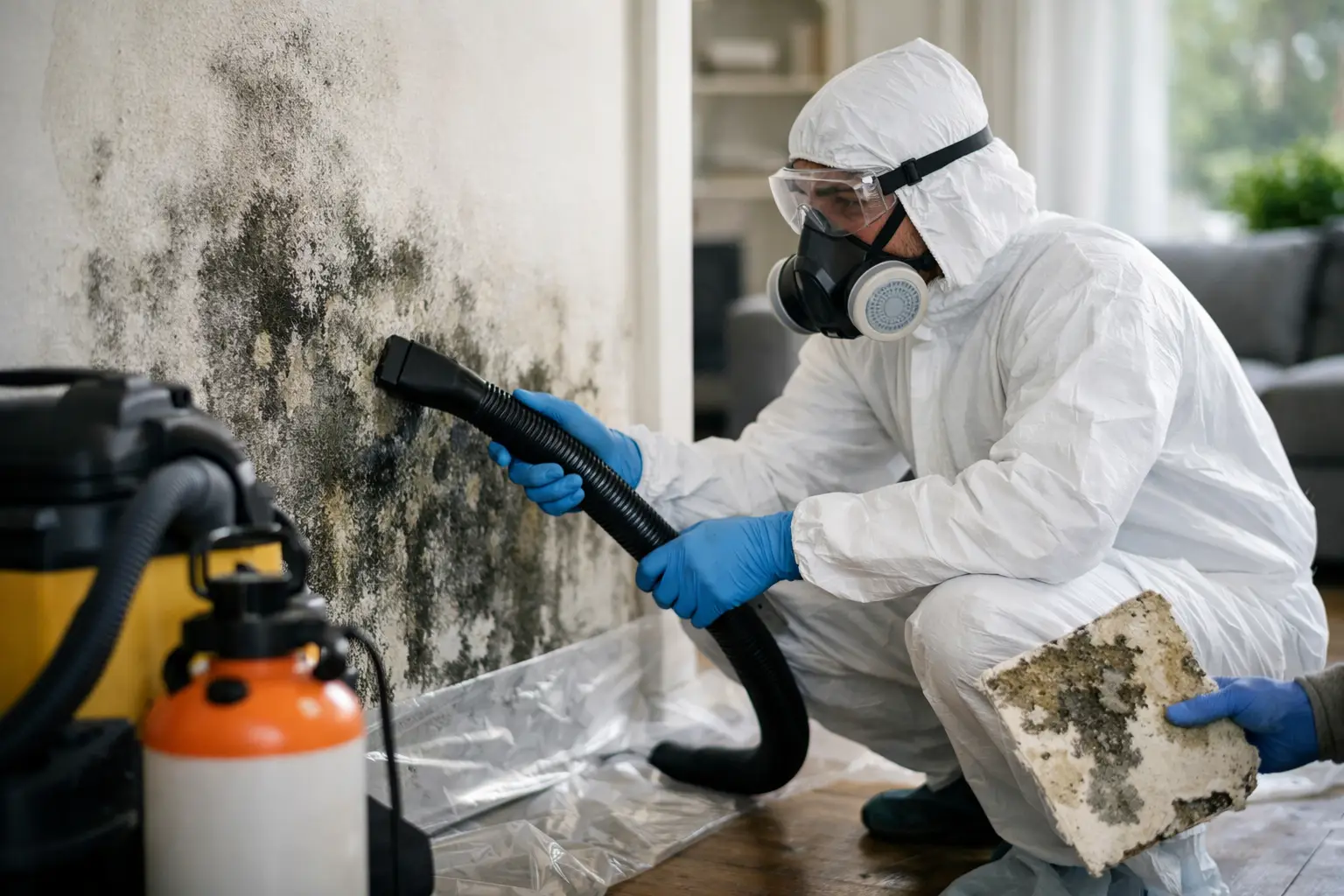 Mold
MoldContainment, removal, and moisture control that stops mold from coming back.
Learn more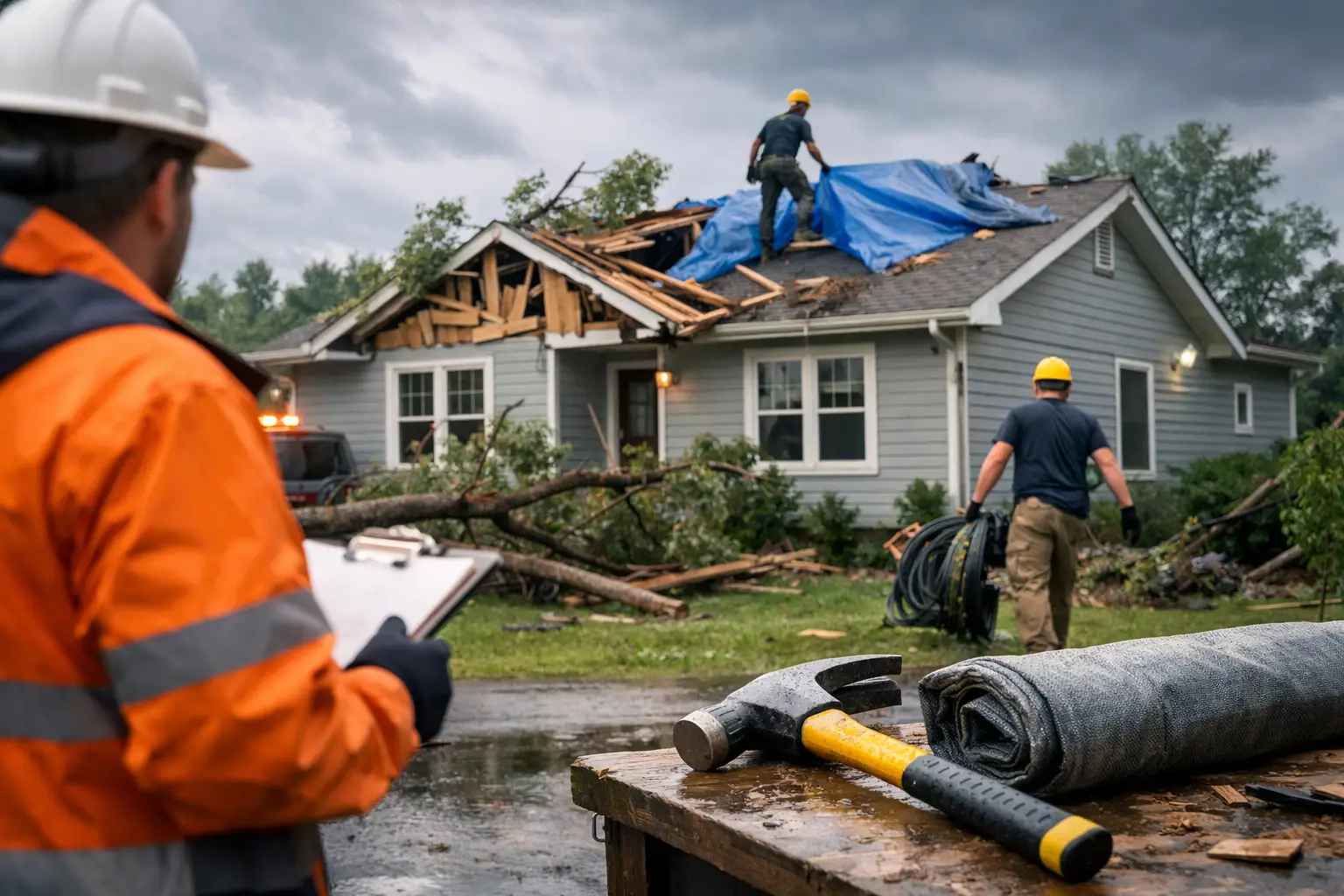 Storm
StormEmergency board-up, roof tarping, and full recovery after wind, hail, and storms.
Learn more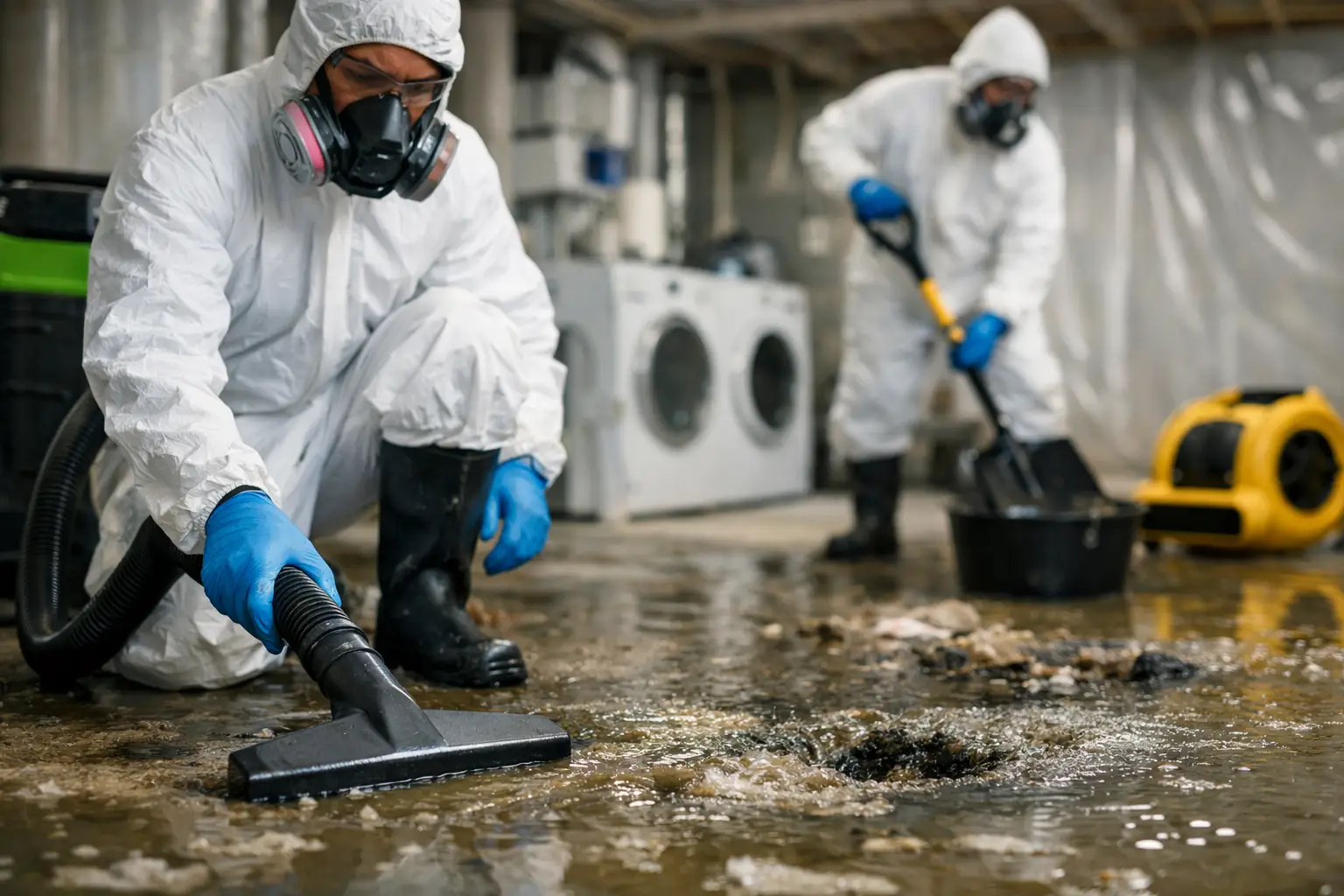 Sewage
Safe biohazard cleanup and sanitizing after sewage backups and overflows.
Learn more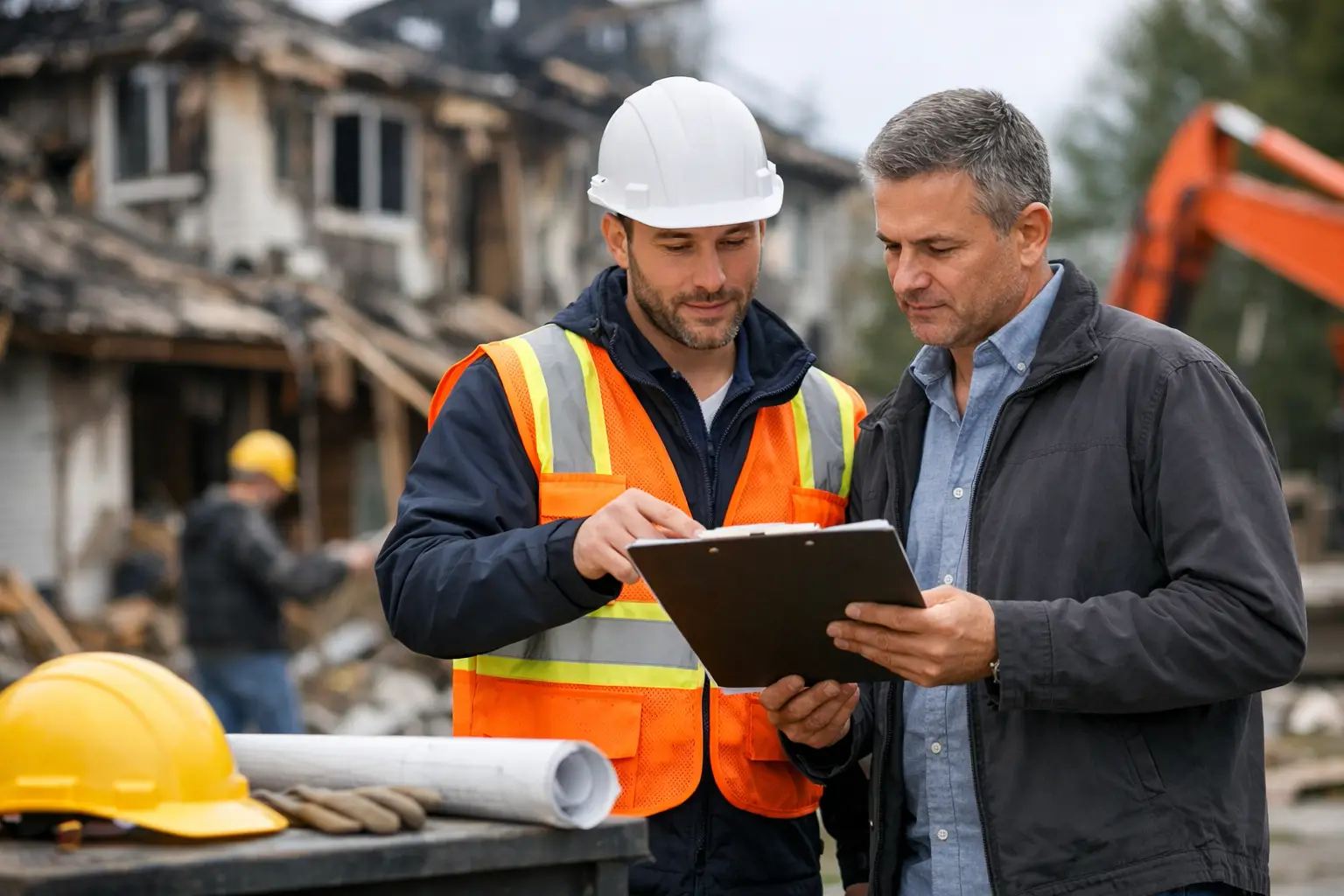 Reconstruction
Full rebuild by a licensed general contractor, so your property comes back whole.
Learn moreElevated Operations is an IICRC-certified, licensed general contractor based in Mableton that handles the entire recovery in-house, so after one loss you are never coordinating a cleanup crew, a mold crew, and a contractor separately. One team, one point of contact, from the first pump-out to the final coat of paint.
People call when the property feels like a disaster. They leave reviews because Chris and the crew made it right. These are real, verified Google reviews.
I pay close attention to matching, structure, and the way the building was originally put together. In College Park’s historic district, that matters because older homes and commercial spaces often need careful reconstruction instead of fast cosmetic patching. I document what was damaged, what must be rebuilt, and what can be preserved. That keeps the job honest and usable.
Yes, because guest-facing buildings need sequencing, access planning, and clean handoffs between trades. I approach convention hotel reconstruction with the same structure-first mindset, but I also consider occupancy, corridor access, and how quickly rooms or common areas can return to service. A hotel cannot afford sloppy ordering or repeated tear-out.
Absolutely, if the storm damaged the roof and water entered the structure, I can address roof repair-related damage and then rebuild the affected interior areas. I look at framing repair, drywall repair, insulation, and flooring repair as part of the same damage path. If the roof fails, the rebuild has to account for the whole chain.
That usually means the problem went beyond a finish issue and into the structure. I inspect for hidden moisture, rotted framing, and subfloor damage before any property reconstruction begins. If I see signs of movement or soft spots, I treat it as both structural repair and finish rebuild, not one or the other.
Yes, I offer direct insurance billing, which keeps the process moving and reduces back-and-forth for the owner. I document the damage, explain the reconstruction scope, and coordinate the rebuild steps that follow cleanup. That matters in College Park when the property has to get back to normal without stalled paperwork.
I back qualifying reconstruction work with a 12-month warranty. That gives owners a clear follow-up window if something installed by my team needs attention. It does not replace proper construction, of course, but it does show how I stand behind the work after the final walk-through.
I offer 60-minute emergency response 24/7. That matters when water, fire, or storm damage threatens the structure and reconstruction will depend on how quickly the site is stabilized. I am based in Mableton, and my team works across College Park and the surrounding counties without wasting time.
Yes, I can provide deductible assistance up to $1,000 when applicable. I keep that straightforward and tied to the actual claim process. For College Park owners facing damage, that can make the first step easier while we handle the inspection, billing, and reconstruction planning.
Elevated Operations dispatches IICRC-certified crews across Metro Atlanta from our Mableton base, with a 60-minute emergency response day or night. Choose your city:
Call now for an immediate response, or request your free inspection and get a certified crew on-site within the hour across Atlanta and nearby areas.