24/7 Emergency Restoration · Serving Metro AtlantaEmergency? (770) 404-6895
Crawl space mold removal Marietta is urgent when humidity, leaks, or runoff turn a damp crawl space into active mold. I am Chris Kwangwari, and I move fast with IICRC-certified technicians, direct insurance billing, and a 12-month warranty. In Marietta, speed matters because moisture from Kennesaw Mountain runoff and older homes near the Square can spread trouble fast.
IICRC-Certified · 5-Star Rated · 60-Minute Response · Insurance Billed Directly
Moisture moves fast, and mold follows it. In Marietta, runoff, humidity, and older crawl spaces can turn a small issue into a larger cleanup before you know it.
Yes. I inspect first, because the mold is usually a symptom. I need to find the water source, the humidity pattern, and any damaged materials before I start.
Yes. Musty odor is often the first warning. I treat it seriously, especially in Marietta homes where crawl space moisture can hide behind the smell.
Absolutely. I tell you when encapsulation makes sense, when a vapor barrier is enough, and when dehumidification and repairs are the better move.
I start by stopping the moisture source, then I inspect, contain, and remove visible mold before it spreads. In Marietta, that means fast crawl space mold remediation, dehumidification, and a clear plan for cleanup, drying, and wood treatment if the framing is already affected.
The first hour matters. I want my crew moving on containment, air control, and a real look at the crawl space, not guessing from the driveway. Around Marietta, especially near the historic Square, older floor systems and plaster can tell me the moisture problem has been active longer than the homeowner knew.
If water pushed in from a storm or if runoff from the Kennesaw Mountain side kept feeding the space, I focus on moisture control first. That means finding wet insulation, musty joists, or a failing vapor barrier, then building the response around the source instead of chasing surface mold.
I do not treat this as simple cleaning. Crawl space cleanup has to be tied to the structure, the air above it, and the reason the mold started. If wood is stained or softened, I address it with wood treatment and a drying plan that keeps the problem from coming right back.
In the first hour, I triage the issue, ask the right questions, and send an emergency response team 24/7. We look for active leaks, standing water, musty air, and the crawl space access point, then we plan containment and immediate moisture control before mold gets worse.
I do not waste the first hour. If you call from Marietta, I want to know whether the home is near the Square, whether the crawl space has standing water, and whether the smell has reached the living space. Those details shape the response before I arrive.
My technicians are IICRC-certified, and they work from a restoration mindset. We inspect for fungal growth removal needs, check for wet insulation or exposed soil, and decide whether the crawl space needs immediate drying, temporary containment, or direct coordination with insurance if the damage is already broad.
A lot of damage grows in silence under the house. By the time the floors feel a little off or the air smells stale, the crawl space may already need dehumidification and mold remediation, not just a wipe-down. Fast action limits how far the problem travels.
Mold in a crawl space usually starts with moisture, and Marietta gets plenty of triggers, from runoff, humidity, plumbing leaks, and poor drainage to a failing vapor barrier. In older homes near the Square, the crawl space may also trap moisture because the structure was built before modern moisture control practices.
I see the same pattern again and again. A homeowner notices a smell, a little sag, or a cooling issue, and the crawl space has already held moisture long enough for mold to take hold. Around Marietta, storm runoff and local topography can keep that space damp after a hard rain.
Historic homes near the Square can be especially tricky. Older framing, past repairs, and crawl spaces that were never fully sealed create the kind of conditions mold loves. If the vapor barrier is damaged or missing, the soil itself can keep feeding humidity into the subfloor.
Mold starts in 24 to 48 hours when moisture stays put, so the clock is not on your side. I look for drainage problems, failed encapsulation details, and places where dehumidification never had a chance to work because air and water were never controlled in the first place.
Yes, crawl space mold can affect indoor air quality because air from below the house moves upward through the floors, gaps, and duct penetrations. If the crawl space is damp in Marietta, the smell, spores, and humidity can travel into bedrooms, hallways, and living areas fast.
I take indoor air seriously because the crawl space is not separate from the house. It is part of the building envelope. If the air below is loaded with moisture and fungal growth, that air can rise into the home and make the whole place feel stale, itchy, or heavy.
In Marietta, I see this show up near older housing stock where floor systems breathe through small openings and repairs never fully sealed the underside. You may think the problem is upstairs, but the source is under the house, and crawl space mold remediation has to start there.
That is why I pair cleanup with moisture control. If I only remove visible mold and ignore humidity, the smell returns and the indoor air never really improves. Dehumidification, vapor barrier repair, and proper crawl space cleanup are what separate a short fix from a real one.
Often, yes. After crawl space mold removal, encapsulation helps control the moisture that caused the mold in the first place. In Marietta, where runoff and humid conditions can keep a crawl space wet, encapsulation plus a proper vapor barrier and dehumidification can make the space far less vulnerable.
I do not recommend encapsulation just because it sounds advanced. I recommend it when the crawl space keeps getting wet, smells stay active, or the soil and framing are exposed to ongoing moisture. That is common in Marietta homes with repeated rain intrusion or drainage issues.
Encapsulation is part of a bigger moisture strategy. If the crawl space has old plastic, torn seams, or bare soil, the work is not done. The right vapor barrier and sealing details help protect the framing, reduce humidity, and support the long-term results of mold remediation.
If the space needs it, I talk plainly about the tradeoff. Encapsulation is not a cosmetic add-on, it is a way to stop the conditions that let mold return. For many Marietta homes, especially older ones, that step is what keeps the crawl space dry enough to stay clean.
Speed matters because mold and moisture spread while the crawl space stays open and wet. The faster I can control the source, dry the space, and remove contamination, the less likely you are to face wider structural damage, odor migration, or repeat growth in Marietta.
I have been in restoration since 2007, and I have seen the difference a day makes. A fast response can mean contained cleanup and a clean dry-out. Waiting can mean wet framing, stained joists, and a bigger insurance conversation because the damage moved beyond the crawl space.
Marietta weather and runoff do not pause for convenience. If you live near the Square or on a lot that catches water from higher ground, the crawl space can keep feeding the problem long after the rain stops. That is why I push for immediate moisture control and inspection.
This is also where a licensed general contractor matters. I do not only look at mold as a stain problem. I look at structure, access, ventilation, and rebuild needs. That lets me make the call on cleanup, wood treatment, and any repairs needed to close the loop.
My crawl space cleanup process includes inspection, containment, debris removal, mold remediation, drying, dehumidification, and follow-up checks for moisture control. If the crawl space needs insurance support, I handle direct billing and keep the documentation clear from the start.
I begin with a hard look at the space, then I remove what should not stay there. That may include wet insulation, damaged materials, or debris that keeps moisture trapped. Then I move into fungal growth removal, surface treatment, and the drying steps that actually support a clean finish.
The process does not stop when the visible mold is gone. I want the crawl space dry, stable, and less likely to re-contaminate the living area. That means verifying humidity control, checking the vapor barrier, and making sure the space does not slip back into the same wet cycle.
I keep communication direct because homeowners do not need jargon during an emergency. I explain what I found, what has to happen next, and whether the work points to encapsulation, wood treatment, or a broader repair path. And I keep the warranty clear, 12 months on the work.
I take the call, ask about smell, standing water, and location, then dispatch a 24/7 emergency response. The goal is fast triage, fast containment decisions, and no wasted motion while mold keeps spreading.
We inspect the crawl space, identify the moisture source, and start crawl space mold remediation. If needed, we begin crawl space cleanup, dehumidification, and vapor barrier assessment so the space stops feeding the problem.
We continue drying, remove contaminated materials, and document damage for direct insurance billing if applicable. If framing is affected, I add wood treatment and check whether encapsulation makes sense to prevent repeat growth.
Once the crawl space is stable, we complete repairs and verify the moisture control plan. I back the work with a 12-month warranty, because I want the fix to hold after the crews leave.
From emergency mitigation to full reconstruction, handled in-house so you are never managing a chain of subcontractors mid-crisis.
 Water Damage
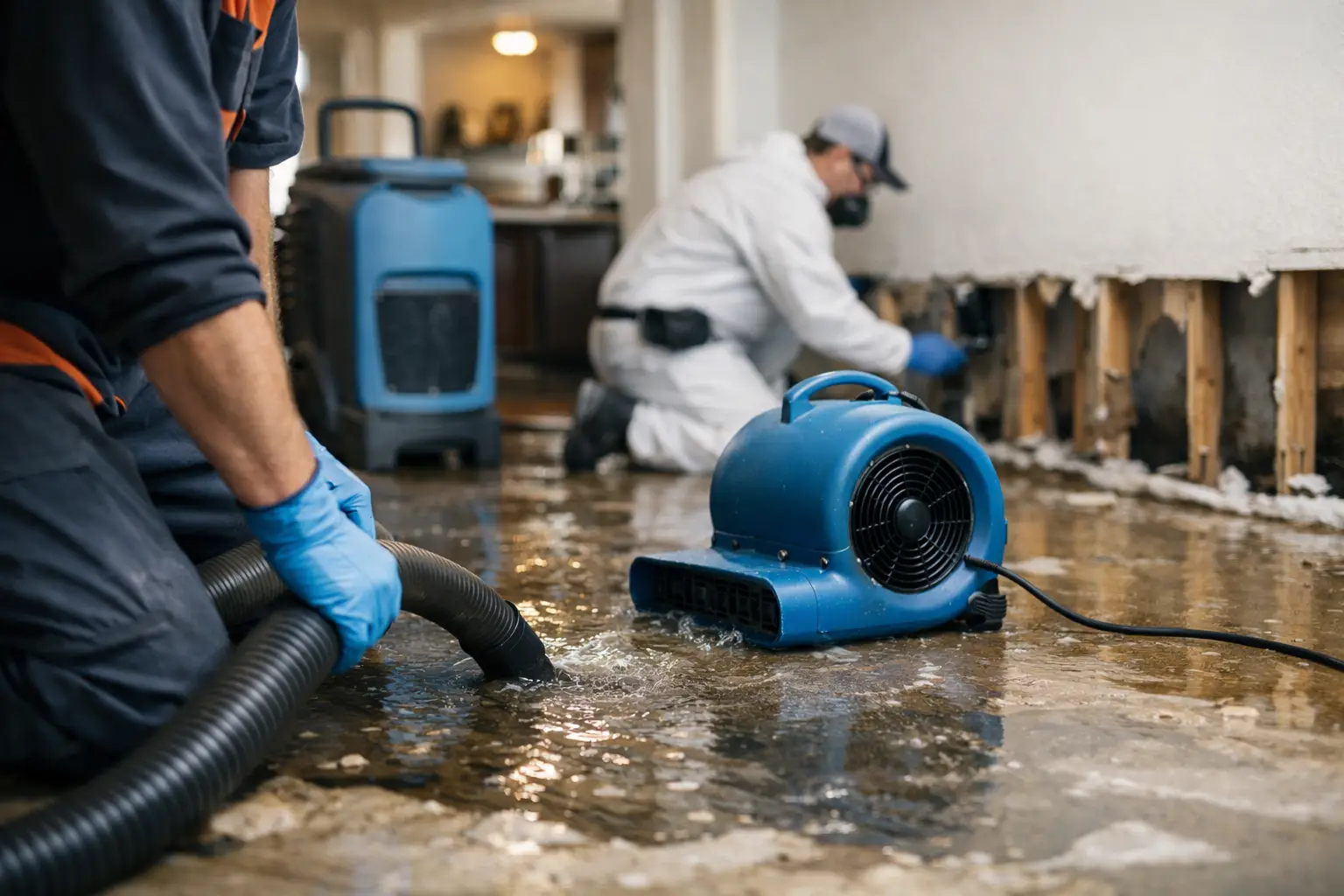
Extraction, structural drying, and moisture mapping after floods, leaks, and burst pipes.
Get help now Fire & Smoke
Soot removal, odor deodorization, and content cleaning after fire and smoke damage.
Learn more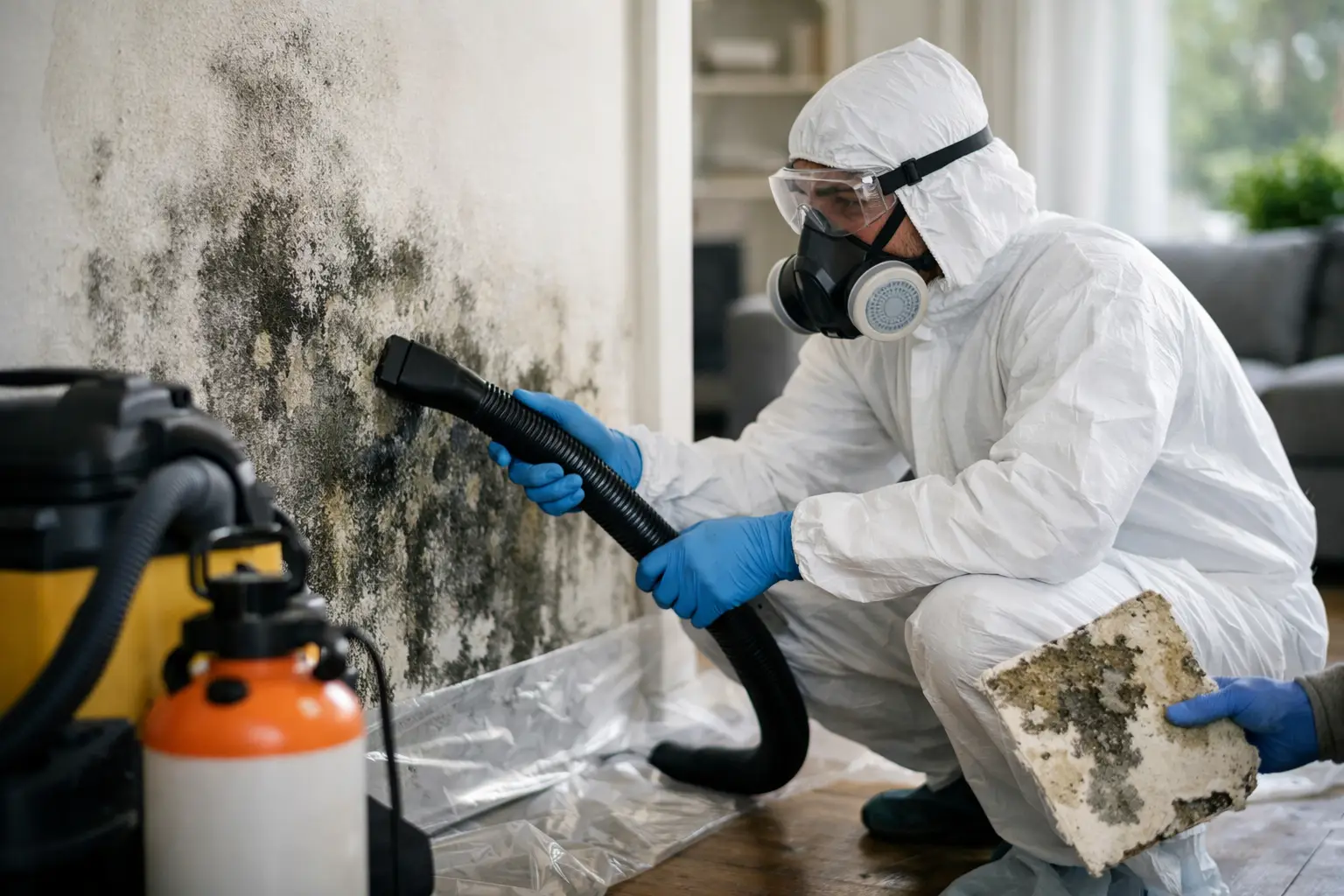 Mold
MoldContainment, removal, and moisture control that stops mold from coming back.
Learn more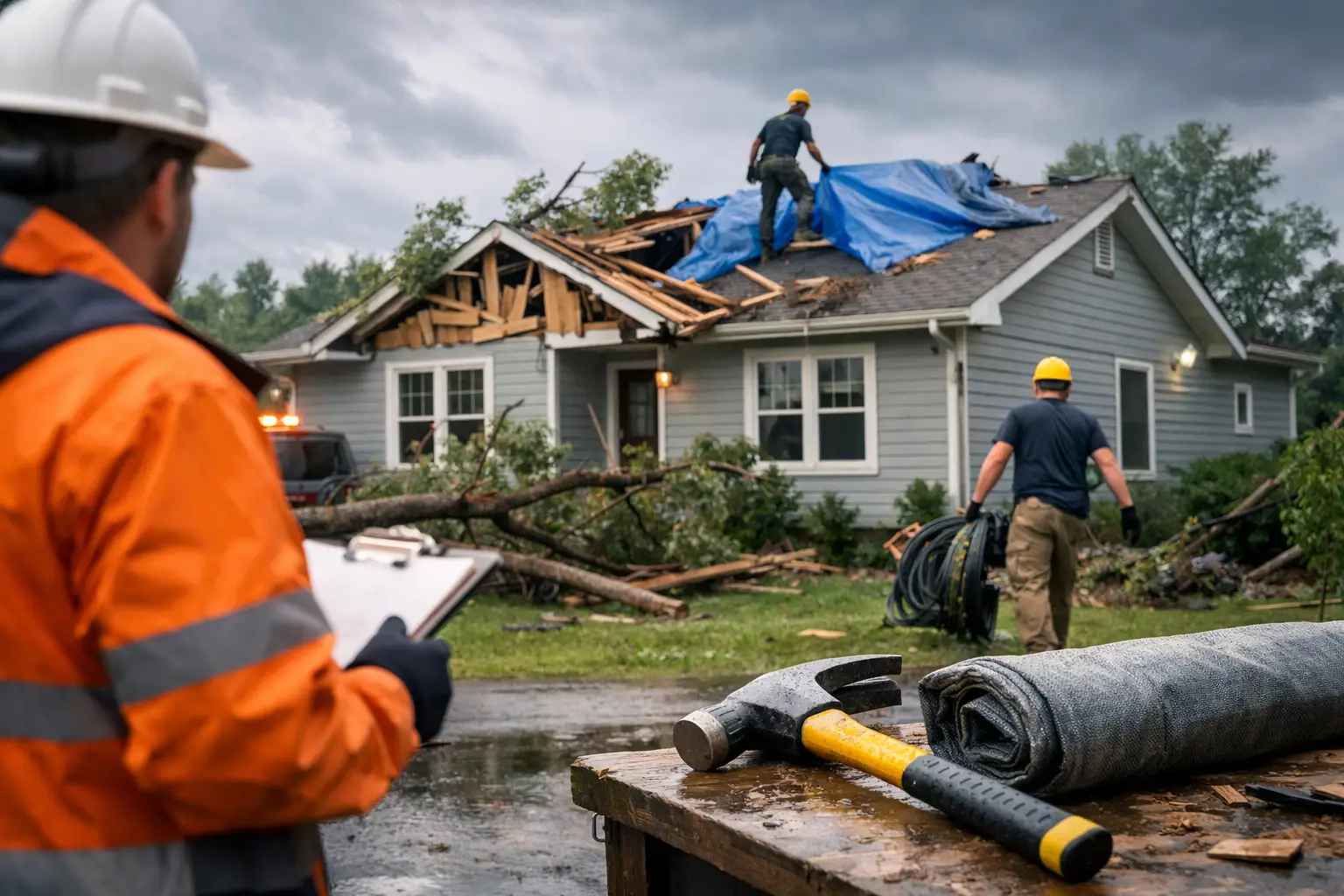 Storm
StormEmergency board-up, roof tarping, and full recovery after wind, hail, and storms.
Learn more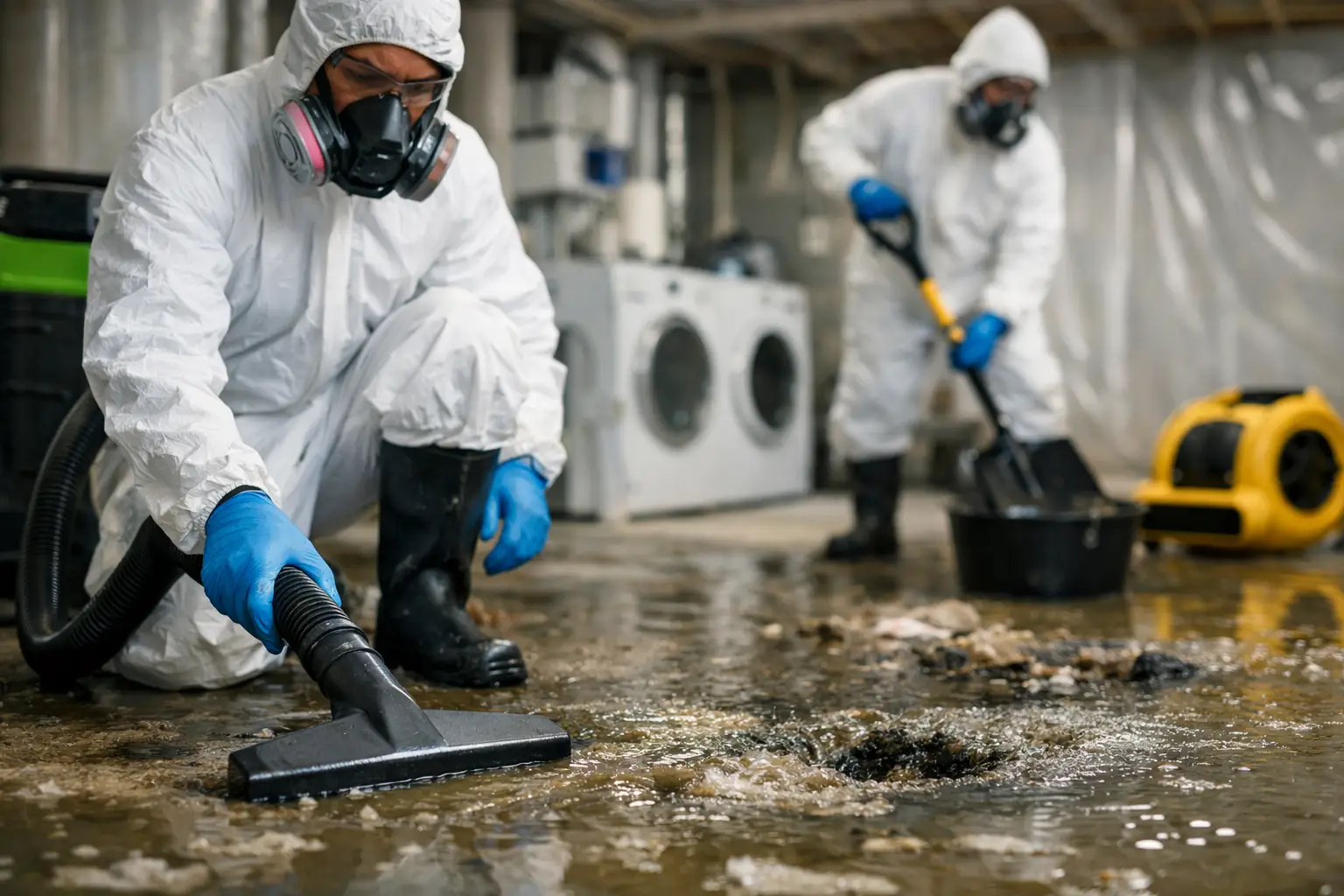 Sewage
Safe biohazard cleanup and sanitizing after sewage backups and overflows.
Learn more Reconstruction
Full rebuild by a licensed general contractor, so your property comes back whole.
Learn moreElevated Operations is an IICRC-certified, licensed general contractor based in Mableton that handles the entire recovery in-house, so after one loss you are never coordinating a cleanup crew, a mold crew, and a contractor separately. One team, one point of contact, from the first pump-out to the final coat of paint.
People call when the property feels like a disaster. They leave reviews because Chris and the crew made it right. These are real, verified Google reviews.
I offer a 60-minute emergency response 24/7, and I treat crawl space mold as an urgent call. In Marietta, that matters when humidity, runoff, or leaks are feeding the space. I want to get eyes on the issue fast, stop the moisture source, and begin control before the mold keeps spreading.
Older homes near the Square often hide moisture problems in the crawl space because the framing, plaster, and access points were built before modern moisture control. I check for mold, wet insulation, and vapor barrier failure, then I build the response around drying, cleanup, and any repair needs that show up under the house.
Yes. I offer direct insurance billing, and I document the work clearly so the claim process is easier to manage. If the crawl space damage involves mold, moisture, or related structural issues, I keep the paperwork tied to the actual condition of the home instead of flooding you with guesswork.
It can contribute when water moves toward the property and keeps the crawl space damp. In Marietta, runoff is one of the reasons I push moisture control early. If the soil stays wet or drainage is weak, the crawl space can hold humidity long enough for mold to start and spread.
I remove mold by fixing the moisture source, containing the area, and doing actual crawl space cleanup, not surface spraying and moving on. If the framing is affected, I may add wood treatment. If humidity is still high, I use dehumidification and vapor barrier work so the space stays dry enough to stay clean.
Yes, because the crawl space is tied to the air in the home. Odors, humidity, and spores can move upward through openings and floor penetrations. I focus on the crawl space first so the indoor air has a chance to improve instead of keeping the same stale, damp pattern.
My 12-month warranty backs the work I complete, and I stand behind that. The point is not a slogan, it is accountability after the crawl space has been cleaned, dried, and stabilized. If the moisture issue returns because the real cause was not fixed, that is exactly why I document every step.
Because mold in a crawl space is often tied to structure, access, and repairs, not just cleaning. I am a licensed general contractor, so I can look at the whole problem, from contaminated materials to rebuild needs. That matters in Marietta homes where older construction and moisture history often come together.
Elevated Operations dispatches IICRC-certified crews across Metro Atlanta from our Mableton base, with a 60-minute emergency response day or night. Choose your city:
Call now for an immediate response, or request your free inspection and get a certified crew on-site within the hour across Atlanta and nearby areas.