24/7 Emergency Restoration · Serving Metro AtlantaEmergency? (770) 404-6895
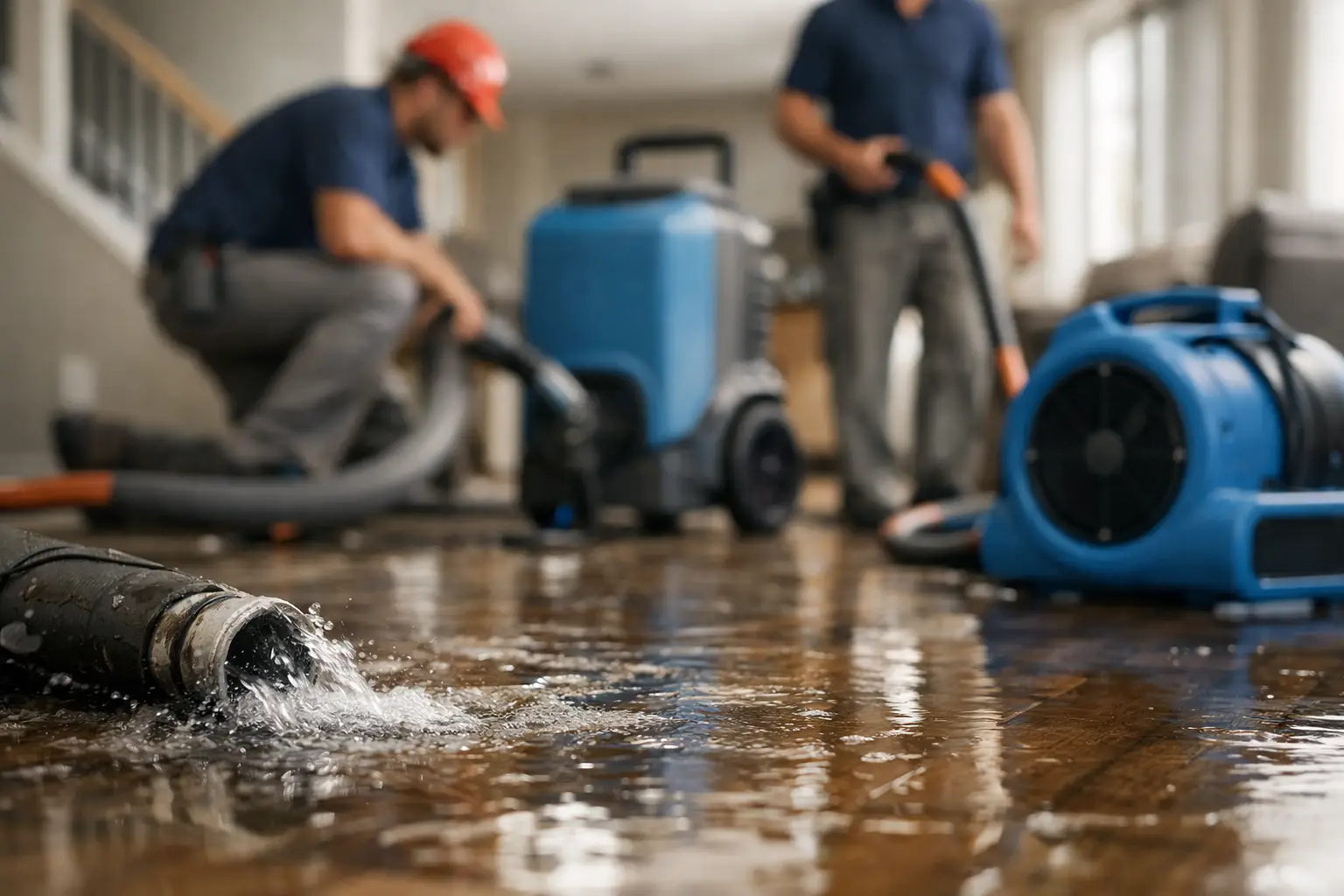
Storm damage restoration Riverdale starts with stopping active damage, documenting what failed, and getting a licensed crew on site fast. I send IICRC-certified technicians from our Mableton base for 24/7 emergencies, direct insurance billing, and storm cleanup that fits Clayton County homes near the airport and older subdivisions.
IICRC-Certified · 5-Star Rated · 60-Minute Response · Insurance Billed Directly
Get safety, photos, and roof tarping first if the roof is open. Then call me so I can stop more damage and inspect what the storm actually reached.
No. Debris removal is only one part. I also check for water intrusion, opening protection, and the repair work needed to bring the home back together.
Yes. Older subdivisions need careful inspection because storm damage often hides in roof edges, attic areas, and exterior details that look minor from the street.
Absolutely. That is usually the right move. I can document the loss, stabilize the home, and keep the repair scope organized before the claim inspection starts.
Start with safety, then stop the water, then document everything. If you see roof openings, standing water, or fallen limbs, call us for 24/7 storm damage restoration so I can send a crew, stabilize the home, and protect the structure before more damage spreads.
First, stay out of rooms with sagging ceilings, wet electrical areas, or loose debris. Riverdale storms can push wind and rain into older subdivisions near the airport corridor fast, and that kind of hit turns small failures into bigger ones when people keep walking through the house.
Then take clear photos from a safe spot, inside and outside. I want the roof edges, broken windows, soaked flooring, and any tree impact recorded before cleanup starts. That record helps with insurance and keeps the claim tied to what the storm actually did.
After that, call me. I run Elevated Operations, LLLP, and I do not make homeowners wait while water keeps moving. My team is licensed, IICRC-certified, and set up for emergency response, debris removal, temporary boarding, and direct insurance billing from the first call.
It includes emergency protection, removal of unsafe debris, drying, repair planning, and the structural work needed to bring the home back together. In Riverdale, that often means roof tarping, temporary boarding, wind damage repair, and coordination with insurance after hail or heavy rain hits older housing stock.
I start with the parts that prevent more loss. That can mean tarping a torn roof, boarding broken openings, and clearing debris so the home is safe to enter. In Clayton County, where some homes sit under mature trees and older roofs, that first layer matters a lot.
Next comes moisture control. If water got past the exterior, I want to see what was hit before materials get buried. Storm damage restoration is not just cleanup. It is a sequence, and the sequence has to be right or you keep paying for hidden water intrusion later.
When repairs are needed, I handle structural repair through a licensed general contractor lens, not just a cleanup approach. That matters when storm forces shift framing, damage sheathing, or crack exterior components. I also provide a 12-month warranty on the work I stand behind.
Yes, if the roof is open, tarping should happen right away. A torn shingle field, lifted ridge, or puncture can let rain into the attic and walls fast, and roof tarping is one of the quickest ways to stop more damage before permanent repairs begin.
I do not wait around when a roof is exposed. Riverdale storms can move from wind to heavy rain quickly, and even a small breach turns into soaked insulation, stained ceilings, and swollen drywall. Roof tarping is a short-term fix, but it is a critical one.
Older subdivisions in Riverdale often have roof lines, additions, and attic spaces that are easy to damage and expensive to ignore. If a limb hit the roof or hail damaged the surface, I want the opening stabilized before the next storm band rolls through the county.
A tarp does not replace repair work, but it buys time and limits loss. My crew handles the emergency protection, then we assess whether hail damage repair, wind damage repair, or deeper structural repair is needed next. That order keeps the claim cleaner and the house safer.
Yes, and fast. Once wind lifts materials or hail cracks a surface, water can move into the attic, walls, and flooring. In Riverdale, that often shows up first as ceiling spotting, wet trim, or a musty smell after a hard storm, especially in older subdivisions near the airport.
Water intrusion is the part homeowners underestimate. A home can look mostly fine from the street and still have wet insulation, damp framing, or water running along pipes and into wall cavities. That is why I look for the hidden path, not just the visible stain.
If water got inside, the clock matters. Mold starts in 24 to 48 hours, so waiting until the weekend is not a smart move. I tell Riverdale homeowners to get the home stabilized first, then get drying and assessment moving before secondary damage takes hold.
I have seen roof leaks travel far from the entry point, especially when attic spaces or older construction details are involved. Direct insurance billing helps keep the process moving, and deductible assistance up to $1,000 can help with the immediate out-of-pocket pressure when the claim opens.
Fixing storm damage starts with emergency protection, then a full inspection, then repair in the right order. I check the roof, exterior, framing, openings, and wet interior materials, then move into structural repair, hail damage repair, or wind damage repair based on what the storm actually broke.
I do not start with guesswork. I start with the source. If a branch punctured the roof, the priority is roof tarping and interior protection. If wind tore siding or lifted flashing, I want to see the exposed layers so the repair plan matches the failure point.
Riverdale homes near the airport and in older subdivisions can have mixed construction details, which means storm damage does not always look dramatic from one angle. My job is to trace the damage path, document it clearly, and make the fix match the structure instead of only patching the symptom.
Then I coordinate the claim work. I have been in restoration since 2007, and I know homeowners want straight answers, not contractor theater. You get a licensed general contractor, IICRC-certified technicians, direct insurance billing, and one number to call when the house needs to be made safe again.
Look for missing shingles, dents, broken gutters, fallen limbs, wet ceilings, damaged siding, and loose materials around the property. In Riverdale, I also want you to watch for subtle signs on older homes, because small wind and hail impacts can hide bigger repair needs.
Walk the property only if it is safe. Check the roofline from the ground, look for debris on the lawn, and inspect visible openings around windows and doors. If you see material displaced by wind, do not assume the rest of the house is fine just because the inside is dry.
Inside the home, check attic access, ceilings, baseboards, and any room beneath the roof impact area. A damp spot, new smell, or soft drywall can mean the storm got in. That is common when rain comes sideways across open lots and tree cover near Riverdale neighborhoods.
If you find damage, stop adding to it. Do not keep running fans over unknown wet areas before the source is controlled, and do not climb on the roof yourself. Call for emergency response, document what you can, and let a certified crew handle the next step.
Riverdale cleanup often involves airport-area exposure, older subdivisions, and storm debris that travels quickly across yards and roofs. That means I look for faster wind impact, more scattered debris removal, and more hidden water intrusion than you may expect from the first quick exterior look.
Near the airport corridor, storms can hit homes with strong wind movement and fast-changing rain patterns. Add in older subdivisions, and you get more roof edges, aging exterior details, and repair needs that deserve a careful inspection instead of a cosmetic patch.
That is why I treat storm cleanup as a property protection job, not just a pickup job. Debris removal matters, but so does seeing what debris hit, what it opened up, and what water may have reached before the homeowner even spotted the problem.
My service area includes Clayton County, and Riverdale is one of the places where speed and order both matter. I respond 24/7, bring the right technicians, and keep the process clean with direct billing, warranty-backed work, and a clear plan from first contact to final repair.
Stay away from sagging ceilings, downed lines, broken glass, and roof openings. If the home feels unsafe, leave it and call for emergency response.
Take wide and close photos of the roof, siding, windows, interior stains, debris, and any fallen limbs before anything is moved or cleaned up.
If the roof is open or windows are broken, ask for roof tarping or temporary boarding fast so wind and rain do not keep working on the house.
Storm damage restoration should include an inspection for hidden water intrusion, structural repair needs, and the right mix of cleanup and repair work.
Use direct insurance billing, keep your photos, and ask about deductible assistance up to $1,000 so the claim process starts organized and documented.
From emergency mitigation to full reconstruction, handled in-house so you are never managing a chain of subcontractors mid-crisis.
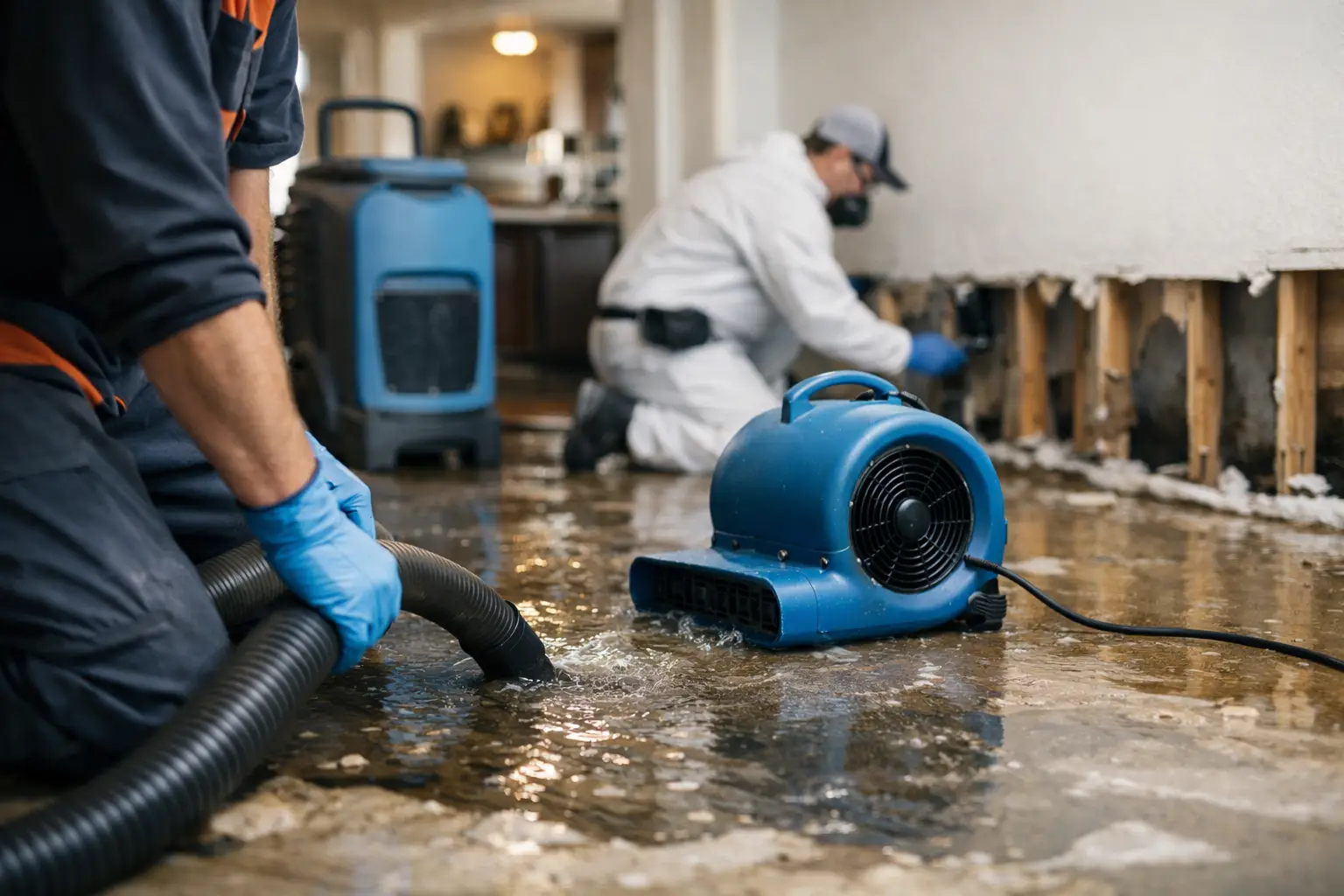 Water Damage
Extraction, structural drying, and moisture mapping after floods, leaks, and burst pipes.
Get help now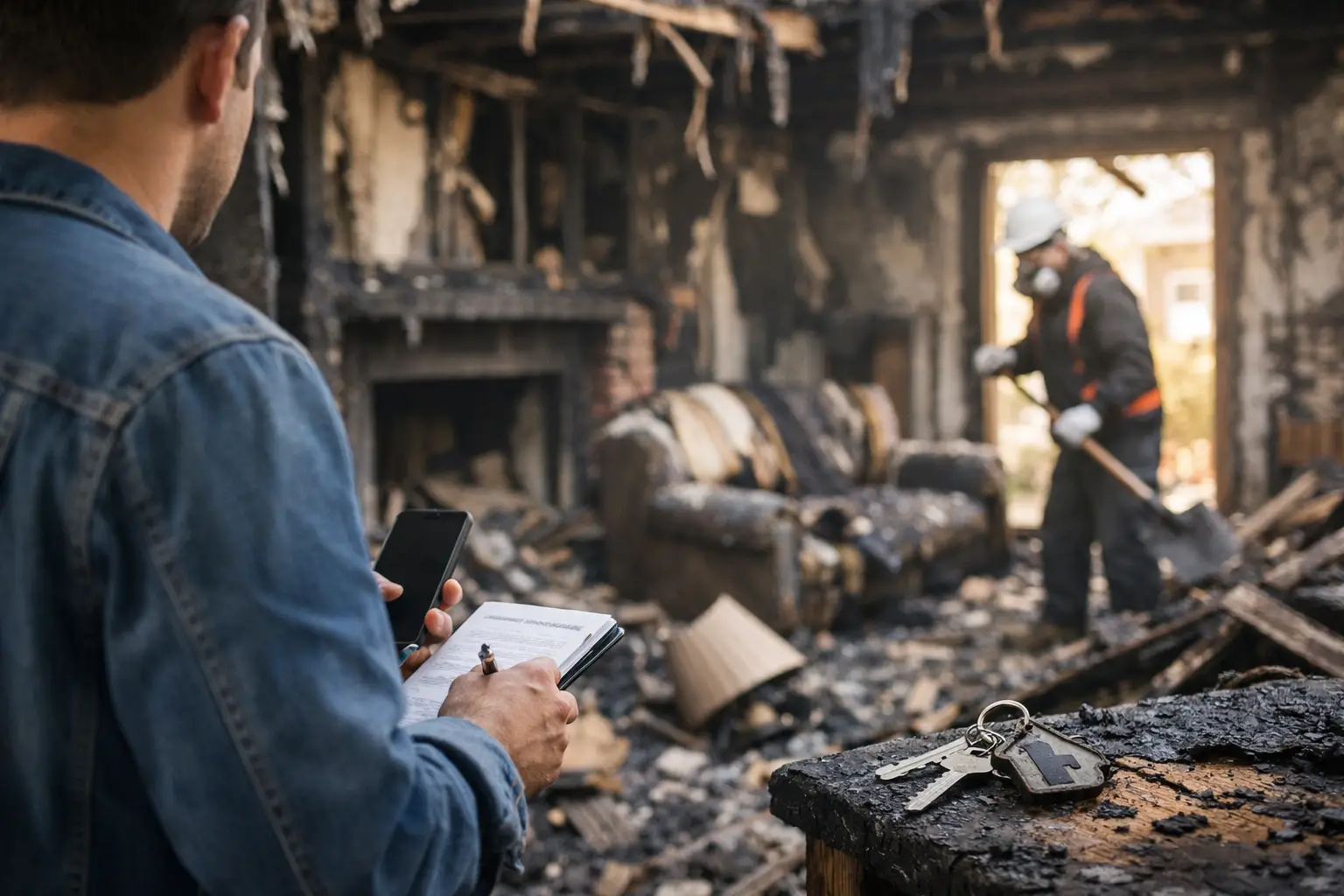 Fire & Smoke
Soot removal, odor deodorization, and content cleaning after fire and smoke damage.
Learn more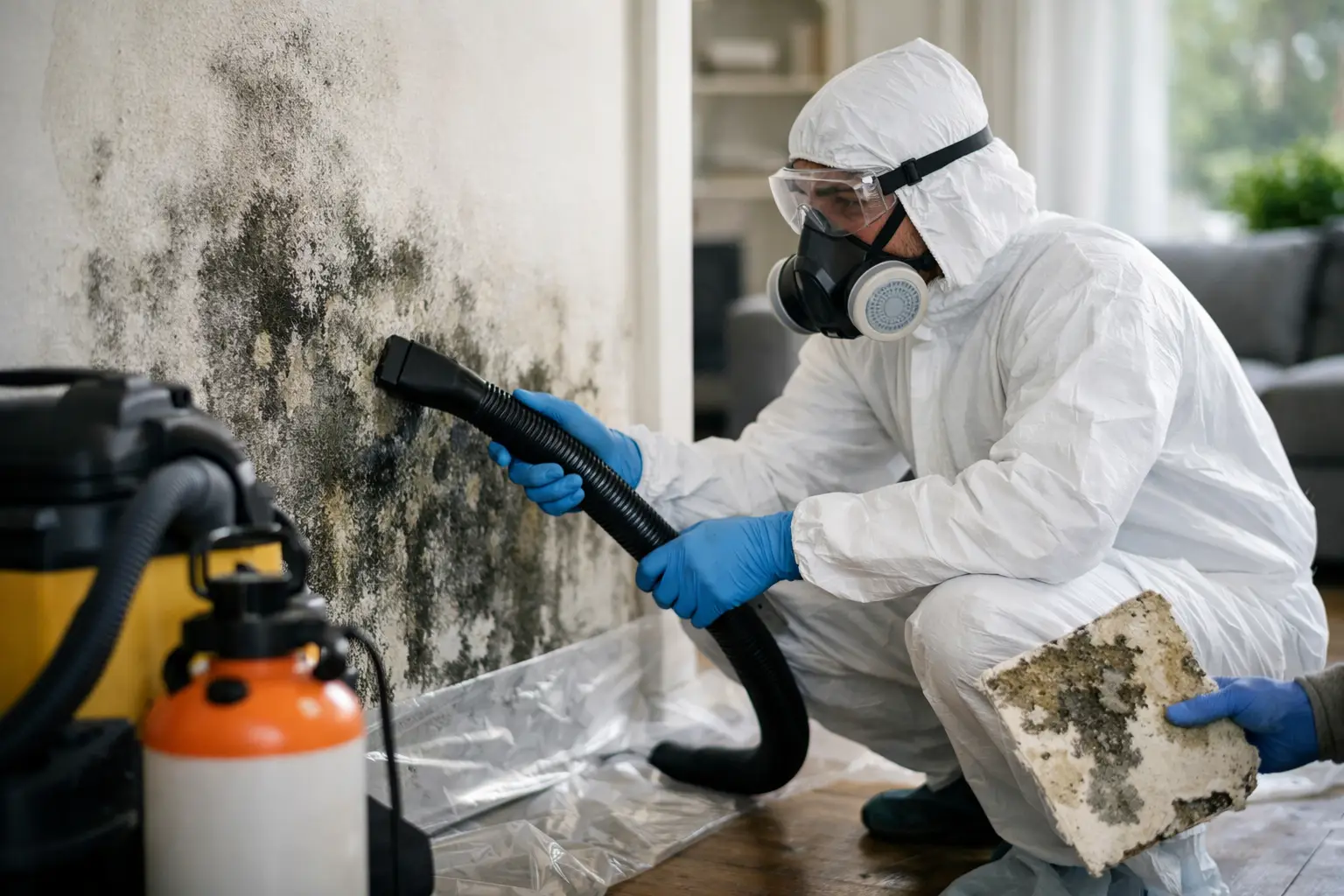 Mold
MoldContainment, removal, and moisture control that stops mold from coming back.
Learn more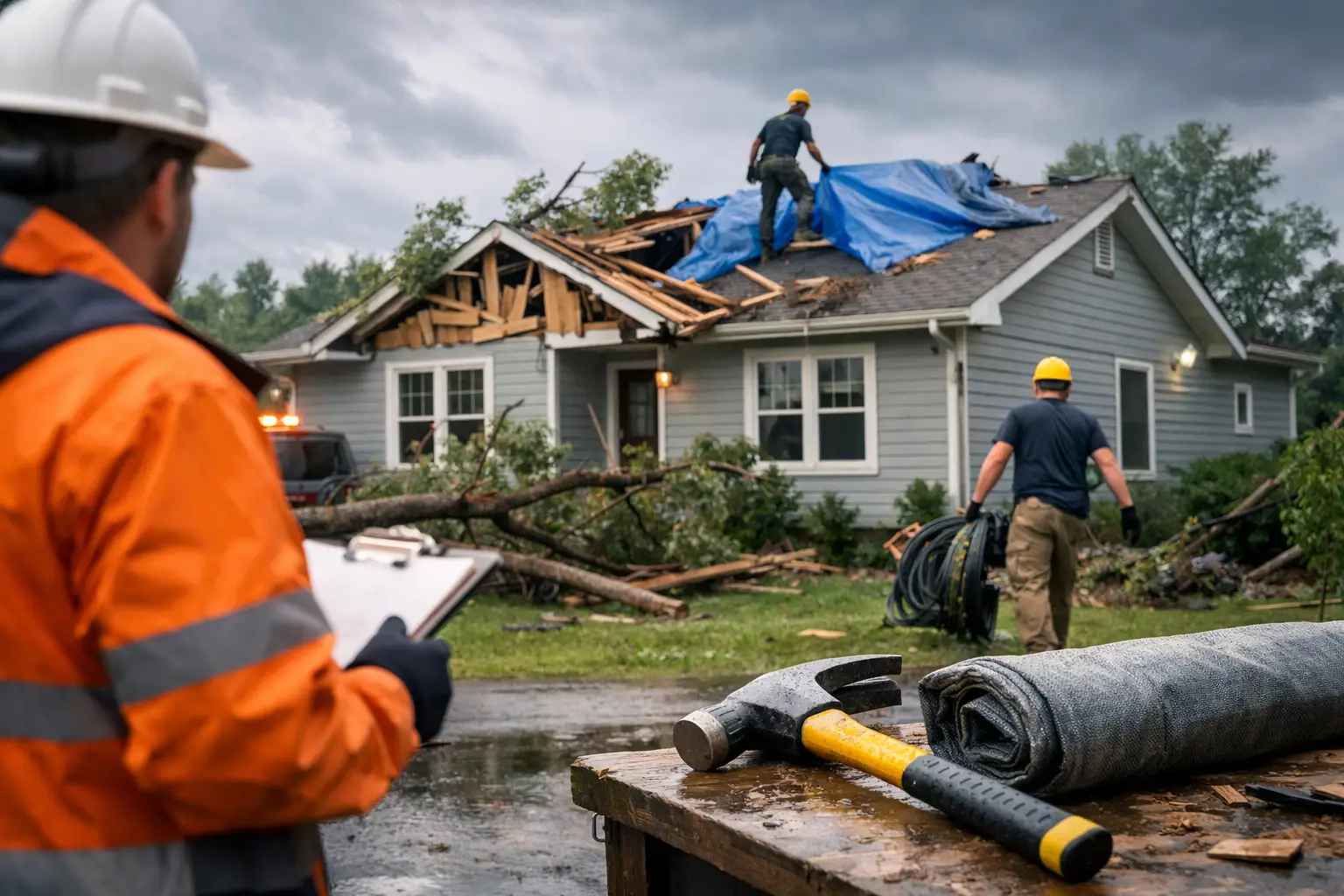 Storm
StormEmergency board-up, roof tarping, and full recovery after wind, hail, and storms.
Learn more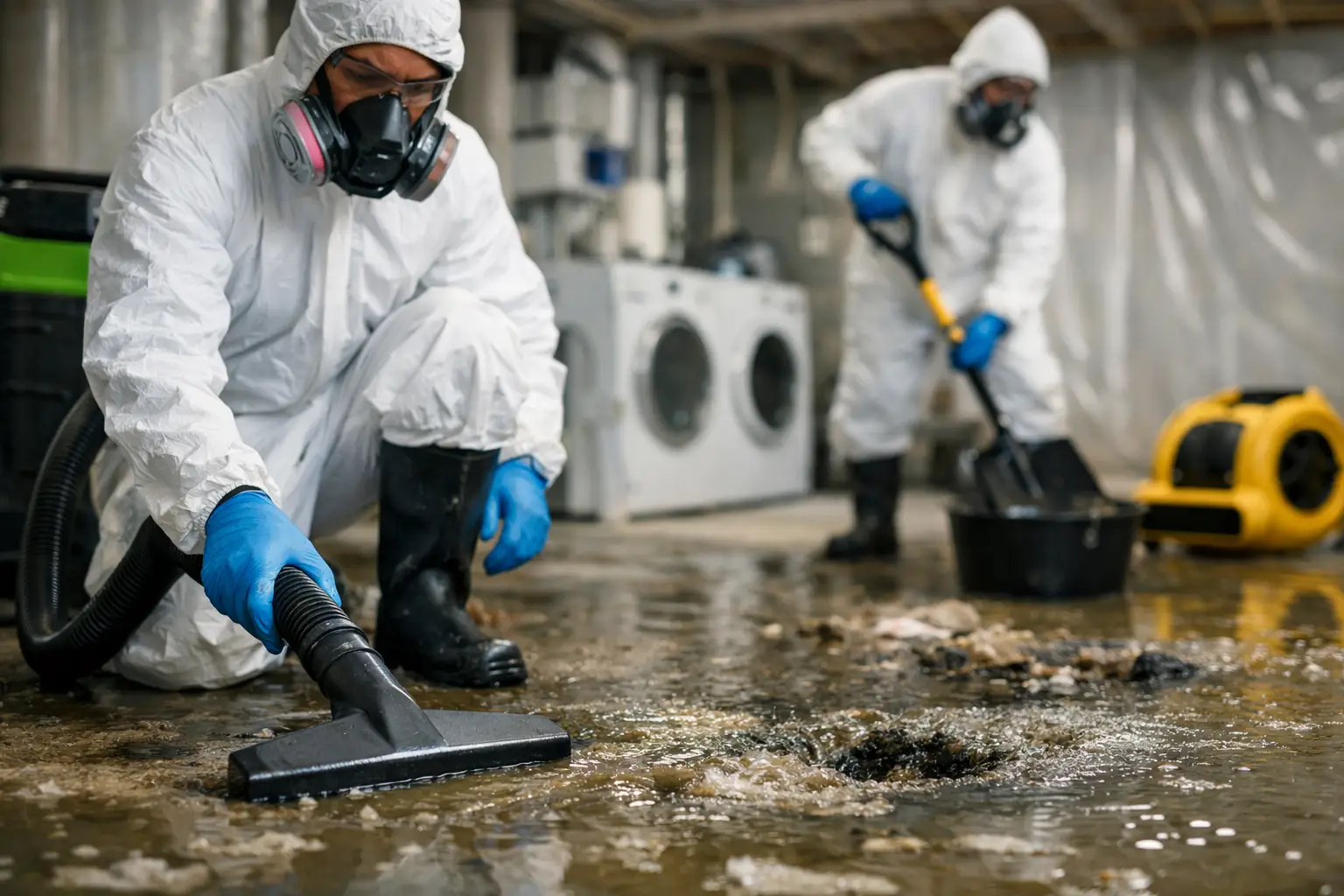 Sewage
Safe biohazard cleanup and sanitizing after sewage backups and overflows.
Learn more Reconstruction
Full rebuild by a licensed general contractor, so your property comes back whole.
Learn moreElevated Operations is an IICRC-certified, licensed general contractor based in Mableton that handles the entire recovery in-house, so after one loss you are never coordinating a cleanup crew, a mold crew, and a contractor separately. One team, one point of contact, from the first pump-out to the final coat of paint.
People call when the property feels like a disaster. They leave reviews because Chris and the crew made it right. These are real, verified Google reviews.
I offer 24/7 emergency response with a 60-minute emergency response target, and that matters when storms hit Riverdale hard. The airport corridor and surrounding Clayton County streets can see fast-moving wind and rain, so I treat open roofs, broken windows, and active leaks as first-call emergencies.
Yes. Older subdivisions often hide storm problems in roof edges, aging flashing, trim, and attic spaces. I look beyond the obvious debris and check for water intrusion, lifted materials, and structural repair needs that a quick drive-by would miss. That is how you avoid paying twice.
Yes. Hail damage repair often starts with a close inspection of roof surfaces, gutters, and exterior finish materials, then moves into the protection and repair steps the home actually needs. I document the damage, coordinate direct insurance billing, and keep the claim tied to the real storm impact.
I handle debris removal as part of storm damage restoration when the debris is part of the loss or is creating a safety issue. If branches, siding, or roof material are still scattered around the home, I want that cleared carefully so the house can be inspected and protected.
Yes. Temporary boarding is one of the first things I use when a storm breaks an opening and the home is exposed. That keeps rain, wind, and pests out while we assess the rest of the damage and plan the permanent repair work.
If the storm only affected exterior materials, wind damage repair may be enough. But if framing moved, sheathing failed, or water reached deeper building layers, structural repair may be required. I inspect the whole path so you are not left with a surface fix over a deeper problem.
Yes. I provide direct insurance billing, and I keep the work order, documentation, and repair scope organized so the claim process moves cleanly. That helps Riverdale homeowners focus on the house instead of chasing paperwork after the storm.
I offer a 12-month warranty on the work I stand behind. That matters after storm damage restoration because the repair has to hold up once the weather shifts again. I want the fix to be solid, not just look good on day one.
Elevated Operations dispatches IICRC-certified crews across Metro Atlanta from our Mableton base, with a 60-minute emergency response day or night. Choose your city:
Call now for an immediate response, or request your free inspection and get a certified crew on-site within the hour across Atlanta and nearby areas.