24/7 Emergency Restoration · Serving Metro AtlantaEmergency? (770) 404-6895
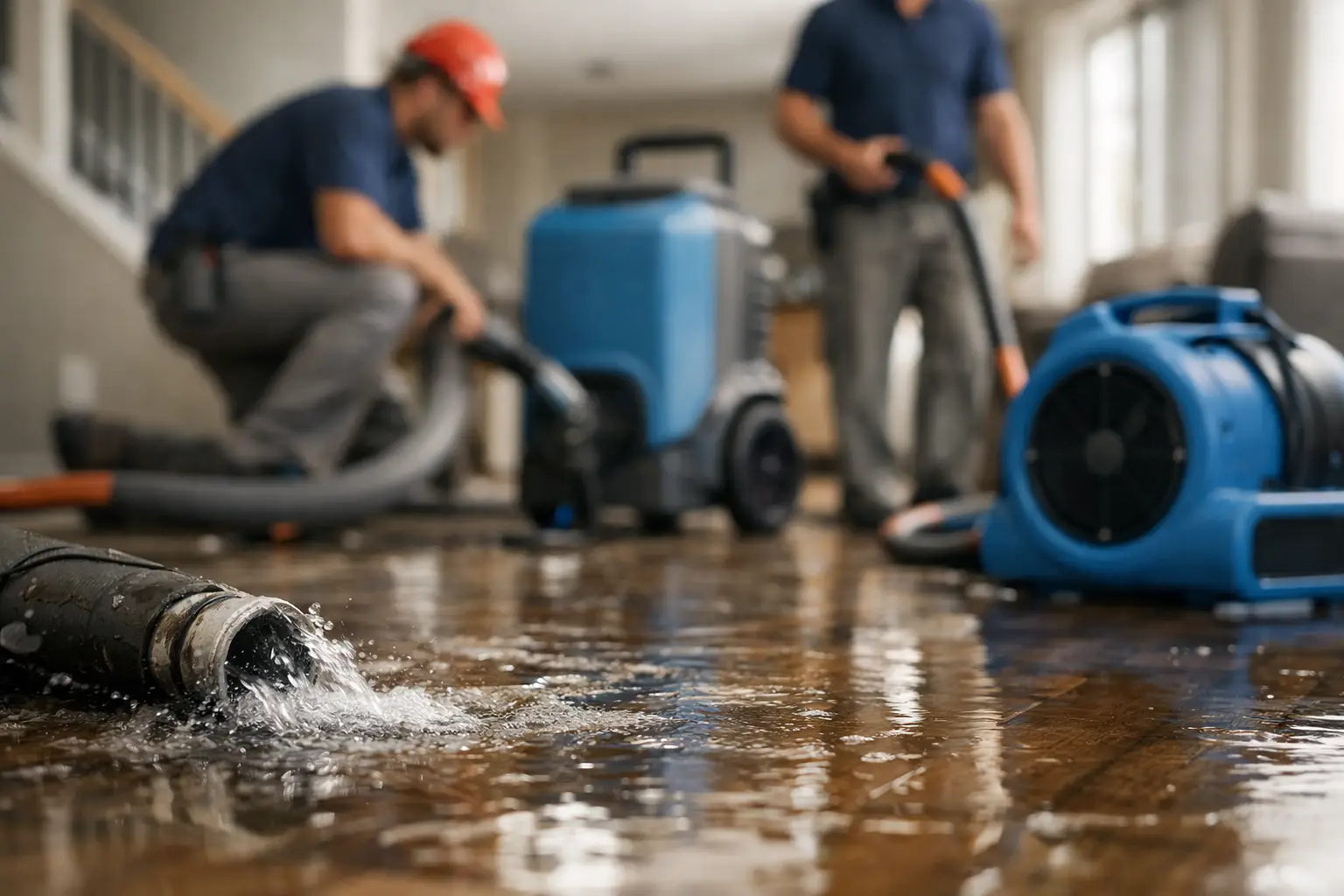
Emergency board up services College Park property owners call for after break-ins, storm loss, or impact damage are priced by the work needed, the openings involved, and the protection required. I handle property board up with direct insurance billing, deductible assistance up to $1,000, and 24/7 emergency response, so you know what happens next.
IICRC-Certified · 5-Star Rated · 60-Minute Response · Insurance Billed Directly
Not every chip needs it, but any open, unsafe, or unsecured window usually does. If weather or entry is possible, I treat it as an emergency.
Sometimes, if the loss itself is covered. The policy controls it, and the emergency work must be documented clearly for the adjuster.
Then roof tarping may need to happen with the board up. I do both when the building needs it, because the goal is full opening protection.
Yes. I offer direct insurance billing, which helps keep the claim moving while the property is secured and the damage is controlled.
Emergency board up pricing usually depends on how many openings need protection, how exposed the structure is, and whether the job needs roof tarping, window board up, or door board up. In College Park, older historic district properties and larger convention hotel buildings can change the scope fast.
I price board up work by the actual condition on site, not by a guess. A small broken entry door is one kind of call. A storm hit on a multi-opening building near the convention hotel corridor is another, because the protection plan has to match the exposure.
Historic district structures can bring different framing, older glass, and more fragile trim. That matters. IICRC-certified technicians look at what needs temporary repairs, what needs opening protection, and what has to be stabilized before more weather gets inside.
I never promise a flat rate I cannot stand behind. Some jobs need simple property board up. Others need roof tarping, fast window board up, and careful securing around doors and vulnerable access points. The price follows the work, the urgency, and the material needed.
You need emergency board up services when an opening leaves the property exposed to weather, trespass, or more interior damage. In College Park, that often means storm damage, break-ins, impact damage, or a failed window or door near the historic district or convention hotels.
If wind, glass breakage, or forced entry has left a space open, I treat it as a live loss. The goal is immediate opening protection. That keeps rain out, slows interior damage, and helps protect the structure until permanent repairs can be planned.
College Park has a lot of foot traffic near hotels, restaurants, and transit routes, so an unsecured opening is not just a weather issue. It is a property exposure issue. A visible opening can invite more damage, more loss, and more insurance complications.
I see this most often after storms, vehicle impact, or a break-in. And if roof damage is part of the loss, roof tarping may be needed right away too. Board up and tarping are not cosmetic moves. They are damage-control moves.
Emergency board up services include securing damaged openings, placing window board up or door board up panels, and adding temporary repairs to reduce exposure. If the roof is open, roof tarping may be part of the same response so the building is protected from the next weather change.
I start with a site check, then move to stabilization. That can mean covering broken glass areas, securing access points, and protecting spaces that could take on water. Every board up should support the building, not create another problem.
In College Park, I pay close attention to mixed-use areas, older homes, and properties near the National Register historic district. Older exteriors need careful handling. A rushed board up can damage trim, brick, or siding, which is the opposite of what you want after a loss.
The work is meant to buy time safely. It does not replace reconstruction. It creates opening protection, keeps the site secure, and helps your insurer see that you acted quickly to limit further damage. That matters in claims handling.
Yes, boarded up windows can prevent further damage by keeping rain, debris, and unauthorized entry out of the property. In College Park, where storms and busy commercial areas can add pressure, window board up is one of the fastest ways to reduce avoidable loss.
A broken window is an open invitation to more damage. Water gets in. Wind gets in. Dust and debris get in. If the building sits near the convention hotel area, people also see the opening, and that can create security concerns fast.
Boarded windows are not a permanent fix, but they do stop the situation from getting worse. That is the point. I use temporary repairs to stabilize the property until the insurer, adjuster, and contractor path are clear.
If a roof opening is also present, the window work alone is not enough. The building needs full property board up planning. That may include roof tarping and other opening protection so the damage stays contained while claims move forward.
A property can usually be secured very quickly after damage when emergency board up services are dispatched right away. We offer 24/7 emergency response with a 60-minute emergency response target, and that speed matters when openings are exposed in College Park.
Fast response is part of loss control. If the building is open, every hour adds risk. Water intrusion, theft, and structural spread do not wait for business hours. I send IICRC-certified technicians with the goal of stabilizing the site as soon as possible.
College Park properties around the historic district and hotel district can face different access challenges, but the process stays the same. We assess the opening, secure it, and stop the worst of the exposure. Then the claim and permanent repair path can move forward.
I do not overstate the clock. I do say this, if the property is damaged and open, calling immediately is the right move. Speed affects what can be saved, how much more damage happens, and how clean the insurance record looks.
Insurance often treats board up work as a necessary mitigation step when a covered loss leaves the property open. That means temporary protection, emergency securing, and related loss-control work may be part of the claim if the event itself is covered.
I handle direct insurance billing, which keeps the paperwork moving without forcing you to front every step alone. The insurer still reviews the cause of loss, the scope, and the policy language. My job is to document the emergency work clearly.
In College Park, that matters for homes, storefronts, and hotel-adjacent properties alike. If the opening was caused by a storm, impact, or break-in, the claim path may include board up and temporary repairs. If the loss is not covered, insurance may deny or limit payment.
Deductibles still apply when coverage applies. I offer deductible assistance up to $1,000, which can help on qualifying jobs. That is not a promise of claim approval. It is support for the part of the process that often surprises property owners most.
The number of openings, the size of the damaged area, the need for roof tarping or window board up, and how much temporary repair work is needed all affect the cost.
College Park properties in the National Register historic district or near convention hotels can need more careful securing because older finishes and heavier foot traffic change the board up plan.
Insurance may cover reasonable mitigation after a covered loss. I use direct insurance billing and document the property board up so the adjuster can review the emergency work clearly.
The deductible is still the policyholder’s responsibility when coverage applies. I offer deductible assistance up to $1,000 on qualifying jobs, which can reduce out-of-pocket pressure.
The faster openings are secured, the less chance of added damage. That can help limit the claim size and protect the building until permanent repairs are approved.
From emergency mitigation to full reconstruction, handled in-house so you are never managing a chain of subcontractors mid-crisis.
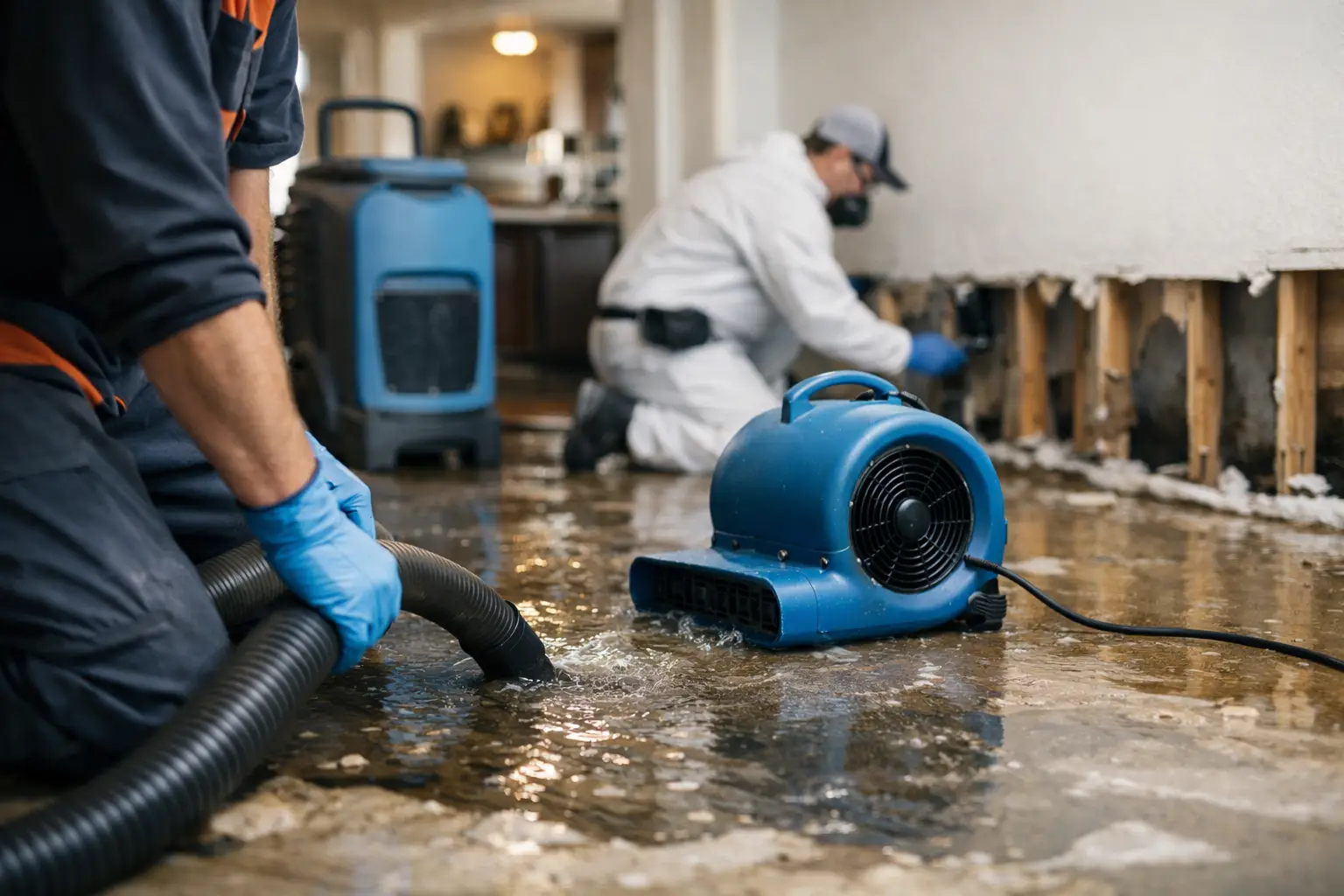 Water Damage
Extraction, structural drying, and moisture mapping after floods, leaks, and burst pipes.
Get help now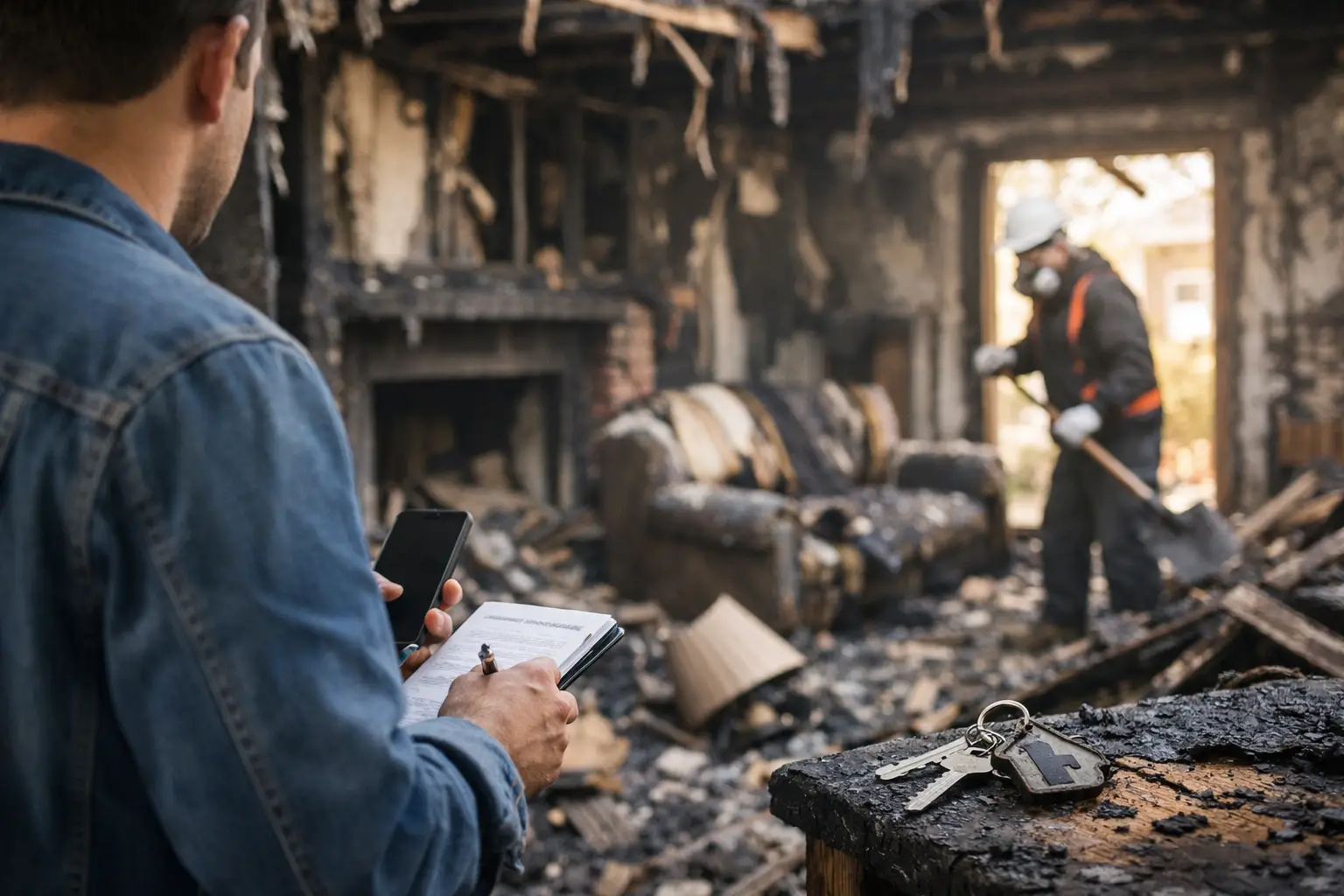 Fire & Smoke
Soot removal, odor deodorization, and content cleaning after fire and smoke damage.
Learn more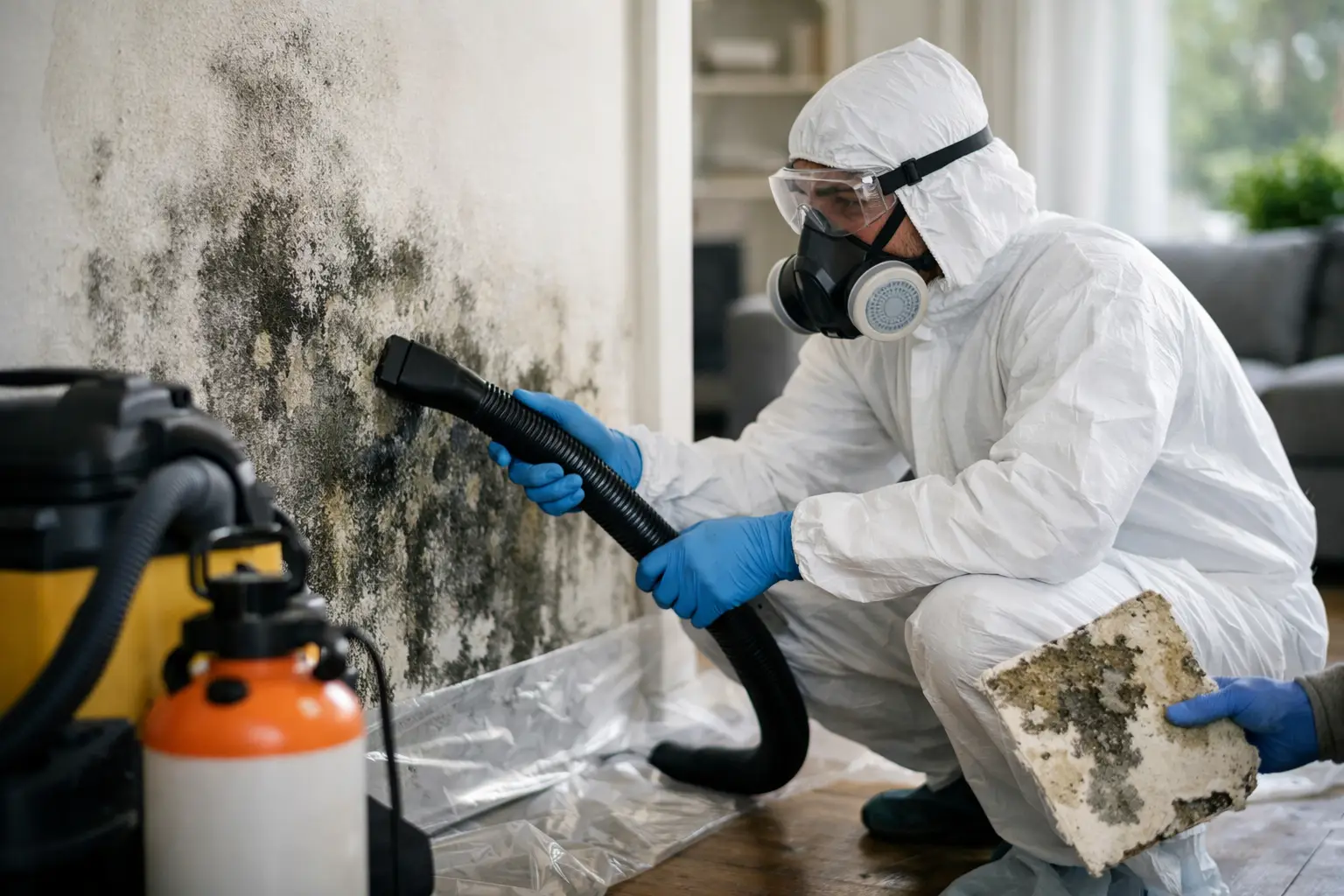 Mold
MoldContainment, removal, and moisture control that stops mold from coming back.
Learn more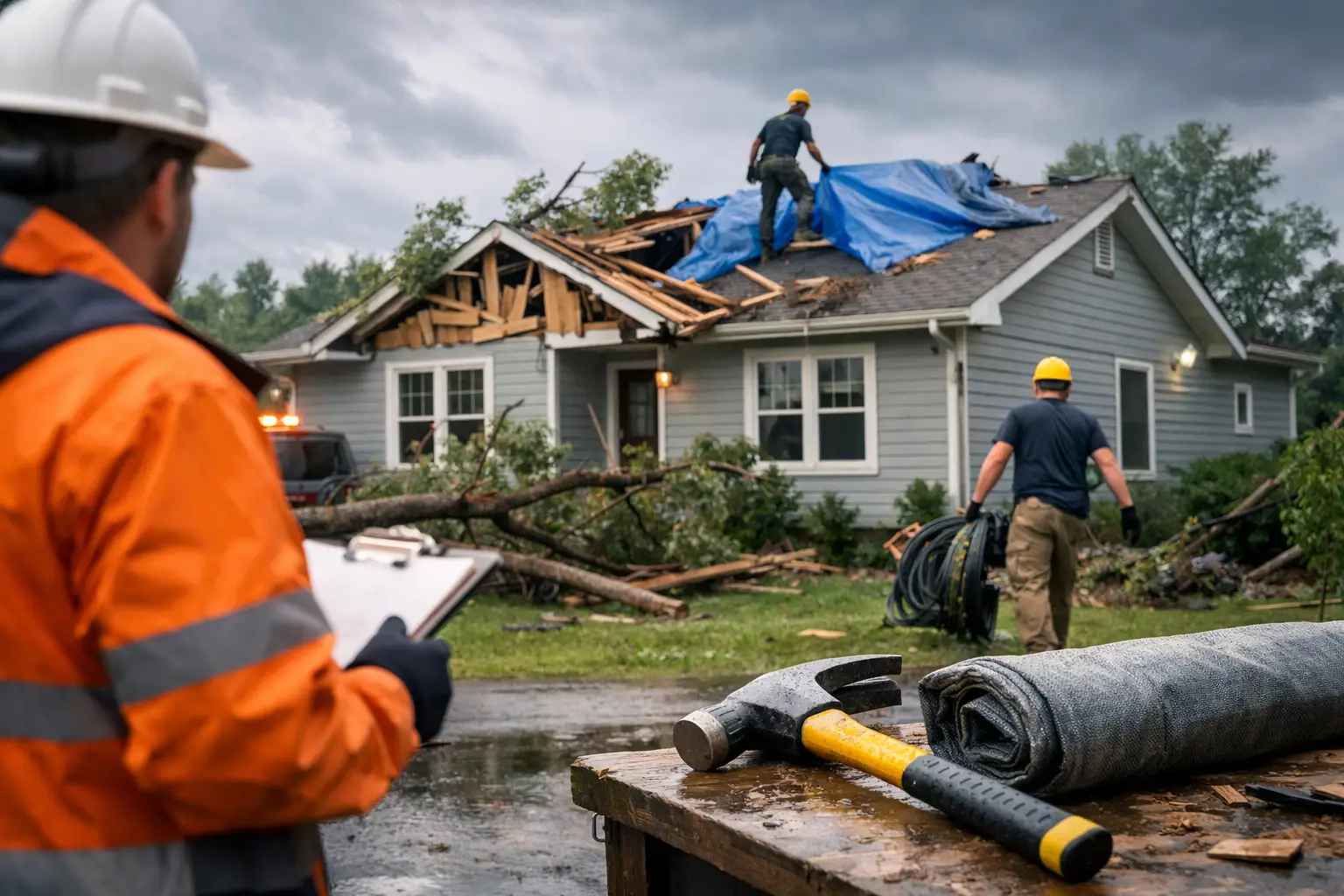 Storm
StormEmergency board-up, roof tarping, and full recovery after wind, hail, and storms.
Learn more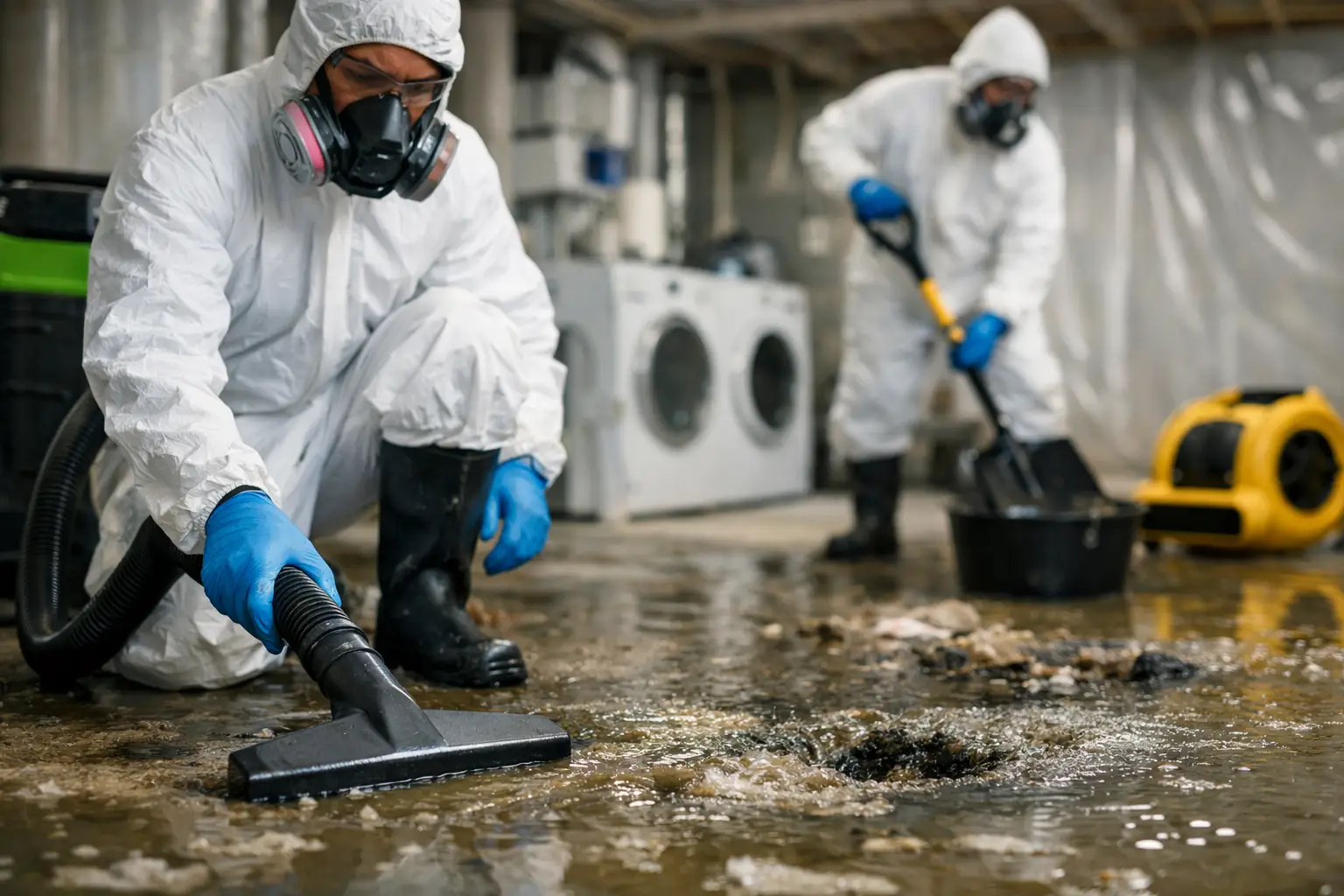 Sewage
Safe biohazard cleanup and sanitizing after sewage backups and overflows.
Learn more Reconstruction
Full rebuild by a licensed general contractor, so your property comes back whole.
Learn moreElevated Operations is an IICRC-certified, licensed general contractor based in Mableton that handles the entire recovery in-house, so after one loss you are never coordinating a cleanup crew, a mold crew, and a contractor separately. One team, one point of contact, from the first pump-out to the final coat of paint.
People call when the property feels like a disaster. They leave reviews because Chris and the crew made it right. These are real, verified Google reviews.
I assess the opening, protect the structure, and secure it with the least disruptive method that still holds. Historic district properties often need careful window board up or door board up work so trim, masonry, and older materials are not damaged during the temporary repair.
If the storm loss is covered, insurers often review roof tarping and board up as mitigation steps that help prevent more damage. I document the work, bill directly when possible, and keep the claim focused on emergency protection rather than waiting for permanent repair decisions.
Call for emergency board up services immediately and avoid trying to secure broken openings yourself if glass or structural damage is involved. I treat break-ins as urgent because they create both security and weather exposure, especially near busy commercial areas and convention hotels.
Yes, boarded up windows show that you acted to reduce further damage, which is what insurers expect after a covered loss. Window board up is a common mitigation step, and clear documentation helps the claim reflect the emergency condition rather than avoidable secondary damage.
The emergency work is documented, billed, and tied to the loss event. Temporary repairs and opening protection are often reviewed as part of mitigation, not final restoration. That helps the insurer understand what was necessary to keep the property from getting worse.
Deductibles are still part of most covered claims, but I can offer deductible assistance up to $1,000 on qualifying jobs. That does not change policy terms. It can, however, ease the cash pressure when the property needs immediate protection and the claim is still moving.
Often, yes. Higher traffic, larger openings, and more visibility can change the plan. I look at access, exposure, and the type of opening before choosing window board up, door board up, or other property board up methods.
I offer 24/7 emergency response with a 60-minute emergency response target. If the property is open, I want the call right away. Fast dispatch reduces the chance of more damage, and that matters in both the claim and the final repair process.
Elevated Operations dispatches IICRC-certified crews across Metro Atlanta from our Mableton base, with a 60-minute emergency response day or night. Choose your city:
Call now for an immediate response, or request your free inspection and get a certified crew on-site within the hour across Atlanta and nearby areas.